Samsung's new foldable device once again does not support the S Pen. Has AI completely put an end to the era of styluses?
In 2026, Samsung released its "wide fold" smartphone Galaxy Z Fold 8, which is equipped with a thinner hinge, brighter screen and more powerful imaging system, with parameters that leave almost no room for criticism. But Leikeji noticed a detail at first glance: just like the previous-generation Galaxy Z Fold 7, the new Z Fold 8 still does not support the S Pen. In other words, the Galaxy S26 Ultra has truly become the only remaining Samsung device that keeps the S Pen feature.
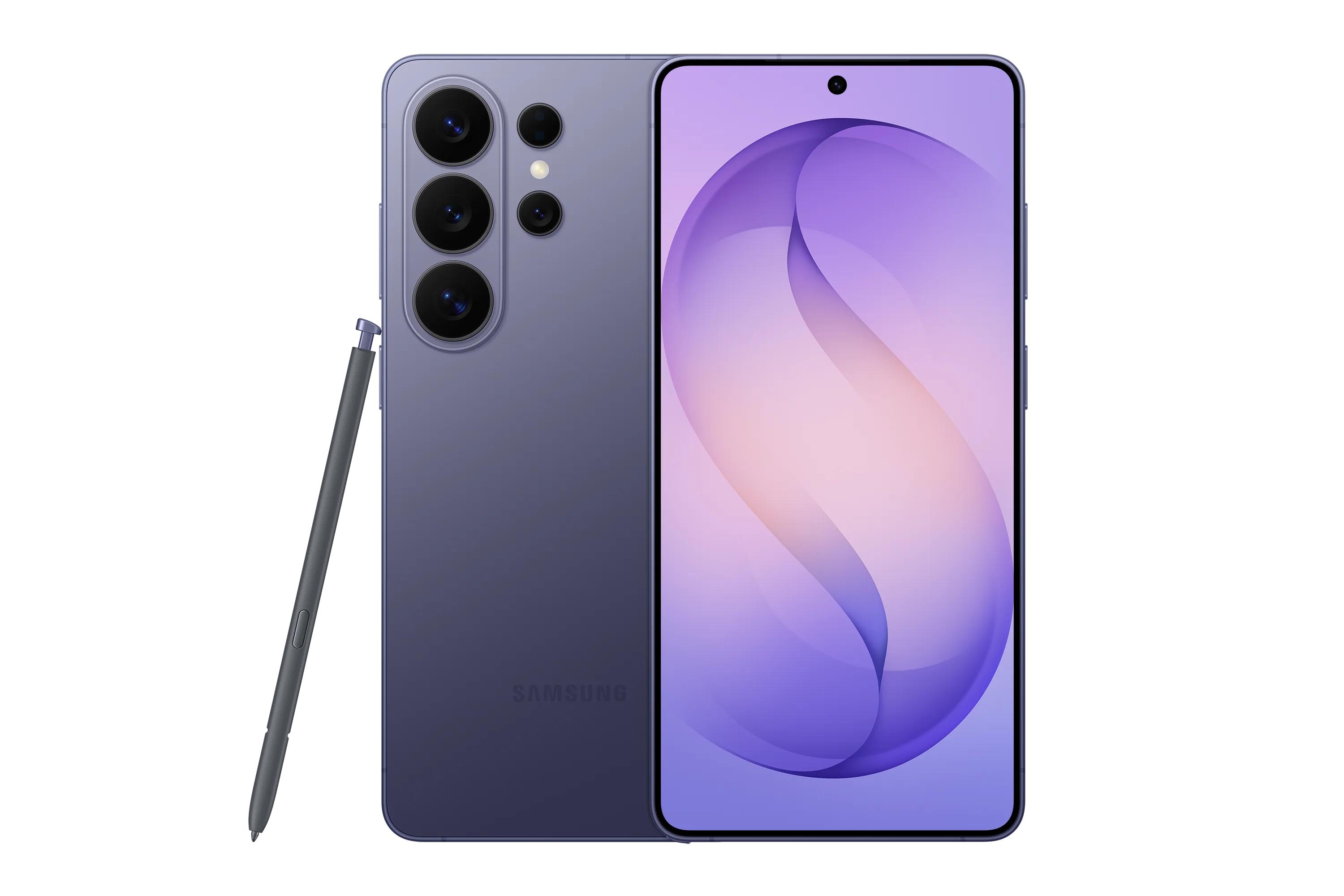
Image source: Samsung
From Leikeji's point of view, Samsung's decision to remove this pen itself speaks volumes. The S Pen has been the signature accessory of Samsung's flagship devices since the Note era, and was later embedded in the Ultra variant of the S series, then integrated into the inner screen of foldable phones. Samsung has successfully made "handwriting" a unique label that differentiates its products from those of Apple and domestic Chinese brands. Even after the Note series was discontinued, Samsung has always regarded the S Pen as a core brand symbol.
More importantly, for a long time, the S Pen has been a technical "moat" that makes Samsung's foldable phones stand out from other foldable devices: Samsung's horizontal foldable phones used to be the only foldable flagships that support writing on the inner screen. It can be said that the withdrawal of the S Pen is far more than just removing an accessory. Leikeji believes that Samsung's decision to abandon the S Pen is more like a turning point for smartphones moving from the large-screen entertainment era to the AI era.
Foldable phones and styluses are "inherently incompatible"?
However, based on Leikeji's experience of using foldable phones over the past few years, the combination of foldable phones and the S Pen was doomed to end in "separation" from the very beginning.
As we all know, the hinge of a foldable phone is the most complex and fragile mechanical component on the entire device. To fit the pressure-sensitive recognition function of the S Pen, Samsung has to lay an extra digitization layer under the soft inner screen; and the physical pressure generated by the S Pen's touch operation will inevitably be transmitted to the hinge.
This kind of external extrusion is very likely to cause deformation of the phone's hinge, and the deformed hinge will inevitably cause irreversible damage to the soft inner screen when the phone is folded. If you have paid attention to the liquid leakage issue of foldable phone inner screens, you will find that the damage to foldable phone inner screens usually only has two causes: foreign objects are "clamped" by the foldable screen, or the inner screen is "pierced" by the hinge from the inside out.
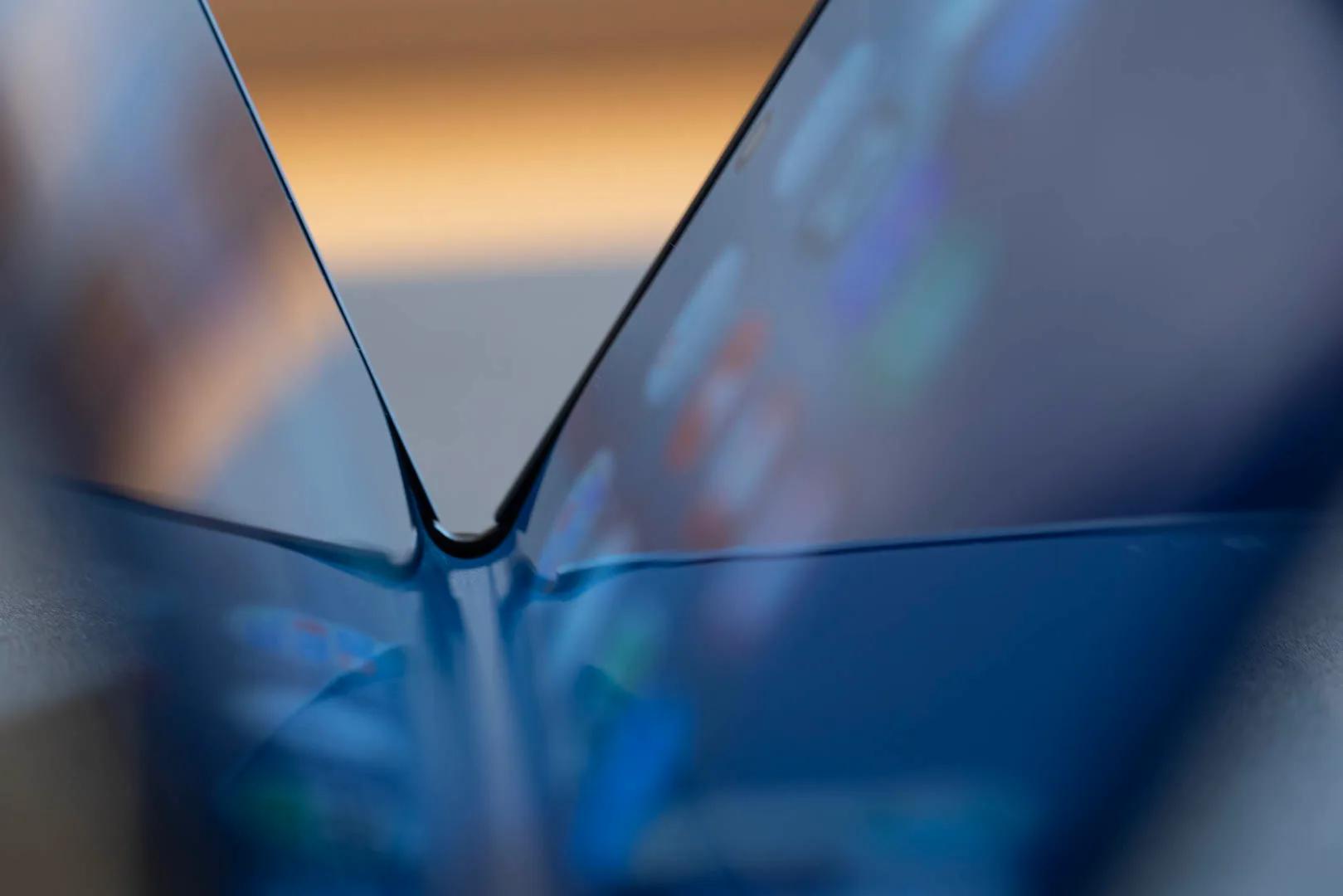
Image source: Leikeji
That's why even in the era when the Z Fold series still supported the S Pen, Samsung never dared to open the permission that "any pen can write on the foldable screen". To use the S Pen on a foldable phone, users have to purchase a specially customized S Pen. Judging from sales data, users are really not very receptive to this separately sold S Pen.
In terms of product form, the evolution direction of foldable phones in recent years has also been moving further and further away from styluses: Honor and Vivo have turned foldable phones into small square tablets, focusing on multi-app split operation rather than traditional tablet scenarios; Huawei and Samsung have also started to explore the "wide fold" route, which makes handwriting operation more and more inconvenient.
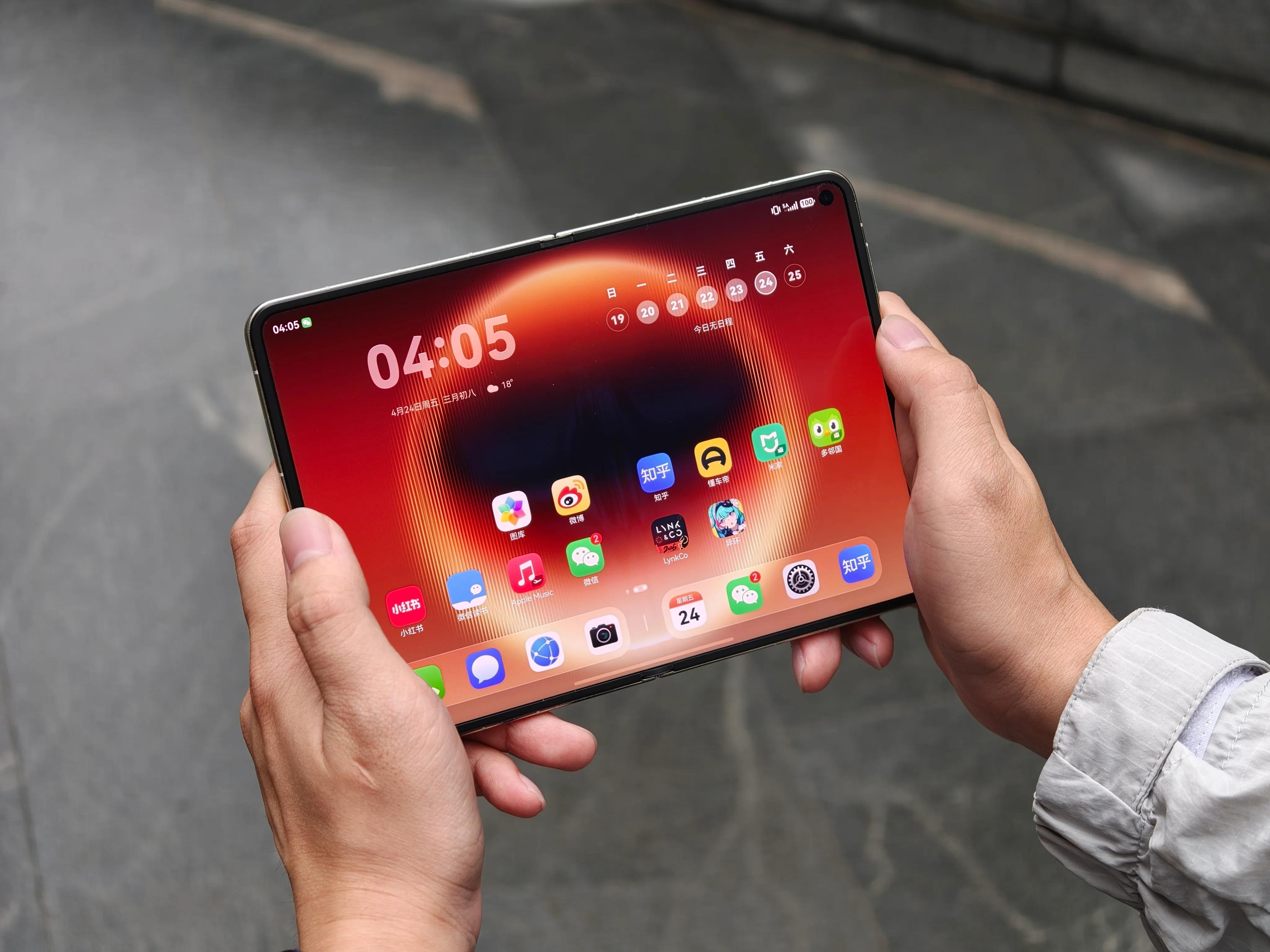
Image source: Leikeji
Hardware form determines application scenarios, and application scenarios determine the accessory ecosystem. Since brands are not optimistic about the matching of foldable phones and styluses from the perspective of product positioning, it is inevitable that the S Pen will be abandoned.
AI is the real "terminator" of styluses
But in Leikeji's view, problems in hardware and user experience can only be regarded as the "internal causes" of the S Pen's loss of popularity. In addition, the S Pen's declining status is also affected by the "external factors" of the mobile phone industry. And this "external factor" is, in the final analysis, the hottest topic in the current mobile phone industry — AI.
From the perspective of input mode, the stylus input represented by the S Pen, its biggest value is to provide the possibility of "precise input" for touch interaction. But with the explosion of AI Agent, our demand for precise interaction on mobile phones has been decreasing again and again: tasks such as document typesetting, image editing and quick note-taking can all be completed by the mobile AI Agent. Since these tasks can be done easily with voice commands, why do we need to do them manually?
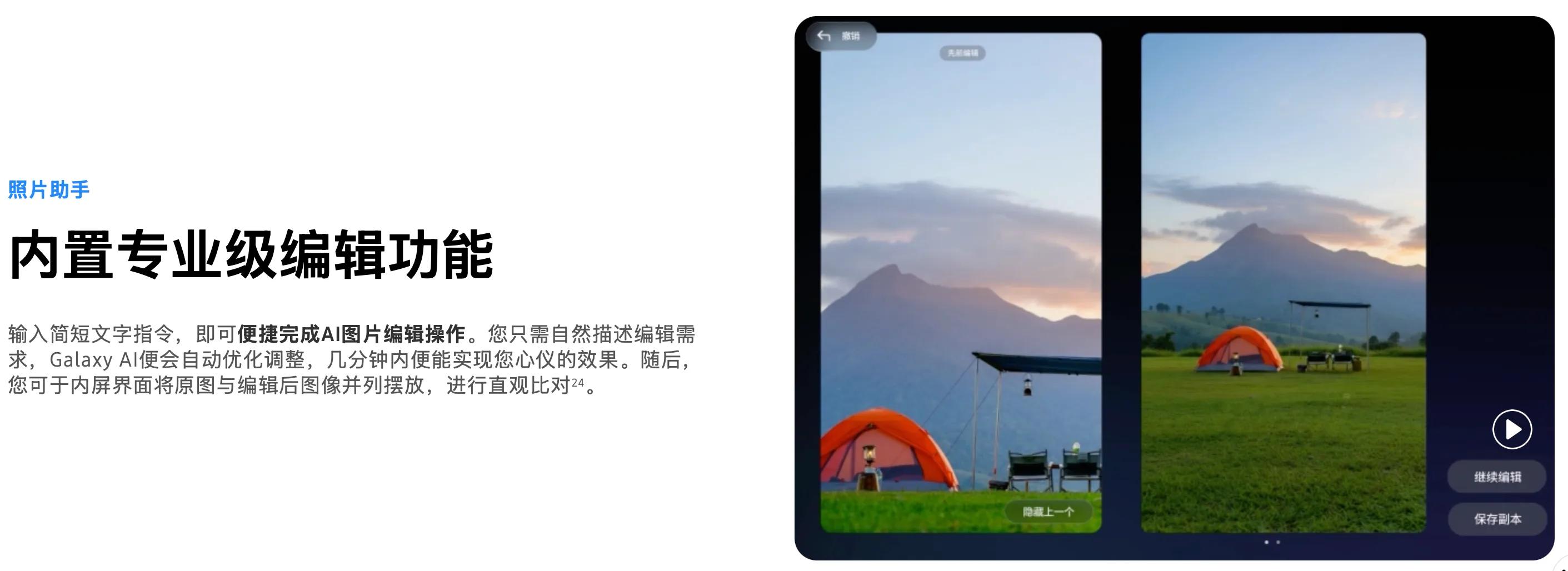
Image source: Samsung
In addition, the internal space of foldable phones is very limited: the hinge takes up a part, the dual batteries take up two parts, and the high-spec imaging system takes up another part. To squeeze out decent battery life in a millimeter-level thin body, manufacturers even want to make the metal frame thinner. Obviously, to ensure that AI is "always on", mobile phone brands have to fit larger batteries into the devices as much as possible.
However, out of its own considerations, Samsung has never paid much attention to improving battery energy density, and the battery capacity of Galaxy Fold 7 is only 4400mAh. To increase the battery capacity without increasing the thickness of the phone, manufacturers naturally have to target the "low-frequency components" inside the device. The sensing components that support the S Pen have thus become the "victim" in the trade-off of mobile phone configuration.
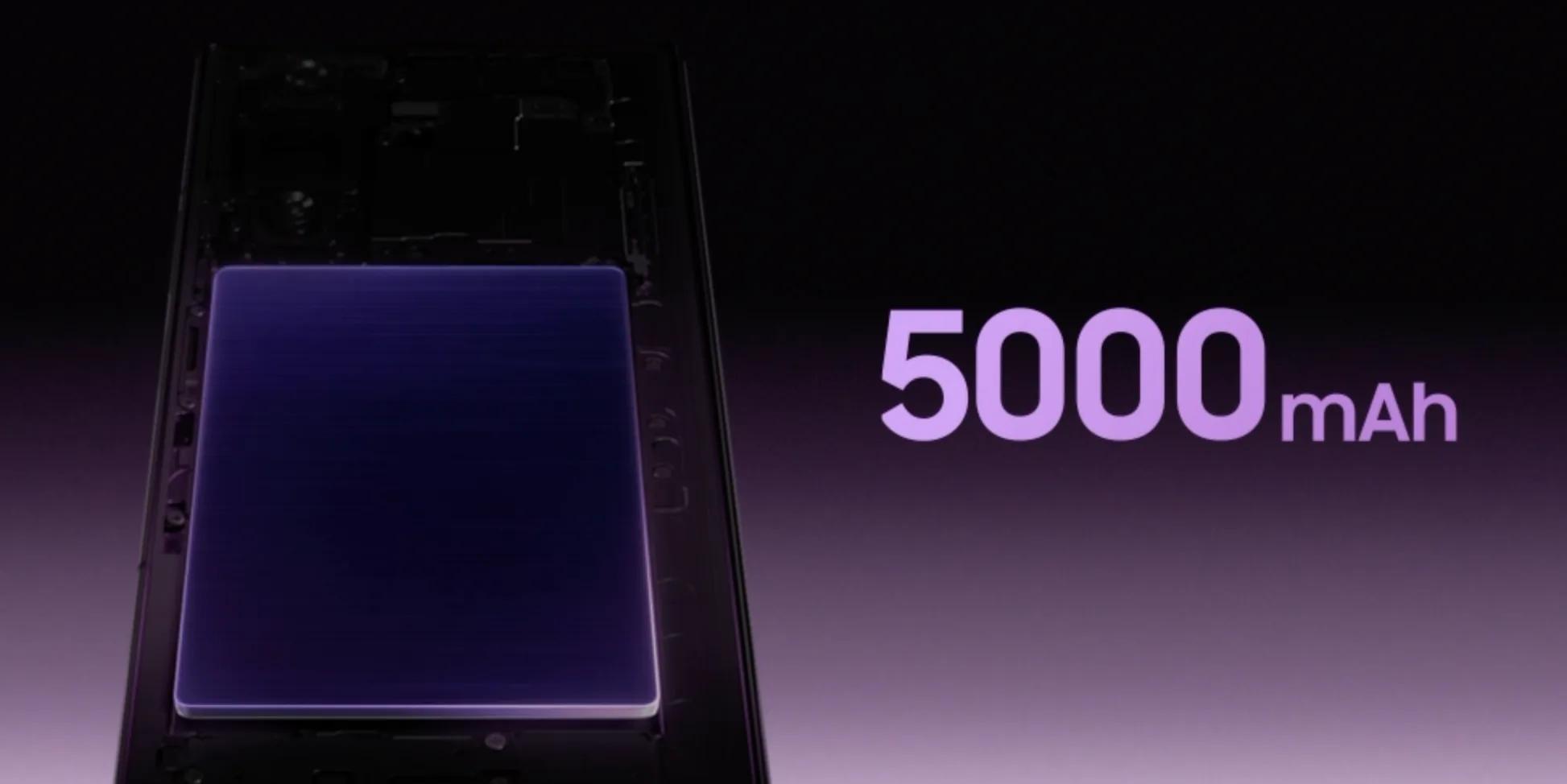
Image source: Samsung
From physical keyboards to styluses, what is the next accessory to be removed?
From the perspective of industry progress, it is certain that the stylus represented by the S Pen will by no means be the last victim of the "slimming" plan for smartphones in the AI era.
It is well known that to keep smartphones light and thin, many "necessary" hardware components have been removed in the past two decades: the physical keyboard was the first to exit in the touch screen era, and detachable batteries, 3.5mm headphone jacks, physical Home buttons and microSD card slots have also gradually disappeared as mobile phones get slimmer. Every time a key component is removed, there will be heated debates in the industry first, then users find that nothing important is missing, and finally no one cares about it and the issue fades away.
That's why Leikeji believes that the S Pen is neither the first "victim" in the AI era, nor will it be the last. For example, a few years ago, some mobile phone brands tried to replace the physical earpiece with piezoelectric ceramic speakers; the status of physical volume keys and power keys has also been shaken under the influence of pressure-sensitive keys; even the once essential physical SIM card has begun to be replaced by eSIM.
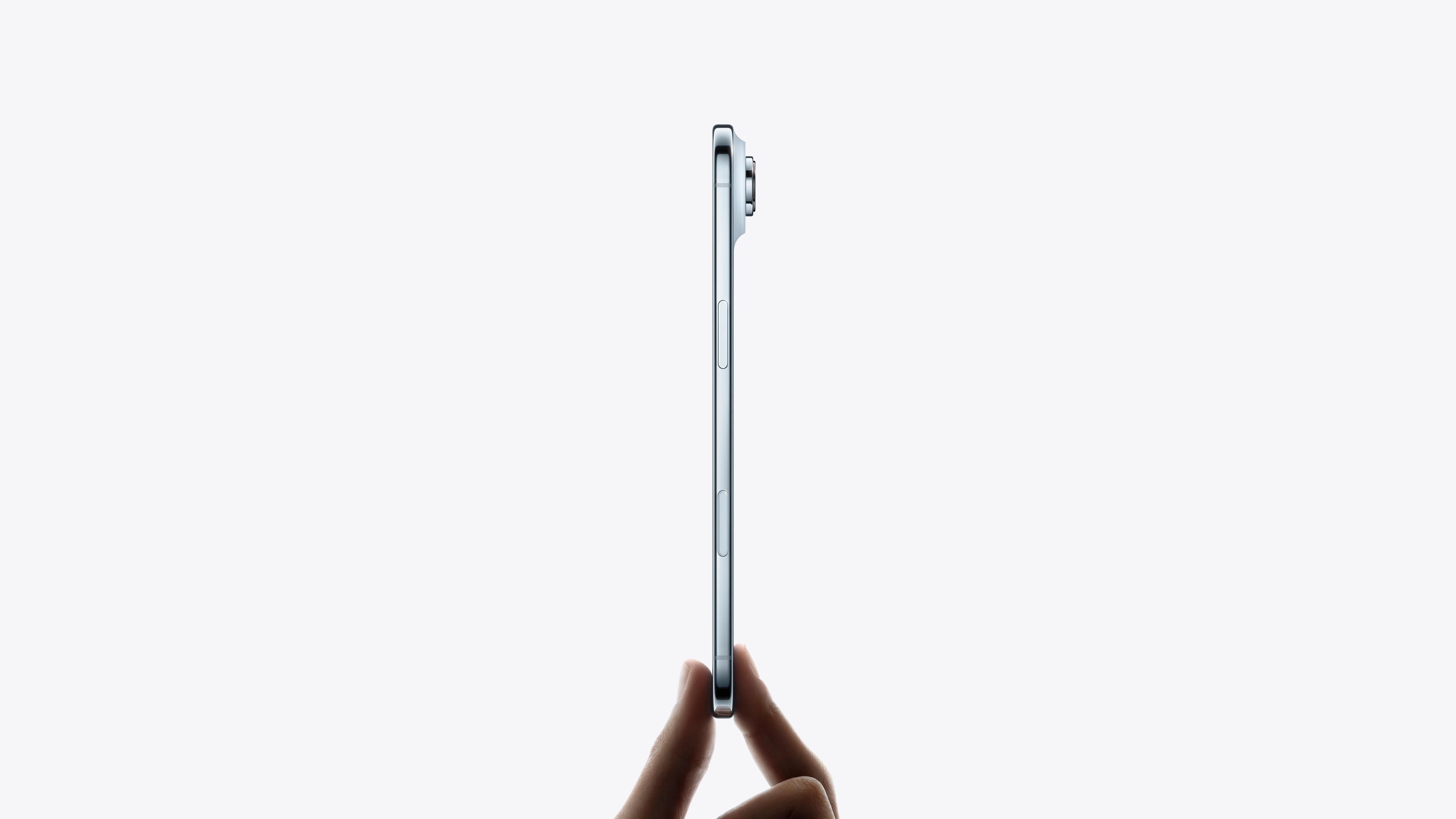
Image source: Apple
However, compared with who the next "victim" will be, in Leikeji's view, what the next "new component" will be is actually more worthy of our attention. When smart hardware is no longer constrained by old ideas, new hardware forms will get opportunities for development. For example, Honor has launched "embodied intelligence" smartphones such as the Robot Phone; products including headphones with built-in cameras, modular radiators and the magnetic robot bracket exhibited at CES are also exploring new possibilities beyond the traditional hardware forms around the perception capability of AI Agent.
From this perspective, although we lost the S Pen, we have gained a richer AI hardware ecosystem. No matter from which point of view, this is not a bad thing.
Mobile phone manufacturers should not let "AI" become a universal excuse for reducing configurations
Looking back at the S Pen removed from the Z Fold 8, Leikeji believes that the significance of its exit is far more than just losing a stylus. Looking at the longer term, the mobile phone industry has been making constant subtractions for decades, but every cut in the past 20 years has been followed by a more user-friendly alternative solution. We complained about these changes, but eventually accepted them; while the removal of the S Pen targets the "hardware itself" — the interaction function has been integrated into AI, and there is no need for any alternative to exist.
That's why Leikeji believes that we don't have to feel sorry for the S Pen, after all, we have got a more efficient and natural interaction method. What is really worthy of vigilance is that "making way for AI" is becoming a universal excuse for manufacturers to cut configurations: in the past, reducing configurations would be criticized by users, but now manufacturers can justify their configuration cuts with just one sentence of "leaving more space for batteries".
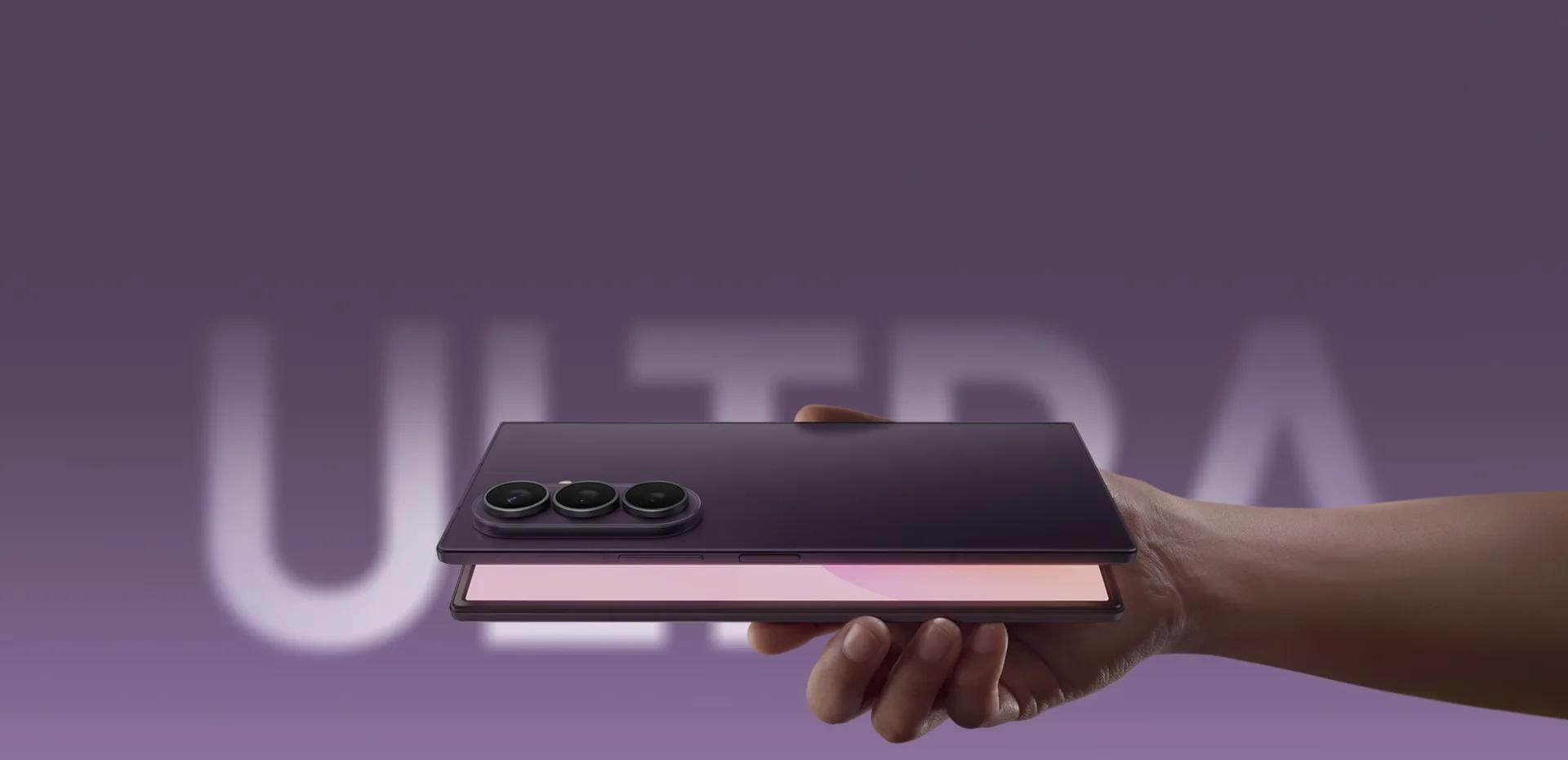
Image source: Samsung
As users, we have to admit that the "slimming" of mobile phones can bring better experience, but if the subtraction is no longer for better usability, but only for cost reduction, this kind of "optimization" will eventually be backfired by users.
As for how long the S Pen on the S26 Ultra can last, I'm afraid only Samsung itself knows the answer.
This article is from "Leikeji", authorized for release by 36Kr.