What should we do if AI creates novel viruses that have never existed in nature and some people use this technology to commit sabotage?
Humans have long been able to "manufacture" viruses, but not long ago, humans "created" a virus for the first time. More precisely, with the help of AI, a new virus that has never existed in nature has been generated.
Take DNA viruses as an example, their genetic material is the same as that of humans: long DNA strands are lined up with four types of bases: A, T, G, and C. The arrangement order of bases determines the virus's replication strategy, which hosts it chooses to attack... To put it more vividly, a virus is what it is entirely thanks to this precisely arranged sequence of letters.
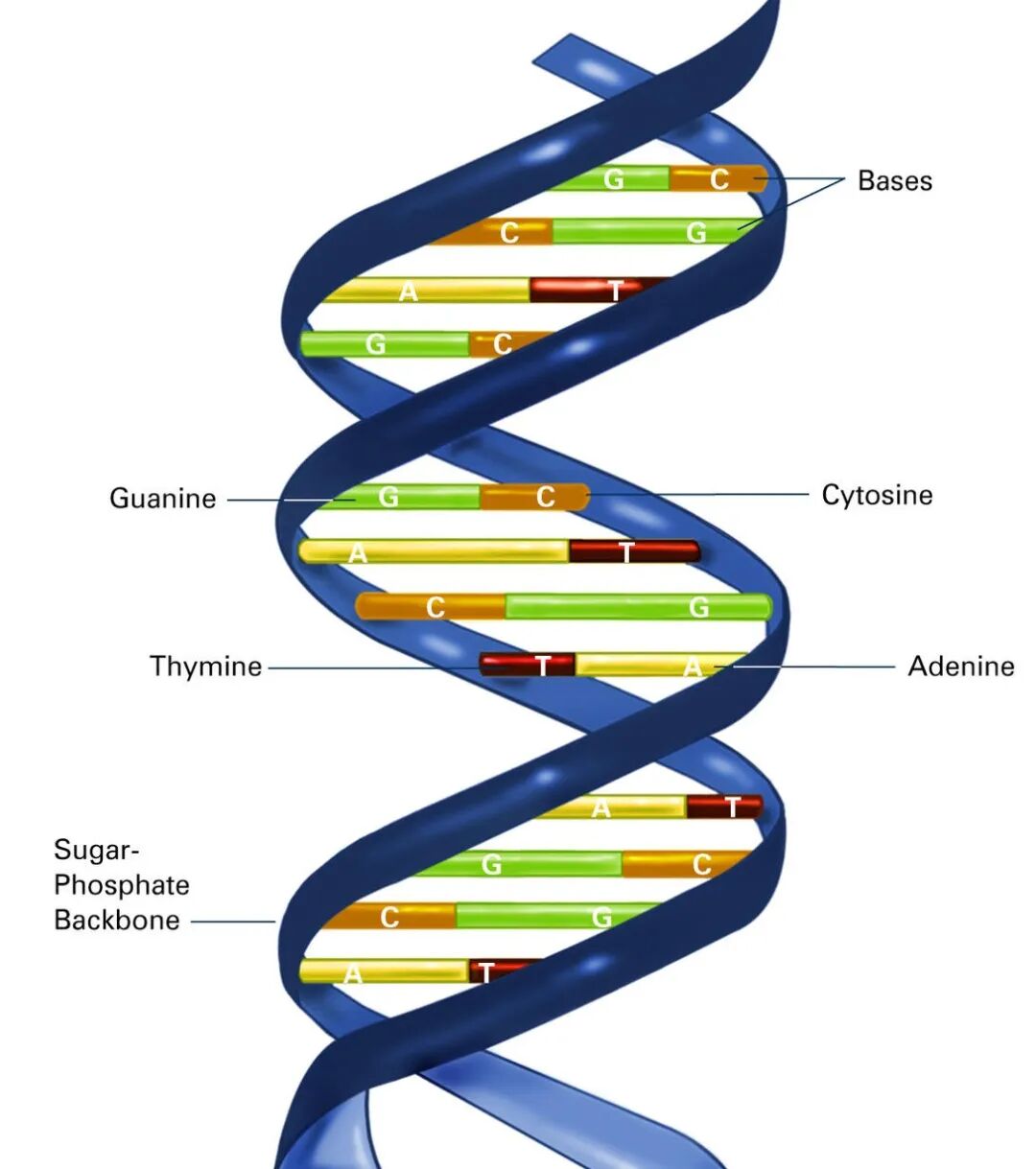
Classified by genetic material, there are many types of viruses, such as double-stranded DNA viruses, single-stranded DNA viruses, double-stranded RNA viruses... For RNA viruses, the focus is mainly on the A, U, G, C bases on RNA|SPL
In the 1970s, gene sequencing technology emerged, allowing scientists to read the base sequences of viruses. This means that if the bases are arranged according to the sequencing results in the laboratory, a specific virus can be "replicated".
Later, gene editing technology came into being. Scientists can not only read the base sequence of viruses, but also make certain modifications. For example, deleting the pathogenic gene on the viral DNA can make it lose pathogenicity while still being recognized by the human immune system, and that is how vaccines were born.
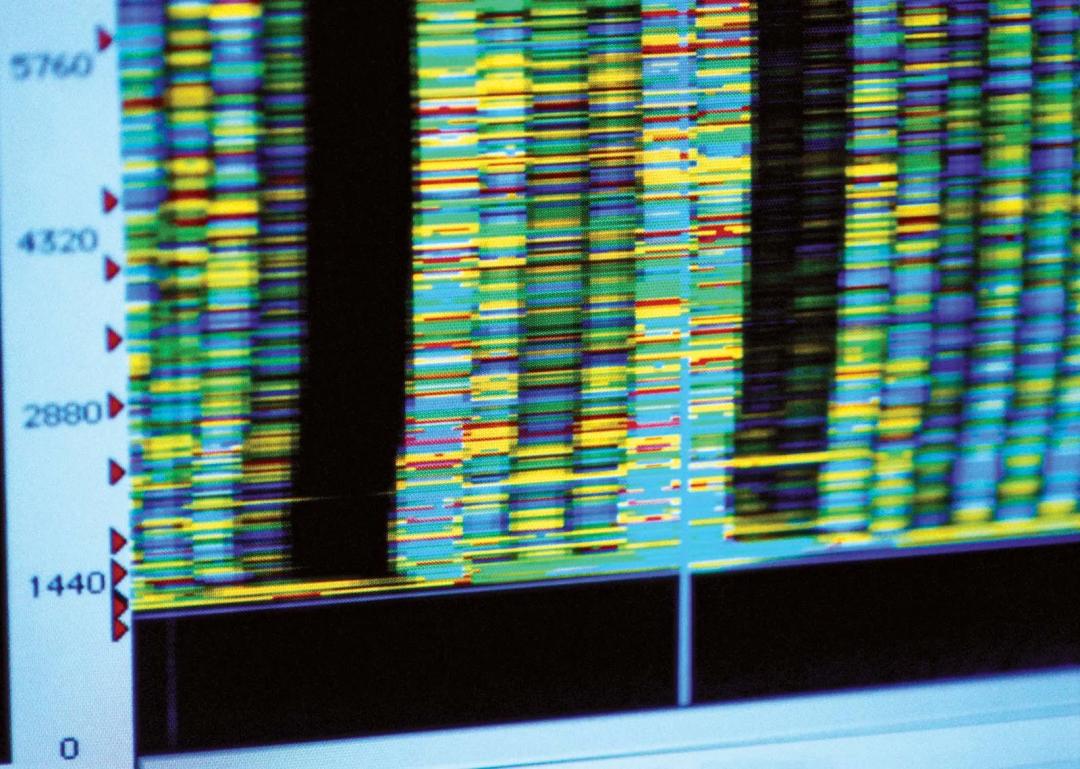
The result diagram of gene sequencing, each color block represents a base|Network
So can humans create a viable viral DNA strand from scratch by arranging bases without any reference? It is extremely difficult!
This is because the combination of bases on DNA is nearly infinite. Some of the bases form gene regions on DNA (responsible for guiding protein synthesis), and more bases form regulatory sequences (determining when each gene turns on and off, which one expresses first, which one expresses later, etc.), only when genes and regulatory regions cooperate precisely can the virus "survive".
However, human understanding of how genes and regulatory regions cooperate is still limited, and the permutation and combination of bases are approaching infinity, which is almost an impossible task to figure out.
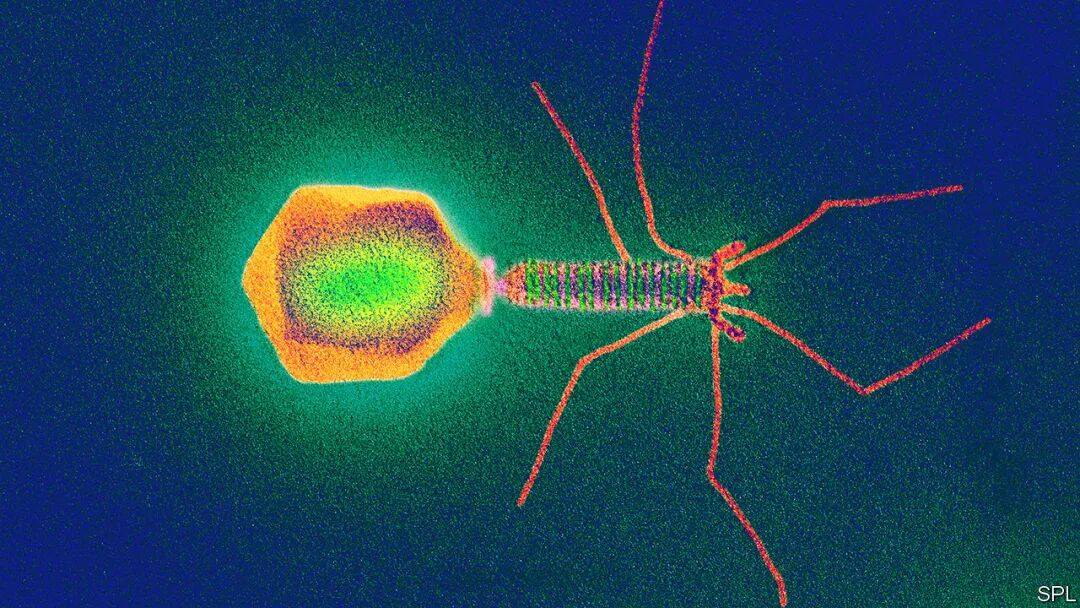
SPL
Wait a minute! Finding hidden patterns in massive amounts of data is exactly what AI is good at, isn't it?!
Therefore, a team from Stanford University and the ARC Research Institute decided to let AI read a large number of viral DNA base sequences, so as to find the base arrangement rules that are difficult for humans to discover, and crack the "gene writing language" of viruses.
16 New Viruses
In this recently published study, the researchers used an artificial intelligence large model called Evo. Evo specializes in studying the genetic material of life. While other AIs learn human texts, it reads the DNA and RNA of various organisms.
In the experiment, the researchers fed Evo the virus named "Phi-X174 bacteriophage" and 15,000 "close relatives" of the "Phi-X174 bacteriophage", hoping that AI could find the common arrangement rules by reading their DNA base sequences.
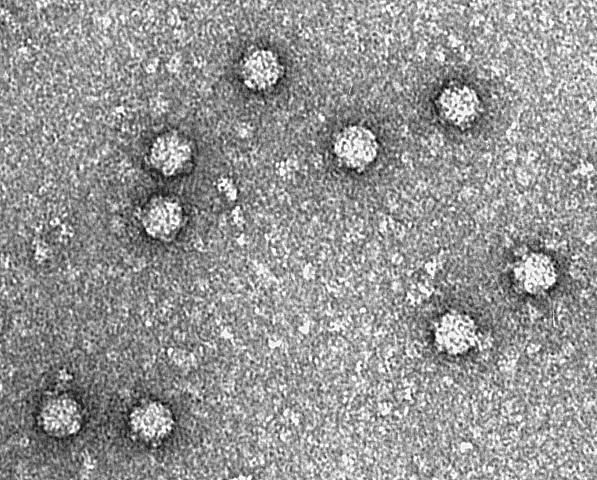
The genetic material of Phi-X174 bacteriophage is single-stranded DNA, which is circular|Wikipedia
As a result, Evo did find the rules, and output 700,000 new viral genomes according to this logic. After screening, the researchers selected 285 relatively potential candidates, cultivated them into real viruses, and inoculated them into petri dishes containing Escherichia coli — bacteriophages are viruses that specifically infect bacteria.
The next step is to wait patiently. If the E. coli in the petri dish grows normally, it means the new virus has failed. If transparent dots appear in the petri dish, it means that the virus has used the bacteria to reproduce itself and killed the host, and the new virus has succeeded.
Eventually, 16 new viruses were successfully created.
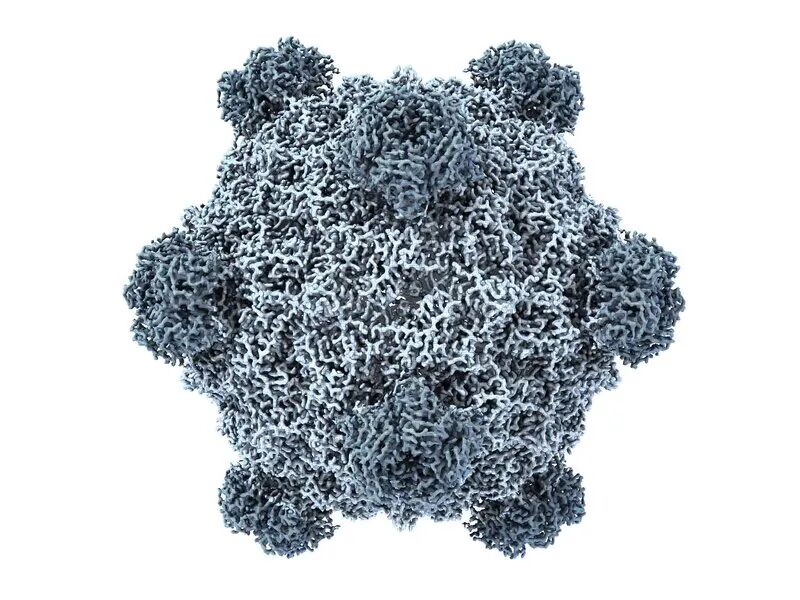
Modeling of new viruses created by AI|Reference [1]
These 16 new viruses even have their own strengths: for example, several of them reproduce faster than the original "Phi-X174 bacteriophage"; there is also a new virus whose genetic changes are far from the original one in evolution, which means that AI has completed the evolution that nature takes millions of years to achieve in a short period of time.
What surprised the researchers even more is that they found that mixing several new viruses can kill E. coli strains that have developed drug resistance. This may provide a new solution to the increasingly severe global drug resistance problem.
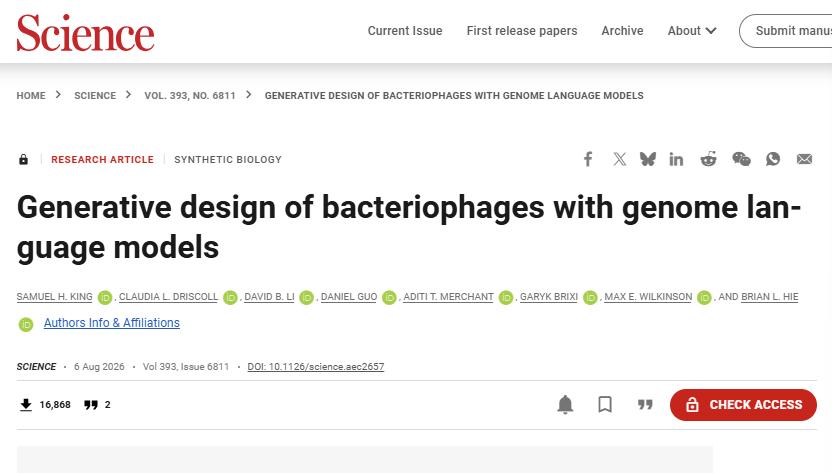
This study was published in the August issue of the journal *Science*
Will it be used to create terrorist incidents?
While some scientists are excited about this achievement, others are worried.
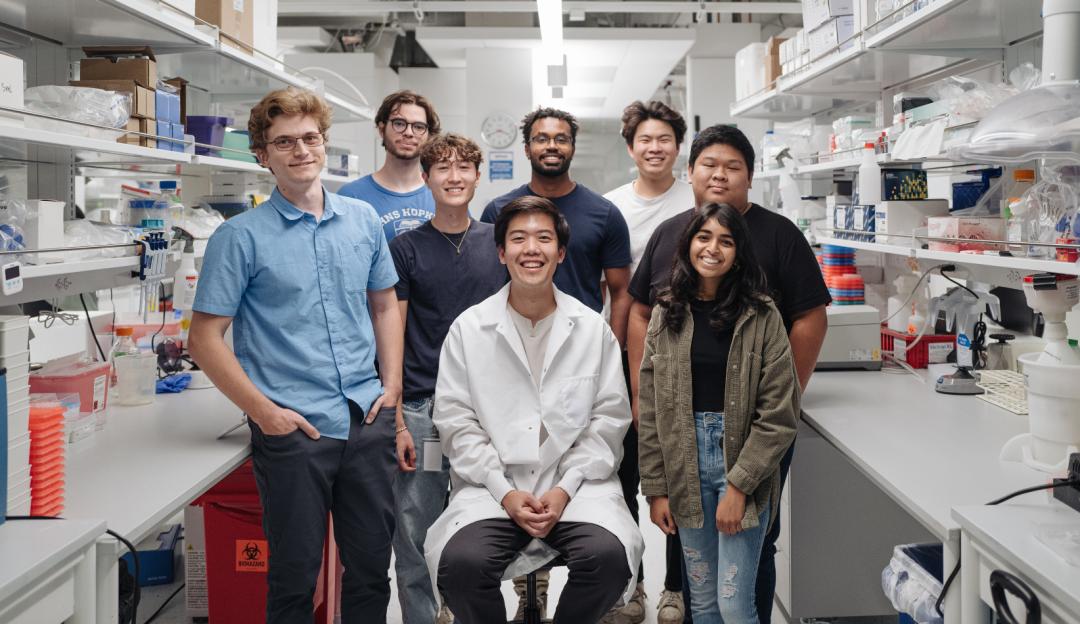
Evo is developed under the leadership of Stanford University's Evolutionary Design Lab|Stanford University
Another article published alongside this new study wrote: "Although it has great potential in the field of applied life sciences, it also brings urgent biosafety risks. We now have the ability to write viral genomes with generative AI, but there is no regulation for this technology."
Experts point out that if someone illegally steals the genome of a deadly virus and then lets AI learn and create based on it, new viruses that we have no defense against may be produced. Some even pointed out that this technology will be used by ill-intentioned people to make biological weapons or trigger another pandemic.

People associate this with the "2001 US anthrax mail attack" and worry that AI-generated viruses will lead to similar incidents|PBS
At present, such worries are unnecessary for the time being.
First of all, although these 16 viruses are unprecedented, they are very similar to the "Phi-X174 bacteriophage". That is to say, they can only infect E. coli, and cannot infect eukaryotes such as humans, animals and plants.
Secondly, it is not difficult to find by reviewing the whole experiment that the success rate of AI-generated viral genomes is not high: among the 700,000 schemes given, only 16 succeeded. Besides, the genome of "Phi-X174 bacteriophage" is almost the simplest in nature, and the process of culturing the genome into a virus also needs to go through stages such as synthesis and testing, which is equally complicated.
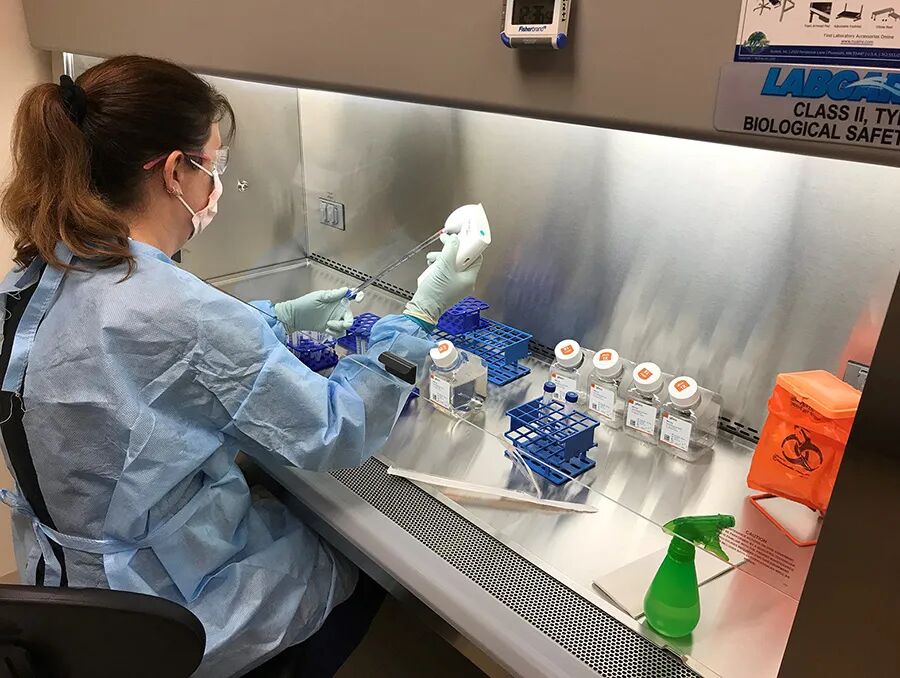
More and more scientists are calling on the industry to pay attention to the potential risks that new technologies may bring|University of Nevada
If someone really wants to use viruses to cause chaos, the simplest way is to use gene editing technology to modify known viruses, there is no need to go to great lengths to create a new one from scratch.
However, given the rapid development of AI technology today, people's concerns are not entirely unreasonable.
To prevent these concerns from becoming reality, a multi-level security assurance system is probably needed: for example, strengthening the security measures of gene banks, restricting the input and output of related AI models, implementing more responsible scientific research review and evaluation, and DNA synthesis institutions should also screen the sequences submitted by customers.
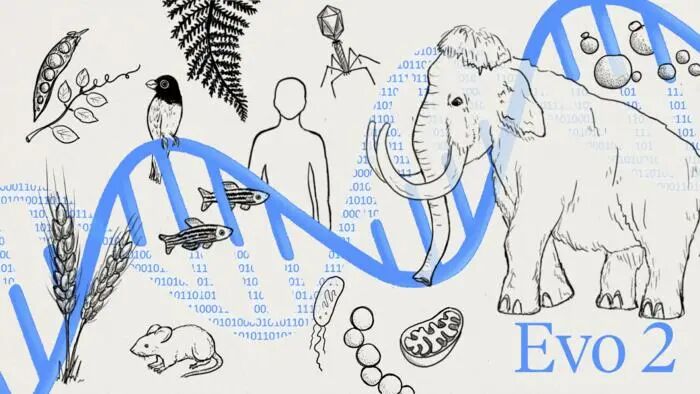
During the training of Evo, the staff deliberately excluded the data of viruses that can infect animals, plants and humans|Network
Just like many technologies, AI-generated viral genomes are neither good nor bad in themselves, it mainly depends on how people use them.
References:
[1]https://www.science.org/doi/10.1126/science.aec2657
[2]https://www.cnn.com/2026/08/06/health/ai-viruses-bacteriophages
[3]https://www.theguardian.com/science/2026/aug/06/safety-fears-as-scientists-make-first-viruses-designed-by-ai
This article is from the WeChat official account "Bring Science Home" (ID: steamforkids), author: Liu Liuqi, reviewer: A Xian, authorized for release by 36Kr.