Is it outdated to play the "GBA" handheld console in 2026?
"An Android handheld console with no joysticks and a look nearly identical to Nintendo GBA was completely sold out across the market in 2026."
KONKR Pocket Advance (KPA) has received an exceptionally strong market response since its launch. This retro-oriented handheld console has gained remarkable attention in niche communities, with steadily growing shipments, making it a highly representative model among retro handhelds this year.
For the niche retro handheld track, this achievement is far beyond expectations.
Why did people choose to buy a console whose form factor dates back more than 20 years in 2026?
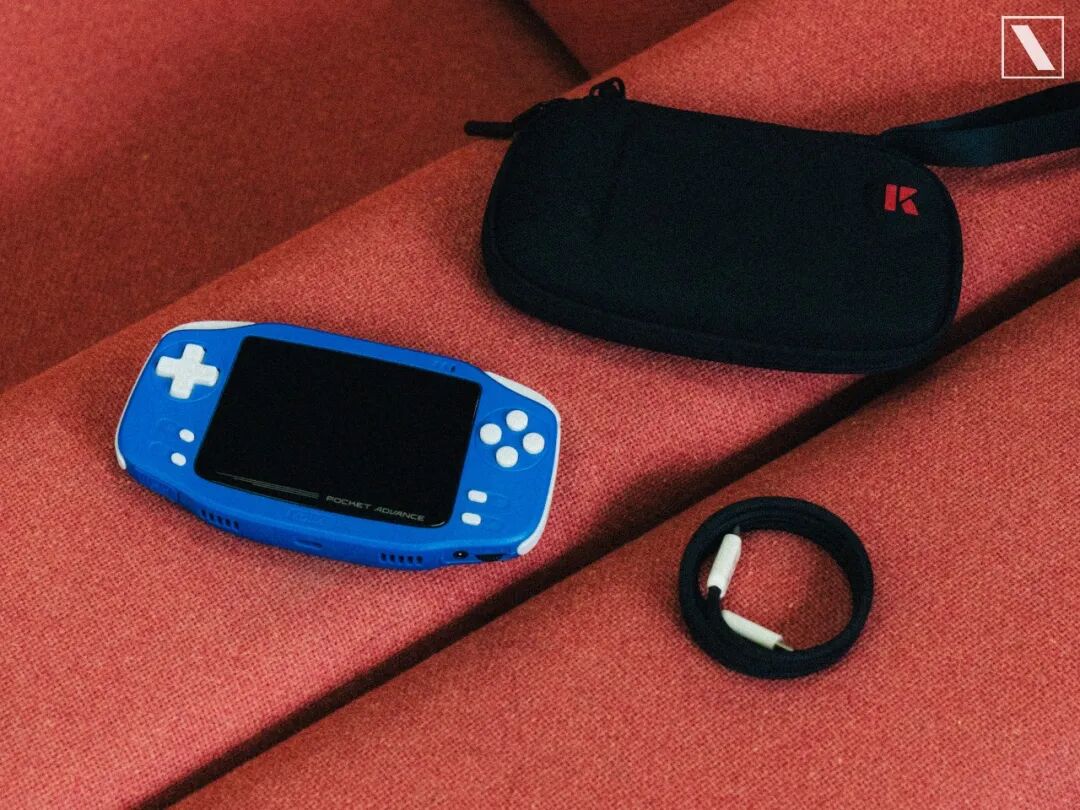
Pick it up and you instantly get full childhood nostalgia throwback
The first moment I got the KPA, I almost mistook it for a re-mass-produced original GBA.
Its horizontal body, left-side D-pad, and solid grip contour, along with its overall size, are highly similar to the first-generation GBA model. A closer look reveals that it does not simply replicate the old layout: the original two function keys have been upgraded to four ABXY keys, a larger 3:2 screen is mounted in the center of the body, and a volume scroll wheel that can be directly operated with the thumb is reserved on the side.
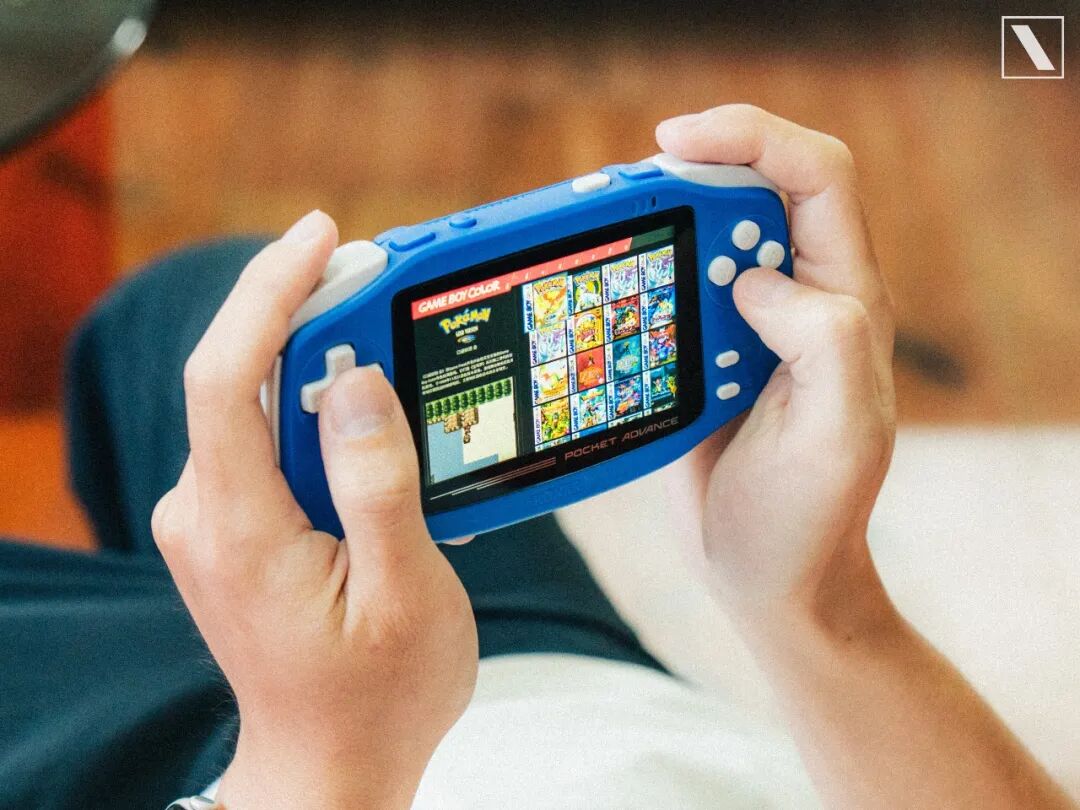
The D-pad and four function keys are separated on the left and right, creating a very balanced front layout — when holding the console with both hands, your thumbs naturally rest on the key area. The key feedback is crisp and responsive with a moderate key travel, and the sense of familiarity hits you immediately. Almost without thinking, your fingers instinctively know how to move the character, or quickly press the confirm button when a dialogue box pops up.
I think the KPA's lack of a joystick is actually its smartest trade-off.
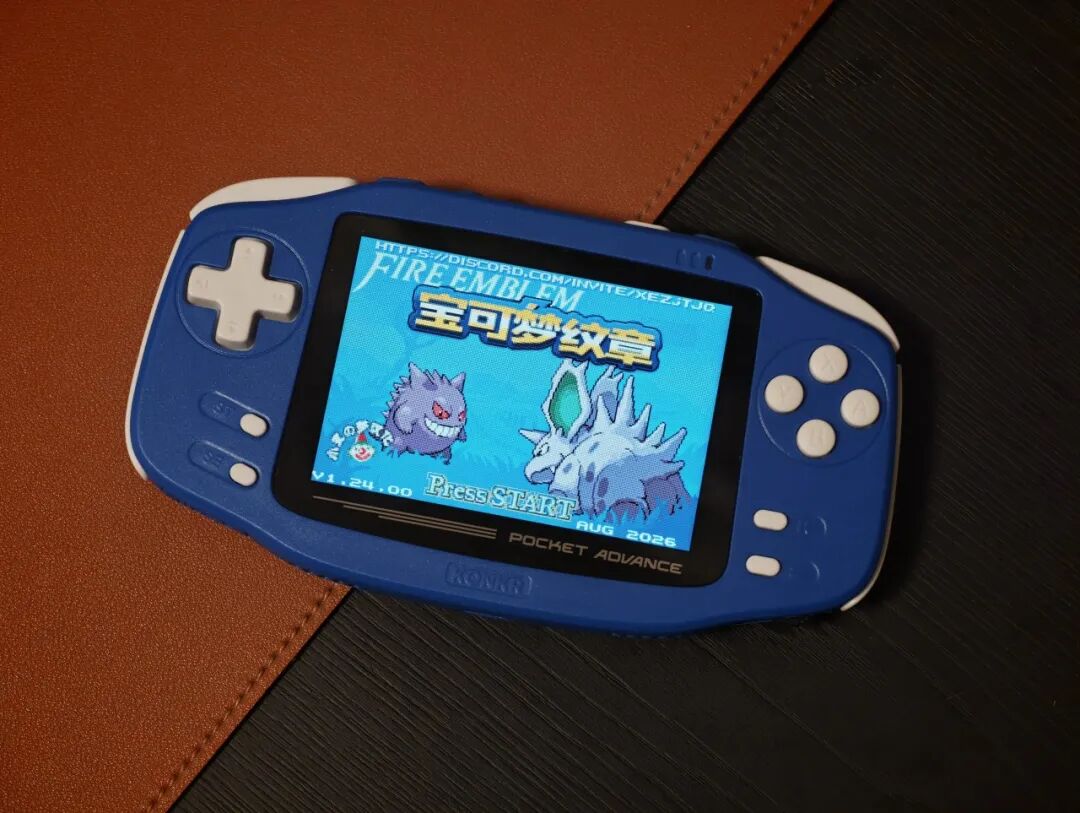
Nowadays, most Android handhelds are keen to stack D-pads, dual joysticks and function keys all on the front, striving to support both large mobile games and PS5 streaming, and pursuing all-in-one performance. The KPA could easily add a joystick and claim to run Genshin Impact, but it actively chooses to narrow its usage scenarios and focus on delivering an authentic retro experience.
The most comfortable destination for this device is to sit down and immerse yourself in classic old games.
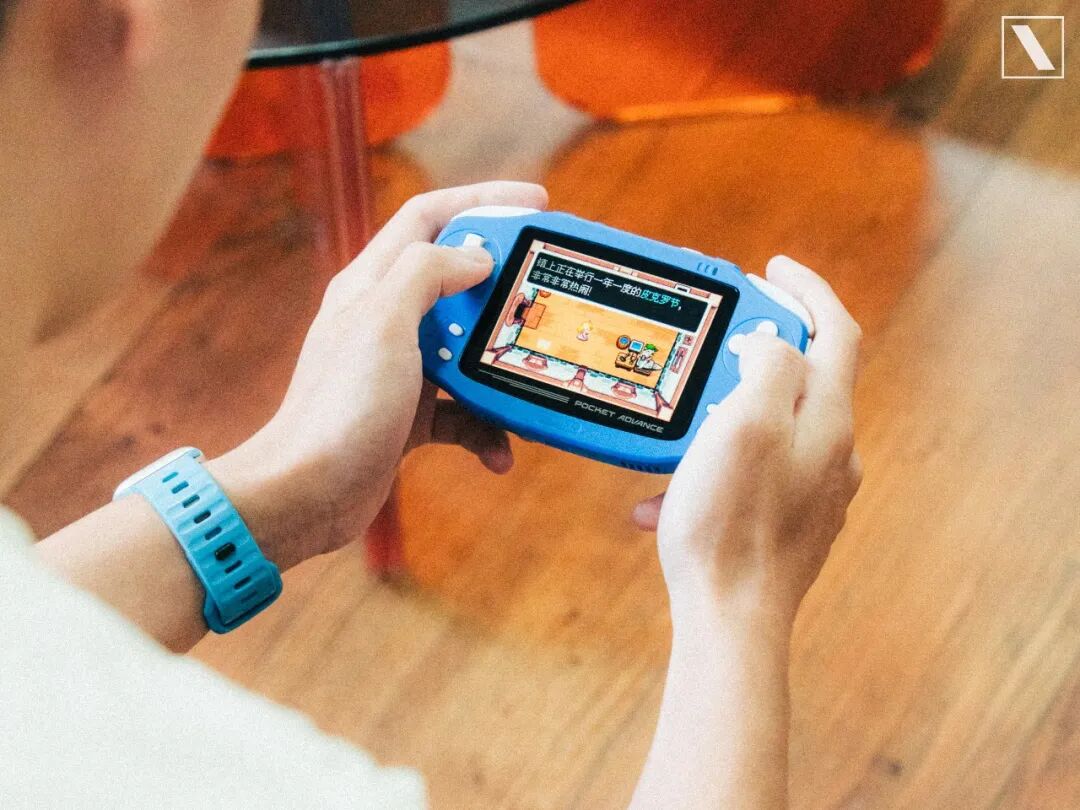
On the day I received the console, I only planned to briefly test the screen and keys at my workstation. But when the BGM of Pokémon started playing, I unconsciously played for a whole afternoon: "Professor Oak greeted me to check in as usual, and Blue still looked as competitive as ever, snatching the Poké Ball that was supposed to be mine first."
When I was little and got to this part, I would definitely make a mental note: fine, just you wait, I will beat you later. More than 20 years later, seeing this scene again, I couldn't help but laugh — it's still you, nothing has changed at all.
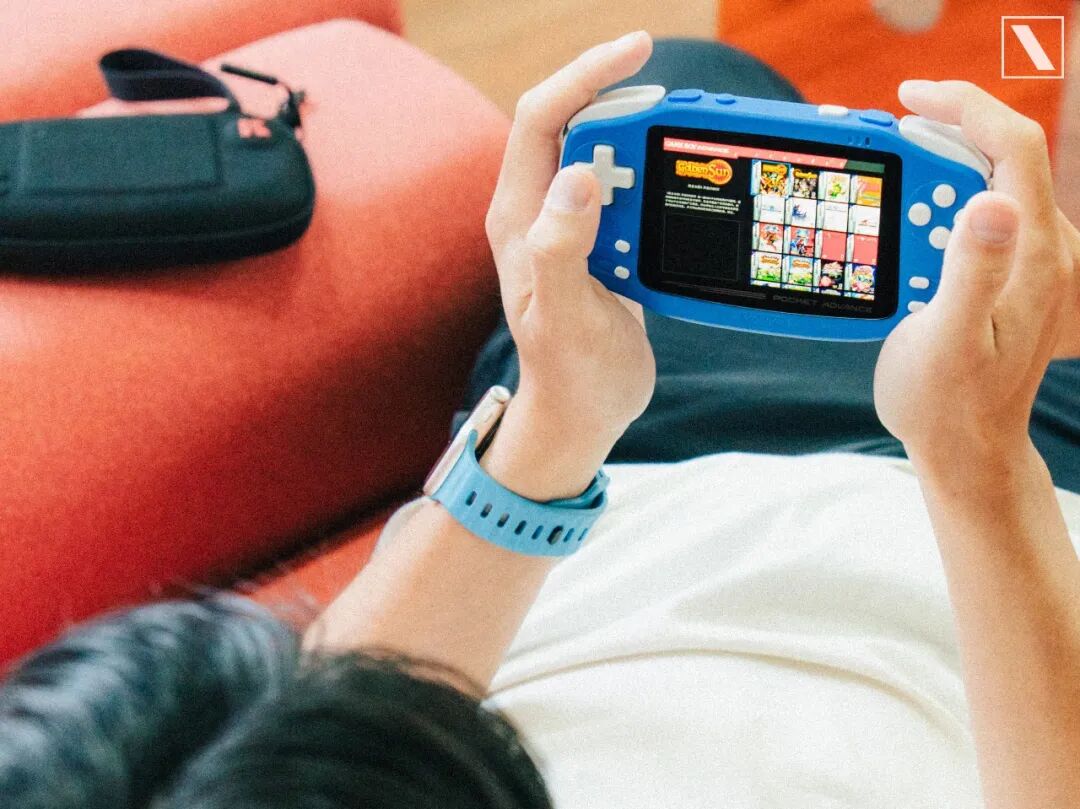
The teenager in the game is still reckless, but the teenager in front of the console has already grown up.
Only the place where I play has changed from the hallway at home to the office, and the device in my hand is no longer the GBA I had back then. When I look down, toggle the D-pad to control the character moving through the pixel world, the afternoon when I was sitting on a small stool playing Pokémon while eating watermelon in my childhood instantly comes to my mind clearly, it's a full-on childhood nostalgia throwback.
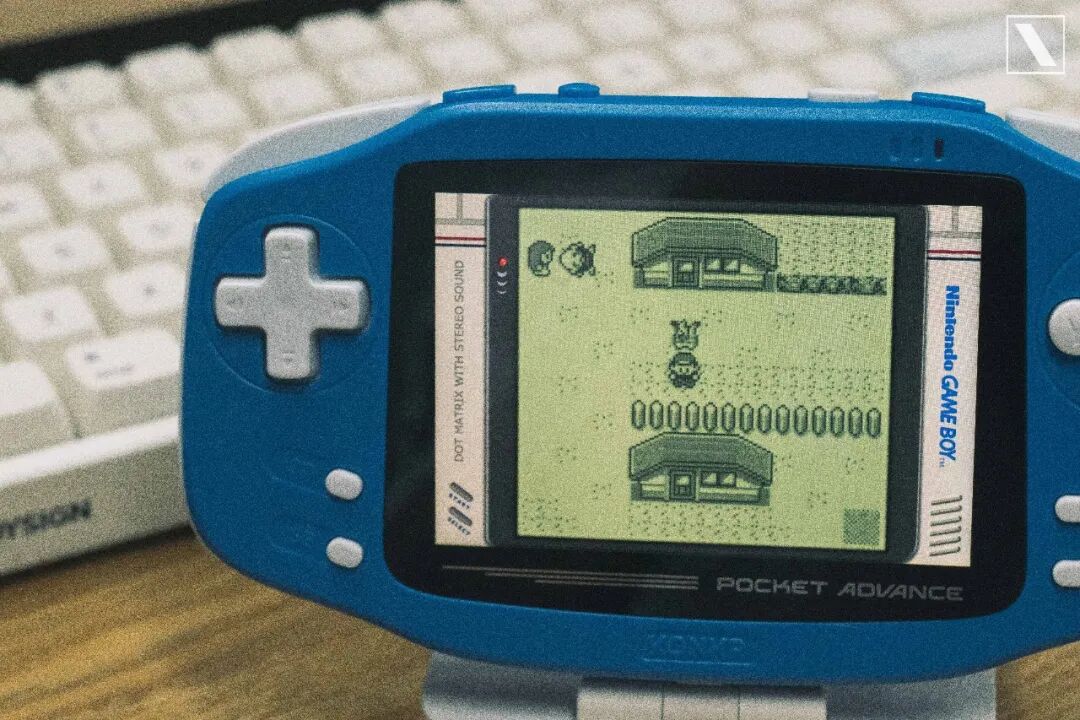
The interior of the KPA is of course equipped with modern hardware. The unit I have is powered by the MediaTek Helio G90T, which can run PS2-level games at maximum. It features a 3:2 screen with a resolution of 960×640, which can perfectly present the original 240×160 GBA picture with four times integer scaling.
The characters, texts and scene outlines of the game are clear and sharp, and the original pixel texture is fully preserved without blurry edges caused by forced stretching of the picture. The high-brightness backlit screen completely solves the common problem of the original GBA's dim and hard-to-view display, and the large 4000 mAh battery can support six to seven hours of long retro gaming sessions.
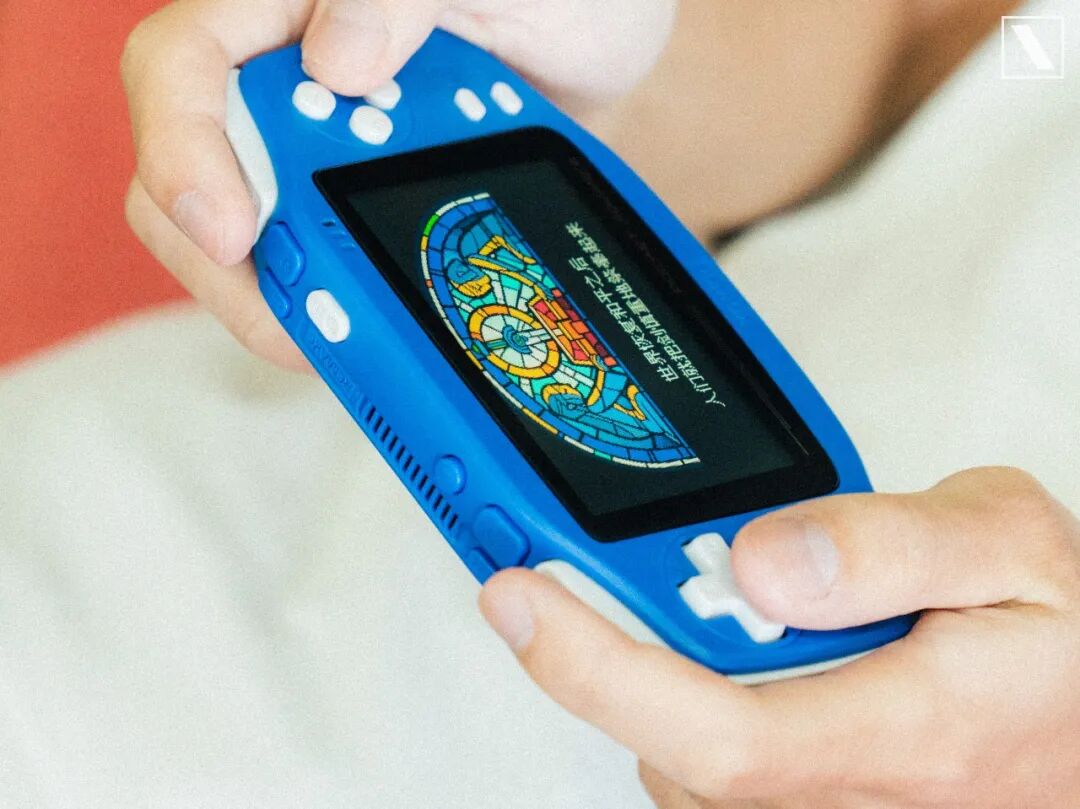
The pure retro pixel texture is fully retained, while all the shortcomings and inconveniences of old handheld consoles are completely left in the past.
AI casts a "magic spell" on these old toys
Half of the KPA's unique charm comes from its well-optimized hardware adaptation, and the other half comes from the vibrant player community ecosystem.
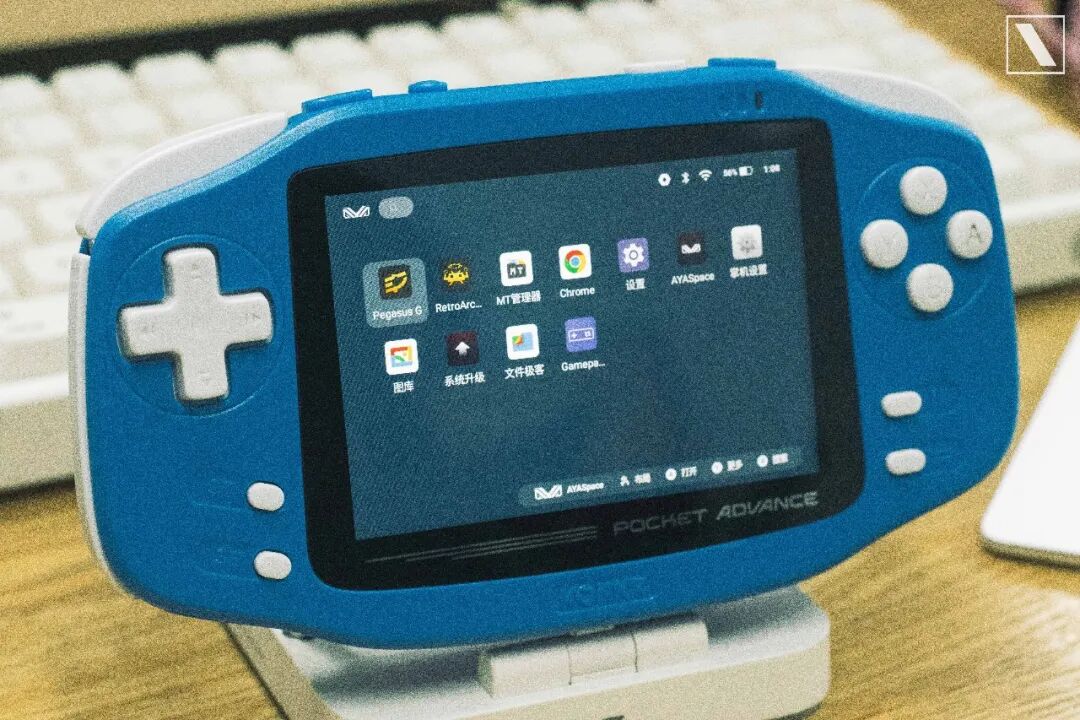
Leveraging the open nature of Android, this handheld supports custom launchers, emulator debugging, and can also install all kinds of regular Android applications.
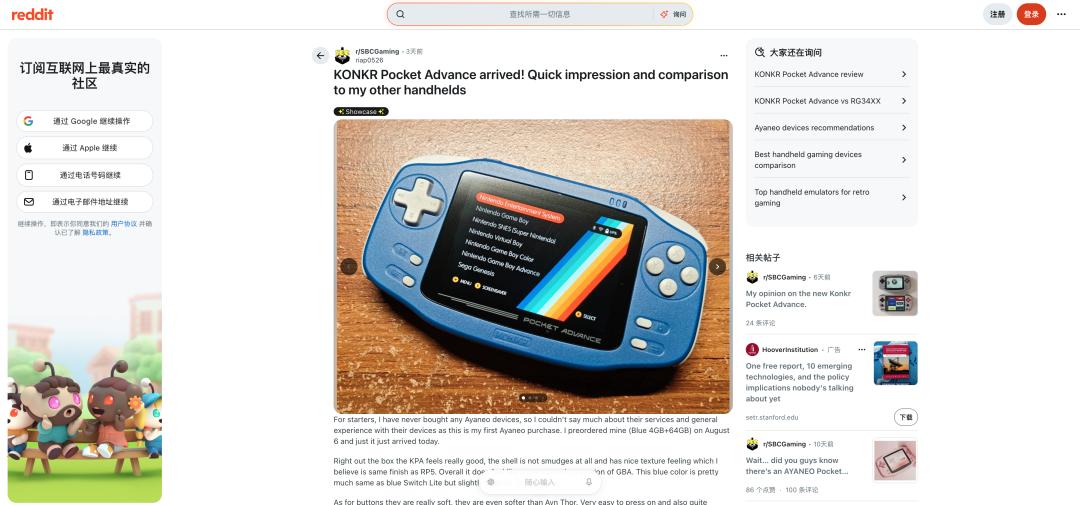
Photo via Reddit
It is precisely because of everyone's obsession with this console that community players spontaneously and continuously produce Chinese localization patches, modified games, emulators and other optimized configurations. As a result, players starting a 20+ year old game today often experience an improved version that has been localized, bug-fixed, and even added with brand new content.
And I think the most amazing community achievement among them is no other than "Apollo AI Dynamic Island".
It is usually tucked away on the side of the screen and does not block the view continuously: when playing foreign original games, the Dynamic Island can recognize the screen and achieve real-time translation; for games with complex maps, it can directly call up the pre-mounted strategy page, zoom the map and find the route, without exiting the game to pick up your phone for search.
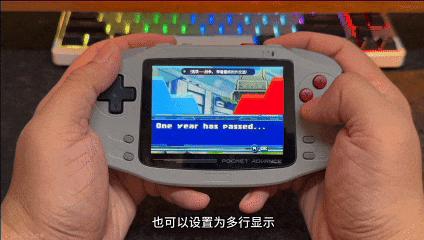
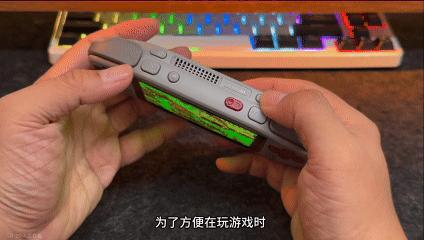
Photo via Bilibili Handheld World
After integrating visual AI, the Dynamic Island can further read the game screen, explain the plot context, sort out character relationships, or organize the item list and pending tasks into a clear list. The strategy book that was placed next to the console and flipped to tattered pages in childhood has been moved to the edge of the screen in 2026.
But this is essentially different from cheating. AI will not win the battle for you, nor will it modify the game values.
It only translates obscure dialogues, pulls up strategies when you get lost, or gives a little clue when you get stuck. Where to go, how to defeat the opponent, the choice of pressing the button in the end is always in the player's own hands.
The return of old toys is not just about nostalgia
The KPA is not an isolated case in this round of retro revival.
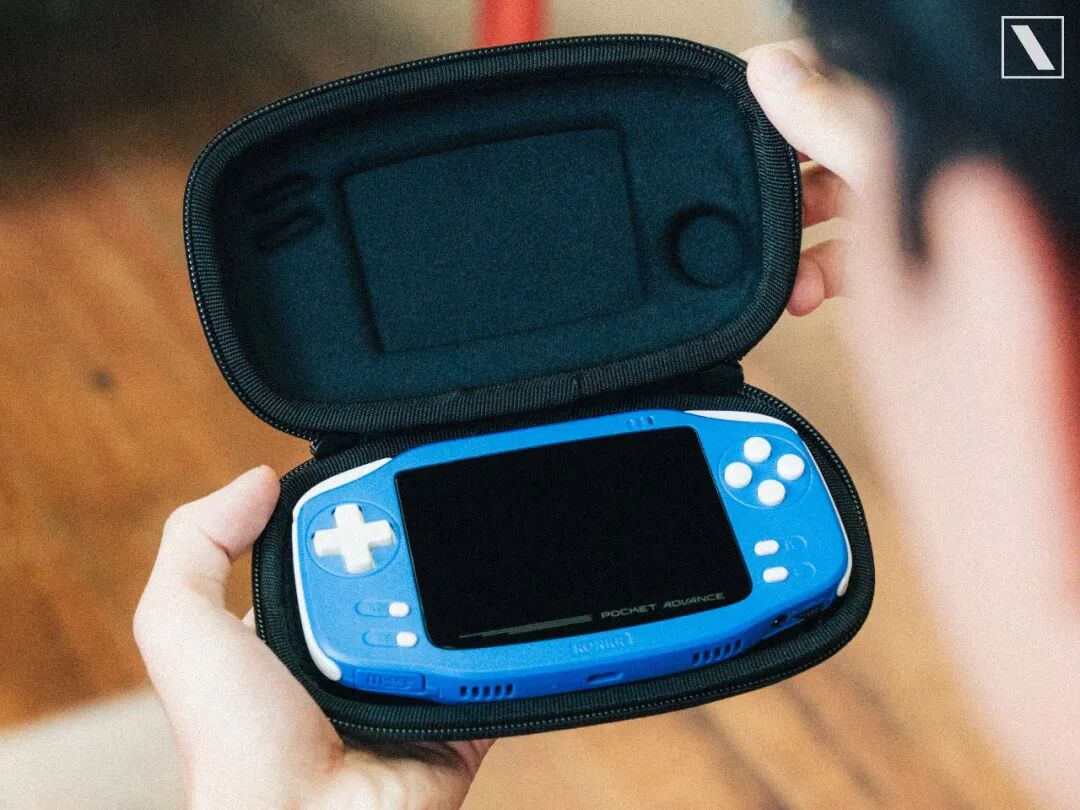
Over the past two decades, smartphones have continuously absorbed and integrated the functions of various devices — photography, music playback, and gaming are all gathered on the same screen, the operation is getting more and more convenient, but the boundaries between different experiences have also blurred accordingly.
They are far less versatile than smartphones, but they are more likely to help people enter a focused state with clear goals.
The Death Stranding 2 co-branded CD player launched by Kojima Productions in partnership with KM5 retains the transparent body and physical disc form, while being equipped with a Bluetooth module and modern battery. Bluetooth is compatible with new headphones, but users still need to take out the disc and insert it into the body. These seemingly cumbersome steps exactly build the unique ritual sense of using the device.
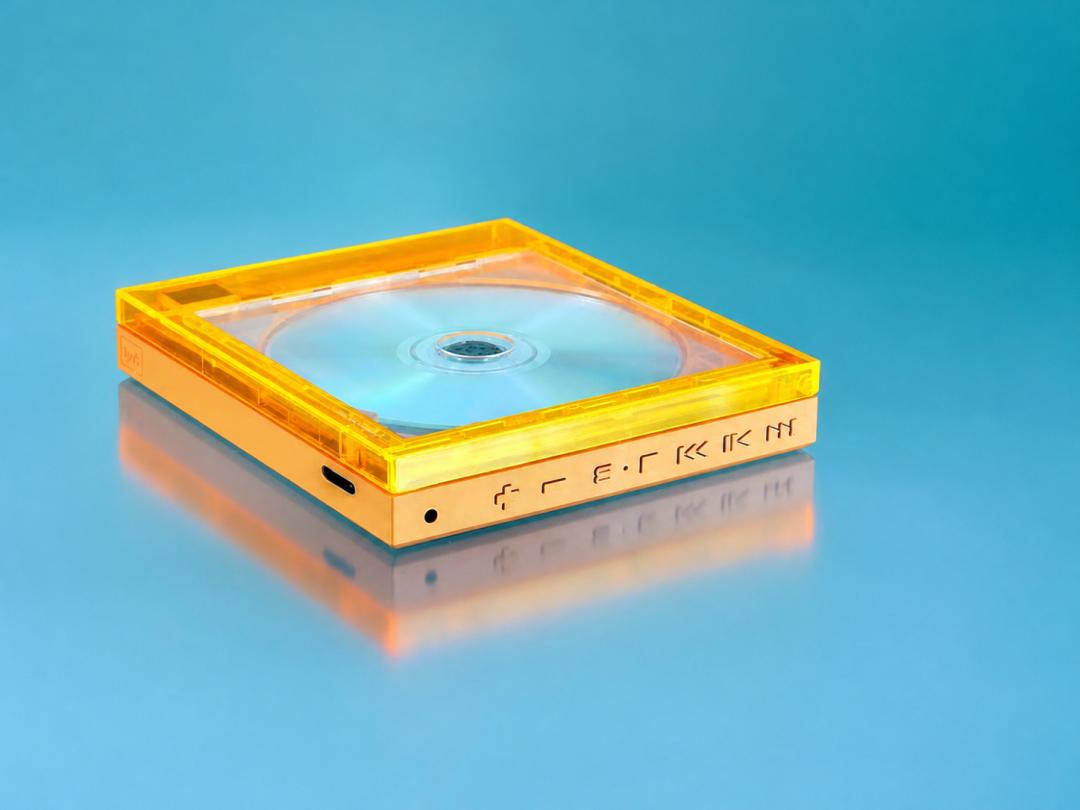
Photo via TechNoid
People's renewed preference for physical carriers is essentially a desire to take back their own experience and sense of control, which is why Sony's recent official announcement is particularly lamentable.
Sony officially announced some time ago that it will no longer produce physical discs for new PlayStation games starting in 2028, and all future new releases will only be available in digital versions. The news has sparked widespread regret and dissatisfaction among a large number of players and physical publishers.
What players are really reluctant to part with is never just a thin disc. Physical games can be displayed on bookshelves, lent to friends, and can be freely resold and circulated after clearing the game, making them tangible collections that you can hold in your hands.
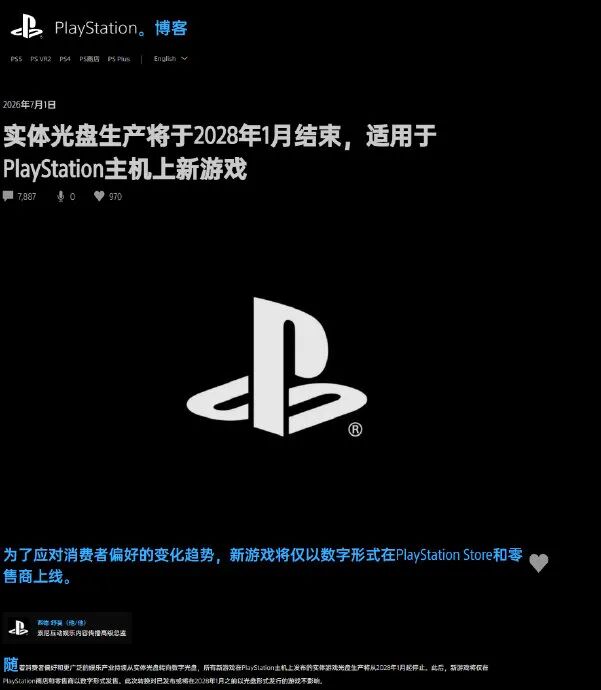
Photo via X Sony
If the CD player preserves the ritual sense of physical operation, then the popularity of the Kodak Charmera interprets another way of the retro revival.
This is a mini digital camera that can be hung on your keychain. In terms of resolution and clarity, it is completely no match for smartphones. Instead, it deliberately retains low-pixel texture, retro film filters and a relaxed, casual imaging atmosphere, not pursuing ultimate refinement, but restoring the unique vibe of old digital cameras. The whole device is sold in blind box form, with multiple color-matched bodies shipped randomly, and you will never know which color version you get before opening it.
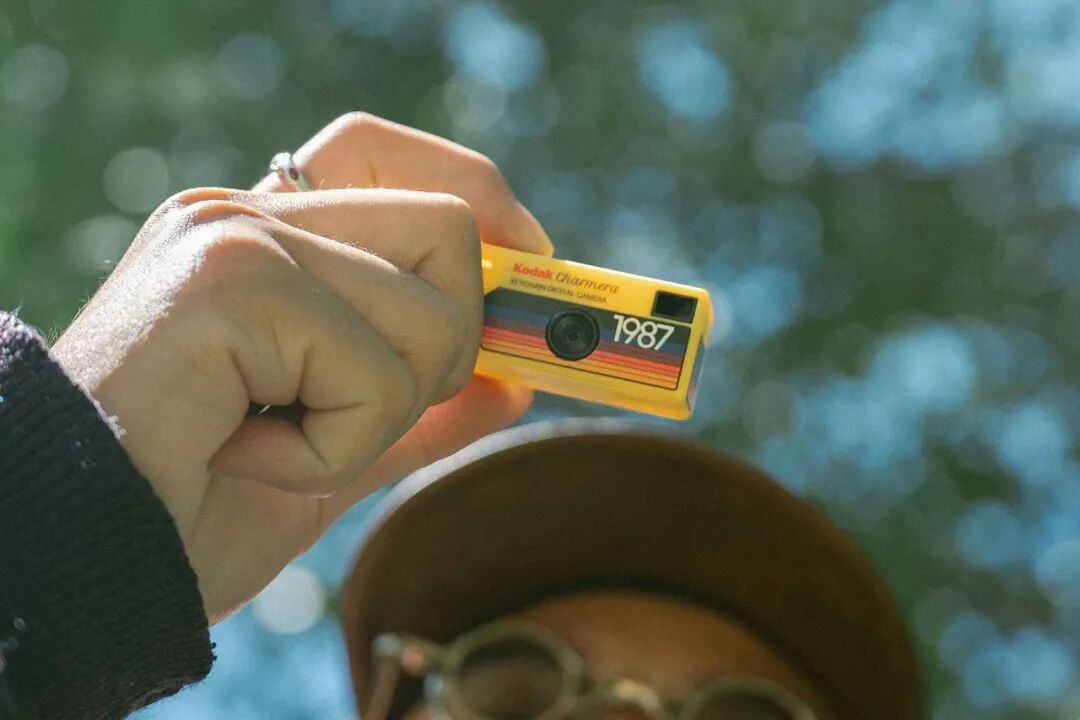
Photo via Kodak
People buy Charmera never to take more professional photos. Its charm has gone far beyond the pure shooting function — you can take it off the keychain at any time, press