WRC Debut | Tsingyan Precision's Embodied Intelligence Vertical Pilot Base Unveiled in Power Battery Scenario
On August 19, 2026, the World Robot Conference 2026 officially kicked off. On the first day of the exhibition, Qingyan Precision "moved" the real production scenario of power batteries to the exhibition site, demonstrating typical tasks such as plugging and unplugging automotive battery pack connectors, as well as grabbing and assembling components. This is the second embodied intelligence vertical pilot scenario implemented by Qingyan Precision following the Yulin mining scenario, marking that its engineering capability has begun to realize cross-scenario replication from the mining sector to the automotive and new energy manufacturing fields. At present, this scenario has achieved large-scale data collection at a leading power battery manufacturer, and formed a complete closed loop covering real data collection, data governance, simulation verification, model training and real machine application.
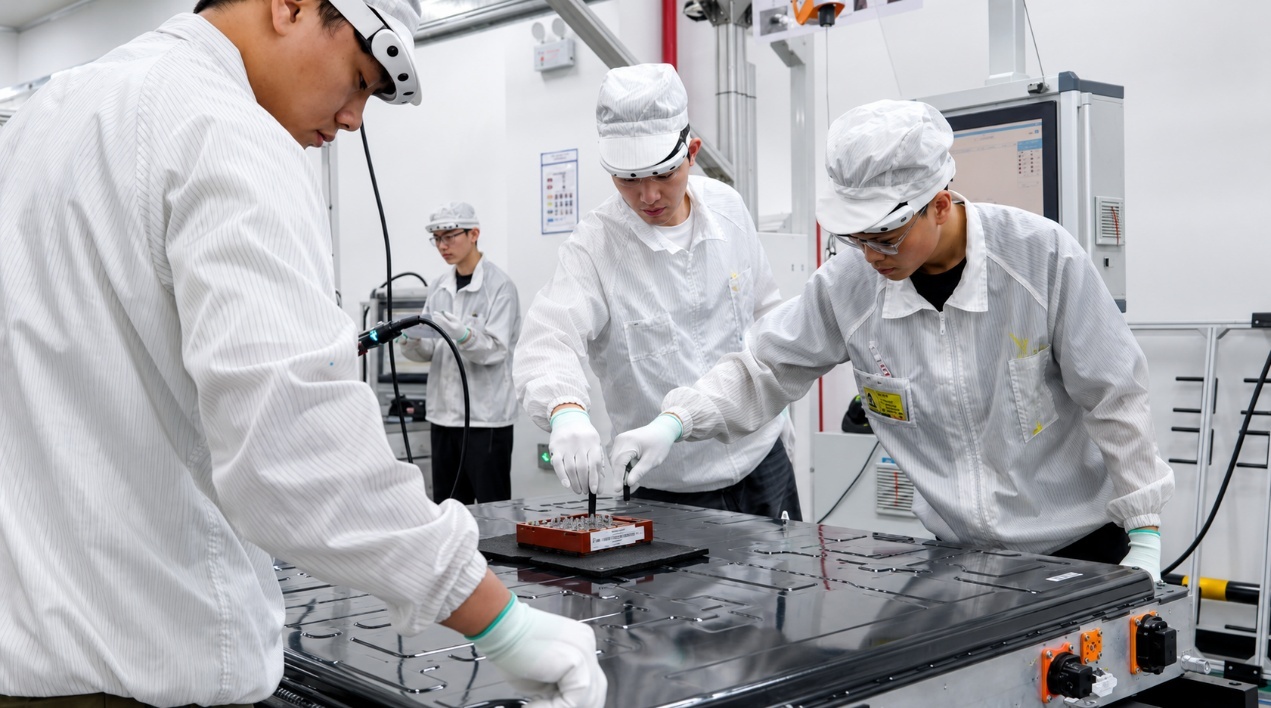
| Qingyan Precision has realized large-scale implementation of real scenarios at leading power battery plants
01 Focus on power batteries to restore real industrial tasks
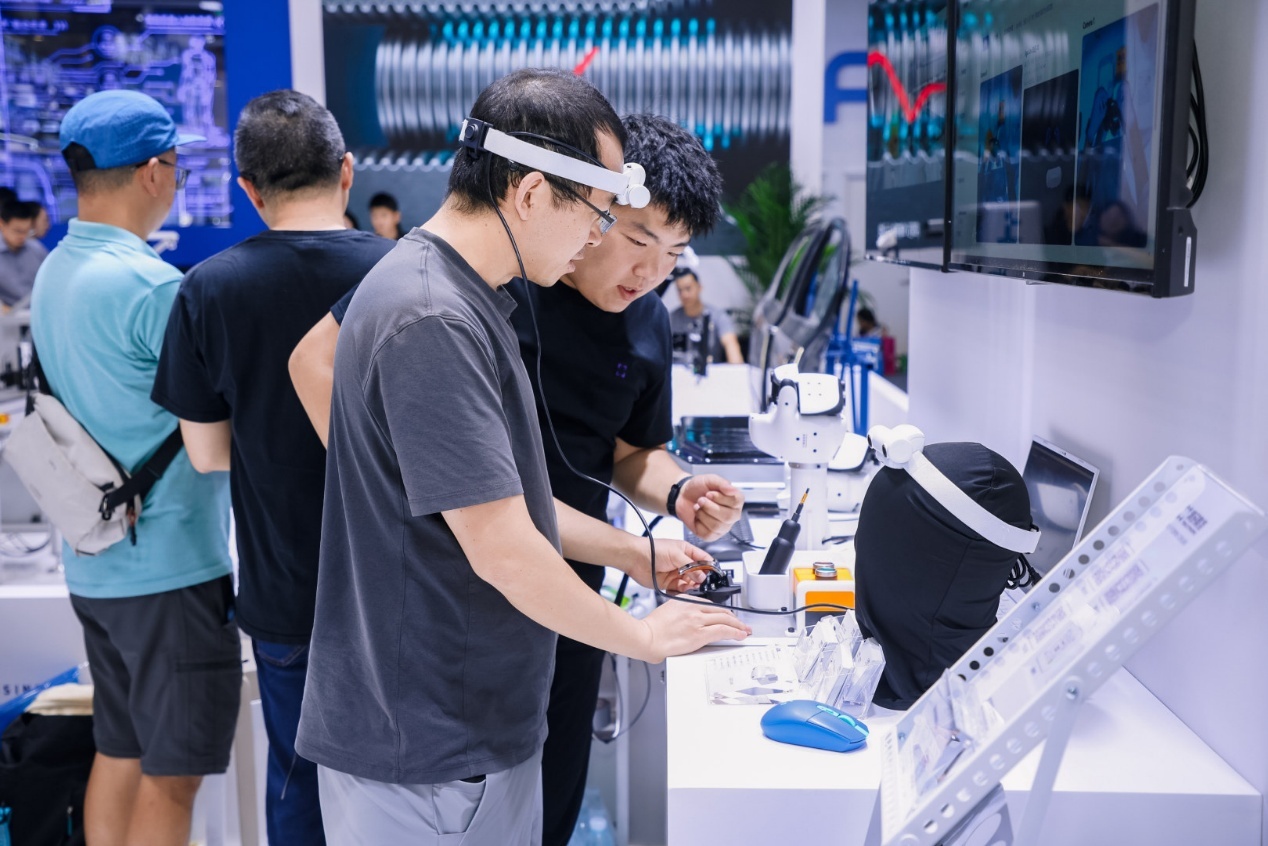
The site is set up with three major sections: power battery scenario implementation display, virtual simulation interactive experience, cross-scenario replication and on-site practical training. Visitors can observe robots performing connector plugging and unplugging, component grabbing and assembly at close range, and also understand how real tasks are digitally reproduced through virtual simulation, as well as how robot operation capabilities gradually evolve from data collection and virtual training to real machine execution.
This exhibition is not a single robot action demonstration, but a concentrated presentation of the complete capability chain required for embodied intelligence to enter real industrial scenarios.
02 Engineering closed loop from data to real machine
In the power battery scenario, Qingyan Precision highlights its capabilities in five aspects:
The first is the capability of real-scenario data collection and processing. Focusing on tasks such as battery pack connector plugging and unplugging, component grabbing and assembly, it collects data on the operation process, scenario environment and object status, and completes data cleaning, sorting and post-processing.
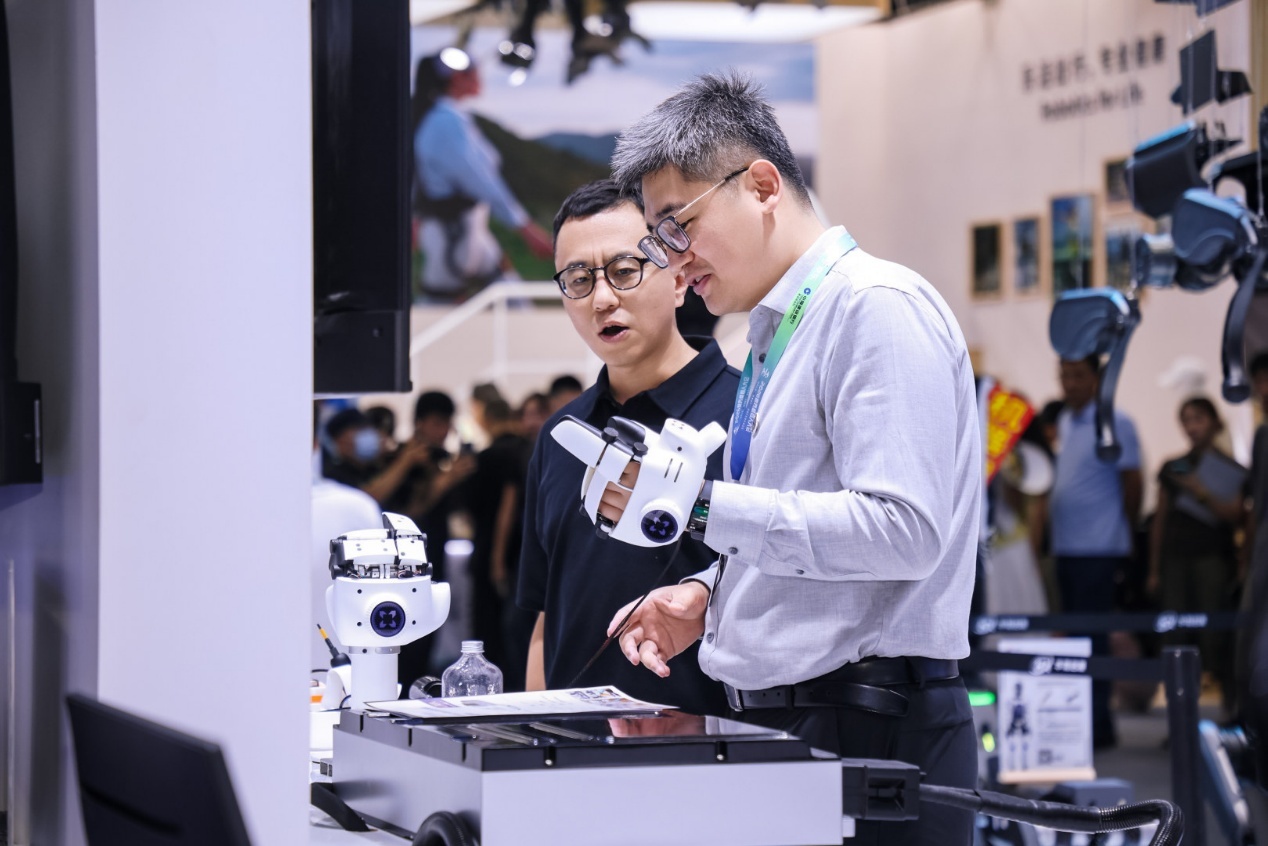
The second is the capability of digital twin and scenario replication. It maps real equipment, processes and operation objects to the virtual environment, reproduces typical power battery tasks in the digital space, and provides a foundation for robot training and verification.
The third is the capability of simulation deduction and virtual-real synchronous verification. It expands different task states and operation conditions through virtual simulation, compares the training results in the virtual environment with real machine operations, and continuously identifies and reduces the virtual-real gap.
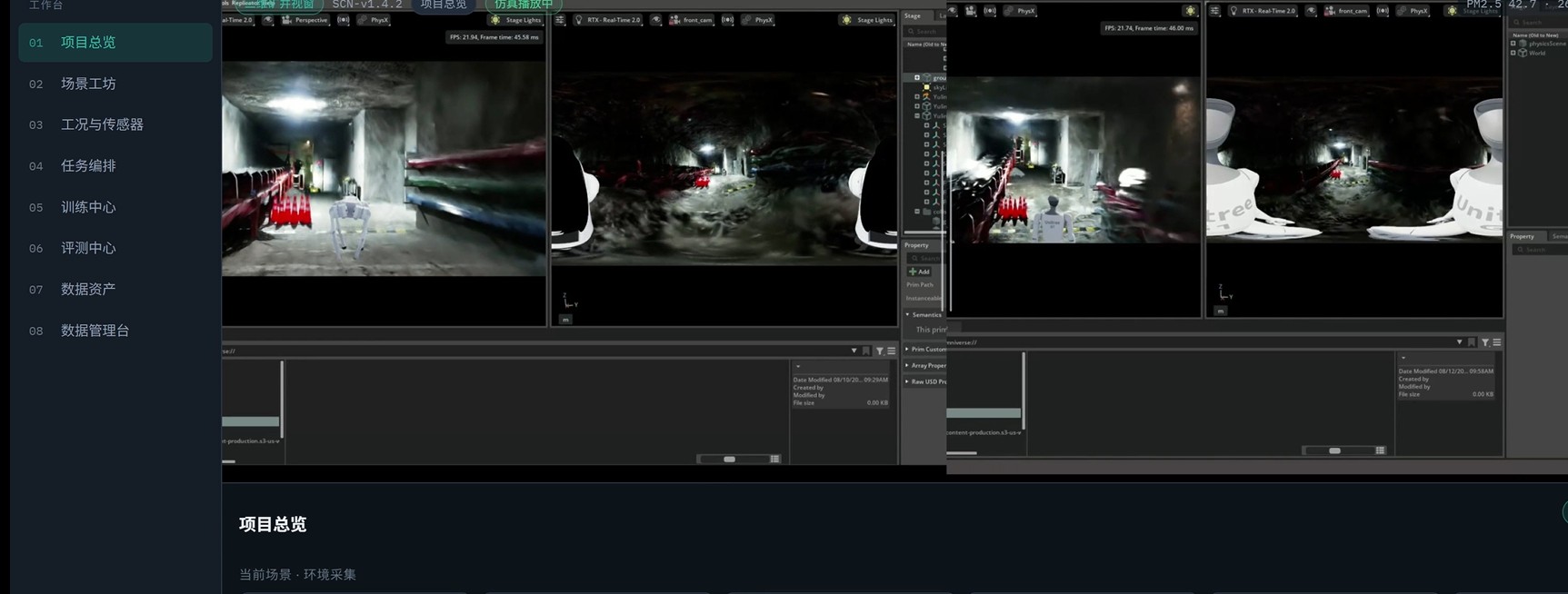
The fourth is the capability of dexterous operation and motion mapping. Through operation data collection and synchronous mapping with the three-finger dexterous hand, it enables the robot to complete a series of consecutive actions including approaching, positioning, grabbing, plugging/unplugging and assembly.
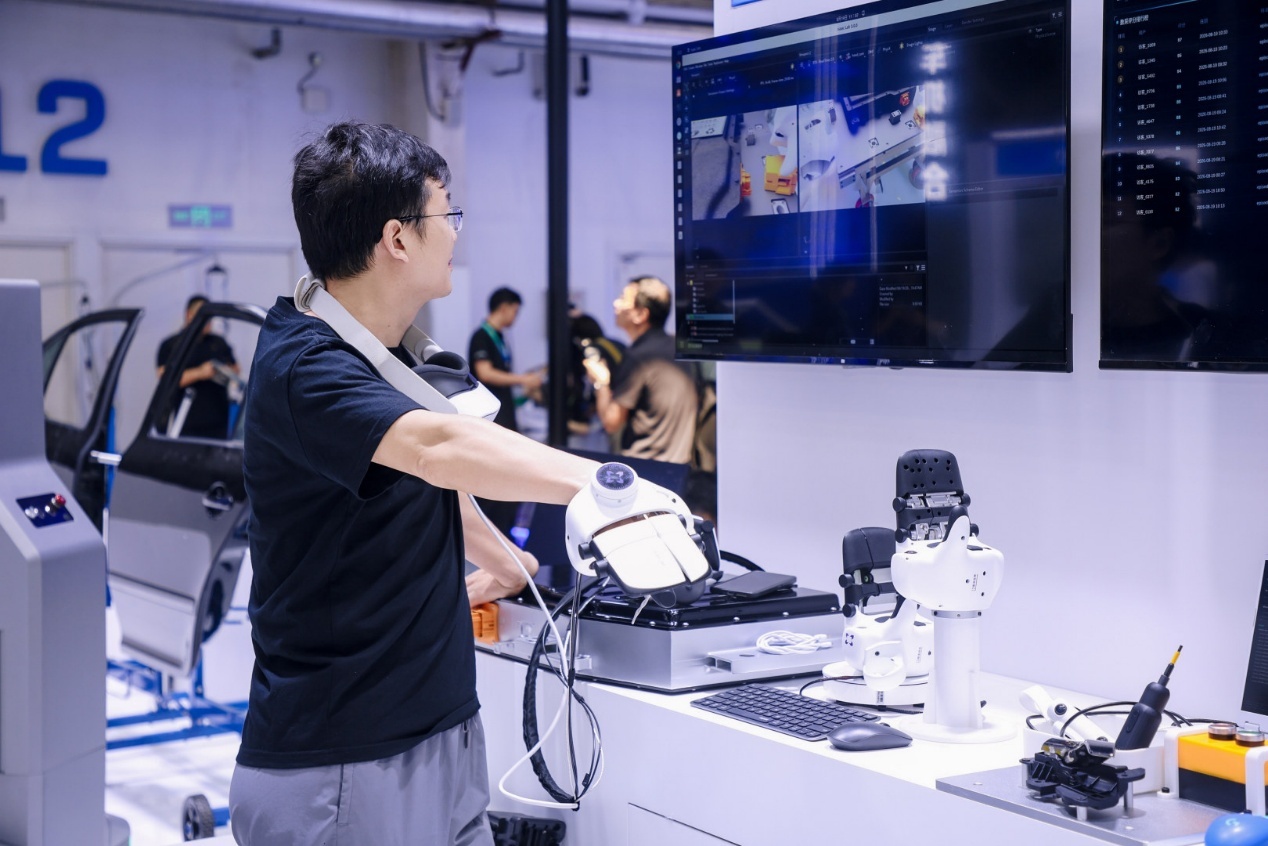
The fifth is the capability of pilot verification and on-site takeover. Before entering the actual production environment, it conducts repeated training and evaluation on data, models, equipment and task processes, then connects the verified capabilities to the real machine, and carries out continuous iteration based on execution results.
03 From the first stop to the second stop, verifying cross-scenario replication capability
Previously, Qingyan Precision's first embodied intelligence vertical pilot scenario has been implemented in the Yulin mining scenario, forming an engineering closed loop from real data collection, data governance, simulation training, pilot verification to on-site deployment.
The implementation of this power battery scenario is another verification of this set of engineering capabilities by Qingyan Precision. From the mining sector to the power battery sector, the operating environment, operation objects and specific processes have changed, but the underlying implementation path remains consistent: select task points from real industrial demands, complete scenario and equipment calibration, collect real operation data, carry out data governance and simulation verification, then connect the trained and evaluated capabilities to the real machine, and conduct continuous iteration through on-site feedback.
The "cross-scenario replication" emphasized by Qingyan Precision does not mean directly applying the same model to different industries without adaptation, but reusing the already formed data tools, simulation platforms, pilot processes and engineering experience, and then completing targeted adaptation and verification according to new scenarios and tasks.
04 Continuously build industrial embodied intelligence infrastructure
Qingyan Precision, incubated by Tsinghua University, is a physical AI enterprise dedicated to the large-scale implementation of vertical scenarios for embodied intelligence. Relying on eight years of data accumulation and engineering practice in the fields of autonomous driving, new energy and industry, the company has built a trinity of core capabilities consisting of "embodied data engine, scenario simulation verification toolchain, and vertical world model", which runs through the whole chain of real data collection, data governance, synthetic data, simulation deduction, verification and evaluation, and model iteration.
At present, Qingyan Precision's solutions have been deployed in more than 30 countries around the world, covering new energy vehicles, power batteries, energy storage, core components, mining, electric power and other fields, providing in-depth services for hundreds of leading enterprises.
From the first mining scenario to the second power battery scenario, Qingyan Precision is continuously verifying the engineering implementation and cross-scenario replication capabilities of embodied intelligence through real vertical scenarios, promoting robots to move from algorithms and demonstrations to real industrial tasks. In the future, the company will continue to improve the industrial embodied intelligence infrastructure, build a physical AI system featuring "one underlying platform, one model, and hundreds of vertical scenario applications", and accelerate the large-scale and industrialized implementation of embodied intelligence in more industrial scenarios.