How to go global with AI digital human live streaming and what issues should be paid attention to?
In August 2026, the digital human anchor of Hubei Yima Pingchuan Network Technology Co., Ltd. located in Wuhan Optics Valley is explaining fishing baits in English. He Wei, the post-95s founder, returned to Optics Valley from Hangzhou to start his business at the end of last year, and his cross-border sales exceeded 10 million US dollars in less than a year. How did he achieve that?
Actually, the answer is not complicated. To put it simply, they have developed a system that supports AI real-time translation of more than 130 languages. One operator can manage multiple live streaming rooms at the same time, and conduct live streaming sales from many regions around the world, so the business scale keeps expanding.
This also means that being able to speak Chinese is enough to sell products to the whole world, and the value of this statement is gradually increasing.
What really determines how long an AI live streaming business can last is that language communication is only the superficial skill, and the deeper core lies in how to understand the local culture.
Localization Issues of AI Live Streaming Going Global
Whether the image of the AI digital human anchor will offend the local culture. For example, the Saudi market has strict requirements on the dress of virtual images, Japan accepts the anime style, and Europe and the United States are extremely sensitive to racial and gender equality. The same AI anchor image may be completely fine in Thailand, but may touch the religious red line in Indonesia, and may be directly banned in Saudi Arabia. Three markets correspond to three different outcomes.

Image source: The New Arab
Whether AI-generated content will step on religious taboos. In Southeast Asia and the Middle East, regulatory priorities focus on religious and cultural taboos and social ethics red lines. Regions like Indonesia and Malaysia strictly prohibit blasphemy against religions, and those who cross the red line may face imprisonment. A casual sentence from an AI digital human anchor that is just a common sales pitch in China may directly constitute religious blasphemy in Islamic countries, resulting in the account being banned and losing access to the target market.
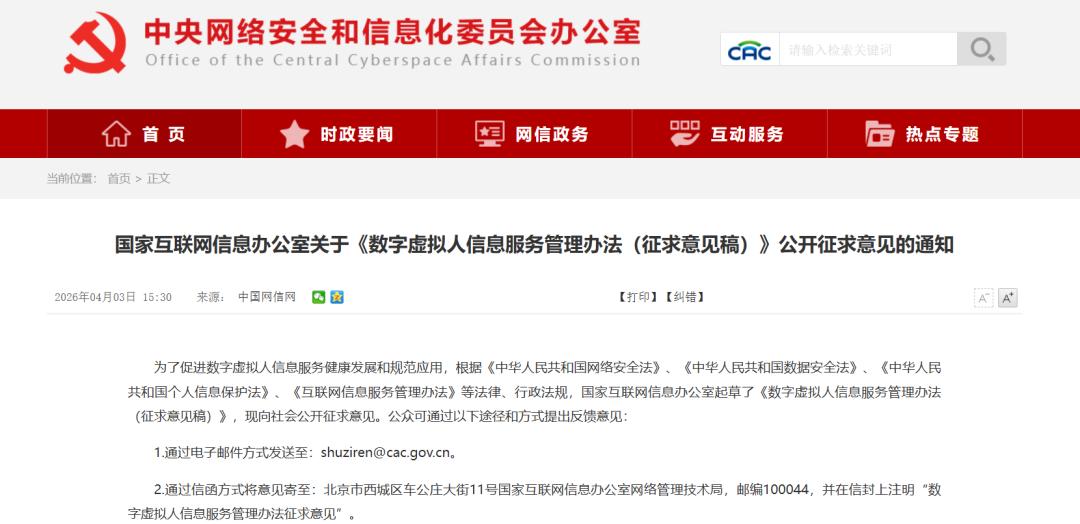
Whether local platforms and regulators will ban AI live streaming. In May 2026, TikTok Shop US updated its content quality policy, explicitly prohibiting AI-generated voices, pre-recorded audios and static images from being used in live streams and shoppable videos. Live streams must be conducted through real-time language communication or sign language by the anchor. Violators will face points deduction, limited commission or account disablement. Shopee requires all AI-generated content to be clearly labeled. The Cyberspace Administration of China has issued the "Measures for the Administration of Information Services of Digital Virtual Humans", which stipulates that virtual intimate relationship services shall not be provided to minors, and religious induction shall not be carried out. These regulations prove that there are restrictions on AI digital human live streaming both locally and when going global, so how to prevent related risks?
Therefore, the threshold for AI live streaming going global is no longer on the language side. Language problems can be easily overcome, but in terms of cultural translation and compliance construction, in-depth research and consideration are required, and simple perfunctory solutions with AI are not acceptable.
Current Status of AI Digital Human Live Streaming
At present, platforms are continuously tightening supervision over AI content. In the first quarter, TikTok Shop removed 86 million illegal fake accounts, and at the same time implemented new regulations on mandatory traceability labeling for AI marketing content. Violators will face penalties such as weight reduction, reduced ad traffic, and restricted delivery.
Cultural taboos vary greatly across different markets. European and American markets pay attention to racial equality, gender equality and hate speech. Southeast Asia is featured with diverse cultures intertwined with religious sensitivity. The Middle East and North Africa have strong consumption power, but under the dominance of Islamic law, cultural taboos and supervision are extremely strict.
Domestic supervision is also continuously advancing simultaneously. In April 2026, the Cyberspace Administration of China clearly stipulated that virtual intimate relationship services shall not be provided to minors, and excessive consumption induction, religious induction and other behaviors are prohibited.
Image
These problems will continue to exist and will not disappear at a certain point in the future, which proves that AI live streaming going global can no longer follow the "run first, adjust later" logic. Instead, cultural adaptation and compliance construction must be fully prepared before entering the market.
What Are the Solutions
We can establish a country-specific content review system. The logic is actually very simple, that is, to match different review standards according to different markets, and classify problems into major issues, minor issues, etc. Then configure strict religious review for religious countries in the Middle East, and formulate special strategies for minor protection for Europe and the United States. Before entering a new market, conduct a simple cultural survey first, configure the content review strategy, and then let the AI anchor start the live stream. Of course, many technology service providers have launched multi-language content risk control systems that can configure differentiated strategies according to different countries and different product types, and you can negotiate cooperation with them for going global.
Then embed compliance guardrails in the content generation link. For example, TikTok Shop requires that all AI-generated content must be clearly labeled. The transparency clause in Article 50 of the EU AI Act has been forcibly implemented, and all AI materials for EU consumers must fulfill the publicity obligation. Therefore, a smarter approach is to build compliance rules into the AI content generation process, specifying which words cannot be used, which images cannot appear, which topics cannot be touched, and so on.

Image source: online materials
Establish a localized content production process. The language problem can be solved by AI translation now, but cultural, religious and emotional expression must involve human intervention. Trust can only be generated between people, and relying solely on AI will only lead to one-off transactions. Hubei Yima Pingchuan Network Technology Co., Ltd. has explored a model of AI initial translation + manual fine polishing + local co-creation. Real-time translation of 130 languages is the technical capability, but the cultural context behind each language, which words are sensitive, and which sales pitches will backfire locally, all require the intervention of a localized team.
Final Views and Suggestions
Now let's go back to the original question. The statement that "being able to speak Chinese means you can sell products to the whole world" is only half correct.
AI does break the language barrier, enabling business owners who do not speak foreign languages to start live streams. However, cultural barriers and compliance red lines cannot be completely solved by AI. If an AI anchor says a wrong sentence in Indonesia, the consequence may not be a bad review, but imprisonment. If an AI image has improper dress in Saudi Arabia, it may directly lead to the account being banned. An unlabeled AI live stream on TikTok may be directly reduced in weight or even banned.
The value of this system developed by the Optics Valley company is that it proves the technical feasibility of AI live streaming going global. But what really determines how long an AI live streaming project can operate is whether sufficient cultural adaptation and compliance construction have been completed in each target market.
For business owners who are preparing to enter this track, they can first choose a market with relatively low cultural barriers to test the water, such as Southeast Asian countries with high cultural tolerance. Complete the cultural survey and compliance pre-examination of the target market before starting the live stream. Establish a content production process combining AI generation and manual review, to ensure that every AI-generated sales pitch has passed localized review.
This article is from the WeChat official account "Jixin", written by Jixin, and authorized for release by 36Kr.