Huawei Mate90 is officially scheduled for launch, and the Taolu chip has attracted widespread attention. Can it win the tough battle in the flagship smartphone market?
It is widely known that Huawei will hold a new product launch event in September. What makes this event special is that its specific date was exposed from an entertainment approval document.
A batch of approval information recently publicized by the Ministry of Culture and Tourism shows that the "supporting performance for the Huawei Terminal Haco Launch Event" has been approved. According to the usual practice, once this type of performance approval is passed, the event date is basically confirmed. Based on this, we can infer that Huawei's most important launch event of the year is most likely scheduled for September 23.
Strictly speaking, this is not an official statement from Huawei. However, performance approval is publicly accessible government information and has always been the most reliable source for event dates. As long as the launch event arranges a stage and invites performances, the approval document will announce the date in advance. The "Haco" mentioned this time exactly refers to Huawei's major terminal event in the second half of the year.
For Leitech (ID: leitech), the timing in late September is not unexpected. Over the past few years, Huawei has always scheduled the Mate series to be released in this window, with the obvious intention of directly competing with Apple's new autumn products. What really excites everyone is the star of this launch event — the Mate 90 series.
Four Flagship Models on the Stage, the Kirin Chip Based on "Tao's Law" Draws Wide Attention
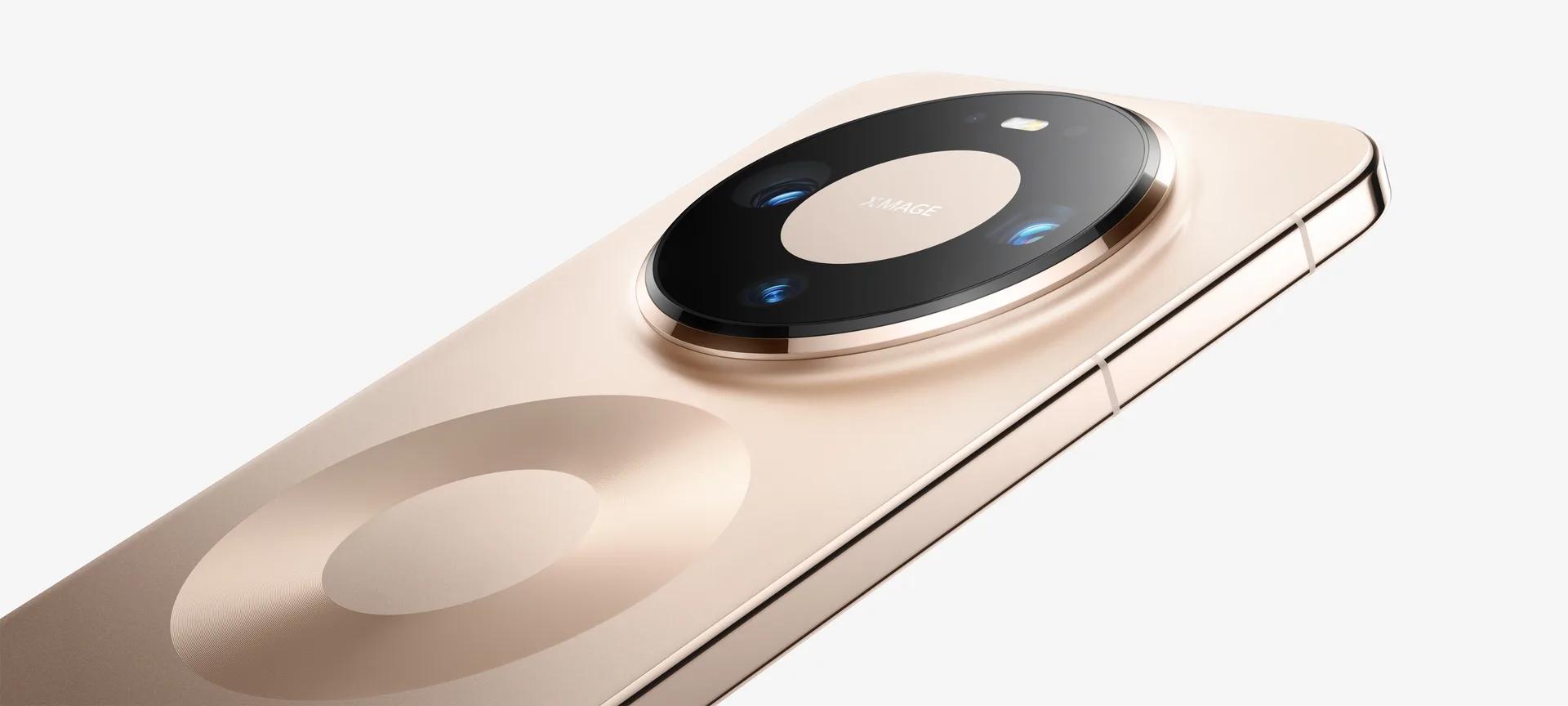
Judging from the currently exposed lineup, the Mate90 series will bring four models, namely Mate90, Mate90 Pro, Mate90 Pro Max, and the more high-end Mate90 RS Ultimate Design. Some bloggers describe this scale as the luxury level "comparable to the Mate60 launch event back then", but strictly speaking, the 2023 autumn full-scenario launch event did not release the Mate60, it only announced that Andy Lau would serve as the brand ambassador for the Ultimate Design line, and mentioned the Mate60 RS Ultimate Design product.
(Image source: Huawei)
Moreover, the launch event back then opened with a chorus, and the event form was very much like a "concert". Therefore, it is estimated that Huawei's launch event this time, which appears in the performance approval information of the Ministry of Culture and Tourism, will adopt a similar form.
The positioning of the four models in Huawei's Mate90 series is also basically clear: the standard version focuses on balanced experience, the Pro version prioritizes imaging capabilities, the Pro Max is equipped with a dual-layer OLED screen and a large battery, while the RS version differs in materials and design. According to leaks, the Pro Max is expected to be equipped with a 7000mAh-level battery, and battery life will accordingly become one of the core selling points of this generation.
But among the four phones, the real focus is the chip that has been discussed for months.
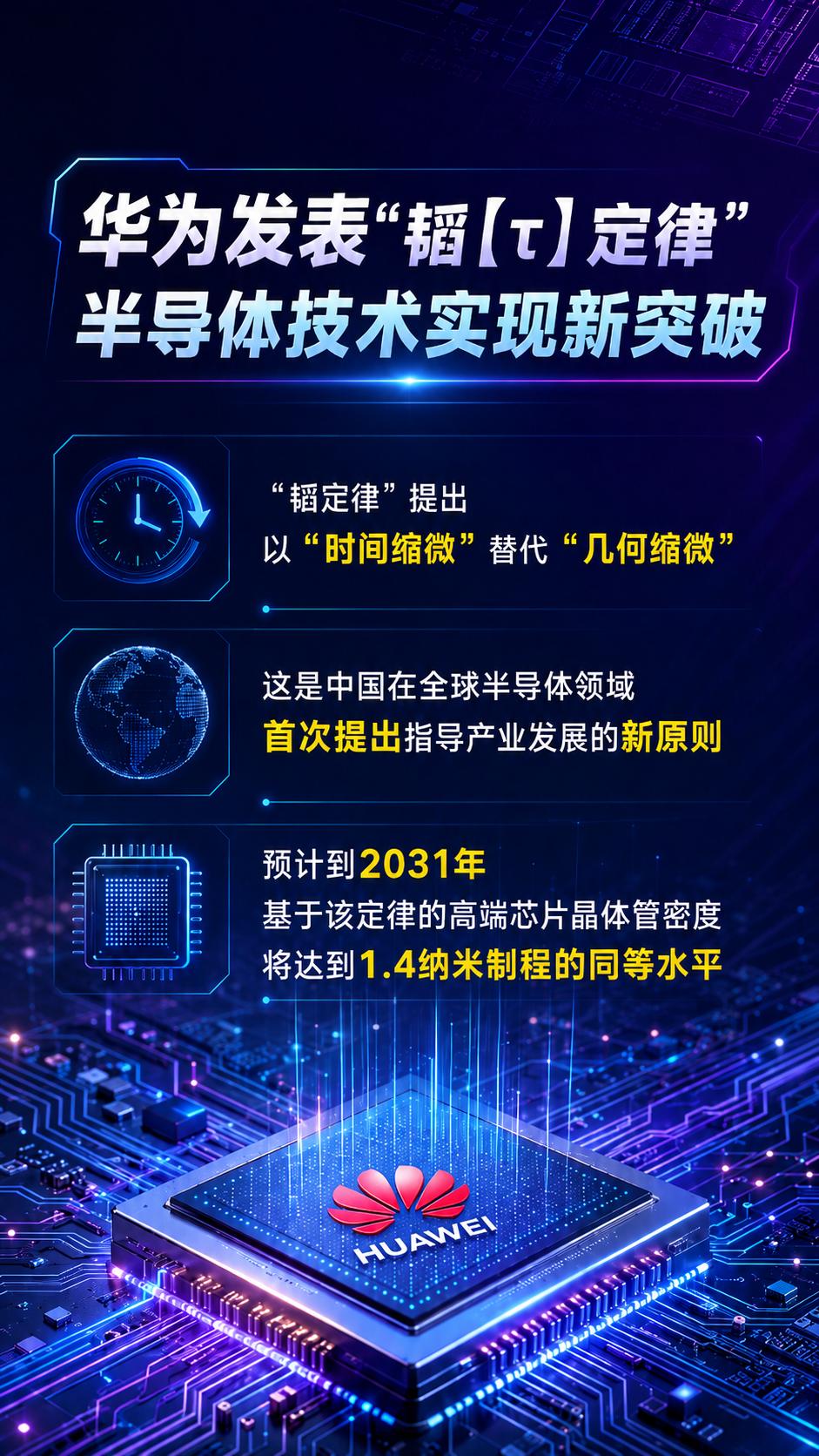
Huawei executive Zheng Jun has previously publicly confirmed that the Mate90 will be the first to carry the new Kirin chip developed based on "Tao's Law". According to leaked information, the internal code name of this chip is Kirin 9050, with a main frequency up to 3.1GHz, making it Huawei's first chip that breaks through the 3GHz mark. Test data cited in many reports shows that its overall performance is close to the equivalent level of 3nm process.
The so-called Tao's Law is a set of chip design rules proposed by Huawei itself. Its core idea is not complicated: when advanced manufacturing processes are not available for the time being, rely on architecture innovation and 3D stacking to increase transistor density and performance. It is equivalent to switching to a new architecture optimization track after encountering bottlenecks in the process iteration direction.
(Image source: Leitech)
To put it more simply, in the past, chip manufacturers competed to be the first to get smaller nanometer process nodes, while now Huawei competes to further tap the potential of performance and energy efficiency on the same or slightly outdated process through stacking and architecture optimization. This stacking solution called "logic folding" essentially distributes the density benefits that should have been brought by advanced processes into the three-dimensional structure of the chip.
At the 2026 International Symposium on Circuits and Systems on May 25 this year, He Tingbo, Director of Huawei and President of the Semiconductor Business Unit, said in her speech that Huawei's Kirin 2026 chip adopts logic folding technology, which increases transistor density by 53.5%, large core energy efficiency by 41%, and peak frequency by 12.7%.
In short, the significance of this chip does not lie in the high or low benchmark scores, but in proving that Huawei can continuously improve chip performance without relying on process iteration. If this path is really successfully implemented, the chip problem that has plagued Huawei for many years will be truly solved. Of course, Huawei's breakthrough in Kirin chips did not come overnight. The 2023 Mate60 series made its return with the self-developed Kirin chip, and in every subsequent generation, Huawei has been gradually improving performance and production capacity. By the Mate90 generation, the Kirin chip has finally evolved from "usable" to capable of competing head-on with rival products.
In addition, Kirin 2026 is not the official name of this chip, which will be named the Kirin 9050 series. Moreover, according to leaks, this flagship chip will also be divided into standard version and Pro version, and Huawei Mate90 Pro series as well as the RS Ultimate Design version will be equipped with the Kirin 9050 Pro.
Apart from the chip, the main upgrades on the Huawei Mate90 series will focus on the screen and imaging. According to the exposure from @Digital Chat Station, the Mate90 Pro series will use a 6.9-inch 1.5K LTPO dual-layer OLED screen from BOE. There is not much leaked information on the imaging part so far, but it is basically confirmed that the Pro series will continue to use the dual periscope lens solution, and telephoto shooting will still be a major advantage.
Product Line Is Maturing, Huawei Holds Many Strong Cards
It is worth noting that the Mate90 series is not the only heavyweight product Huawei will launch in September, there is another launch event prepared for the tri-fold product this month. Specifically, in early September, before the Mate90 series launch event, Huawei will also release the new tri-fold product Mate XT2.
According to leaks, compared with the previous generation, Huawei Mate XT2 has considerable changes: its form is changed from the S-shaped design to a U-shaped folding scheme to further reduce the risks caused by the exposed flexible screen. At the same time, it adds an extra outer screen to facilitate daily use in the folded state.
In terms of chips, it will most likely be equipped with the Kirin 9050 Pro. In addition, according to the leak from Focus Digital, due to increased costs, Huawei Mate XT2 is very likely to see a price increase. Considering that the starting price of the previous generation tri-fold Huawei Mate XT was 17999 yuan, the price of Mate XT2 will probably reach around 20000 yuan, directly entering the same price range as Apple's first foldable iPhone Ultra that is set to launch this year.
However, the iPhone Ultra is a horizontal foldable device, while Huawei Mate XT2 is a unique tri-fold product on the market. In fact, Samsung released a tri-fold product called Galaxy Z TriFold at the end of last year, with a pricing similar to Huawei's Mate XT. But Samsung's phone was soon discontinued in the first half of this year as the cost became unsustainable. In contrast, Huawei's tri-fold products are well received: the sales of Mate XT exceeded 400,000 units less than a year after its release. The Huawei Mate XT2, which will be launched in September, occupies a very unique niche and firmly controls the top-tier flagship market.
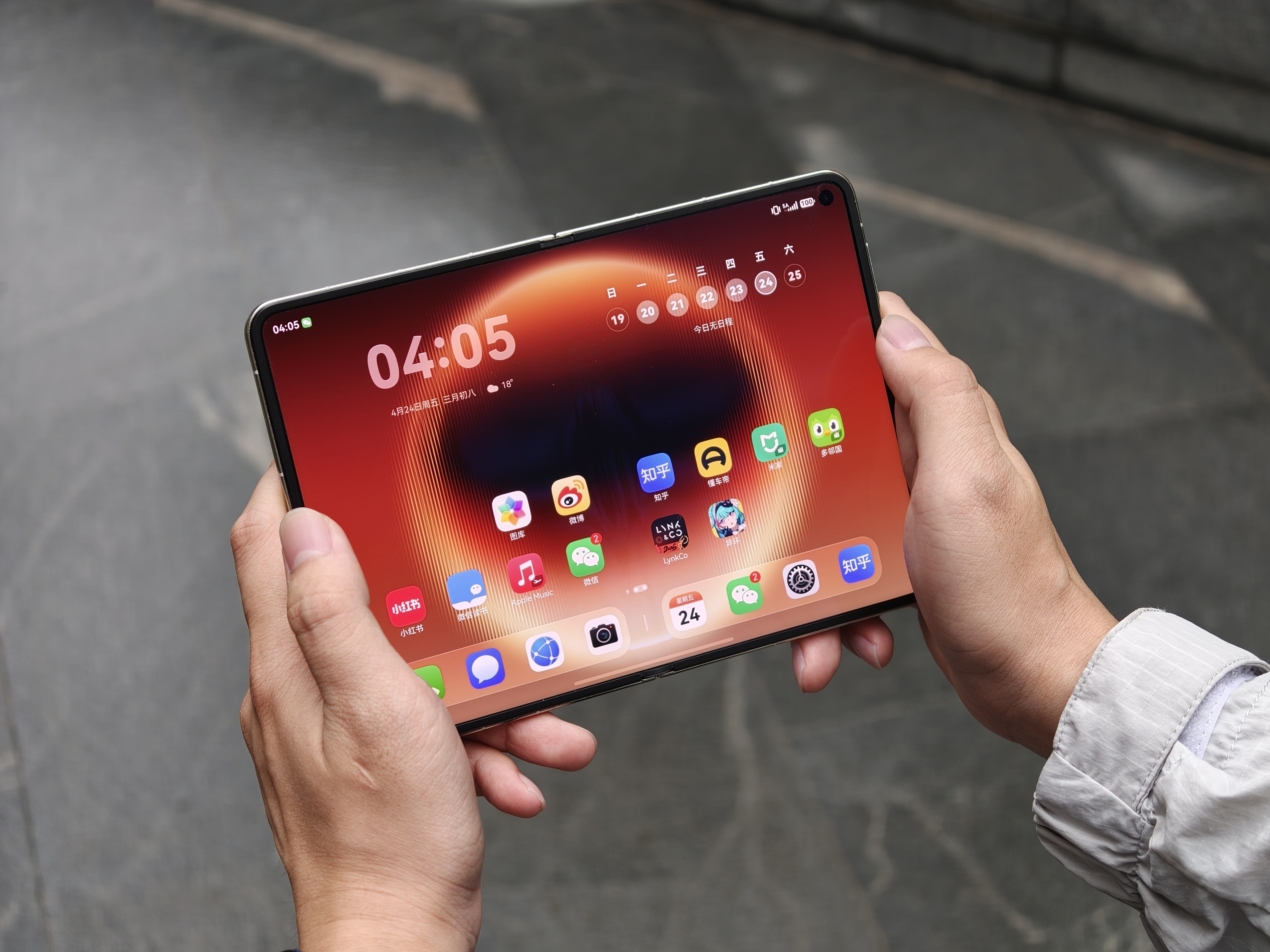
As for horizontal foldable devices, Huawei is the pioneer of this category. In March and April this year, it launched the horizontal foldable products Pura X and Pura XMax respectively, which achieved impressive market performance. Among them, Huawei Pura X Max sold more than 600,000 units in three months. This year can be regarded as a big year for horizontal foldables. Brands including Apple, Samsung, OPPO, and Xiaomi have launched or will launch horizontal foldable devices, but Huawei's horizontal foldable products are competitive in both product strength and market performance.
(Image source: Leitech)
In addition, targeting the more sinking mid-range market, Huawei launched the nova 16 series this year, including nova 16, nova 16 Pro, nova 16 Ultra, nova 16z, and nova 16 SE, which basically covers the price range from 2000 yuan to 5000 yuan. By early August, the sales of the nova 16 series had exceeded 1.2 million units.
Macro overall market data also reflects Huawei's strong performance. IDC data shows that China's smartphone shipments in the first quarter of this year were about 69 million units, down 3.3% year on year. However, Huawei's mobile phone shipments in this quarter reached 13.7 million units, ranking first with a 8.1% year-on-year growth against the trend. In the second quarter, the overall shipments of the Chinese market were 66.01 million units, down 4.3% year on year, Huawei still ranked first with shipments of 14.91 million units, a sharp year-on-year increase of 19.4%.
The key reason why Huawei maintained stable performance in the first half of the year lies in its strong product competitiveness and comprehensive price range coverage. The mid-range nova series stabilized shipment volume, and the rich variety of foldable products helped Huawei firmly maintain its advantages in the high-end market, ensuring revenue and profits.
Flagship Phones Will Face Fierce Competition in the Second Half of the Year, Can Huawei Win?
However, all these advantages will be tested in the second half of the year. September is the most crowded month for flagship phones. Apple's iPhone 18 Pro series and iPhone Ultra will be launched, and Qualcomm and MediaTek's flagship chips for the Android camp will bring a large number of new top-tier phones. Huawei's Kirin 9050 series chips and product lines represented by the Mate90 will face fierce head-on competition.
Nevertheless, we are still very optimistic about Huawei. First of all, Huawei has advantages in cost control. The cost pressure brought by rising storage prices is a common challenge for all mobile phone manufacturers this year, and the price increase of flagship chips will further amplify this pressure. Previous leaks show that the total cost of Android flagship chip, RAM, and flash memory has exceeded 2000 yuan, greatly compressing the profit margin of all brands.
Since Huawei uses its own self-developed chips, the pressure in this regard is much smaller. Relatively speaking, Huawei's foldable products are positioned higher than conventional flagships, so they have relatively stronger resistance to storage cost pressure.
Secondly, as mentioned earlier, Huawei's mobile phones have very strong product strength. Huawei has been continuously optimizing chips, imaging, AI, systems, and foldable technologies, and its products are competitive against any rivals in the market. This has been proven by the performance of individual models as well as overall shipment data.
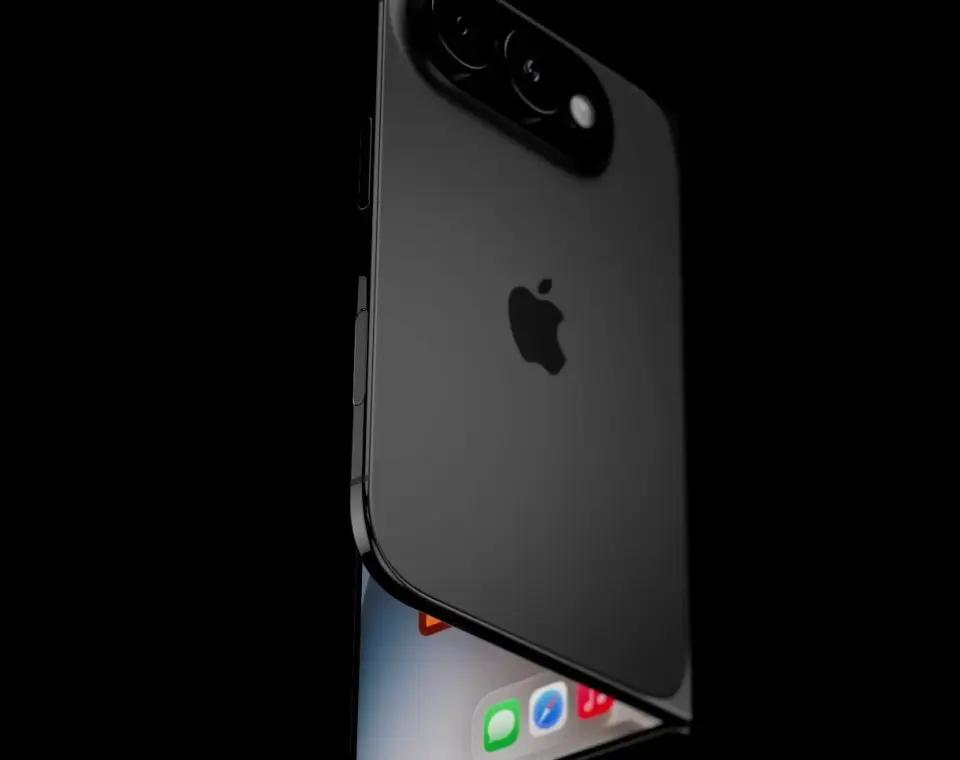
Of course, Huawei will also face tough rivals in the second half of the year, especially Apple. In Q1 and Q2 of this year, Apple was the only brand in the Chinese market that could keep up with Huawei in sales volume. They are the only two mobile phone brands that have achieved substantial growth against the trend against the backdrop of the shrinking overall market. Apple's two aces in the autumn launch event are the iPhone 18 Pro series and the iPhone Ultra: the former is mainly responsible for attacking the 10,000-yuan high-end market, while the latter aims to seize a large share of the foldable phone market.
(Image source: fpt.)
In the final analysis, the key to Huawei's success in the second half of the year still depends on the launch event on September 23. The Mate90 series is the protagonist, and the Kirin 9050 series is the core. If this chip based on Tao's Law can really deliver the equivalent 3nm performance promise, Huawei will have the hard power to compete head-on with Apple in the high-end market.
For Huawei, the trend of growth against the trend in the first half of the year is real. The nova series and foldable products have laid a solid foundation, and the only remaining suspense is the final blow from its flagship product. For ordinary consumers, this is actually a good thing. Huawei and Apple compete head-on in September, with chips, imaging, and foldable technologies all pushed to the extreme, and the final beneficiaries are us, the paying consumers.
This article is from "Leitech", authorized for release by 36Kr.