OpenAI Speaker: Apple-inspired Design, Yet One Step Ahead of Apple
In recent weeks, there has been a constant stream of news surrounding OpenAI — first the Codex Micro sold out in seconds, followed by the courtroom showdown with Apple.
Before the judge's gavel fell, in the early hours of yesterday, Mark Gurman, Apple expert at Bloomberg, dropped another bombshell:
More than a year after OpenAI acquired Jony Ive's company, the first hardware product co-developed by the two is finally set to launch. It's not a ring, not a pendant, but a smart speaker.
Source | Android Authority
Citing people familiar with the matter, Mark Gurman reported that:
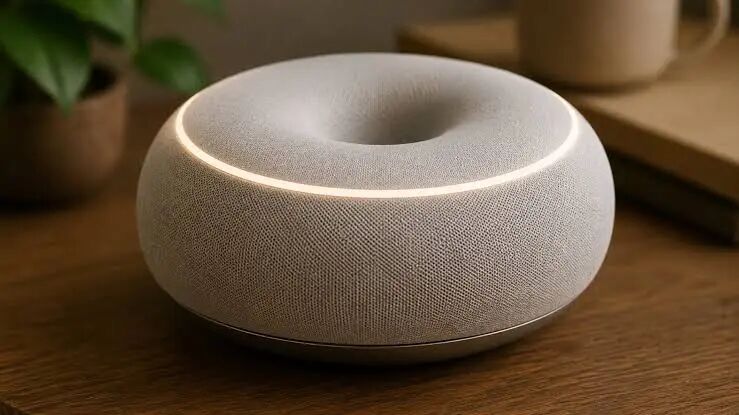
The basic form of the product is a "display-less smart speaker", shaped like a donut and roughly the size of a hockey puck.
This lines up exactly with a leaked photo of Joe Gebbia, the U.S. government's Chief Design Officer (CDO), that was spotted in San Francisco back in March this year:

Source | X @zachdive
OpenAI is reportedly planning to officially launch this small speaker in 2027, Mark Gurman commented:
OpenAI wants to position this speaker as an "AI-centric portable computer" that can help users complete a wide range of tasks. Its unique design will help it stand out in the smart speaker market currently dominated by Amazon and Alphabet.
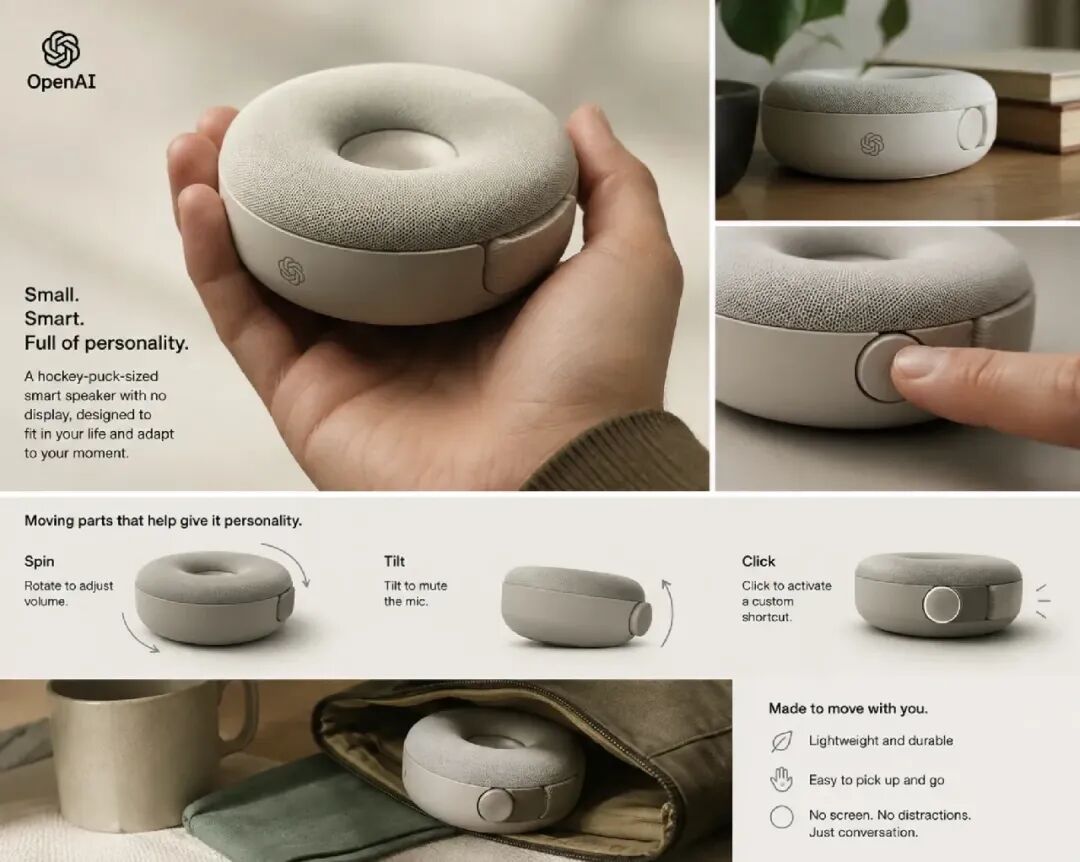
Although no design drafts or factory prototypes have leaked so far, according to descriptions from Bloomberg's "sources familiar with the matter", OpenAI's new speaker features the following key characteristics:
There is a self-moving mechanical component on the speaker to visually respond to users and interact with them
It adopts a split design: in addition to the handheld main speaker unit, there is also a dedicated charging base
Apart from microphones and speakers, OpenAI also plans to add status indicator lights to the device
It may be equipped with an ultra-wide-angle camera and other sensors to perceive the surrounding environment
It may adopt the "Apple's proprietary metal process" mentioned in Apple's lawsuit
It may support integration with third-party smart home ecosystems to enable smart home control
It is expected to be priced between $300 and $400 (roughly equivalent to 2200 to 2700 RMB)
Source | Reddit
Judging only from the current leaks, OpenAI's speaker does not have any essential differences in form and function from competing products such as the HomePod mini, Google Home Speaker, and Alexa.
But its advantage lies in this: behind OpenAI's speaker is not the buggy Siri AI, nor the US version of "Doubao" Gemini, but the full-powered ChatGPT Live mode.
In addition, the hardware design led by Jony Ive is full of thoughtful details that clearly distinguish it from other smart speakers on the market.

AI-generated
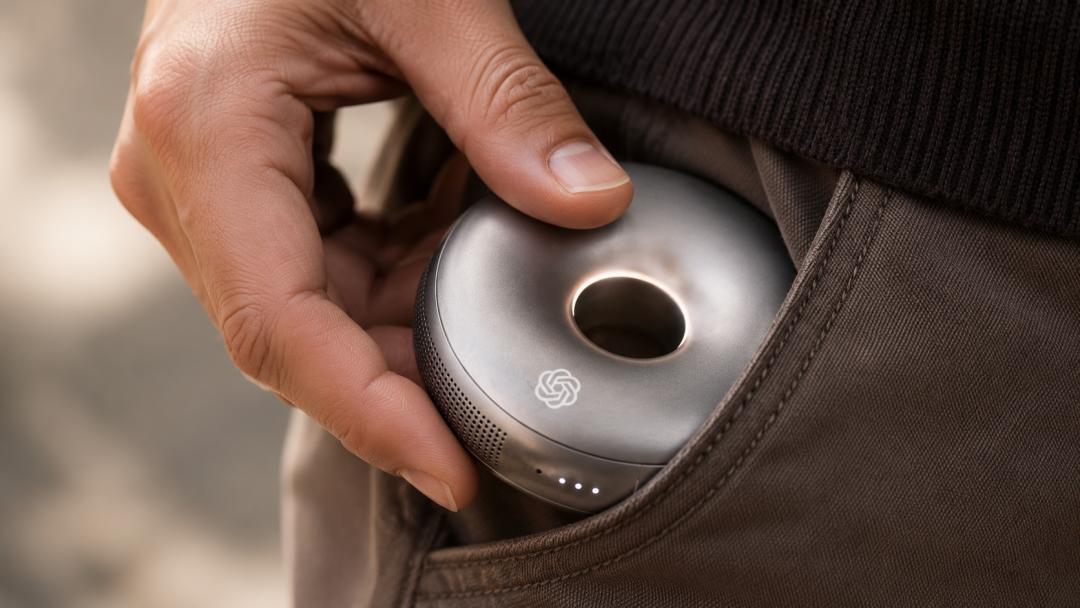
For example, as a clearly "battery-powered" device, although all the scenarios mentioned in the leaks are indoor home scenarios, there is nothing stopping users from carrying it around with them anywhere:
AI-generated
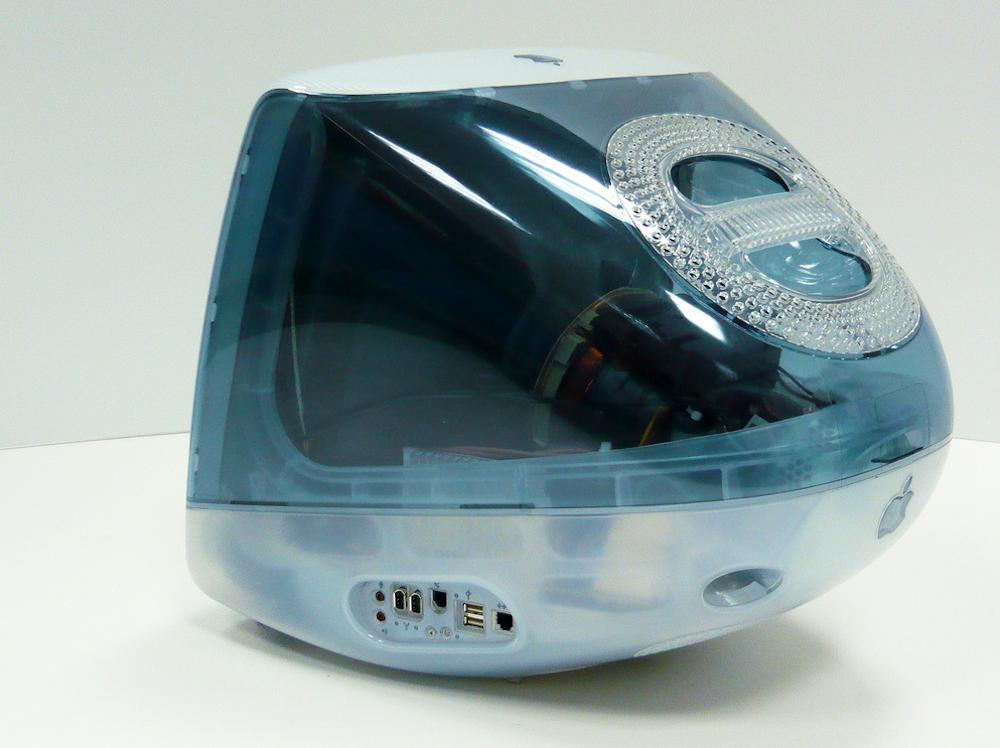
And the "donut shape" mentioned in the leaks clearly points to an element that Apple once used: a carrying handle.
On the classic iMac G3 with a transparent plastic shell, Jony Ive specifically designed a carrying handle on the top of the case to make it easier for users to take the computer out of the packaging box:
Source | 512 Pixels
According to existing leaked information, the form and size design of OpenAI's speaker also follows the same design consideration —
Users should be able to easily carry the speaker around the house and use it whenever they want.
This design philosophy is fundamentally different from Apple's HomePod series. After all, the HomePod is a wired power supply device with high environmental requirements, and it has a complete independent spatial algorithm to ensure audio performance:

Source | Apple
For its first speaker, OpenAI has clearly taken the "smart Bluetooth speaker" route.
With such a small form factor, the sound quality and volume are understandably not top-tier, and the main highlight is its portability and instant access to GPT Live anytime, anywhere:
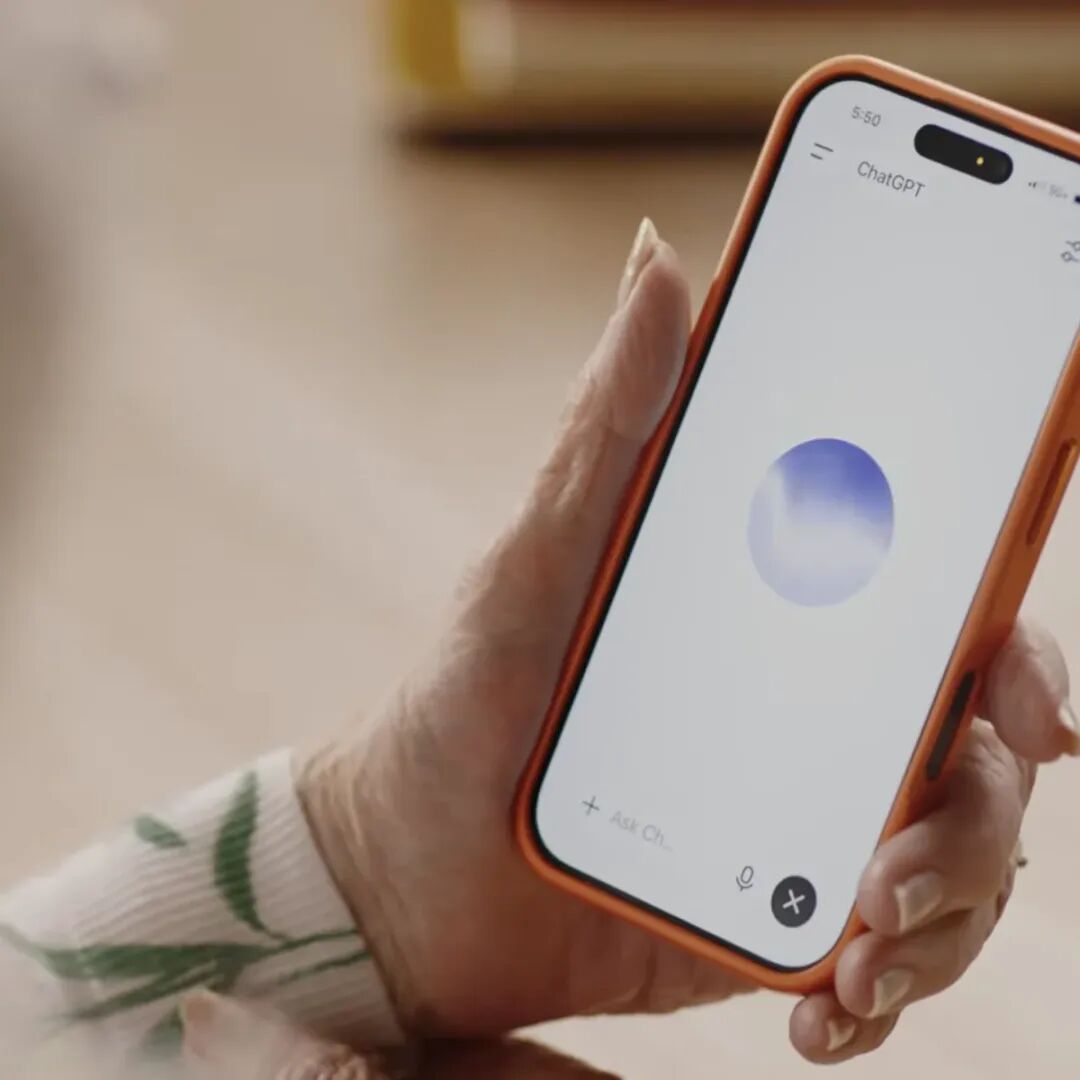
Source | Mashable
From this usage scenario, we can even boldly predict that OpenAI has transferred part of the design ideas from its earlier so-called "AI pendant" project to this speaker —
After all, a hockey puck-sized smart speaker is not heavy at all, and theoretically it is completely possible to carry it around as a "portable home companion".

Source | Vintage Everyday
In this way, ChatGPT now has its first physical carrier outside traditional entry points such as smartphones and computers, which can be regarded as its very own "home".
Another interesting point is that although Apple fiercely accused OpenAI of poaching talent and stealing manufacturing processes in its complaint, people familiar with the matter revealed that OpenAI launched an internal investigation after Apple filed the lawsuit, and concluded that its first device does not use or infringe any of Apple's trade secrets.
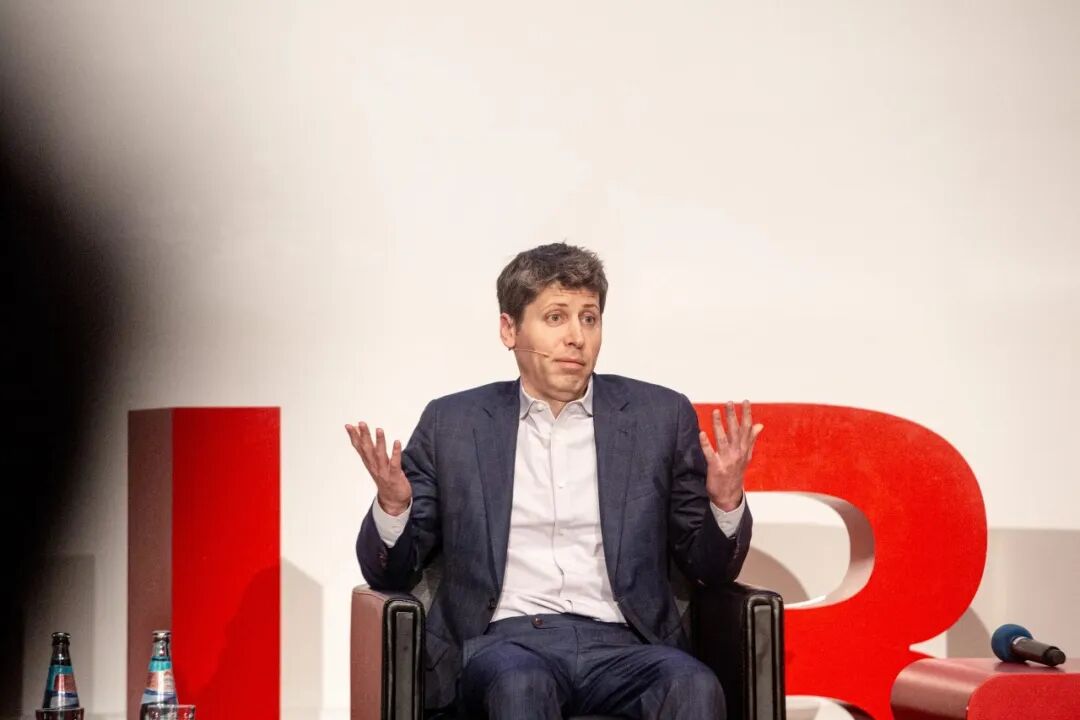
Source | Fortune
While the progress of the lawsuit remains to be seen, OpenAI stated confidently in its motion to dismiss Apple's lawsuit filed a couple of days ago that:
OpenAI is building entirely new products that are completely different from any product made by Apple.
After all, if we look back at OpenAI's previous hardware roadmap, we can see that it includes speakers, glasses, rings, headphones, and pendants, but no smartphones at all.
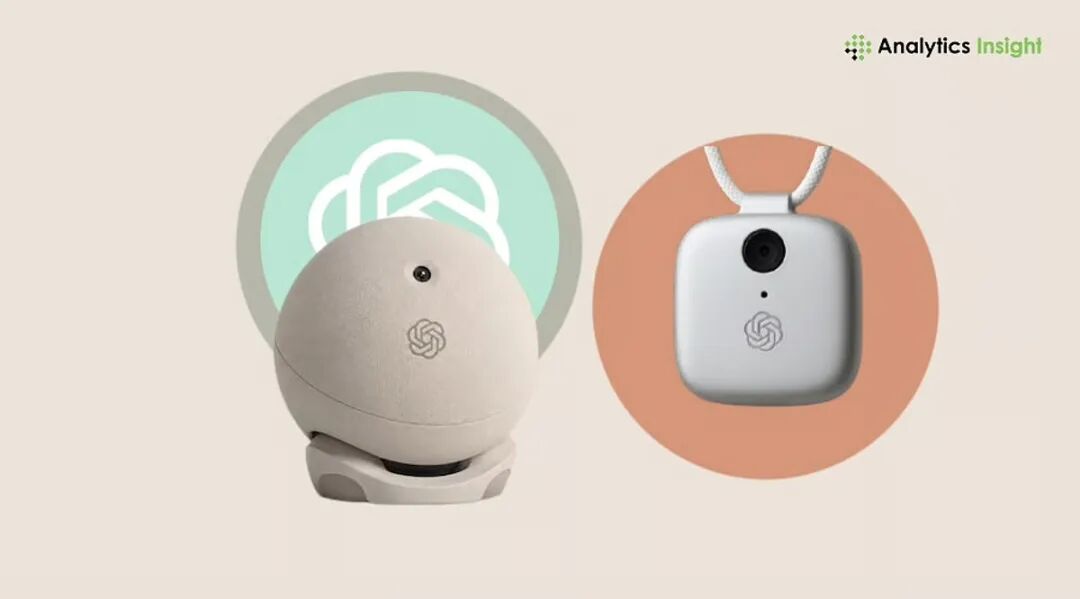
Source | Analytics Insight
We can even speculate that OpenAI's speaker, which abandons visual interaction and strongly emphasizes the "portable attribute", is even being prepared to replace smartphones.
Meanwhile, Apple's roadmap for the next few years, including smart glasses, AirPods with cameras, and the rotatable HomeHub, all overlap with OpenAI's hardware form factors, and all of them have to carry the "dead weight" of Siri.
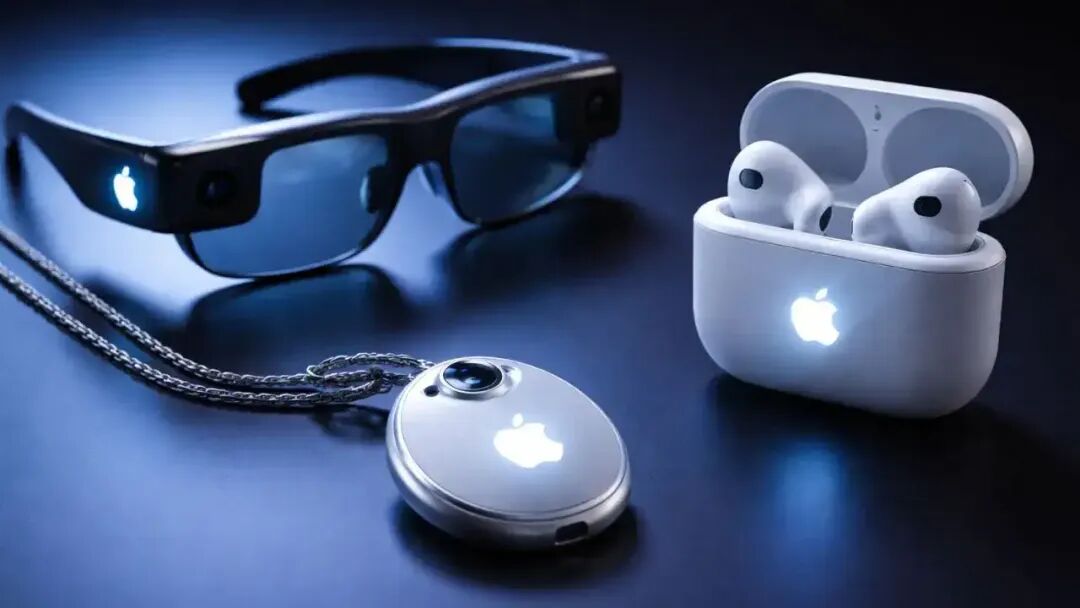
Source | Times Now
Although smartphones will not disappear anytime soon, the competition among tech giants for the next universal personal AI hardware entry point has undoubtedly only just begun.
This article is from the WeChat Official Account "ifanr" (ID: ifanr), written by Ma Fuyao, edited by Xiao Qinpeng, and published with authorization from 36Kr.