Invasive brain-computer interface, the 16 most notable domestic Chinese enterprises
On August 3, Shanghai Active Technology, which was established only half a year ago, announced the completion of RMB 330 million in financing, refreshing the angel round financing record in this field in one go.
It is understood that this round of funds will be mainly used for site expansion, equipment improvement, clinical trial promotion and team expansion.
What is more noteworthy is the route chosen by Shanghai Active Technology: full-link independent R&D from flexible electrodes, dedicated chips, decoding algorithms to system integration, and simultaneously advancing three invasive brain-computer interface product lines for sports, vision and emotion.
Among them, the company's sports brain-computer interface "Tian Shu" is targeted at patients with stroke, spinal cord injury, amyotrophic lateral sclerosis and other conditions, and its 1024-channel system is about to launch clinical trials.
It is not just Shanghai Active Technology. As the hottest track in the medical health sector this year, Brain-Computer Interface (BCI) was included in the Chinese government work report for the first time, and capital has poured into the industry rapidly.
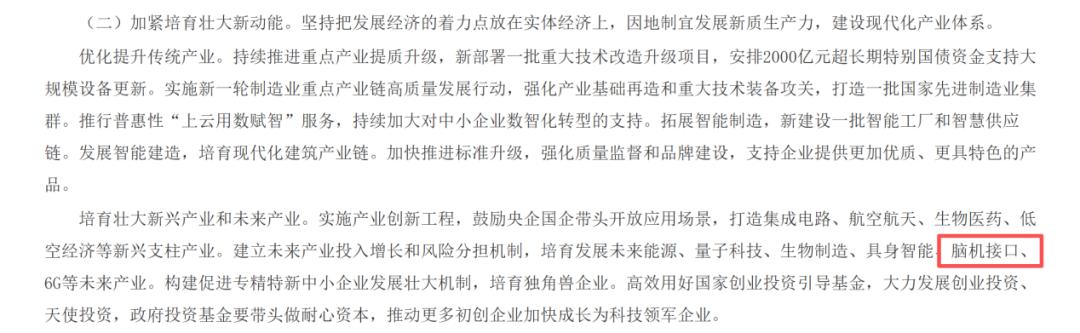
Image source: 2026 Government Work Report
The industry fundamentals understood by Medical Insight are: as of now, more than 70 Chinese brain-computer interface companies have been announced to be established, and no less than 4 are under establishment in the unpublicized stage.
In terms of technical routes, the industry is roughly divided into two categories: invasive (including fully invasive and semi-invasive) and non-invasive.
Fully invasive BCI implants electrodes directly into the cerebral cortex through craniotomy, which can collect the highest quality neural signals and is currently the only technology that can help patients with severe paralysis restore fine motor functions.
Semi-invasive technology places electrodes on the epidural between the skull and the cerebral cortex, achieving a good balance between signal quality and surgical risk.
In order to let readers understand which Chinese innovative enterprises are currently deploying invasive technology routes, Medical Insight has screened out 16 domestic enterprises most worthy of continuous attention from five dimensions: technical originality, system completeness, clinical advancement, capital popularity and industrial resources.
It should be noted that the list does not constitute a ranking, nor is it a complete directory.
Among these 16 companies, some directly develop invasive or semi-invasive complete machine systems, some provide electrodes, chips and implantable neuromodulation products, and others have master resources in neurosurgery, rehabilitation and clinical translation.
They represent three forces driving China's invasive brain-computer interface from scientific research tools to medical health products.
01. The First Force: 8 Complete Machine and System Companies
Complete machine and system companies are the most concerned field at present, and they are also the enterprises closest to "high-bandwidth brain-computer interface products".
Active Technology — Highest Financing Popularity
Full-link independent R&D, targeting three clinical product lines for sports, vision and emotion
Founded in February 2026, Active Technology is one of the latest established platform enterprises for invasive brain-computer interface in China.
At present, the company's business covers hardware systems, neural signal encoding and decoding, and animal verification, and has formed full-link independent R&D capabilities from flexible electrodes, dedicated chips, decoding algorithms to system integration. Its sports brain-computer interface "Tian Shu" is targeted at patients with stroke, spinal cord injury and amyotrophic lateral sclerosis.
The company's core team has obtained the type inspection report of the 1024-channel invasive brain-computer system, and is preparing to launch clinical trials with the 1024-channel system. After the RMB 330 million angel round of financing, Active Technology's focus will quickly shift from "platform capability" to "clinical delivery".
Jieti Medical — Leading in Clinical Translation
Ultra-flexible electrodes and high-throughput implantable platform advance in parallel
Founded in August 2021 and headquartered in Pudong New Area, Shanghai, Jieti Medical is committed to electrode R&D, development of implantable brain-computer interface platform systems, and clinical application translation of scientific research achievements.
The company excels in ultra-flexible electrode technology, and its high-throughput implantable brain-computer interface system has completed the registration type inspection of medical devices, which can be used to help paralyzed patients complete complex brain-controlled tasks.
In February 2026, Jieti Medical completed RMB 350 million in Series B financing. Up to now, it has obtained recognition and support from top investment institutions such as Alibaba, Tencent, Shanghai State-owned Investment, Qiming Venture Partners, Orbimed, Lilly Asia Ventures, Yuanhe Origin, and Yuanlai Capital.
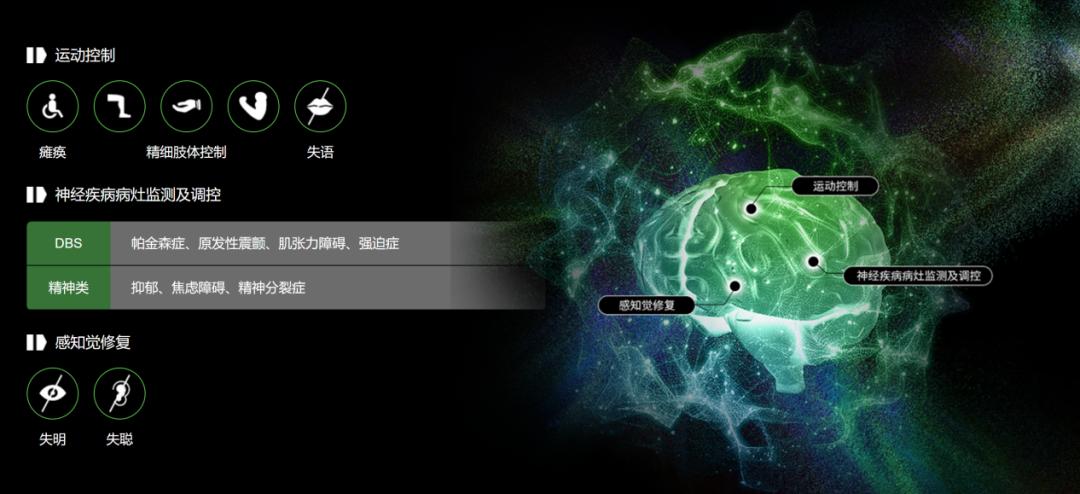
Jieti Medical's clinical solutions, Image source: Enterprise official website
Ximang Medical — University Achievement Translation
Multi-disciplinary team from Peking University, betting on the μNeurode system
Founded in 2019, Ximang Medical is a cutting-edge medical technology company focusing on the R&D of basic software and hardware platform technologies for brain-computer interfaces that are rapidly moving to clinical applications and their derived medical application products.
The company's core founding team is composed of a multi-disciplinary cross-technology team from Peking University, with rich experience in R&D of miniature medical devices and biochips.
In January 2026, the company completed tens of millions of yuan in angel round and angel+ round financing. At present, the company has completed the transformation from subject research to achievement translation, and will continue to be committed to the development goal of "let doctors communicate directly with the patient's brain" in the future, and adhere to the development concept of "moving from scientific research to clinical practice to realize the commercialization of brain-computer interfaces".
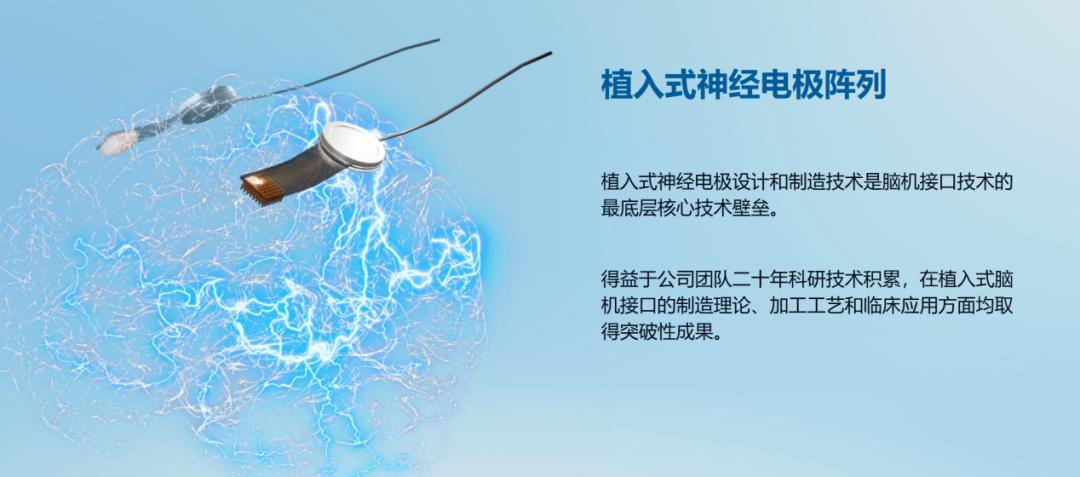
Ximang Medical's implantable neural electrode array, Image source: Enterprise official website
Weiling Medical — Representative of Flexible Electrodes
Wireless implantable system and flexible microwire neural electrodes
Founded in 2019, Weiling Medical focuses on the R&D of medical-grade fully implantable brain-computer interface systems, and is committed to making breakthroughs in key technologies of medical-grade brain-computer interfaces.
Weiling Medical has mastered the full-chain independent technology of minimally invasive implantable brain-computer interfaces, and has achieved breakthroughs from 0 to 1 in underlying technologies such as high-density flexible electrodes and dedicated neuroelectrophysiological chips. It has completed the fully implanted engineering prototype based on high-density flexible electrodes and dedicated chips, and optimized the decoding algorithm to improve control accuracy.
At present, the company has established cooperation with a number of top hospitals and universities to support clinical and scientific research applications. Relying on the fully implantable brain-computer interface technology, Weiling Medical has built a complete product ecosystem in the field of serious medical treatment.
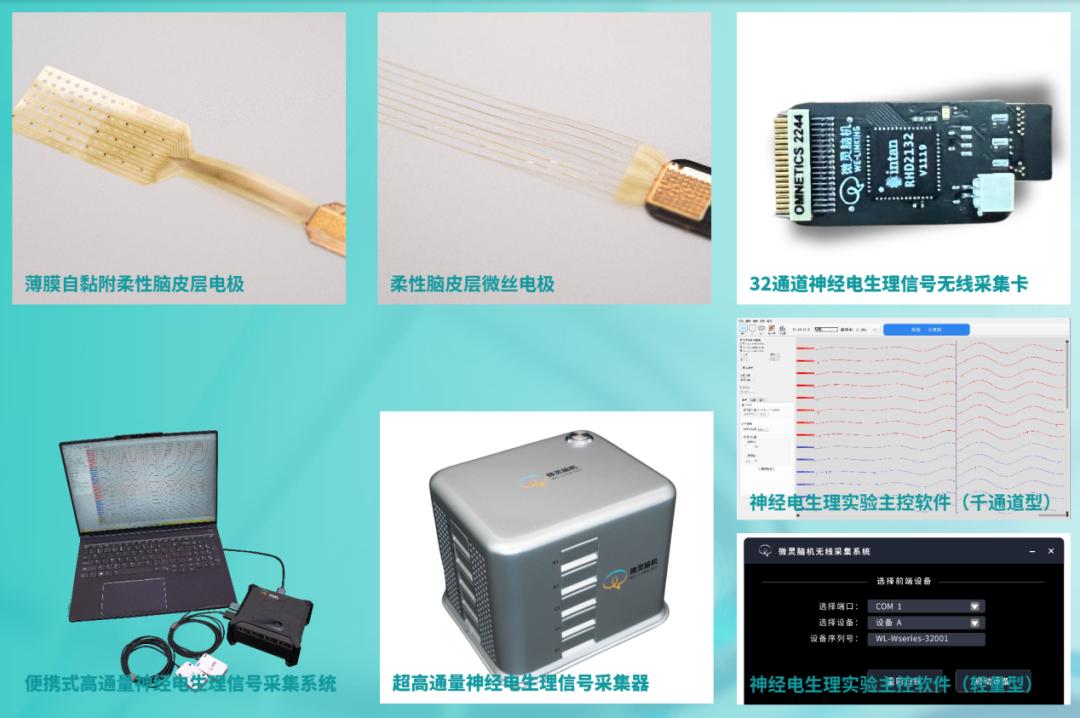
Partial products of Weiling Medical, Image source: Enterprise official website
Naural Robot Technology — Dual Drive of Scientific Research and Medical Treatment
Promoting scientific research tools and medical products in two lines
Founded in 2021 and founded by chief scientist Dr. Tao Hu, Naural Robot Technology is a high-tech enterprise focusing on the R&D and industrialization of implantable flexible brain-computer interface technology.
In July 2026, its self-developed "Implantable Brain-Computer Interface Hand Motor Function Compensation System" (i.e. the "fully implanted, fully wireless, fully functional" brain-computer interface system, referred to as the "Three-Full" system) passed the public notice and officially entered the special review procedure for innovative medical devices of the Center for Medical Device Evaluation (CMDE) of the National Medical Products Administration.
This is the first subdural implantable flexible brain-computer interface product in China to enter this "green channel", marking an important step forward for China in the field of high-end implantable medical device innovation.
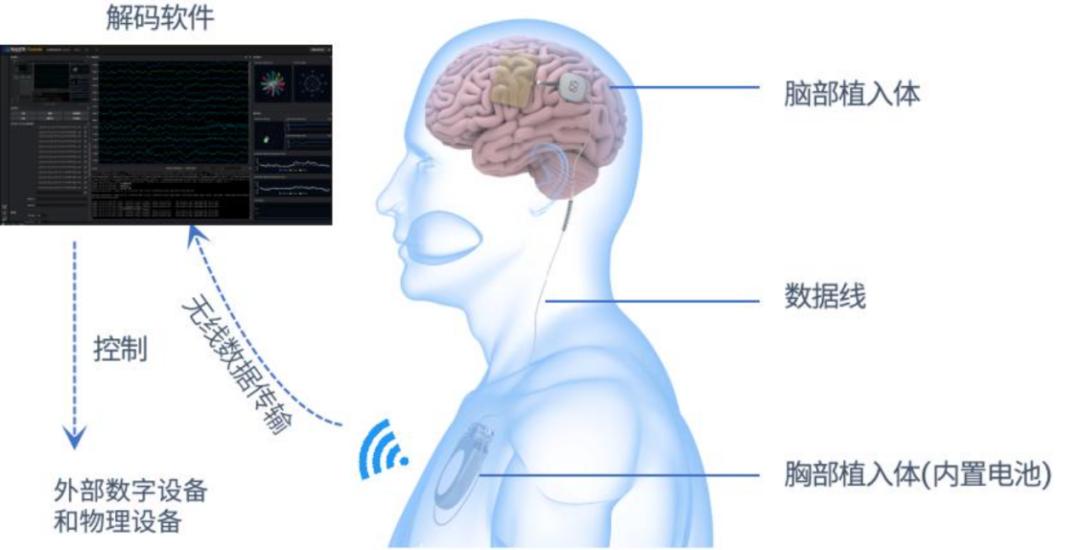
Naural Robot Technology's "Three-Full" brain-computer interface system, Image source: Enterprise official website
West Lake Lingxi — Chip and Algorithm Foundation
Low-power high-throughput chips and Chinese language decoding
Founded in 2022 and incubated by Westlake University, Lingxi Technology is committed to building a high-performance, low-power technology platform for neural signal acquisition, processing and interaction.
The company has top international scientists in the fields of brain-computer interface, neural engineering, brain-like computing and artificial intelligence, and has full-chain capabilities from chip architecture design, algorithm R&D to system integration.
West Lake Lingxi focuses on high-throughput implantable brain-computer interface chips, closed-loop neuromodulation systems, brain-like computing chips and brain-language decoding algorithms, forming an independent and controllable core intellectual property system. Relying on the deep collaboration of artificial intelligence algorithms and hardware, it realizes closed-loop control and supports a variety of application scenarios.
NeuXus — Perceptual Reconstruction Direction
Visual brain-computer interface and neural stimulation chip
Founded in 2014, NeuXus is a technology-oriented enterprise specializing in the R&D of neural interfaces and biosensors, with more than 17 years of R&D experience.
At present, the company has offices in Hangzhou, Shanghai, Shenzhen, Melbourne (Australia), Ho Chi Minh City (Vietnam) and other places. The company currently has a complete industrial chain supply capacity for wafer & MEMS packaging, in vitro/implantable components, and terminal products.
At the same time, NeuXus has successfully developed a number of products such as high-density neural stimulation chips, continuous detection chips for biomolecular signals, EEG detection chips, and programmable neural stimulation chips, with key chip indicators at the international leading level.
In addition, a number of products including high-resolution visual brain-computer interface and 64-channel neuron action potential detection chip are under research, among which the high-resolution visual brain-computer interface project is led by NeuXus.
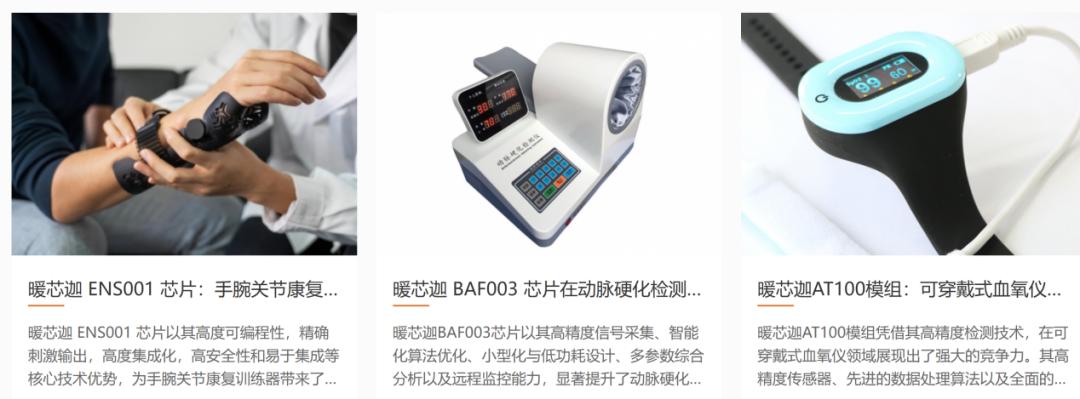
Partial products of NeuXus, Image source: Enterprise official website
NeuroSky — Outstanding Human Implantation Data
Epidural implantation and semi-invasive route of wireless transmission
Founded in November 2011, NeuroSky has built a brain-computer interface technology platform with neural signal acquisition, analysis and feedback as the core, forming non-invasive and minimally invasive series of products and solutions, which are applied in brain science research, screening of mental and psychological diseases, diagnosis, treatment and rehabilitation of various neurological diseases, and rehabilitation assistance for various motor or language functions.
At present, the company has formed two major brain-computer interface platforms: non-invasive and minimally invasive. Among them, the product for spinal cord injury indication (referred to as "NEO product") is suitable for patients aged 18 and above with quadriplegia caused by cervical spinal cord injury who cannot complete the grasping function with their fingers, to assist and replace hand functions, and entered the national innovative medical device channel in August 2024.
Up to now, 36 clinical operations have been completed, the clinical endpoint collection was completed at the end of November 2025, and the registration certificate was obtained on March 13, 2026.
The product for epilepsy indication is suitable for seizure control in patients with drug-resistant epilepsy (6 years old and above), and entered the national innovative medical device channel in March 2025.
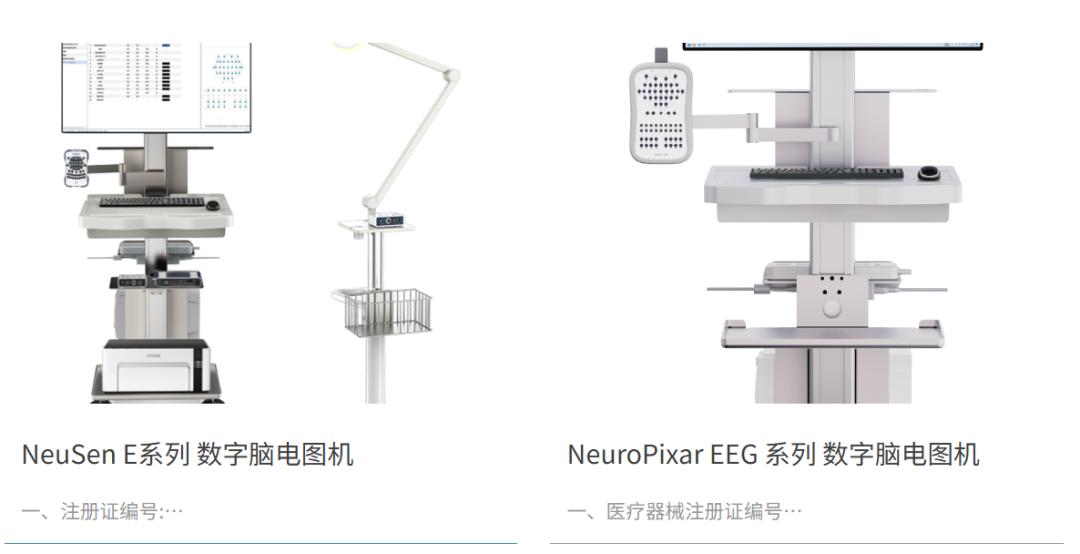
NeuroSky's digital electroencephalograph, Image source: Enterprise official website
02. The Second Force: 6 Core Device and Neuromodulation Enterprises
These enterprises master the most irreplaceable underlying capabilities of implantable products.
Kedou BCI — Electrode Product Matrix
Implantable neural microelectrodes and electrophysiological equipment
Founded in 2016, Kedou BCI is an enterprise focusing on the R&D and application of brain-computer interface technology, headquartered in Suzhou.
At present, the company takes implantable neural microelectrodes as the core R&D direction, and aims at medical clinical applications to carry out the landing of brain-computer interface applications and technical research.
Kedou BCI has independently developed more than 40 kinds of microelectrodes and related equipment, filling the gap in the domestic market. Its products have been used by a total of 1,000 units, making it a unicorn enterprise in the field of neural microelectrodes.
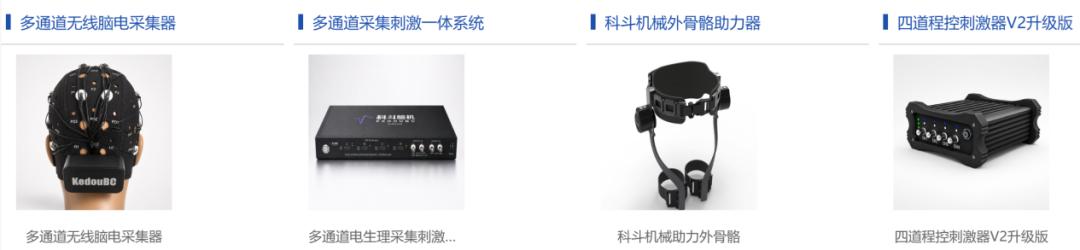
Partial products of Kedou BCI, Image source: Enterprise official website
Pins Medical — Profound Industrialization Foundation