Canchen Technology has completed multiple rounds of financing, leading the golden track of NAMs virtual organs.
On July 7, 2026, the Center for Drug Evaluation (CDE) of the National Medical Products Administration released the draft for comments on the *Pilot Program for Promoting Research and Application of New Alternative Methods (NAMs) (Pioneer Program)*, which for the first time included AI virtual organ digital twin into the statutory evaluation evidence system for non-clinical drug research, opening a national-level compliance window for AI simulation to replace traditional animal experiments, and triggering a paradigm innovation in the trillion-yuan biomedical R&D market.
On the eve of the official launch of this industry policy, CANCHEN TECH, the only domestic AI life science and technology enterprise with full-scale spatiotemporal dynamic simulation capabilities covering molecules, cells, tissues and organs, officially announced that it has completed a series of financing of tens of millions of yuan in stages from seed round, angel round to angel+/++ rounds. Leading tech and medical industrial capitals including Oriental Fortune Capital, Pine Venture Capital, Zero One Venture Capital, Tsinghua Shuimu Venture Capital, TusStar Venture Capital, Qifan Capital, Nanshan New Industry Investment and other institutions have continuously increased their investment, making it a rare closed-loop full-chain technology implementation project in the "AI + Life Sciences" track of the primary market.
I. Forward-looking Layout Catches National Regulatory Reform, Boasting the Industry's Unique Organ-level Modeling Capability
For a long time, major global drug safety incidents such as thalidomide-induced teratogenicity have exposed the core shortcomings of traditional animal experiments: natural species differences lead to the inability of experimental results to accurately predict the developmental toxicity of drugs to human embryos and organs; preclinical evaluation of new drugs often costs tens of millions of yuan, with an R&D cycle as long as 18-24 months; the global economic burden caused by congenital birth defects exceeds 22.9 billion US dollars every year, and there has long been an unsolvable rigid pain point in the industry.
At present, the global drug regulatory system has fully adopted AI simulation technology: the U.S. FDA, European EMA, and UK MHRA have successively allowed AI simulation data to support new drug applications. This CDE Pioneer Program is the first time that domestic drug regulatory authorities have established the statutory review effectiveness of NAMs (New Alternative Methods) such as computer simulation and digital twin at the institutional level. Pharmaceutical companies can directly use AI virtual organ simulation materials to complete drug registration, greatly reducing R&D costs and approval cycles. Most enterprises in this track only stay at the shallow layout of single-cell static analysis, single organ simulation, and algorithms without in vivo experimental verification. CANCHEN TECH anticipated the industry reform, and has been deeply engaged in the underlying technology of virtual life for 3 years in advance. It has built a complete platform based on the integrated virtual life system of logic layer - expression layer - action layer, forming dual technical and compliance barriers that cannot be replicated by competitors:
1. Logic Layer: Global multi-omics data base, self-developed life cycle foundational large model, intelligent bioinformatics reasoning engine (the core foundation of the whole system) The logic layer is the core base of data and algorithm for the entire virtual life simulation system, which is constructed by three self-developed core modules to form a complete underlying capability system:
l Global Multi-omics Biological Data Platform: Build a compliant and diverse standardized biological resource pool, covering the dimensions of cross-species, multi-organ, and full-life-cycle biological samples, to provide stable and unified basic data supply for the full-chain life simulation;
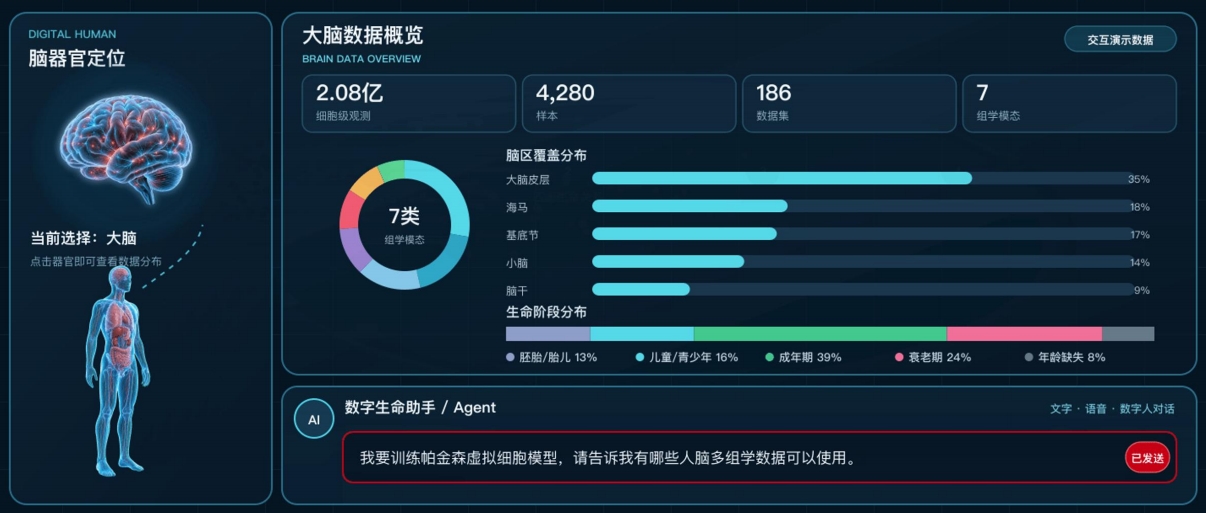
Figure 1. CANCHEN TECH virtual organ training data platform — Agent terminal.
l Nova STMO Life Cycle Foundational Large Model: Deeply integrate multi-modal biological omics information, independently learn and fit the underlying laws of complete life evolution, and build a foundational biological representation system that can support full-scale simulation deduction;
l Intelligent Bioinformatics Virtual Reasoning Engine: Built-in one-stop automated biological information parsing capability, completes standardized processing of multi-source biological data and causal logic deduction, and outputs a unified and standardized computing base for upper-layer organs and whole-human dynamic simulation.
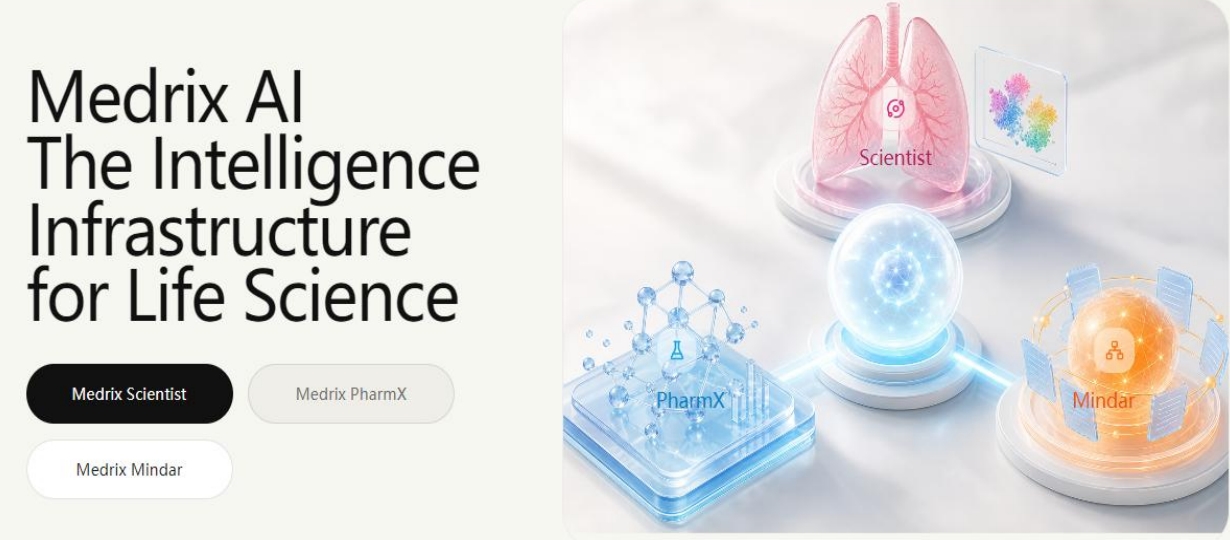
Figure 2. Medrix AI virtual scientist system independently developed by CANCHEN TECH.
2. Expression Layer: Multi-organ high-fidelity digital twin system (middle core carrier — virtual organ) Relying on the standardized underlying life laws output by the logic layer, build a high-fidelity digital twin carrier covering core human organs, to realize full-cycle dynamic evolution simulation of tissues and organs: Figure 3. Schematic diagram of virtual organ modeling.
l The system covers many key organs including the human brain, completely reproduces four evolution states of organ growth and development, pathological process, drug response, and natural aging, to support multi-dimensional dynamic life simulation;
l Equipped with a self-developed high-order dynamic deduction framework, it accurately reproduces the complete temporal sequence changes of organ development, and fully adapts to high-value industrial scenarios such as reproductive development safety assessment, newborn health risk assessment, and neuropharmacological evaluation. The founding team is one of the early domestic scientific research forces to carry out three-dimensional dynamic modeling of mammalian organs, and has successively created a number of cutting-edge models with global pioneering significance, including single cell differentiation prediction model, complete spatiotemporal map of mouse embryo, and AI-driven C. elegans embryo spatiotemporal dynamic evolution model. A series of breakthrough results have been published in top international academic journals such as *Cell*, laying a solid theoretical foundation for CANCHEN TECH's system-level virtual organ simulation technology system.
3. Action Layer: Life system application products and solutions (upper implementation: virtual system / virtual life) Relying on the core model of multi-organ spatiotemporal dynamic evolution, expand high-order capabilities of multi-organ collaborative simulation and full life cycle evolution deduction, to form standardized commercial solutions that can be delivered on a large scale for the industrial end, covering four core directions:
l Intelligent developmental disease diagnosis system: Focus on major health issues such as congenital developmental abnormalities, birth defects and tumors, realize the analysis of risk incentives and key targets, and support the implementation of innovative applications such as prenatal health assessment and early screening of rare diseases;
l Full-modal brain intelligent simulation system: Integrate multi-omics, organ simulation, clinical imaging and other multi-dimensional biological information to empower virtual drug screening, clinical research simulation, and analysis of underlying disease mechanisms;
l Multi-organ coupled drug safety evaluation system: Reproduce the linkage metabolism law of organs, drug toxicity response and combined medication risks, and provide a new technical path for preclinical evaluation of innovative drugs and biomedical R&D services;
l Aging evolution and intervention simulation system: Build a dynamic model of human life cycle aging, and support the mining of aging-related targets and simulation verification of personalized intervention plans.
The company's three-layer technical architecture forms a complete closed-loop system from underlying computing power to upper-level industrial implementation. Relying on the compliant multi-omics biological data base and the core computing power of self-developed life large model, it gradually realizes high-precision single organ digital twin modeling and whole-body multi-system collaborative dynamic simulation, and finally lands multi-scenario standardized commercial solutions. CANCHEN is also one of the very few platform enterprises in the industry that has opened up the full-scale life dynamic simulation system of molecule-cell-tissue-embryo-organ-human body, and has the capabilities of intelligent life disturbance prediction and global in-vivo and in-vitro verification closed loop, building a differentiated core barrier far exceeding the single-dimensional simulation technology of the industry. II. Implement a number of industry-first cooperations, and build a domestic exclusive data and clinical support system for virtual life simulation The company has laid out four industry benchmark exclusive strategic cooperations, built a unique integrated collaborative system of data, algorithm and clinical practice, and formed exclusive resource barriers relying on a number of domestic/global first joint R&D platforms, providing stable and scarce underlying support for full-scenario commercial implementation.
1. CANCHEN has built the world's first dedicated training data platform for virtual organs, and settled in the national intelligent computing center in Southwest China
Relying on the compliant and diverse biological data supply system, the platform creates a standardized multi-omics data base suitable for life simulation large model training, realizes full coverage of cross-species, full-scale and complete life cycle scenarios, and fully supports the full-chain simulation requirements of organ development, aging, drug evaluation and pathological research. It completes unified standardized processing of multi-source biological information relying on the self-developed data governance framework, builds a highly reusable and fully traceable life data asset system, and continuously consolidates the platform's unique data barriers.
2. Cooperate with BGI Sanya Institute of Life Sciences to build the first domestic industry-university-research collaborative AI multi-omics life simulation joint scientific research platform
The two parties integrate the dual core resources of top biological sequencing and virtual life simulation to build a long-term joint research carrier, deeply cultivate collaborative innovation in the cutting-edge cross track of intelligent life simulation, jointly tackle the core technical direction of digital twin of life evolution, open up the complete transformation chain from basic scientific research to industrial application, and accelerate the large-scale implementation of the new generation of compliant biological evaluation technology.
3. Cooperate with Northwest Women and Children's Hospital and many other national top three key hospitals to implement the first domestic AI virtual organ clinical verification scenario, and tackle the intelligent early screening system for neonatal developmental diseases
The project focuses on the core track of maternal and child congenital health, creates an integrated innovation system of AI virtual organ + neonatal critical disease diagnosis and treatment, and realizes advance prediction of developmental risks relying on organ simulation capabilities. The complete technical solution has strong scenario reusability and business scalability, can widely adapt to multiple clinical needs such as prenatal screening and maternal and child new drug evaluation, and deeply activate the hundreds of billions of blue ocean market of maternal and child health.
4. Cooperate with leading domestic universities to implement the first domestic full-modal brain simulation collaborative research project, and build the underlying system of cross-scale virtual brain
At present, most brain-computer interface manufacturers in the market only focus on the collection and analysis of superficial acousto-optic and EEG signals, and the technical chain stops at the macro signal level, which cannot penetrate down to the cell and gene dimensions to complete the full mapping of physiological mechanisms, and there is a natural technical ceiling. Relying on the advantages of university-enterprise joint R&D, this project breaks through the limitation of single signal analysis in the industry, opens up the multi-scale biological information fusion capability, builds a high-fidelity virtual brain system covering the evolution law of the whole life cycle, which can fully support multiple cutting-edge scenarios such as neurological disease screening, innovative neurodrug evaluation, and prehearsal of cognitive decline intervention schemes, and builds the industry's unique full-link brain simulation technology base.
III. Founder Dr. Li Lei: Deeply cultivate life simulation to solve the rigid needs of the industry, and financing accelerates the expansion of technology and talents
Dr. Li Lei, founder of CANCHEN TECH, said: Global classic drug safety incidents such as thalidomide-induced teratogenicity fully prove that traditional animal experiments are difficult to accurately restore the real developmental damage mechanism of human embryos and organs due to natural species differences, which is also the original intention of the team to make up their minds to deeply cultivate the next-generation system-level virtual organ simulation technology and establish CANCHEN TECH. Before the full implementation of the NAMs policy in the industry, the team has completed the iteration of the full-stack simulation platform, multiple rounds of in vivo biological closed-loop verification, and implemented a number of industry-first benchmark industry-university-research projects, fully opening up the full-link closed loop of underlying technology, clinical verification and commercial implementation. The tens of millions of yuan angel series financing in this round will be mainly invested in three sectors:
First, iterate the full-scale virtual organ simulation platform, upgrade the multi-organ linkage simulation capability, implement the full-modal virtual brain model, and build a solid core technical barrier;
Second, deepen the benchmark industry-university-research and clinical collaboration, participate in the standardization construction of the new industry evaluation system, and provide standardized compliant simulation evaluation services for pharmaceutical companies and medical institutions;
Third, recruit interdisciplinary high-end talents globally, covering the fields of multi-omics, AI algorithms, drug review, clinical transformation, industrial commercialization, etc., to expand the R&D and commercial implementation team. The implementation of the new national industry regulatory policy is the authoritative endorsement of the market for the industrial value of AI life simulation, but the core foundation supporting the long-term growth of CANCHEN will always be the complete self-developed technology base, complete clinical verification system and large-scale industrial delivery capability. In the future, the company will continue to deeply cultivate the underlying infrastructure of domestically independent and controllable life digital twin, reshape the traditional evaluation paradigm of new drug R&D and prenatal development screening, reduce the hidden safety risks of drug teratogenicity from the source, and alleviate the global medical and people's livelihood burden caused by congenital developmental defects. At present, the mainstream simulation technology in the market mostly focuses on static single-cell simulation, which can only cover basic microscopic biological representations, belongs to the primary technical form of the industry, and cannot completely reproduce the complex physiological mechanism of human body and the logic of drug action. The spatiotemporal dynamic evolution system of virtual organs independently developed by CANCHEN realizes the iterative upgrade of the industry's technical paradigm and builds the core technical path of the next generation of life simulation. The single-cell simulation mode has natural technical limitations, and it is difficult to complete the accurate mapping of the complete physiological functions of the human body and drug response; only the cross-scale, full-time sequence, dynamically evolvable system-level organ digital twin system can truly restore the full-dimensional physiological processes such as the coordinated operation of organs, drug intervention response, and developmental lesion evolution, forming an insurmountable intergenerational barrier with the traditional single-cell simulation technology.
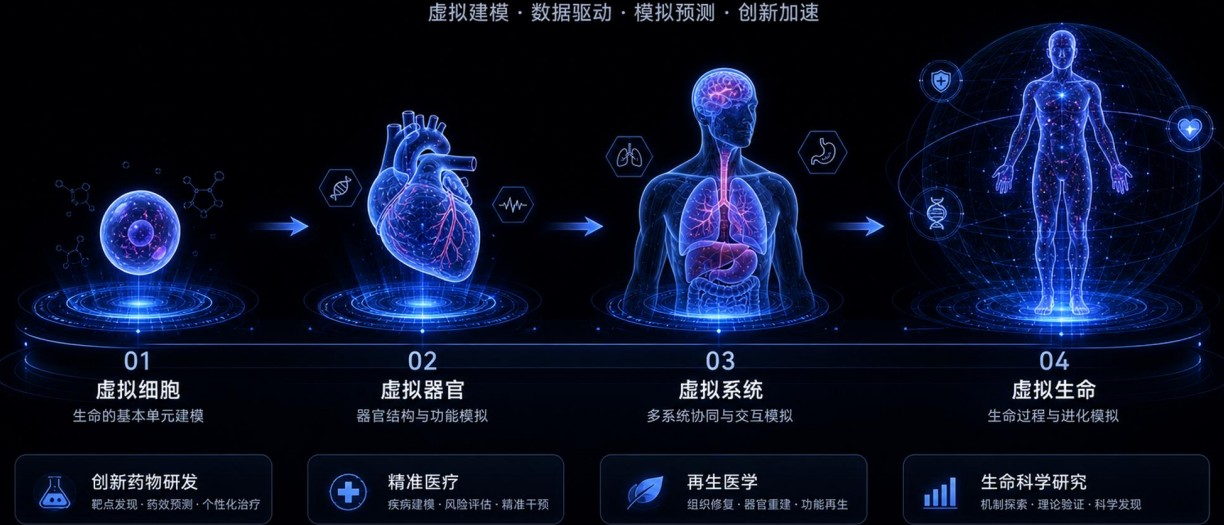
Figure 4. Technical route of virtual life simulation.
About CANCHEN TECH
CANCHEN TECH was founded in Shenzhen in August 2025, it is a hard technology enterprise in China focusing on the R&D of system-level virtual organ spatiotemporal dynamic evolution models. The company's team gathers interdisciplinary talents from top universities and industrial institutions at home and abroad such as Tsinghua University, Peking University, Stanford University, University of Cambridge and BGI, and it is also one of the few professional teams in China that have full-chain practical capabilities of original basic scientific research in top journals, industrial-level large model engineering implementation, pharmaceutical clinical practice and drug review transformation. Relying on the full-stack self-developed virtual life technology base, the company uses the system-level human virtual organ digital twin system to empower core business scenarios such as preclinical developmental toxicity evaluation of new drugs, early screening of neonatal congenital diseases, rare disease target mining, and personalized cell anti-aging, and strives to build a domestically independent and controllable underlying infrastructure for digital twin of life spatiotemporal dynamic evolution.