QQ Pet has been revived on mobile phones with the help of AI, but what I want more is a desktop penguin pet.
QQ Pet, which was shut down 8 years ago, has surprisingly officially announced its return on mobile QQ in recent days.
It is a product of the old era, yet its true significance may lie in ushering in a brand new era.

Photo Source | Tencent
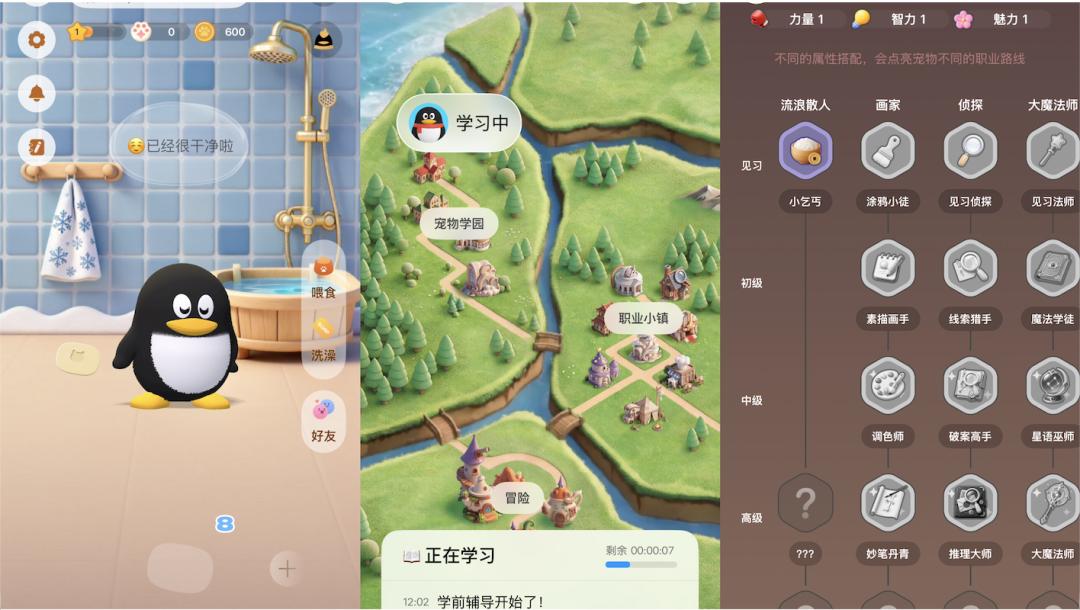
In terms of appearance, QQ Pet has been upgraded from the previous 2D penguin to a 3D plush image today.
More importantly: while retaining classic old gameplay such as feeding, bathing, and working, Tencent has also integrated large language models into these cute little creatures.
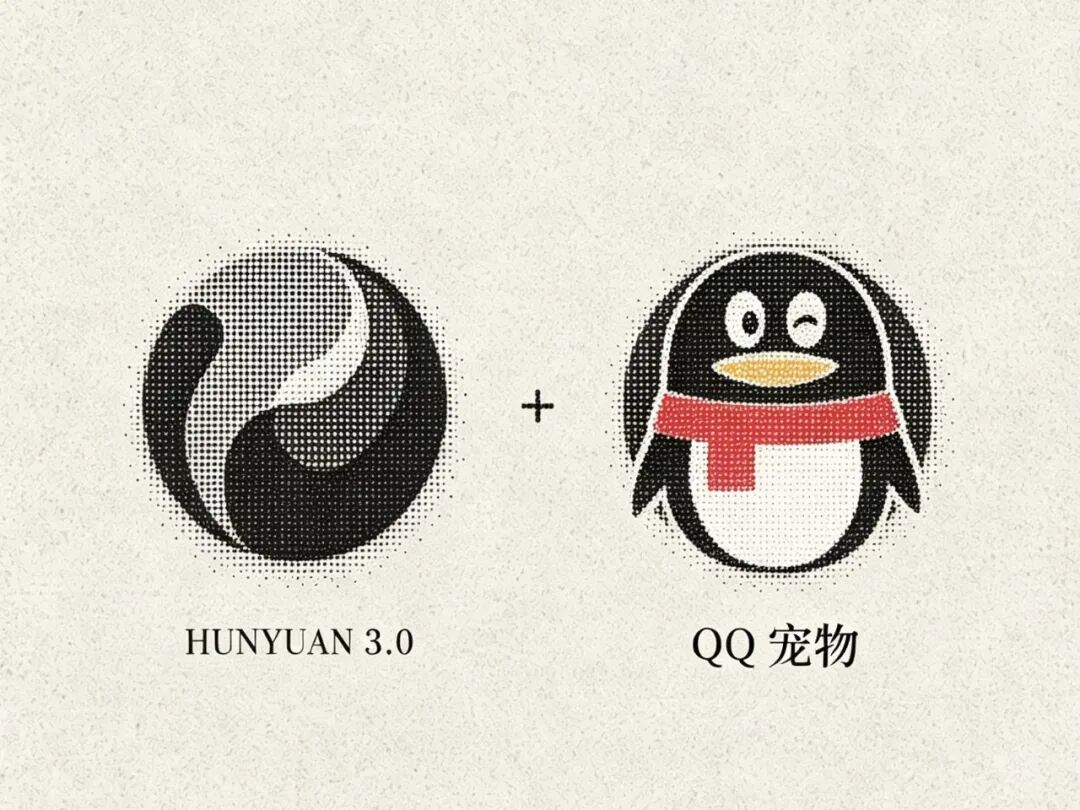
The old versions of QQ Pet all ran based on pre-set fixed code rules: you had to feed it when it was hungry, and when it went to work, you could get a "cyber salary" when it came back. However, all triggers for these mechanisms were based on a fixed timing system. After playing for a long time, you could easily figure out exactly what it would do at any given time.
The new version of QQ Pet is connected to Tencent's latest self-developed "Hunyuan Hy3": relying on the generative capabilities of the large language model, players can freely choose the personality of their pet. Different users who perform the same interaction will also receive different feedback.
Meanwhile, the new version also adds active response features: it can record all behaviors throughout the day, write a "diary" on its own, and preserve daily moments from a first-person perspective.
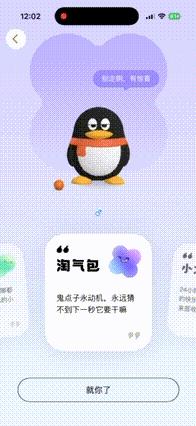
Compared to a simple "nostalgia hit", I believe Tencent has another hidden ambition — to reoccupy the desktop pet market in the AI era through the QQ Pet IP.
Of course, feeding and bathing are still part of the core gameplay, and mechanisms such as fixed growth stats are still retained. But the biggest difference in design philosophy between the old and new versions is that the interaction between players and their pets is no longer just one-way clicks and feedback.
When QQ Pet is endowed with memory and exclusive personality, the old "mechanical" feeling is reduced and its "liveliness" is greatly enhanced — which makes it easy for players to invest more emotions in it. Those original cold strings of stats can finally "look back" at their owners.
Interestingly, while this penguin is returning to mobile QQ, another batch of "desktop pets" are starting to appear on programmers' screens: they don't wait to be fed, but instead keep an eye on unfinished tasks for their users. They stay busy while the Agent is running, look up when waiting for permissions, and stop when encountering errors.
Twenty years ago, people stayed by their QQ Pet, waiting for it to "clock out" and feeding it; now, desktop pets start to "go to work" on behalf of people.
The new generation of desktop pets, starting from the command line
For Agent desktop pets, they have a more important task: to watch over an unfinished task on behalf of the user.
Agent desktop pets were first born in terminal / command line tools. This year's April Fools' Day, Claude Code once briefly added an Easter egg called "buddy".
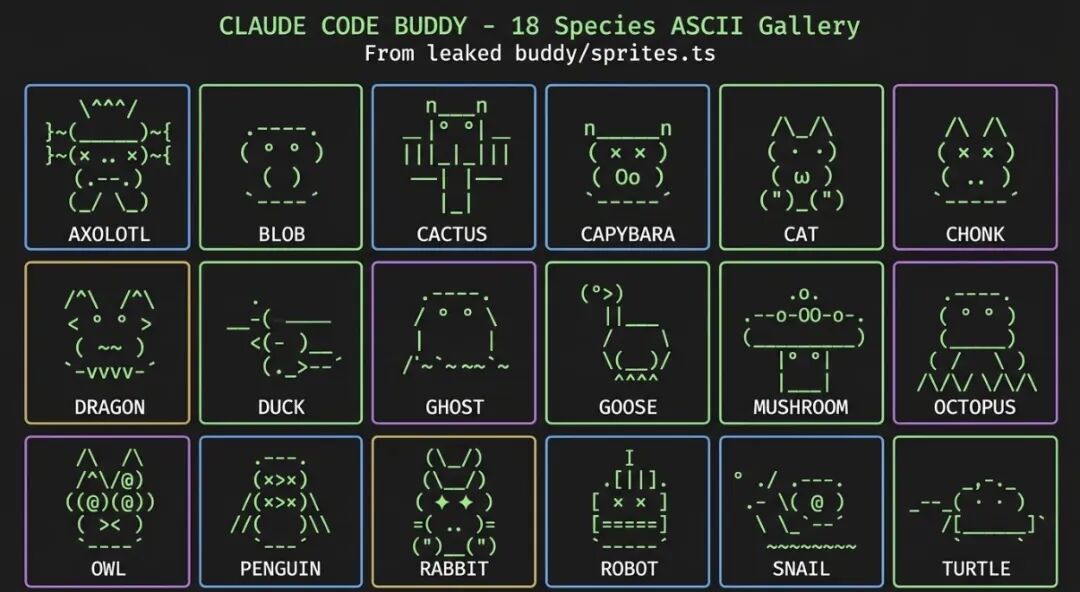
Photo Source | Odaily
Users can enter commands in the terminal to hatch a small animal rendered with ASCII code. After naming it, the little creature can keep track of ongoing work: it moves when the Agent starts running, stops when the task gets stuck, and looks up to wait when it's the user's turn to confirm permissions.
The most fun part is that the Claude Code Buddy at that time had a strong "gacha" attribute: the animal category and "rarity" were both random.
Most people could only get various "common" animals, while very few players could draw a "golden legend". The official design was that once adopted, the pet would be bound to the user and could not be modified, but at that time some people even figured out some unorthodox refresh mechanisms.
Of course, Buddy was a limited-time Easter egg from start to finish, and the official removed it soon after. Dissatisfied developers quickly open-sourced various alternative versions, directly connecting new pets to Claude Code through the hook mechanism, so that test results, permission requests and task status can be converted into different actions.
"Cyber pets" began to crawl from the command line to the desktop.
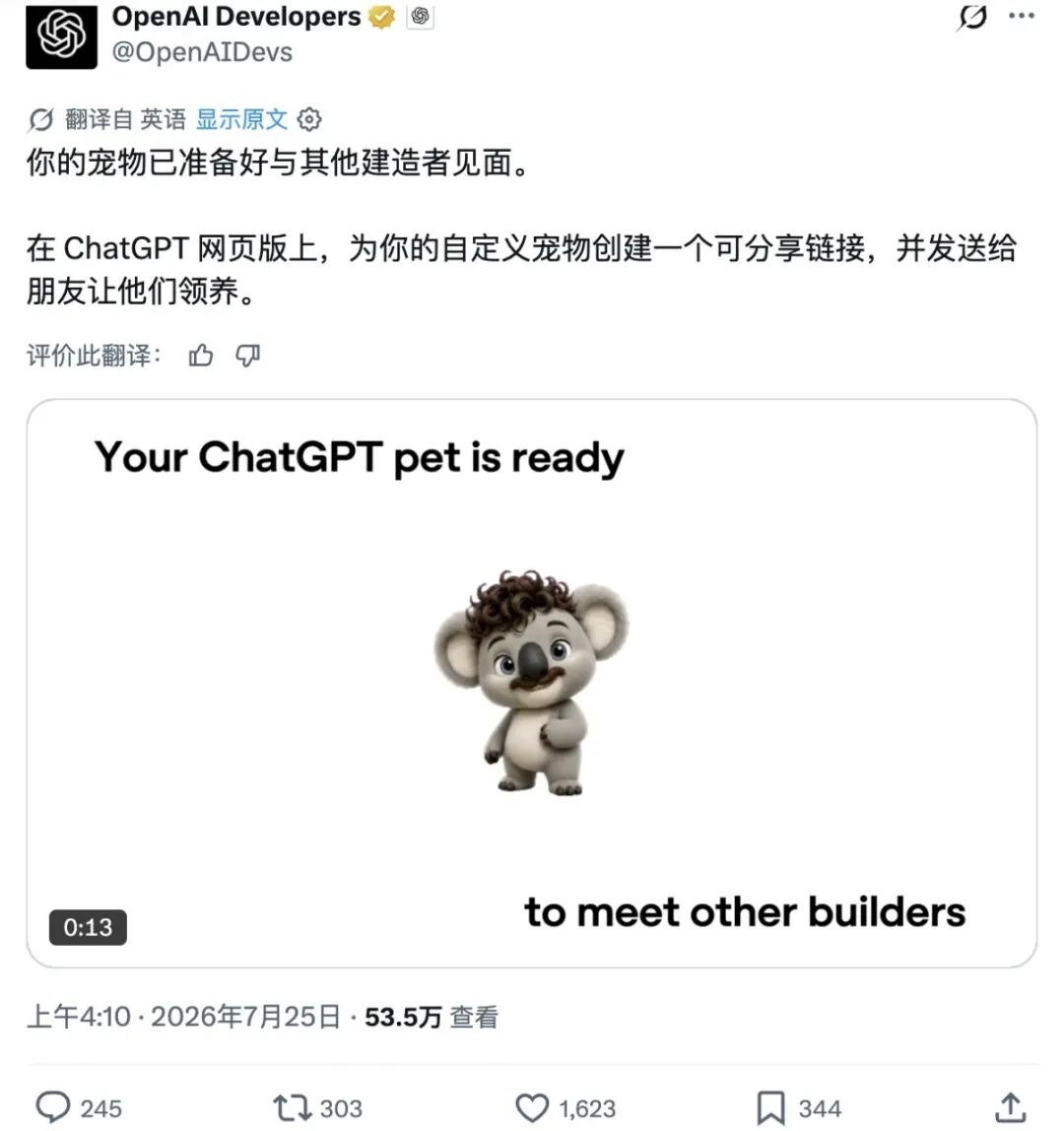
Photo Source | OpenAI
OpenAI added a Pets entry to the new version of the ChatGPT/Codex desktop client, allowing users to select and create custom pets according to their own preferences. The official platform also includes a dedicated skill for hatching pets, which can generate new actions based on reference images uploaded by users to create vivid new desktop pets, and this feature is very popular.
As for Claude, it did not completely ignore users' love for Buddy: Anthropic later opened a Bluetooth interface for makers. With the easily accessible M5Stack development board and ESP32 microcontroller on the market, combined with the official open-source GitHub project, users can replicate a physical desktop pet.
(Slightly ironically, Anthropic's official malice towards Chinese users and enterprises is well known, but this project not only has official endorsement, its hardware implementation almost entirely relies on the Chinese supply chain...)
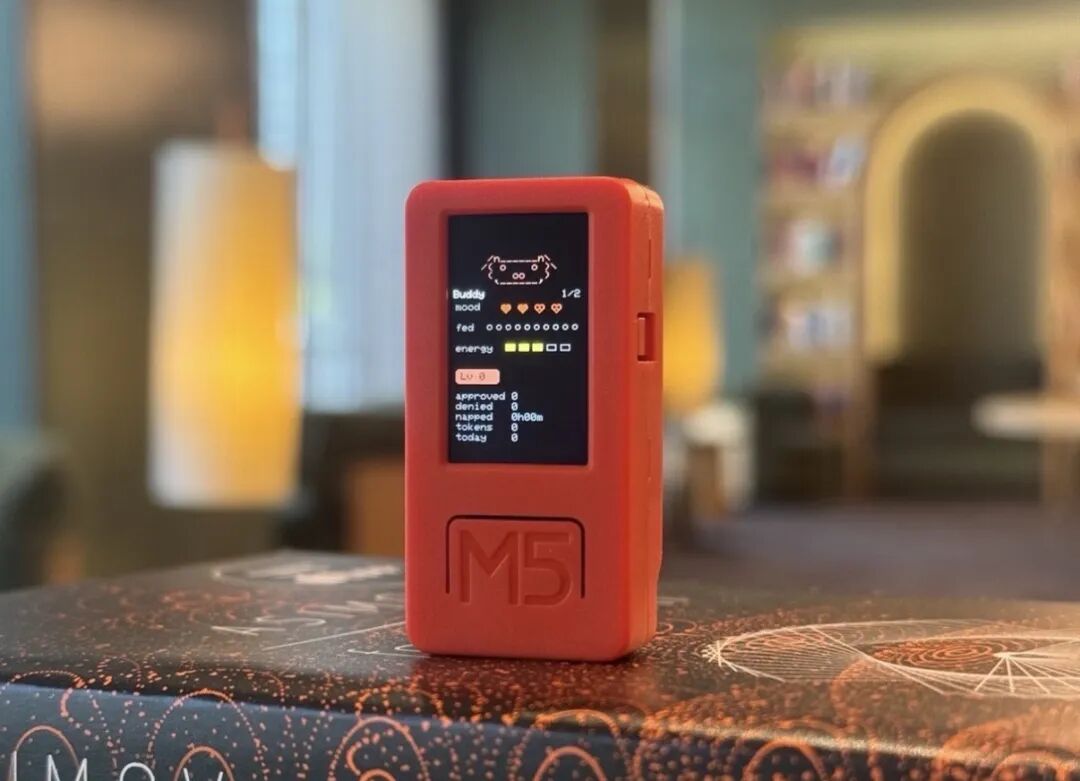
Photo Source | Felix Rieseberg
Whenever the user opens the client and clicks "New Task", the desktop pet will wake up. If the permission request is not processed for a long time, it will look impatient; when there is nothing to do, it will lie down and go to sleep.
The model capabilities will not increase just because there is a desktop pet, but users finally do not need to keep staring at the log all the time, and can safely switch to other windows to run other programs.
It seems to be a new paradigm of human-computer interaction in the AI large model era, but desktop pets are by no means a brand new thing. In fact, computers have been trying the idea of "converting system status into a character" for nearly 40 years.
Desktop pets have lived for 40 years before learning when to stay quiet
The history of keeping pets on computers is longer than that of many internet companies.
In the late 1980s, a Japanese programmer wrote NEKO.COM for the NEC PC-9801: a pixel cat chasing the mouse all over the screen. When it gets tired of chasing, it scratches itself, washes its face, and finally lies down to sleep obediently. It cannot process files, nor can it improve work efficiency. The only thing it does is add a little vitality to the boring screen.
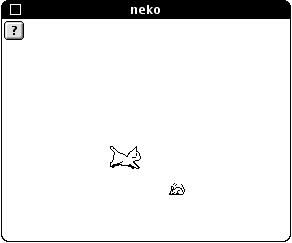
Photo Source | Eliot Akira
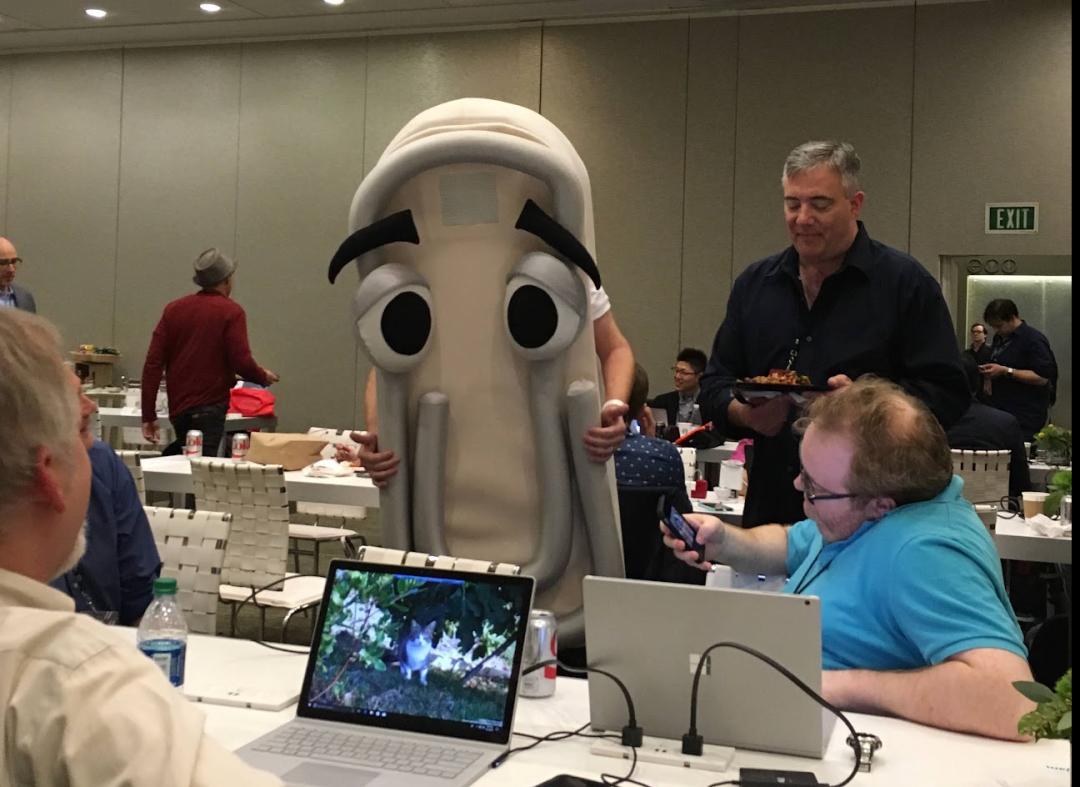
In 1997, Microsoft launched what is arguably the most controversial "desktop pet" in computer history — the office assistant "Clippy". It was a real assistant that could observe user operations and make guesses — for example, "It looks like you are writing a letter", and then pop up a help prompt.
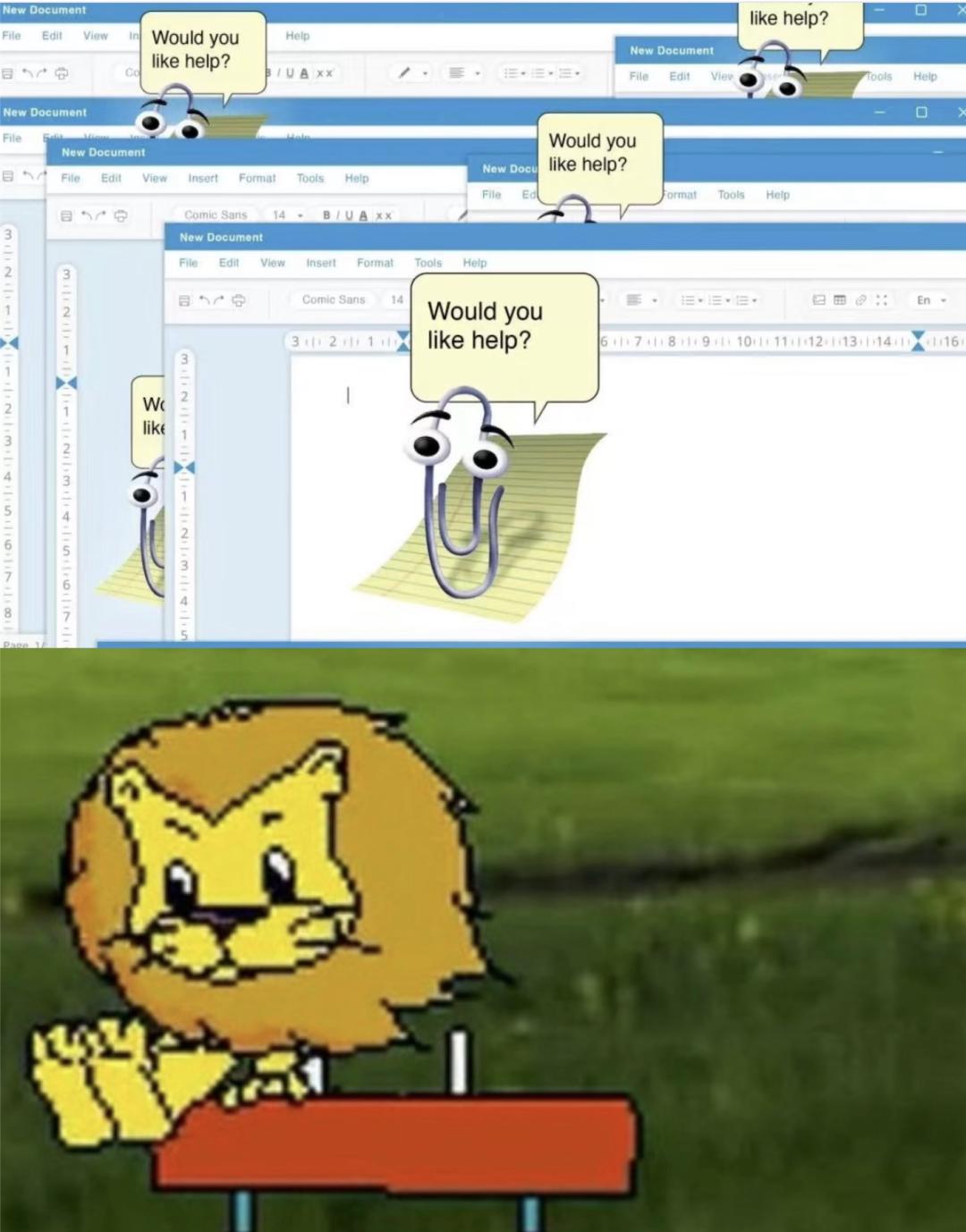
Compared to making a character move, making it appear at the right time is much more difficult.
Microsoft wanted to put a friendly face on complex software, but ended up creating the most famous "annoying guy" in computer history. During the existence of Clippy, almost the first thing everyone did when opening Word was to turn it off. However, after it was gone for a while, public opinion about it reversed.
The picture below was taken by my colleague at the Microsoft Build Conference a few years ago. At that time, Microsoft's main focus was on the brand new AI assistant "Cortana", but everyone missed "Clippy" so much...
Compared with Neko and Clippy, Chinese users should be more familiar with the Rising Antivirus Lion. It can run on the desktop, change clothes, and pick up props, adding a friendly face to the serious antivirus software.
QQ Pet on the other hand took a different path. It didn't do things for users, but instead created a bunch of tasks: it needed to eat, take baths, get sick, and also needed to study and work.
In 2005, Tencent brought the pet raising gameplay of electronic pets into computers, connected it to friends, communities and growth systems. Software usually reduces trouble for people, but QQ Pet required users to come back and take care of it every day. Unexpectedly, everyone was quite willing to take care of this troublesome penguin back then.
QQ Pet and its similar products, including but not limited to games like stealing vegetables and planting trees, although have almost no practical use value, have become the products with the highest user activity and stickiness developed by internet companies.
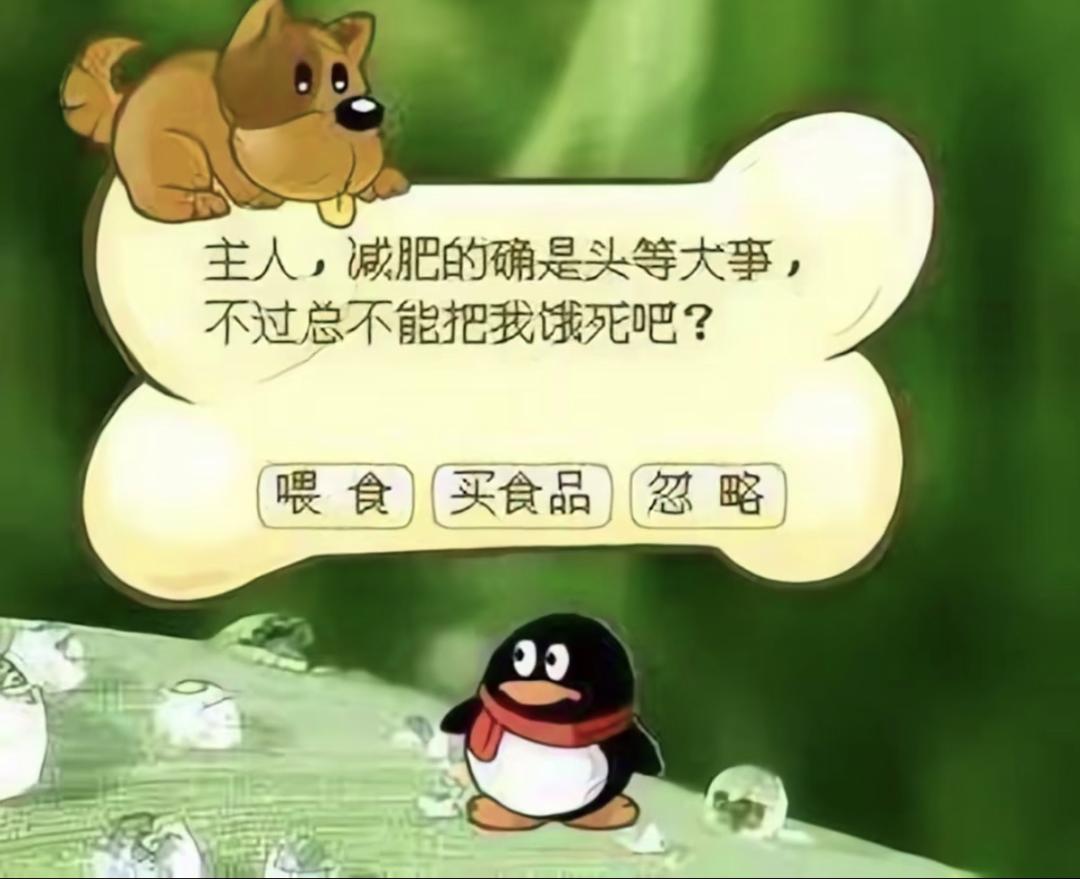
Later, the computer desktop became more and more crowded. The search bar took over Clippy's help function, the integrated security capabilities of operating systems made antivirus software less popular, and games provided a much more complete virtual world.
The tiring gameplay of QQ Pet required constant clicking from users, and it would pop up at inappropriate times occasionally. This kind of companionship that required excessive user care gradually became a "burden" in the digital life of increasingly busy people.
In September 2018, QQ Pet was finally shut down. But as you can see, desktop pets have not disappeared completely because of this.
Entering the AI era, it first re-emerged from nostalgic projects, niche software and programmers' command lines, and then developed along with the new human-computer interaction paradigm.
In 2026, Agent has spawned a previously unobvious interaction gap — "progress ambiguity".
The interaction experience of traditional computer tasks all highlights "certainty": file copying shows a progress bar and remaining time; download tasks mark speed and percentage. There may be deviations in estimated values, but at least there is a clear, forward-moving progress line as a key reference.

However, the execution process of Agent, especially when the backend adopts thinking/reasoning models, the frontend adopts multi-Agent architecture and faces complex engineering constraints, its uncertainty is significantly amplified. Whether it is retrieving materials, iterating projects or automatically modifying code, it is difficult to predict how long it will take and what the final result will be: it may finish smoothly in ten minutes, or run into repeated obstacles for a long time, encounter test errors, permission exceptions, and fall into loop retries.
The boundary of progress is completely blurred. Even if the timer has passed 37 minutes, no one can be sure whether the task will take another 3 minutes or 3 hours.
"Vibe Coding is like a long-distance run with blindfolds. What really wears people out is often not how long they have run, but not knowing how much longer they have to run and what the result will be."

Popups disappear in a flash, and prompt tones pass by in an