Students wearing AI glasses cheat in exams, while schools deploy AI invigilation systems to catch rule-breakers. Is the examination room a spy thriller filming set?
A light-shielding sticker that costs just a few cents apiece has sold over 3,000 units across all platforms. Its only use is to cover the indicator light on the temple of smart glasses, so that people around you will not notice at all that the glasses are turned on.
Why do people go to such great lengths to cover the light? Apart from taking secret photos without being noticed, examination rooms are also one of its important application scenarios.
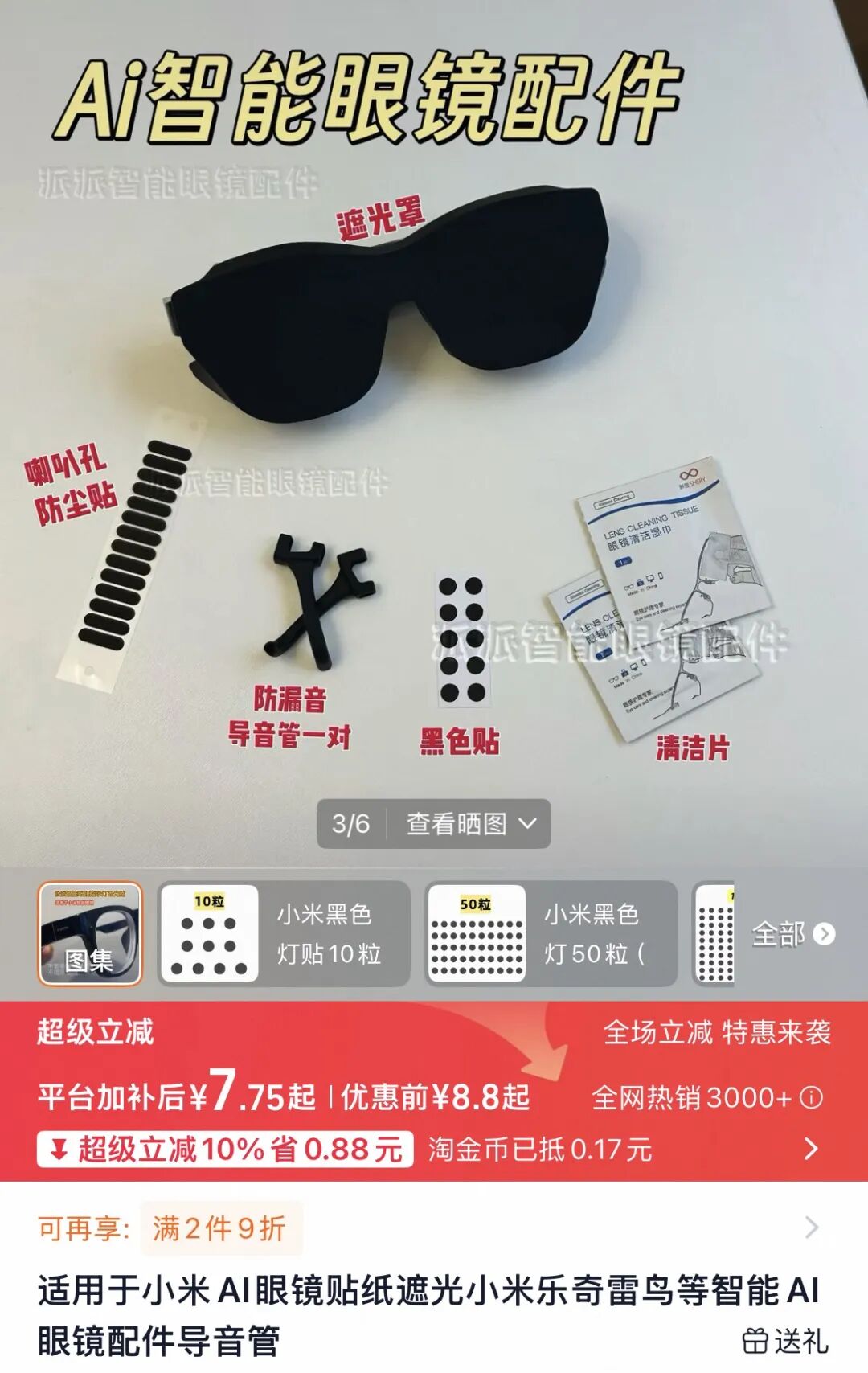
With the sticker on, proctors will only catch a glimpse of an ordinary pair of black-rimmed glasses; behind the lenses, AI is scrolling and outputting correct answers in real time.
Why didn't we have such a high-tech cheating artifact when we were young?
01: Smart Glasses Are Opening Cheats for Exams
Cheating with smart glasses sounds like science fiction, but in fact the operation process is ridiculously simple. First set up a shortcut command, for example, press and hold the touchpad with two fingers, and the command is "Help me take a photo to identify the test paper questions in front of me, and directly give the answers without analyzing the process."
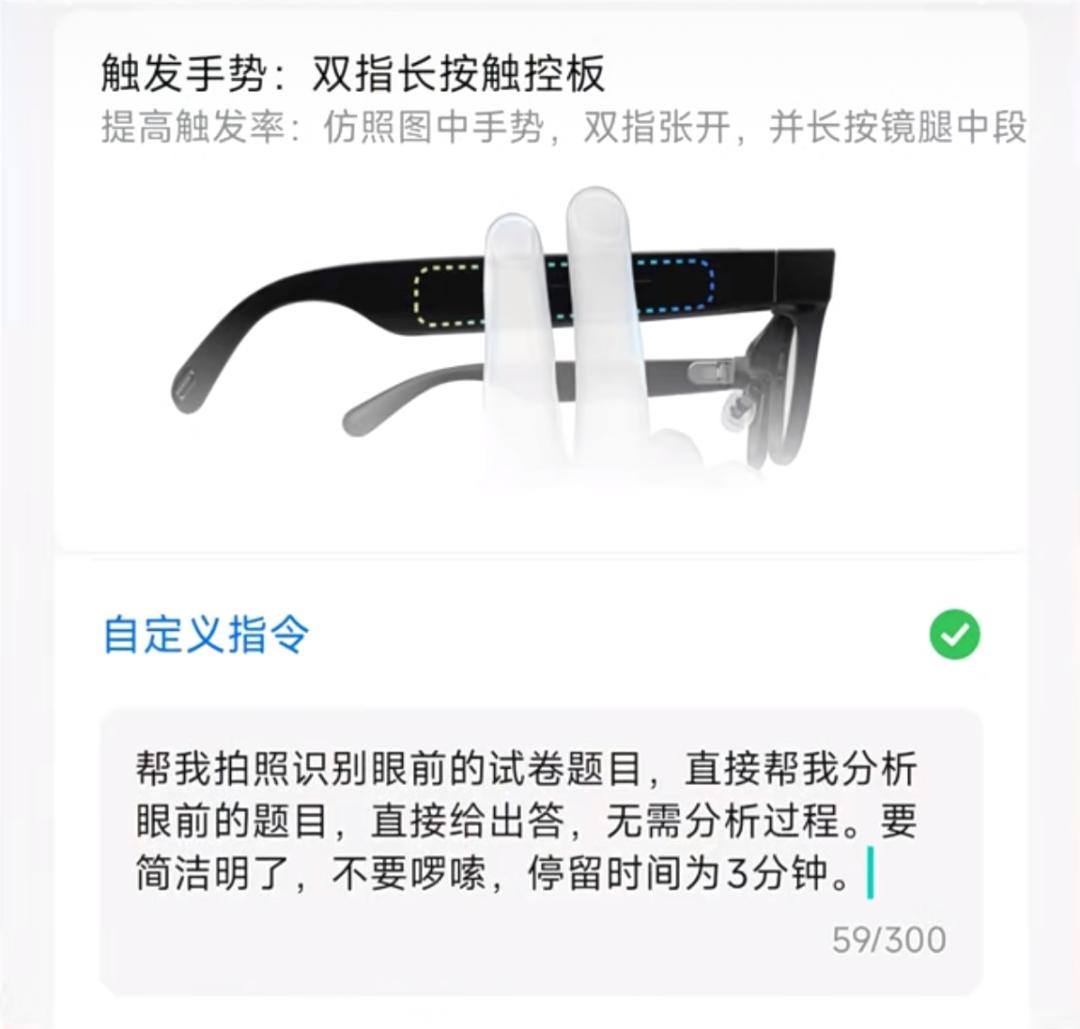
After completing this setting, you only need to make this gesture during the exam, and the answers will be displayed on your lenses.
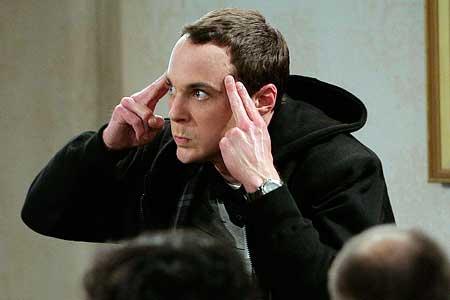
If you think this gesture is easy to attract the proctor's attention, you can try to imitate the frog in this meme: rest your cheek on one hand, frown, look blank, and pretend to be thinking hard about a big question.

What enables this set of operations? In fact, the principle is not complicated. Most smart glasses have a built-in camera, some of which have up to 12 million pixels, which is more than enough to take photos of test papers. The captured image is transmitted to the connected mobile phone via Bluetooth, and then the mobile phone uploads it to the cloud large model through the network. The large model generates answers in a few seconds, then returns along the original path and projects them on the user's lenses.
The text displayed on the lens is only visible to the wearer, because smart glasses generally use an optical technology called "optical waveguide". To put it simply, an extremely thin "optical path tunnel" is built inside the lens, and the image light emitted by the micro-display is accurately injected into the lens, and the picture is shot from a specific angle to the wearer's eyes.
Take Rokid smart glasses, which are very popular among students, as an example. It is equipped with functions such as problem-solving tutoring and photo search for questions, and is connected to four large models including Tongyi Qianwen, DeepSeek, Doubao and Zhipu AI, which is equivalent to calling four AIs to help you answer questions. After searching for the answers, you can just copy them quickly.
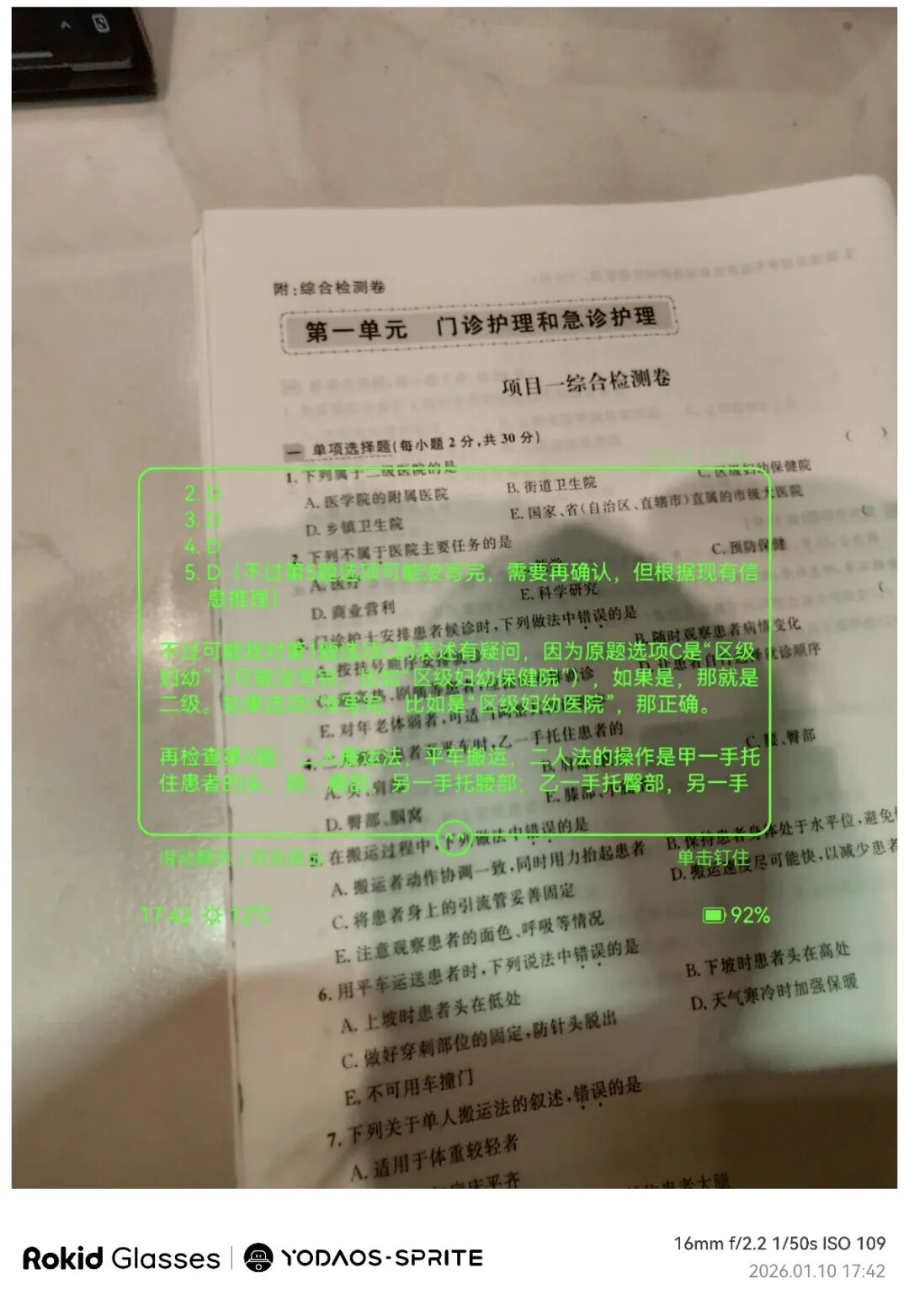
Other smart glasses work in much the same way. From the actual test footage shared by netizens, taking one photo can pop up the answers to multiple multiple-choice questions on the lens at the same time.
Who wouldn't be tempted by such a good thing? As a result, the Q&A sections of various smart glasses product pages are crowded with examinees who are eager to try. "Can I wear it for CET-4 and CET-6?" "I want to use it to search for questions during exams, is it easy to use?" "Is photo search for questions good? Will I be found?" "Can the glasses automatically identify questions during the exam?" These questions usually appear intensively at the end of the semester, and every word reveals the anxiety of cramming at the last minute.

However, this cheating artifact has two bugs. The first is that there is an indicator light when taking photos. In response to privacy disputes, mainstream manufacturers will set a "forced lighting" shooting indicator light on their products.
This is easy to solve. Just spend a few yuan to buy a "light-shielding sticker" and stick it on the temple to block the light. If you want a permanent solution, you can also use a micro drill to directly remove the LED bead or cut off the circuit.
There is another bug: when the answer is projected on the lens in green text, green light will seep through at a specific angle. Proctors can catch you with no effort.
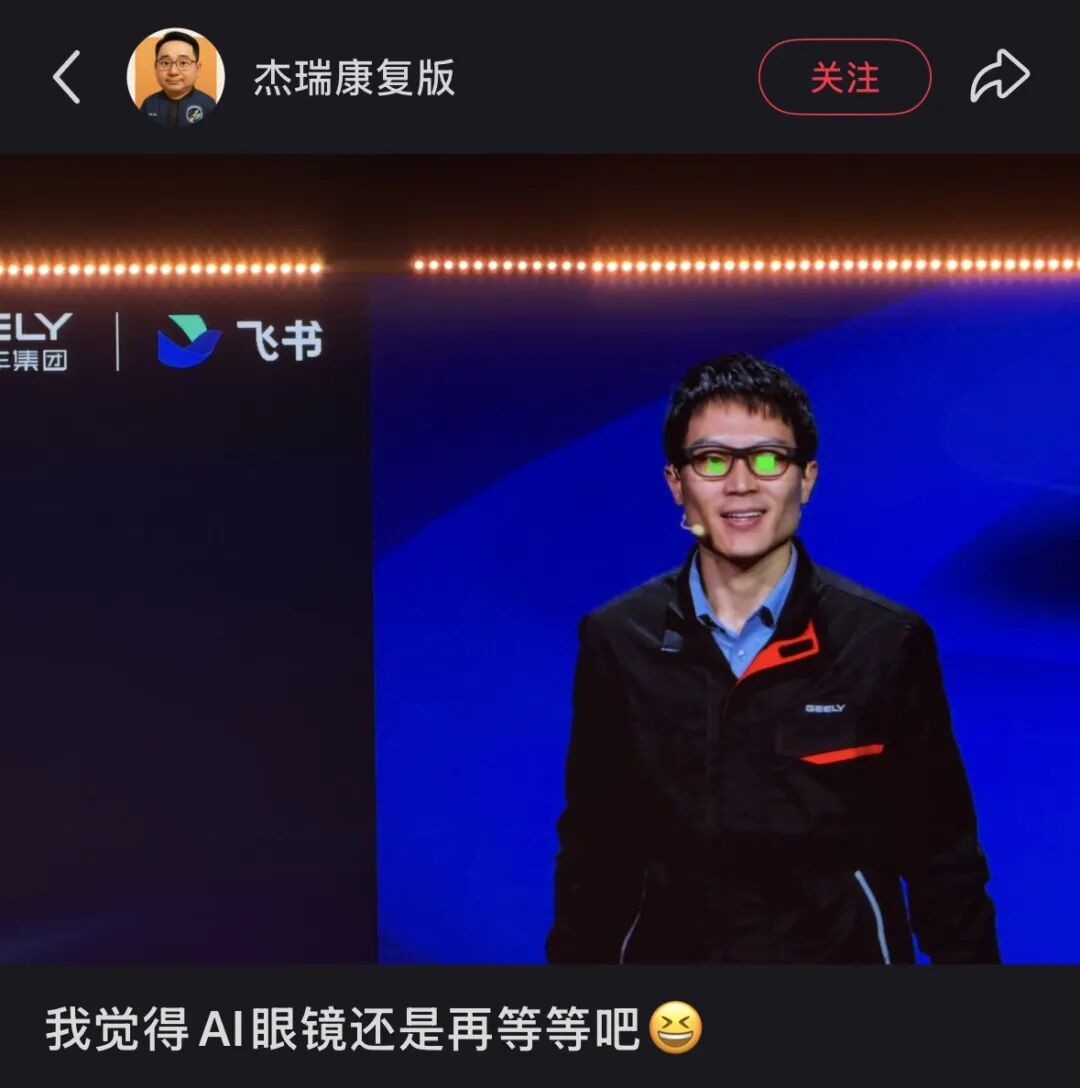
For this point, students have shared some tips on social platforms: cover the edge of the glasses with long hair; try to avoid making eye contact with the proctor.
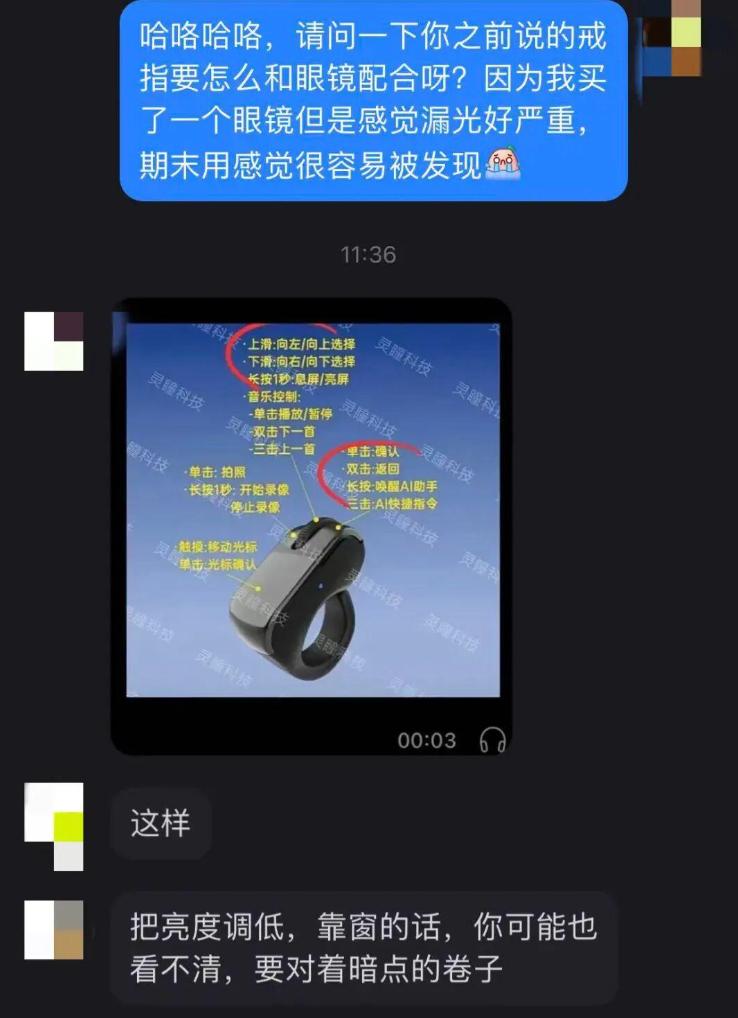
In order to make cheating more trace-free, many students have also introduced new auxiliary equipment — smart rings.
Wearing a smart ring, if the proctor has already started to pay attention to you, long pressing the ring can turn off the screen with one click, and all the content on the lens will disappear instantly. When the teacher comes over, all they see is an ordinary pair of black-rimmed glasses and a ring that looks like a decoration. When the teacher walks away, press it again and the answers reappear.
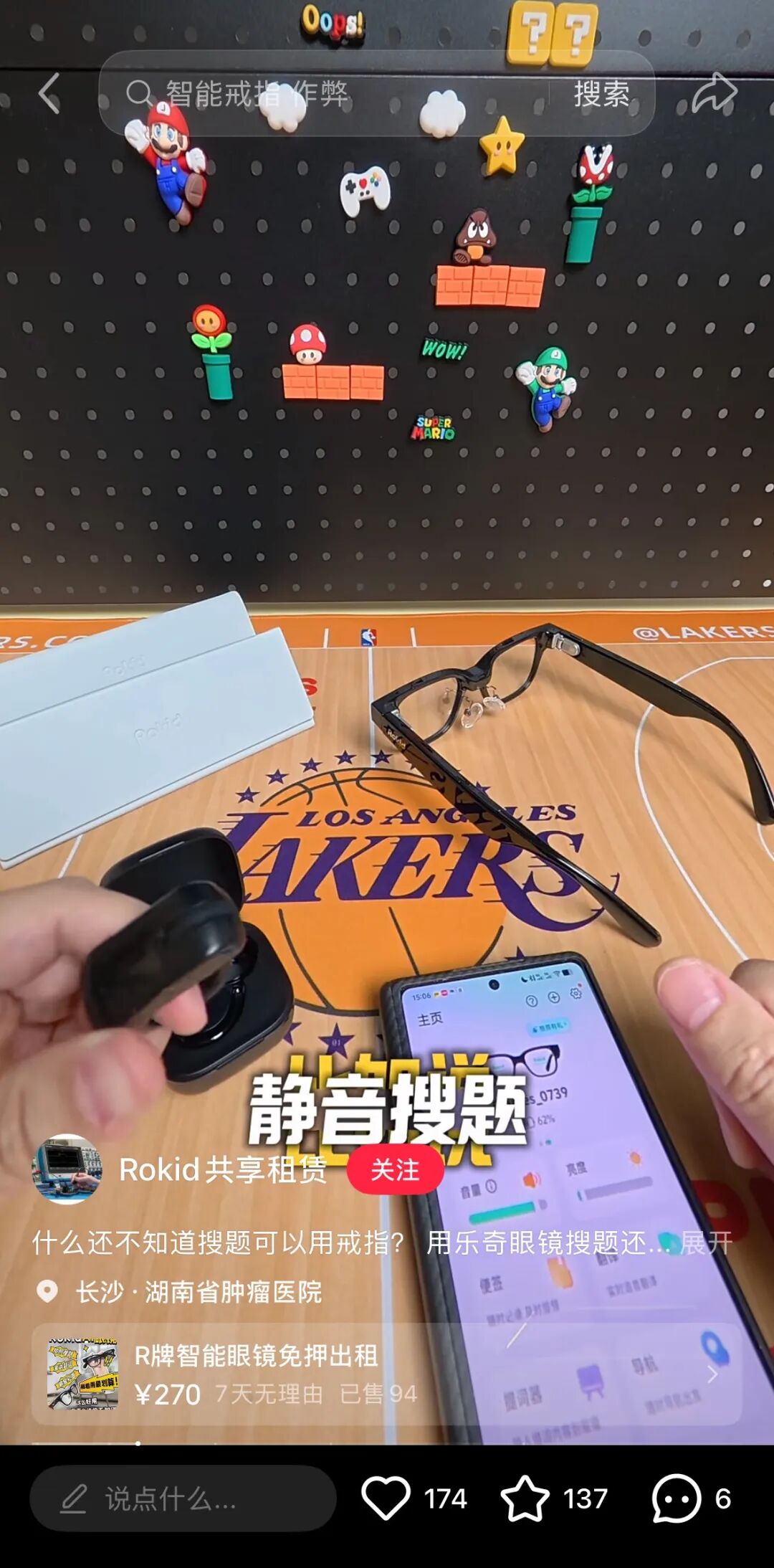
All operations such as page turning, selection, confirmation, and return can be completed through the ring. A seller wrote on the product page: "It is small enough and hidden, no need to touch the glasses with your hands anymore."
More covert methods are also emerging. Some small manufacturers have specially developed smart glasses for cheating scenarios — these glasses have no display screen at all, and no light leakage can be observed from any angle, so they can easily deceive the proctors.
Its core design is to embed a micro camera on each side of the frame. During the exam, the examinee turns on the live broadcast mode, aims the camera at the test paper, and the gunman behind the scenes receives the picture in real time, and transmits the correct answer back to the examinee in the form of voice through the bone conduction device on the temple. The sound of bone conduction can only be heard by the wearer, and outsiders standing close can only see the examinee answering the questions calmly.

In the field of high-tech cheating, people can be said to show their full magic powers.
The disadvantage is that the purchase cost of digital products is a bit high. A pair of smart glasses costs 3,000 yuan, which is not cheap for students, and it can only be used for a few days during exams. As a result, smart merchants have launched rental services, starting from three days, 69 yuan at a time. The theoretical annual rental-to-sales ratio is 280%. With a 29-yuan smart ring, a package costs 88 yuan.
This price is very friendly to students. A few meals of takeout in exchange for a peaceful summer vacation, no wonder many students choose to rent.
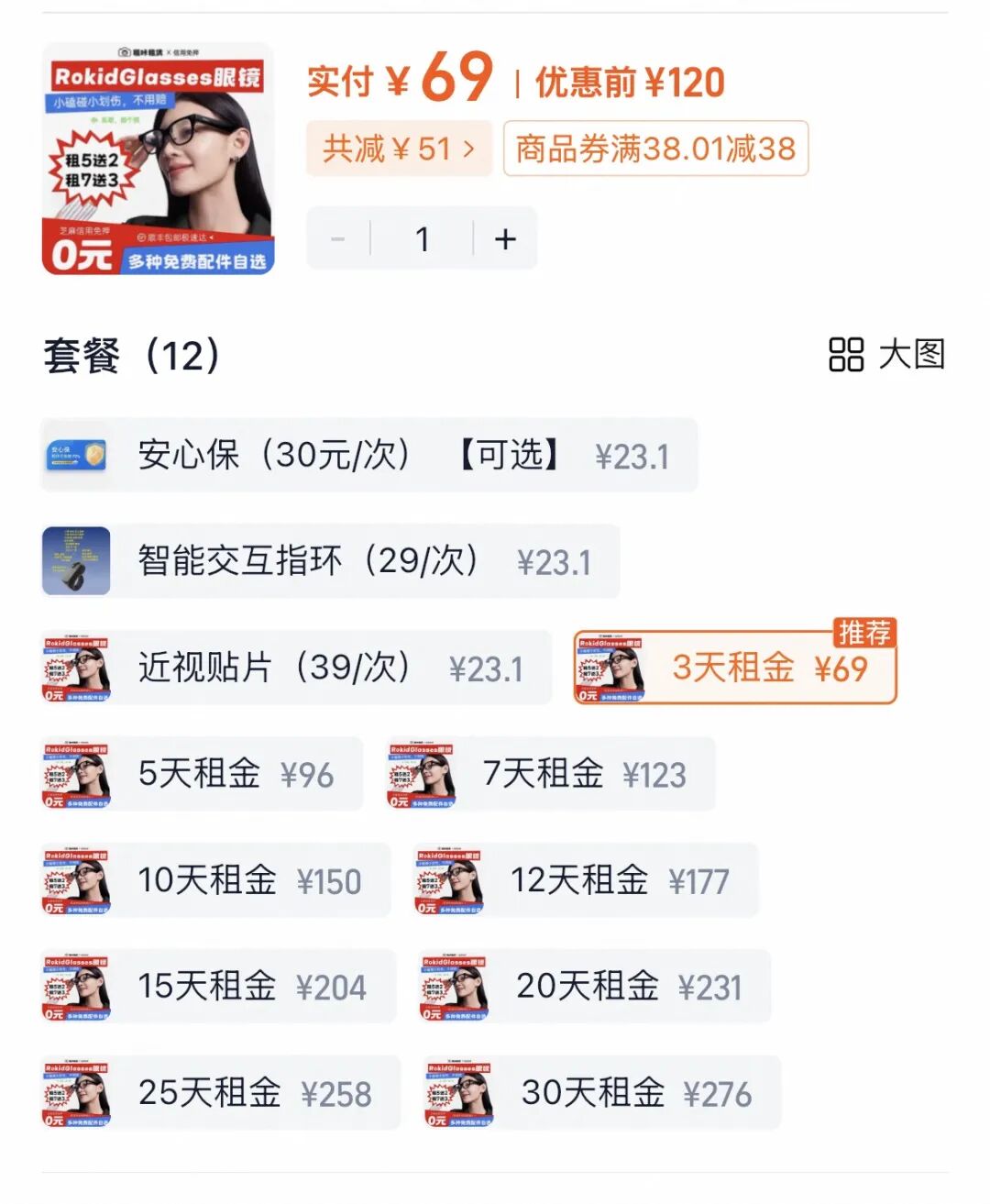
The price of a second-hand pair of Rokid smart glasses ranges from 1000 to 2000 yuan. It only takes about ten rentals to get the cost back, and subsequent rentals are pure profit. If it cannot be rented out, it can also be sold as an ordinary digital product. It is indeed a good business with low cost and quick return. Some sellers even put up the slogan of "guaranteed to teach you to master it" with a detailed guide to avoid pitfalls in use.
Merchants say the end of the semester is the peak rental season. Sometimes in order to improve utilization, merchants will coordinate the previous renter to send the glasses directly to the next renter after use, to achieve seamless connection. Those glasses travel around test centers across the country. As soon as the package is opened, the full set of exam equipment is ready for use.
AI glasses, smart rings, invisible light-shielding stickers — this is not an exam room at the end of the semester, it is clearly the set of a spy movie. If teachers see these, they will definitely say that famous line: If you put half of these thoughts into your studies?
02: Fighting Against AI, Schools Start to Fight Back
As long as you cheat, you are likely to be caught, and using smart glasses is no exception.
In July this year, Lin Li, a junior at South China Agricultural University, was sitting in the exam room and witnessed a male classmate wearing black-rimmed glasses in the next seat being caught by the proctor about 10 minutes after the exam started. The teacher walked up to him, observed for a while, and said, "There is something wrong with your glasses. Hand in your paper and leave."
On the same day, the Undergraduate College of South China Agricultural University issued an emergency notice — "Warm Reminder on Further Strictly Regulating Exam Discipline and Prohibiting Carrying Smart Devices into Exam Rooms", stating that as long as you carry all smart wearable devices such as mobile phones, smart glasses, smart watches, and Bluetooth headsets into the exam room, whether they are turned on or not, and whether they are actually used or not, it will be deemed as cheating, the score of this subject will be directly zero, and demerit or more severe punishment will be given according to the severity of the circumstances.
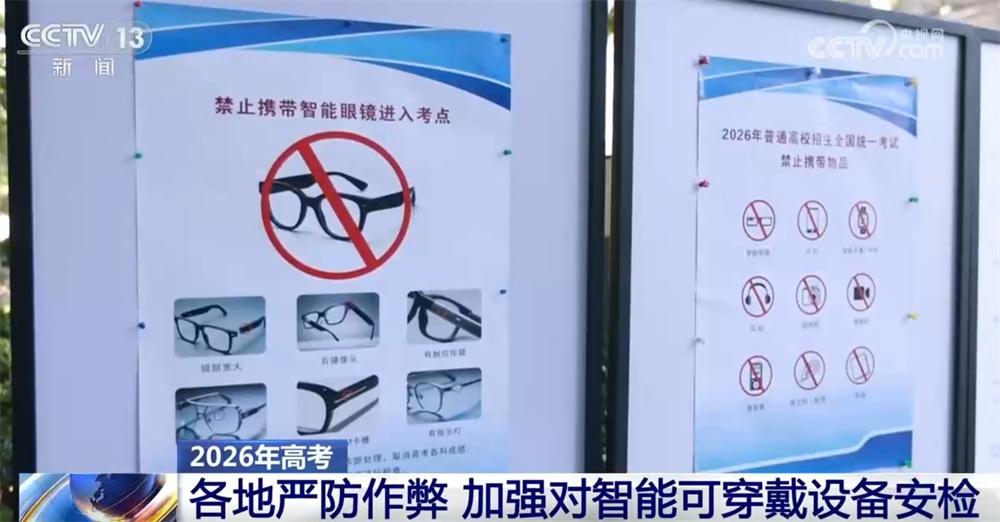
The notice from South China Agricultural University is not an isolated case. Zhongnan University of Economics and Law specifically emphasized in the exam discipline notice that "consciously resist cheating with smart glasses"; Luoyang Institute of Science and Technology explicitly prohibits carrying smart glasses and other devices into the exam room, and offenders will get zero points for this course; Mudanjiang Medical University focuses on investigating new electronic cheating tools such as smart glasses, invisible earphones and smart watches during exam patrols.
The attitude of cracking down on AI cheating is very firm, and in the specific implementation, various schools have also begun to upgrade their equipment. The law is one stepead of the devil.
Metal detectors have become standard equipment in many schools. Proctors will focus on scanning the head, glasses and ears, and proctors also have visual judgment criteria: black frames, too thick borders are all suspicious points.
However, relying solely on human eyes and metal detectors is obviously not enough, and schools have also begun to use AI to fight back. AI exam patrol is a proctoring system that combines artificial intelligence, video surveillance and algorithm recognition.
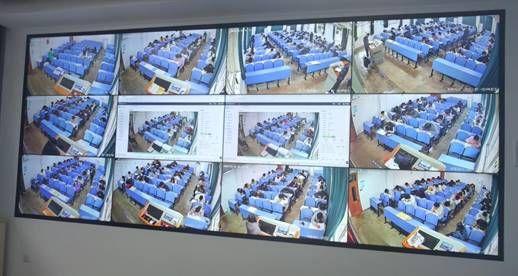
In the past, the role of exam room surveillance was mainly for recording. If someone was found cheating during the exam, the staff would retrieve the video for review. With AI proctoring, the camera can analyze the surveillance footage in real time while shooting, and actively look for abnormal behaviors.