Electric vehicles that have just been subject to a new round of cuts are now targeted by new policies again.
Have you ever encountered a scenario in games where a certain hero is so overpowered that developers keep nerfing them in every update?
Electric vehicles, which are now widely criticized for having too many "privileges", are in a very similar situation right now.
Just a few days ago, China's Ministry of Finance, General Administration of Customs, and State Taxation Administration released a very short but highly significant announcement. It states that starting from September this year, a 2% consumption tax will be levied on 5 types of battery products including lithium-ion batteries.
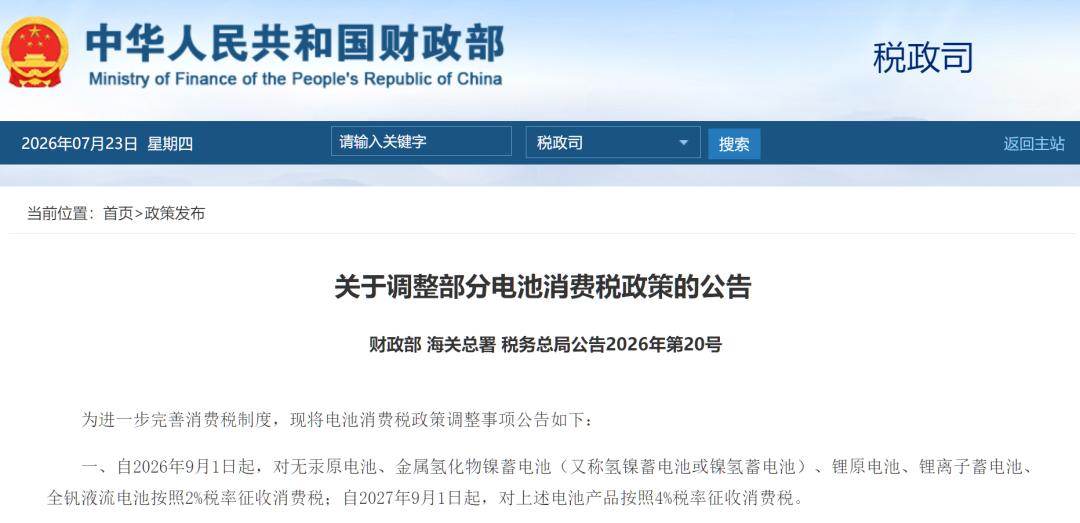
By September next year, the tax rate will be raised to 4%.
It is worth noting that the cancellation of the vehicle and vessel tax exemption for hybrid models was implemented just a few days ago, and hybrid car owners have not yet recovered from the frustration of paying hundreds of yuan more every year. New energy vehicle companies have immediately suffered another heavy blow.
This speed of weakening is so drastic that even players using the Dark Signal build in Honor of Kings would call it a master-level operation.
The reason why I say this policy is highly significant is that compared with the trivial adjustment of the vehicle and vessel tax, this change in battery consumption tax can be said to directly hit the core lifeline of battery enterprises.
On a small scale, it means that the price of new cars you buy later will most likely go up. On a large scale, among domestic battery enterprises, except for the absolute leading giants like CATL and BYD, most of the remaining small and medium-sized brands may be forced to exit the market.
Because although this consumption tax sounds like it is paid by consumers, the actual bearer is the manufacturer.
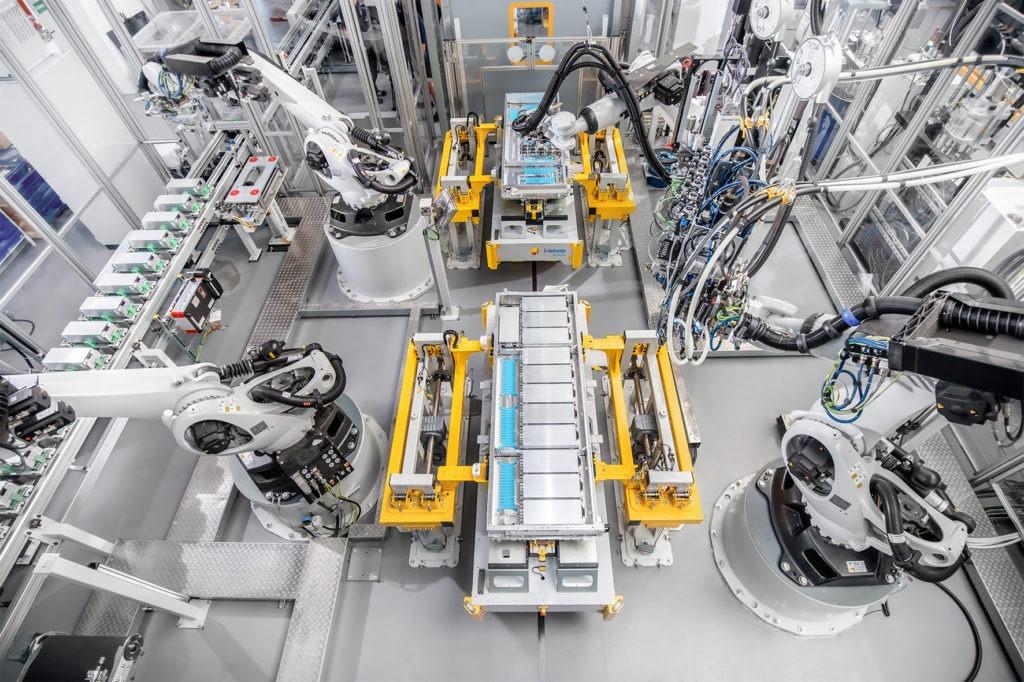
For example, car companies need to pay consumption tax for complete vehicles, and consumer electronics companies need to pay consumption tax for electronic products.
In theory, battery companies also need to pay a 4% consumption tax on product sales, but since 2015, the 5 types of batteries related to the new energy industry mentioned at the beginning can enjoy consumption tax exemption.
For battery manufacturers, this 4% does not look like a large number, but it is actually a huge amount of money.
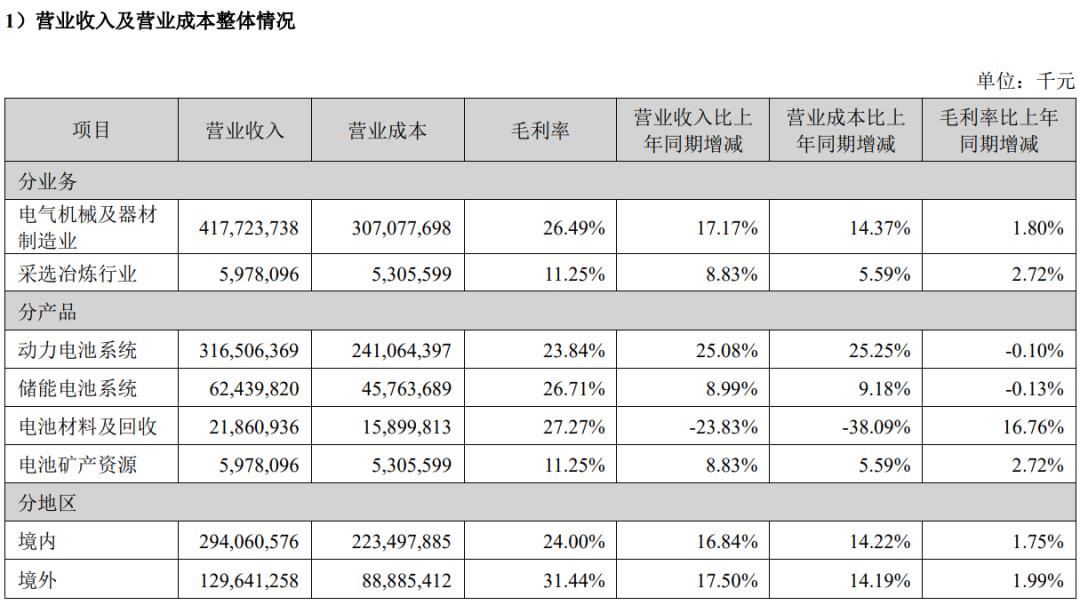
Take CATL as an example. According to financial report estimates, in the ten years from 2015 to 2025, the consumption tax exemption amount of its power battery and energy storage business has reached 43-45 billion yuan.
Last year alone, CATL's consumption tax exemption amount was estimated to exceed 10.5 billion yuan, which is equivalent to the net profit of second and third-tier battery manufacturers for several years or even ten years.
So it is obvious that the previous tax exemption policy was to encourage battery manufacturers to maximize production, after all, the more products you sell, the more tax you save.
With the support of special planning and R&D funds related to power batteries, the development of China's domestic battery industry in recent years has been advancing at rocket speed, developing rapidly and with high quality.
To the point that the current development situation seems to be too good to be true.
According to statistics from the International Energy Agency (IEA), the nominal global production capacity of lithium batteries last year exceeded 4 TWh, which means that theoretically all battery manufacturers in the world can produce 40 billion kWh of lithium batteries every year. Chinese enterprises account for 80% of the total, that is, they can contribute 32 billion kWh of production every year.
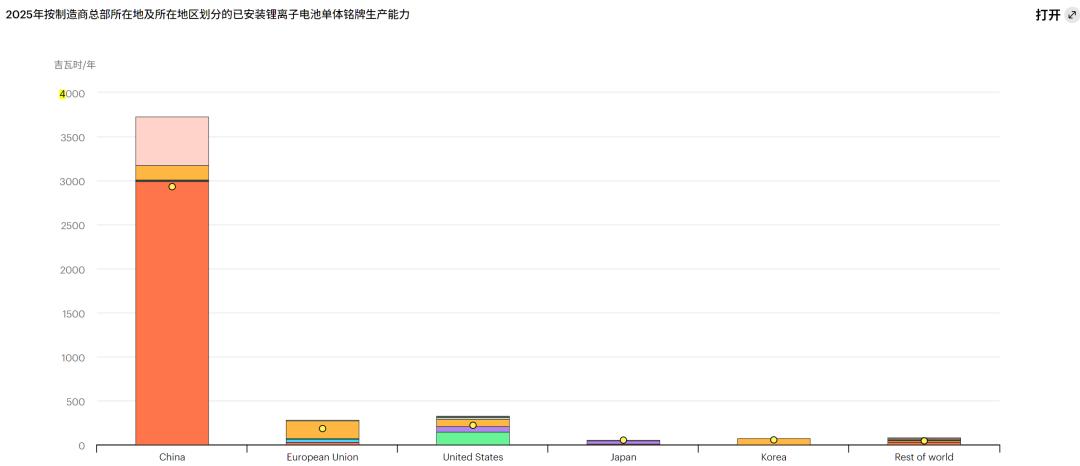
What was the actual global market demand last year? The answer is less than half, with actual installed capacity of only 15-15.2 billion kWh.
This has led to the fact that except for the top leading enterprises such as CATL and BYD, many little-known second and third-tier battery manufacturers have a capacity utilization rate of less than 30%, and their production lines are left idle.
You may think that it doesn't matter if the production line is idle, what bad things can happen?
But this situation where the production capacity of leading enterprises is fully utilized while other enterprises have idle capacity has a special term, called structural overcapacity.
In a market where supply exceeds demand, small and medium-sized enterprises can only reduce product prices while cutting R&D and material costs in order to grab orders, resulting in more and more defective power batteries appearing on the market, which become safety hazards for vehicle users.
The recent frequent quality problems of 177Ah batteries from a certain brand may be caused by cost squeezing as one of the core reasons.
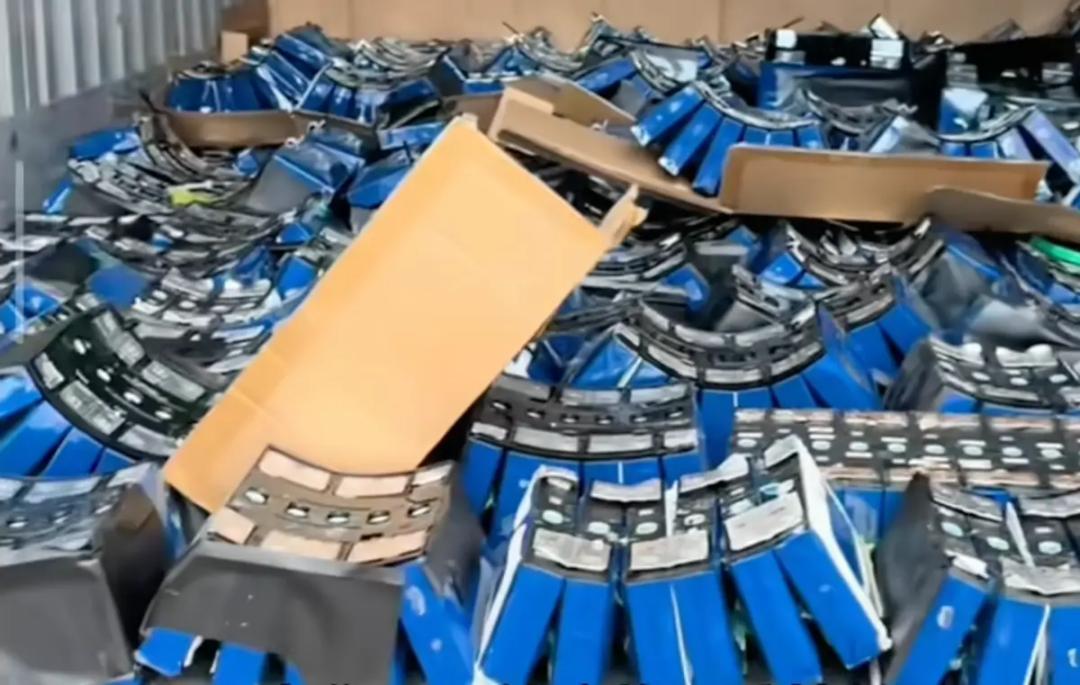
Therefore, the current power battery industry has actually reached a stage similar to the new energy vehicle industry, where further encouragement may lead to potential risks. The upcoming consumption tax imposed on battery manufacturers is one of the means to curb this trend.
Indeed, after the implementation of the battery consumption tax, many small and medium-sized battery manufacturers may be cleared out as "overcapacity".
The reason is very simple: not all battery manufacturers have a gross profit margin of more than 20% like CATL. The gross profit margin of power battery business of second and third-tier brands is generally not high, many of which are less than 5% or even lower.
Once the 4% consumption tax exemption expires, it will wipe out all profits and push enterprises into a loss-making state.
In contrast, top enterprises with high profits can offset the increased tax by producing more high-margin products, improving production yield, or even just relying on their existing advantages to absorb the cost directly.
The result is naturally that small enterprises with unhealthy revenue will find it more difficult to survive due to the new tax, and eventually exit the market, while giants will survive steadily with huge asset reserves, eliminating uncompetitive overcapacity.
Does it sound quite desperate for small enterprises, and this new policy is so harsh!
Don't worry, there are still solutions.
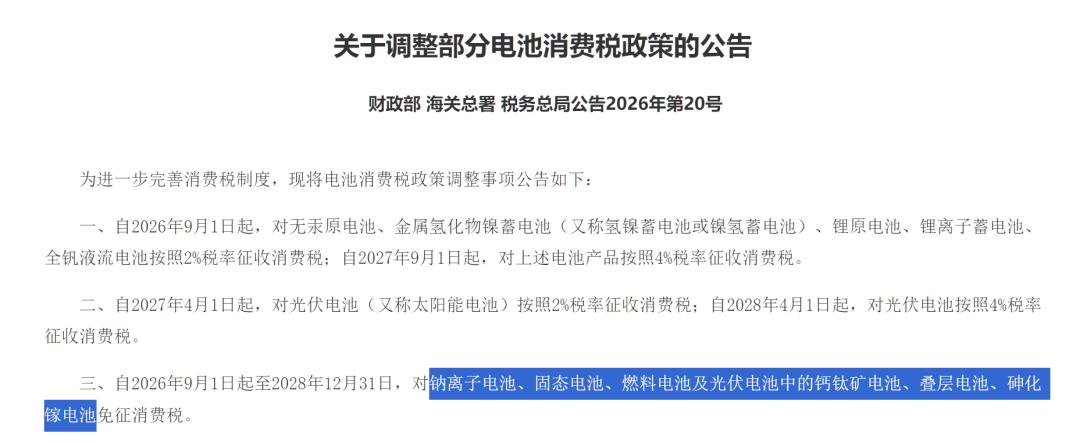
In the announcement mentioned at the beginning, the new policy sets out several scenarios where battery enterprises can continue to enjoy tax exemption.
First of all, if the enterprise does not produce traditional lithium batteries, but produces the new material batteries listed in the policy, it still does not need to pay tax before 2029, including the most anticipated solid-state batteries.
But personally, I still doubt that will battery manufacturers really invest more costs to produce solid-state batteries just for tax exemption?
Another hidden path seems more reliable, which is export.
Because the essence of consumption tax is inclusive production tax, in other words, only goods sold domestically need to pay tax. As long as the products produced by battery enterprises are directly used for export, that is, sold to overseas vehicle manufacturers, this tax does not need to be paid.
Even if the produced batteries are sold to domestic car manufacturers for domestic vehicle assembly, according to another "Announcement on Value-Added Tax and Consumption Tax Policies for Export Business", as long as the produced vehicles are used for export, car manufacturers can help battery manufacturers apply for consumption tax refund and get back the consumption tax they have already paid.
This is clearly a signal for enterprises to go global as soon as possible.
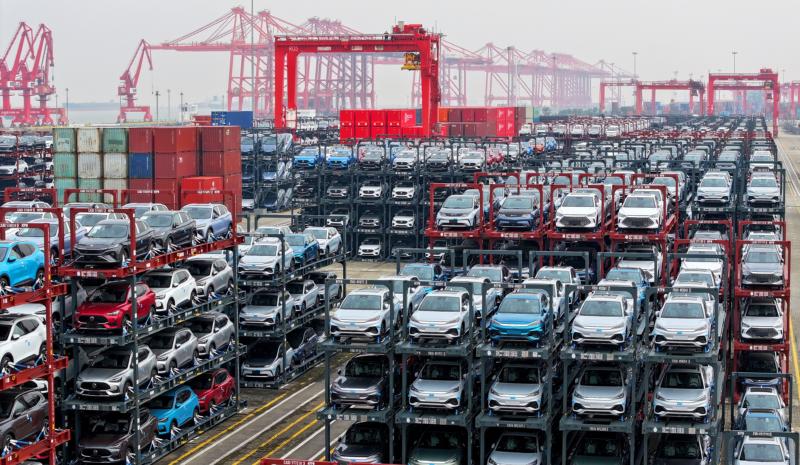
More interestingly, this path is completely feasible, and it is even a blue ocean market.
Going back to the previous IEA statistics, if we exclude all supply and demand related to China and look at the overseas market alone, there is a supply gap of about 0.7 TWh, that is, about 7 billion kWh of power and energy storage batteries.
Moreover, overseas car manufacturers are very willing to cooperate with domestic Chinese battery manufacturers, no matter which tier they are in.
For example, Mercedes-Benz uses Farasis Energy's batteries on its EQE and EQS SUV models in overseas markets, and BMW also uses EVE Energy's products in its Neue Klasse vehicle series. Sunwoda also entered Tesla's supply chain some time ago.
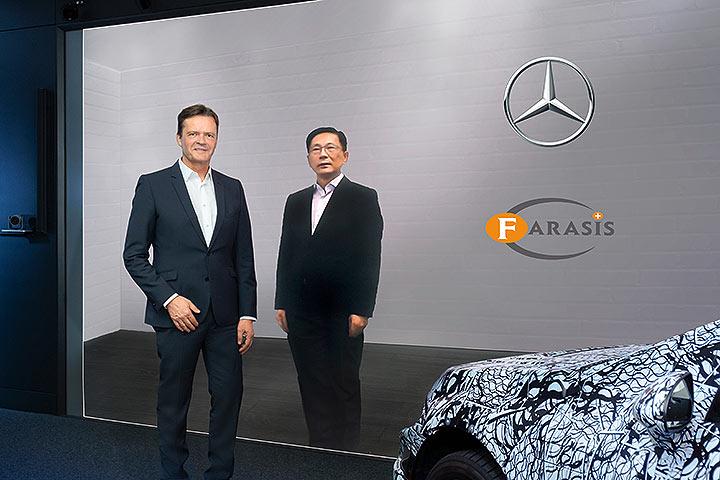
This shows that just like new energy vehicles, after domestic Chinese battery manufacturers have competed fiercely in the domestic market for so many years, they have long been well-known globally and their competitiveness is far ahead of overseas battery enterprises.
So far, the orientation of the new consumption tax policy has been very clear.
That is, the leading enterprises can continue to operate as usual, and this policy has little impact on them. For the enterprises in the middle and lower reaches, they either invest R&D resources in more cutting-edge battery technologies, or expand overseas markets to make full use of their production capacity.
Otherwise, they will face the risk of being eliminated directly.
After the battery consumption tax is officially resumed, the production consumption tax for pure electric vehicles is likely to be introduced soon.
Everyone may really need to cherish the current market environment, because new energy vehicles in the future may no longer be as cheap as they are today.
Image and Data Sources:
The battery failure storm of CALB escalates, adding variables to the breakthrough path of second-tier manufacturers
Two Chinese authorities issued the "Announcement on Value-Added Tax and Consumption Tax Policies for Export Business"
Electric Vehicle Batteries - Global Electric Vehicle Outlook 2026 - Analysis - International Energy Agency
Notice of the Ministry of Finance and the State Administration of Taxation on Levying Consumption Tax on Batteries and Coatings
Announcement of the Ministry of Finance, General Administration of Customs and State Taxation Administration on Adjusting Part of Battery Consumption Tax Policies
This article is from WeChat official account "X.PIN", Author: Dead Cavity, Editor: Bozi Ning, published with authorization from 36Kr.