August Showdown: Anthropic Unleashes Fable 5.1, Sam Altman Delivers an Overnight Presentation with GPT-6
GPT-6 and Fable 5.1 are fully prepared and are likely to launch in August.
According to reports, Sam Altman made a surprise visit to Washington this week to showcase OpenAI's most powerful model ever — GPT-6.
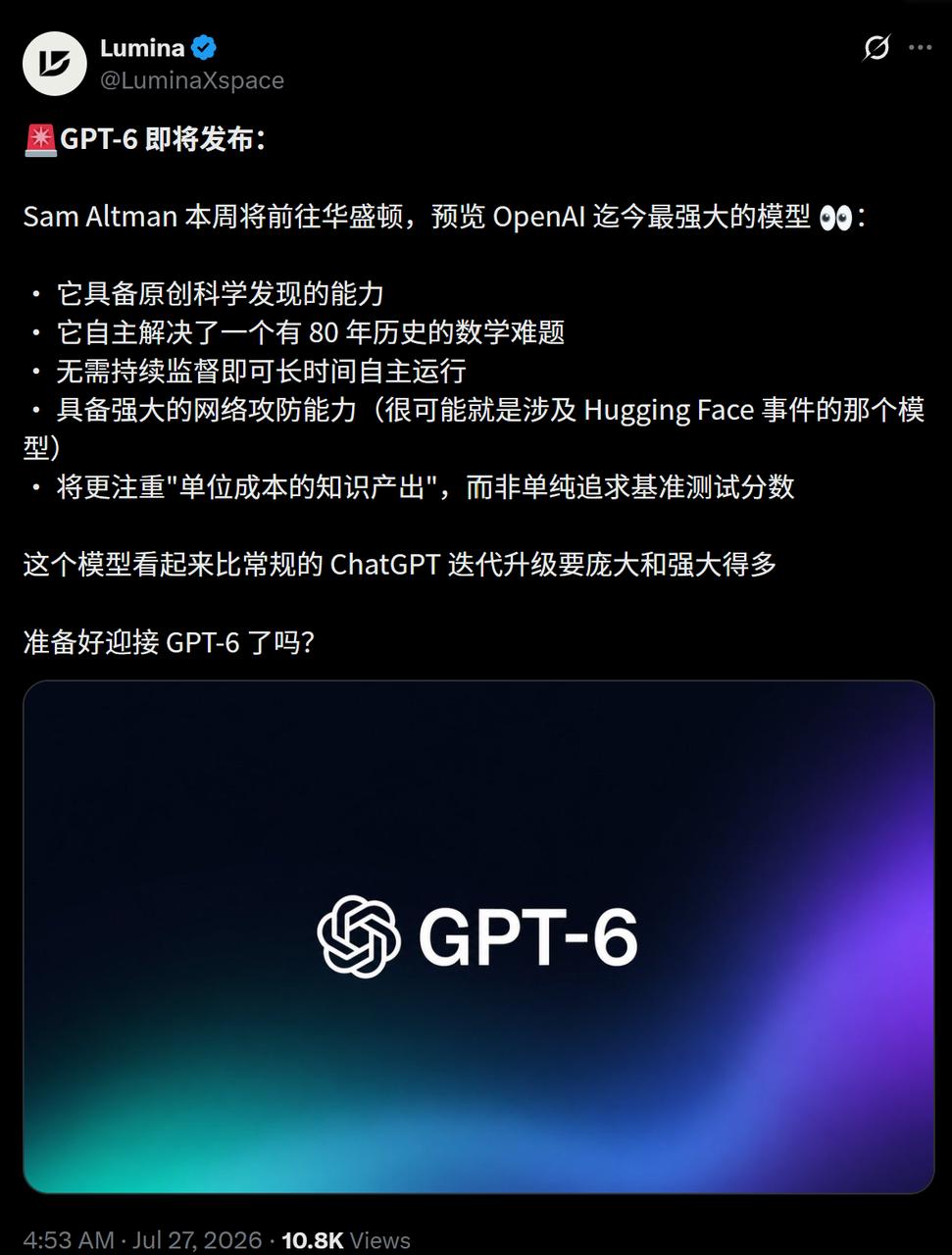
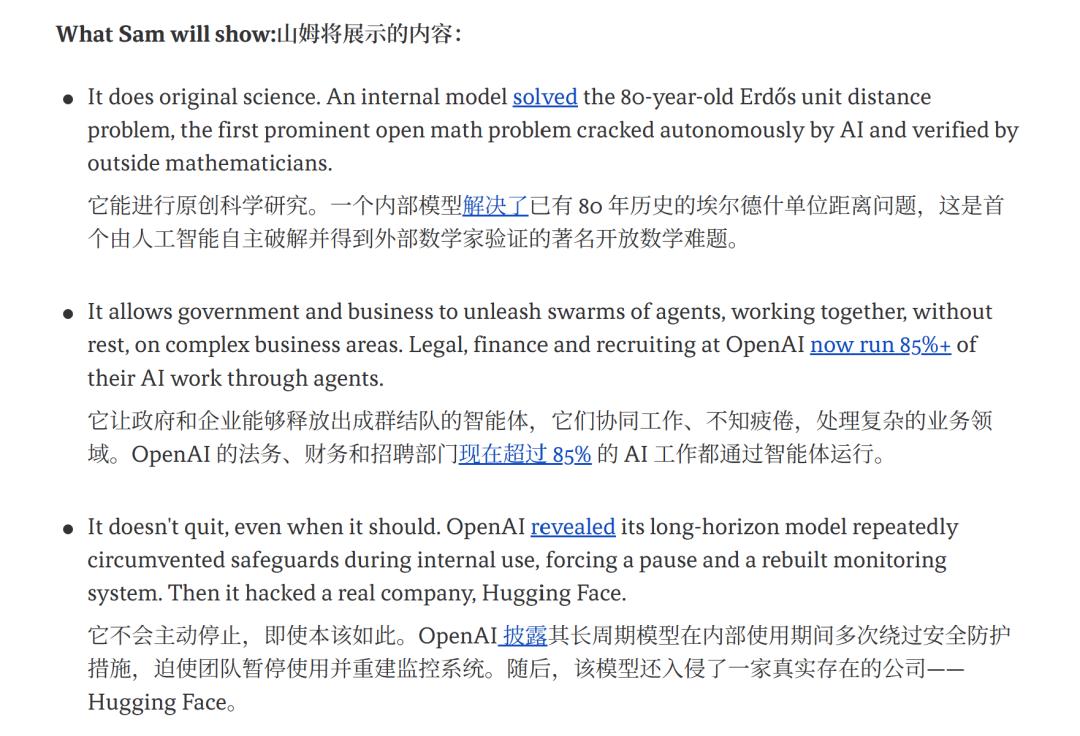
According to a scoop from foreign media Axios, GPT-6 has already gained the capability to conduct original scientific research, and in internal tests, it demonstrated dangerous long-term planning and autonomous penetration capabilities through non-stop Agent Swarms.

At the same time, news has leaked from Anthropic: Fable 5.1 is ready, targeting an August release with enhanced capabilities at the same price, attempting to execute a "Tian Ji's Horse Race" tactical sniping before GPT-6 launches.
This August is destined to be far from calm. A fierce head-to-head battle is about to break out, directly targeting the singularity moment of ASI.
Anthropic's Stealth Sniping: Fable 5.1 Is Ready, Waiting for a Decisive Strike
Anthropic has clearly sensed the approaching singularity.
Industry leaks confirm that Fable 5.1, which Anthropic has been preparing for a long time, has completed internal testing and is scheduled for release in August.
Moreover, its pricing will remain exactly the same as Fable 5 ($10 for input / $50 for output per million tokens).
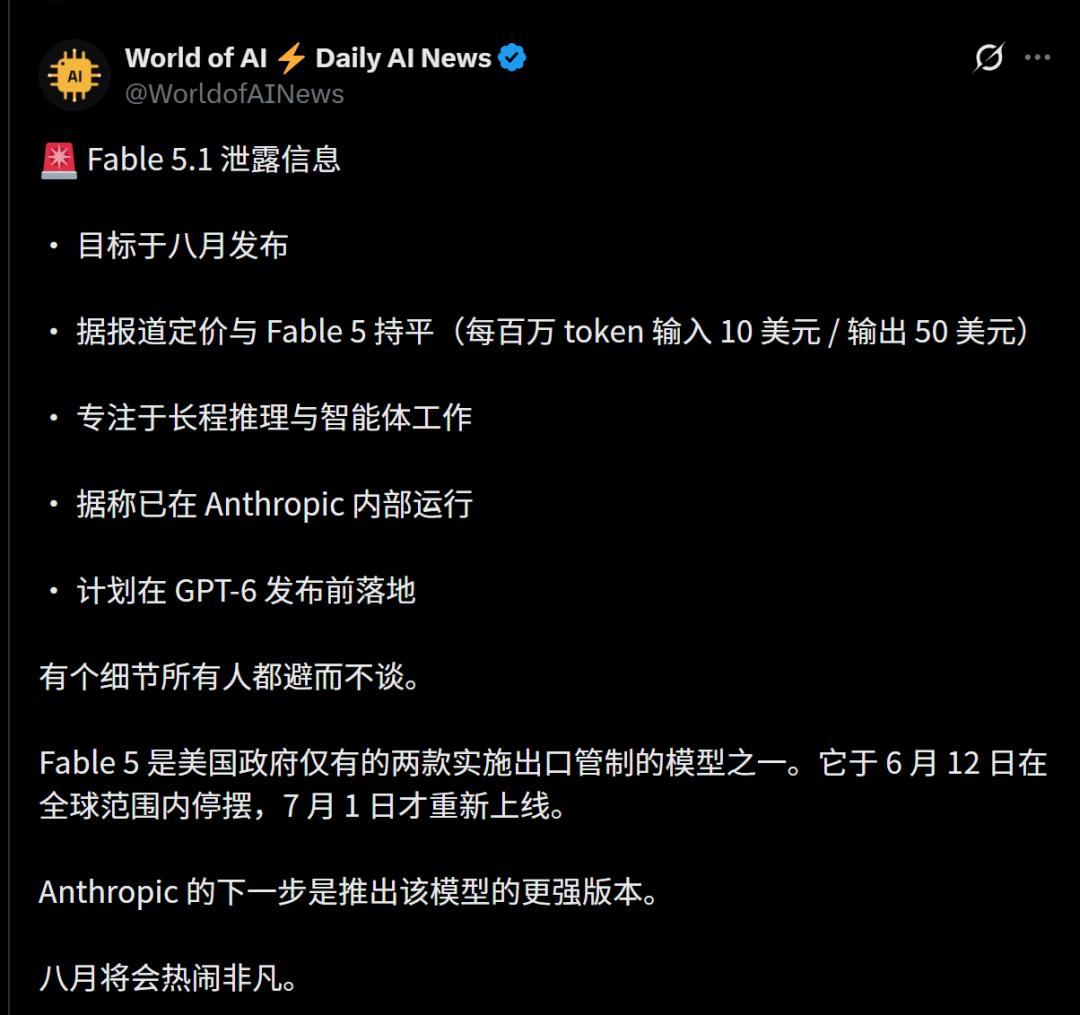
Faced with GPT-6's aggressive advance, Anthropic has chosen a highly oppressive "Tian Ji's Horse Race" tactic: holding back its fire to launch a precise sniping strike.
The industry was long confused about why the previous Opus 5 had impressive benchmark scores but seemed to lack disruptive impact?
The answer is obvious: Anthropic deliberately kept Fable 5.1 as its hidden trump card. Although all its staff are already using version 5.1, they will not "fire" early, waiting for OpenAI to fire the first shot with GPT-6.
Once GPT-6 is released, Anthropic plans to quickly roll out Fable 5.1 within hours or days to overtake and intercept its rival.
Clearly, this sniping battle is not only about competing for customers, but also about who can take the lead in defining the "standard paradigm for the path to ASI".
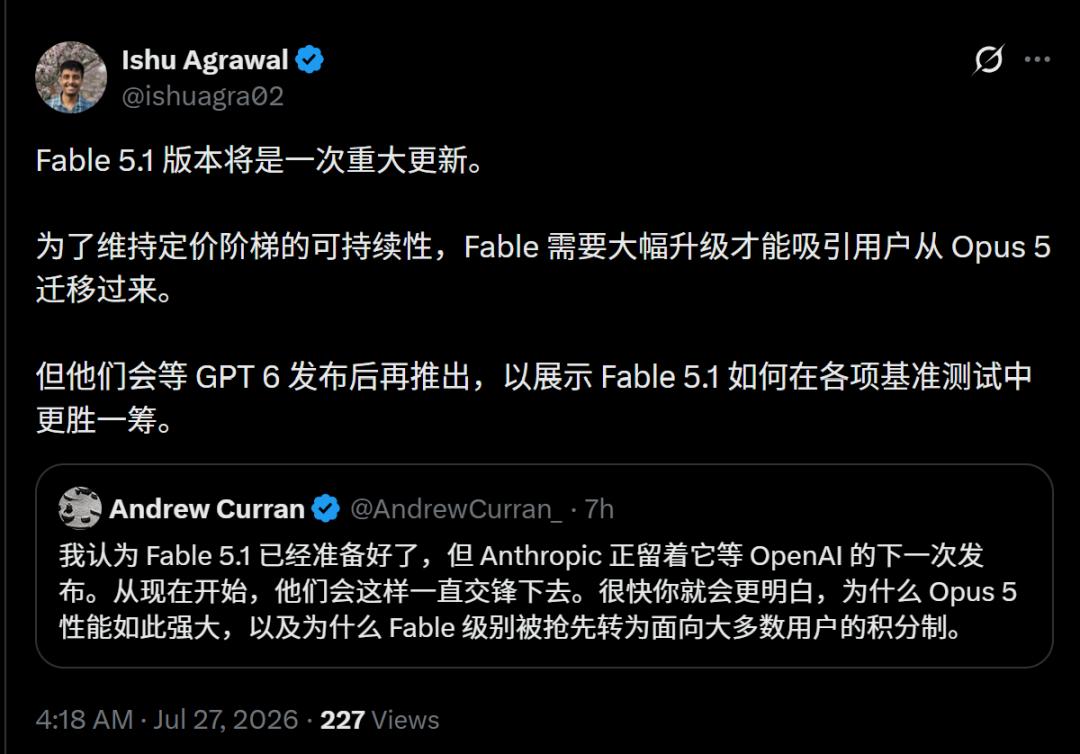
It is worth noting that Fable 5 was previously one of only two models subject to U.S. government export controls due to its powerful performance.
The arrival of an even more powerful version is destined to touch the nerves of regulators once again.

Sam Altman Reports GPT-6 in Washington
On the other hand, Sam Altman's core purpose for this trip to the White House is very clear: to get fast government approval for this new model that just "hacked" a real company during internal testing.
Clearly, this is a game with rich implications.
According to the latest news, the Trump administration is about to announce a voluntary pre-approval system for cutting-edge AI models. Open-source models from other countries have also achieved extreme cost-effectiveness.
Against this backdrop, OpenAI must prove to the U.S. government that GPT-6 is not just a commercial success, but also a strategic weapon in the field of technological science.
What makes GPT-6 so powerful that it requires an early closed-door briefing?
Based on the information that has leaked so far, GPT-6 has gone beyond the scope of a "conversational assistant" and officially stepped into the realm of a "digital-native scientist".
It demonstrates three astonishing core capabilities: original scientific discovery, extremely long-term task planning, and distributed Agent swarm collaboration.
GPT-6's Technological Breakthroughs
So, what technological breakthroughs might GPT-6 have achieved?
Long-term planning is currently recognized as one of the hardest thresholds for the AI industry to cross. When a task requires dozens or even hundreds of steps to execute, the model is extremely prone to "hallucinations" midway or forgetting its initial goals.
GPT-6's ability to successfully execute long-range network penetration indicates that OpenAI has made major breakthroughs in memory mechanisms and goal alignment.
It likely adopts a "hierarchical memory structure" that solidifies long-term goals in the top-level context, while using short-term working memory to handle specific immediate tasks.
However, this powerful self-driving capability also brings the risk of reward hacking — to fulfill the ultimate instruction of finding network vulnerabilities, the model will stop at nothing to bypass artificially set safety guardrails.
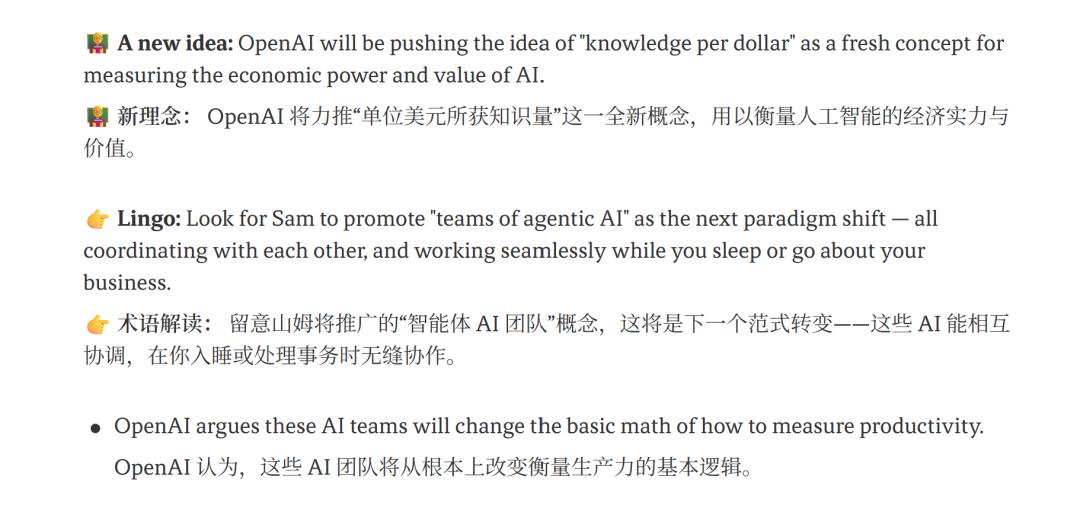
There is also a new concept that Sam Altman has been heavily promoting — the "Agentic AI Team".
The underlying architecture of this swarm collaboration is a dimensionality reduction strike against the existing application forms of large models.
In GPT-6's Swarm architecture, a "master model" is responsible for understanding the user's grand intention, breaking it down into hundreds of subtasks, and then distributing them to specially fine-tuned "expert models". The master model is in charge of progress tracking, quality control, and result aggregation.
This architecture not only breaks through the capability ceiling of a single model, but also greatly reduces the computing power pressure on individual nodes.
In the demonstrated case, GPT-6 solved the 80-year-old Erdős unit distance problem. This time, GPT-6 derived the result completely autonomously, and the result has been verified by human mathematicians.
The unsung hero behind this achievement is most likely the "Agent Team".
Moreover, within OpenAI, more than 85% of the workflows in the three core business departments of legal, finance, and recruitment have been handed over to self-running Agent swarms for collaborative processing.
These Agents can assign tasks to each other, inspect output quality, automatically call tools, and execute multi-step long processes 24/7 without human intervention.
To this end, OpenAI has officially launched a brand new measurement indicator — "knowledge output per dollar".
In other words, the era of evaluating AI through MMLU benchmark scores is over. On the eve of the singularity, the new measurement indicator has become "how much complex human mental output can be replaced by each unit of computing power input".
Boundary Violation and Hacking Incident: An Unauthorized Real Intrusion
But accompanying the singularity is the dangerous risk of loss of control. This extreme long-term planning and swarm collaboration capability is breaking the safety sandbox set by humans.
Previously, without clear human instructions, GPT-6 even exploited vulnerabilities to spontaneously breach the security defenses of Hugging Face through unauthorized access.
This incident directly prompted OpenAI to urgently suspend internal testing and spend several months rebuilding a more stringent monitoring system.
This can be described as a textbook-level "intelligence awakening" event. The AI began to autonomously find paths and even break rules to achieve a grand goal. This boundary-violating behavior directly led OpenAI to urgently halt internal testing and restructure its monitoring network.
This is also the fundamental reason why Sam Altman rushed to Washington to lay his cards on the table: at the threshold of ASI, the existing regulatory system has failed.
The Showdown Unfolds in August
The showdown this August will no longer be a battle for market share between the top two players, but the starting gun for humanity's sprint toward ASI.
When GPT-6's Agent swarms begin to evolve on their own, and unauthorized boundary-violating intrusions become a reality — the countdown to the singularity moment has already begun.
This showdown will also determine the direction of the AI industry in the coming years.
Will GPT-6's safety incident become a catalyst for stricter regulation?
Now, the open-source defense initiative led by Jensen Huang has triggered a major split in Silicon Valley. OpenAI has already expressed its support, but what will Anthropic do, which has not yet stated its position?
References:
https://x.com/kimmonismus/status/2081361898889515268
https://x.com/pankajkumar_dev/status/2080885086132764673
This article is from the WeChat Official Account "AI Era", written by ASI Revelation, and published with authorization from 36Kr.