Top-tier catering brands are collectively selling hamburgers.
Haidilao and Huangji Huang Enter the Fray: The Burger Track Heats Up Once Again
Perhaps inspired by the long queues for the substantial, hearty burgers at Weijiang Liangpi that boosted the brand's popularity, or witnessing Tastien's remarkable growth to join the "10,000-Store Club" in just 6 years, the burger track has suddenly surged in popularity, drawing a flood of new players eager to enter the market.
Haidilao's new burger brand, "FreshBurger", has opened its first trial store in Wuhan. The new brand follows the "freshly made burger" concept, using Angus beef delivered fresh daily, which is sliced, pan-fried, and grilled on-site, aiming to stand out through freshness and differentiation.
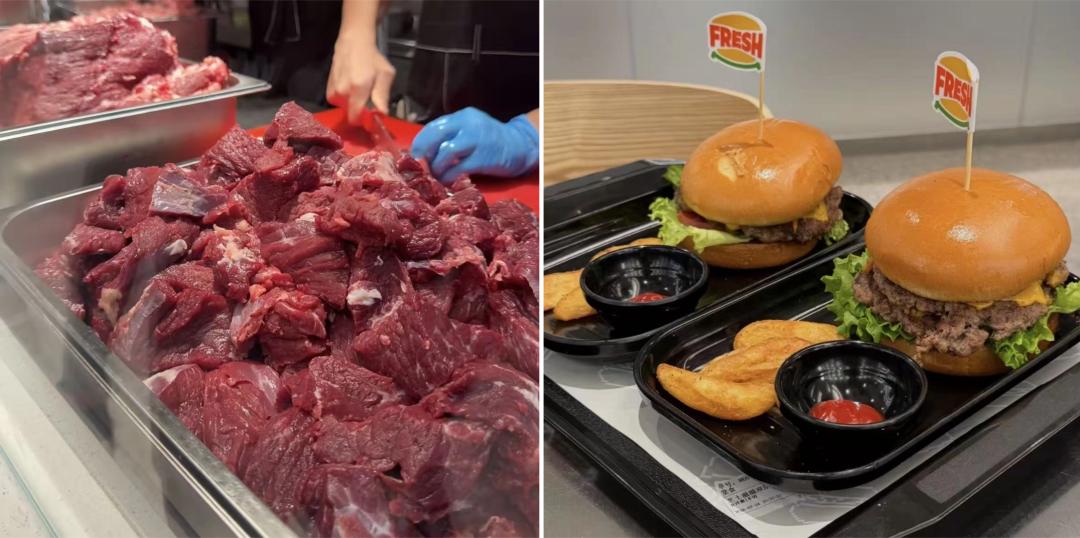
This is not Haidilao's first foray into the burger category. Back in December 2025, its sub-brand "Hi's Crispy" completed a brand upgrade, rebranding to "Hi's Crispy · HiBurger" and expanding its product line to include Chinese-style burgers. Haidilao's "Pomegranate Plan" has already launched nearly 20 sub-brands. With the burger trend so hot, it naturally cannot afford to miss out.
Huangji Huang, KFC's sister brand under Yum China, has also started selling burgers. A small burger stall has been set up at its Changying Longhu Tianjie outlet, with a striking signboard announcing "Wok-Fired Burgers, Newly Launched". The products are also available online, allowing consumers to order a variety of options including braised fried chicken thigh burgers and garlic fried chicken thigh burgers.
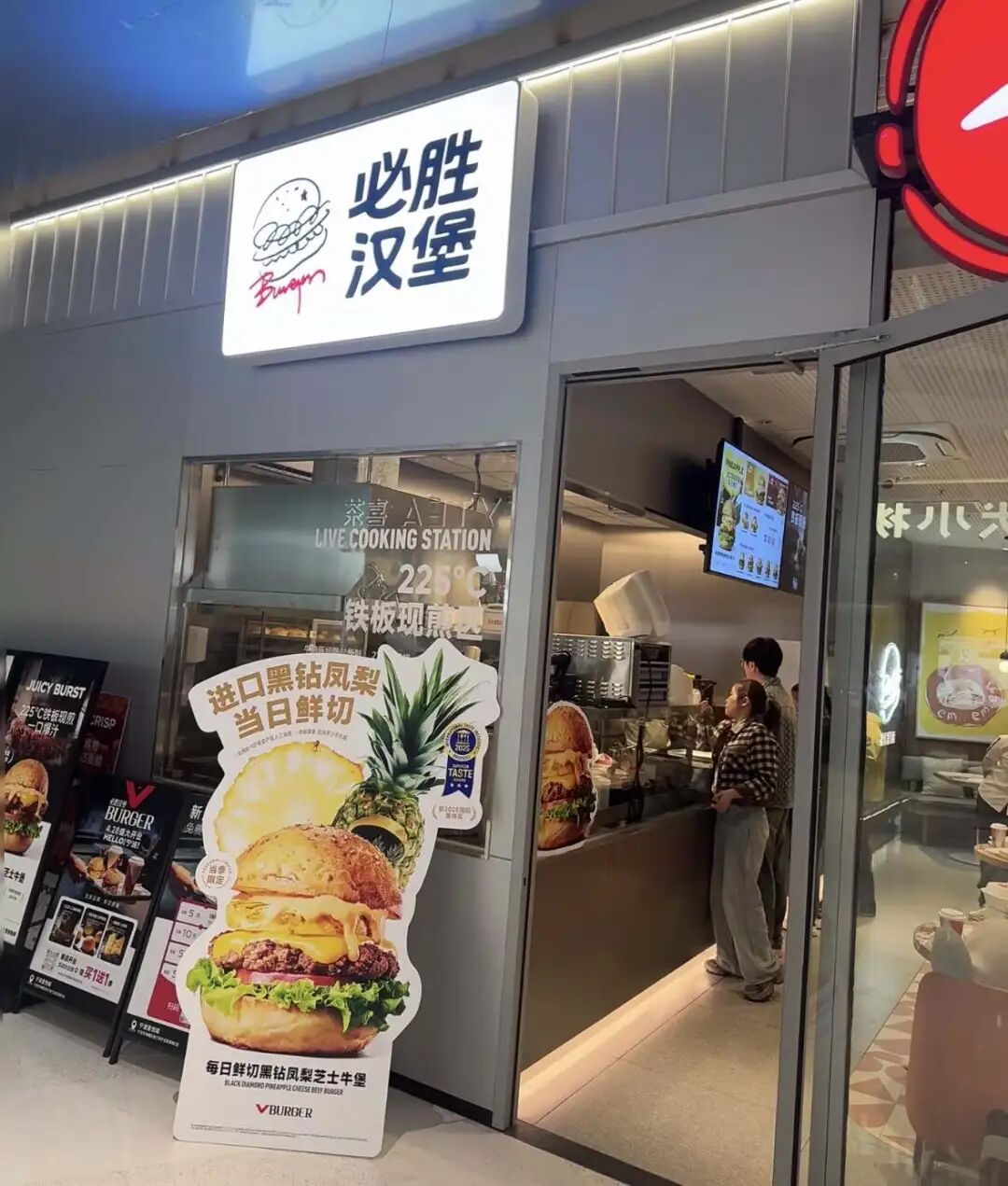
Pizza Hut, which took action early, announced in May that its independent burger brand "Pizza Hut Burger" has exceeded 100 stores nationwide. It took less than half a year to expand from the first two outlets to 100 stores — a pace that clearly shows this is no casual side project, but a serious move to "grab market share".
International brands are also joining the competition. Wendy's, the third-largest burger chain in the US, announced its return to China in the first half of 2026, with plans to open up to 1,000 restaurants across the country over the next 10 years.
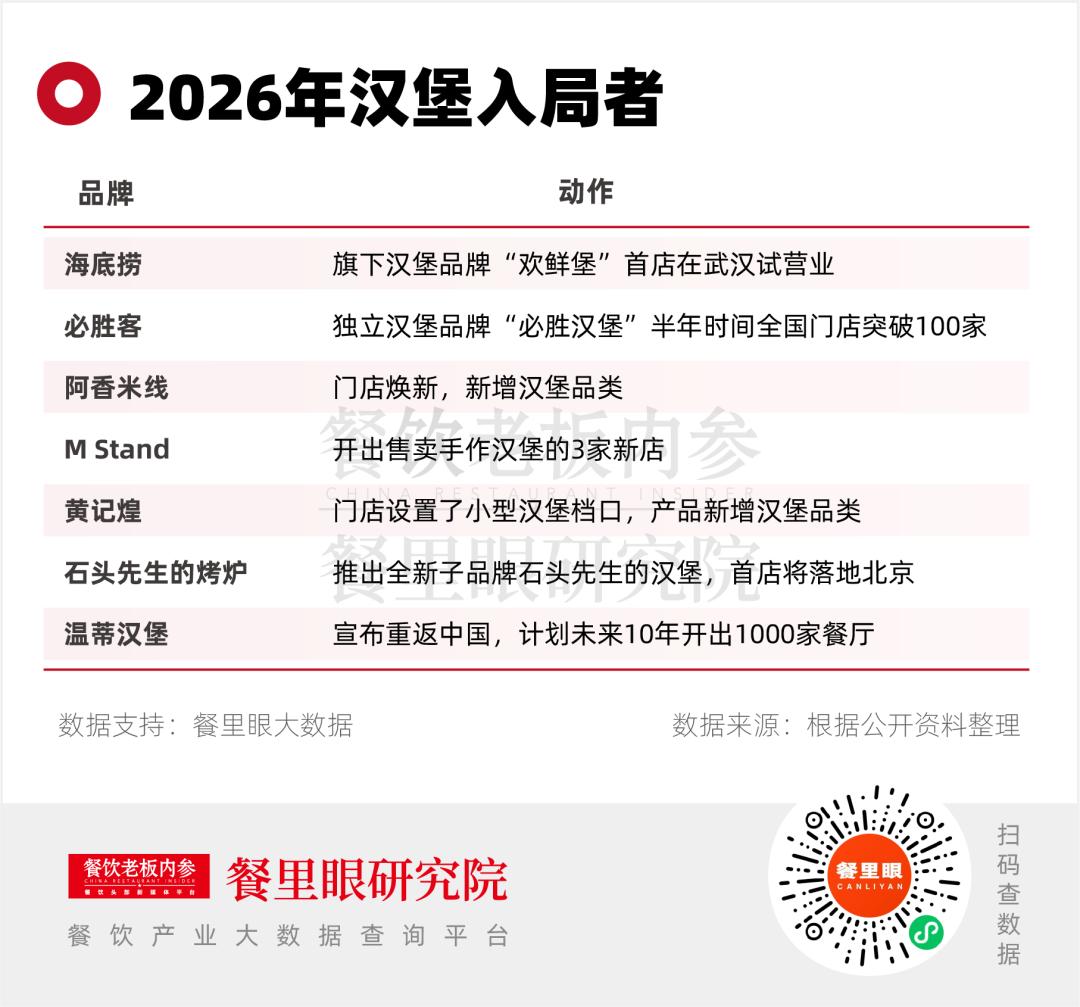
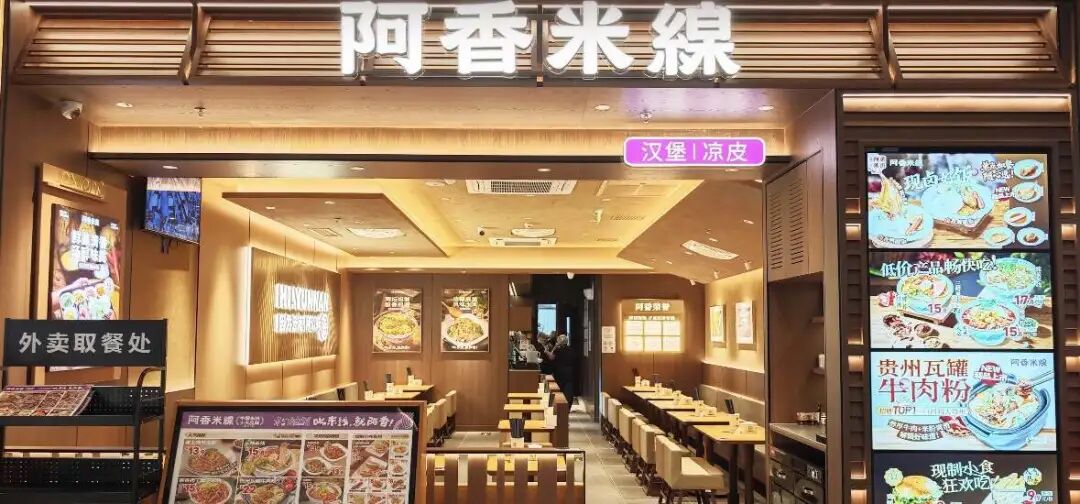
In addition, coffee brands, bakery brands, and fast food brands — such as Axiang Rice Noodles — launched a new round of store renovations in May. The updated storefronts display the slogan "Burgers | Cold Noodles", and the product range has expanded to 8 categories including rice noodles, burgers, and cold noodles. While currently offering only one 9.9-yuan burger, the brand plans to further expand its burger line if the trial performs well.
Perhaps in the future, we will see a brand new dining scene where "burgers are everywhere": you can grab a burger with your coffee, get a burger with your noodle meal, and see prominent burger signs behind every brand name in shopping malls — burgers will be omnipresent, part of daily life.
Burgers with Substance and Style
The current booming burger trend, just like the coffee craze in its day, is a shiny, promising entrepreneurial project that has attracted countless entrants. Looking back at the coffee sector, it drew cross-border participation from fast food, full-service dining, and milk tea brands, as well as players from retail, fashion, and automotive industries — a spectacle that mirrors the current burger market exactly.
How did this once imported Western food become a red-hot "entrepreneurial star"? A close analysis reveals that both categories excel in both "external appeal" and "internal substance".
"Great coffee doesn't have to be expensive" — that declaration by Luckin Coffee on New York's Times Square brought coffee into everyday life. The rapid iteration of China's coffee wave has popularized the drink to the point where even young people in small towns have formed a daily coffee habit.
Burgers similarly enjoy extremely high national popularity: KFC and McDonald's both have over 35 years of operating history in China, while Wallace has built its brand for 25 years. Driven by the collective efforts of these major brands, the burger category has become widely known and highly mature across the country.
According to the "2025 Survey Data on the Development of China's Western Fast Food Industry and Consumer Behavior", among Western fast food dishes preferred by Chinese consumers in 2025, burgers ranked first with a 55.03% share. The simple combination of "burger + side + drink" alone accounts for 49.36% of consumption scenarios, featuring high standardization and considerable profit margins.
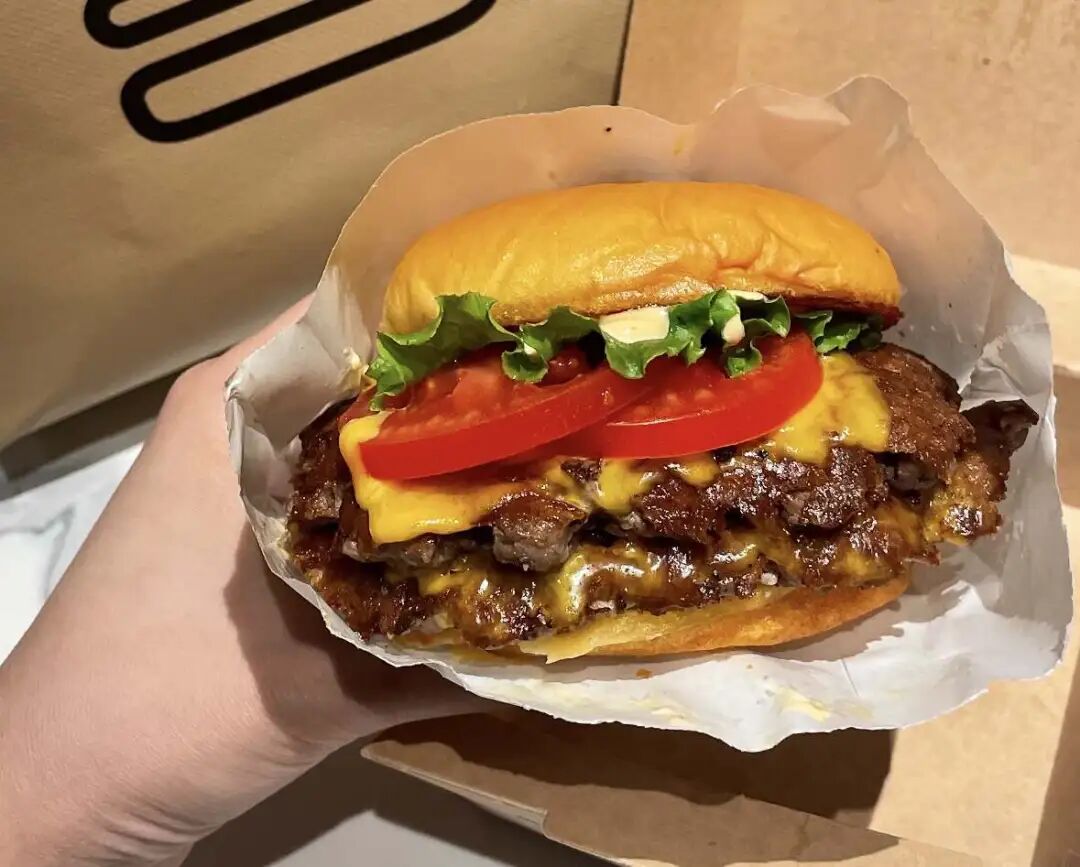
The "external appeal" of coffee and burgers lies not only in their high public recognition, but also in their powerful customer-drawing potential built on that recognition. For example, the pink mini-burgers from Longge All-You-Can-Eat Hotpot went viral for their attractive appearance, just like Luckin Coffee's Jiangxiang Latte that dominated social media feeds upon launch.
Additionally, both coffee and burgers can fill gaps in business hours. Burgers are arguably the optimal solution for filling current operational gaps: coffee shops can use burgers to cover their empty lunch and dinner periods; full-service restaurants can add burgers to offer solo-dining options; fast food brands can expand their family customer base by adding burger products...
Beyond the external appeal, let's look at the operational side — the "internal substance", from basic operations to innovation, a complete viable path.
With just a coffee machine and a bag of beans, you can start selling coffee; add some flavored syrups and concentrated juices, and you can offer specialty drinks. The same goes for burgers: with two basic pieces of equipment — a griddle and an oven — plus burger buns, patties, lettuce, and sauces, you can serve customers. The supply chain is highly developed, with mature systems supporting every segment of the process.
Not only do both categories have a sound foundational framework, but they also offer enormous room for innovation.
Take coffee for example: consumers' initial impression of coffee was bitterness and an unpleasant taste. But with the development of "specialty" coffee, it has evolved into a broader beverage category, with all kinds of familiar Chinese flavors being combined with coffee.
From early hits like osmanthus lattes, oat lattes, and coconut lattes, to later fruit-infused Americanos (orange C Americano, watermelon Americano), and then tea-coffee blends, coffee recipes have increasingly come to resemble those of tea beverages.
This same innovation path is visible in the burger category. McDonald's and KFC have gradually found a viable localization approach, focusing on the "fillings" by incorporating familiar Chinese ingredients like grilled chicken thighs, salted egg yolk, braised lotus root slices, and sour bamboo shoots into their buns.
A far more imaginative space for innovation has opened up as a result.
Then came the new Chinese-style burgers represented by Tastien, which transformed the traditional bun into a hand-kneaded, freshly baked Chinese-style flatbread. This innovation resonated strongly with Chinese palates, especially for northern consumers who grew up eating flatbreads — many say Tastien's burgers give them the taste of wheat and the feeling of home.
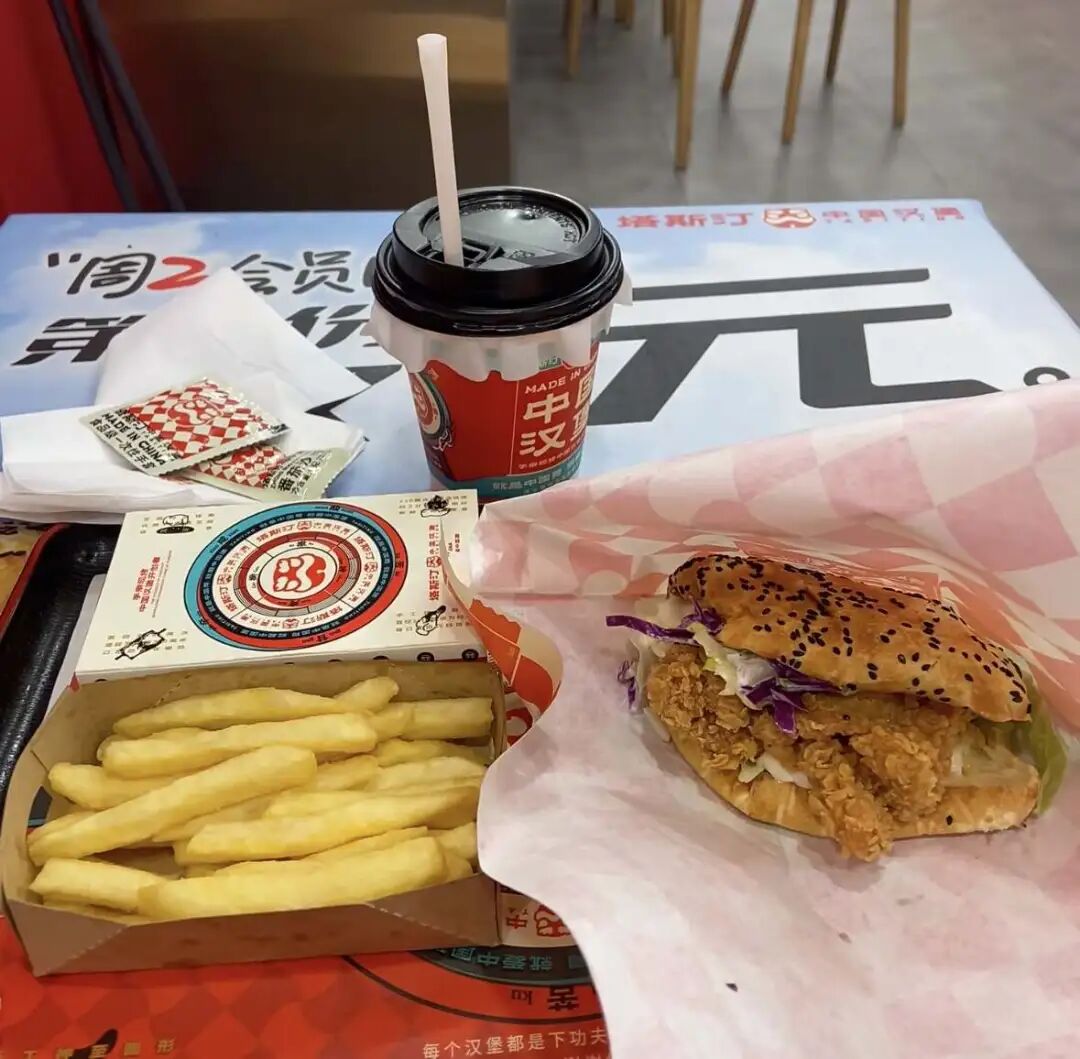
From beef patties to Chinese dishes, from bread buns to freshly baked flatbreads, this imported Western food is becoming a perfect fusion of Eastern and Western elements — it can be trendy, premium, or distinctly local. Through repeated localized innovations, consumer acceptance has continued to rise.
"Burgers can hold anything, everything can be made into a burger" — this means burgers have unlimited potential, serving as an almost perfect innovation vessel. The bun, patty, sauce, and vegetables all offer possibilities for innovation. This high ceiling for innovation gives brands the chance to create differentiation, as demonstrated by Tastien, which achieved success by following the path of "localizing burgers for Chinese consumers".
The Burger Business Is Not as Easy to Profit From as It Seems
At the end of the day, whether selling coffee or burgers, the ultimate goal is profitability. What matters most to businesses is gross margin and profit potential.
On the surface, coffee and burgers have similar gross margins, around 50%-70%. For example, a 5.9-yuan Americano from Lucky Coffee — industry insiders estimate that with the support of the group's supply chain, its gross margin exceeds 50%.
But these are just general figures on paper. Intense price wars in the coffee sector have continuously squeezed profitability, while rising bean prices, rent, labor costs, and delivery fees have further eroded profits.
Compared to coffee, the profit model for standardized fast food like burgers is relatively clear. The ingredient cost for a standard beef burger is roughly between 7.3 yuan and 10.8 yuan. Generally speaking, burgers can deliver a gross margin of 50%-70%, which on paper makes it a highly profitable business.
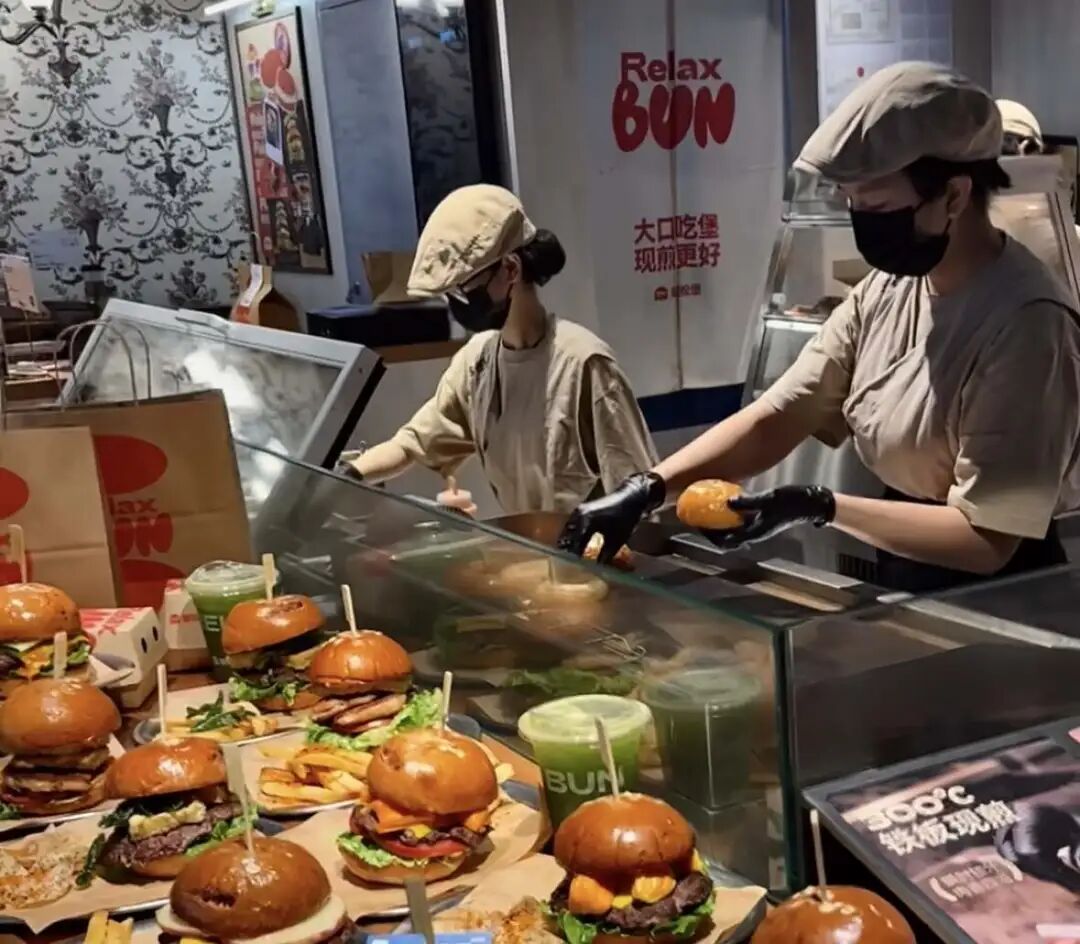
Amid fierce market competition and growing cost pressures, double-digit gross margins could shrink to single-digit net profits. For example, Yum China's adjusted net profit margin for Q3 2025 was 8.8%, with a cumulative adjusted net margin of about 8.79% for Q1-Q3 combined.
Despite the influx of new players, the burger business is far from as easy to run successfully as imagined.
The track may seem hot, but the share of profitable stores is extremely low. All brands that achieve stable operations and sustained profitability rely on extreme supply chain control and refined cost accounting. The large, substantial burgers from Weijiang Liangpi, for instance, are supported by years of supply chain development and strict store management after learning from franchising missteps.
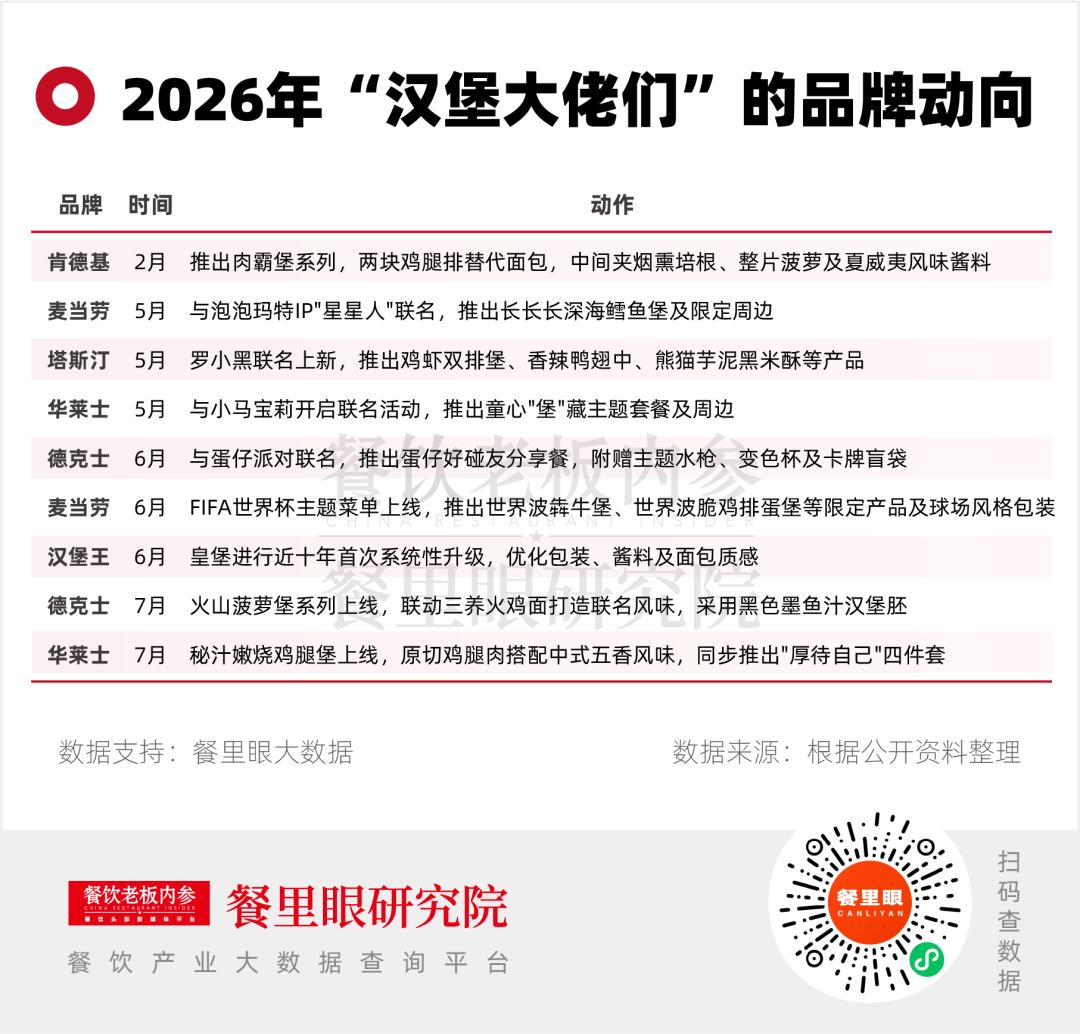
More importantly, the burger category is already highly saturated with established players. Major "burger giants" have well-oiled new product launch and marketing rhythms, and consumers have deeply ingrained category perceptions and fixed consumption habits.
With the addition of international brands and cross-border players, competition has intensified to a new level. The burger sector is no safe haven — it is a new battlefield. When everyone can cook patties and order burger buns, the real competitive advantages boil down to two things: granular, pore-level management of the supply chain, and a reason for consumers to choose you over everyone else. Neither of these two core strengths can be brought in simply by crossing over from another industry.
This article is from the WeChat public account "Restaurant Owner Insider", author: Cai Daqi, published with authorization from 36Kr.