9 million units of AI glasses were "locked" overnight, all because of a tiny white LED
This World Cup, the first-person perspective from the mini camera mounted on the head referee has thrilled countless football fans.
FIFA installed a tiny stabilized camera on the side of each head referee's headset. The footage is transmitted wirelessly in real time, processed with AI image stabilization, and directly integrated into the live broadcast signal. Audiences can watch goal replays from the referee's first-person perspective, see how players move at high speed inside the penalty area, and observe how the referee makes judgments on offside, collisions, and fouls within seconds.
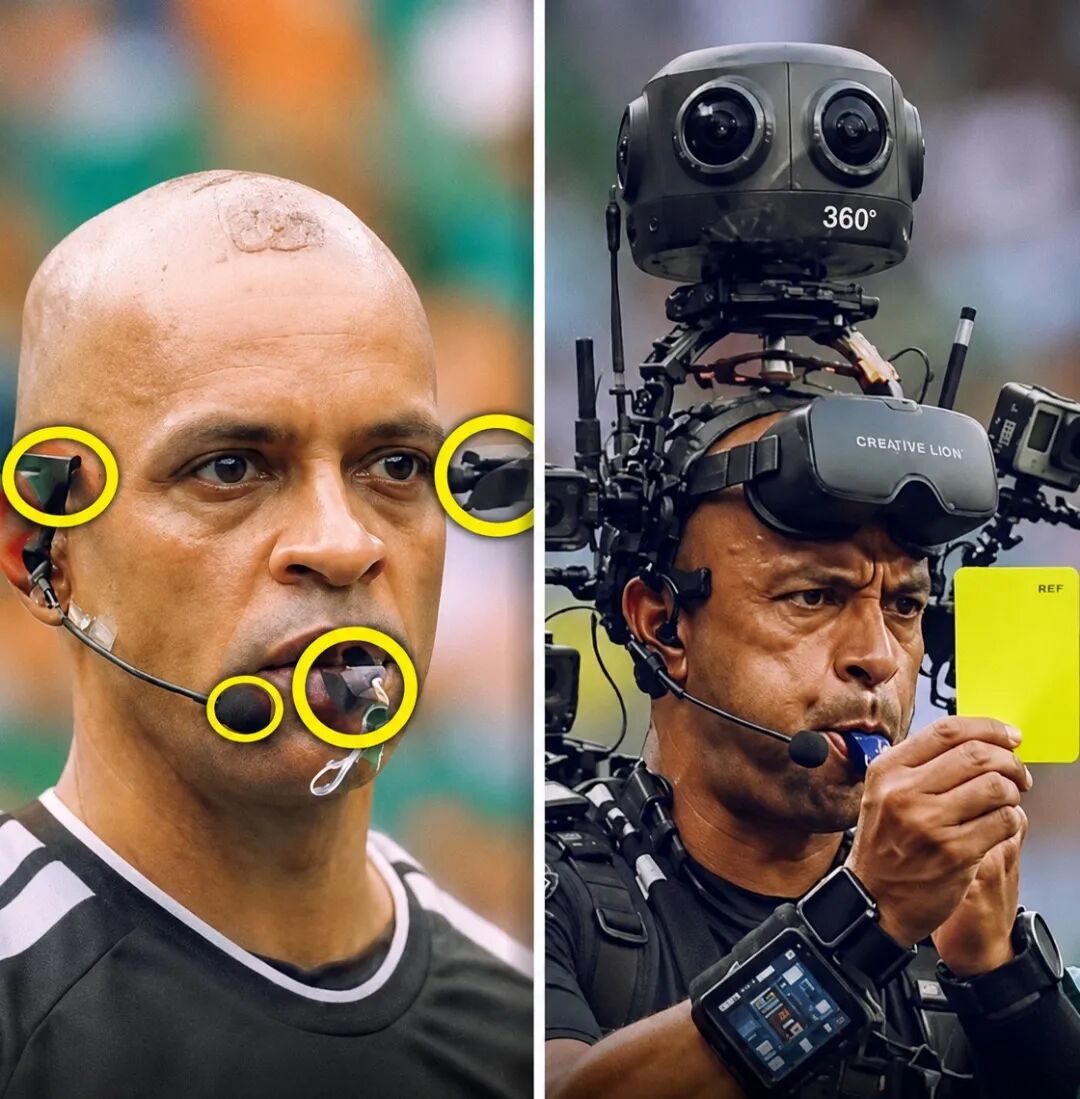
Image sourced from netizen P. Foden Fans P. The left side represents 2026, and the right side is the satirical 2030 version.
Mounting a camera in the right position can deliver spectacular perspectives. However, the problem is that this same first-person perspective camera, once leaving the football pitch and sneaking into people's private lives and daily public spaces in the form of smart glasses, the situation will become far more complicated.
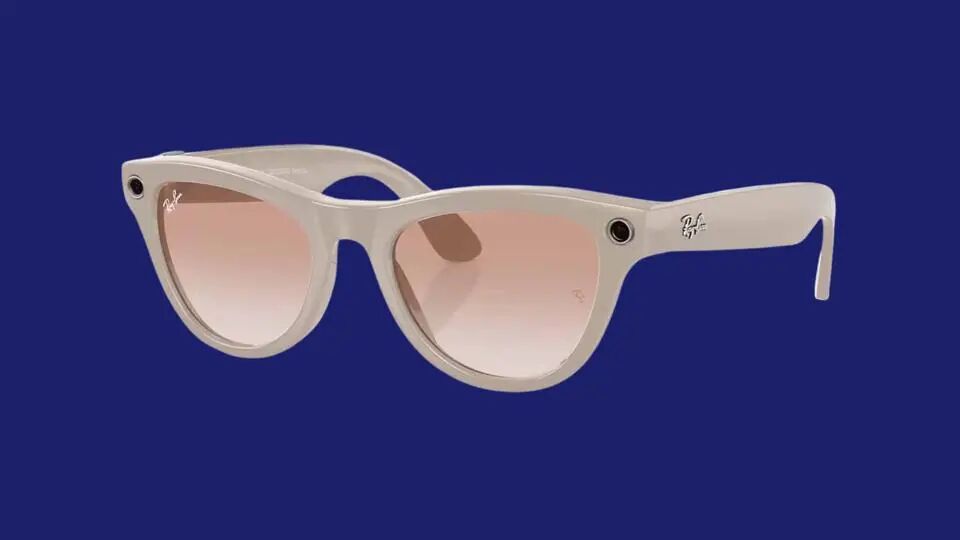
Recently, Meta announced an unprecedentedly strict update for its smart glasses: Once the system detects that someone attempts to physically tamper with, damage, or cover the privacy LED next to the camera, the glasses' camera will be "physically sealed" at the underlying level, completely disabled, and unable to take a single photo.
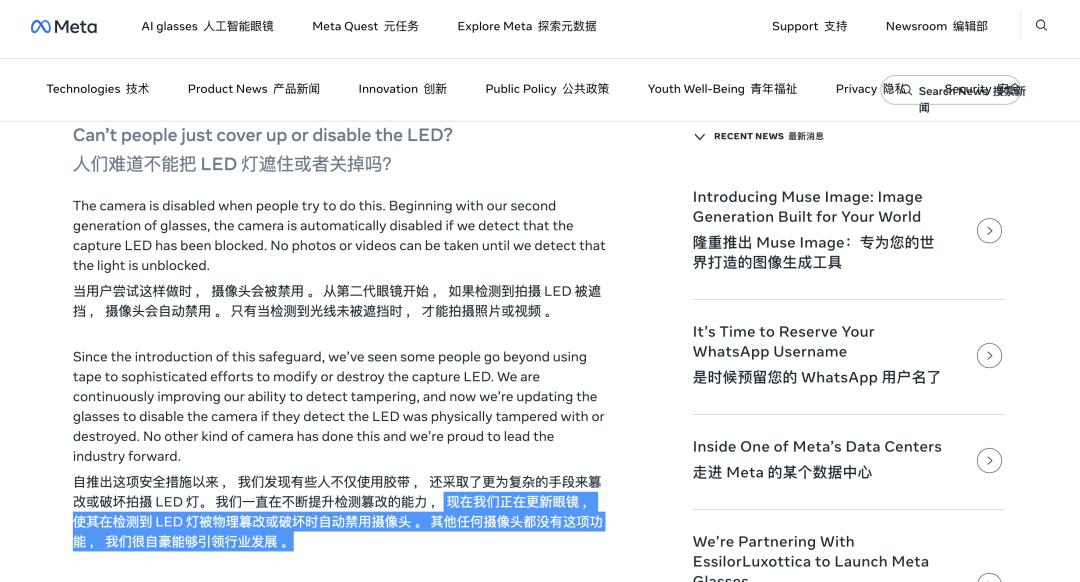
Official Blog: https://about.fb.com/news/2026/07/metas-ai-glasses-your-questions-answered/
Although this is just a minor detail update, it is a rare move where a manufacturer is truly willing to take drastic measures for privacy. Especially when camera-equipped AI hardware is collectively facing a public trust crisis, this move is well worth emulating by all peers.
The Drilled-Out Privacy Indicator Light
All the focus returns to that faint white indicator light.
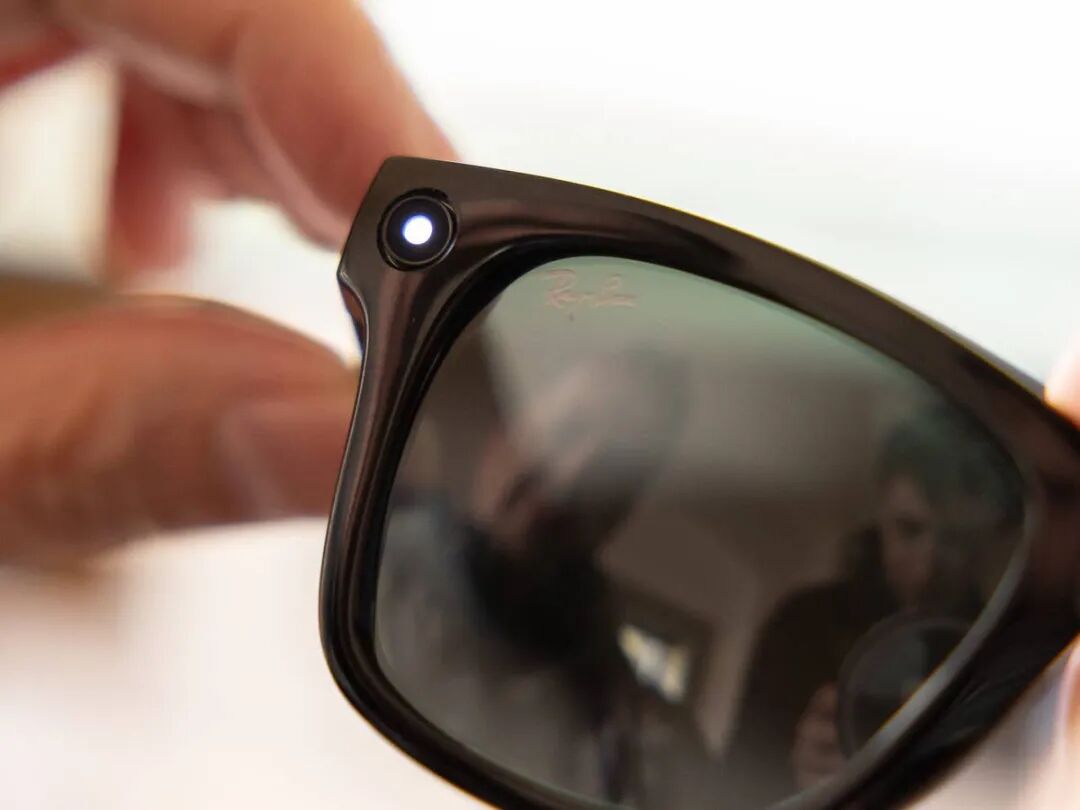
Each pair of Meta AI glasses has a white LED on the frame that flashes when taking photos and stays blinking during video recording, with no switch to turn it off. Its function is equivalent to the action of raising a mobile phone to take a photo: it lets people around know they are being recorded, so they have the chance to refuse or walk away.
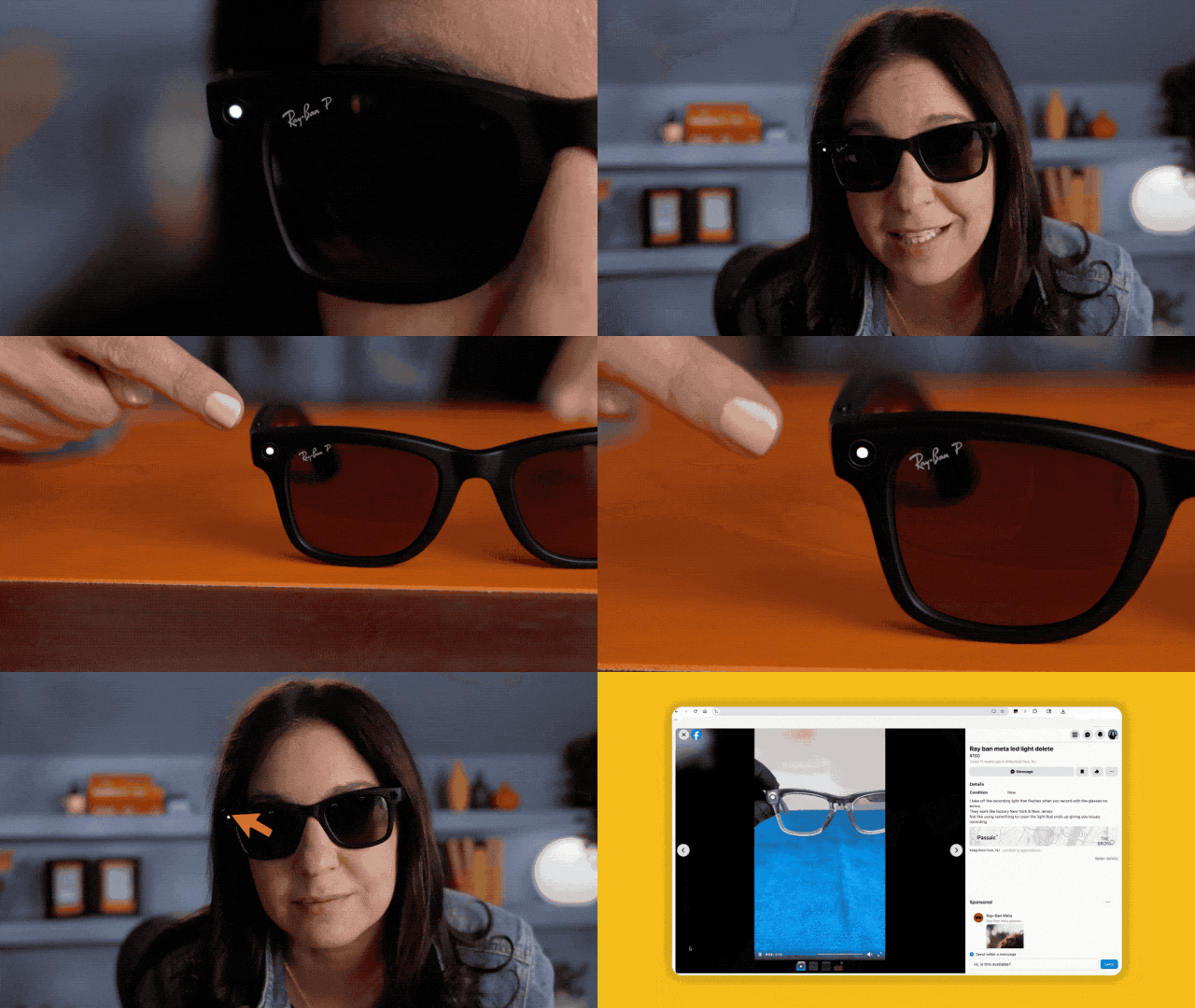
The reason Meta must keep this light is that the "harm" of smart glasses has long been rampant in reality.
On social networks, such products have earned the nickname "pervert glasses". In San Diego, USA, a social media influencer named Rizzzcam with over 1.8 million Instagram followers has long used smart glasses to secretly film his street pick-up interactions, and has been confronted by angry passers-by on multiple occasions.
However, these are only elementary misuse scenarios.
At the end of 2024, two Harvard students demonstrated the upper limit of risks through a project called I-XRAY:
A pair of off-the-shelf Ray-Ban Meta glasses starts live streaming. The program captures passers-by's faces in real time, feeds them into reverse face search engines like PimEyes to obtain their names, and then cross-references the data with databases of data brokers such as FastPeopleSearch using large language models.

When the wearer glances at a stranger on the street, within less than a minute, they can obtain the stranger's full name, address, phone number, occupation, and even information about their relatives. The two students did not open-source the code out of ethical considerations, but relevant social organizations have jointly written to Meta, warning that integrating facial recognition into smart glasses is a "socially uncrossable red line".
Meta's spokesperson responded dismissively: We have always been transparent, and we are exploring such features.
In fact, not only the filmed people, but even the wearers' own privacy is not protected.
A Swedish media investigation revealed that to train AI models, Meta sent millions of video clips captured by users to an outsourcing company in Nairobi, Kenya for manual annotation. The reviewers saw far more than street scenes, including footage of users in their bedrooms and bathrooms, and images of bank bills.
In March this year, a federal court in California, USA, accepted a class-action lawsuit against Meta. The plaintiffs accused the company of false advertising, given that the product's marketing slogan was "Designed for Privacy, In Your Control".

Meta Official Website: https://www.meta.com/ai-glasses/privacy/?srsltid=AfmBOoqFL9xBpUEnrfksHfD1NN1J49v3TZbQJjm20PYHmitaXCbE3CH3
The risks are piling up layer by layer, yet the only line of defense is that fragile LED light. Even worse, many ill-intentioned people make tampering with the light their first step after getting the smart glasses.
Elementary methods include using black insulating tape and markers. However, Meta added detection mechanisms starting from its second-generation glasses: once the light is detected to be covered, a warning pop-up will appear and recording will be refused.
As a result, countermeasures to bypass this restriction have also escalated.
Joanna Stern, a journalist from The Wall Street Journal, found through investigation that underground services for removing indicator lights exist in 30 US states. Modifiers pry open the glass panel in front of the LED, use a Dremel micro electric drill to precisely destroy the light-emitting component without touching the camera circuit underneath, and finally pour resin to restore the appearance.

The modified glasses can even perform covert shooting completely silently and without any light indication. On forums such as Reddit, not only detailed modification tutorials are circulating, but even related services with public price tags have emerged.
Public data shows that by the end of 2025, the cumulative sales of the Ray-Ban Meta / Oakley Meta AI glasses line have exceeded 9 million units. Such a huge scale has made public institutions unable to wait for Meta to slowly release patches.
On local time July 1, the New York State Unified Court System issued a memorandum:
Starting from July 20, 1240 courts across the state will ban any glasses and head-mounted devices with audio and video recording functions. Even prescription myopia glasses with recording functions must be handed over to court officials for safekeeping before entering, completely blocking the excuse of "I am nearsighted".
Courts in Philadelphia, Hawaii, Wisconsin and other regions have previously issued similar bans. In addition to disabling the camera when detecting tampering with the LED, Meta also announced that it will remove ads and products selling modification services on its platforms, ban related accounts, and sue individuals and businesses that provide modification services.
Of course, this update also has its costs. Some people complain that strong reflections when shooting through glass may trigger false positives; others argue that the hardware they paid for has had its control taken away by the manufacturer through a remote update.
But for Meta, there is not much room left for maneuvering.
The More Unnoticeable, The More Dangerous
The consumer electronics industry has long followed a revered evolutionary path: The more unnoticeable, the more advanced.
Tech giants invest heavily in chip miniaturization, battery iteration, and optical compression, essentially to reduce the hardware's sense of presence and integrate technology into daily wear. The original design intention of Ray-Ban Meta was to make it look almost no different from ordinary Ray-Ban Wayfarers sunglasses, thereby reducing the wearer's social awkwardness.
Apple is also following a similar path. Code from the iOS 27 developer beta and supply chain information show that Apple is secretly developing a camera-equipped AirPods with the internal code name B798, planning to embed a micro infrared camera into the headphone stem around 2027.
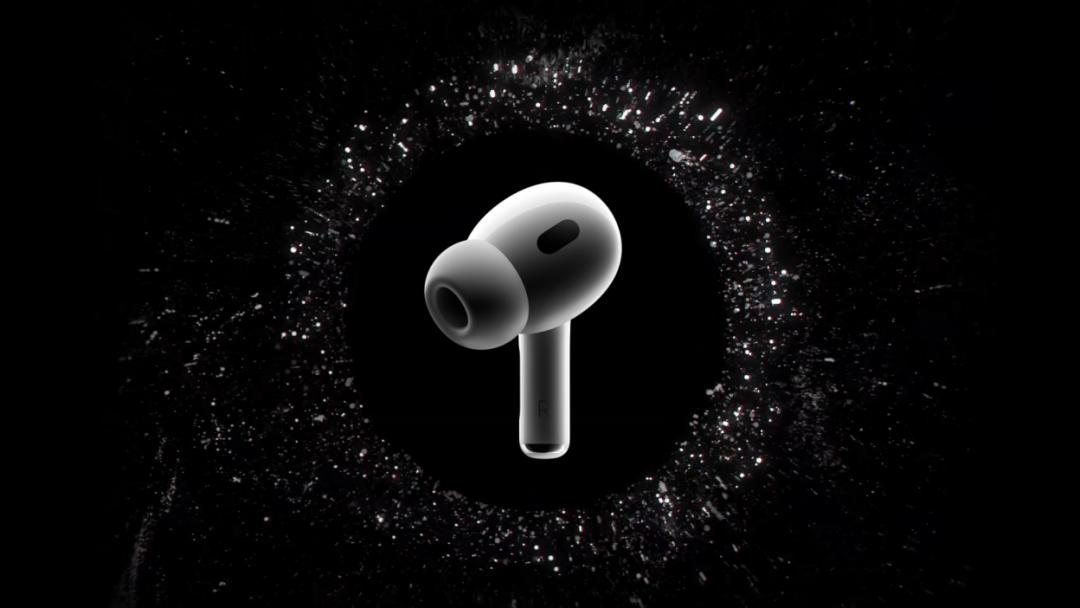
This camera is not designed for taking photos, but to let Siri know which building, menu, or object you are looking at. You don't need to take out your phone, and it can provide navigation, translation, and recognition services.
In the AI era, the role of cameras is transforming from a recording tool to an environmental perception organ. Manufacturers hope it can stay on, silent, and always present, because only in this way can AI understand the real world the user is in.
That's exactly where the problem lies.
Taking photos with a mobile phone requires taking it out, raising it, and aiming at the target. This set of actions itself is a signal to people around. Unnoticeable devices hide the recording behavior into the most everyday postures. Wearing them and looking at others is almost indistinguishable from normal eye contact.
For the wearer, the more unnoticeable, the more advanced; for bystanders, the more unnoticeable, the more dangerous.

When you cannot tell whether the person opposite you is wearing a pair of myopia glasses or a terminal that is recording, recognizing, and uploading data, the most basic trust in public spaces will be shaken.
Almost every generation of new recording-capable devices has gone through this hurdle.
In 2000, Sharp launched the world's first camera phone J-SH04. Subsequently, secret filming incidents on public transport and in public places began to surge. Japanese carriers and mobile phone manufacturers soon formed an industry self-regulation that lasted for more than 20 years: all mobile phones sold in Japan must have a mandatory shutter sound that cannot be turned off even in silent mode.
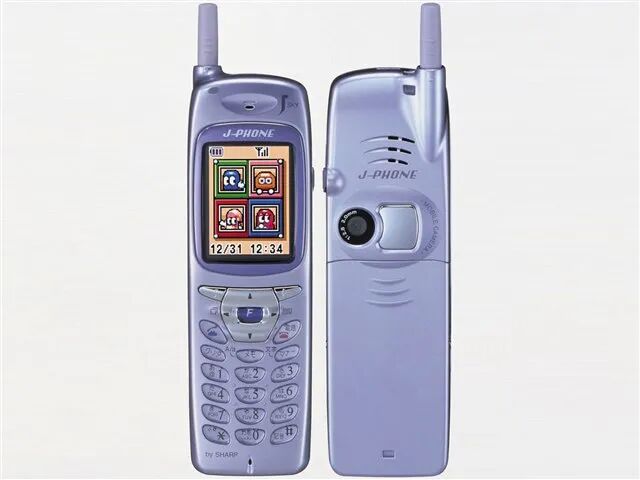
J-SH04
This logic is exactly the same as today's LED light, which uses mandatory sensory prompts to break the covertness of secret filming.
However, the result may not meet expectations. Silent camera apps are rampant, and covert filming devices are becoming increasingly hidden, eventually causing the industry self-regulation to fail.
Google Glass serves as a cautionary tale for smart glasses.
Around 2013, one of the core reasons for Google Glass's retreat was that others could not tell whether the wearer was filming. Bars, cinemas, and casinos banned its entry, and the ironic nickname "Glasshole" has been circulating ever since. Every lesson Meta is learning now is almost a question that Google failed to answer back then.
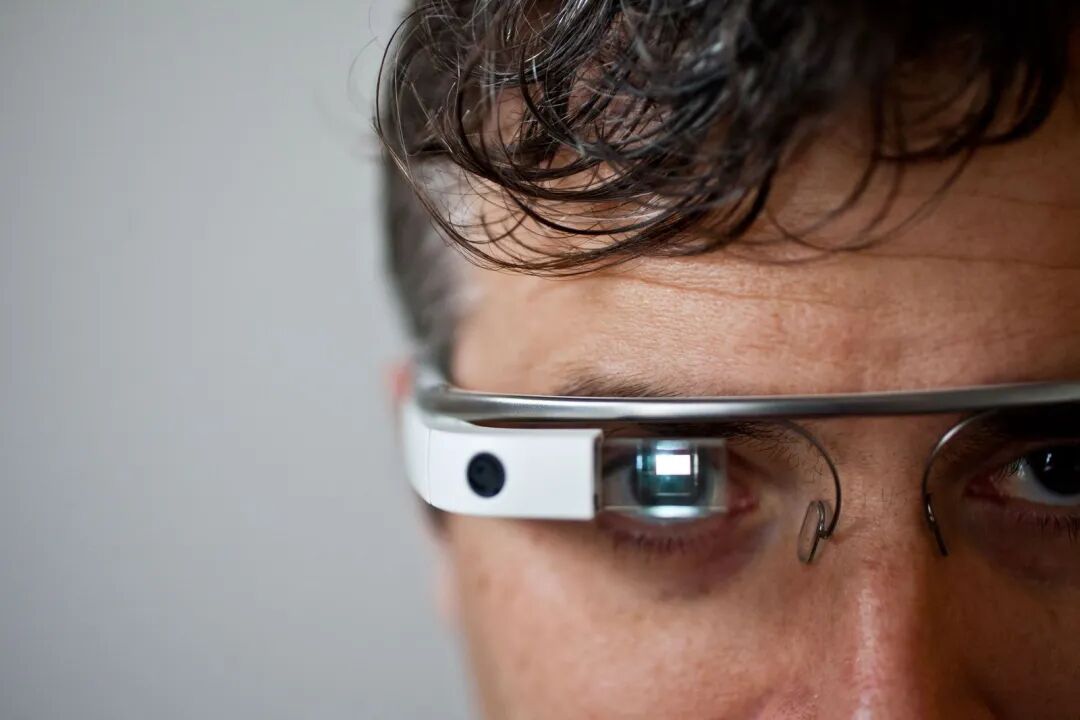
Comparing it with products that also have cameras always on but are accepted by society, the difference becomes clearer.
Dashcams and police body cameras are also continuously filming, but society has drawn clear boundaries for them: there are explicit rules for filming purposes, storage periods, and data access permissions. The trouble with smart glasses is that their scenarios are too daily - streets, subways, cafes, offices. The more daily the scenario, the harder it is to define boundaries.
The World Cup referee's camera is widely praised for the same reason: its filming subjects, purposes, and occasions are clear to audiences