Exclusive Interview with JIN Yuzhi: "Circumstance" and "Boundary" Are Not in Conflict, Jointly Implement the Strategic Positioning of "Electronic Screw"
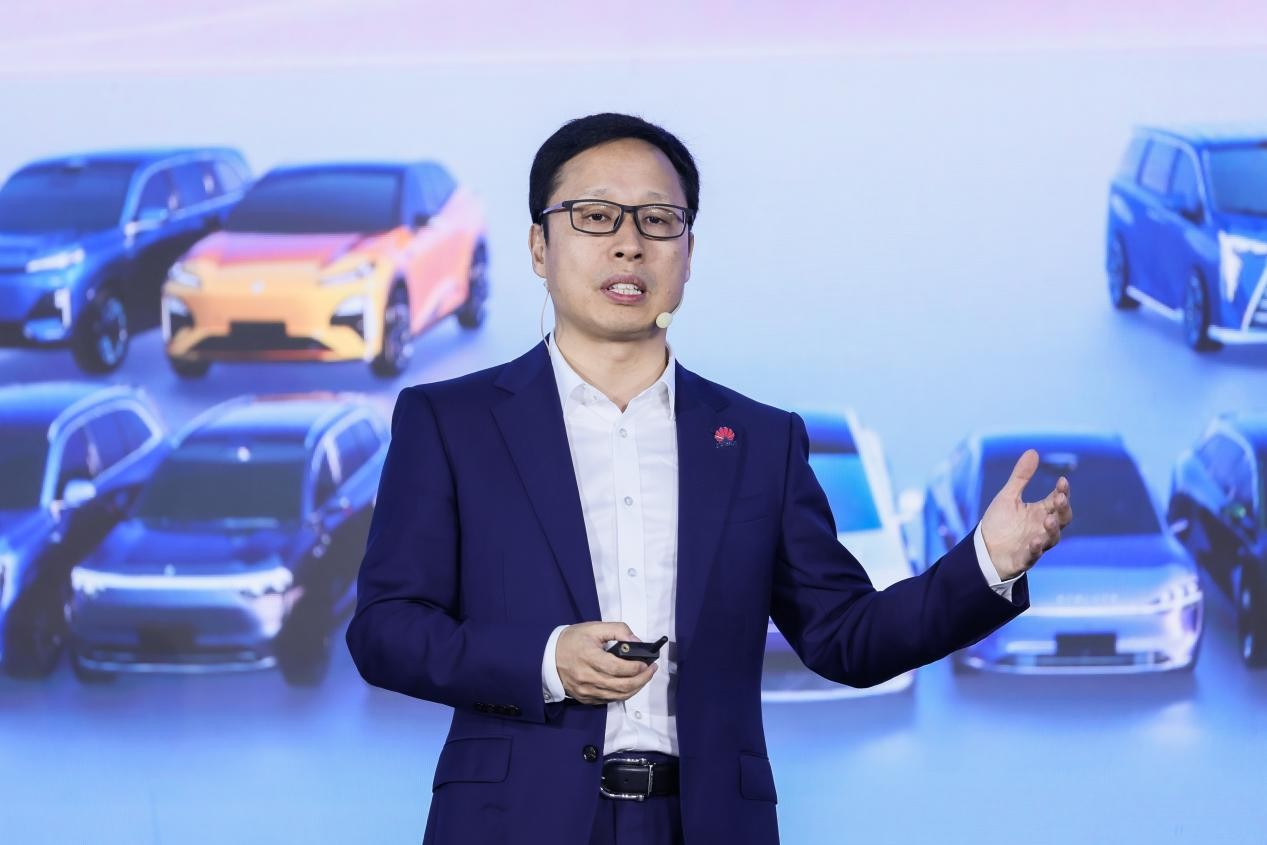
Jin Yuzhi, Senior Vice President of Huawei and CEO of Stelato
Article by | Xiao Man
Edited by | Li Qin, Yang Xuan
Over the past few years, Huawei has consistently emphasized that its sole identity in the automotive industry is that of a "provider of incremental components for intelligent connected vehicles".
Despite repeated emphasis, as its cooperative vehicle models continue to expand, the "Jie" series (referring to the AITO, Luxeed, Zhijie, Zunjie and Shangjie brands within the Harmony Intelligent Mobility Alliance) has been joined by the "Jing" series (including Qijing, Yijing and other brands). Meanwhile, Huawei's Qiankun Intelligent Driving Authorized Experience Centers have opened to consumers, prompting renewed scrutiny of Huawei's role in the automotive industry: Is it purely a supplier, or is it increasingly resembling an automotive brand? What is the relationship between the "Jie" and "Jing" series?
"Our positioning has never changed." In response to public discussions, Jin Yuzhi, Senior Vice President of Huawei and CEO of Stelato, recently reaffirmed during an interview that Stelato remains committed to the strategic positioning of an "electronic screw", avoiding direct competition with complete vehicle manufacturers, assisting automakers in building and selling high-quality vehicles, and making Huawei Qiankun a truly public platform for intelligent transformation in the automotive industry.
Jin Yuzhi joined Huawei in 1998, rising through the ranks from an engineer in the wavelength division domain to President of the Optical Product Line. In 2023, he took on the role of CEO of Huawei's Intelligent Automotive Solutions BU, overseeing the R&D of Huawei Qiankun and its partnerships with automotive manufacturers.
"Complementary rather than competitive" — this is Huawei Qiankun's first public response to the relationship between the "Jie" and "Jing" series, both of which represent full-stack demonstration points built on Huawei Qiankun's public technology foundation.
Within Huawei, a consensus was reached long ago: Harmony Intelligent Mobility Alliance creates demonstration points for vehicles priced above 300,000 RMB, enabling these vehicles to fully deploy Huawei Qiankun's intelligent driving solutions. However, vehicles priced below 300,000 RMB also require their own demonstration points, which is why the "Jing" series was established.
Of course, this does not mean there are no vehicles under 300,000 RMB in the "Jie" series, nor no vehicles above 300,000 RMB in the "Jing" series — a small number of such models may exist. But overall, the positioning is that the "Jie" series focuses primarily on vehicles above 300,000 RMB, while the "Jing" series centers on vehicles below 300,000 RMB. The two are complementary, sharing the same goals and working together to fulfill the "electronic screw" strategic positioning.
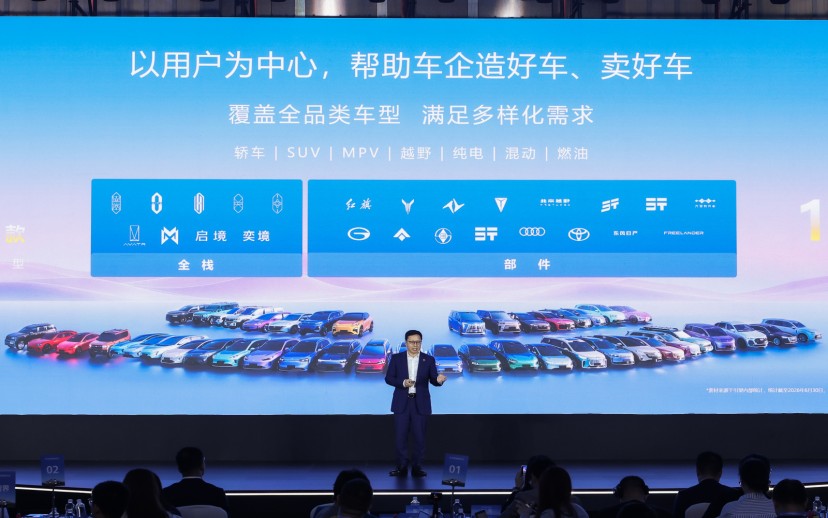
Huawei Qiankun Cooperation Model
As of now, Huawei Qiankun Intelligent Driving has partnered on more than 50 vehicle models. On the roads of China's first-tier cities, many vehicles with distinctive blue indicator lights can already be seen, most of which are equipped with Huawei Qiankun Intelligent Driving systems.
However, the popularization of intelligent driving is still far from sufficient. Huawei Qiankun's research found that less than 10% of domestic users have actually experienced or used assisted driving, and there is a lack of professional, comprehensive, and systematic channels to understand it.
To further popularize intelligent driving, Huawei Qiankun has opened offline stores — Huawei Qiankun Intelligent Driving Authorized Experience Centers. The core purpose is to provide users with a dedicated space for unified function explanations, knowledge training, and real-vehicle experiences, allowing users to understand what assisted driving is and how to use it correctly in real-world scenarios.
Currently, Qijing is the first brand to settle in the Huawei Qiankun Intelligent Driving Authorized Experience Centers, with more brands expected to join in the future.
From a macro perspective, the industry's elimination phase is far from over, and the biggest variable of 2026 is approaching — Tesla FSD is officially entering the Chinese market. This means the two most representative global technology routes will face off directly in the same market for the first time: one is the pure vision route that Tesla adheres to, and the other is the multi-sensor fusion perception route that Huawei has long insisted on.
Huawei Qiankun holds an open and welcoming attitude towards FSD entering China. In Jin Yuzhi's view, Huawei Qiankun and Tesla are the two most important enterprises leading the development of the entire industry forward. Although they have different technical understandings, both are moving towards the goal of autonomous driving. "Whichever side achieves it first will be a good thing for humanity."
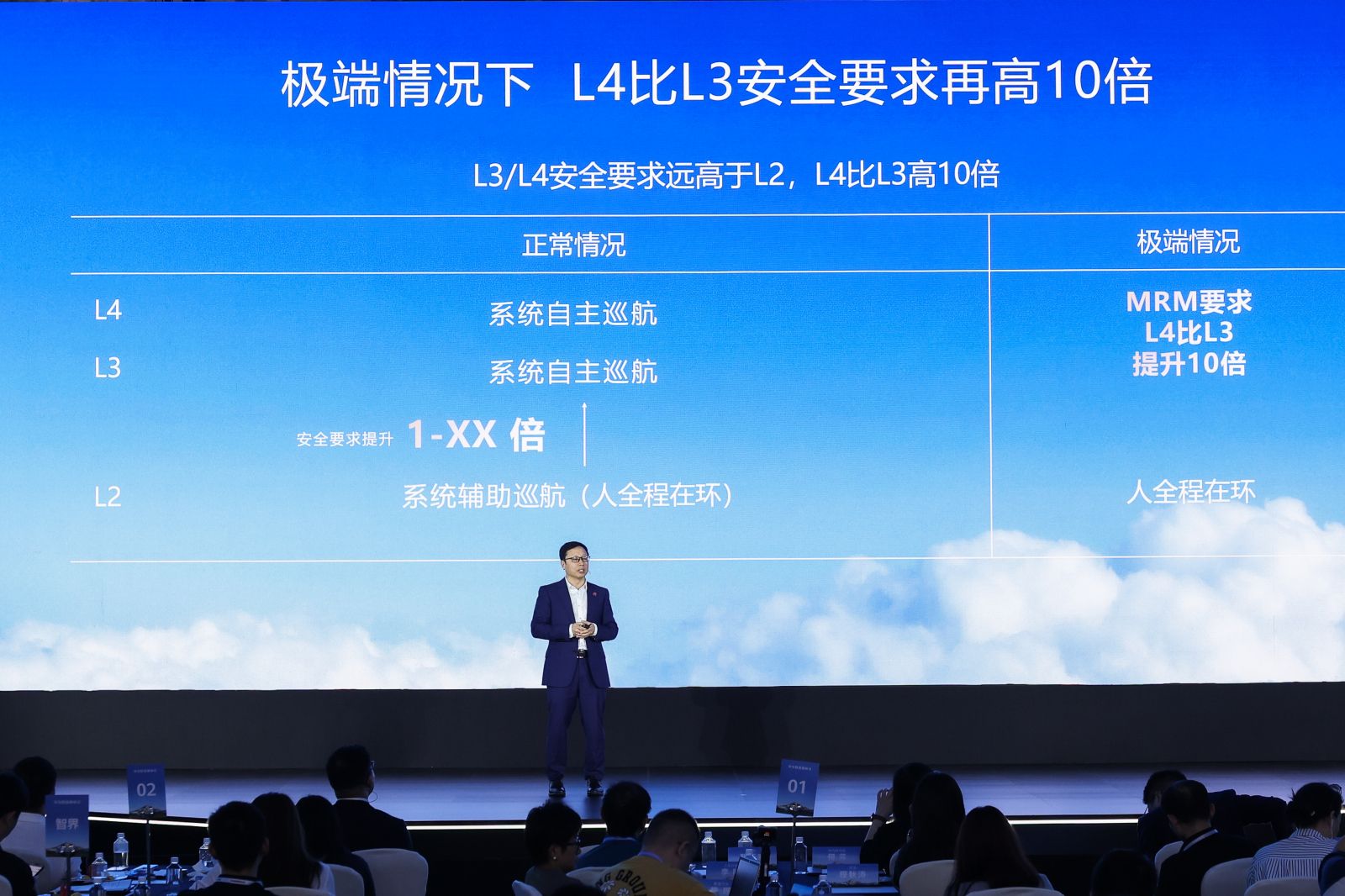
L4 Has 10x Higher Safety Requirements Than L3
The route dispute is only part of the changing landscape, and there is also industry debate over the development pace of autonomous driving. The industry is at a critical stage of breakthroughs in L2+ high-level intelligent assisted driving. Over the past year, the view that "L2 can directly leapfrog L3 to enter L4" has emerged in the industry. But Jin Yuzhi believes that what truly deserves attention is not just the technical level, but also the boundary of responsibility.
"The transition from L2 to L3 and L4 is not simply adding one level, but a tenfold or hundredfold upgrade in safety requirements," he said. During the transition period where regulations are still being improved and user awareness is still being established, L3 cannot be skipped and must be experienced. Whether at L3 or L4, when the vehicle takes over driving authority, the responsible subject shifts from the "human driver" to the "automaker/solution provider", and safety cannot afford any mistakes.
Jin Yuzhi believes that when the industry enters the autonomous driving era, relying solely on integrating products from different suppliers will hardly solve the safety problem properly. Chips, algorithms, operating systems, vehicle control, and cloud training must be vertically integrated, with underlying capabilities deeply interconnected rather than simply assembled.
To build a complete technical system that can assume full responsibility, Huawei Qiankun adheres to the multi-sensor fusion perception route, independently developing key technologies including high-line-count LiDAR, chips, algorithms, vehicle control, operating systems, and cloud platforms.
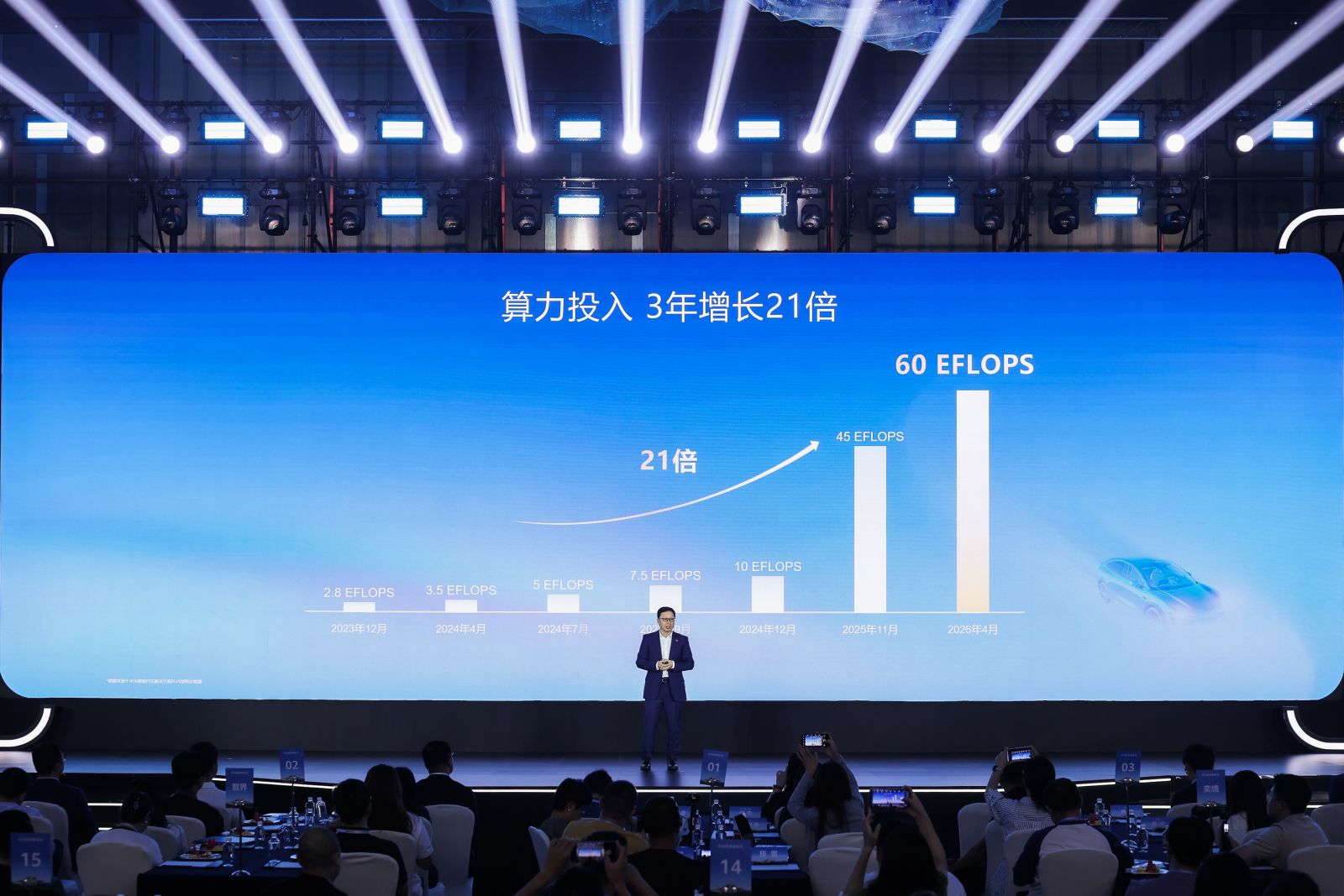
Huawei Qiankun's Computing Power Investment Has Increased 21-Fold in 3 Years
Maintaining such a system requires continuous, massive R&D investment. Jin Yuzhi revealed that Huawei and Stelato have invested over 100 billion RMB in the entire platform. In 2026 alone, Stelato plans to invest 18 billion RMB in R&D — exceeding the total combined R&D spending of all other major suppliers in the industry.
Among all investments, Huawei Qiankun will spend 70-80 billion RMB on computing power alone this year. According to Stelato's internal assessment, at least 700-800 billion RMB more will be required for computing power investment over the next five years.
In Jin Yuzhi's view, strong R&D investment, sufficient safety assurance capabilities, core root technology capabilities, and vertical integration capabilities are the necessary conditions to support Stelato and the Huawei Qiankun brand to survive and thrive amid intensifying competition. They are also the criteria that will truly set players apart as intelligent driving competition enters its next phase.
The following is the edited transcript of the exchange between 36Kr and Jin Yuzhi, Senior Vice President of Huawei and CEO of Stelato:
The "Jie" Series Focuses on Above 300,000 RMB, the "Jing" Series on Below 300,000 RMB
Q: How does Stelato position itself within China's automotive industry chain?
Jin Yuzhi: Our positioning has never changed — we are a provider of incremental components for intelligent connected vehicles. Our strategy is unified and clear: to provide intelligent connected incremental components without conflicting with complete vehicle manufacturers. This strategic positioning has not changed in any way.
Q: Stelato's cooperation model seems to have become more diverse, including the "Jing" and "Jie" series and various complex systems at different levels. What is the relationship between them?
Jin Yuzhi: The "Jing" and "Jie" series are complementary. Some online commentators believe the two conflict, but in reality they do not — a consensus on this was reached within Huawei long ago.
Two years ago, amid pressure from supply chain issues and sanctions, Mr. Yu Chengdong stated in a speech at the China EV 100 Forum: "Our current solution costs are still relatively high, making it challenging to equip vehicles priced below 300,000 RMB with our systems. Only vehicles above 300,000 RMB can afford to use our full solutions." That was Mr. Yu's exact statement at the time, reflecting our actual situation.
Harmony Intelligent Mobility Alliance builds demonstration points for vehicles above 300,000 RMB, enabling these vehicles to deploy our full intelligent solutions. But vehicles priced below 300,000 RMB also need demonstration points, which is why the "Jing" series was created. Of course, this does not mean there are no vehicles under 300,000 RMB in the "Jie" series, or no vehicles above 300,000 RMB in the "Jing" series — a small number of such models may exist.
But overall, the "Jie" series focuses primarily on vehicles above 300,000 RMB, while the "Jing" series centers on vehicles below 300,000 RMB. The two are complementary, working together to achieve the company's strategy.
In addition, users hope to see more vehicle models equipped with Huawei Qiankun Intelligent Driving available on the market. From the user's perspective, this approach achieves technology inclusion, allowing more users to experience truly safe and intelligent driving.
China's passenger vehicle market exceeds 20 million units annually, which is large enough to support Huawei Qiankun needing both the "Jie" and "Jing" series, plus more automotive partners to adopt Huawei Qiankun's intelligent solutions. This will provide users with a richer, wider selection of vehicles equipped with Huawei Qiankun's systems tailored to different market segments. Through this approach, we will help automakers build and sell good vehicles, making Huawei Qiankun a truly public platform for automotive industry intelligence, and fulfilling the company's "electronic screw" strategic positioning for us.
Q: Will this "screw" be used in more "Jing" or "Jie" vehicles in the future?
Jin Yuzhi: In the "Jing" and "Jie" vehicles, Huawei Qiankun's intelligent solutions are fully deployed as full-stack systems, primarily to create demonstration points that show other automotive partners that our solutions can be used in vehicles above 300,000 RMB, below 300,000 RMB, and across all price segments.
Partners can choose to deploy our full-stack solution, or two, three, or even a single intelligent solution. The core goal remains fulfilling the "electronic screw" strategic positioning — these are just different paths and methods to achieve that strategy.
Q: This year, multiple offline Qiankun Intelligent Driving stores have opened. What does this represent, and what are your layout and plans for these stores?
Jin Yuzhi: Currently, the penetration rate of L2 assisted driving is close to 70%, with functions improving rapidly. All assisted driving systems in the industry are classified as L2, but in reality, their performance levels vary greatly.
In addition, our research revealed a problem: less than 10% of domestic users have actually experienced or used assisted driving. Most users have inaccurate understanding of assisted driving, do not dare to use it, and do not know how to use it, while lacking professional, comprehensive, and systematic channels to learn about it. This creates hidden safety risks for users' travel, and is not conducive to the long-term healthy development of the industry.
Our original intention for opening Qiankun Intelligent Driving stores is to popularize assisted driving to the general public, providing users with unified function explanations, knowledge training, and real-vehicle experiences. This allows users to understand what assisted driving is and how to use it correctly in real scenarios.
Currently, Qijing is the first vehicle brand to settle in the Huawei Qiankun Intelligent Driving Experience Centers, with more brands expected to join in the future. As more people learn to use assisted driving correctly, the entire industry can progress from L2 to L3 and then to L4.
We Have Different Technical Understandings, But Still Welcome FSD to Enter China
Q: The recent entry of FSD into China has been widely discussed. I heard you previously voted in favor of it. What is your view on FSD entering China? This also involves the comparison between the pure vision and multi-sensor fusion perception routes.
Jin Yuzhi: Whether in public or private settings, our attitude towards FSD entering China has always been welcoming.
Tesla FSD is developed for autonomous driving. Just like Huawei Qiankun Intelligent Driving, we are both working towards the ultimate goal of real autonomous driving, and are the two most important enterprises leading the entire industry forward.
We just have different understandings of the technologies we adopt. Tesla uses pure vision, while we use multi-sensor fusion perception. That's perfectly fine — we are all moving towards the goal of autonomous driving, and whichever side achieves it first will be a good thing for humanity.
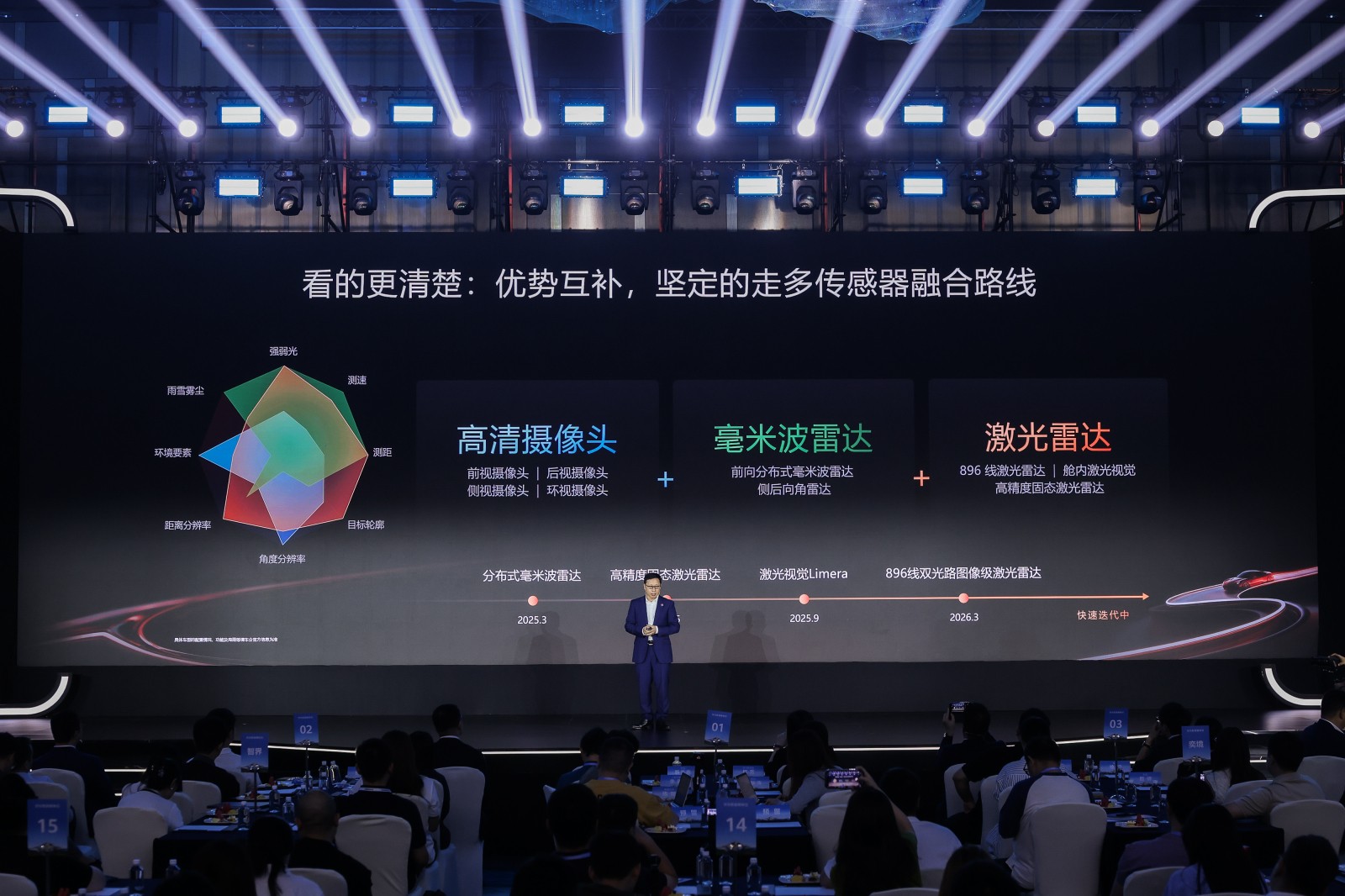
Jin Yuzhi Explains Why the Multi-Sensor Fusion Solution Is Adopted
Q: How do you evaluate the future development of the pure vision route and the multi-sensor fusion perception route?
Jin Yuzhi: In our view, pure vision simulates the human eye, with the goal of achieving driving performance "close to humans". The multi-sensor fusion solution, however, aims to "surpass humans".