Nubia, Step Innovation, Honor: Who is Defining the AI Smartphone?
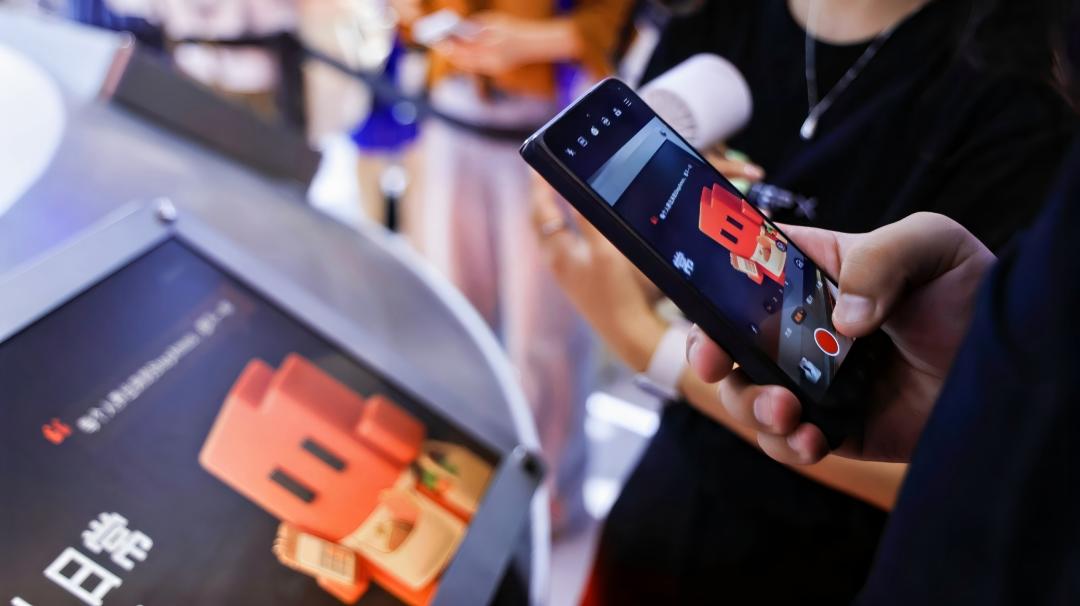
The most crowded booths at WAIC 2026, apart from those showcasing robots, are dedicated to AI phones. On July 17, three AI Agent phones made their debut at WAIC.
The booth for the nubia NaviX Ultra is located in Hall H2 of the World Expo Center. With its four distinct color options and an orange AI button on the body, the device is highly recognizable, though visitors cannot pick it up for hands-on experience, and no live demonstrations are available. The previous generation M153, however, is open for direct hands-on trials, featuring functions such as food delivery ordering, shopping, and AI photo editing.
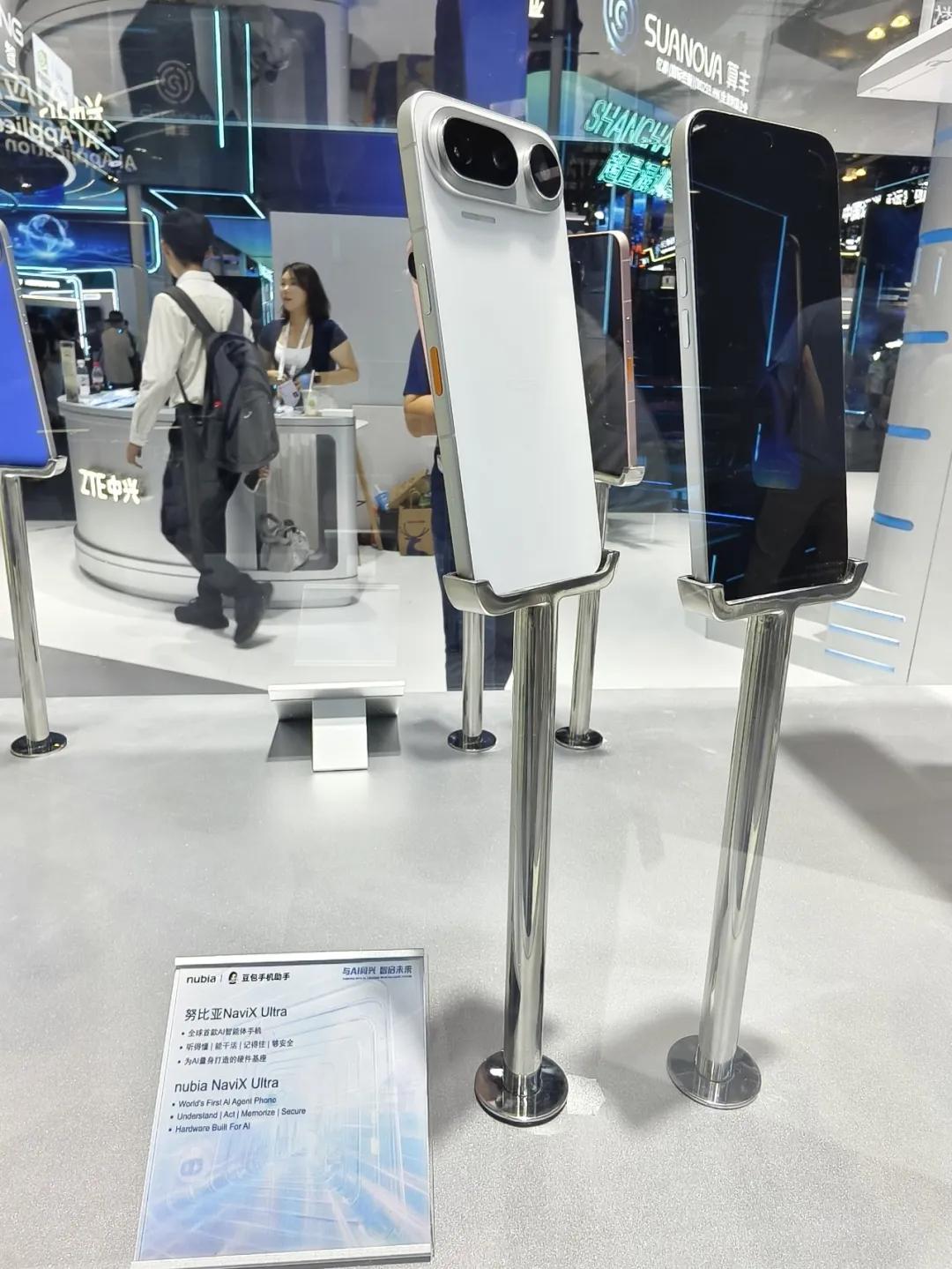
nubia NaviX Ultra Source / Photo by "Focus One"
The STEPX Neo from Stepfun is displayed in Hall H1 of the World Expo Center. "Focus One" observed on site that the experience version has an appearance identical to a regular Android phone. Its interaction method involves waking up the agent via voice, which then dispatches apps to complete tasks, with a confirmation pop-up appearing when payment is involved.
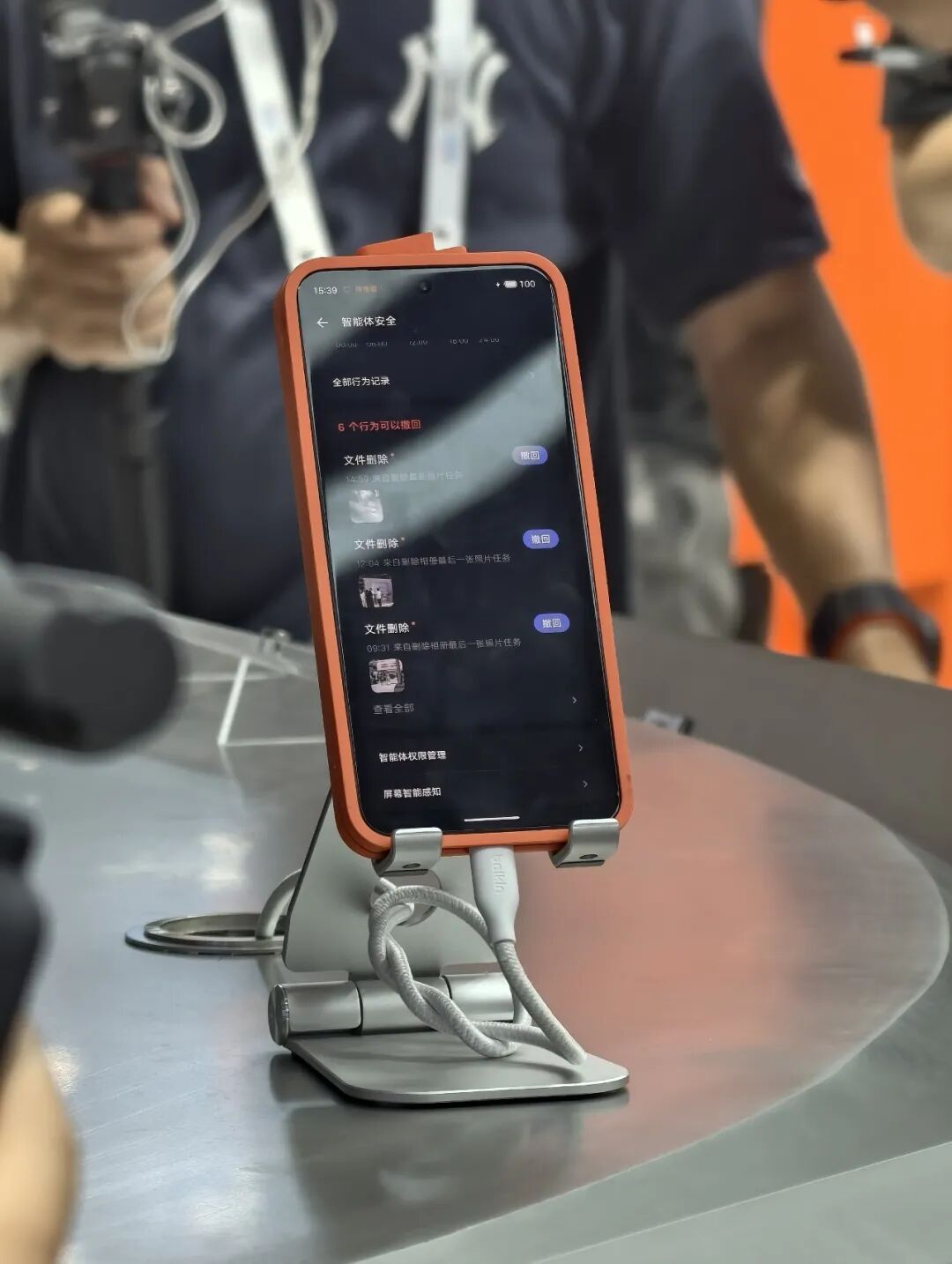
Stepfun STEPX Neo Source / Photo by "Focus One"
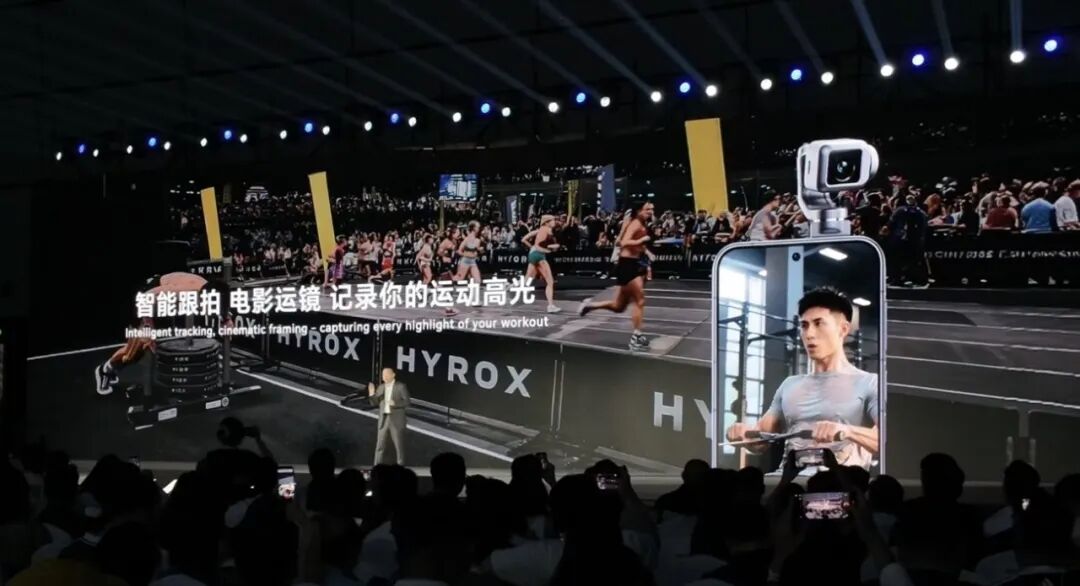
Honor's Robot Phone is exhibited in Area B, Xuhui West Bank. Its signature design is a 4-DOF titanium motorized gimbal. To put it simply, a mechanical cantilever camera module that can rotate 360 degrees freely pops out from the back of the phone, retracts into the body when not in use, and supports automatic subject tracking and shot framing.
Before these three phones were unveiled, a list first drew widespread attention.
On July 15, two days before WAIC kicked off, the Cyberspace Administration of China released the filing information for "on-device generative AI services for mobile phones", covering 7 products: Apple, Huawei, OPPO, vivo, Xiaomi, Samsung, and nubia (ZTE). This marks the first time regulators have announced "on-device mobile AI" as a separate independent category. The timing of this release is seen as paving the way in advance for the large-scale adoption of AI Agents. Notably, Honor and Stepfun are not included on the list.
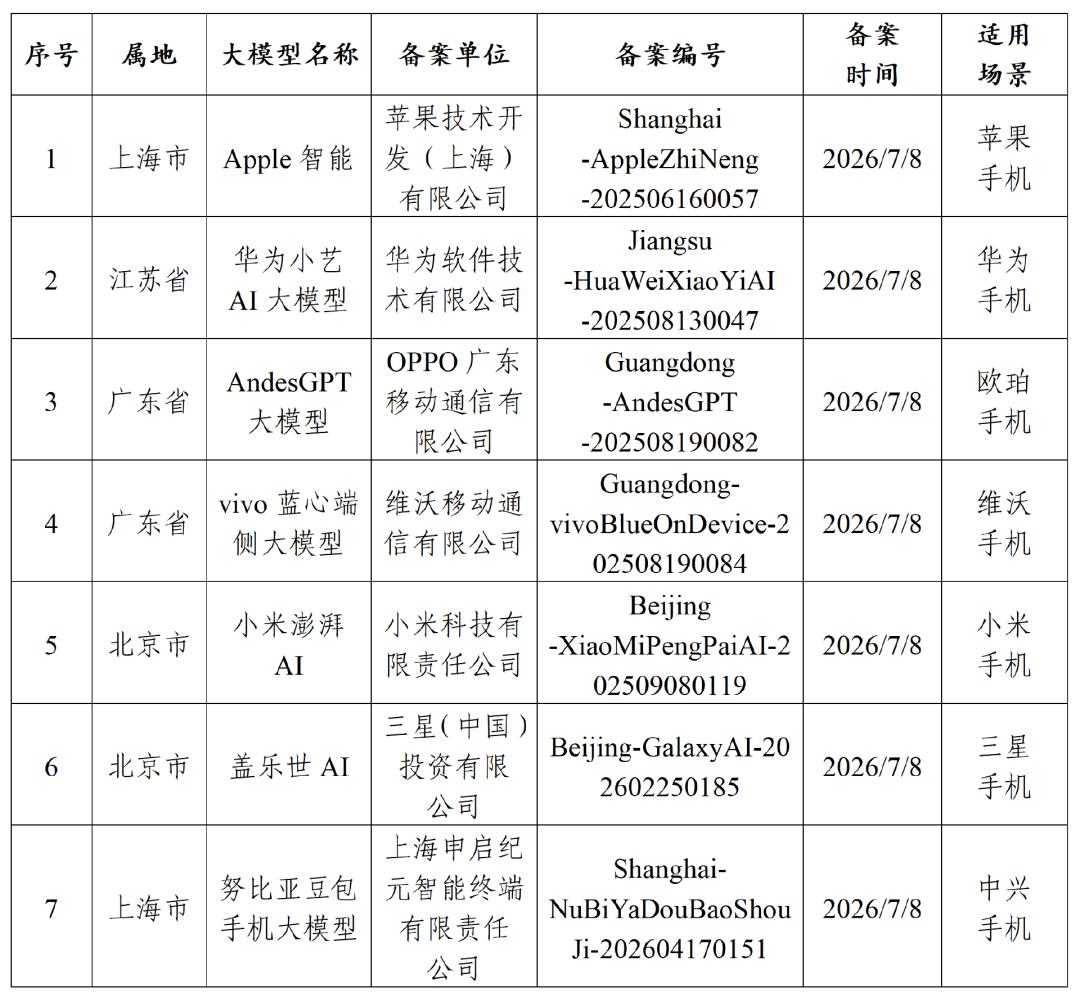
Filing Information for "On-Device Generative AI Services for Mobile Phones"
Since Honor first called out "Your First AI Phone" back in 2017, AI phones have finally embarked on a path of healthy development. According to industry insiders' analysis shared with "Focus One", 2026 marks the first time four critical conditions — on-device computing power, model capabilities, regulatory clarity, and market demand — have all aligned simultaneously. The three distinct approaches — MCP/A2A (nubia), system-level Agent OS (Stepfun), and physical form reimagining (Honor) — follow different paths but share the same ultimate goal.
The market is also waiting to see tangible results. IDC data shows that global mobile phone shipments reached 277.5 million units in Q2 2026, down 6.7% year-on-year; shipments in the Chinese market stood at 66.01 million units, a 4.3% year-on-year decline, marking the fifth consecutive quarter of drops. The entire industry is in urgent need of a new compelling narrative to drive device replacement, and AI Agent is seen as the most promising candidate.
WAIC serves as the first collective review of this ongoing competition.
01. Three AI Phones, Targeting the Application Layer, System Layer, and Perception Layer Respectively
The three AI Agent phones showcased at WAIC take different routes: some start by integrating inter-app connectivity, others rebuild the entire operating system, and the rest directly reimagine the physical form of the device.
The collaboration between ByteDance and ZTE has made the fastest progress, but also encountered the earliest setbacks.
The first-generation M153 launched last December sold out its 30,000 units quickly. However, its GUI (Graphical User Interface) approach touched on the interests and privacy red lines of various apps, resulting in restricted AI operation permissions.
Half a year later, the second-generation NaviX Ultra adopted a new strategic direction.
According to official statements, the second generation uses MCP and A2A protocols to enable direct low-level interconnection between the AI of the phone system and the built-in agents of apps like Meituan and Alipay, abandoning the previous "simulated click" approach. This architecture is supported by on-device computing, with all core reasoning processes completed locally. Industry chain sources reveal that it is equipped with a Qualcomm Snapdragon processor, a 6000mAh battery, and 90W fast charging. These hardware specifications indirectly confirm that running agent models locally does impose significant demands on computing power and power consumption.
However, the essence of "AI handling tasks on your behalf" is to reduce the frequency of users opening apps and the time they spend within them, which directly impacts the click-through rate of app splash-screen ads and overall ad revenue. Therefore, how far this approach can go depends on whether mobile phone manufacturers, model companies, and internet platforms can negotiate a sustainable profit distribution model.
In comparison, Stepfun's approach goes deeper to the underlying layer: building an entirely independent operating system from scratch, designed to operate around the needs of agents.
On July 13, ahead of WAIC, Stepfun launched the Step AOS agent-native operating system, its built-in agent Stepfun Amoo, and officially announced its first phone, the STEPX Neo. Yin Qi, Chairman of Stepfun, used a metaphor: if you only open a door for an agent on an old system, it will always be a "guest"; but if you build a dedicated house for it, it can become a true "native resident". The official launch of this phone is scheduled for late October.
Step AOS has implemented three key low-level optimizations: unified scheduling of chip computing power, organizing scattered user data into a format readable by AI, and breaking down core phone capabilities such as making calls and opening apps into minimal modular components that agents can freely combine and invoke like building blocks.
The difference between the two approaches can be illustrated with a simple example. nubia's method is equivalent to "equipping the assistant with a dedicated internal phone line connected to the backend of each app", allowing the assistant to communicate with each app one by one. Stepfun's approach, however, is "giving the assistant a master key that lets it directly access the backend to call the interfaces of various services". Its agents connect to partners including Ctrip, Alipay, Didi, and Meituan through standardized protocols. Tasks such as information query, price comparison, and workflow orchestration are all handled by the agent, while the payment step still requires user confirmation.
System-level restructuring solves the issues of permissions and scheduling, but building a complete partner ecosystem takes time. WeChat is notably absent from Stepfun's initial list of ecological partners, and Yin Qi stated in an interview that "there have been very in-depth discussions with Tencent".
Honor's most distinctive feature lies in its physical design. Its Robot Phone incorporates a retractable 4-DOF titanium motorized gimbal that pops out in 0.8 seconds and supports 360-degree object tracking. The agents of the first two companies operate on apps in the digital world, while Honor aims to enable agents to perceive and interact with the physical world.
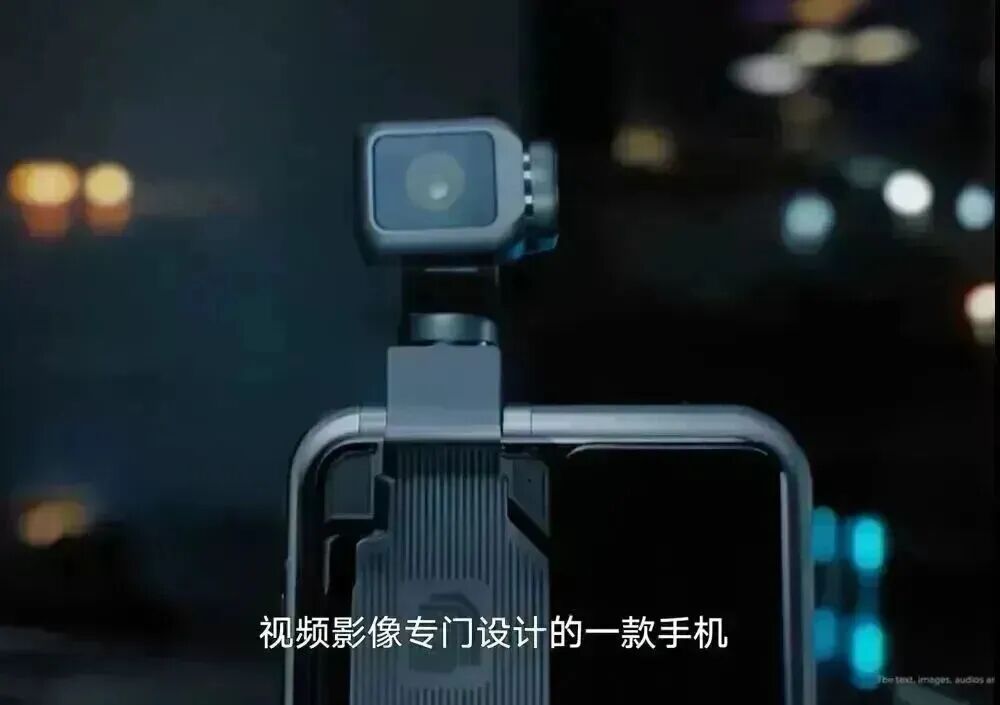
Honor's Robot Phone
How is this achieved in practice? Honor implements multimodal perception: voice, gestures, eye movements, and physical actions can all serve as input signals. The motorized gimbal acts as a sensor carrier, endowing the phone with positioning and tracking capabilities in physical space. The system is powered by the Magic agent large model matrix co-developed by Honor and Alibaba: a general large model understands user intent, while multiple vertical models separately handle tasks such as image processing, voice recognition, and motion control. Based on this, the Agent can automatically track subjects and adjust framing, and devices including phones, tablets, and smartwatches can work in collaboration.
Honor CEO Li Jun has confirmed that the product is ready, and industry chain sources indicate its official launch will be in August.
As a terminal manufacturer, Honor holds full control over hardware design, sensor placement, and system scheduling — advantages that pure model companies do not possess. However, commercial validation for form-factor innovations typically takes a long time, and the cost, yield rate, and durability of the 4-DOF motorized gimbal all require real-world market testing.
The three approaches essentially address problems at different layers. nubia breaks down barriers at the application layer, Stepfun restructures scheduling at the system layer, and Honor expands perceptual capabilities through innovative physical forms. But a complete, high-quality AI Agent phone experience requires all three layers to function in tandem. The player that first establishes a solid foothold in its core strength, then complements it with the other two layers, will be qualified to define this entire product category.
02. This Round, AI Phones Are Getting an Upgraded "Brain" and "Eyes"
Whether a phone can truly handle tasks on your behalf depends on how well it understands your instructions, how many tasks it can successfully complete, how much context it can remember, and how secure its operations are. Ni Fei, President of nubia, summarized this as "understanding clearly, being capable of getting things done, retaining memories reliably, and ensuring sufficient security" — a perfect set of criteria for evaluating this new generation of AI phones.
The ideal state for an AI phone to "understand clearly" is to simultaneously perceive the world through visual inputs, auditory signals, and intuitively grasp user intent, just like a human. During Stepfun's press conference, an example was shared: in the past, to edit a photo you had to go through multiple steps to enable skin smoothing, eye enlargement, and face slimming. Now, you can simply open the photo, draw a circle on the area you are not satisfied with, and say "make the eyes bigger". The circular drawing action is captured by the visual module, the voice command is parsed by the language model, and the two signals are fused into a single unified intent in the system, completing the entire task in one step.
Looking at the bigger picture, from keyboards to graphical interfaces to multi-touch, the efficiency of human-computer interaction has been continuously improving. The essence of every major upgrade is to reduce the amount of input required from the user, while enabling the machine to deliver more output.
After "understanding", the next hurdle is "being capable of completing tasks". The previous generation of Doubao phones adopted a "simulated click" approach, where the AI would open apps one by one in the background, locate buttons, and fill in information. However, if the app's interface was updated or pop-up windows changed positions, the entire task chain would easily break.
The key shift in this new generation lies in the transformation of industry collaboration models: Stepfun breaks down functions such as ticket booking, navigation, and payment into invocable interfaces; WeChat has partnered with multiple mobile phone manufacturers to launch the A2A protocol, allowing mobile AI assistants to directly call app functions. Applying this logic to phones means you can say "help me arrange a business trip to Shanghai next week to meet clients, and make sure I don't have to wake up early". The agent will handle all subsequent tasks in the background, including accessing your calendar, checking the weather, and booking flights and hotels. You only need to verify the final results, without worrying about the complex intermediate processes.
However, for a 5-step cross-app task, if each step has a 90% success rate — which seems quite high — the overall success rate will drop to only 59%. There are many reasons for failures, but one core issue is that the system cannot remember your preferences and usage context. This is the critical distinction between a "genuine agent" and a "pseudo-agent", which leads us to the third evaluation criterion: the ability to "retain memories reliably".
The memory capabilities of the previous generation were very basic, essentially limited to storing isolated individual facts. Stepfun's solution is "dual-domain memory": the user domain stores information about you, including your habits, preferences, and historical behaviors; the agent domain stores the AI's own accumulated experience, such as the best booking time for a specific destination, or what style of presentation best fits your requirements when organizing a PPT.
Stepfun is not the only player working in this direction. Li Xiangdong, an AI product expert for Honor MagicOS, has repeatedly mentioned "personalized global memory", and vivo's Xiao V Memory 2.0 is also developing an on-device offline knowledge graph. When you say "help me buy a cup of coffee", the system needs to know that you usually order a medium iced oat milk latte from Starbucks, to make the command truly meaningful.
The first three criteria focus on functional capabilities, while the last one — "ensuring sufficient security" — addresses the fundamental bottom line.
The previous generation used an "add-on authorization" mechanism. When high-sensitivity operations such as payment or data deletion were triggered, the automatic workflow would be interrupted, and a pop-up window would prompt the user for manual confirmation. This method was effective, but essentially a makeshift patch. The security design of this generation is far more systematic: before operations, on-device encryption ensures that private data never leaves the local device, and permissions are granted on demand and revoked immediately after use; after operations, every step leaves a complete audit trail, and misoperations can be revoked with one click.
With this reversibility guarantee, users will feel more comfortable granting more permissions, allowing agents to have a much larger scope of action. There are also clear signals at the regulatory level: according to the July 15 announcement from the Cyberspace Administration of China, the on-device generative AI services of seven mobile phone manufacturers have passed the filing review. In the future, unfiled "AI phones" will face potential compliance risks.
Among the four criteria, "understanding clearly" and "retaining memories reliably" are new capabilities unique to this generation. "Being capable of getting things done" is a significant upgrade from the previous generation, and "ensuring sufficient security" is an essential prerequisite for large-scale adoption. The last generation