To grab headlines away from GPT-5.6, Mark Zuckerberg made an unprecedented move by "placing an ad" on his rival's home turf.
Today's international headlines in the AI industry are more intense than usual.
Fresh off the widely praised Grok-4.5, and with the highly anticipated GPT-5.6 looming on the horizon, Meta's Superintelligence Lab (MSI) has just stepped into the spotlight, unexpectedly unveiling its new model, Muse Spark 1.1.
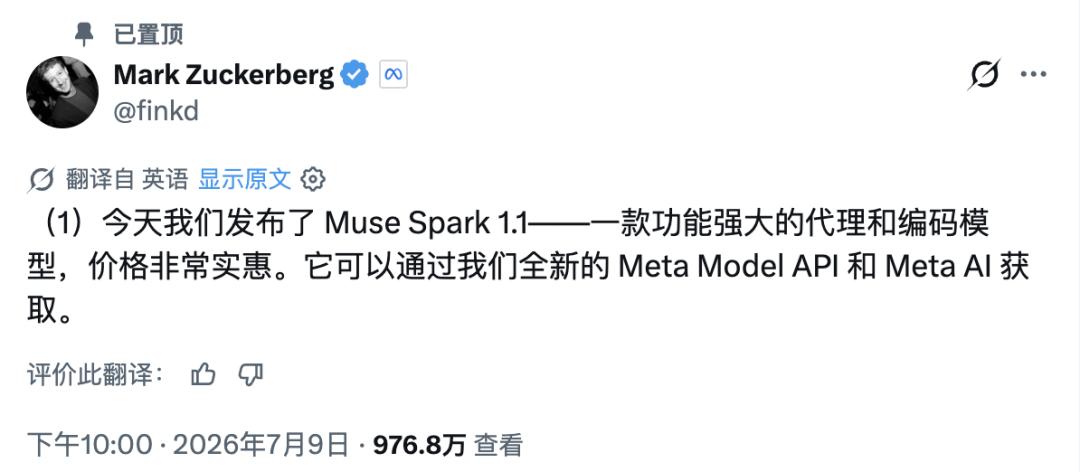
A little-known fact: this promotional post marks the first time he has posted on X in three years, and his previous post before that dates all the way back to 2012.
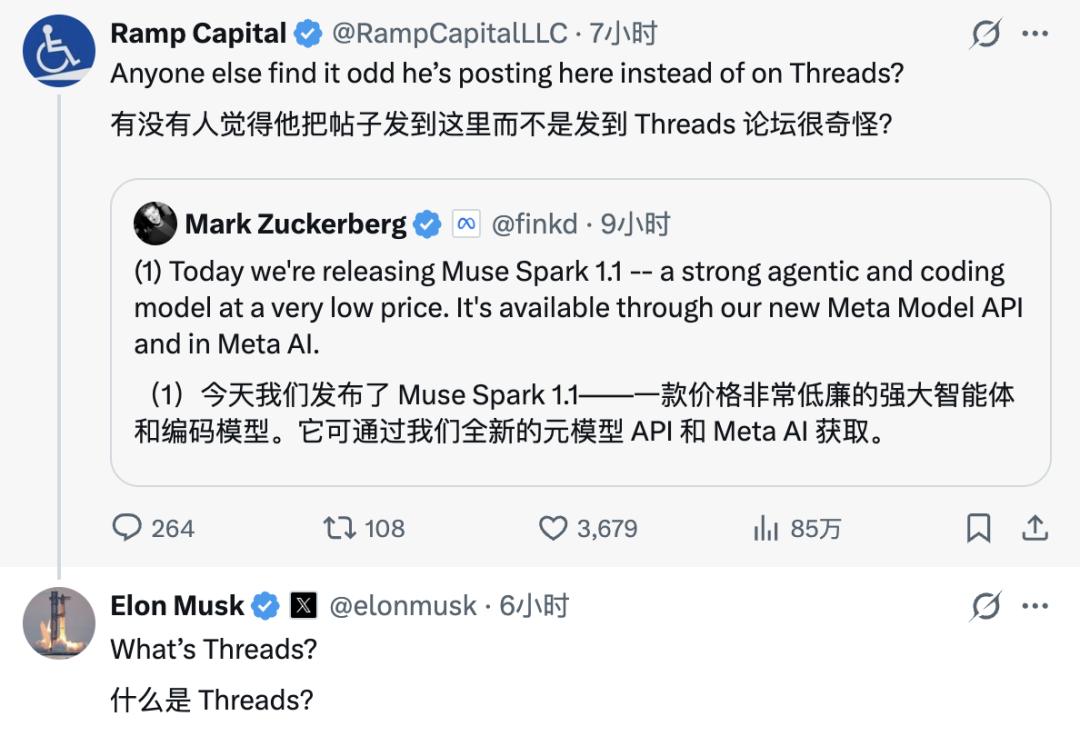
Launching at such a critical moment, Meta's new model certainly needs to bring real, tangible capabilities to the table.
Meta didn't show up empty-handed, delivering two major blockbuster updates at once: Muse Spark 1.1 has received a massive upgrade, and the Meta Model API has simultaneously launched its public beta, giving developers their first chance to directly access this flagship model.
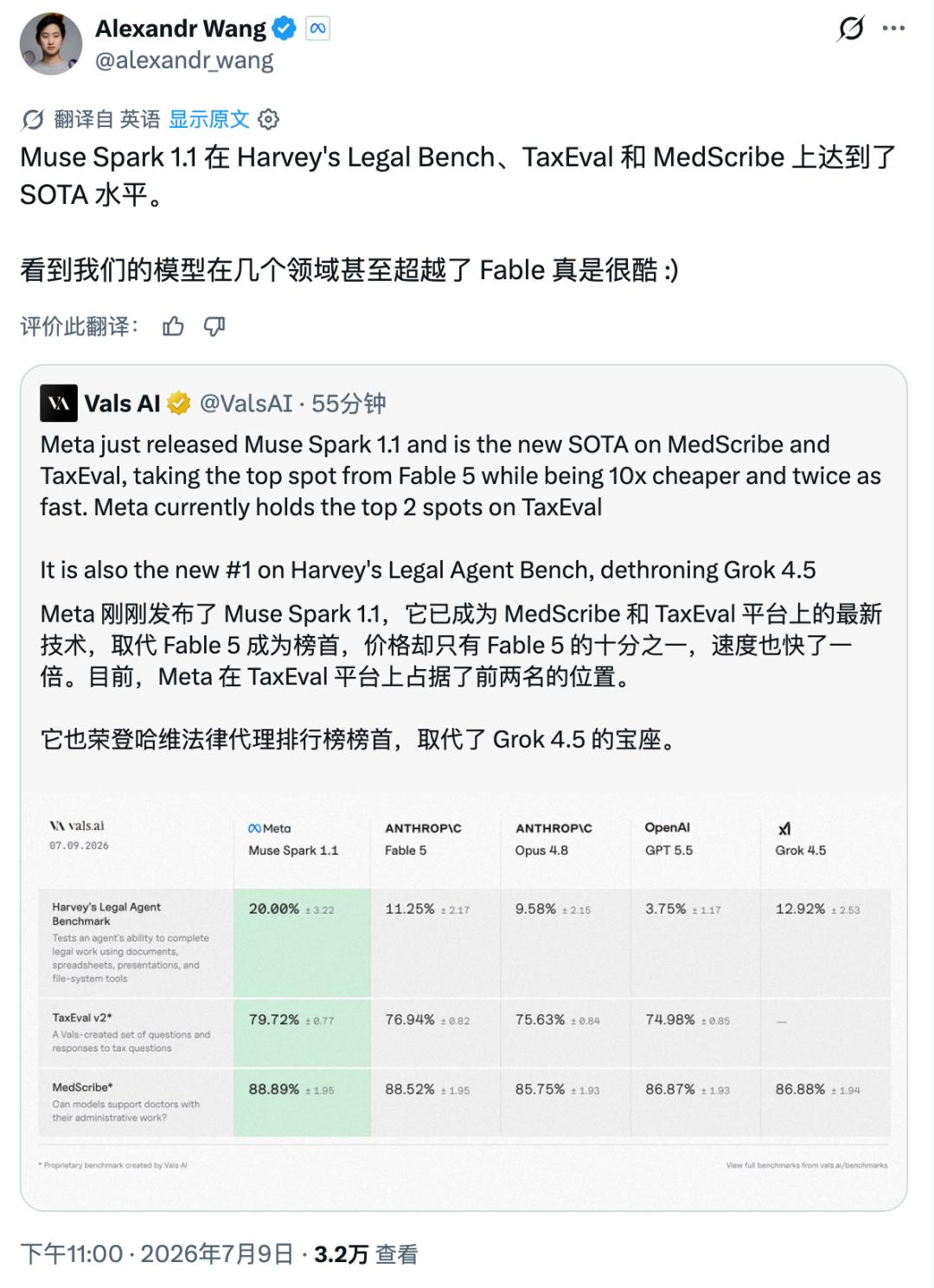
The company that built much of its stellar reputation on open-source models has now officially launched its public API offering. Meta frames this upgrade as "advancing the frontier of performance and efficiency," noting that the simultaneous release of the new model and API brings them one step closer to their vision of "personal superintelligence":
Helping you pursue your goals, bring imagined creations to life, deepen personal connections, and take action on the things that matter most to you.
Core Focus: Orchestrating Sub-Agents Effectively
First, let's look at the highlight of this upgrade: Agent capabilities.
According to Meta, Muse Spark 1.1 is a multimodal reasoning model designed specifically for Agent tasks. Key capabilities including tool calling, computer operation, code generation, and multimodal understanding have all been significantly enhanced.
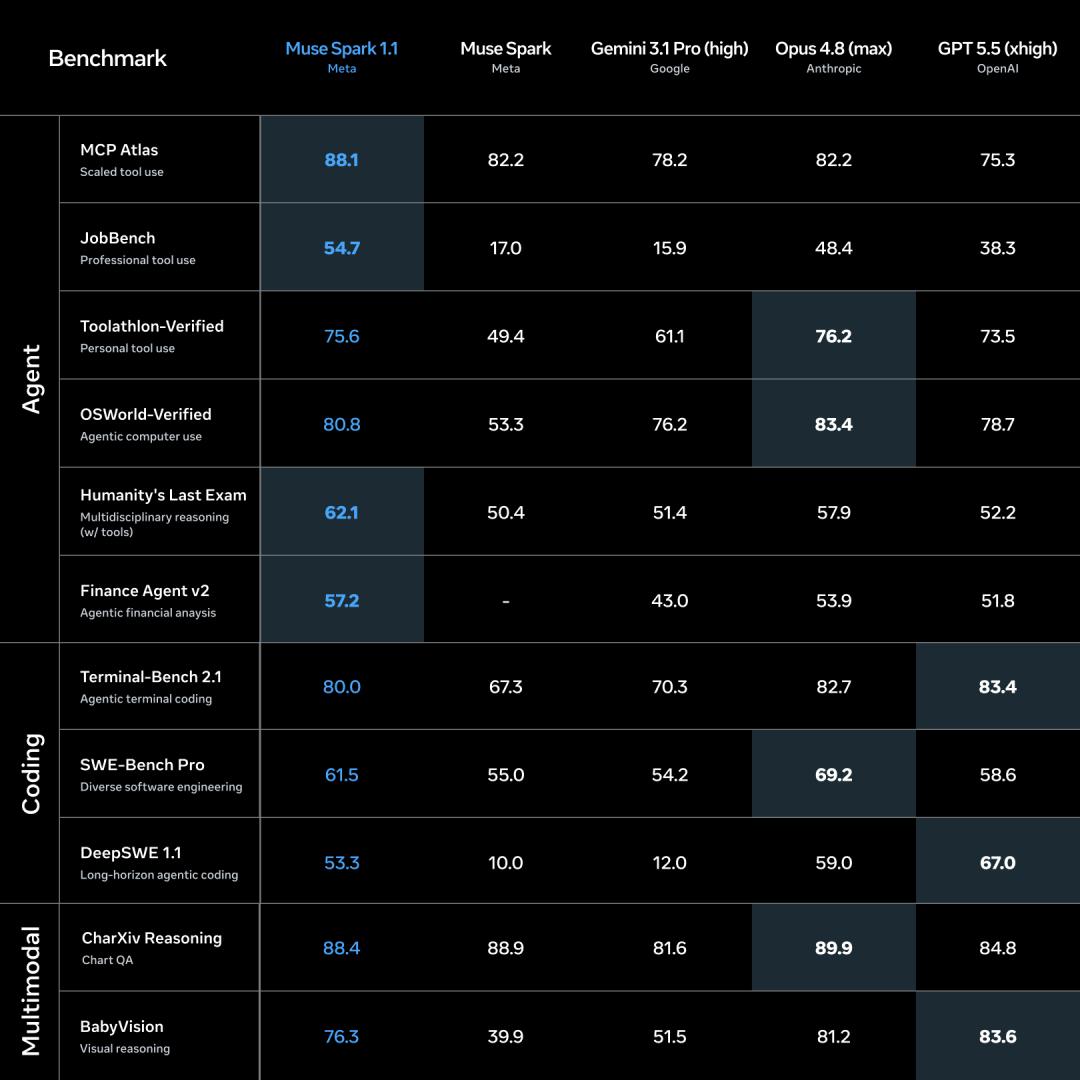
It is specially trained to handle "personal Agent tasks": for example, planning, scheduling, and executing operations across multiple external applications and services. These tasks are typically complicated by long workflows, numerous variables, and scattered information sources, requiring the model to do far more than just answer questions — it must also know how to delegate and arrange work.
The most intriguing feature of Muse Spark 1.1 is that it is trained to act as a "foreman" (task orchestrator).
When receiving a complex task, it operates as the main Agent: collecting context, developing a plan, assigning tasks, and distributing different subtasks to multiple parallel sub-Agents for simultaneous processing, thereby reducing end-to-end execution time.
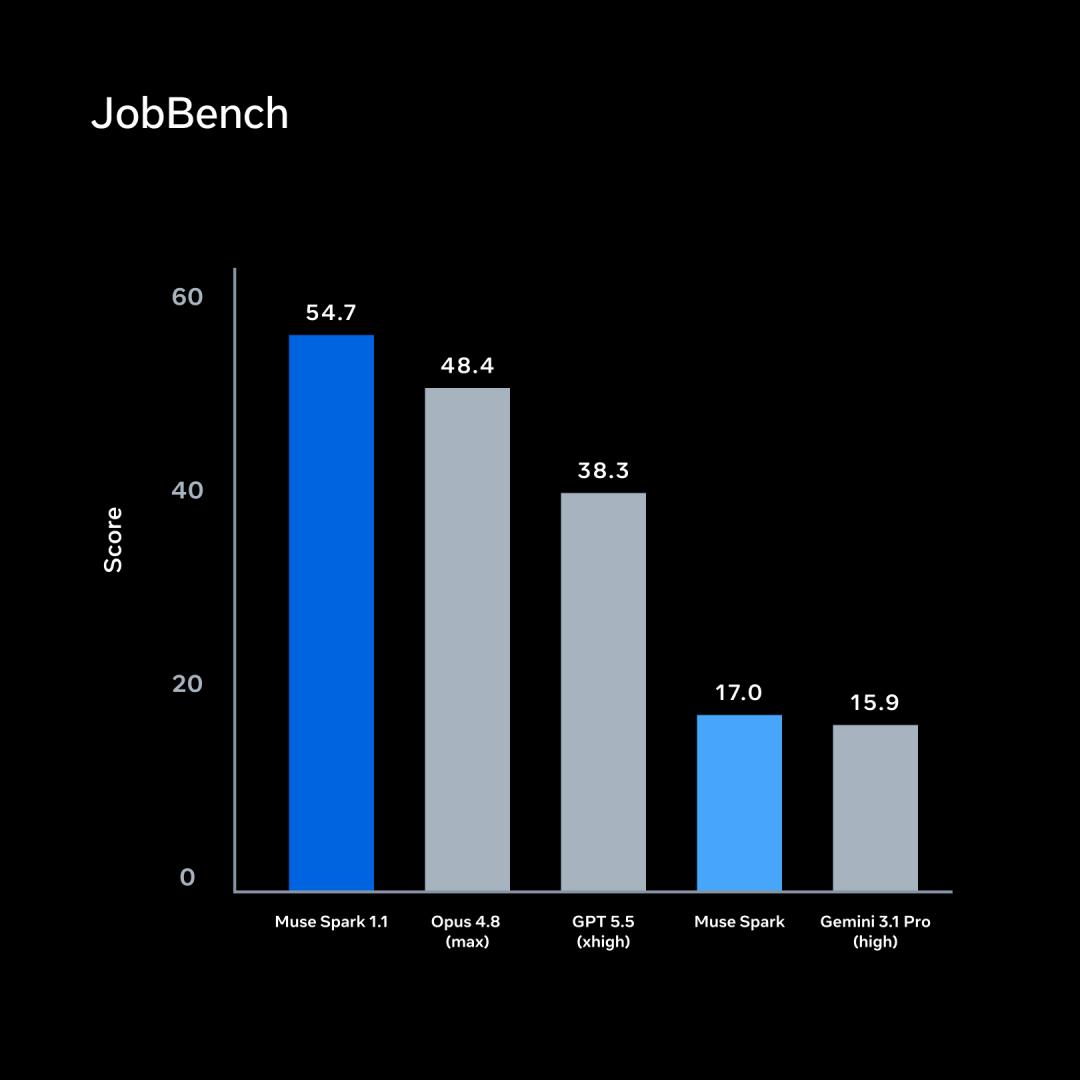
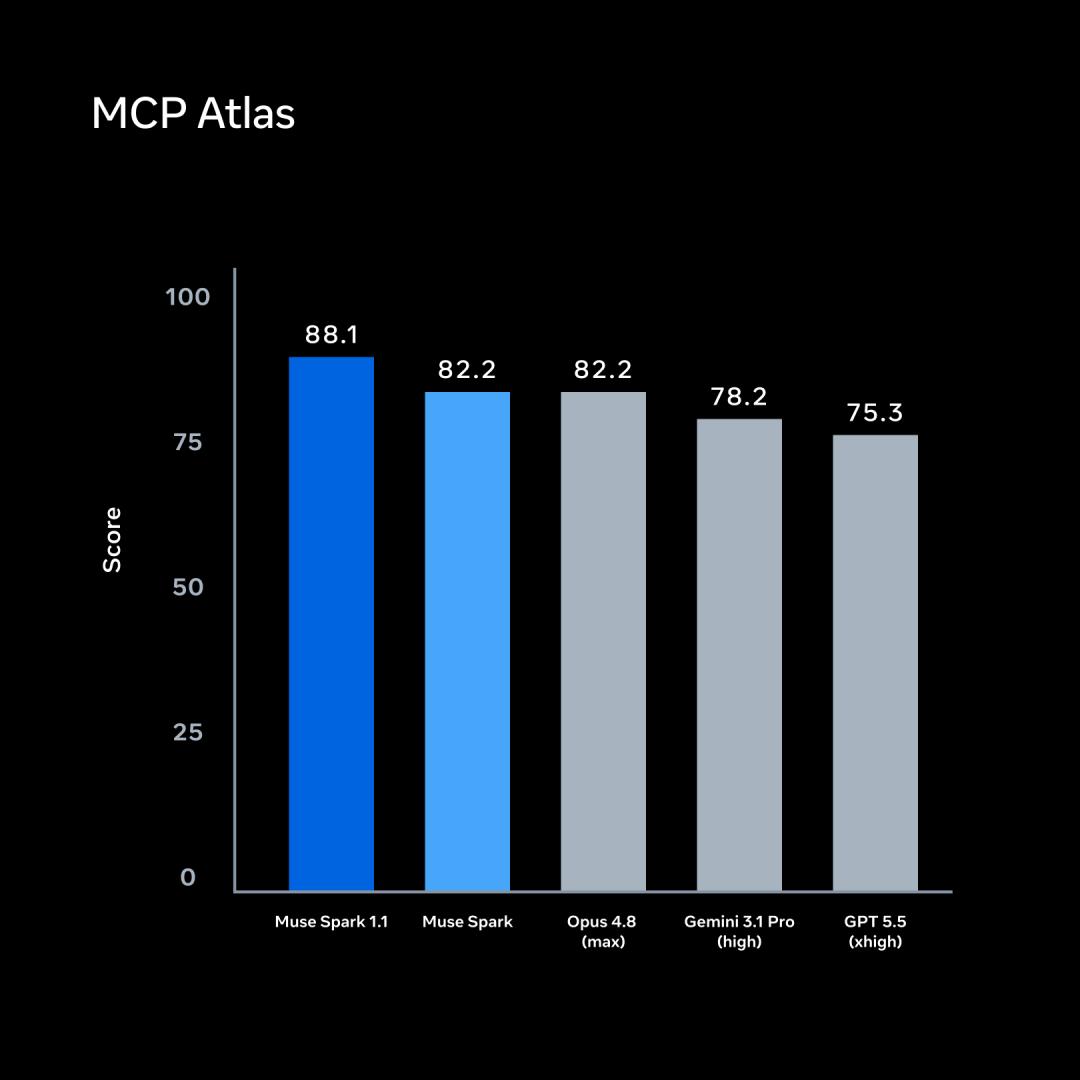
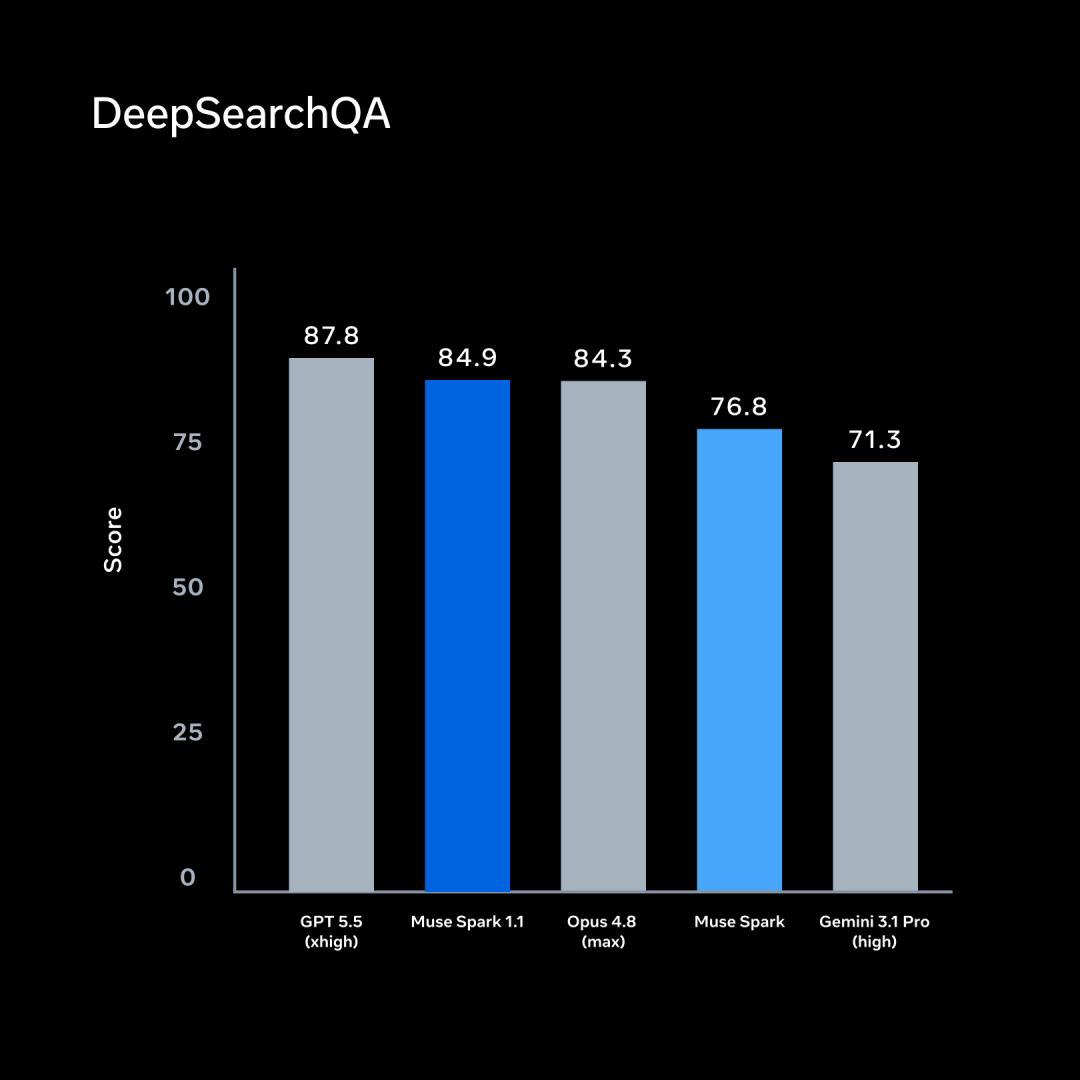
Conversely, when it acts as a sub-Agent itself, it also knows how to cooperate properly: completing the part it is responsible for, recognizing available tools, and promptly reporting when it reaches capability boundaries, rather than proceeding blindly without direction.
The context window has also been expanded to 1 million tokens, and it adopts an active management mechanism. It can not only accommodate more content, but also remember what it has done, retrieve information from long ago, and retain key content required for subsequent steps when compressing context.
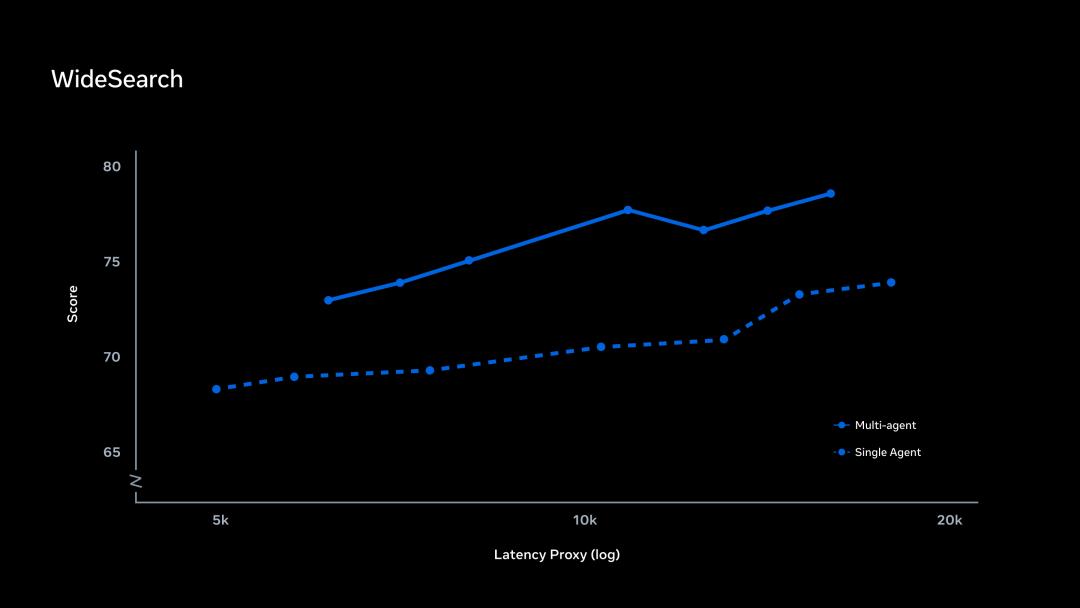
For new, unseen tools, MCP services, and custom skills, Muse Spark 1.1 can also operate directly in zero-shot scenarios.
In terms of Computer Use, Meta has adopted a very pragmatic approach.
In the past, many computer operation Agents had to re-examine the screen, re-reason, and re-click at almost every step, making the entire process frustratingly slow.
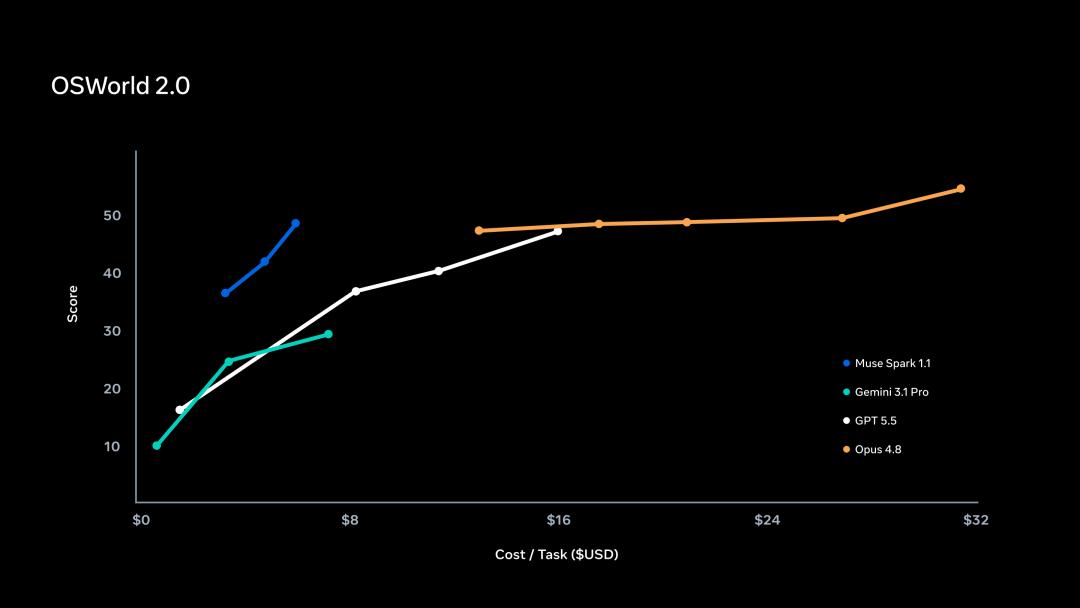
Muse Spark 1.1 has learned to choose the most appropriate method based on the scenario: if writing a script is faster, it will write a script directly; if a few clicks are more convenient, it will operate the interface directly; when batch execution is needed, it can generate multiple steps at once and execute them all in a unified manner.
Meta gave a case study of "organizing a dinner party": when the user temporarily changes conditions during the reservation process, the model independently detects the new situation and adjusts the plan accordingly, without requiring repeated user intervention throughout the process.
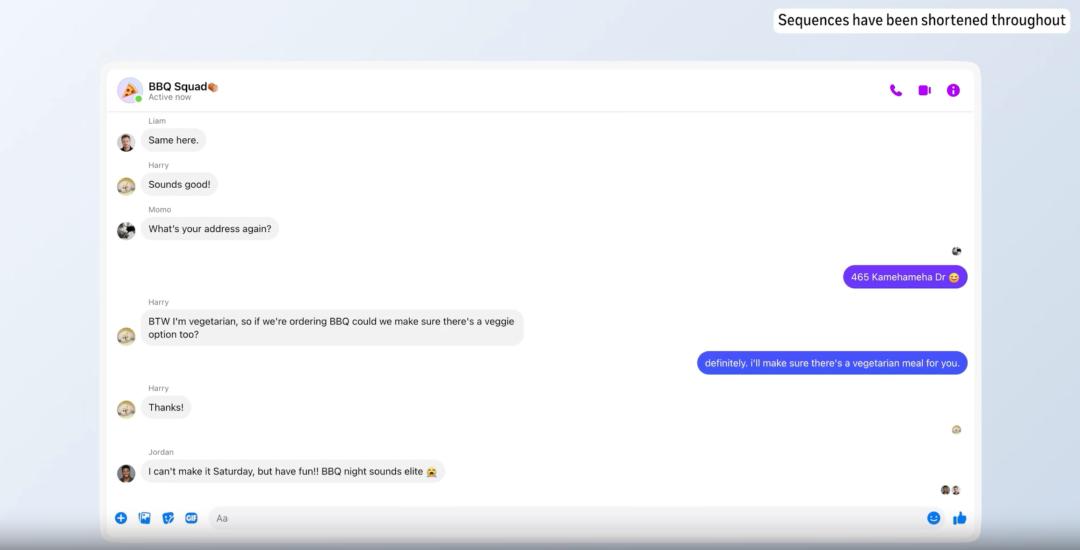
Across cross-application workflows, long processes, and scenarios with continuously changing information — all situations that previously caused most Agents to lose track of context — Muse Spark 1.1 can maintain consistent context awareness. When encountering unfamiliar interfaces, it almost never requires manual step-by-step guidance.
In Coding, It Can Grade Its Own Work
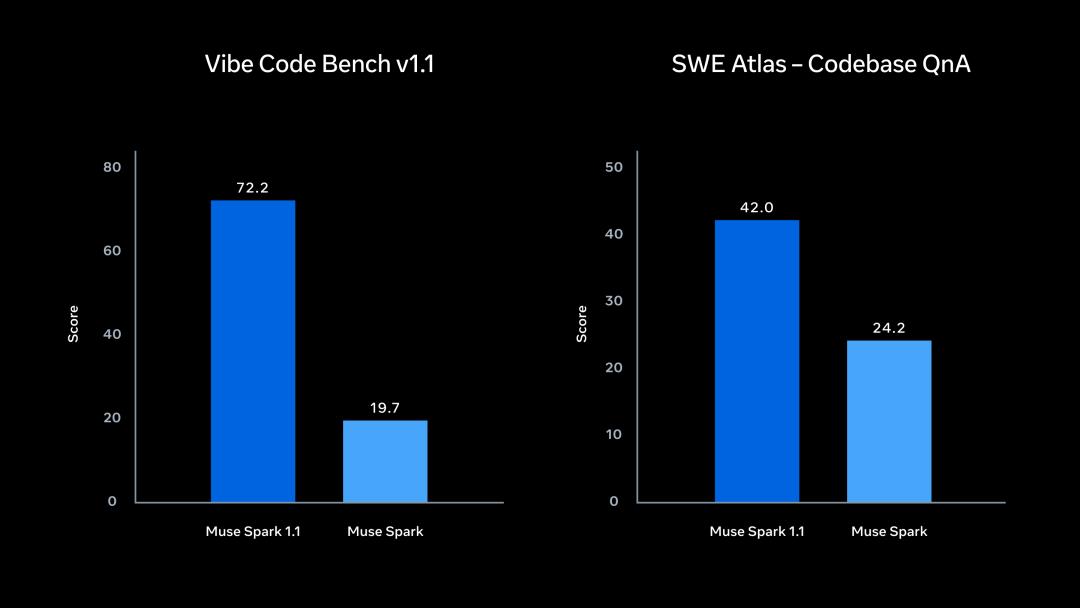
Regarding coding capabilities, Meta has placed special emphasis on real-world large codebase scenarios.
Examples include diagnosing and fixing complex bugs, adding new features to enterprise-level systems, and performing large-scale code migrations. In use cases such as creating web applications and end-to-end question answering, Muse Spark 1.1 also shows significant improvements over its predecessor.
It is also trained to be highly adaptable to various working environments.
It can adapt to common practices in different coding toolchains, different harnesses, and different Agent coding suites, including planning modes, target condition setting, sub-Agent delegation, and context compression.
In other words, when integrated into any third-party coding tool, it can quickly get into a productive working state.
Meta demonstrated an OpenCode debugging demo: the model first builds a chat web application, then automatically captures screenshots, identifies issues visible to users from the screenshots, locates the relevant code along the clues, and verifies the results after making modifications.
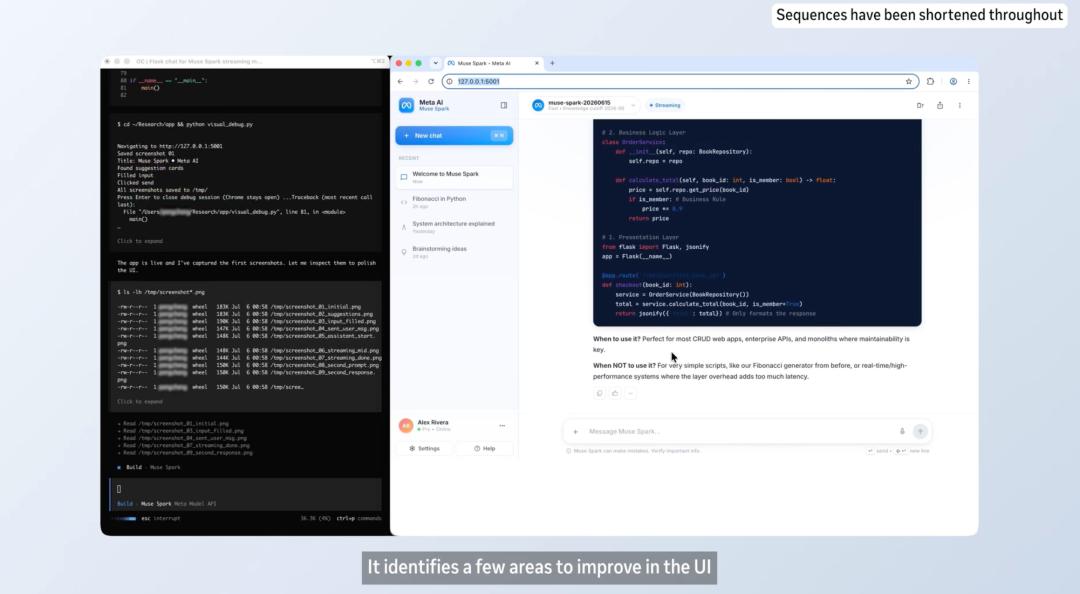
The entire workflow — writing code, reviewing screenshots, adjusting tools, and verifying results — is seamlessly connected, closely resembling the way Agents operate in real-world development.
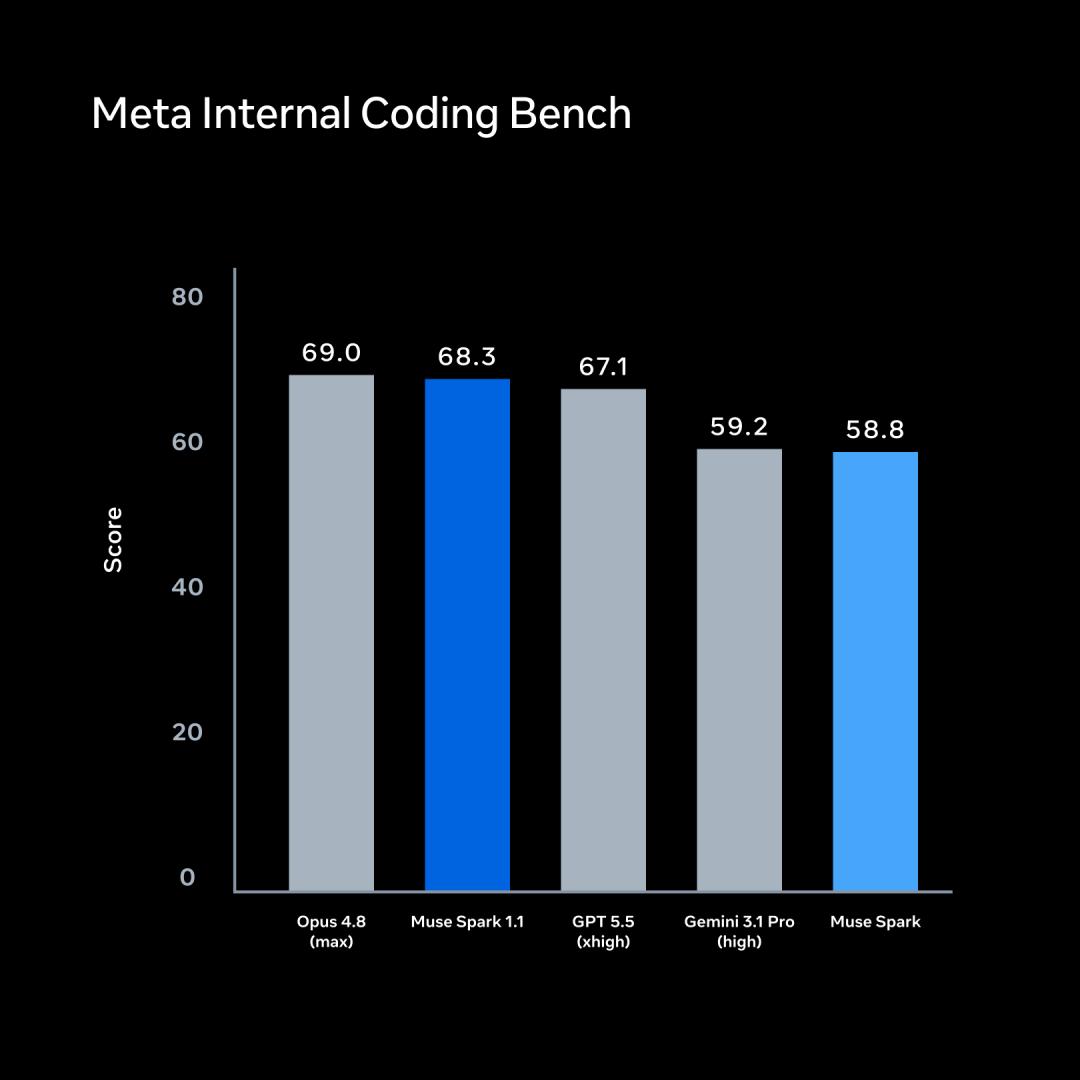
Within Meta, engineers and researchers are already using Muse Spark 1.1 on a daily basis. According to official statements, in the Meta Internal Coding Bench, this 1.1 version shows a significant improvement over the initial version, and is fully capable of competing head-to-head with leading models in the industry.
Even more meta (recursive) is that researchers have begun using it to automate model development and evaluation workflows.
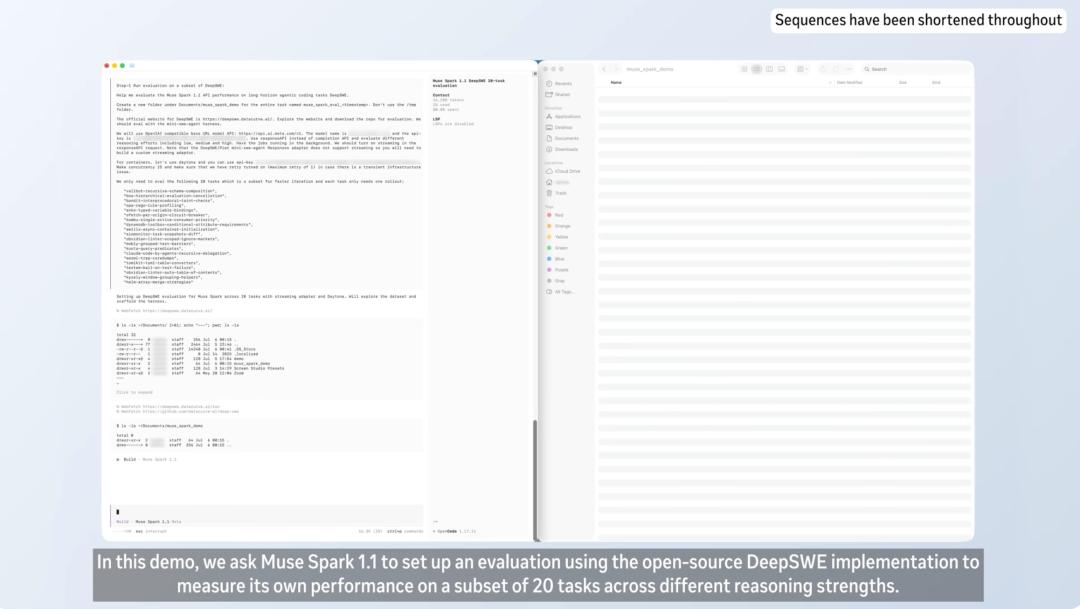
In another demonstration, Muse Spark 1.1 evaluated itself on the DeepSWE task subset using different reasoning intensities, and finally generated an analysis dashboard based on the results.
It takes its own exams, grades its own papers, and generates its own report card (doge).
Shoot a Video, and It Will Help You List Secondhand Items for Sale
In terms of multimodal capabilities, Meta's main selling point is "working while observing."
In other words, Muse Spark 1.1's strength is not just understanding images, videos, and audio, but continuing to perform real-world tasks after processing this content.
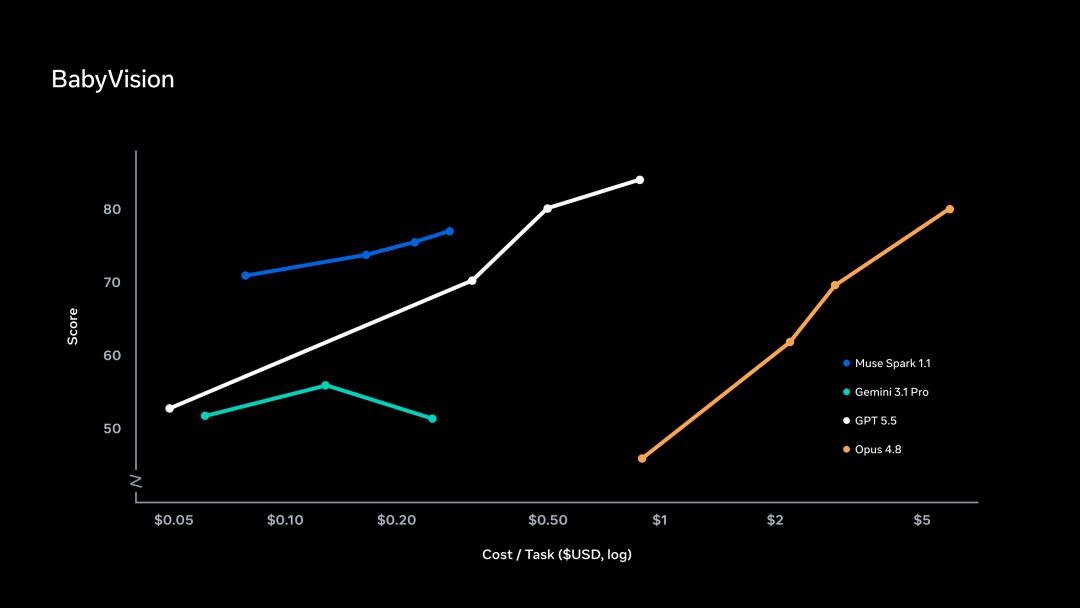
It can interact with real environments and output fact-based results. Vision-to-code conversion, fine-grained image and video description, and multimodal Agent workflow execution are all capabilities that Meta has specifically highlighted.
In practical scenarios, it can view images, watch videos, listen to audio, continuously remember these details over long workflows, and then use this information to operate a computer.
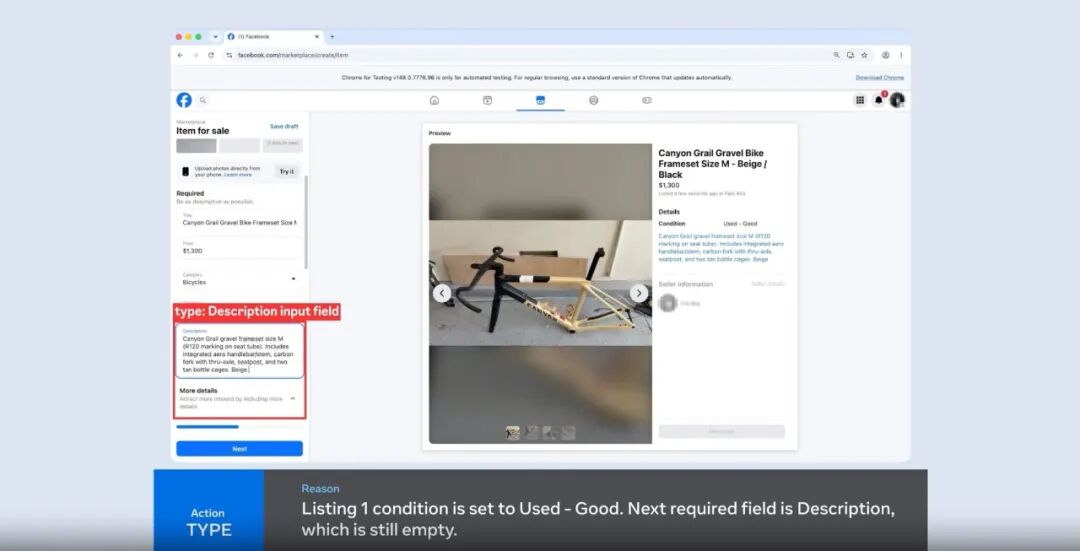
The most down-to-earth demonstration comes from Facebook Marketplace.
The user casually shoots a product video with their mobile phone; the model selects usable photos from the video, identifies the product category and condition, then automatically opens the browser and completes the entire secondhand product listing process for the user.
It is worth noting that Muse Spark 1.1 is also the second product in the Muse family that Meta has released this week. Just this Wednesday, Meta launched Muse Image. This image generation model, previously codenamed Mango, is primarily targeted at creators and advertising clients.
On one hand, Meta is promoting image models to attract creators and advertisers; on the other, it is releasing Agent programming models to attract developers and enterprise customers. Meta's AI product line has begun to show clear commercial divisions of labor.
On the API front, several of Meta's early partners have already publicly endorsed the product.
Their overall evaluation of Muse Spark 1.1 can be summed up in one sentence: This is a complete Agent foundation. The combination of long context, strong coding, powerful reasoning, and tool calling capabilities is more than sufficient to support large-scale Agent workloads.
Amjad Masad, CEO of Replit, believes the most impressive aspect is that Meta has packed a huge range of capabilities into a single model: million-token context, support for images, videos, and PDFs,