Teacher Trump teaches you stock trading: 20,000 transactions in his first year in office, making a whopping 15 billion yuan
The statutory annual salary of the President of the United States is $400,000, but within just one year of taking office, your "Brother Trump" earned a staggering $2.2 billion entirely on his own merits.
On June 29, the U.S. Office of Government Ethics released President Trump’s "2025 Mandatory Financial Disclosure Report", an unhinged document spanning a record-breaking 927 pages. For comparison, Vice President Vance’s report was a mere 19 pages...
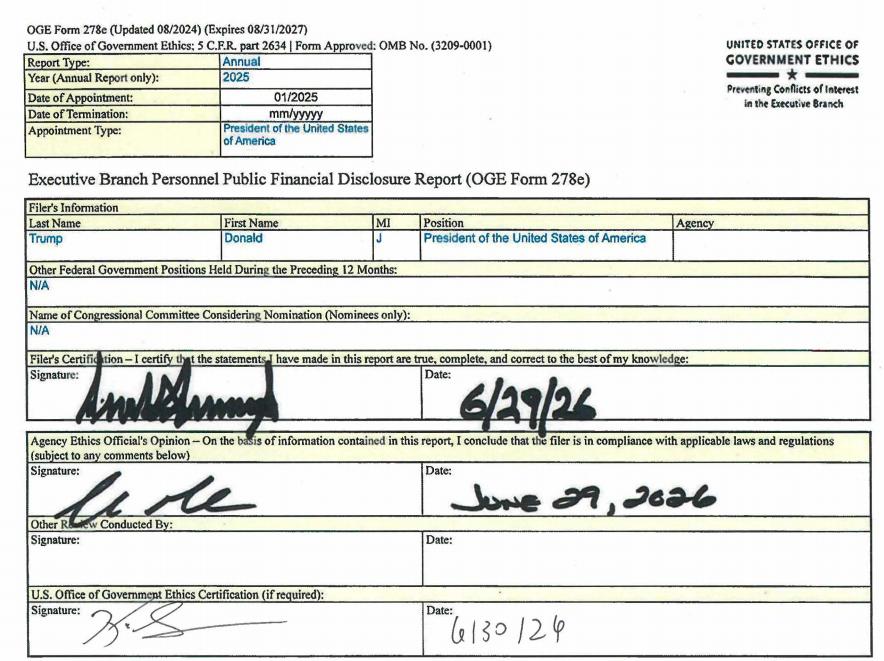
After the report went public, Americans erupted in collective outrage. Trump’s political rivals lambasted him for tossing presidential ethical norms "out the window," while his supporters hailed it as the most comprehensive, transparent presidential financial disclosure in history, framing it as a triumph of openness! The Great Leader is truly unparalleled in his greatness!
01
I Am No Stock Market Guru
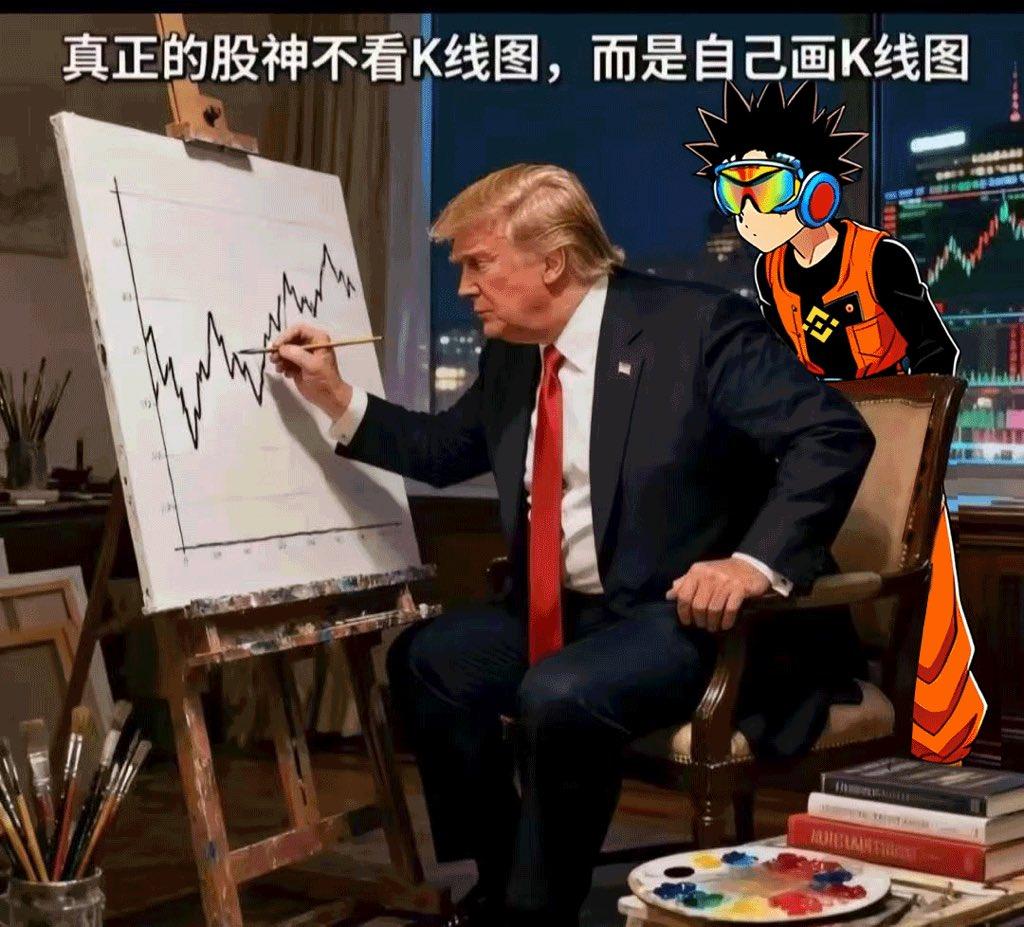
Internet users often joke that Trump is constantly "drawing candlestick charts by hand", as he frequently makes impulsive, unsubstantiated claims on social media — announcing he will back one initiative today and promote another tomorrow. Since he is president, people dare not dismiss his words. The result? Mr. Trump can single-handedly manipulate the movements of stocks, oil prices, and commodities with a single tweet, repeatedly toying with the market. With countless wild swings between surges and crashes, it is natural for people to suspect under-the-table quid pro quo arrangements behind the scenes.
Now the truth is out: once the report was published, it became clear he did not even bother with covert deals — he simply jumped into stock trading directly himself.
Throughout 2025, Trump’s 8 personal investment accounts executed over 21,000 securities transactions, averaging 85 trades per day — a higher frequency than many professional Wall Street investment firms. Almost every trade followed the exact same pattern: enter the market early before policy gains materialize, and exit right before negative news hits, repeating this cycle endlessly.
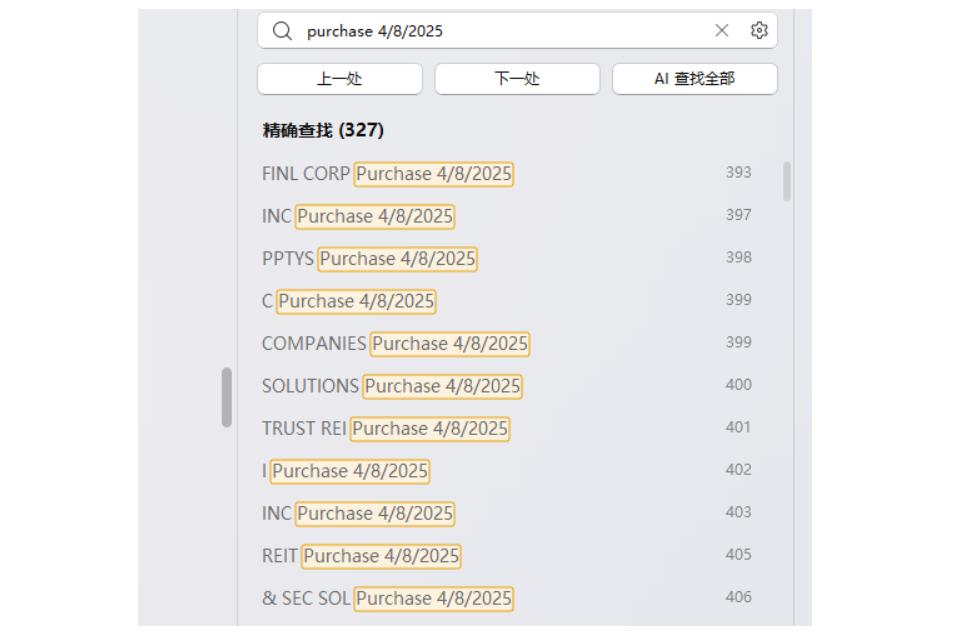
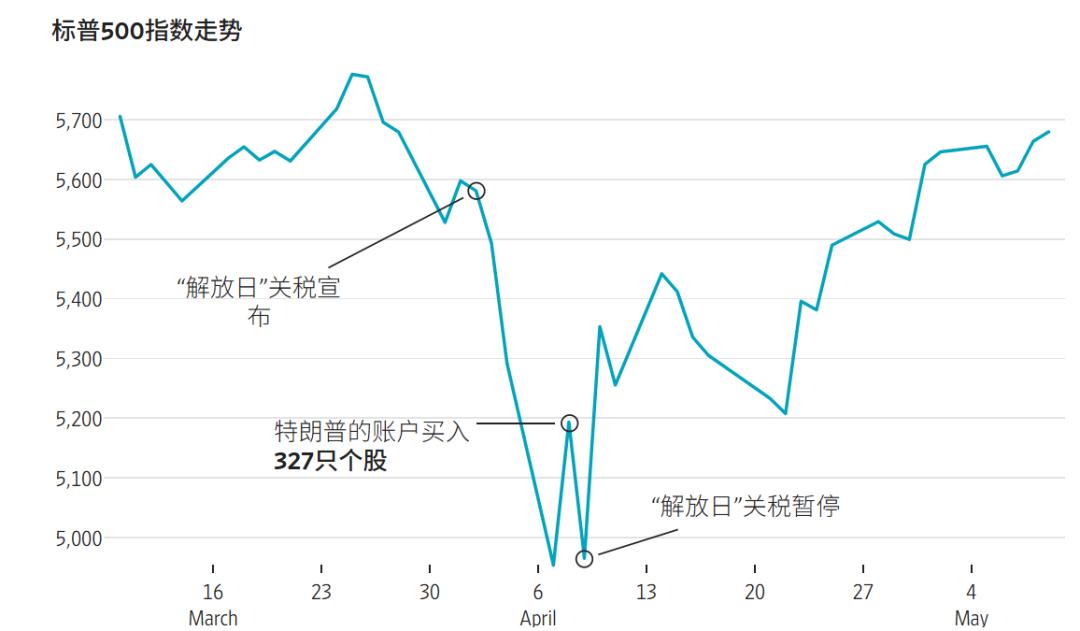
A typical example: In early April 2025, Trump suddenly announced harsh tariffs on major global trading partners, triggering a crash in U.S. and global stock markets. Before this announcement, Trump’s accounts had already made hundreds of portfolio adjustments to avoid risks. Then, on April 8, his accounts abruptly stopped selling — instead, he frantically bought 327 stocks in a single day, investing as much as $12.8 million, heavily loading up on blue-chip giants including Microsoft, NVIDIA, Amazon, Apple, and Alphabet.
The next morning, Trump posted that "now is a great time to buy", and that afternoon he officially announced a 90-day suspension of the tariffs. The S&P 500 immediately surged nearly 10%, while the Nasdaq skyrocketed 12.2%.
(The Wall Street Journal)
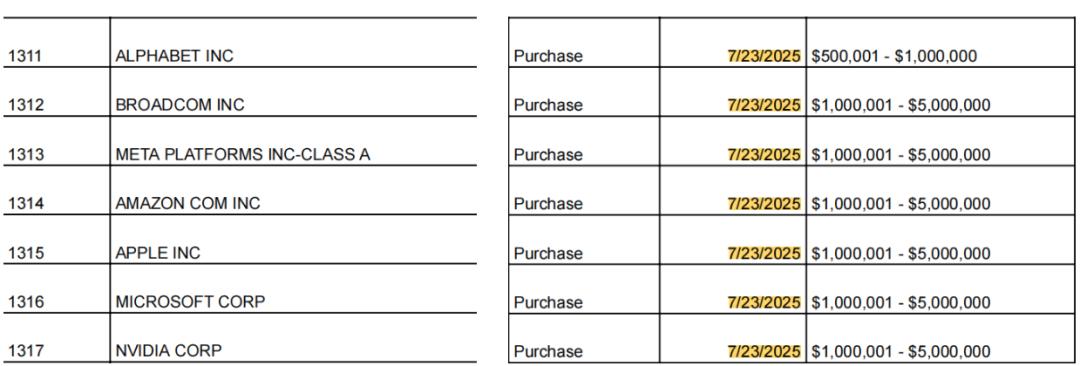
On July 23, 2025, the White House officially released the landmark "Artificial Intelligence Initiative" — a 28-page document outlining over 90 federal policies to boost AI development, including deregulation and accelerated infrastructure investment. Just hours before the document was made public, Trump’s investment accounts executed their largest tech stock buildup of the entire year, pouring millions of dollars each into six leading tech giants such as NVIDIA.
If you argue this investment might have been a lucky bet on the AI boom, the following cases are impossible to explain away. On August 18, Trump bought $500,000 worth of Intel shares, and less than a week later the White House announced the federal government would take nearly $9 billion in equity in Intel under the CHIPS Act — effectively a government endorsement that sent the company’s stock price soaring 6% in a single day.
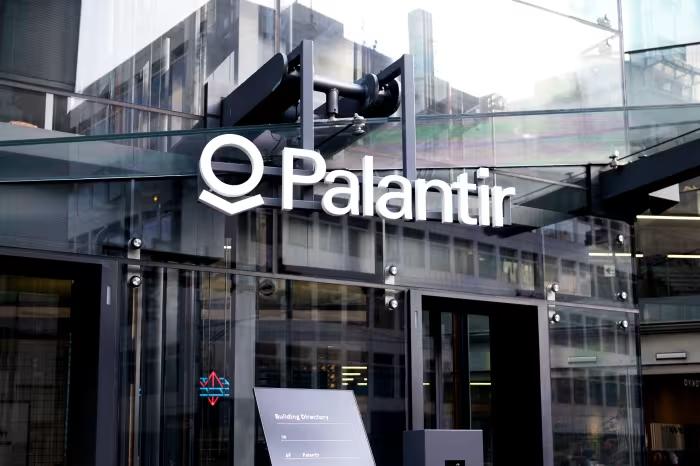
Trump kept buying big data surveillance firm Palantir throughout the year, completing 50 separate purchases, while continuously praising the company on social media, touting its supposed ability to connect seemingly unrelated data to track targets and combat crime.
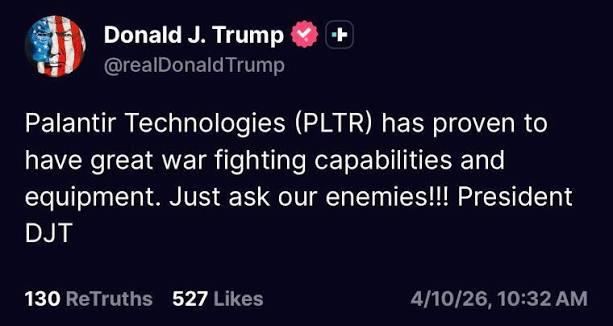
Shortly after, Palantir secured a $90 million contract from Immigration and Customs Enforcement — an agency widely seen as the "private army" of the self-proclaimed "Master of Deals" — and even landed a $1 billion mega-contract from the Department of Homeland Security. Its stock price surged from $67 when Trump took office to $192, nearly tripling in just one year.
Trump’s portfolio also included stocks of top U.S. defense contractors: Lockheed Martin, Northrop Grumman, and General Dynamics. In 2025, he aggressively pushed to raise the total defense budget to a record $1.5 trillion, directly injecting a massive boost into the entire military industrial sector.
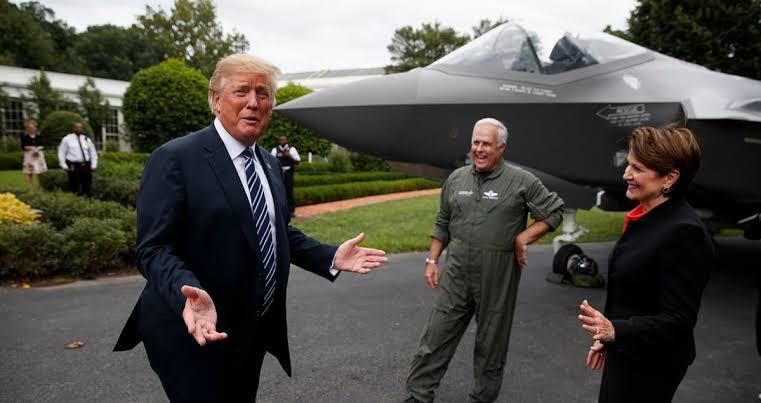
During the year, all these defense firms received massive military procurement orders from the Trump administration: Lockheed Martin secured tens of billions in fighter jet procurement and upgrade contracts, Northrop Grumman began mass production of the B-21 stealth bomber, and General Dynamics received huge appropriations for building and refitting nuclear submarines — all their stock prices thrived, painting a picture of explosive growth across the board.
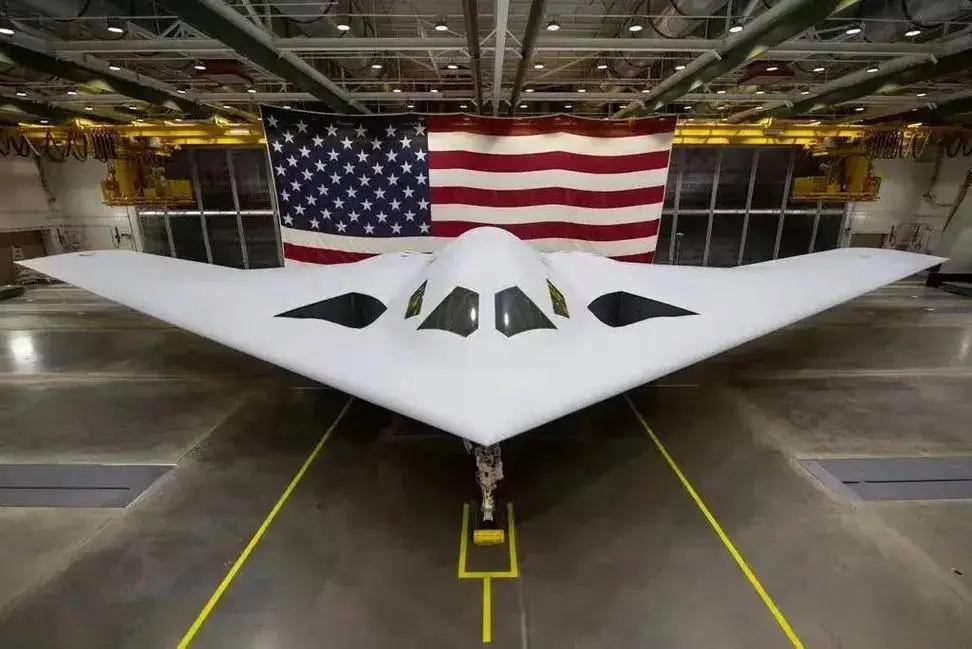
The fake stock market guru hunts for existing good news; the real stock market guru creates the good news himself.
To this, Mr. Trump humbly remarked: "You know why I make money? Because the stock market is rising, everyone is making money." Under the wise leadership of the president, everyone gets a sip of the soup — so is it really unreasonable for him to eat all the meat first?
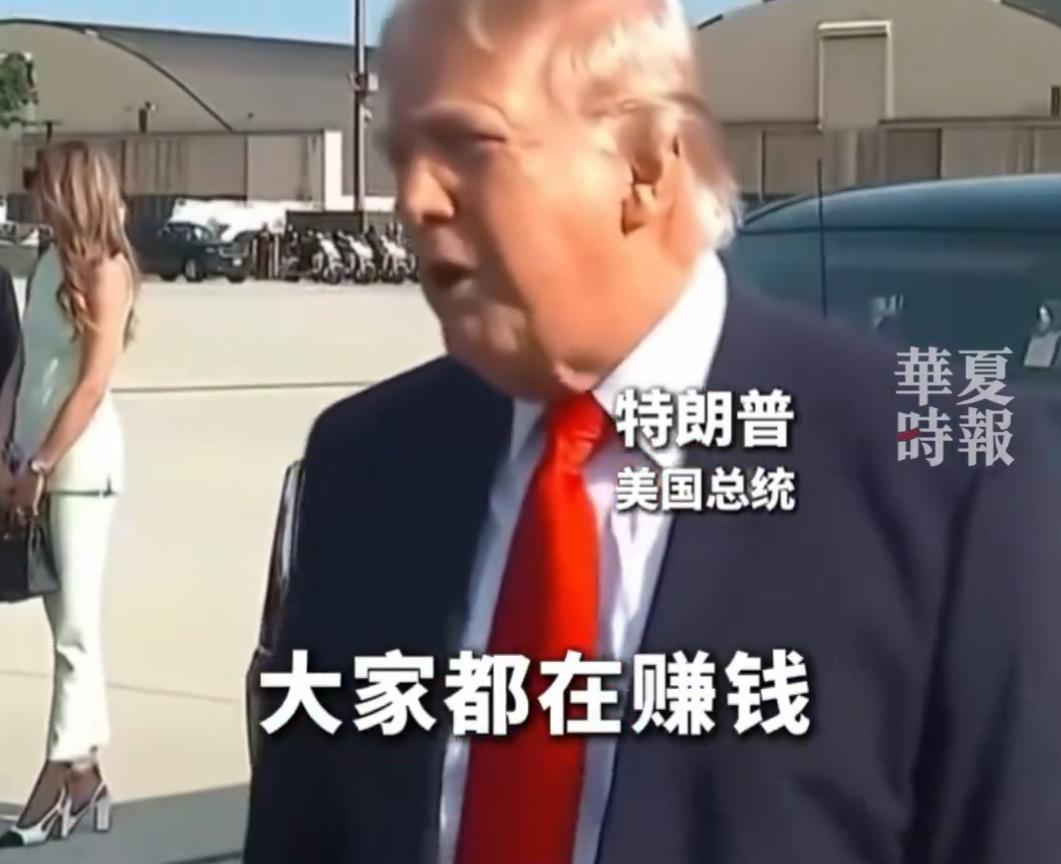
(China Times)
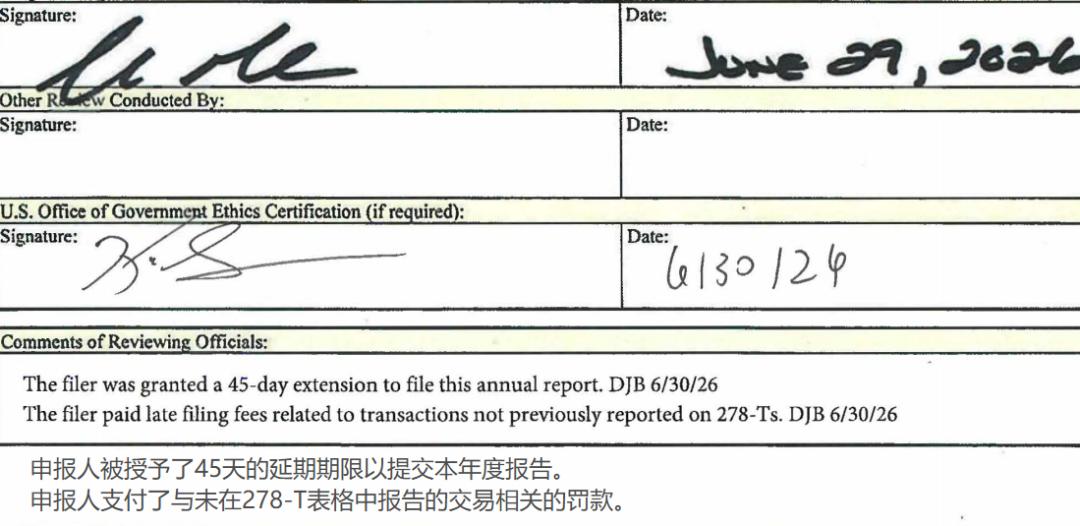
The most absurd part of this entire saga for American netizens is not even Trump’s audacious maneuvers, but the so-called presidential oversight system. Under U.S. law, senior officials must publicly disclose stock trades over $1,000 via "periodic transaction reports" within 45 days of execution. While the rules seem strict, the penalty for failing to disclose on time is a mere $200 fine — a symbolic slap on the wrist. In other words, enforcement relies entirely on public backlash generated by exposure.
Trump’s report cover blatantly states: "Fine Paid"
Public opinion oversight? Don’t make your Brother Trump laugh.

02
Crypto King: The Great Scammer Trump
If Trump’s "hand-drawn candlestick" stock trades in the high-flying U.S. market could still be tenuously "explained away," his investments in the cryptocurrency industry are nothing short of outright fleecing.
Does anyone remember? A few days before his presidential inauguration in January 2025, Trump grandly launched the TRUMP token. This meme coin was wildly hyped by fervent political supporters and speculative capital shortly after its release, peaking at an all-time high of $74.24 with a peak market cap of $15 billion. Since the project was branded under the "Trump Official" banner, countless retail investors and political supporters mistakenly believed Trump himself was a major token holder who would lock up his holdings and drive up prices alongside them, treating the token as part of his political assets.
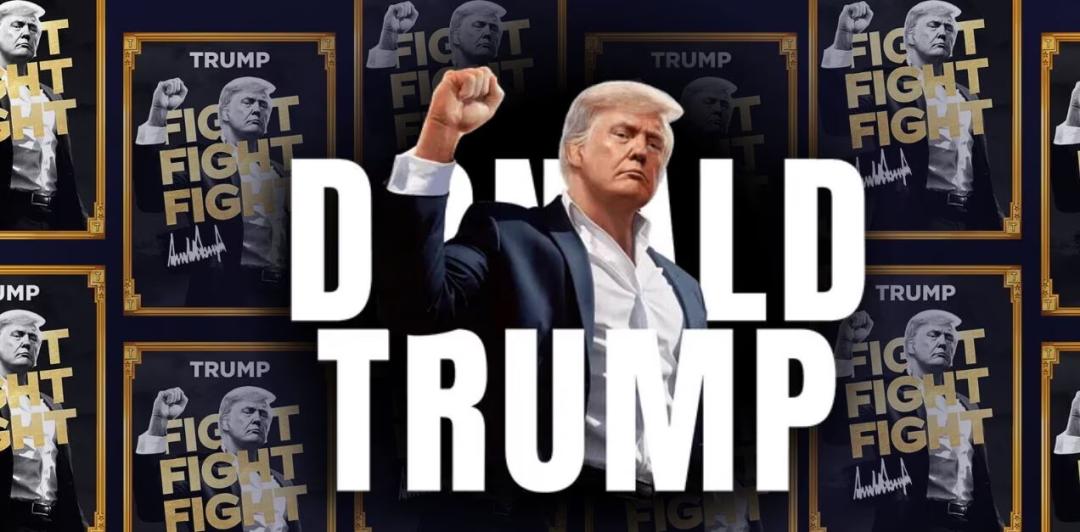
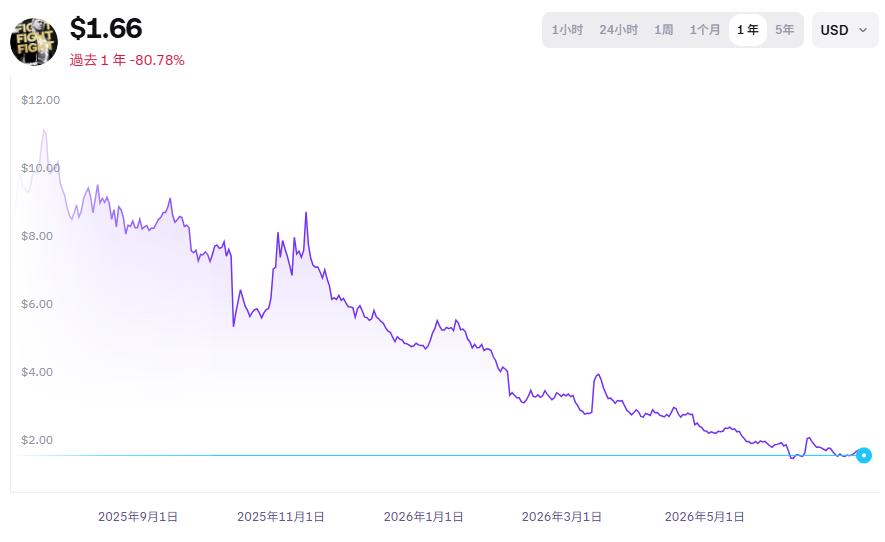
Yet meme coins with no real-world utility always rise fast and crash even faster. The token’s value has now plummeted to less than $2 — a tiny fraction of its peak — with total market cap shrinking to around $400 million, leaving retail investors devastated. Third-party data shows 988,000 wallets are in the red, accounting for roughly two-thirds of all buyers.
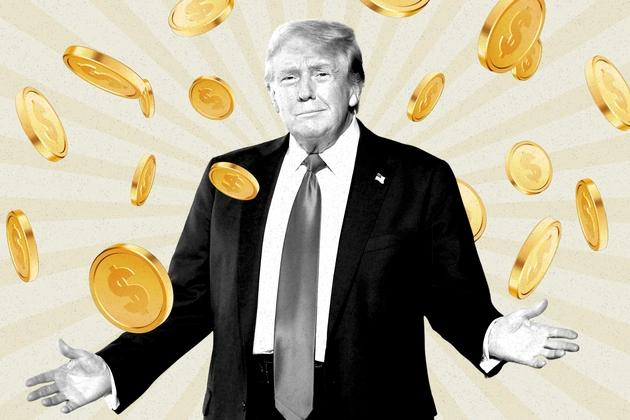
But Trump lost nothing. This financial report reveals details no one expected: his main income did not come from trading coins, and he invested zero of his own money. Simply by licensing his name, portrait, and political IP, he secured 14.5% of the total initial token supply, plus a commission cut from every single transaction — guaranteeing him profits regardless of price movements. From this alone, he easily raked in $635 million in revenue.
Trump’s second