The voice-input ring OASIS has become a viral hit, and Vibe Coding has spurred a wave of AI hardware popularity.
As a user of smart rings, Lei Technology would like to clarify one thing first: Despite multiple product iterations, the mainstream smart rings still haven't shaken off the label of "miniature fitness trackers." They are lighter than regular fitness trackers and won't cause discomfort when worn during sleep. They can also continuously record health data. However, if they are only used to measure heart rate, monitor sleep, and calculate recovery, no matter how delicate the smart rings are, they are essentially just smaller versions of fitness trackers. There has never been a particularly convincing answer to the question of why users should buy an additional new device.
Some time ago, Lei Technology (ID: Leikeji) discovered a smart ring that "doesn't aim to be a fitness tracker" - the OASIS Ring. According to the official website, the OASIS Ring doesn't focus on health data. Instead, it turns the ring into an input device: The ring is equipped with a microphone, buttons, and motion sensors, allowing users to directly control the AI on the computer through voice and gestures.
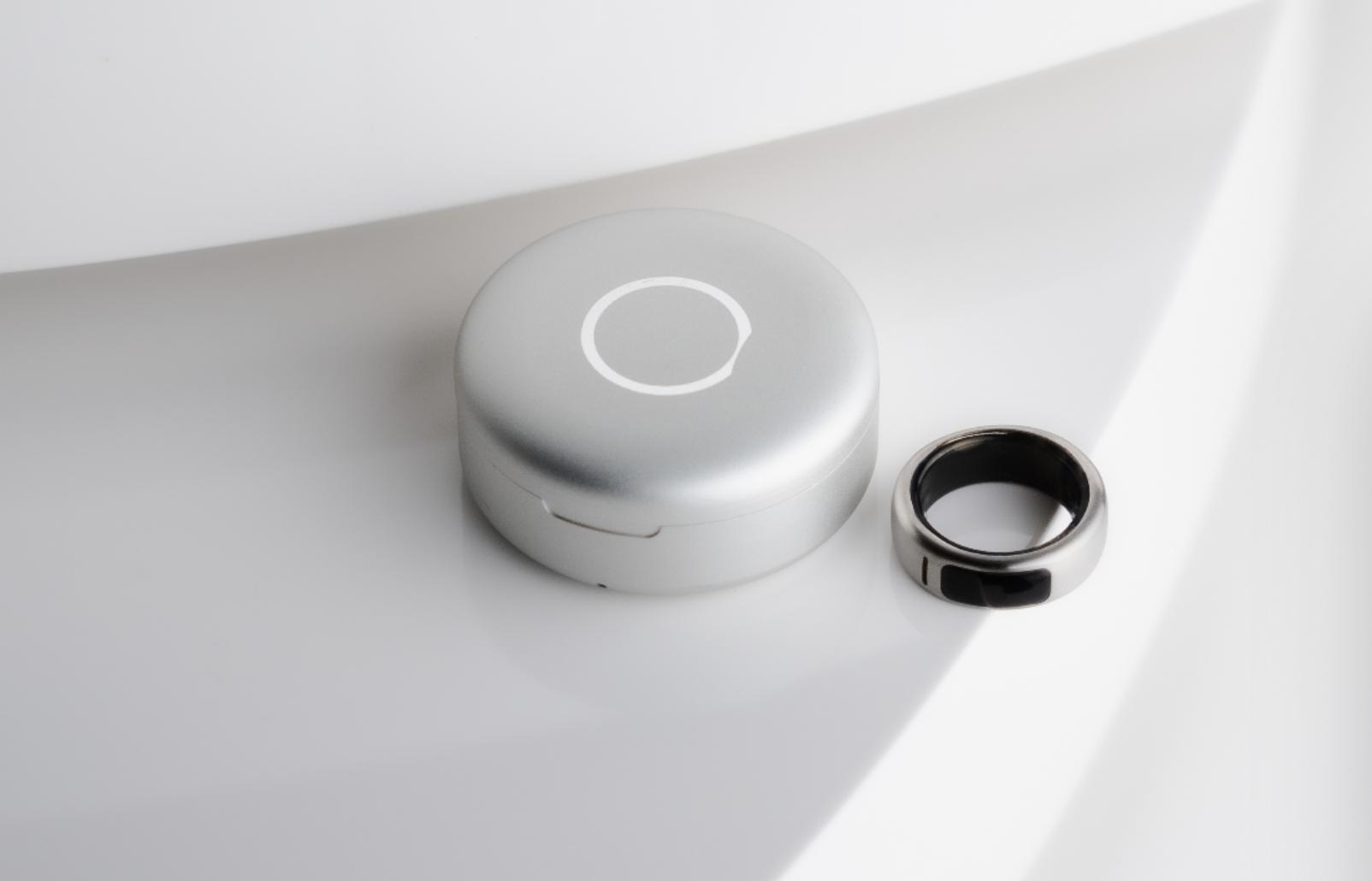
Image source: OASIS Ring
At this point, I wonder if you've thought of the recently popular Vibe Coding concept?
That's right. Although the OASIS Ring only refers to itself as a "voice input ring" on its official website, it's not hard to tell from the promotional videos and product descriptions that this OASIS Ring actually belongs to the same category as the Vibe Coding microphone launched by Insta360 some time ago. It's an AI recording hardware designed for "productivity" scenarios.
Vibe Coding Changes the Interaction Mode of AI
However, different from other AI hardware, in Lei Technology's view, Vibe Coding hardware such as the Vibe Coding Mic Air and the OASIS Ring doesn't focus on "what problems AI can solve" like other AI hardware. Instead, it starts from the interaction mode of AI and discusses "how we should use AI."
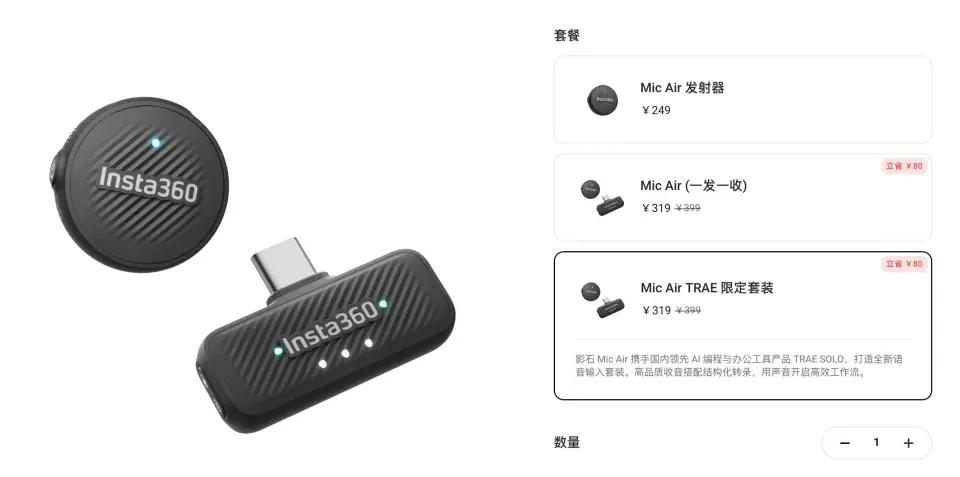
Image source: Insta360
Recall our past work scenarios with a computer: sitting at the desk, opening software, and typing on the keyboard. Due to this highly "exclusive" work mode, we really hate having our "work state" interrupted by others while working.
However, in the Vibe Coding era, our work methods are no longer confined to the computer desk: Users can sit in front of the computer and give instructions to the AI using a keyboard and mouse as usual. They can also voice their requests to the AI while walking downstairs to buy coffee. They can even ask the AI to search for information and write this week's weekly report or business travel emails while driving.
Take the AI earphones from Guangfan Technology that Lei Technology reviewed some time ago. They have independent internet connectivity and can directly access OpenClaw without forwarding through a mobile phone, allowing users to directly give requests to the AI through the earphones.
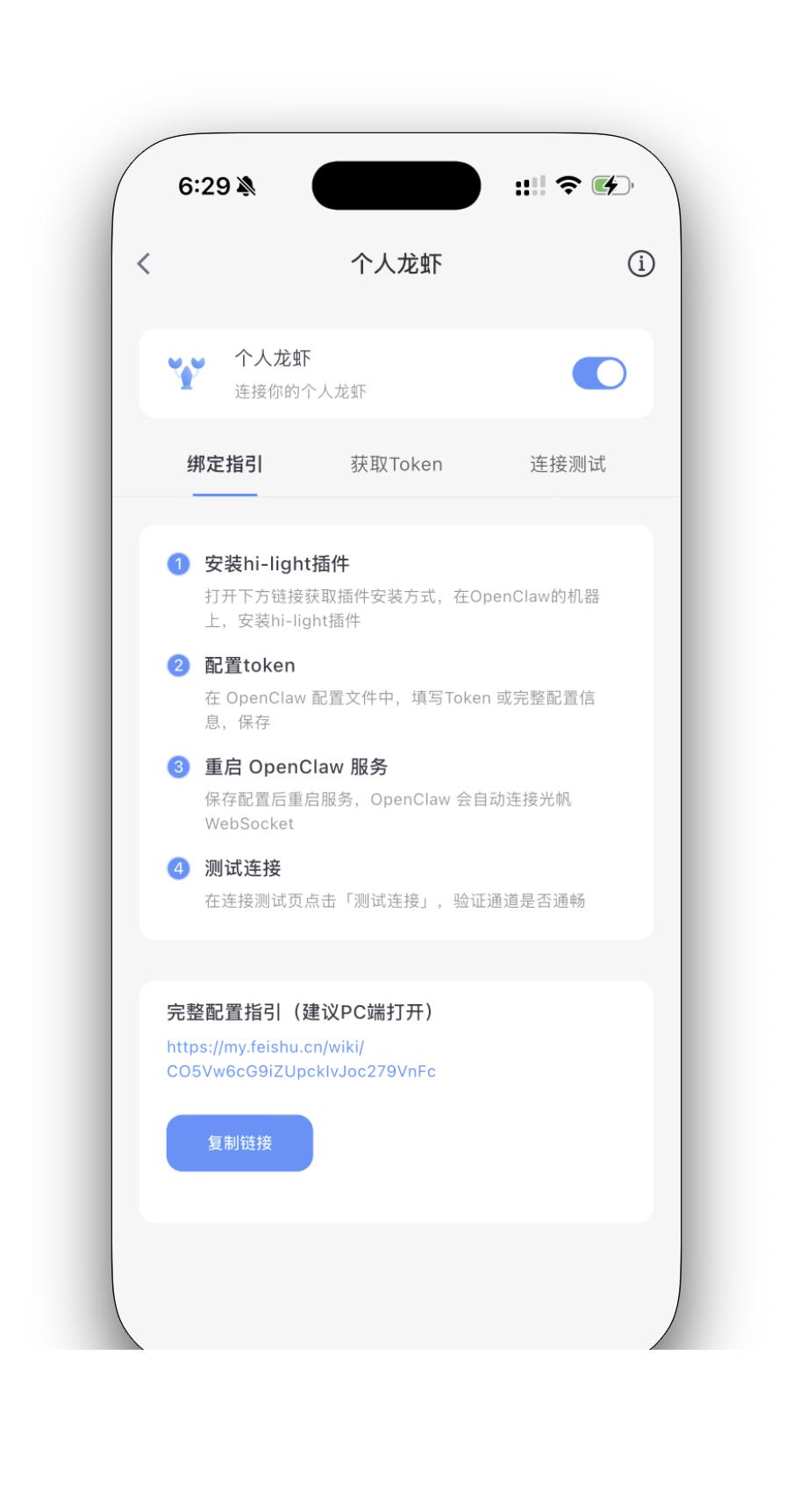
Image source: Lei Technology
Because Vibe Coding (along with Vibe Writing and Vibe Creating under the same concept) decouples AI creation from traditional creation tools and no longer relies on the past "precise input" mainly through the keyboard and mouse, we can also see that the Vibe Coding-related hardware that has become popular online this year tends to be more lightweight. At the beginning of this year, some netizens even made a "special keyboard for Vibe Coding": A small keyboard with only three buttons - ChatGPT, copy, and paste.
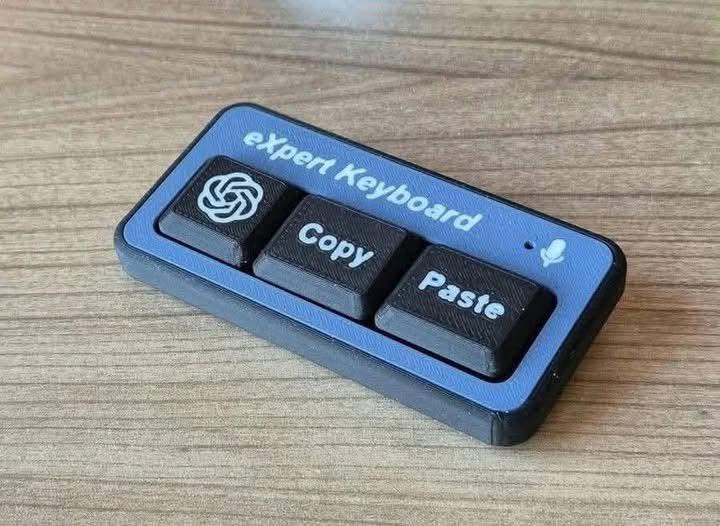
Image source: Vibe Coding is Life
Although this picture is just for fun, there are indeed many developers on X who have made their own "AI programming magic tools." After all, the core of Vibe Coding is essentially to let the AI solve practical problems based on your requests. Since Vibe Coding entrusts the most core part of "creation" to the AI, the hardware used for "creation" is bound to undergo a transformation towards lightweight, all-day and all-scenario use, and imperceptibility.
However, in Lei Technology's view, although the emergence of Vibe Coding has changed the form of "creation hardware" and made it possible for smart rings to become a creation tool for developers one day. But for the OASIS Ring product, Lei Technology doesn't think that the "smart ring" form is necessarily more suitable for the Vibe Coding work scenario than other products.
Smart Rings Are Hard to Become the Core Input Device for Vibe Coding
Let me state the conclusion first: I think smart rings are very suitable as the "start button" for Vibe Coding, but they can't be exaggerated as the best hardware for Vibe Coding for the time being.
On the positive side, smart rings are more low-key than glasses, lighter than earphones, and closer to finger movements than watches. Lifting the hand, pressing, and rotating are all very natural. For the scenario of "casually jotting down a request," a ring is indeed faster than taking out a phone and more flexible than sitting in front of a computer to type.
But if you've tried Vibe Coding (or other AI-based Vibe creation modes), you should understand that "AI creation" is never something that can be completed with just one sentence: Writing code with AI is very convenient, but manually checking the code written by AI is also a huge project.
The form of the ring determines that smart rings can only be used for "input," not for "output." For real work scenarios, we still need to sit in front of a computer. But if we're already sitting in front of a computer, why bother raising our hand to talk to the ring?
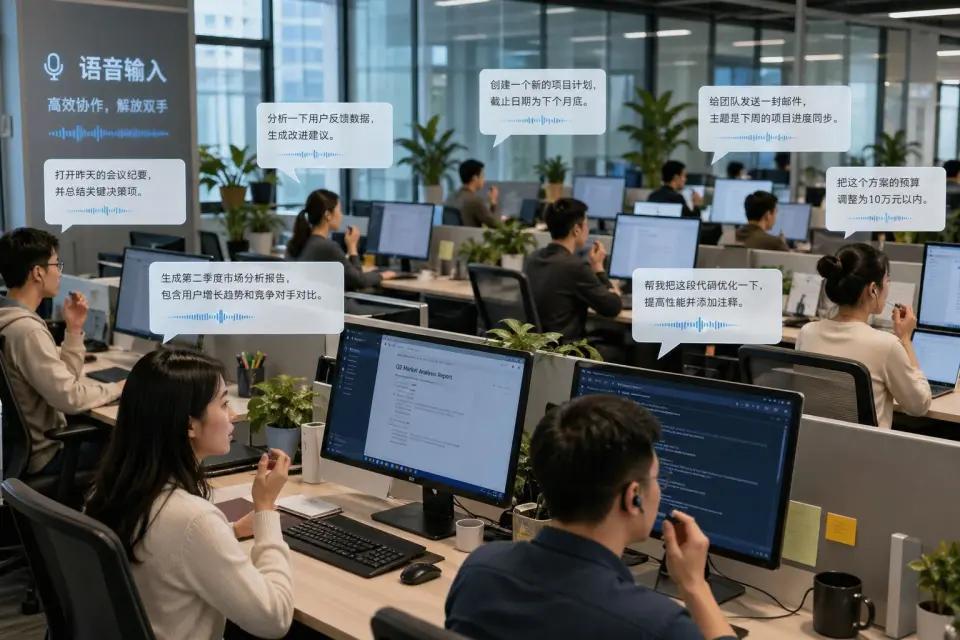
Image source: Lei Technology
Moreover, smart rings are extremely small in size. Their sound pickup ability (small AI hardware highly depends on local noise reduction models to optimize sound pickup effects), battery life, delay control, and comfort are all extremely challenging; The OASIS Ring also wants to add motion sensors to the smart ring, and needless to say, the engineering difficulty is high.
Therefore, before seeing the actual product, Lei Technology prefers to view the OASIS Ring as a "supplementary device" for Vibe Coding, similar to an "independent small keyboard." Undoubtedly, the OASIS Ring has its own unique experience: it's portable, compact, and literally within reach. But when it comes to complex workflows, desktop operations are still irreplaceable.
In Lei Technology's view, this somewhat "overly radical" behavior of "painting a rosy picture" is actually a "common problem" in the AI hardware category in the past. For a long time, many AI hardware products liked to present "entrances" as "platforms" and "assistants" as "replacements" - Those AI hardware products that claim to replace mobile phones but never follow through are the best examples.
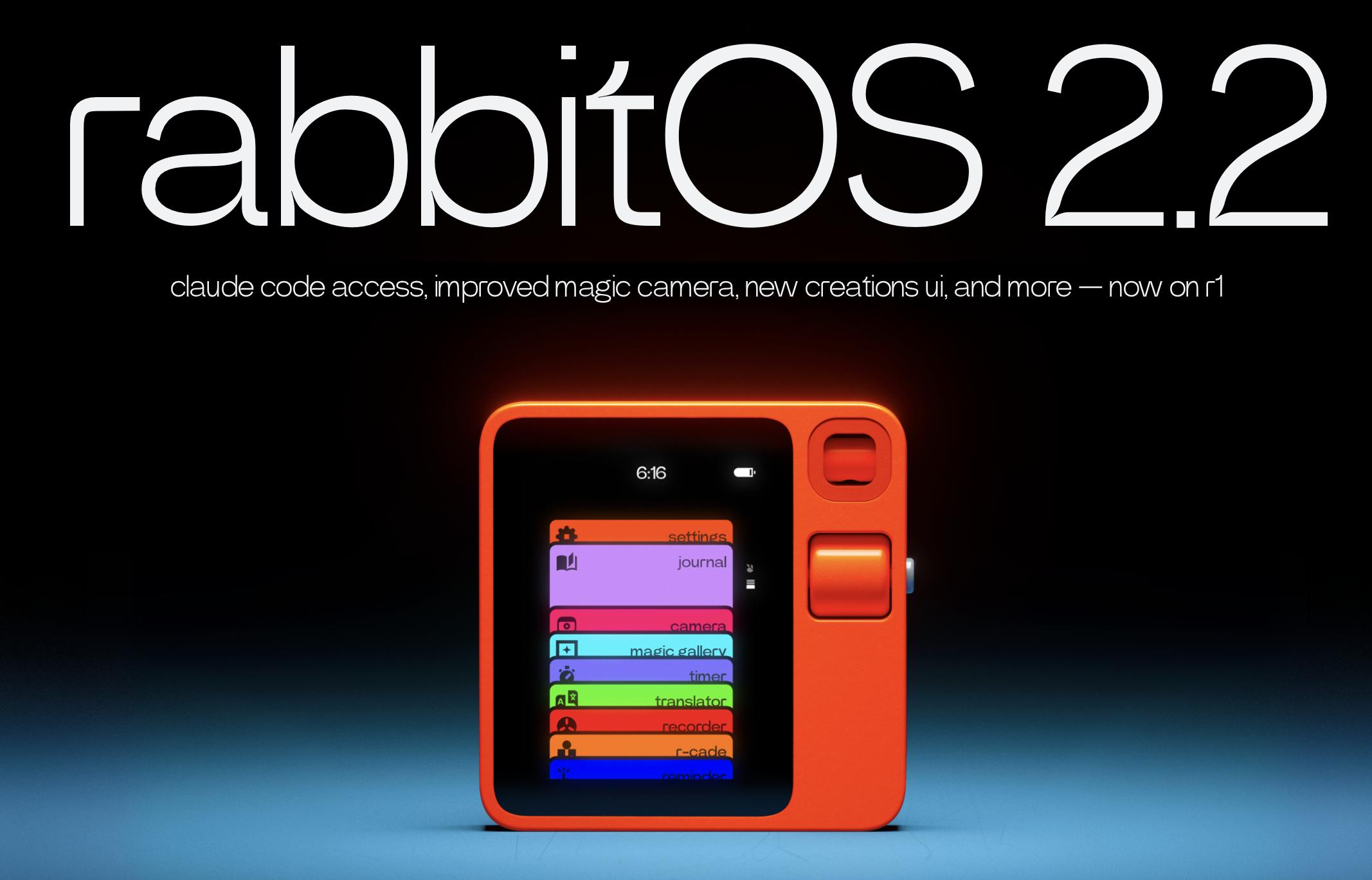
Image source: Rabbit
In the AI Era of Talking, the Wind of "Obedient" Voice Hardware Is Rising
However, in Lei Technology's view, the emergence of products like the OASIS Ring actually has another meaning: Seize the opportunity when AI Agents and Vibe Coding are changing user habits to compete for the right to define the next-generation intelligent hardware interaction.
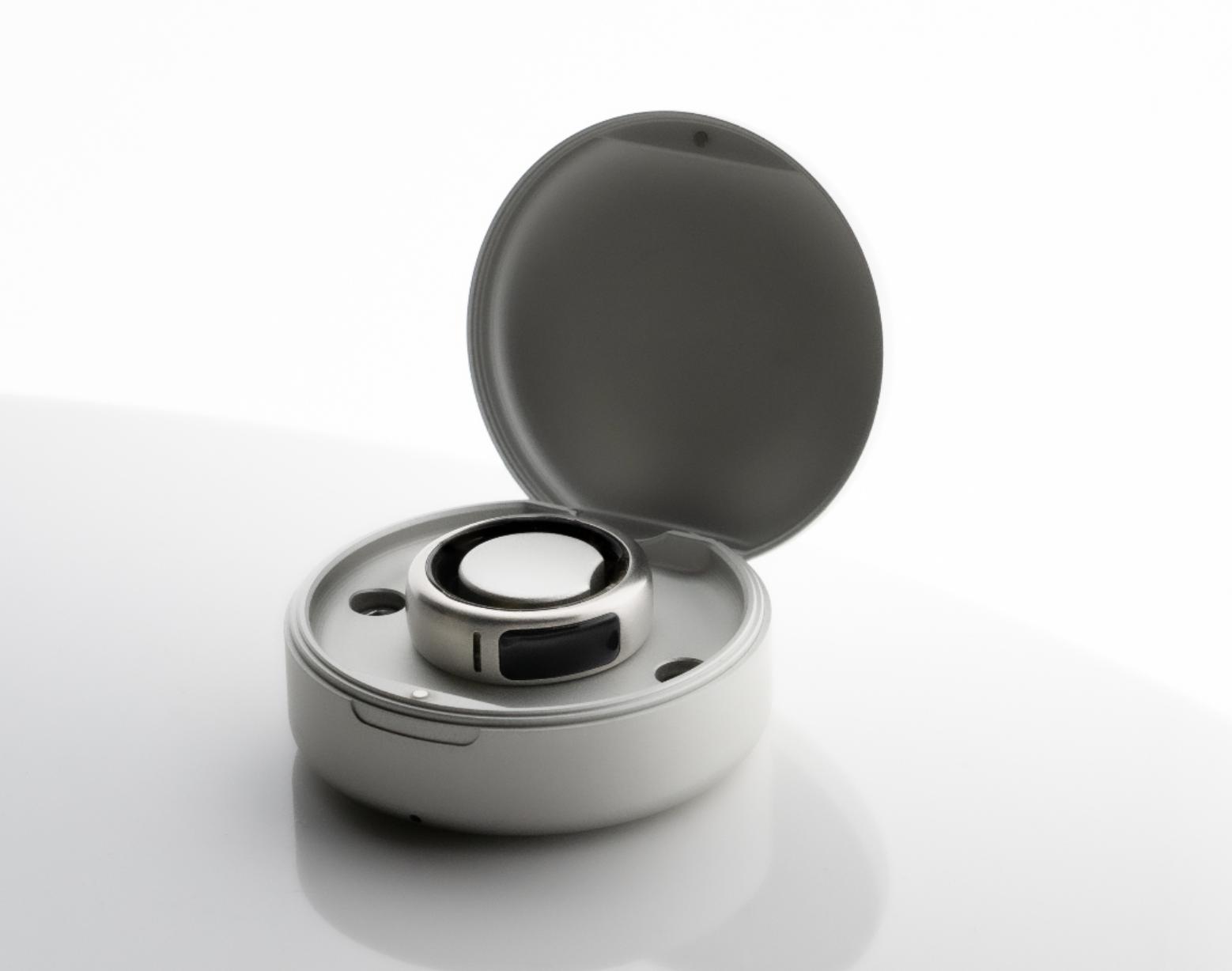
Image source: OASIS Ring
In the past, the main productivity device was almost always the computer by default. No matter how convenient mobile phones, tablets, and smartwatches are, when it comes to writing code, creating spreadsheets, editing videos, and processing complex files, users will eventually return to the PC. The reason is simple: Keyboards, mice, large screens, and desktop software have indeed been the most efficient productivity combination in the past few decades.
But things are different now. Whether in China or overseas, more and more programmers have started using Vibe Coding; on domestic social platforms, more and more users are used to using voice input to write documents. Some "bold" people have even earned their first pot of gold in the AI era with the "all-AI creation - distribution" workflow.
This "reshuffle" of productivity tools not only brings opportunities for wearable AI hardware but also makes products like the OASIS Ring and the Vibe Coding Mic Air worthy of attention. Admittedly, these AI hardware products may not be able to replace the keyboard, nor can they become the "next-generation mobile phone."
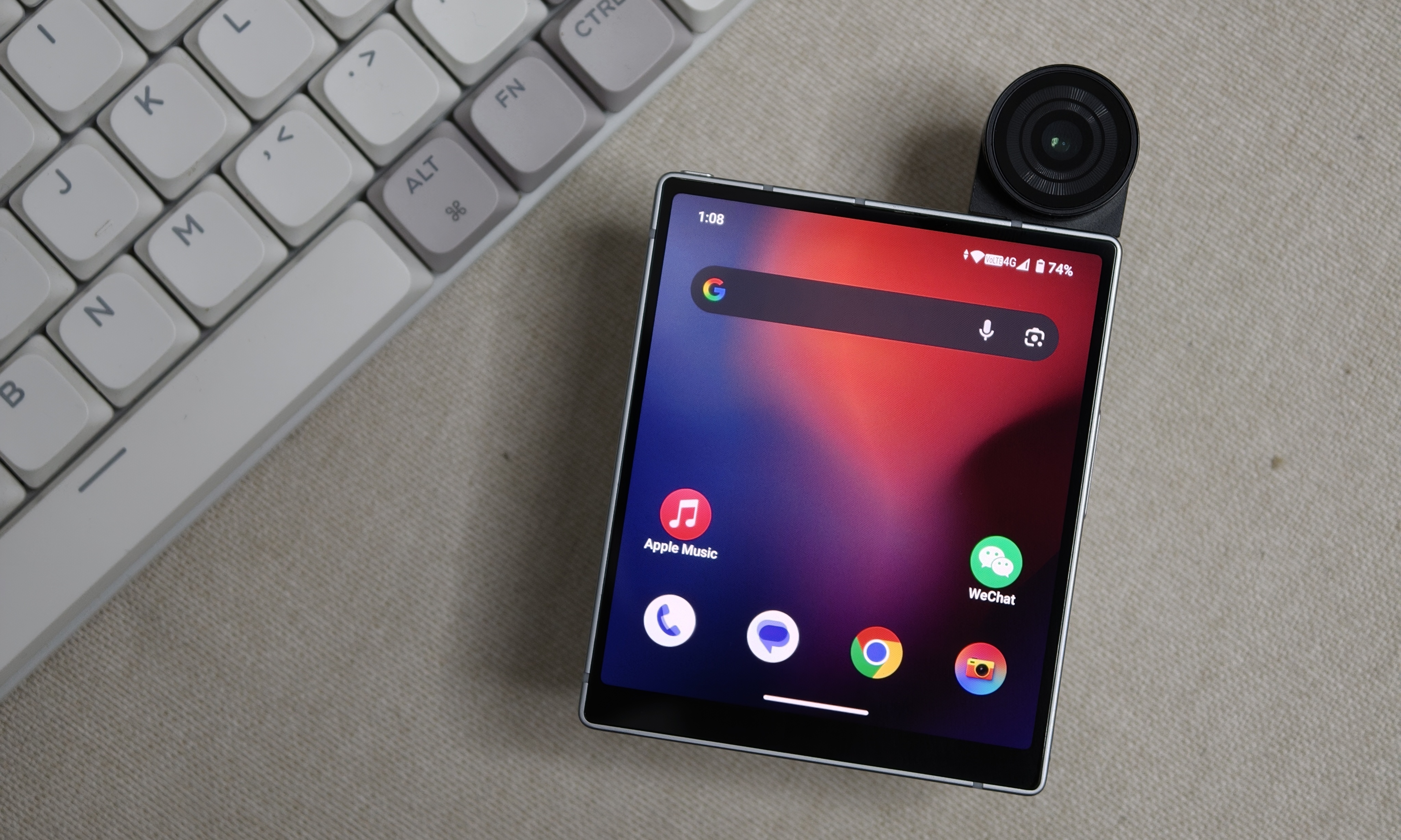
Image source: Lei Technology
But they are trying to move the AI entrance from the desktop to devices such as earphones, glasses, rings, and watches that used to revolve around mobile phones. After all, in the Vibe creation era, the one who can deliver requests to the AI faster and more naturally has the opportunity to become the new AI entrance.
It's certain that in the AI Agent era, devices in the "old form" like computers and mobile phones will still exist for a long time, and complex workflows can't be completely completed by a single ring. But wearable devices will no longer just play a supporting role in recording heart rate, pushing notifications, and checking the weather.
After all, if you can just "talk" to a ring, earphones, or even smart glasses to make the AI start working, who would want to carry a backpack with a 16-inch laptop around all the time?