Why has Shanghai suddenly become a magnet for global geeks overnight? | muShanghai Special Report
36Kr "Workplace Bonus" (ID: ZhiChangHongLi)
In an era when Generation Z laments the "ebb of globalization," it's hard to imagine that hundreds of foreigners would move into the Alibaba Center in Shanghai Hongqiao overnight and participate in a grand, month-long technology event here.
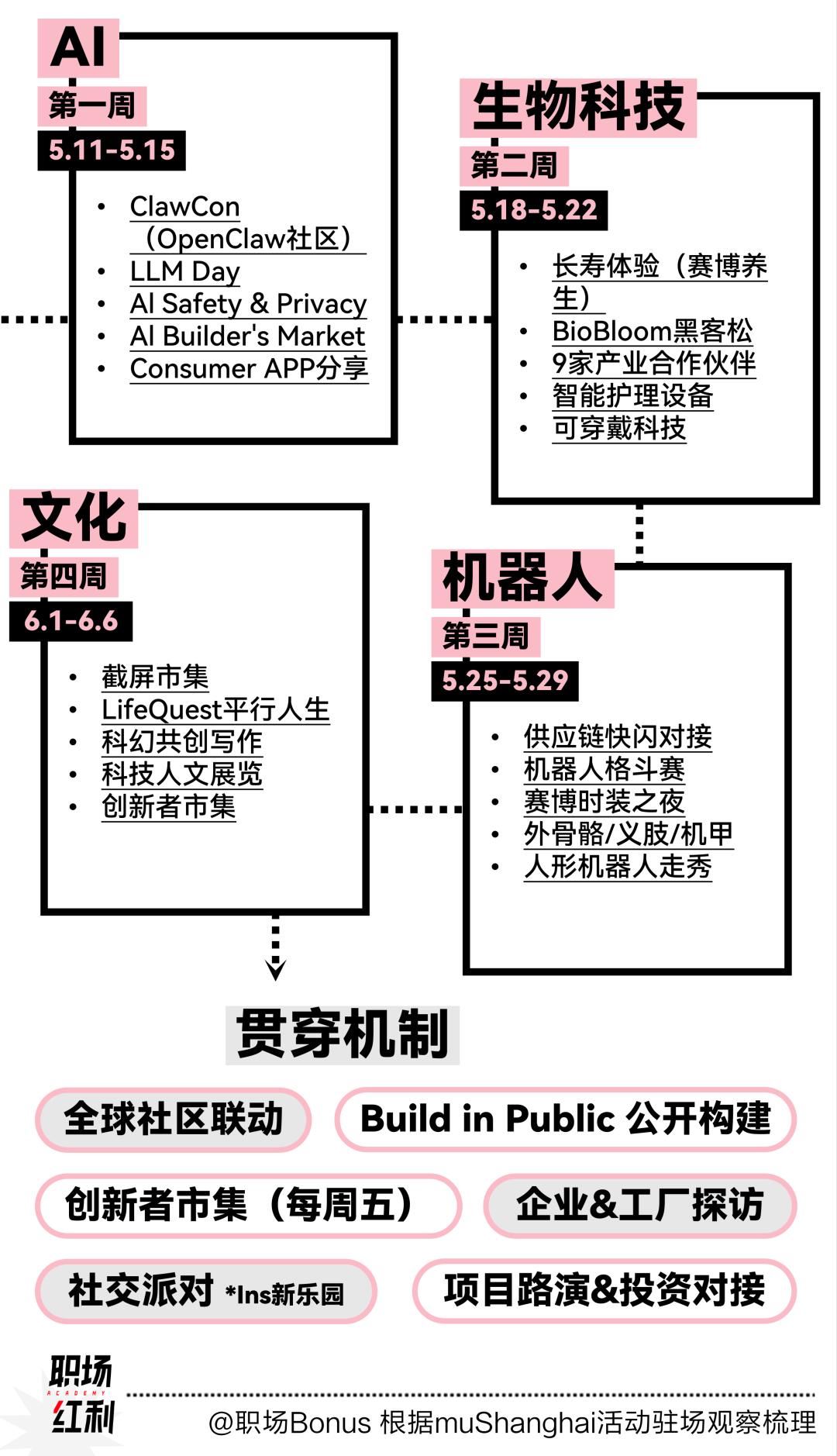
In May 2026, the international open-source community The Mu brought its "Pop-up City" experiment to Shanghai. Approximately 800 global developers paid for their own flights and accommodation and paid a thousand-yuan entrance fee to live here together for 28 days. In the past two years, this experiment has been held in places such as Argentina, San Francisco, New York, Bangkok, Mexico City, Istanbul, and Osaka. There is no fixed "schedule" here. Instead, there is a consensus of Build in Public – participants can form teams, present their work, or leave at any time.
Although self-deprecating as a wild "amateur team," the community organizers still prepared a rich program and invited well-known companies through a decentralized collaborative operation model. During the day, people can participate in the event in their most comfortable way. Everyone present can choose to participate in projects they are interested in, whether it's listening to lectures, participating in hackathons, visiting factories, learning about the supply chain, or going to cyber parties to socialize, dance, or do health-preserving exercises. Late at night, although there's no need for the 996 work schedule here, you can still see many people in the co-working area coding for their creative projects on the screen.
According to the on-site observation of "Workplace Bonus," in addition to Western technology powers such as the UK and the US, these developers also come from Brazil, India, Argentina, Lithuania, and even unexpected countries like Lesotho, Venezuela, and Kenya.
"Argentina might be the next Shenzhen." A respondent told "Workplace Bonus" about his new discovery at the event. "The economic model of China's special economic zones is very inspiring to them. Some foreign friends are eager to learn the secret of China's rapid rise."
Sun Bohao (Sun), one of the founders of The Mu community, revealed to us that there were actually more investors at their previous event in Argentina looking at projects. For Chinese developers, this event in China is more like an opportunity to introduce the culture of the geek community for more people to experience. A participant from a large company believes that the wild atmosphere here is almost the opposite of the style of domestic tech giants and is closer to what the younger generation likes.
36Kr "Workplace Bonus" (ID: ZhiChangHongLi)
From the perspective of the event organizers, the essence of muShanghai lies in the design of its organizational philosophy and participation mechanism.
Under the decentralized organizational structure, each of the four theme weeks has a leader and different deputies. Each of them has their own main occupation and resources in the industry. Most of the people wearing the organizers' uniforms are "digital nomads" who travel around the world. They are very free and don't rely on the execution team of traditional event companies.
"I won't stay in one place for more than two months." A post-2000 guy with a black headband around his forehead and long hair follows The Mu community around. He didn't go to college. Usually, he takes on projects with his coding skills to earn money for his travels, and he needs to carry less and less luggage. A backpack is enough.
Since the event venue is set in an office building in the Alibaba Center, the indoor space of muShanghai is circular, with a dedicated work area (White Room), a balcony (a place for people to smoke and chat), and two stage areas, one large and one small (where people come and go to give demonstrations and listen to sharing sessions). "There's no friction. You can move around freely here."
As mentioned in the conversation between Elon Musk and Jensen Huang last year, "aesthetic sense" is one of the most important things in the AI era. The internationalized visual design and the inclusion of humanistic topics are another major factor that makes the muShanghai event attractive.
The visual communication of the event avoids the common "enterprise-level VI" and "blue-and-white tech style" seen in large company summits (which are now flooding in the MeituXiuxiu template library). Instead, it uses minimalist lines, geometric aesthetics, pixel art, and even dreamcore illustrations to convey a concept that combines cyber and free spirits.
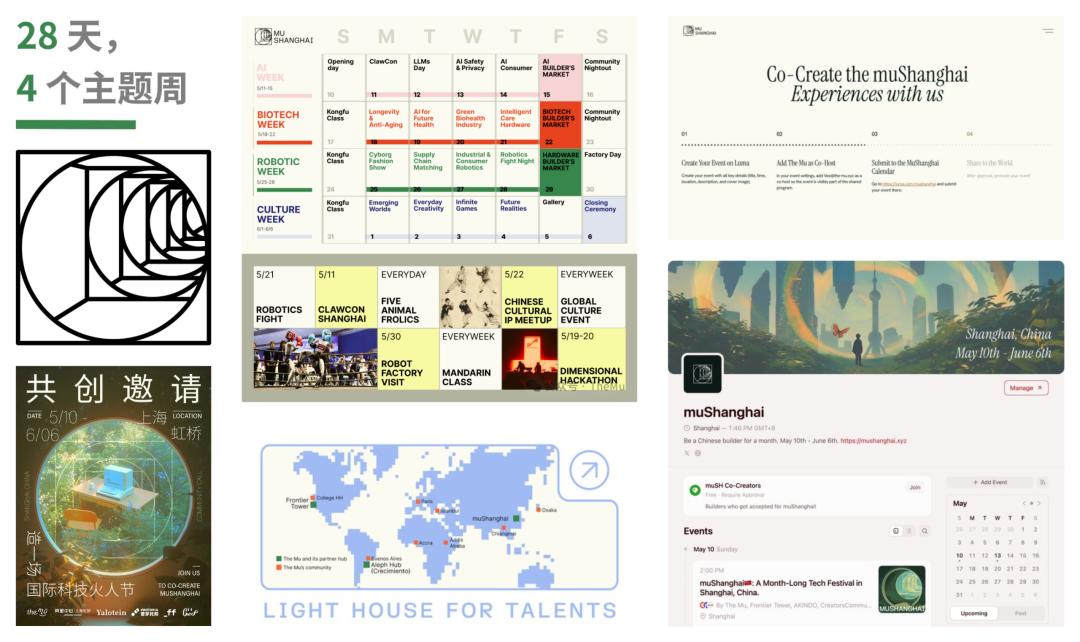
Visual presentation of muShanghai
In terms of humanistic elements, the planning of muShanghai has created a unique cultural landscape. There are folk markets, tea parties, board games, handicrafts, traditional health preservation and kung fu (such as the Five-Animal Exercises, the Eight-Brocade Qigong, the Vajra Strength Qigong, the Six-Character Breathing Method, and Tai Chi), and youth subcultures (such as screenshot markets, AI games, and DJ performances with brain-computer interface support). These activities are not only concentrated in the cultural theme week but are also presented throughout the four weeks through on-site experiences, interactions, group chats, exhibitions, and sharing sessions.
In the eyes of media professionals who are tired of various serious summits, this is a great way to "refresh" technology events. "This event design not only focuses on the discussion topics but also allows everyone to communicate and integrate through interdisciplinary activities," said Pedro, a respondent from Brazil.
muShanghai provides us with a rare window to observe global technology. "Workplace Bonus" conducted 20-minute light interviews with eight builders of different nationalities and career stages. Among them, there is a doctor who just graduated from the Department of Computational Sociology at Oxford University and an Indian developer who has never left his village of 3,000 people before.
Obviously, they didn't come here all the way just for a casual look. This trip to Shanghai has stored 28 unforgettable days for them in China.
Here are their self-narratives.
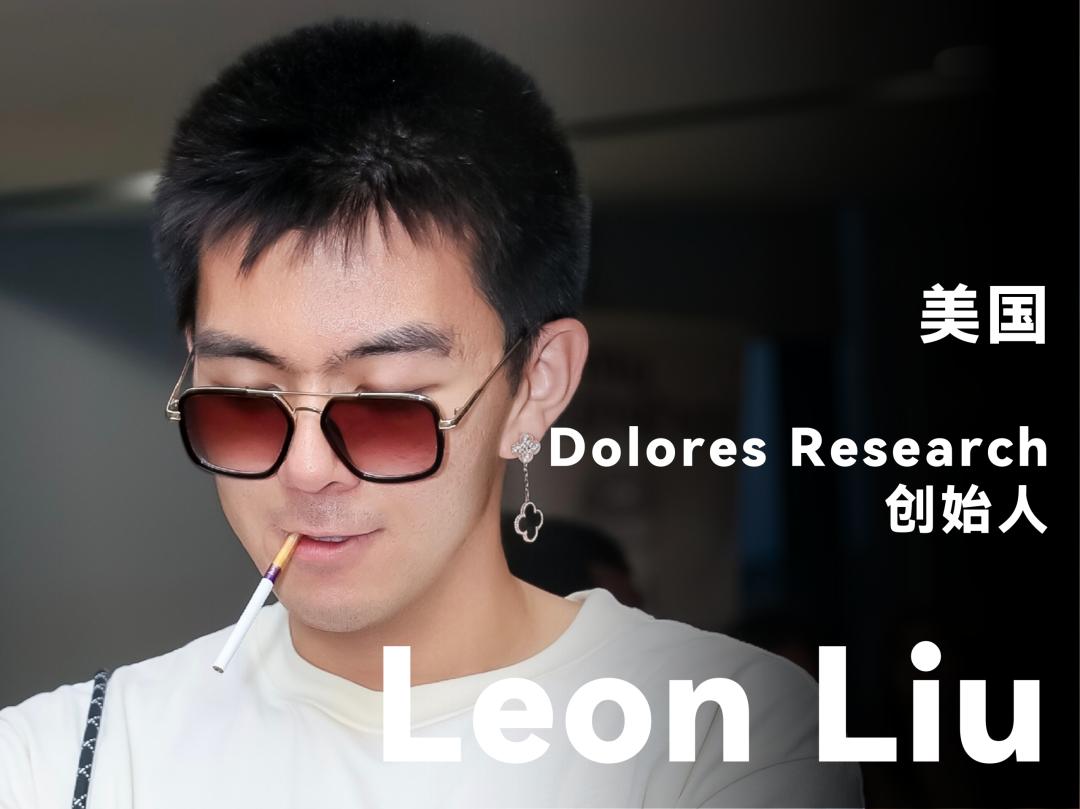
Leon · United States · Founder of Dolores Research
I was born in Beijing. When I was 8 years old, I went to the United States with my family and grew up in Florida. I studied film production at universities in Boston and Los Angeles.
Two years ago, I moved to San Francisco. I like it so much that I now consider it my base. San Francisco is an extremely diverse city that attracts a group of the most talented and ambitious people. Half of my acquaintances there are Chinese, and there are also many French and European people. It's the "modern Florence," a place where geniuses gather to exchange ideas. However, the cost of living there is getting higher and higher, and the rent is outrageously expensive.
Now I'm 25 years old. This is the first time I've returned to mainland China in two years. Spending a month at muShanghai is my first in-depth experience of China's AI and hardware ecosystems.
I like the Robot Week the most. They say "atoms over bits." As someone with a software background, it was my first time visiting a factory – the NIO car factory. When I saw the large-scale automated manufacturing, I realized that the threshold for software is getting lower, and the profit margin is disappearing, while the barriers for hardware are higher.
China has an absolute advantage in terms of speed and quality. If I have a hardware idea in Shenzhen, I can quickly turn it from a prototype to mass production with high quality. In the future, I may need a special trip to Shenzhen to truly understand the hardware ecosystem.
I met my current partner Armin in Singapore two years ago through a mutual friend. At that time, we were both solo founders and passed by each other at a hackathon. Later, we went to Thailand, Denver, Las Vegas, Los Angeles, and San Francisco together and participated in numerous hackathons and hacker houses. Our lifestyle is nomadic: we try to go to new places and meet new people as much as possible.
At muShanghai, I felt the ambition and inspiring energy. Often, at 10:30 p.m., everyone is still working hard at their desks. That energy is contagious. Gathering like-minded people in one space creates an unparalleled chemical reaction. We participated in four different hackathons. One of them could even be called an "ideathon," where you don't need to create a product, just come up with a good idea.
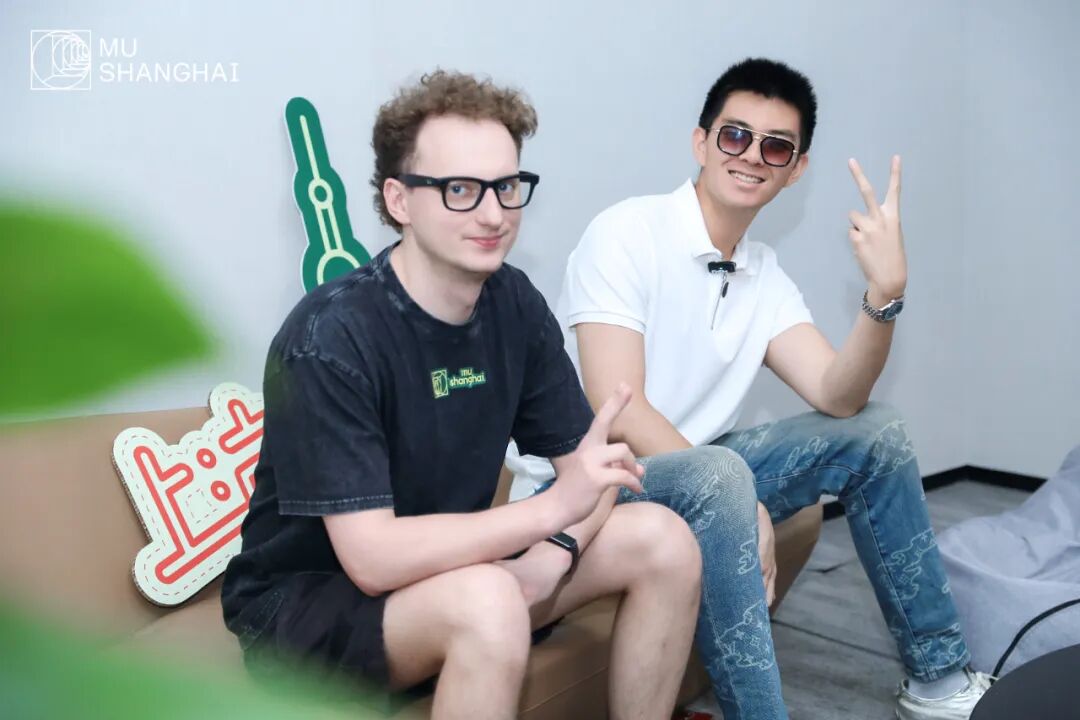
The two founders of Dolores Research: Armin (left) and Leo (right)
You see, when everyone can code, taste becomes the only moat.
My past knowledge of film production has taught me one thing: Everyone can code, but the ability to tell a story is scarce. We can identify narratives early and explain them to the most suitable audience of brand clients, which gives us an advantage in both the Chinese and American markets. This storytelling ability and taste will ultimately help us build a bridge between the Chinese and American technology markets. (Our website: Doloresresearch.com)
I noticed that the Chinese are more optimistic about cutting-edge technology than the Westerners. Many early-stage entrepreneurs in AI and robotics now come from the open-source community, an industry that requires you to be extremely sensitive to new things and willing to take risks at an early stage. This characteristic is a perfect fit for the current AI and robotics wave.
We also took the time to attend Sequoia China's AGI Party. Before coming here, I thought it would be difficult for Chinese startups to get angel and venture capital. Now I find that this ecosystem is much more mature than I thought. With official support and cooperation from the private sector, the situation will be very positive in the next few years.
This trip has made me regain something: my Maverick spirit. After staying in San Francisco for a long time, the energy of "living outside the traditional system" has diminished a bit. But in China, I've received more positive feedback on my talents and work. I believe even more deeply that our team can provide valuable things here and in the world.
Yes, the traditional system structure is no longer effective: a degree no longer guarantees a high salary, and a high salary no longer guarantees ten years of security. That's why it's more important than ever to find your own way and be a Maverick in the AI era.
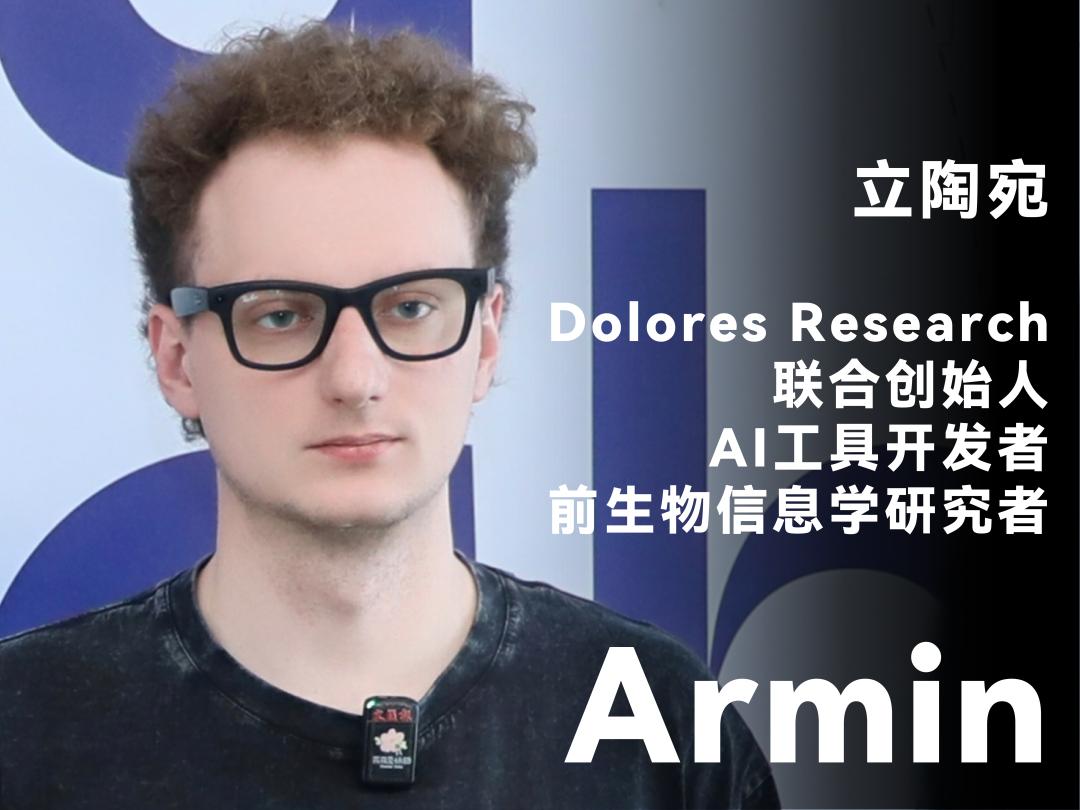
Armin · Lithuania · CoFounder of Dolores Research / AI Tool Developer / Former Bioinformatics Researcher
I'm 27 years old and from Lithuania. I studied bioinformatics and computational biology (you can simply understand it as half computer science and half biochemistry). In the past five years, I've been running a traditional software outsourcing company. Now I'm turning to AI tools, model training, and forward deployment with Leon.
This is my first time in China. In the first week, I was almost at a loss: I couldn't speak the language, the system was completely different from that in Europe and the United States, and the population density was shocking. My whole country has only about 3 million people (the population of Pudong District in Shanghai has already exceeded this number). When I saw the crowds at tourist attractions, the impact was real.
But China's efficiency quickly impressed me. The trains are always on time, the catering service is smooth, and the event organization is well-organized. My friend Eileen took us to see Beiyang Artificial Intelligence Town. The entire infrastructure was built in one year. In San Francisco, it would take five years just to get the building permit. The United States has been trying to build a high-speed railway from San Francisco to Los Angeles for more than ten years, but they've only completed a few hundred miles so far. The capital allocation and execution ability here are the reasons why I'm considering staying.
Regarding hackathons, I found that there were more Chinese people at the Bit Tensor and Mona hackathons because they are more optimistic about cutting-edge technologies such as blockchain. They can adapt to new things extremely quickly.
I also met some Argentinians. They want to replicate the model of the Shenzhen Special Economic Zone in Argentina and use the local rich resources and talents to build a global innovation center. Peter Thiel (the founder of PayPal and the first external investor in Facebook) has already started to make arrangements there. If it succeeds, Latin America may experience a rapid rise similar to that of Shenzhen thirty years ago.
This experience has changed me. Chinese entrepreneurs work extremely hard and are very open to cooperation. I've learned to communicate more directly in business. This has reduced my anxiety and made me more focused on action. I used to waste too much energy on social media, but now I pay more attention to "action and doing things" and worry less about unnecessary things. Another important gain is that many of the stories about China told by Western media are not true. Chinese people, like people in other places, hope to make the world a better place.
If I had to describe muShanghai in three words, I would choose "innovation, friendship, openness." The design of the open space makes communication smooth, and people from different backgrounds naturally mingle together.
I'm going back to Europe this summer for my friend's wedding (August is almost fully occupied by wedding seasons), but I'll definitely come back later. The winters in Lithuania are too long, and I need a warm place. I want to learn more about the visa policy and find out if I can live and work in Shanghai in the long term.
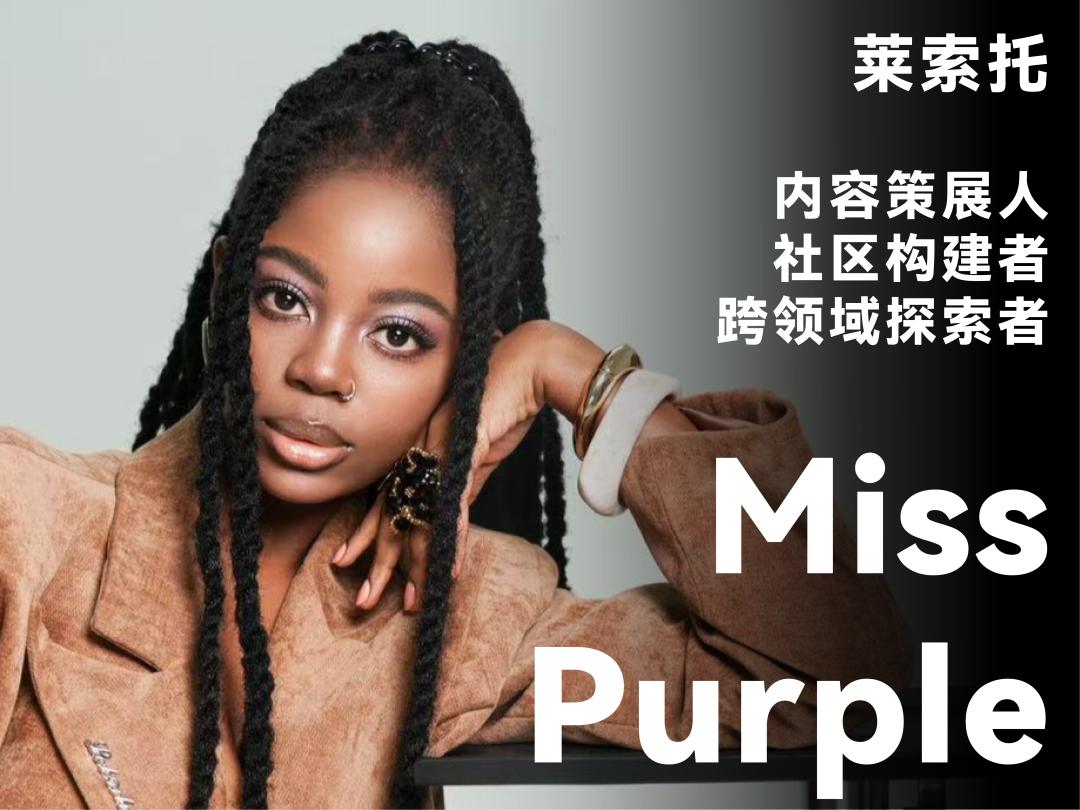
Miss Purple · Lesotho · Content Curator / Community Builder / Cross-Domain Explorer
I'm from Lesotho,