To escape from AI, they dug out their old iPods and Nokia phones: Can convenience be sacrificed?
In the past year, AI has been like a runaway train, roaring into everyone's lives.
Open a search engine, and there's an AI summary; open your phone, and there's an AI assistant; open your photo album, and there's AI photo editing; open your office software, and AI can help you write. Even at many manufacturers' press conferences, they no longer talk about how fast the phone is but rather how well the phone's AI can handle things for you.
This is, of course, convenient. But when it becomes overly convenient, people start to feel annoyed.
According to foreign media The Harvard Gazette, more and more people are beginning to believe that artificial intelligence will have a negative impact on society. In order to break their strong dependence on electronic technology tools, they are putting down their smartphones and picking up classic devices such as iPods and flip phones, just to avoid being disturbed by messages, algorithms, and short - videos.
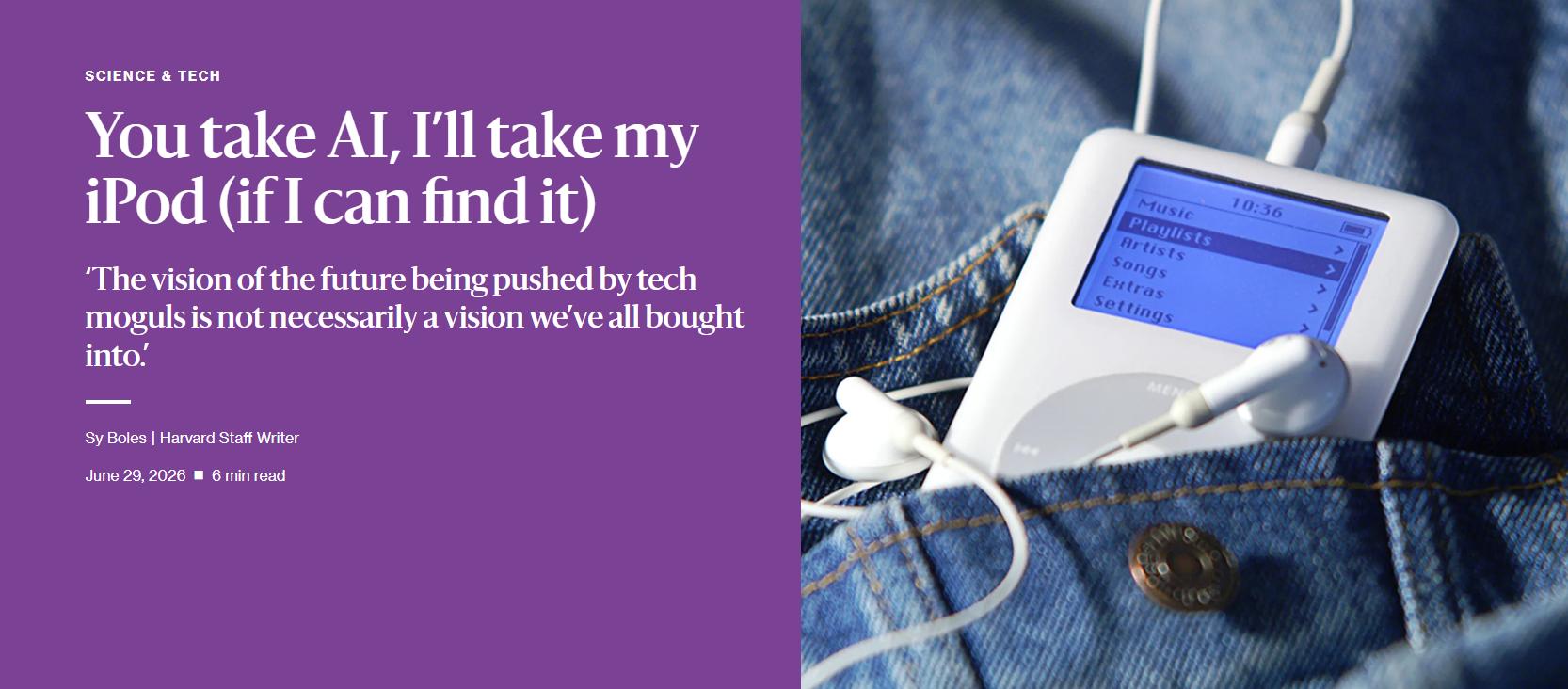
(Image source: The Harvard Gazette)
Leitech (ID: leitech) has learned that this trend has a new name: Analogue Escapism.
Use peculiar devices to achieve AI analogue escapism
Many people think that escaping from AI is like going back to the cave and starting a fire by rubbing sticks together.
In fact, this is not the case. The so - called analogue escapism can be understood as young people feeling fear and anxiety about instant communication and the information explosion. As digital fatigue reaches a critical point, they are trying to stay away from various algorithm - driven functions and turn to more real, autonomous, and human - touch experiences.
In May this year, Mastercard and the trend research institution Trend Hunter jointly released the "European Experience Economy Report".
This survey covered 27,000 respondents in Europe. Among them, 64% of European consumers are more willing to trust the recommendations of people around them rather than algorithmic recommendations when planning leisure activities; 60% of people are actively getting rid of algorithmic and digital overload and trying out a series of digital detox products.

(Image source: Mastercard)
Coincidentally, Pew Research also released the "Survey Report on Americans and Artificial Intelligence in 2026" last month.
In this survey, 40% of American respondents expect artificial intelligence to have a negative impact on society, and 71% of people think that artificial intelligence will make personal information less secure; at least two - thirds of people, that is, 63%, believe that the current development speed of artificial intelligence is too fast.
From my observation on Reddit, analogue escapism is more like a reaction against default takeover rather than being against electronic devices.
The constant online presence on social platforms makes them physically and mentally exhausted; the AI that has penetrated into every corner is pushing their lives.
You just want to search for something, and it forces a summary on you; you just want to take a photo, and it secretly optimizes it; you just want to listen to a song, and it guesses what you want to listen to next; you just want to write a sentence, and it starts to complete the second half for you.

(Image source: Reddit)
Over time, people will have a very strange feeling.
Why are the devices getting smarter, but I'm feeling more like a bystander? Is it me living my life, or is it the algorithm that is driving my life?
In order to regain control over their devices, a batch of retro/nostalgic devices are becoming popular among young people overseas.
Among them, the iPod may be the most typical symbol of this trend. According to Google Trends, the search volume for iPod and iPod Nano soared in 2025. The search volume for iPod Classic on eBay increased by 25% compared with the same period in previous years, and that for iPod Nano also increased by 20%. Since 2022, the total sales of refurbished iPods have increased by an average of 15.6% per year.
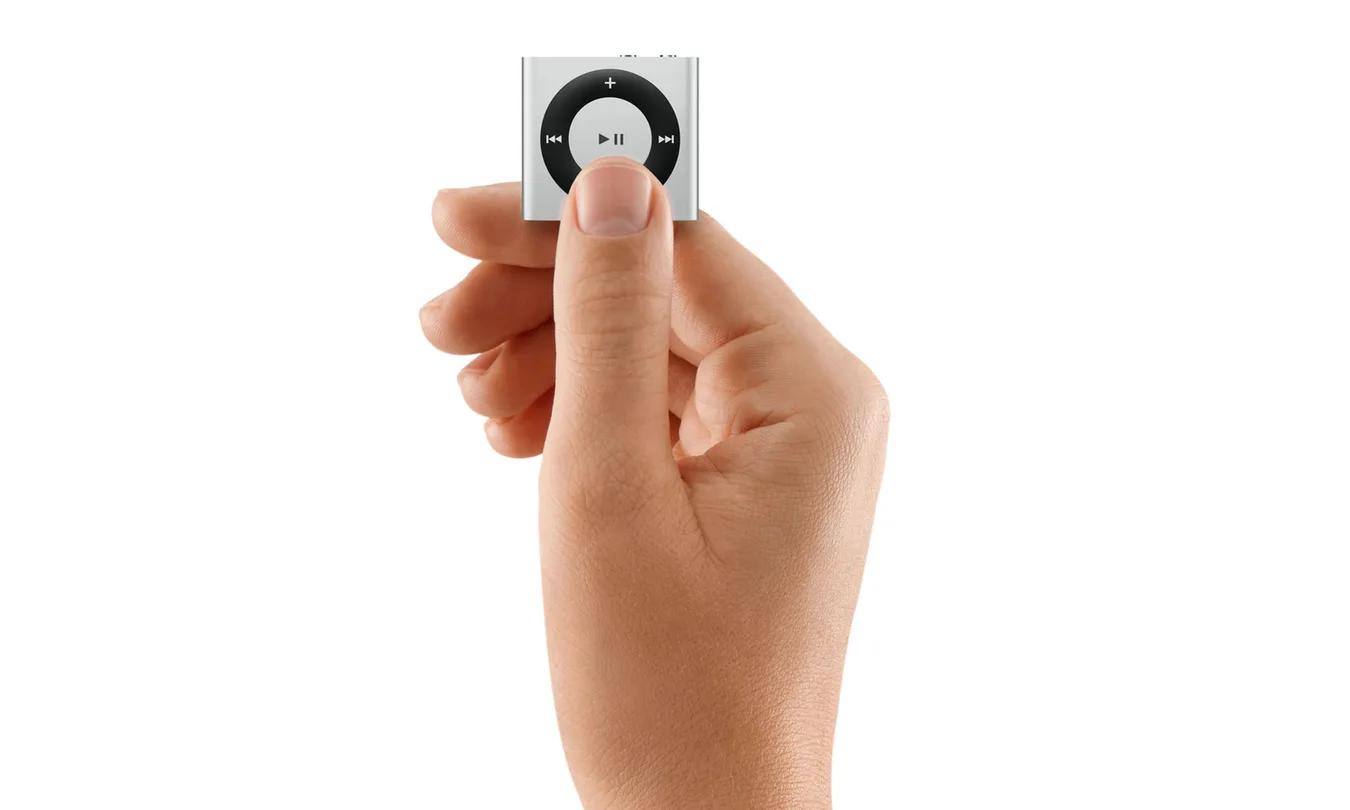
(Image source: Apple)
For those who crave analogue escapism, the iPod uses an offline music library. Users can completely control what they want to listen to without being randomly recommended various "music that suits your taste" like on current streaming platforms. Moreover, it has no notifications and no information flow, so it won't cause any social anxiety.
When you just want to listen to music without paying attention to a bunch of notifications on your phone, this thing is a perfect choice.
Similarly, this is why small - screen feature phones like Nokia have regained popularity in the past year, because more and more young people are saying "Don't let me get sucked into apps as soon as I pick up my phone."
Devices like the Light Phone and Punkt MP02 basically focus on text messages and calls.
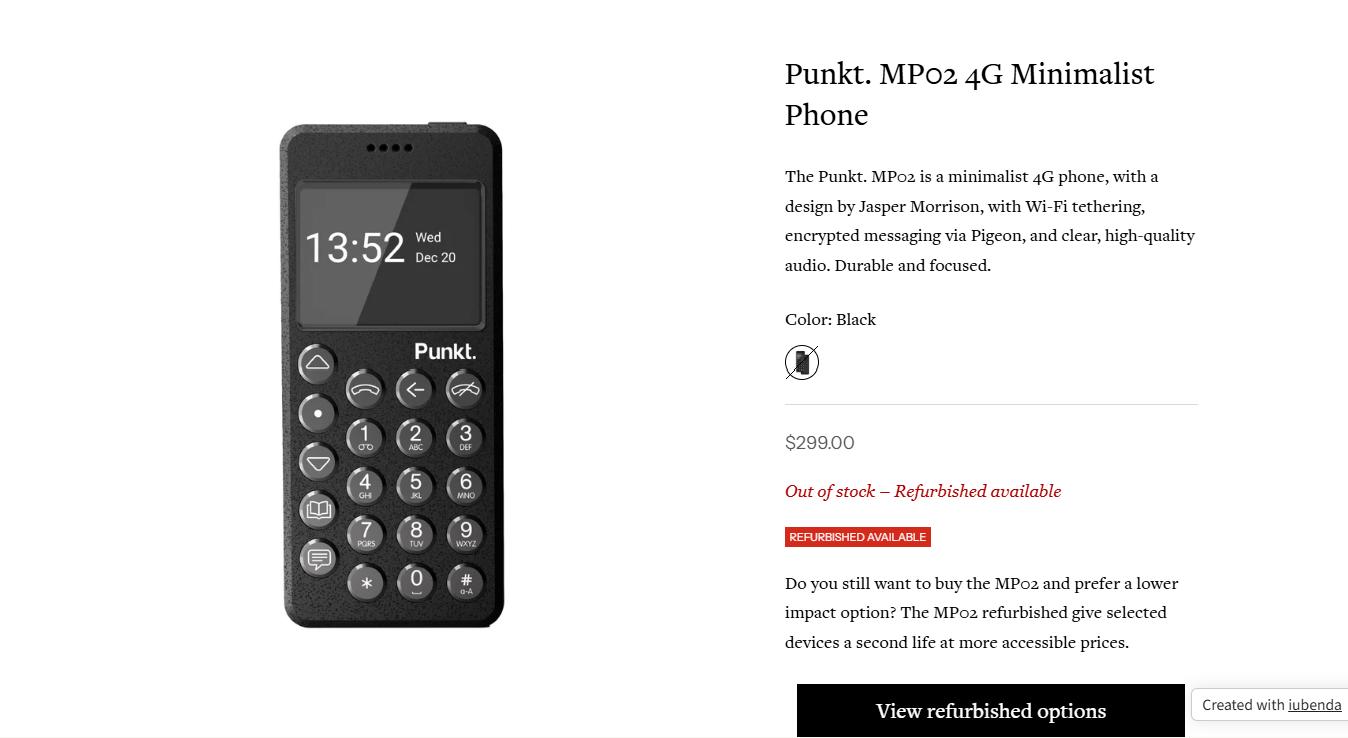
(Image source: Punkt)
The official website of HMD even sells the Nokia 3210 in the context of a detox phone, highlighting its retro style, long battery life, and less disturbance.
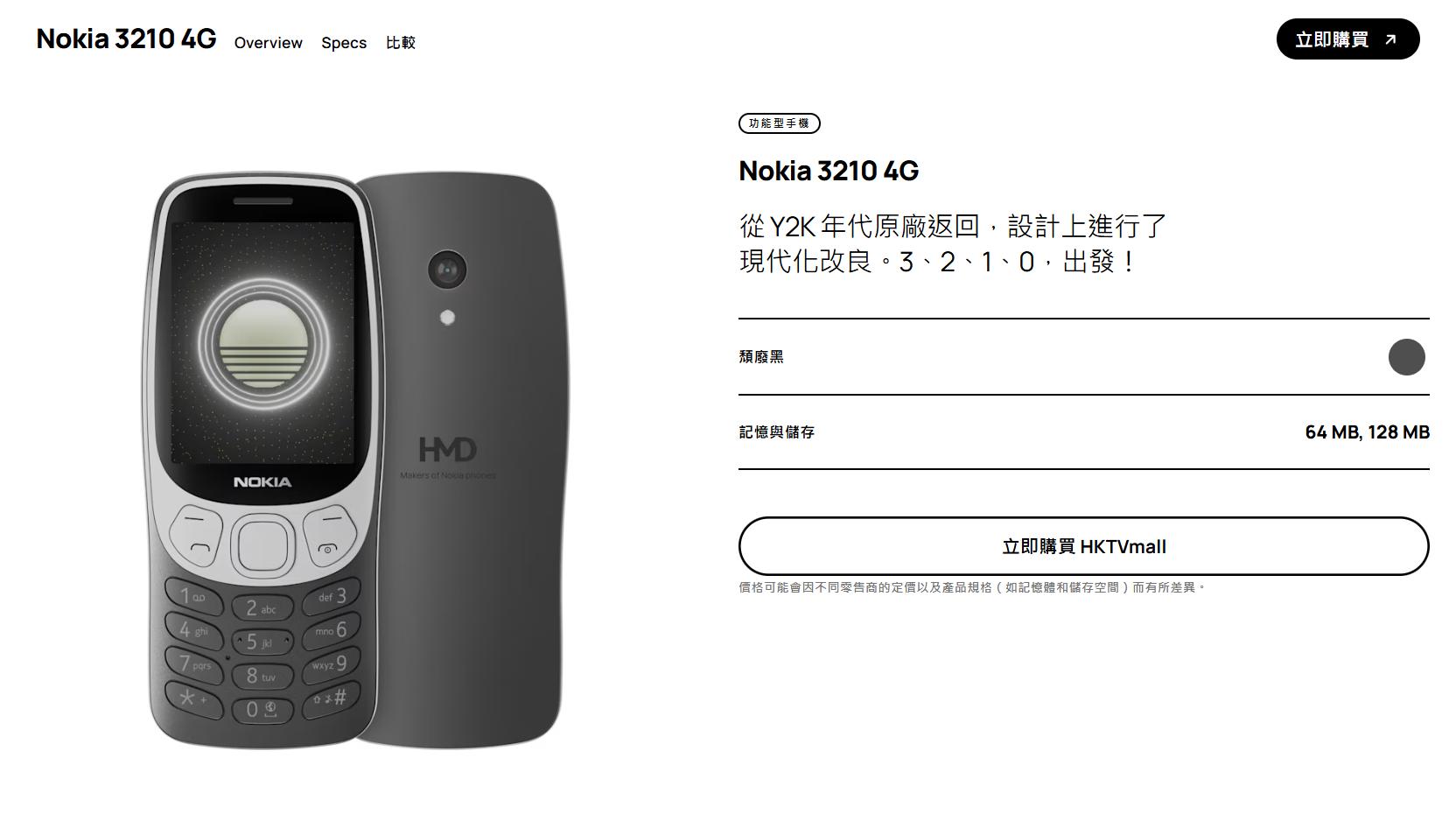
(Image source: Nokia)
These phones are, of course, not suitable to replace smartphones. They have small screens, few functions, many apps are not available, and they can't even support online payment. But precisely because of this, they won't drag you into short - videos, shopping carts, and information flows when you open text messages, making them the best choice for young people who want to escape.
Want to read? Use local readers like Amazon Kindle or BOOX. Not only do you not want your attention to be snatched away by AI summaries and notifications, but the e - ink screen is also more suitable for long - term reading.
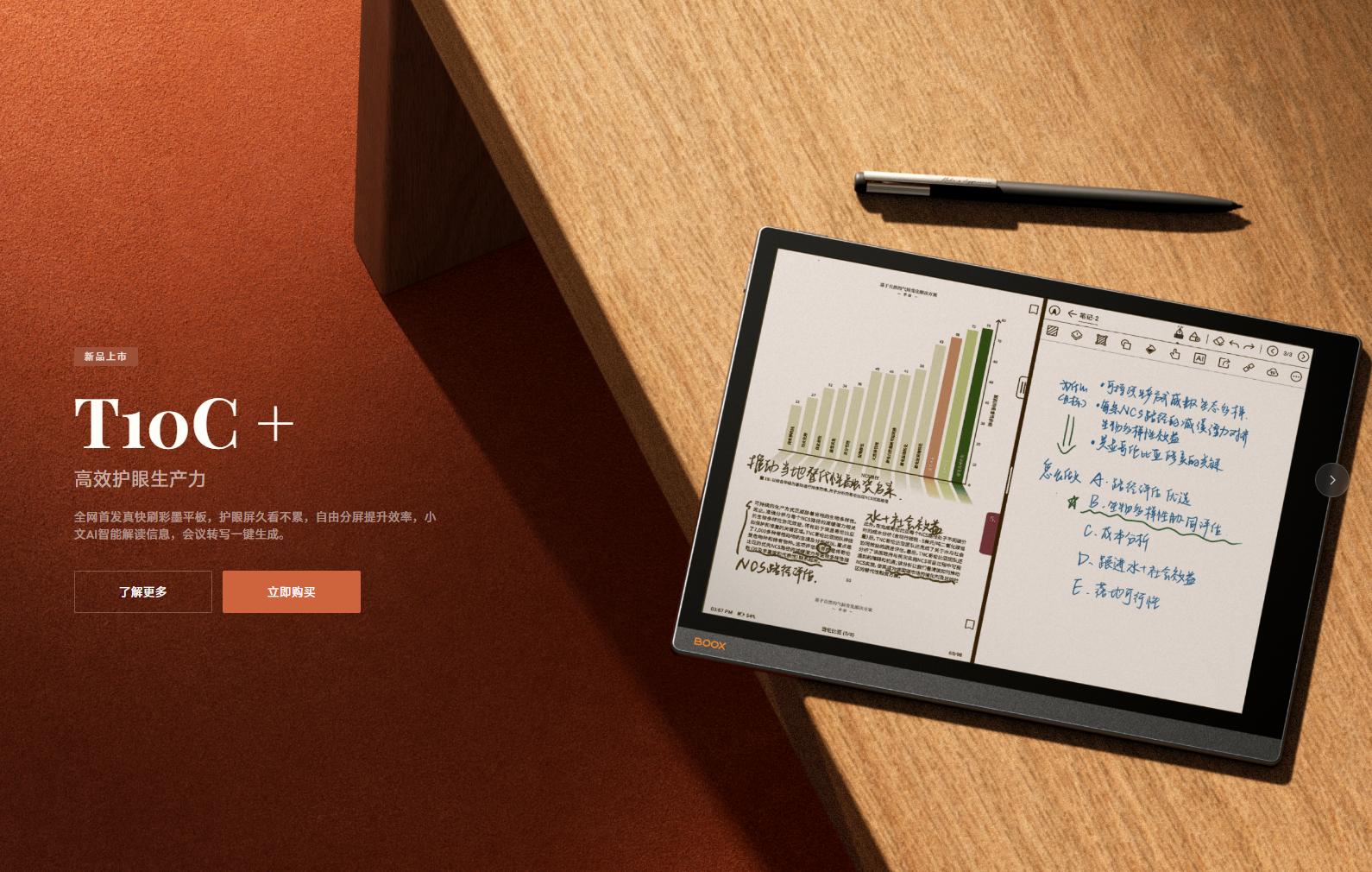
(Image source: BOOX)
Like writing? Try e - paper notebooks from iFlytek, Hanwang, and reMarkable to experience a dedicated writing device without the temptation of browsers, apps, or notifications.
Want to take photos? Early CCD cameras like Sony Cyber - shot and Nikon Coolpix, although their imaging is not perfect, offer what you see is what you get. You won't have the problem of every photo being automatically beautified, having HDR applied, or being reconstructed.
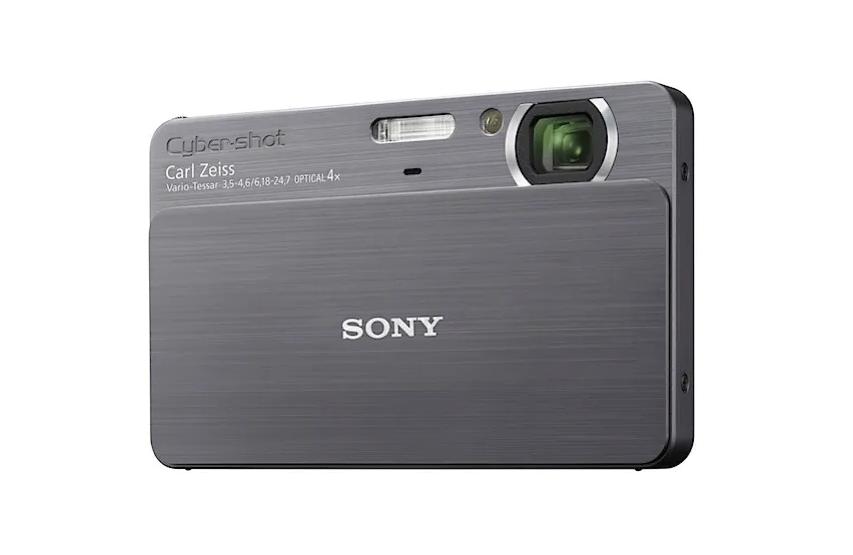
(Image source: Sony)
To leave some free space in life, we can only say that everyone is really making an effort.
Inconvenient, but the experience is just right
Next, it's time to talk about my own attempt at analogue escapism.
The Microsoft Zune HD was released in 2009. It has a 3.3 - inch OLED screen, touch - screen operation, built - in HD Radio, Wi - Fi connectivity, and a full - metal body that seemed quite avant - garde at that time. Back then, it was Microsoft's serious counterattack against the iPod touch.
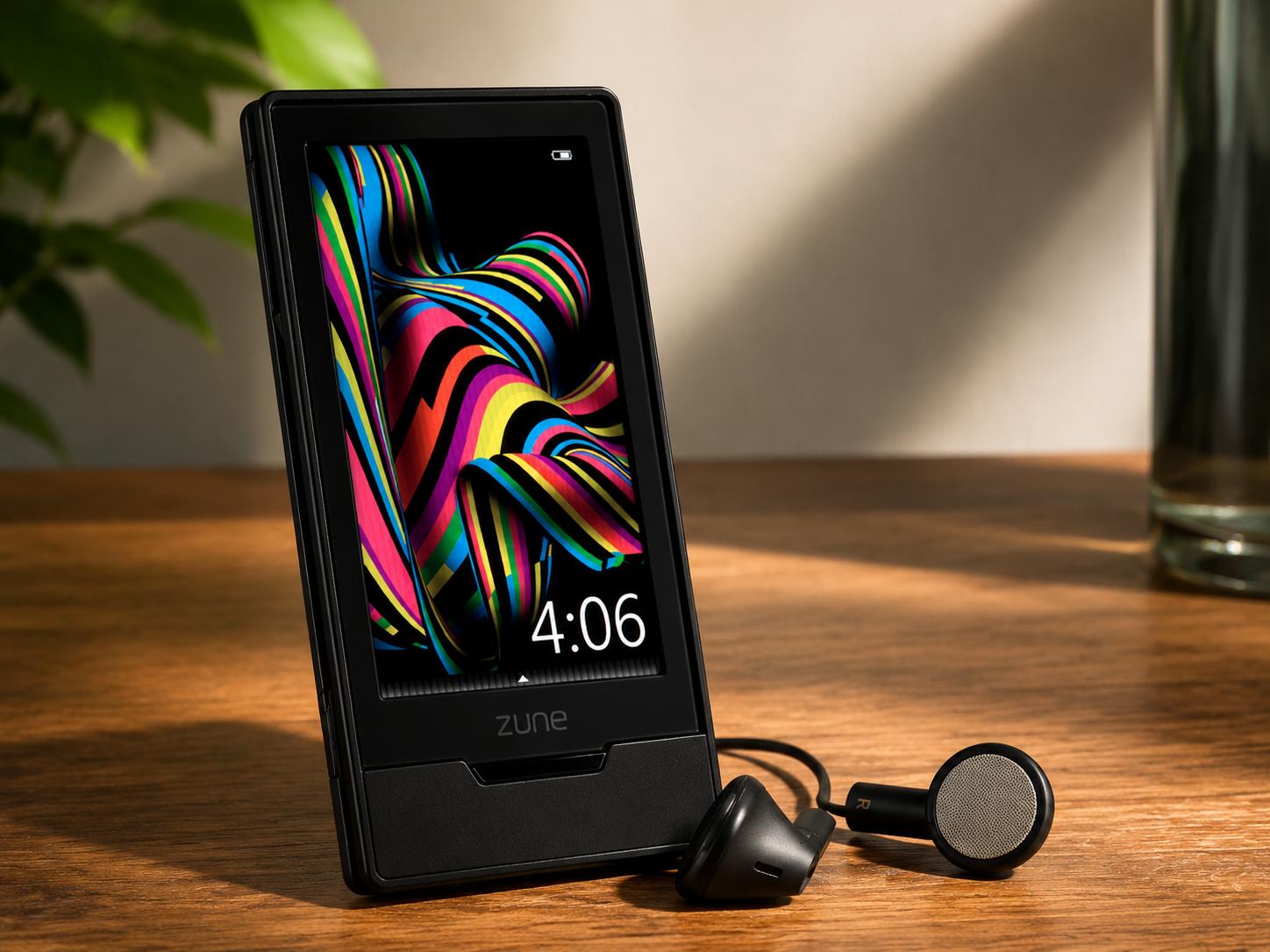
(Image source: Leitech)
As we all know, the iPod won, the iPhone won, and the Zune became a joke in the digital circle.
The good news is that I only needed to spend $139 to buy this thing.
I have to say that as a product from 16 years ago, the hands - on experience of this thing is quite amazing. It inspired the Metro tile desktop of the WP7 system. Thanks to its limited functions, there is almost no lag in operation, the transition animations are well - done, and it even has gesture operations far ahead of its time.

(Image source: Leitech)
Sliding, clicking, playing, and even the playback interface is great.
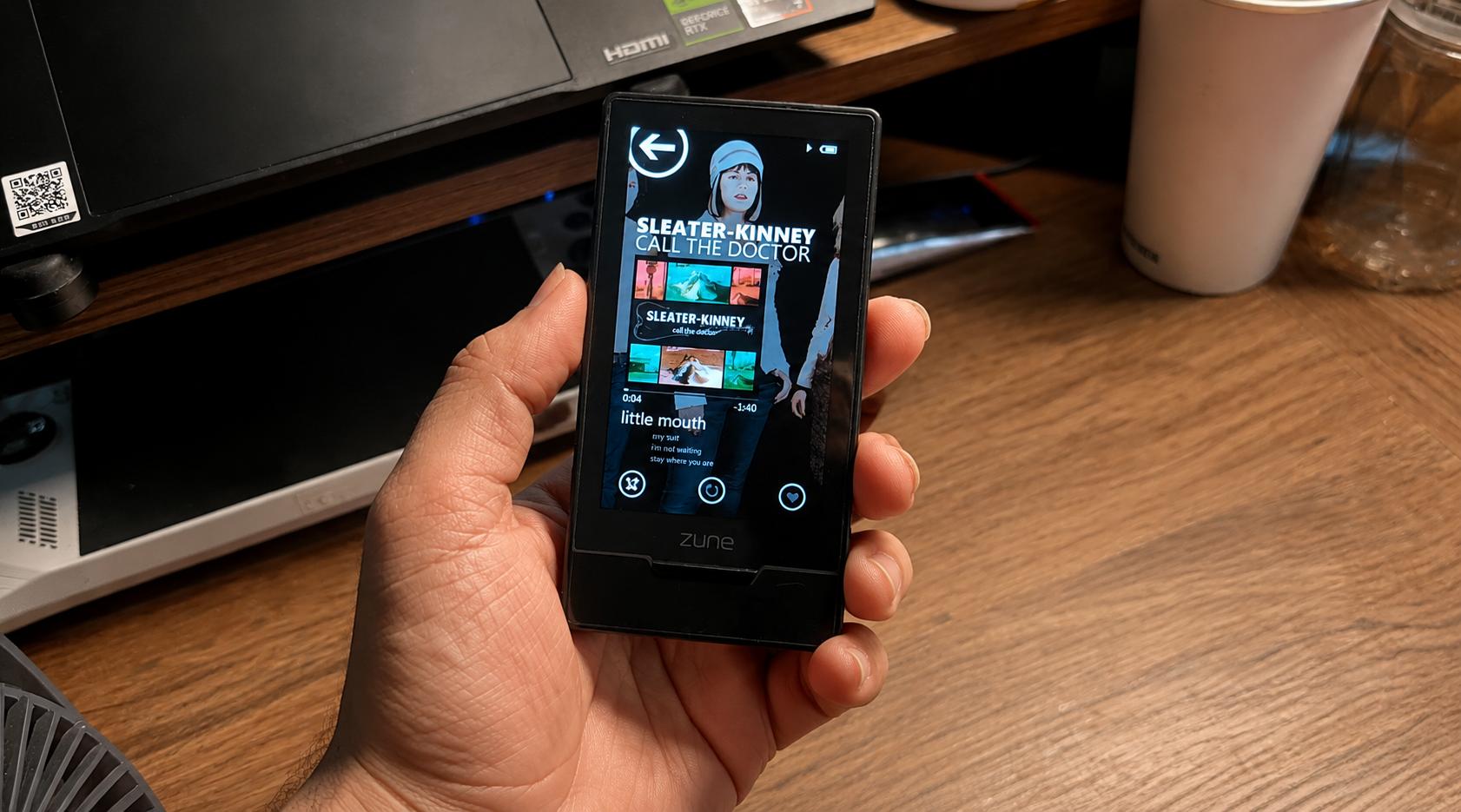
(Image source: Leitech)
Although it doesn't support high - definition audio formats, Chinese file names and lyrics, and there's no decoding chip to speak of, in my experience of pairing it with an $85 TianShiJiMi Zero headphone, the sound quality of this thing is significantly better than the high - definition sound with a 24 - bit bitrate marked on streaming platforms.
You should know that the strongest format the Zune HD can use - WMA Pro - has a maximum bitrate of only 768 kbps.
Of course, buying it is not for experiencing advanced technology. In terms of convenience, it can't compare with a phone at all. Importing music is very troublesome, the ecosystem is long gone, and many modern services can't be used. If you want to listen to music online, view lyrics, browse recommendations, or synchronize playlists, it can't help you.
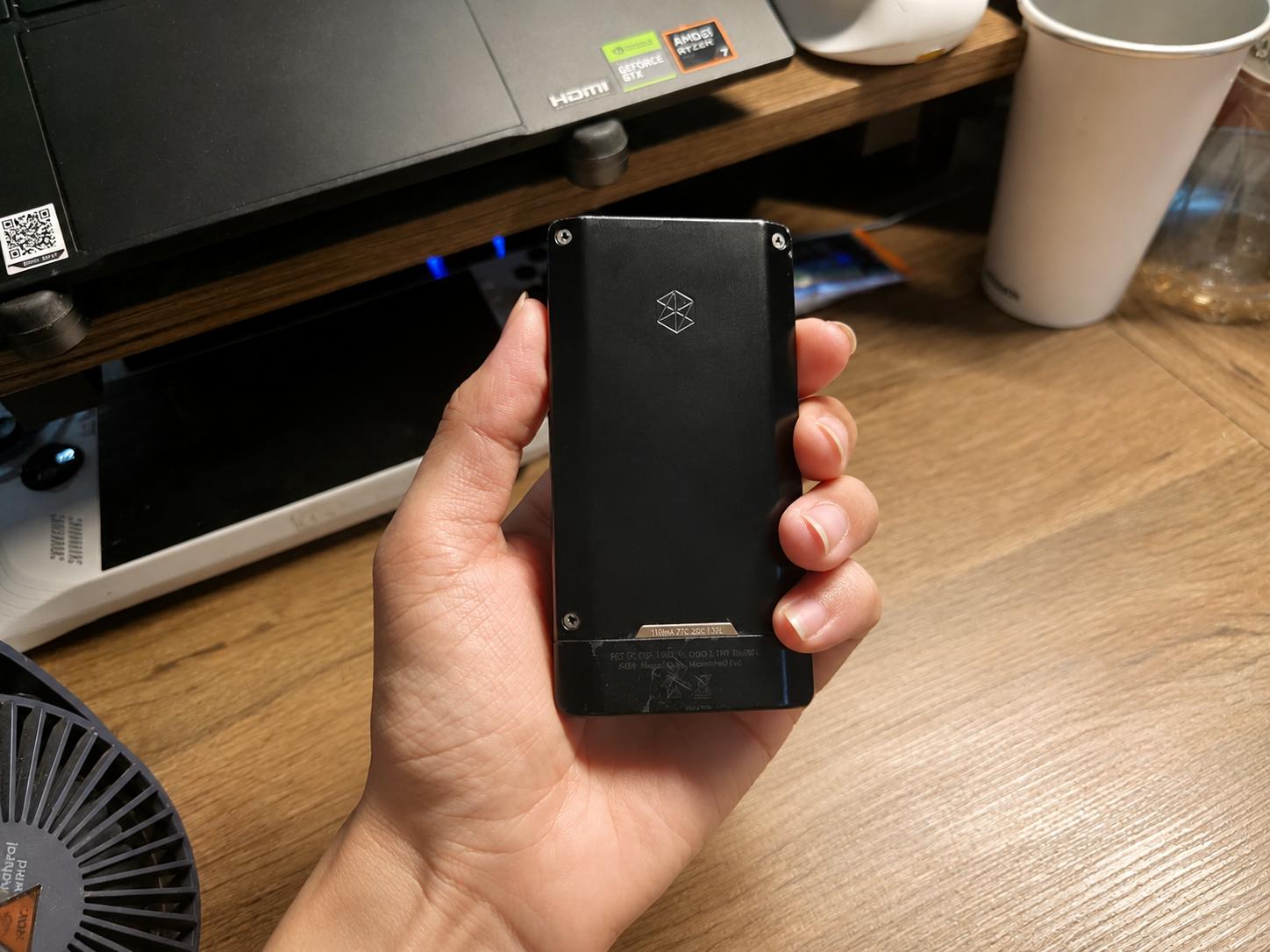
(Image source: Leitech)
But it's super pure. When listening to music with the Zune HD, there's no WeChat popping up, no short - video entry, no AI asking if I want to summarize the lyrics of the song, and no recommendation algorithm leading me to another playlist.
Although it took me at least two days to import music into it, I really think it's worth it.
This kind of purity is also the reason why I think many old devices have regained their value. They are, of course, backward, troublesome, and not suitable for everyone, but their usage boundaries are clear.
E - books are for reading, iPods/Zunes are for listening to music, Nokia phones are for making calls and sending text messages, and CCD cameras are for taking and recording photos.
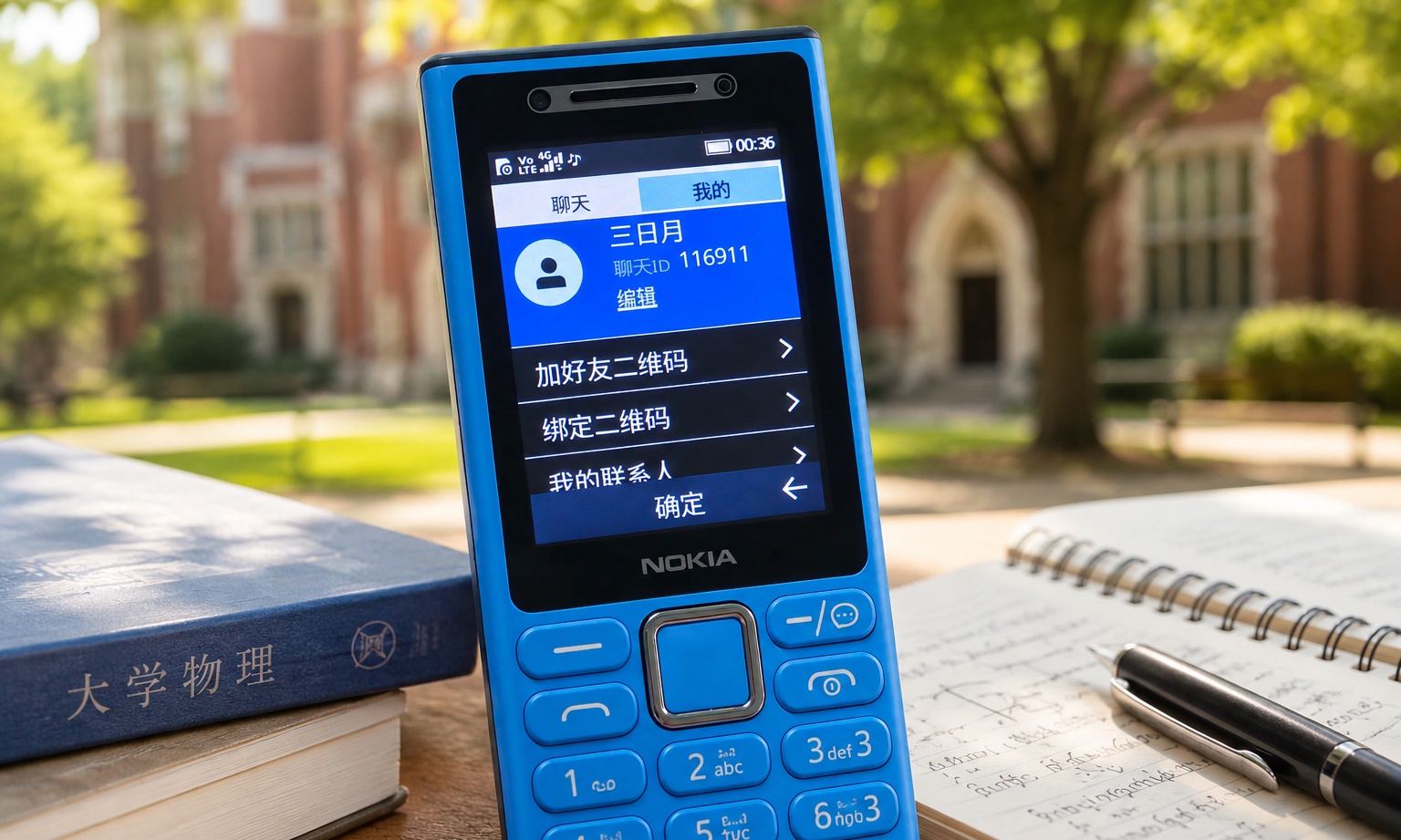
(Image source: Leitech)
Ultimately, the important thing is not these products themselves, but that after eliminating the sense of anxiety, although the experience is clumsy and the functions are simple, they can bring us the calmness of slowing down, the patience of having to wait, and a truly complete and undisturbed peaceful time.
Properly staying away from AI doesn't mean giving up convenience
In my opinion, the idea of escaping from AI shouldn't be romanticized too much.
There are costs, and the costs are very specific. If you use a feature phone, you can