630GB of confidential documents leaked, Apple is almost completely exposed this time
I believe everyone has come across the news about "a large number of Apple's confidential files being leaked" by now, right?
To be honest, when Tony first saw this news, he thought it was the same old routine: a gossip blogger got a few real - machine photos from the supply chain, or a designer started creating something based on rumors and drew a few concept pictures for netizens to have a preview.
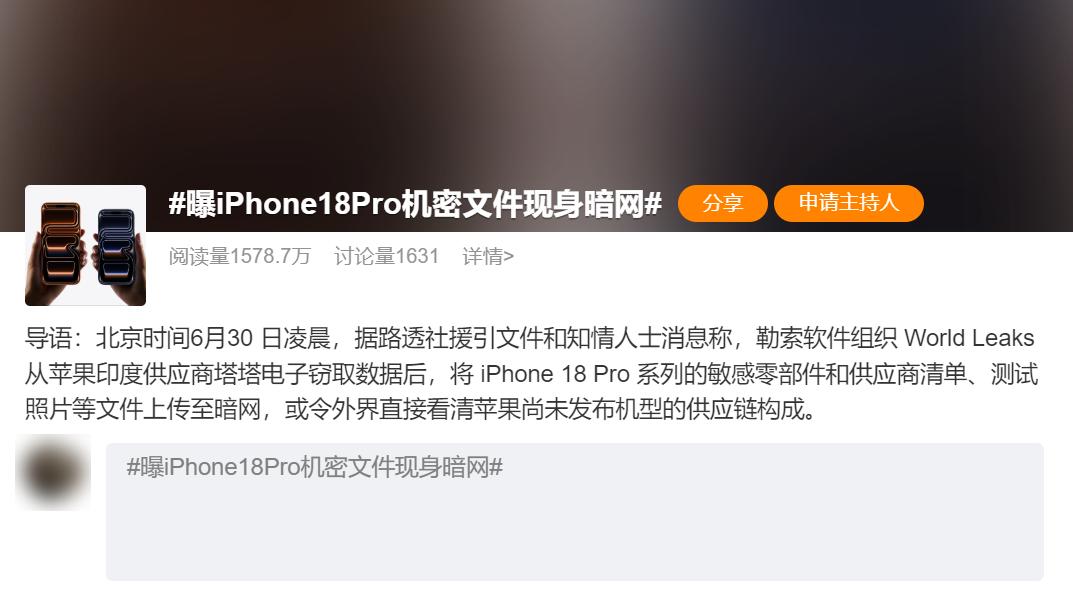
But when I clicked in, good grief, this time Apple's leakage was really huge ——
The cause was that Tata Electronics, Apple's contract manufacturer in India, recently suffered a cyber - security incident. A hacker group called World Leaks claimed to have obtained a huge amount of Tata's internal data and put the files up for sale on the dark web.
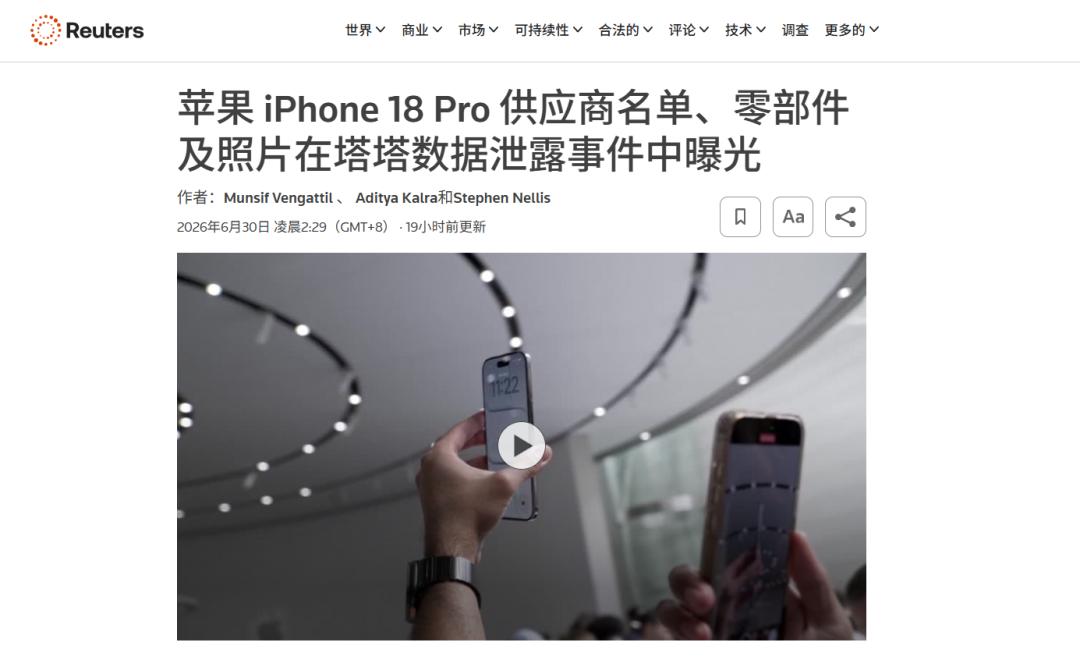
How exaggerated was the amount of data leaked this time?
According to Reuters, the data put up by World Leaks exceeded 630GB, and the number of files exceeded 200,000. It included not only component design and specification files related to Apple, quality control and hardware test materials, but also emails, logs, and employee passports.
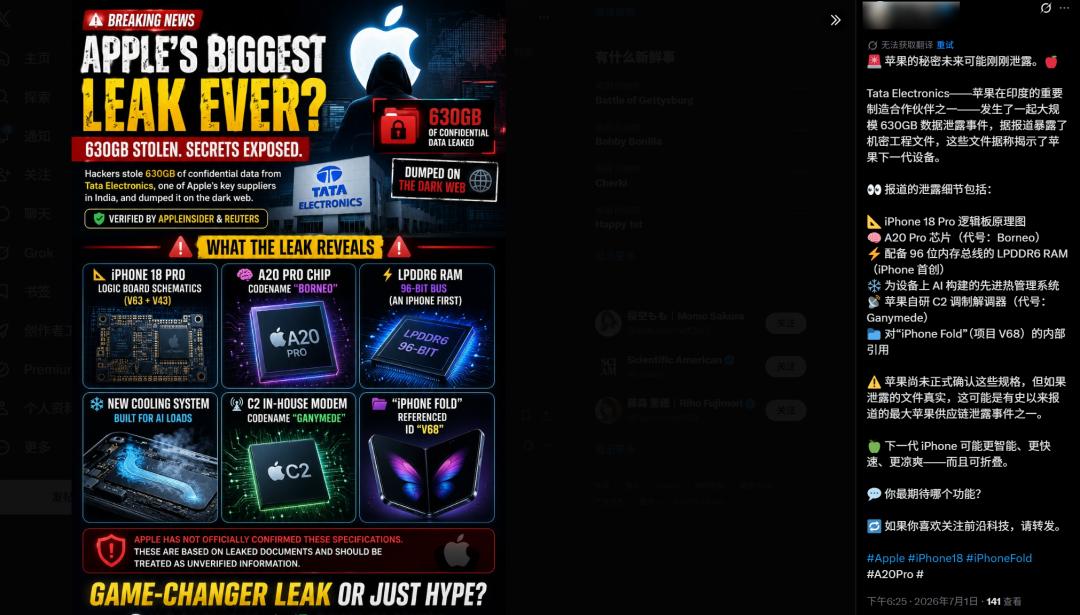
Naturally, the most attention - grabbing part was the unreleased iPhone 18 Pro series, with internal codenames V63 and V64, corresponding to Pro and Pro Max. The internal numbers and watermark formats in the files matched, and the authenticity has been cross - confirmed by many overseas media such as Reuters.
Hey, I know what you're thinking...
Judging from the leaked real - shot photos of the drop test and assembly drawings, Apple has finally decided to make changes to the front appearance of the iPhone. The "Dynamic Island" pill - shaped cut - out that has dominated the screen for three years since the iPhone 14 Pro will finally be reduced in the iPhone 18 Pro.
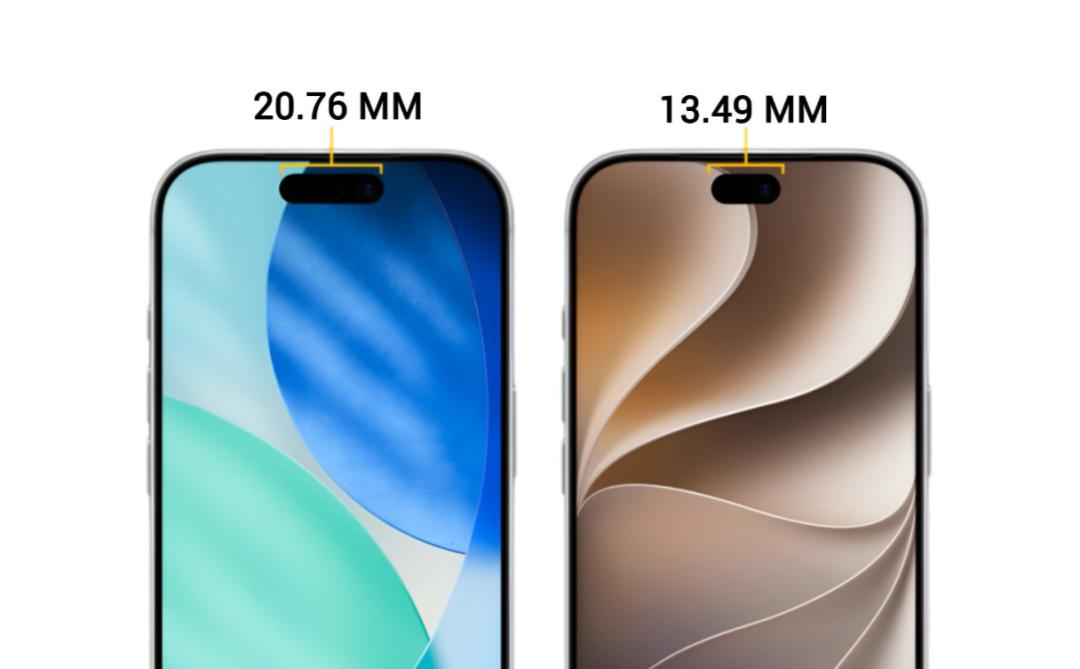
AI - rendered image, not an actual product display
Specifically, Apple has moved some Face ID components, such as the infrared sensor, below the screen, leaving only the front - facing camera at the top. As a result, the front cut - out has naturally become smaller, and it looks more like a single hole or a small pill, greatly increasing the screen - to - body ratio.
However, this also means that the true "under - screen Face ID + no cut - out" full - screen that many Apple fans have been looking forward to is still out of reach this time...
As for the back design, it still follows the previous family style of "metal straight edges + glass back", but there are many more color schemes. Some versions have completely abandoned the two - color spliced back and returned to a one - piece solid - color metal - textured body, while some versions still retain the splicing design.
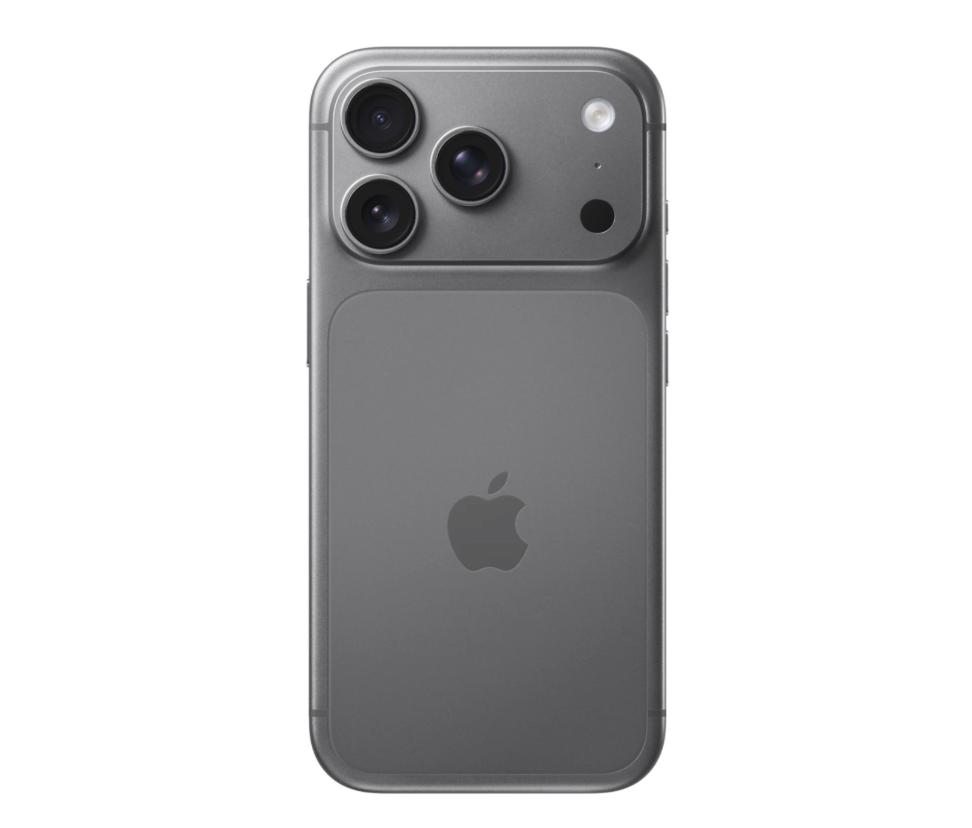
AI - rendered image, not an actual product display
Most likely, Apple is still making the final choice among several options, and it has not been completely decided which one will be used in the mass - produced version.
The same goes for the colors. New colors such as silver - gray, cherry - red, and light - blue have been added in this generation. It's not certain whether all of them will be available, but one of them will probably become the main color this year. After all, the new colors are highly recognizable, making it easy for people to tell that you've got a new iPhone.
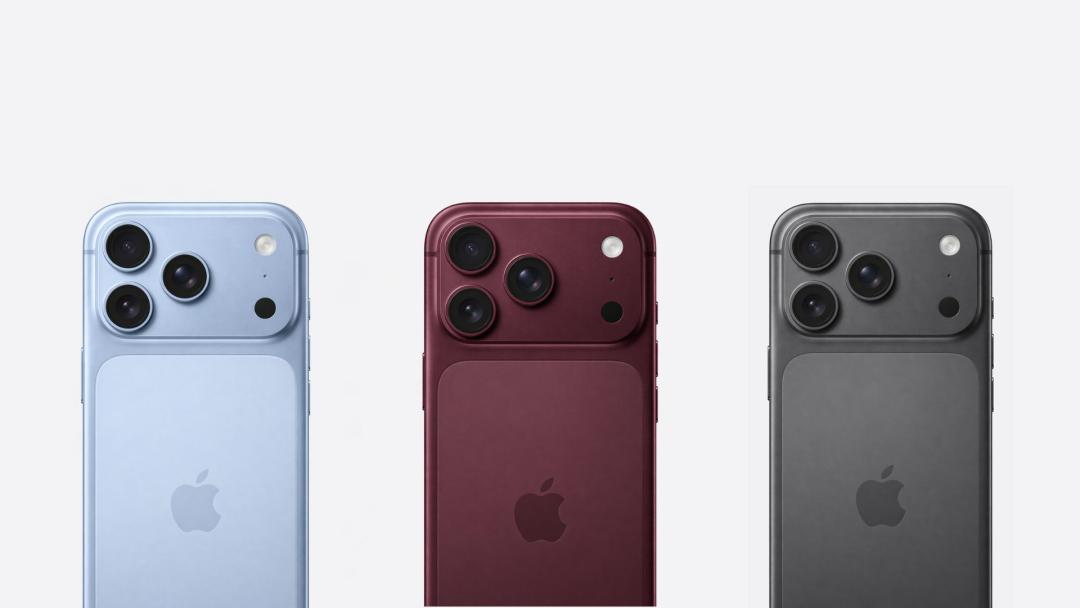
AI - rendered image, not an actual product display
However, the most hardcore part of this leak must be the A20 Pro chip. According to the exposed circuit marking diagrams and technical documents, there are several points worth mentioning about the A20 Pro chip:
First, in terms of the manufacturing process, the A20 Pro will use TSMC's 2nm process. This is the first time Apple's chips have entered the 2nm era. Compared with the 3nm process used in the iPhone 17 Pro, the transistor density is higher, and there will probably be significant improvements in performance and energy efficiency.
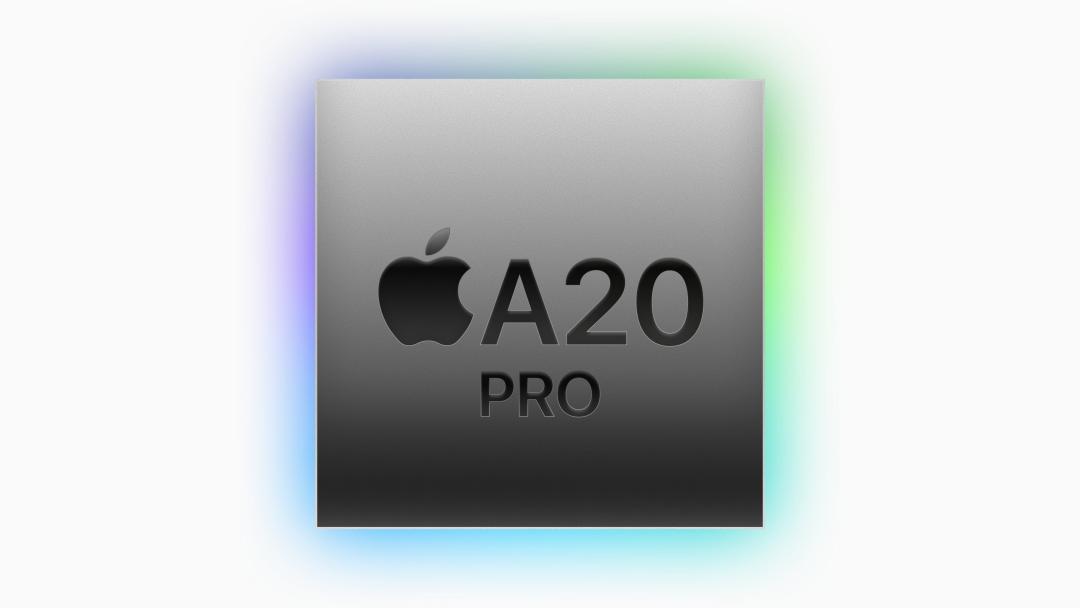
AI - rendered image, not an actual product display
But what interests me the most is the major change in the packaging method of the A20 Pro.
Previously, the A - series chips used PoP (Package on Package) packaging. Simply put, the processor and memory chips were stacked directly on top of each other. The advantage of this design is that it saves space, but the disadvantage is that under high - load conditions, the heat generated by the chips is easily trapped inside and difficult to dissipate.
According to the motherboard drawings, the A20 Pro has switched to WMCM packaging (Wafer - Level Multi - Chip Module) this time. That is, the memory has been moved from the top of the processor to the side. In this way, the heat generated by them can be conducted out more directly, greatly improving the heat - dissipation efficiency.
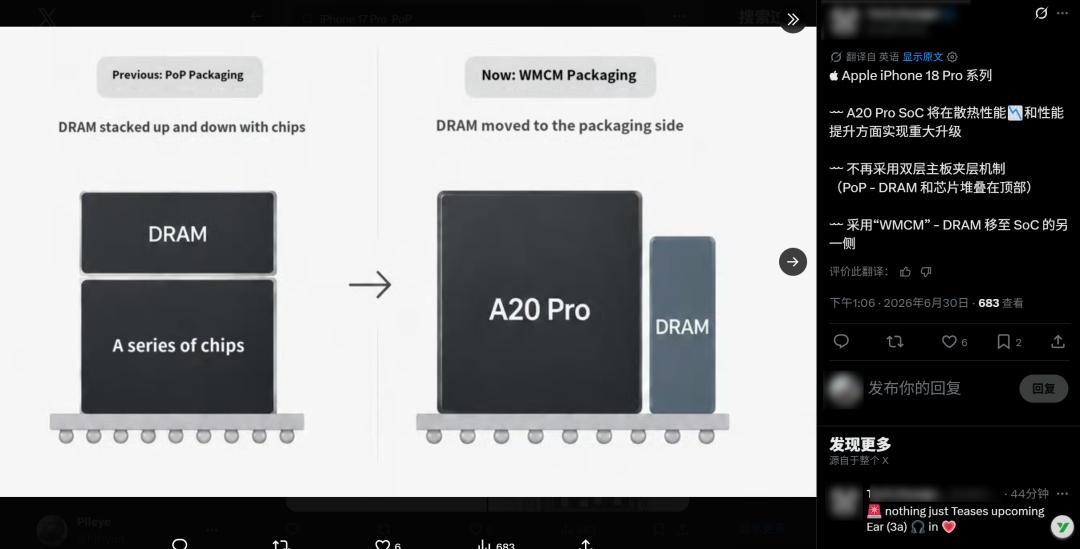
Combined with the rumor that the Pro series may be equipped with a larger heat - dissipation plate and battery, this upgrade in both heat - dissipation and battery life means that the new phone's continuous output under high - load conditions will probably be much more stable. If Android flagships can't compete with the iPhone in gaming at that time, it will really be embarrassing...
In addition, the leaked drawings show that the physical area of the NPU (Neural Processing Unit) of the A20 Pro has also increased significantly.
The NPU is a module specifically designed to handle AI tasks. Many AI functions on the iPhone, such as photo processing, real - time translation, and the intelligence of Siri, rely on the computing power of the NPU. After the NPU becomes larger, the response speed and intelligence level of these functions will also be improved.

Of course, no matter how powerful the NPU is, there need to be AI functions to use it. There is still no definite news about when the Chinese - version iPhone will be able to use the full - version Apple AI. It might be the old scenario of global hardware launch first and phased function unlocking. So, you don't need to have too high expectations.
In terms of the signal base - band, the leaked chip manual confirms that the iPhone 18 Pro will be equipped with Apple's self - developed C2 base - band chip.
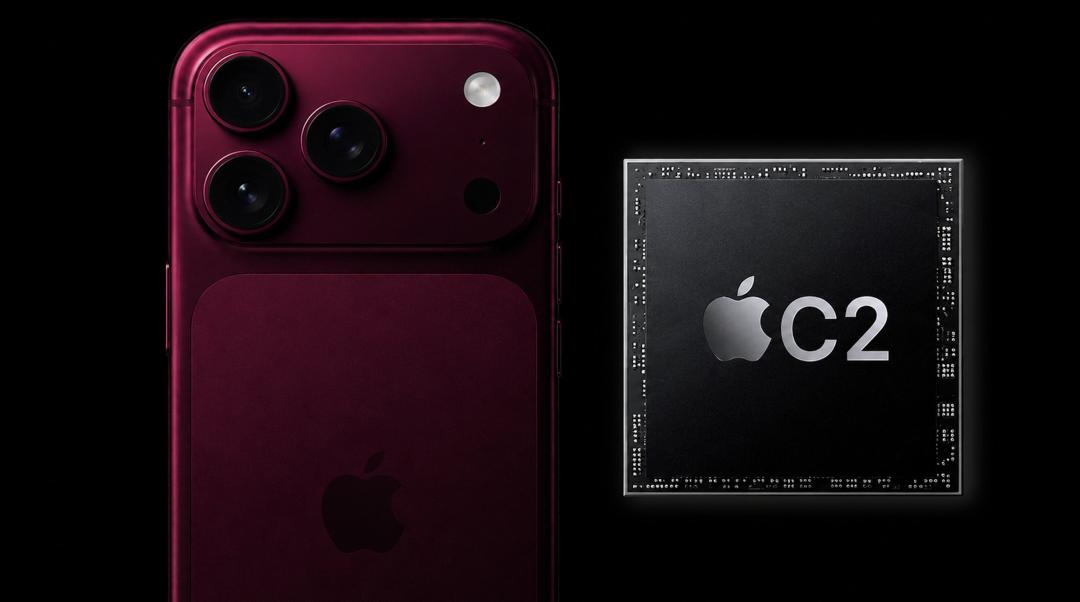
AI - rendered image, not an actual product display
The C2 base - band focuses on optimizing the connection stability in weak - signal scenarios. In other words, it has been specifically tuned for places with poor signals such as elevators and basements. In addition, it also supports 5G satellite communication, so in case of an emergency in the wild, you can still send a message for help.
It has to be said that the signal problem of Apple phones is a well - known "chronic problem". I wonder if this time it will be completely improved.
In short, this leak is really full of information. But then again, there is still some time until Apple's autumn press conference. When it comes to mass - production, how much of the information will be retained and how much will be cut depends on Apple's final decision. So, let's just wait and see.
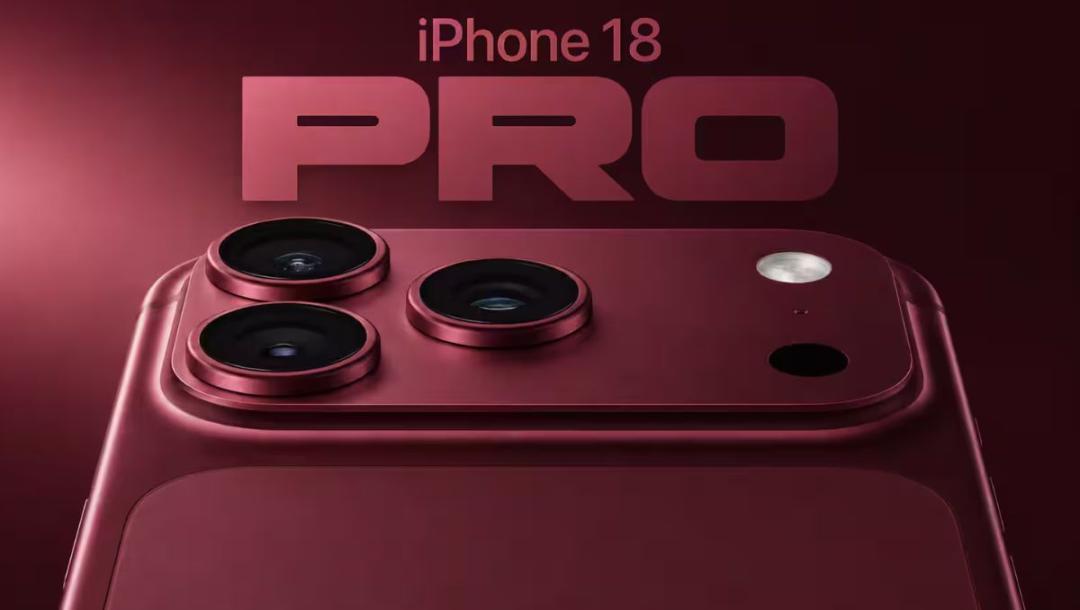
AI - rendered image, not an actual product display
OK, after talking about the technical details, let's talk about the "aftershocks" of this incident. Those who are familiar with Apple's supply chain know that Apple can keep its costs so low and have such strong control over its suppliers largely because of the information gap.
Each supplier only knows its own quotation and what parts it is responsible for, but doesn't know about its peers. Apple can easily negotiate prices and change suppliers at will, and suppliers have little bargaining power.
Now, the leaked files not only list hundreds of components of the iPhone 18 Pro in detail but also directly match many key components to specific suppliers. The records also show which parts have multiple alternative suppliers and which can only rely on a few manufacturers.
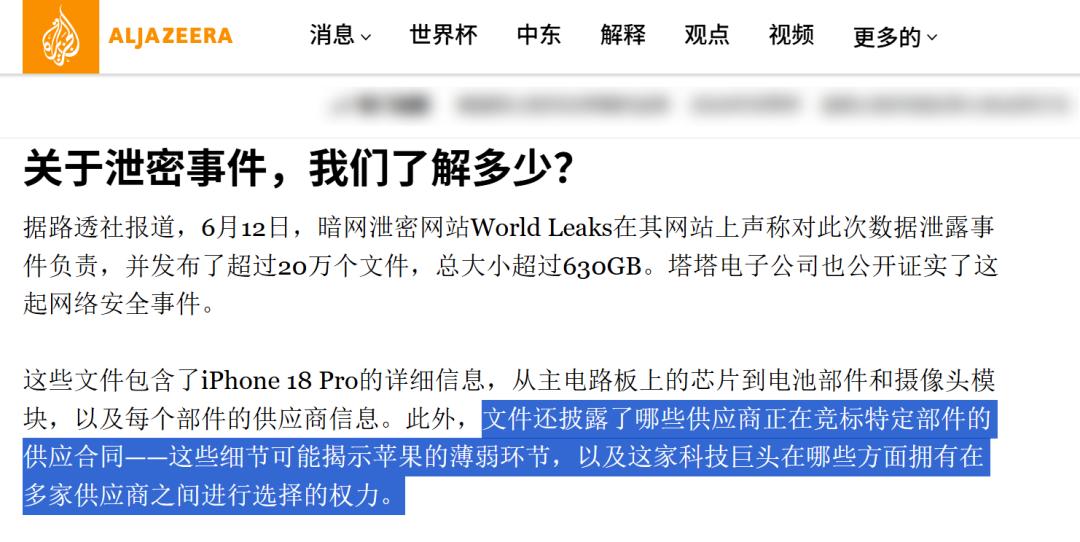
This is like Apple's "trump card" in supply - chain negotiations being exposed to its opponents. Competitors can poach Apple's suppliers precisely or make targeted arrangements. Counterfeit manufacturers can find the source of parts according to the information. Even some suppliers can use this to gain an advantage in price negotiations with Apple.
What's more, this incident has directly impacted Apple's "Made in India" strategy.
You know, Apple has been investing a lot of money in India in recent years. As of last year, Apple and its suppliers had invested more than tens of billions of dollars in India, and the production of iPhones assembled in India had reached 55 million units, accounting for a quarter of the global total.
As Apple's "top worker" in India, Tata acquired Wistron's factory in India in 2023 and took a 60% stake in Pegatron's Indian factory in 2025. It has become the second - largest iPhone assembler in India, accounting for one - third of the production capacity in India.
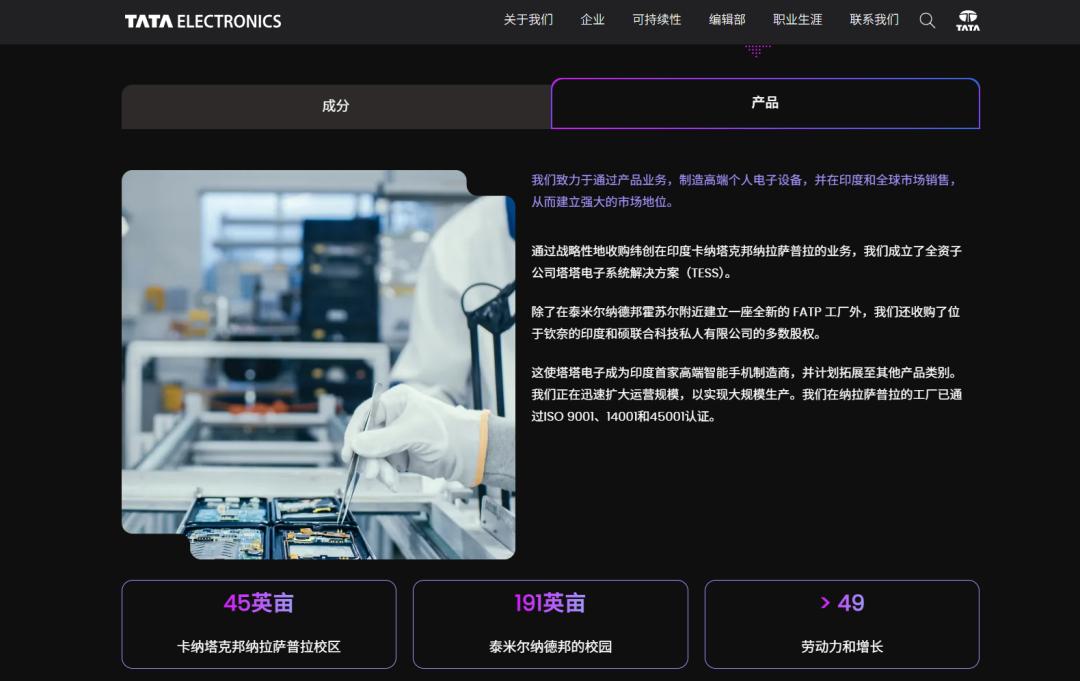
Apple had planned to let Tata mass - produce the Pro series in 2026 and increase the local parts procurement rate from 10% to 50% within three years to build a local full - scale industrial chain step by step.
Now that such a big accident has happened, Apple's trust in the Indian supply chain will definitely be greatly reduced. You can imagine, Apple just bet tens of billions of dollars on India, and then India leaked Apple's core technologies. Apple must be really angry...
In the face of such a large - scale leak, Apple's reaction speed has also set a record.
Less than 24 hours after the relevant files and real - shot videos spread, Apple used the DMCA copyright law to clean up the whole network. Not only were the leaked real - shot photos and engineering videos removed in large numbers, but many accounts that posted the content were directly blocked. Even well - known gossip bloggers in the industry couldn't escape this crackdown.
(We used to refer to this blogger's gossips when writing previews of Apple's press - conference new products...)
