Wristwatch on the left hand, ring on the right hand: For this generation of tech-savvy middle class, on which hand should they spend their money?
“Now many tech giants and trendsetters in the fashion circle are wearing this thing, like Cristiano Ronaldo, LeBron James, and Eileen Gu...”
On Andy's phone screen was the product page of a smart ring. He shared, “This ring weighs less than 3 grams. When worn on the hand, it can measure heart rate, blood oxygen, and sleep. They say that because the skin on the fingers is thin and the veins are dense, it's more accurate than a watch, and it doesn't feel uncomfortable when sleeping. I've been interested in it for a month.”
“However, it costs 4,000 yuan. I'm still a bit hesitant.”
Andy's indecision precisely hits the core tension of the smart ring market: The category has indeed become popular, but the popularity is a bit confusing.
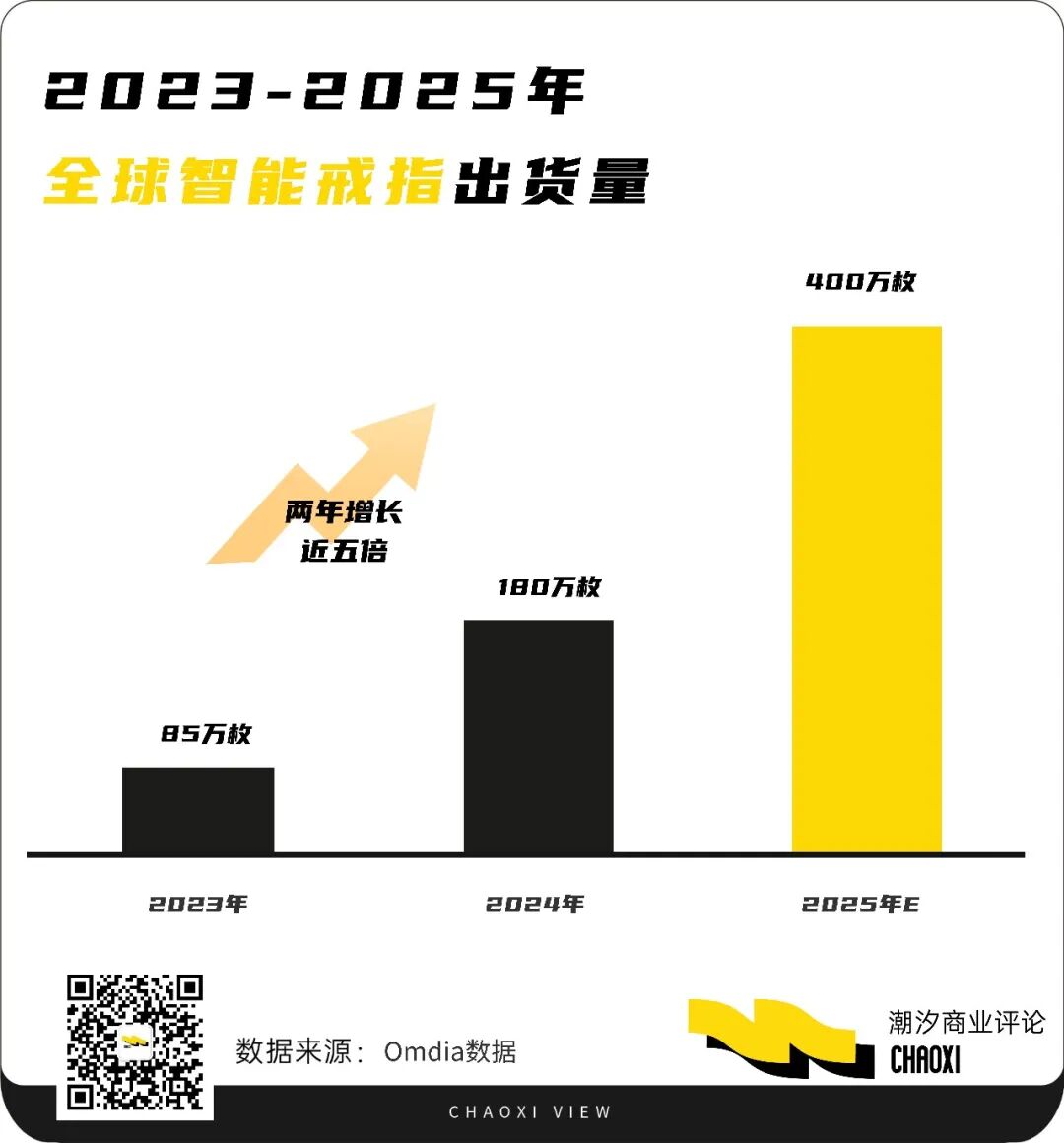
First of all, how popular is it? According to Omdia data, the global shipment of smart rings is expected to exceed 4 million units in 2025, nearly a five - fold increase in two years. The Finnish brand Oura is valued at about $11 billion and has secretly submitted an IPO application for the US stock market, underwritten jointly by Goldman Sachs and Morgan Stanley. In China, the Dreame AI smart ring appeared on the Spring Festival Gala stage. After appearing on stage with Jackson Yee, its sales soared.
But the first to sense this popularity were not the brand owners, but the factory owners in Shenzhen.
According to a report by Economic Observer in February this year, more than 200 smart ring brands have emerged in China within half a year, and the processing profit per ring has been squeezed down to 50 cents. A factory owner in Dongguan admitted that now the processing profit of a single ring is often only 50 cents to 1 yuan. “Three years ago, we couldn't even imagine such a profit.”
But in fact, there are not many real competitors in the smart ring market.
The more core problem is that the functions of smart rings highly overlap with those of smart watches. Heart rate, blood oxygen, sleep monitoring... These are also what watches can do, and even do more comprehensively. The core differentiating advantages of smart rings are “unnoticeable wearing” and “sleep scenarios”. But can these two points really support a category?
The category is booming, and the supply chain is in intense competition, but no one can clearly define its ultimate form. When consumers' novelty fades and the “ecological lock” of mobile phone manufacturers starts to take effect, can this “new force” of smart rings find an independent path?
Samsung Enters the Market, Apple Watches: The Business Battle Triggered by a Ring
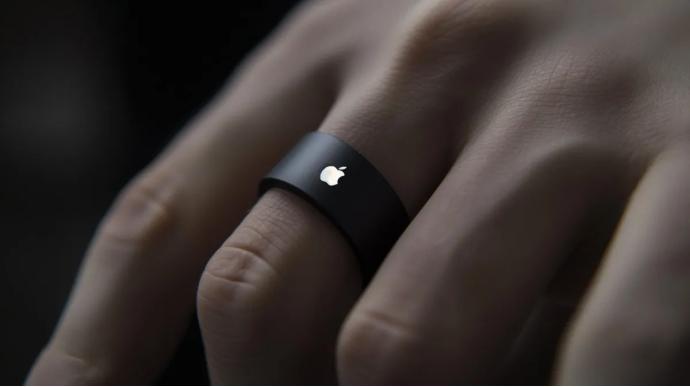
Recently, an overseas blogger posted a tweet on the X platform, revealing that Apple is developing a smart ring product, which will compete head - on with the Samsung Galaxy Ring after its launch. The analysis of the tech media 9to5Mac also points out that after the organizational structure adjustment, Eddy Cue, the senior vice - president in charge of Apple's health business, intends to further improve Apple's health ecosystem through the smart ring.
Looking through the smart ring - related patents that Apple has submitted over the years on the US Patent and Trademark Office (USPTO), excluding those with a defensive nature and aiming to occupy technological space, these patents mainly focus on the following aspects:
Extended device control: By wearing this type of ring, users can control iPhone/Mac/Vision Pro with gestures such as pinching and sliding;
Force - sensing input: The ring surface is covered with pressure sensors, supporting functions such as circular sliding to adjust volume and AR/VR interaction;
Health monitoring: Use sensors such as PPG photoplethysmography and SMI self - mixing interference to measure physical signs, electrocardiograms, etc.;
NFC and identity authentication: Use NFC to simulate access control/traffic cards and unlock devices such as Mac as a biometric device.
Some of the functions involved in these patents have already been applied in the Apple Watch. What Apple needs to do more is to transplant them onto a much smaller and more integrated ring.
In the field of smart rings, apart from Samsung, few large companies have directly entered the market.
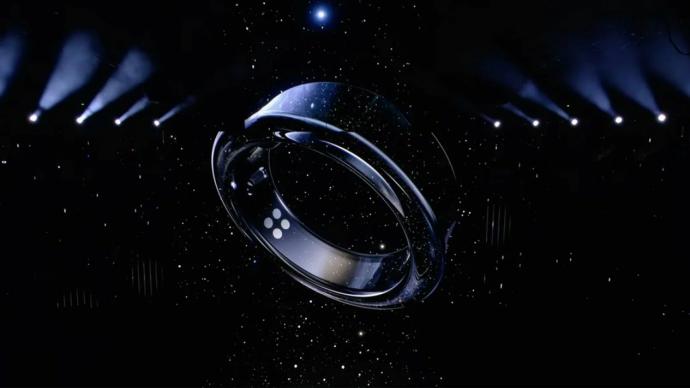
In July 2024, Samsung first launched the Galaxy Ring at an event in Paris, which attracted the attention of many digital enthusiasts and tech media. Later, this ring also appeared at a mobile phone launch event in China. This was the first time that smart rings, as a new species, entered the vision of ordinary Chinese consumers on a large scale.
Although Chinese people's first impression of smart rings comes from Samsung, the leading player in the smart ring market is actually another European company: Oura.
This Finnish company was established in 2013. It was originally named Jouzen and later changed to Oura, specializing in “sleep and physical recovery”. They chose the ring form as the carrier for continuous monitoring and launched the first - generation Oura Ring in 2015, raising $650,000 in a crowdfunding campaign on Kickstarter.
In 2017, a paper from the Stanford Research Institute considered it the most accurate consumer - grade sleep - monitoring wearable device at that time - this was the key academic endorsement that Oura obtained in the early stage.
In 2018, with the launch of the second - generation Oura Ring and the globalization of the brand, the sales of this startup began to soar, and it also received $28 million in financing from large - scale capital such as Google.
Subsequently, Oura tried to get rid of the label of a pure hardware company and transformed into an active health management platform with a model of hardware + monthly subscription ($5.99 per month to unlock full data analysis). As of the end of 2025, Oura's valuation exceeded $11 billion, with a cumulative shipment of over 5.5 million units and about 2 - 4 million subscribed users. Currently, it is the absolute leader in the global smart ring market, with a market share of about 74%.
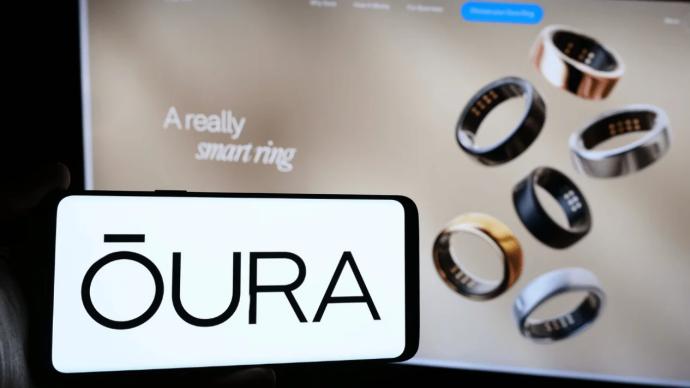
According to reports from authoritative media, Oura has secretly submitted an IPO application to the SEC this year. If it goes public successfully, this Finnish company will be the “first smart ring stock”.
Based on the data from institutions such as Omdia and Counterpoint, as of early 2026, the top three in the global smart ring market are the industry pioneer Oura, the Indian company Ultrahuman (with a market share of about 9%), and the Samsung Galaxy Ring, also with a share of about 9%.
In the Chinese market, although many Chinese companies have emerged intensively between 2024 and 2026, smart hardware manufacturers such as Huawei, Xiaomi, and OPPO are still in a wait - and - see state.
According to a report by Economic Observer, in 2022, Oura achieved large - scale global shipments with its high - price and subscription model. At that time, the ex - factory price of a smart ring produced by domestic factories could be maintained at 180 - 190 yuan. After brand premium, the terminal selling price could reach 800 - 900 yuan, and the processing profit of the factories was also very considerable.
Now, according to the data from the Zhimeitong Research Institute, the cost of a white - label smart ring in Huaqiangbei is only about 20 yuan, and the profit of the supply chain in Shenzhen has been squeezed down to 50 cents per ring.
The structure of smart rings is not very complex. Supported by China's strong supply chain, the commercial barrier of smart rings does not lie in hardware and manufacturing difficulty, but in the unique algorithms on top of homogeneous sensors and in - depth insights into data.
Ring on the Left Hand, Watch on the Right: Inheritance and Separation of the Same Origin but Different Fates
When talking about smart rings, we have to start with smart watches.
“Actually, I've already bought a smart watch, so I'm wondering if I really need a ring.” This is also one of the reasons that make Andy hesitate.
In 2014, Tim Cook, who had been the CEO of Apple for three years, launched his first new product line: the Apple Watch. At that time, this smart watch with a luxury - light style did not feature health and sports as its core functions. However, this new product with highly integrated sensors, a unique and novel interaction method, and the attributes of both technology and fashion still activated a new market.
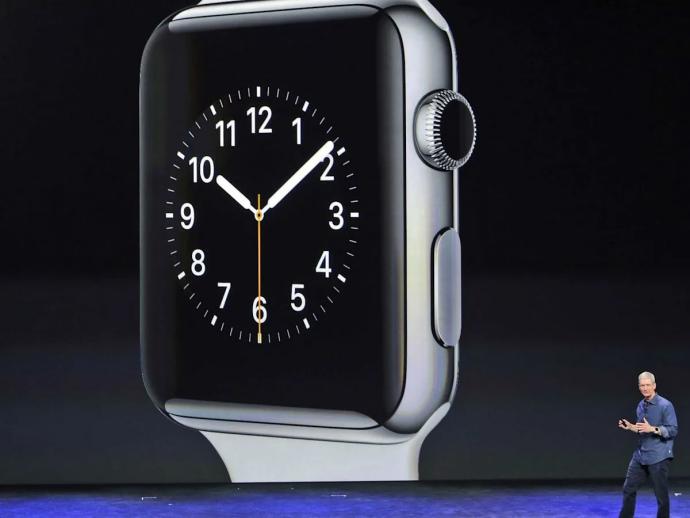
After that, almost all mobile phone manufacturers followed up with smart watches, and a new track called “wearable devices” was officially formed.
Ten years have passed, and the sensors of smart watches can be divided into three categories: accelerometers for motion monitoring, optical sensors for measuring blood oxygen and heart rate, and temperature sensors for monitoring body temperature and menstrual cycles. With ten years of algorithm iteration, these hardware components are already quite mature.
What smart rings do is essentially similar. PPG sensors, accelerometers, and temperature sensors - the core components are almost the same. The difference lies in the physical form: the ring is smaller in size and can only accommodate 6 - 10 sensors, and the battery is also smaller. However, the advantages are also obvious. It doesn't need a screen, is light in weight, and is almost unnoticeable when worn.
At the same time, compared with the wrist, the fingers only have veins and no arterial interference, and the skin is thinner, which is conducive to obtaining high - quality physical sign data.
With the same sensor accuracy and the same algorithm, smart rings have physiological and physical advantages such as being worn more stably and having less optical signal attenuation than smart watches, which can result in more accurate results. This may be the biggest technological barrier for smart rings.
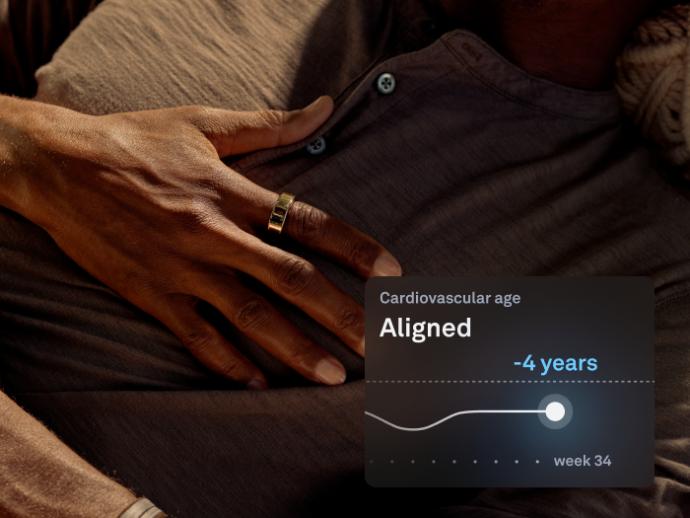
Based on this, smart ring brands on the market can be simply divided into five categories:
Mainly focus on in - depth health insights and sports monitoring, serving as a lightweight alternative to traditional sports watches;
Deeply engage in active health, and layout in the fields of auxiliary diagnosis such as OSA, hypertension, and stress assessment, capable of medical - grade screening;
Fuse the fashion and technological attributes of rings and accurately target the female health management market;
As a supplement to the smartphone ecosystem, provide contactless interaction scenarios such as air gestures, which is a strategic move by manufacturers like Huami, OPPO, and VIVO;
Other functions. For example, in 2024, there was a smart ring targeting the Middle - East religious market, and its shipment volume once exceeded 10,000 units.
Different positioning targets different markets. Relatively speaking, the low threshold brought by the simple structure and the potential overlap with the traditional ring market have attracted a lot of capital to smart ring companies. However, in the chaotic market, many brands may just be “IQ - tax products”.
For example, many people who bought the ring were already watch users. When comparing the data of the ring and the watch during the experience, they would find the problem of inconsistent data.
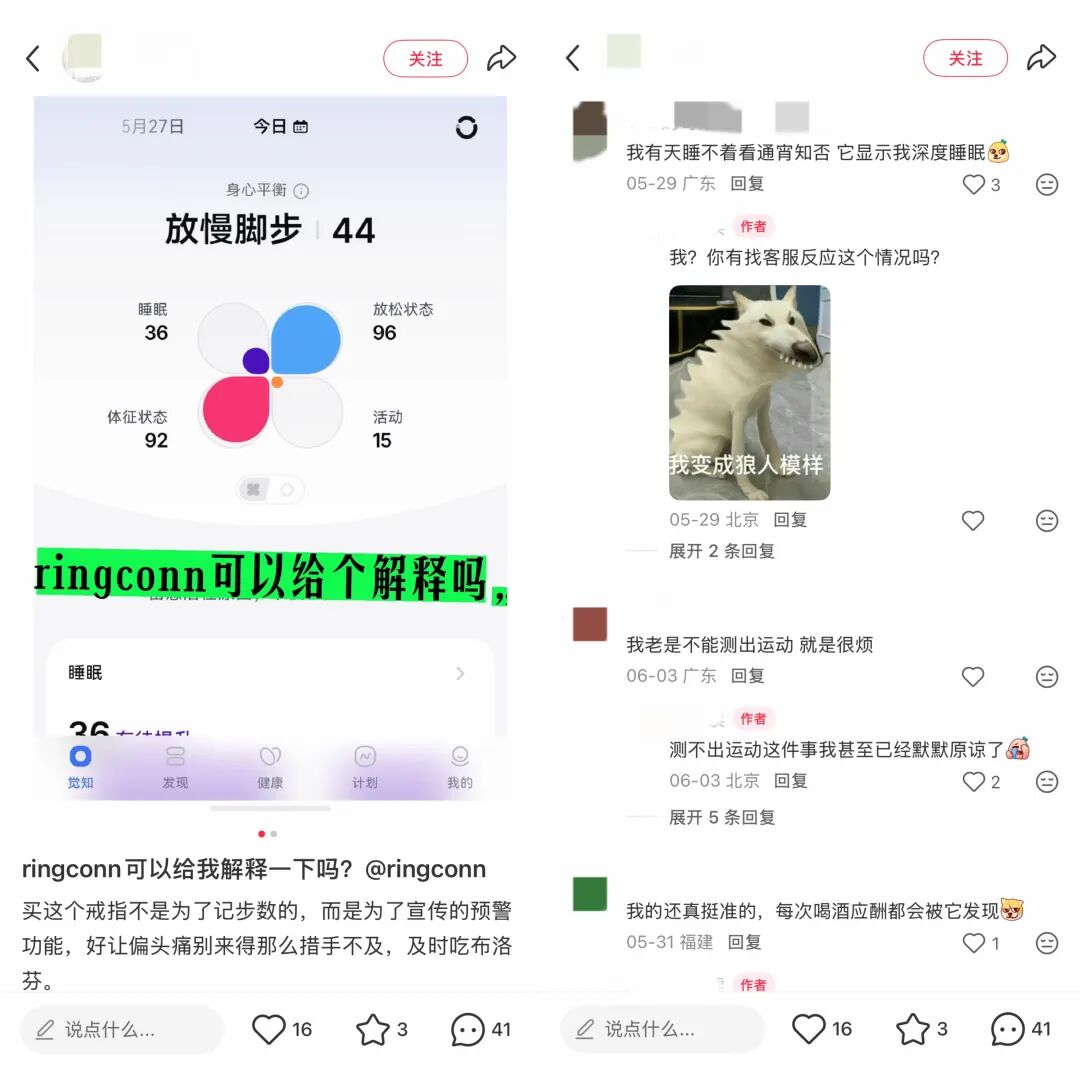
On social media, some netizens complained that during a mountain - climbing activity while wearing a smart ring, although consumers clearly felt obvious hypoxia, the real - time blood oxygen data measured by the ring was still above 90%. Also, when detecting sleep duration, the ring classified the time when the user was lying in bed playing with the phone as light sleep.
Smart watches have been developing for ten years. In these ten years, from sensing algorithm models to relevant talents, everything has become mature and abundant. As an emerging category, smart rings have both a low hardware threshold and a high customer - unit price, attracting many hardware practitioners to try to get a share of the pie.
But what's next? Can such a small hardware accommodate so many players?
One More Thing or One Less Thing?
The problems in the industry ultimately come back to consumers.
Users' reactions may tell us something.
Recently, Andy removed the ring he had been longing for from his shopping cart because a netizen's comment shattered his fantasy. “In the first week after I bought the ring, I checked the data every day. In the second week, I only checked it when I remembered. In the third week, I had already forgotten where I put the charger.”
It's not just Andy. In the past few years, the presence of smart rings in the entire wearable smart device market has been rising. But what's more worth asking is: When you're wearing a smart watch on your wrist, smart earphones on your ears, a mobile phone in your pocket, and even AI glasses on your nose, what can a ring still fill?
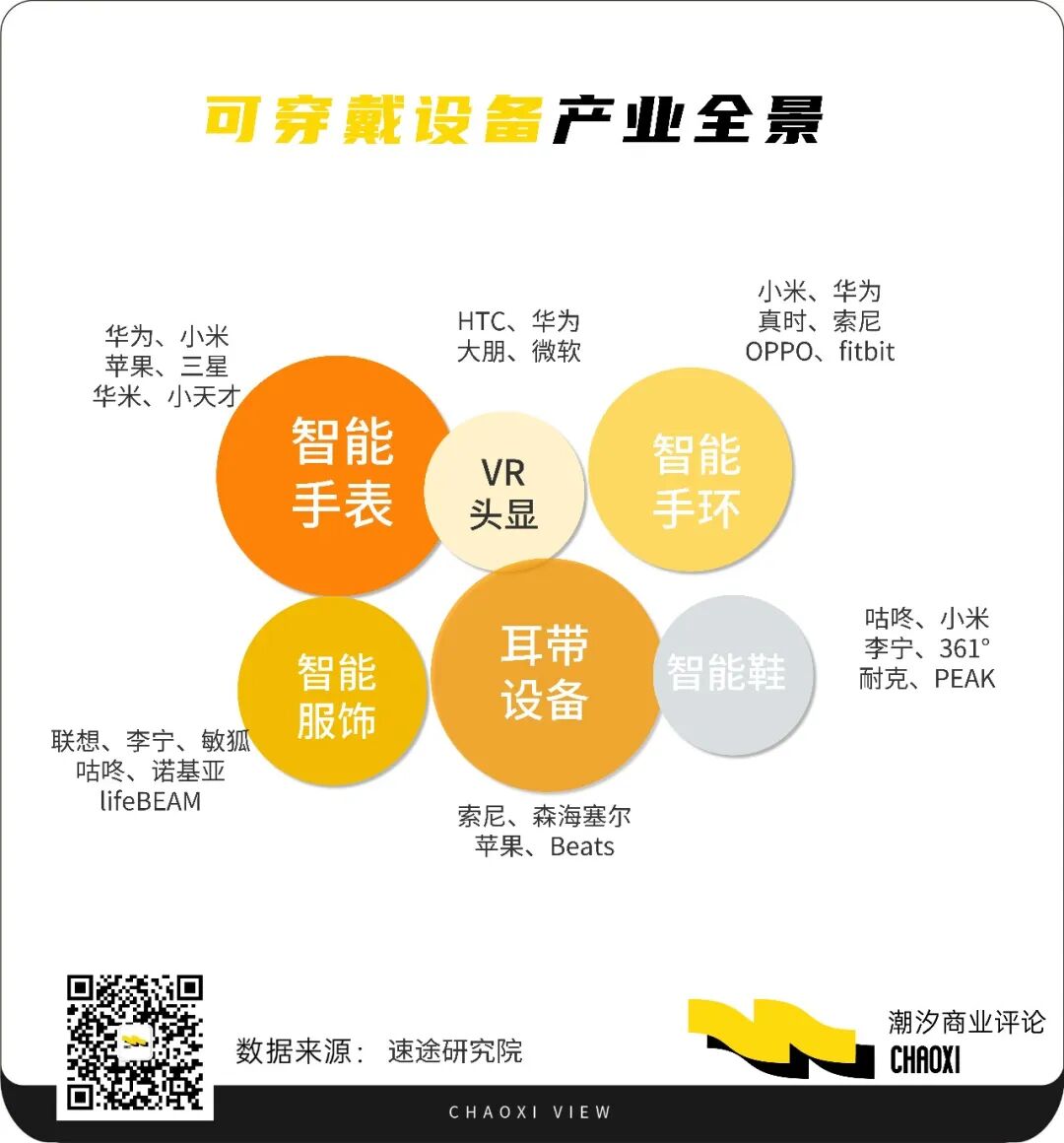
Currently, the wearable device market is mainly dominated by wrist - worn products such as smart watches and smart bands. TWS earphones are the second - largest category. In recent years, smart glasses and virtual reality products have grown rapidly and are the third - largest market after smart earphones.
These three categories together account for more than 80% of the entire market. Smart rings are classified in the “others” category, next to categories like smart necklaces and smart clothing that are also trying to find their place.