299 yuan, this new AI product has just been quietly launched, it's really competitive
After the AI boom, it seems that every industry has new ideas and always finds ways to connect new products with the advantages of AI.
For example, let's talk about Nokia, which we mentioned last week.
Do you still have an impression? The 215 4G WeChat Mini Phone priced at 369 yuan. On the basis of a feature phone, it can "chat on WeChat" and has light - intelligent functions such as an AI voice assistant and mobile payment.
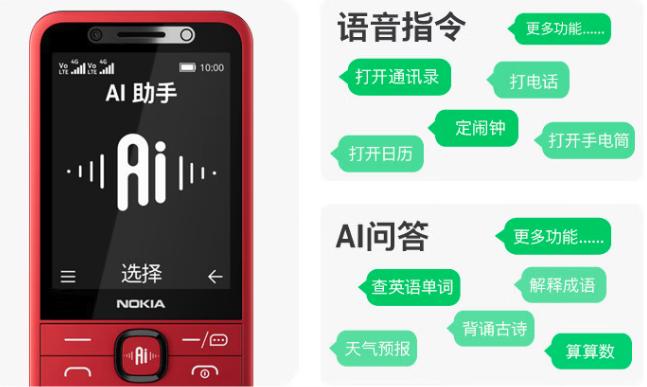
This new solution for feature phones is quite practical. There are many elderly user groups, and they may really have certain needs.
After that conversation, a fan's comment impressed me deeply:
"It seems that AI can save Nokia."

Actually, the popularization and penetration of AI not only bring new opportunities to Nokia, but also allow other brands to take advantage of the trend.
For example, Lenovo.
In the new product lineup that has been hyped up in recent days, the AI tablet, Lenovo Legion Y700 WujI, is gaining increasing popularity.
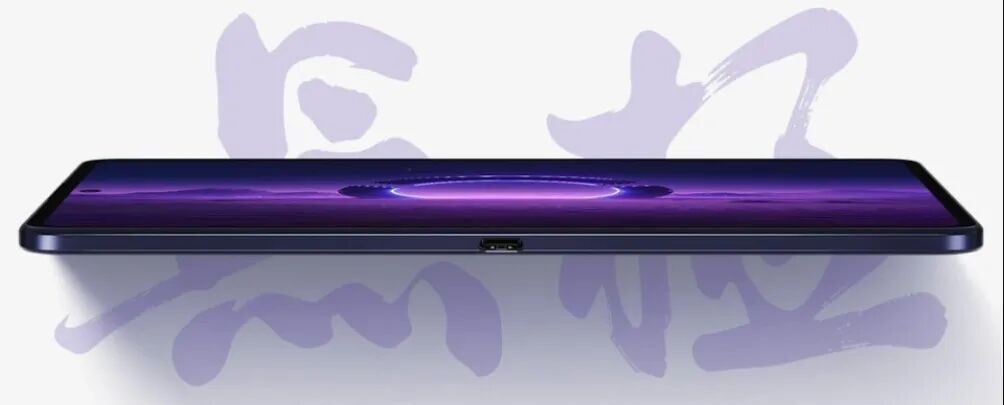
Selling points: Independent 5G, refreshed OLED screen, the fifth - generation Snapdragon 8 Extreme Edition processor, 9000mAh battery, 68W fast charging, AI Battlefield Perception System 2.0......
However, the official has revealed that it will not be launched until August. It's still early.
There is also a new Lenovo AI mobile phone that has been directly put on the market. It looks like this:
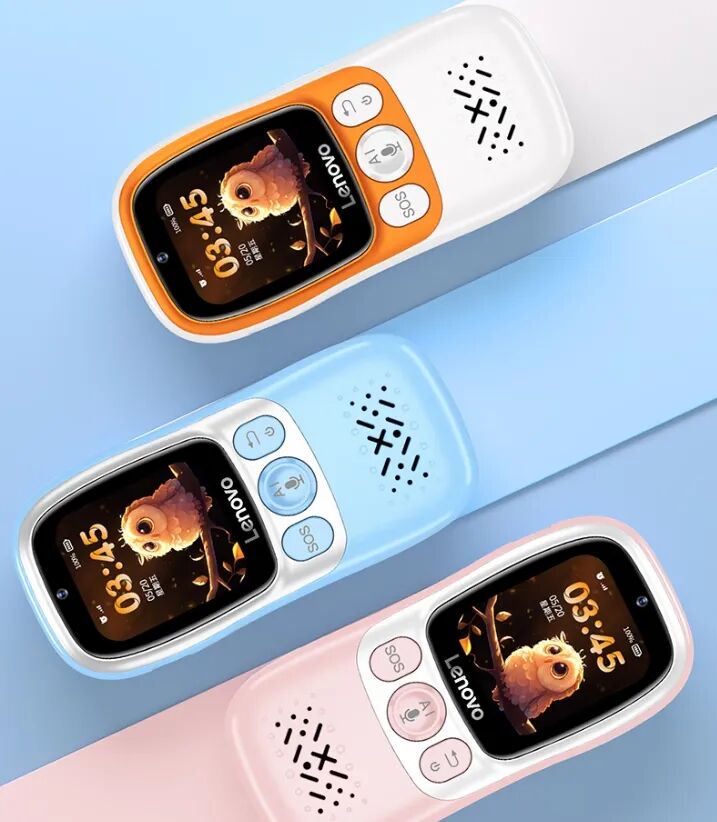
Looking at its round and cute design, sensitive people have already understood that it is targeted at student and elderly user groups.
First, let's talk about the price. The official pre - sale price is 339 yuan, and the first - launch price on e - commerce platforms is 299 yuan.
Let's go through the configuration.
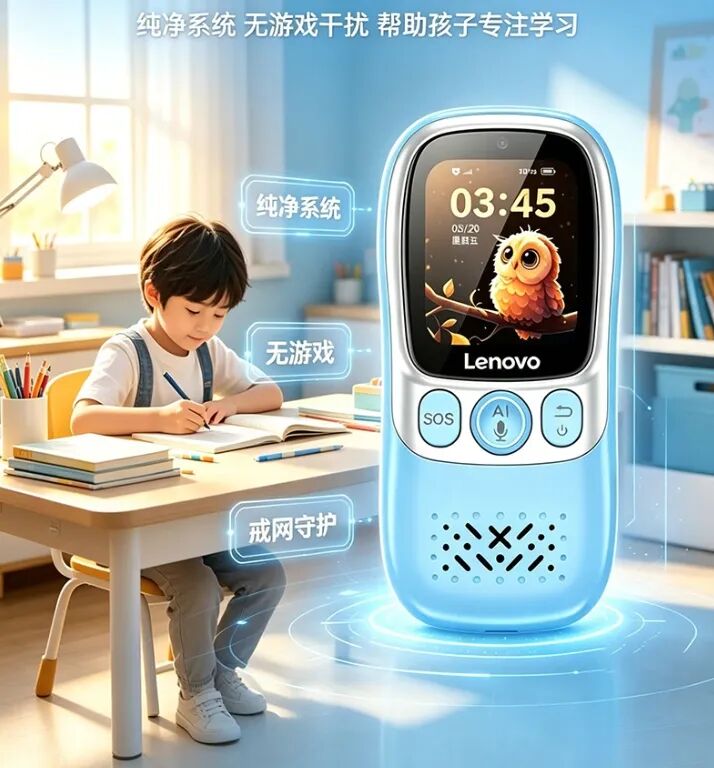
The body design is relatively compact. There are three color options: orange - white, pink, and blue. It features a pure system and AI - assisted functions.
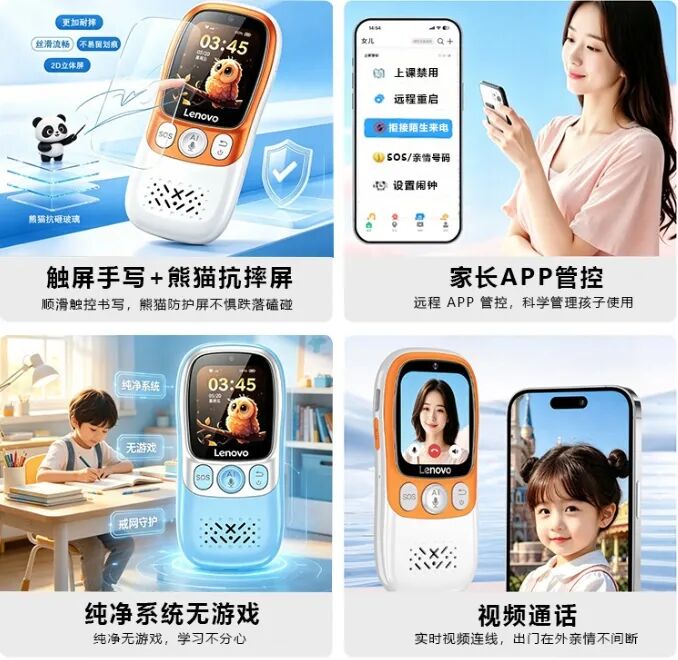
The basic configuration: The screen is a 1.83 - inch 720P, LCD, 2D stereoscopic touch screen made of panda anti - smash glass;
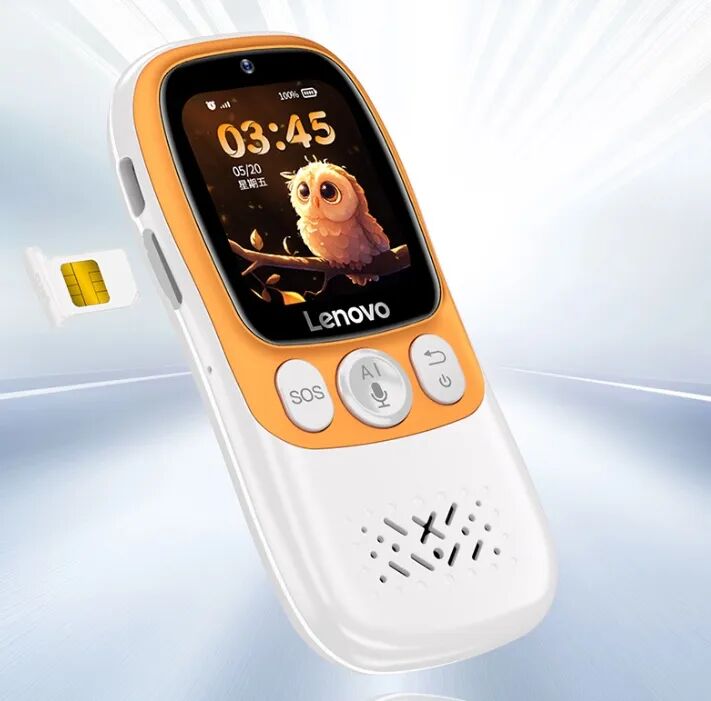
It has a built - in 1850mAh battery, a 2 - megapixel front - facing camera, and is not waterproof;
It can insert one SIM card, supports 4G full - network communication, is compatible with the four major operators (China Mobile, China Unicom, China Telecom, and China Broadcasting Network), does not bind to IoT cards, and supports VOLTE high - definition calls;
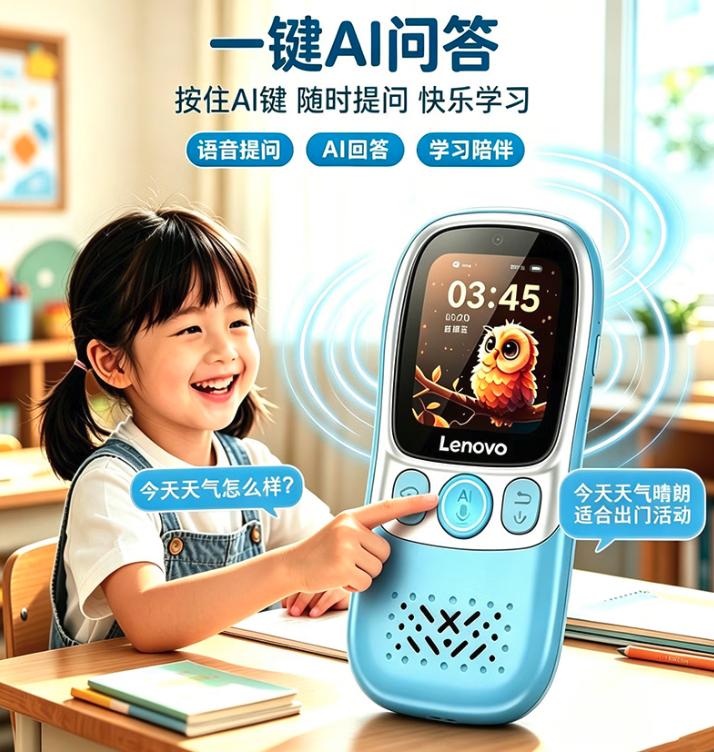
The main AI function is that it has a built - in large AI model. There is also an AI button in the center of the front of the phone, which supports users to ask AI questions with one click.
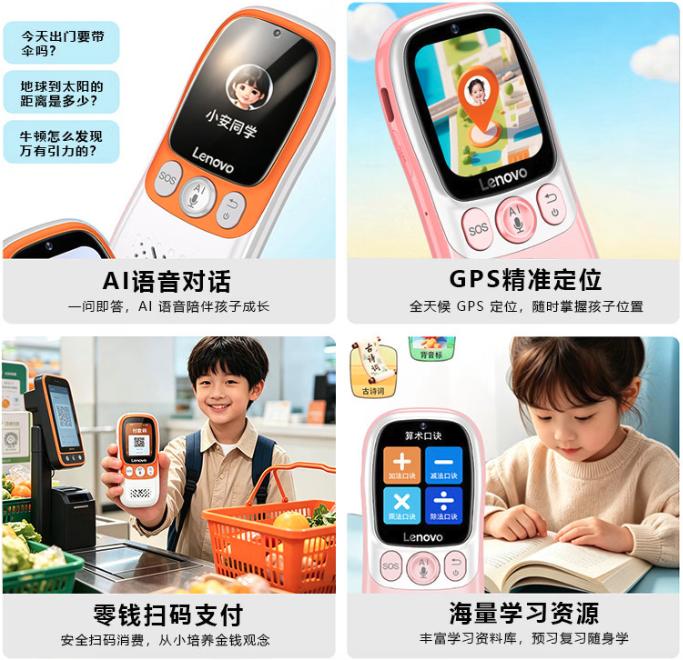
Whether it's for study or daily life, users can use the AI voice assistant to get answers.
Meanwhile, to assist student users in their studies, this AI phone has built - in learning resources for various subjects such as Chinese, mathematics, and English.
Another practical feature is the mobile payment function, which supports payment using payment codes. If students use it, parents can also manage the consumption limit.
In addition to consumption, it also has a GPS precise real - time positioning function. Whether it's the elderly or children, their whereabouts can be monitored at any time.
Parental control permissions also include: setting SOS family numbers, disabling the phone during class, setting timed on/off, and rejecting strange calls.
That's basically it.
Actually, looking at the overall situation, it's not difficult to find that there are still many options for a "Internet - addiction - quitting" backup phone, whether it's Nokia or Lenovo.

Objectively speaking, given the price and configuration of Lenovo's product, I personally think Nokia's is more distinctive.
Nokia's new "Mini Chat" series phones are only dozens of yuan more expensive, but they can "chat on WeChat", have more AI functions (besides AI Q&A, there are also AI voice commands), and have a larger screen.
It's just that Lenovo's phone has a cuter appearance, but overall it's still a bit lacking.

Several light - intelligent feature phones have been released recently. Maybe it's because I've been swiped by the big data algorithm and it keeps pushing similar products to me, so I'm more concerned about the market dynamics.
As I said before, I personally think this idea has development potential, but mobile phone manufacturers still need to make a greater balance in terms of configuration and pricing.

Meanwhile, if smartphones can make new breakthroughs in AI functions to make existing phone functions more practical and convenient, it will be more worth looking forward to. We'll also pay more attention to such upgrades this year.
So the question is, would you prefer an AI light - intelligent new phone priced under 1,000 yuan or an AI intelligent flagship new phone priced close to 10,000 yuan?
This article is from the WeChat official account "Keji Hu" (ID: kejihutv). The author is Hu Mei. It is published by 36Kr with authorization.