Yungui catering entrepreneurship has "gone out"
Franchisees Smash Stores in Anger: Yunnan and Guizhou Catering Entrepreneurship "Fizzles Out"
With a single swing of the hammer, a franchisee smashed the store. Recently, Fan Hui, a catering franchisee, angrily smashed the Meiguo·Yungui-Chuan Bistro he had franchised. As soon as the incident broke out, it quickly sparked intense discussions. People's attention was once again focused on the catering industry in Yunnan and Guizhou.
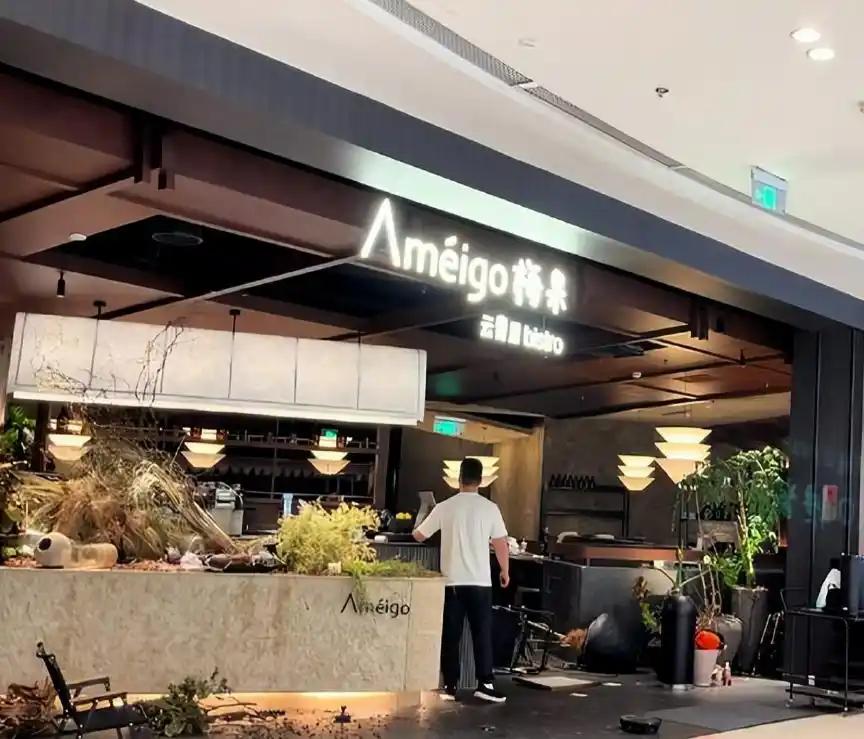
During the recent dull period in the catering industry, the catering in Yunnan and Guizhou has been continuously excavated and packaged like a treasure, becoming a major trend in the catering industry.
In 2023, the refreshing and appetizing sour soup hot pot "broke through" in the encirclement of Sichuan and Chongqing hot pots and emerged as a dark horse. Subsequently, the sour soup hot pot "marched northward" and became popular across the country. After two years of development, the market scale of Guizhou sour soup hot pot reached 15 billion yuan in 2025, becoming the core category in the Yunnan and Guizhou cuisine.
Another major force in the Yunnan and Guizhou catering industry, Yungui Bistro, riding on the wave of "pretty food" and the novel flavors of Yunnan and Guizhou cuisine, first became popular in the Yangtze River Delta region and then continued to expand. Relevant data shows that in 2024, the number of stores in Beijing and Shanghai quickly expanded from three or four hundred to nearly a thousand.
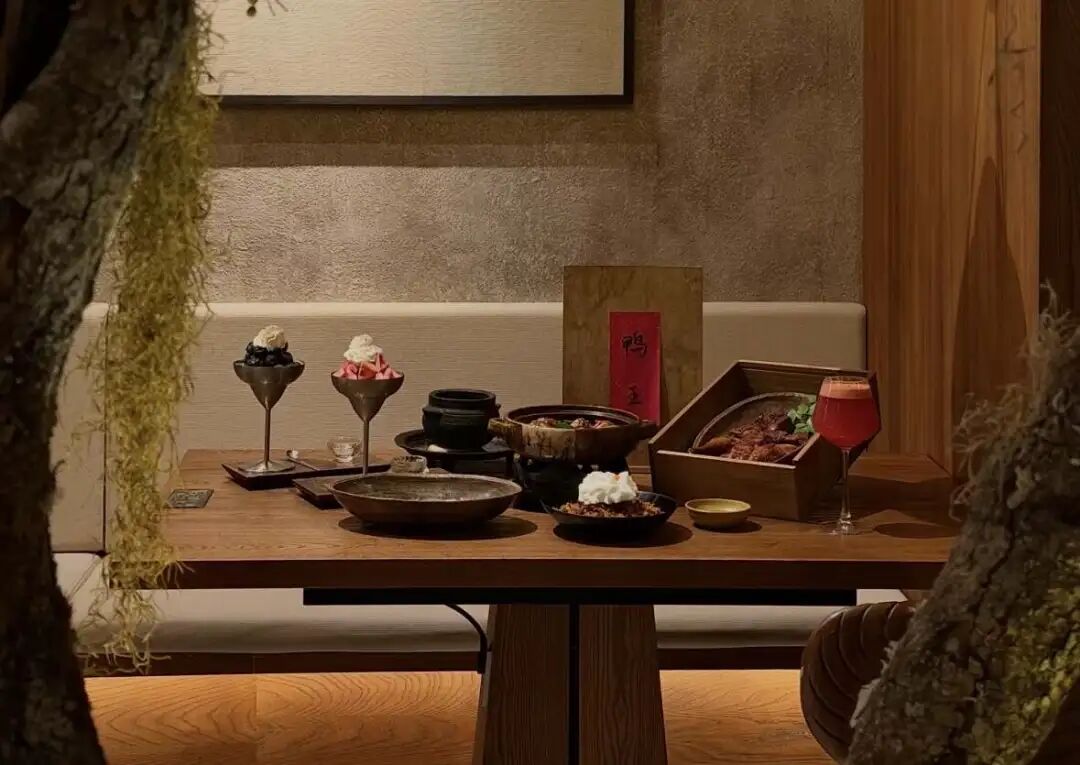
With green plants, Miao embroidery, batik, and rattan - woven tables and chairs, under the dim light, the repackaged copper - pot braised chicken and sour soup rice noodles are served one by one, creating a strong sense of atmosphere. In the words of our netizens, "When the evening light shines through the French windows on the copper pots and clay tableware, the moment you press the shutter seems to capture the mist and glow of the Yunnan - Guizhou Plateau."
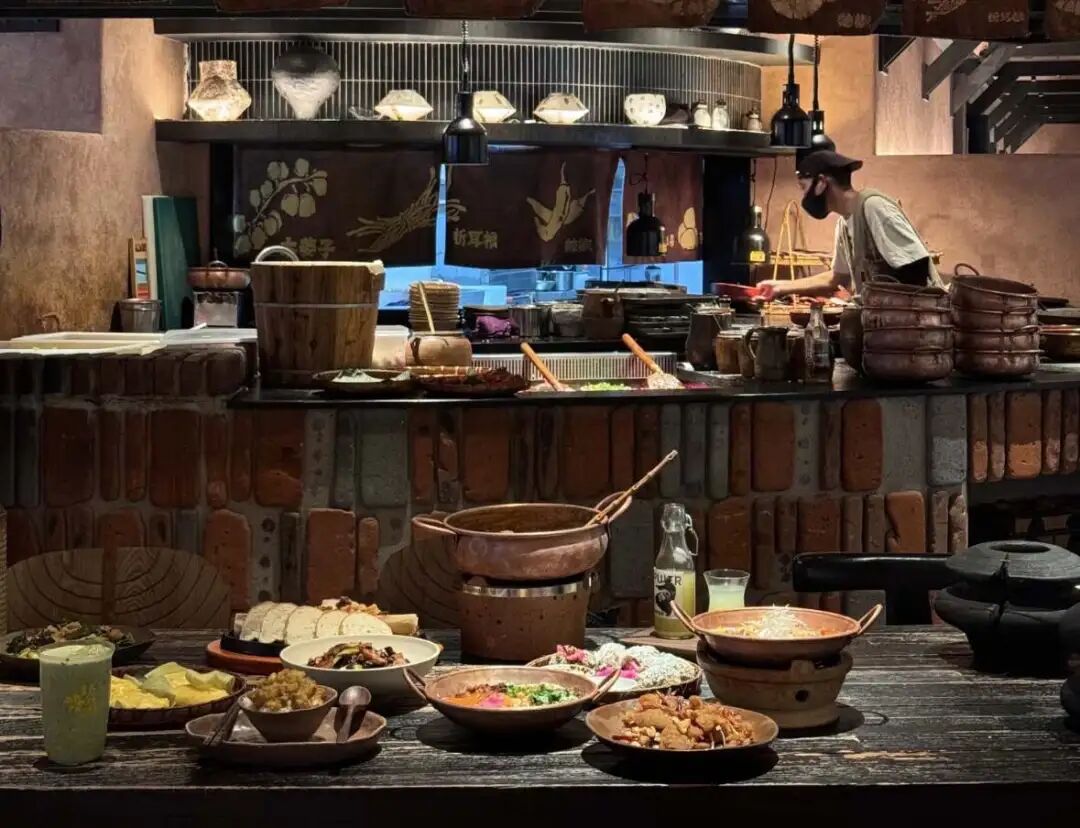
Yungui Bistro seems to have a charming "value filter", raising the average per - capita consumption of Yunnan and Guizhou cuisine from sixty or seventy yuan to over one hundred and twenty yuan. A bowl of rice noodles that originally cost eight or nine yuan can now be sold for over twenty yuan.
However, the development momentum of both major forces has taken a sharp turn for the worse in recent years.
Let's first look at the sour soup hot pot. The wave of store closures has spread from second - and third - tier cities to first - tier cities. At the peak, nearly a hundred brands went bankrupt and ran away due to broken capital chains in less than a year, leaving a large number of consumers with prepaid cards unable to get refunds. A large number of sour soup hot pot brands closed down, with "For Rent" notices posted on their doors.
Industry data shows that more than 60% of sour soup hot pot stores across the country have a survival period of less than eight months, and the store closure rate in some second - and third - tier cities exceeds 50%. From being everywhere to a large - scale wave of closures, it only took about two years.
Now let's look at Yungui Bistro. In the streets where Yungui Bistro stores are located in Shanghai, Hangzhou and other places, the store closure rate is visibly rising. The once - popular internet celebrity stores that required reservations three days in advance now have a seating rate of less than 30% during the evening on weekdays. From "waiting in line for two hours" to "few customers", the life cycle of many Bistro stores has been compressed to less than a year.
Subsequently, Guizhou griddle cooking, Guiyang teppanyaki and other cuisines also failed to form a major catering trend due to their own category defects. The entrepreneurship in the Yunnan and Guizhou catering industry is cooling down.
The trend seems to have really passed. Those entrepreneurs who were excited by social media and investment promotion advertisements were caught in a cruel elimination race before they could enjoy the fruits of victory.
From a catering trend to a major area of store closures, the decline of the Yunnan and Guizhou catering industry only took two or three years.
Behind the Cooling: Immature Business Models and Inadequate Supply Chains
Consumers are initially attracted to Yunnan and Guizhou cuisine by its appearance and flavors. They visit out of curiosity but "lose interest" due to reasons such as quality. Consumption seems to be a one - time thing. Behind this phenomenon is that both the business model building and the supply chain system of Yunnan and Guizhou cuisine cannot keep up with the development speed of the category.
First of all, the appeal of Yunnan and Guizhou cuisine lies in its novel flavors, which also limits the popularization of the category.
The breakthrough of Yunnan and Guizhou cuisine often comes from the freshness of its flavors. The strong sour and spicy taste, the unique aroma of litsea cubeba, and the pungent taste of heartleaf houttuynia herb stand out from consumers' traditional taste experiences.
However, behind the freshness and intensity is a strong exclusivity. The author of "Insider of Restaurant Owners" once traveled in Guizhou for three days. On the first day, he was extremely delighted with the various new flavors in Guizhou, but after two or three days, he had a strong urge to leave when faced with all the strong - flavored dishes. Another important ingredient in Yunnan and Guizhou cuisine, heartleaf houttuynia herb, is loved by people in Yunnan, Guizhou and Sichuan, but most people outside the southwest region only want to try it once in their lives.
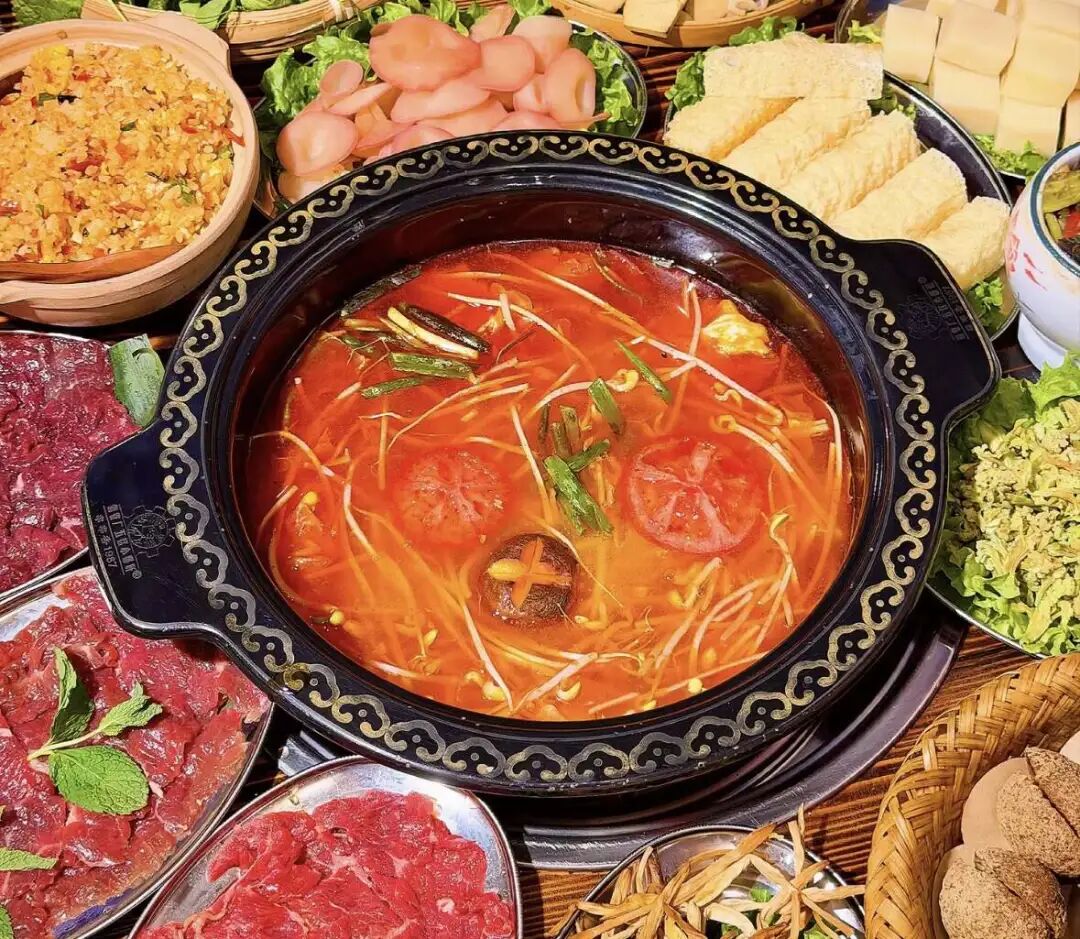
The novel flavors also limit the consumption scenarios and customer groups. It is difficult to see family customer groups dining at Yungui Bistro under dim lights, and the same is true for sour soup hot pot. The extremely narrow customer group creates the first "flaw" in the brand's profit model.
Secondly, the one - time consumption with a very low repurchase rate.
After trying it, that's it. For many consumers, Yungui Bistro is a "one - time deal". They don't come back after the first try.
However, the current profit logic in the catering industry is based on repeated purchases. With the high cost of acquiring new customers, brands are paying more and more attention to maintaining old customers, hoping that you will come several times a week. However, Yunnan and Guizhou cuisine is naturally a social - type consumption that people only have once every six months and need to make an appointment with others. It is not a daily meal that you can have on the way home from work, so it is difficult to guarantee the repurchase rate.
As for Fan Hui, the Meiguo franchisee mentioned at the beginning, the turnover curve of his store in the first four months of operation was like this: 738,000 yuan → 549,000 yuan → 386,000 yuan → 220,000 yuan. The data dropped straight down, and in four months, it dropped by 70% compared to the first month.
Once the novelty wears off, consumers attracted by social media don't come back after a single visit. The resources of new customers in the surrounding area are exhausted, and the turnover drops significantly. However, the rent, commissions, and labor costs remain the same. Whether to accept losses or hold on has become a painful dilemma for franchisees.
As Yungui Bistro stores become more common and the scarcity is gone, the operational difficulty has further increased. The operators of Yungui Bistro brands have mentioned that by the second half of 2024, it was quite difficult to make a profit. In 2025, the difficulty of making a profit increased further, and it was getting worse year by year. This is the second "flaw" in the profit model.
The business model is not well - developed, and the supply chain cannot keep up either.
In addition to the strong flavors, the core selling points of Yunnan and Guizhou cuisine also include novel ingredients, such as fermented sour soup, various wild mushrooms in the mountains, and wild flowers and herbs.
However, most of these ingredients do not have a stable supply chain system and may not support the chain - store development of brands. For example, some mushrooms in Yunnan rely on a specific symbiotic environment and are difficult to cultivate artificially. They can only supply a small number of stores and cannot support the national expansion of a brand.
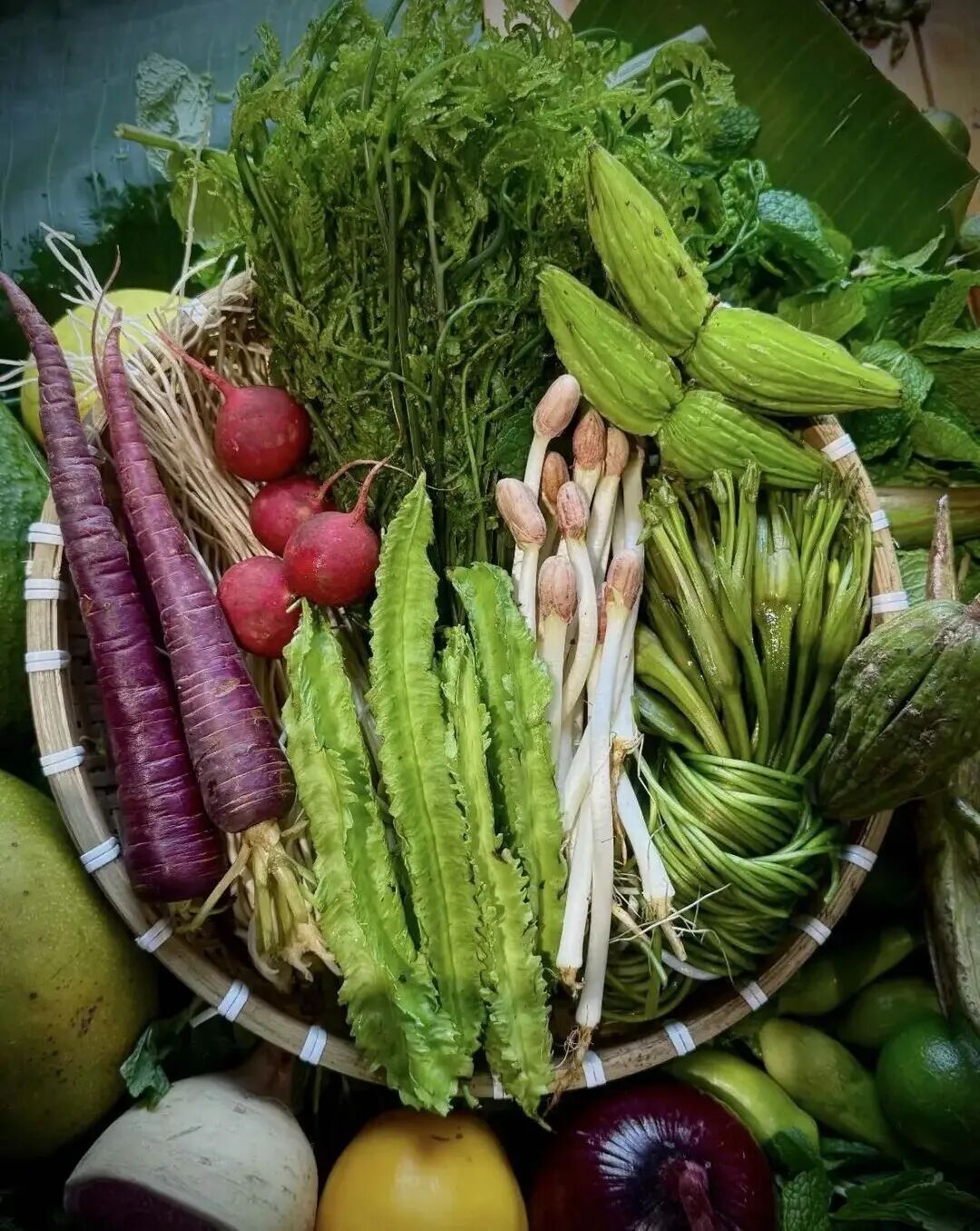
From one store to ten stores, and from ten stores to a hundred stores, each level of expansion faces severe tests in terms of the supply chain and standardization. However, the boom in Yunnan and Guizhou cuisine has not led to a major explosion in the supply chain system (sour soup is an exception. As early as 2024, the total output value of the sour soup industry in Qiandongnan Prefecture exceeded 2.5 billion yuan, and the annual production capacity of sour soup products reached 160,000 tons). Many stores are facing the situation of uneven - quality ingredients. With the already low repurchase rate, once the ingredients are unstable, the repurchase rate will drop to zero.
Finally, the problem of homogenization cannot be ignored. All stores look and taste the same.
Give you ten seconds to name a brand of Yunnan and Guizhou sour soup hot pot; then give you another ten seconds to name a brand of Yungui Bistro. You may only have the word "mountain" in your mind, whether it's "going up the mountain", "going down the mountain", or "mountains upon mountains".
You can't think of a brand of Yunnan and Guizhou sour soup hot pot. Consumers' awareness of the "Guizhou sour soup hot pot" category is much stronger than that of any single brand.
In your neighborhood, as soon as a sour soup hot pot store opens, another one will soon open next to it, almost without any difference. The only thing they have in common is the ending - closing down after just a few months, with an A4 paper of "For Rent" tightly pasted on the door.
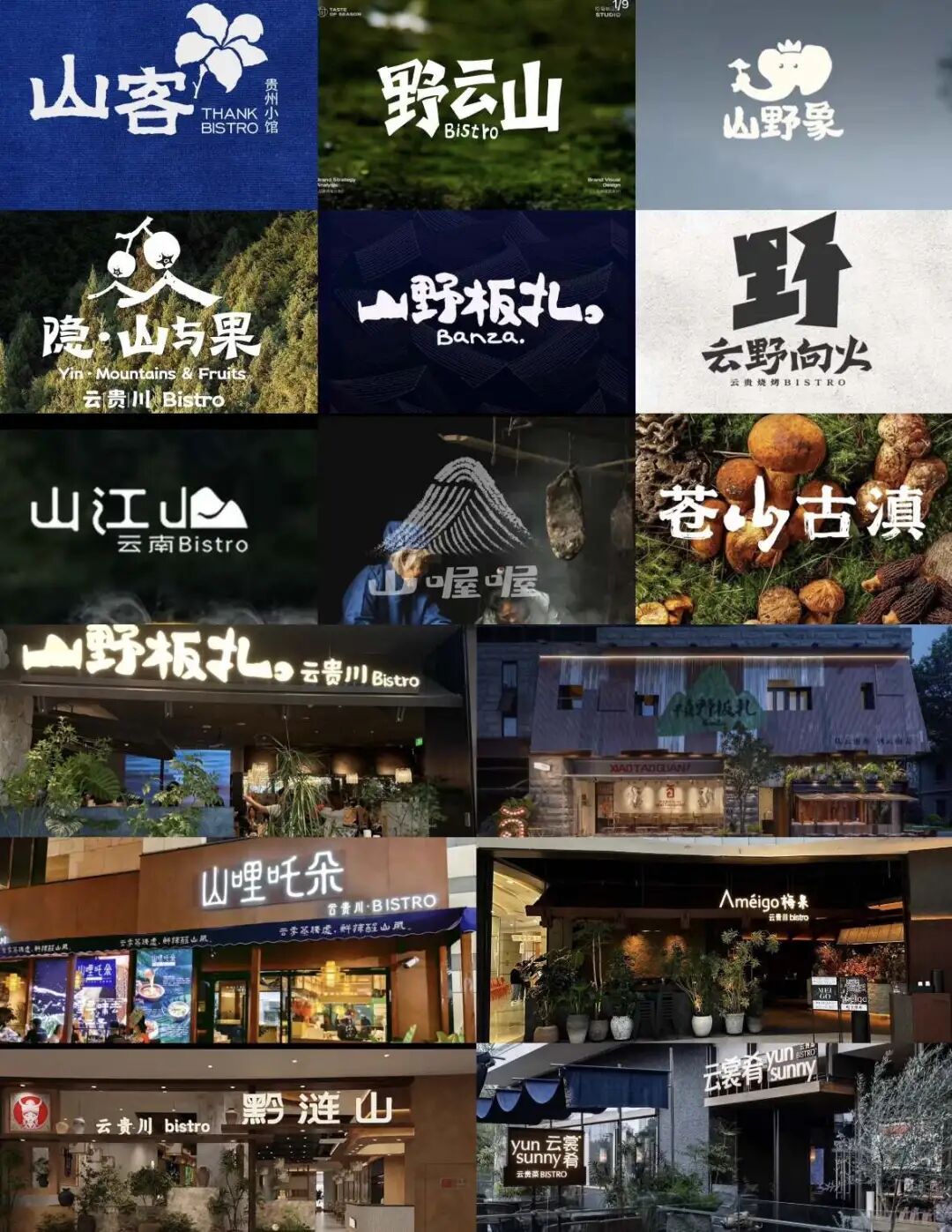
The same is true for Yungui Bistro. The problem of homogenization is serious, with a high degree of similarity in brand names, dishes, flavors, styles, and decorations. From the storefront design to the dish presentation, from the copywriting style to the lighting setup, they are almost the same. If a consumer goes to "Shangshanshan" today and "Xiashanshan" tomorrow, the experience is almost the same except for the different store names.
For example, Fan Hui, the franchisee, invested 4 million yuan in starting the Meiguo store. In less than five months, he lost 5 million yuan, and the survival period was less than half a year, while the average life cycle of a catering store is about 15 months. Therefore, some catering industry insiders sighed that this category loses money quickly and in large amounts. The trend is big, but the pitfalls are also big.
The More Fundamental Reason May Be the Too - Fast Expansion Model
Fast! Too fast! Before the profit model was well - developed and the supply chain was in place, the Yunnan and Guizhou catering industry was rushed into the market and became a "money - making tool" for some brands.
Therefore, we have seen some sour soup hot pot brands that once boasted of having over 100 stores and a valuation of 800 million yuan close their stores and disappear.
We have also seen many entrepreneurial franchisees scrape together 600,000 yuan to franchise a Guizhou sour soup hot pot brand in Chongqing. After opening for more than a month, they had at most two or three tables of customers a day, and then no customers at all. They lost all their money in one month.
Ameigo Meiguo·Yungui - Chuan Bistro, which is at the center of the storm, opened nearly 200 stores in less than four years, and 138 stores in just one year. The driving force behind this is the franchise model.
However, the turning point for Yungui Bistro has come, and the difficulty of making a profit has increased significantly. That's why the franchisee "smashed the store in anger", and franchising has really become a one - time deal.
The breakthrough of Yunnan and Guizhou cuisine is inseparable from the change in communication media. The delicate "pretty food" or the boiling sour soup hot pot in short - videos always stimulates people's entrepreneurial desire, making many people resolutely take on debts and embark on the entrepreneurial path.
However, entrepreneurs only see the "trend" and "rags - to - riches legends". They don't see the natural repurchase defects of the category, the fragile supply chain system, and the "money - grabbing" contracts carefully designed by the brand owners. When the stores open and the turnover drops sharply, they find that they have already taken on debts of hundreds of thousands or even millions of yuan, while the brand owners have already made a fortune.
Looking back, the Yunnan and Guizhou catering industry is not without value. The health benefits of sour soup hot pot, the unique flavors of Yunnan and Guizhou cuisine, and the atmosphere - creating Bistro model are all worthy of recognition.
However, the healthy growth of a category requires time for refinement, precipitation of the supply chain, and accumulation of brand value, which are exactly the "costs" that fast - expansion brands are most reluctant to pay.
At this time, the scene we see is that the market is quickly over - exploited, consumers' sense of novelty is exhausted, entrepreneurs are harvested in batches, and the entire track has completed the full cycle from "booming" to "cooling down" in less than three years.
