99% of mobile games will only have two viable paths to survive in the future...?
Somehow, Grape Guy has a feeling that most mobile games that have managed to survive in the market generally end up taking one of two paths. One is called the "spiritual home," and the other is the "cyber fishing pond."
These two terms, different from specific gameplay and genre classifications, mainly describe two underlying long - term retention logics.
So, what is a spiritual home? It means making players feel comfortable in the game, allowing them to enjoy the virtual environment, assets, and emotional value. All the MMOs, SLGs, open - world games, simulation management games, and social games you can think of basically fall into the category of spiritual homes.
To put it more professionally, these games are generally long - term, have a slow pace, and emphasize social scenarios. They retain players through relationship assets and identity assets. At a more advanced level, they can even create their own cultural circles through community culture, content ecosystem, and atmosphere. At this stage, even when you have some free time in the game, you won't want to leave.
The cyber fishing pond, on the contrary, focuses on making players have an extremely exciting experience in the game. It creates short, fast, and intense thrills through gameplay, providing a dopamine rush. This process is like fishing. You have clear expectations, and with a small cost, you can quickly "catch a fish" and have a big haul in the game.
Card and mahjong games, casual competitive games, and most search - fight - withdraw games are typical cyber fishing ponds. These games are good at using short - cycle, high - frequency feedback, and the allocation of scarce assets to give players the motivation to keep playing and stay happy.
Currently, almost all gameplay and content in most games are designed to strengthen these two logics. The differences between different products may only lie in the degree of emphasis and the proportion.
Of course, there is no superiority between these two paths because they are two ways to achieve happiness and are fundamental spiritual needs that no one can escape. The former can be regarded as a sense of belonging, and the latter as a sense of excitement.
For most people, games are just one of the carriers to meet these needs. Just think, aren't the anime and idol fan circles, various hobby circles, and community platforms all abstract spiritual homes? And it's quite common to develop a hobby in life that can kill time and provide sufficient feedback. Games, short - videos, and short dramas are actually the safest and most cost - effective options.

The reason for listing these two logics is that I want to talk about a phenomenon. In the past in the industry, there have been too many spiritual - home - type games, and the leading products are becoming more and more like nursing homes. While the cyber fishing pond, although rarely discussed as an independent major direction, has actually produced many new hit games and saved some teams.
To put it more seriously, it may be becoming one of the most important breakthrough directions in the industry, especially for small and medium - sized teams.
Life is already tiring. Get some dopamine!
The reason I thought of this is because of the recently popular game "Auction King," which is an extremely typical cyber fishing pond.
Its core gameplay is quite novel, but you can understand it after watching a couple of rounds. Several players bid on a blind box filled with a large number of unknown items. In each round, they collect a little bit of information, such as the outline/quality of the items, average price/estimated price, etc. Players need to guess how much the box is worth and what information the opponents have. In the end, they can either get a bargain at a low price, bid competitively to win the box, or deliberately drive up the price to make the opponents lose all their money and earn a commission from their losses.
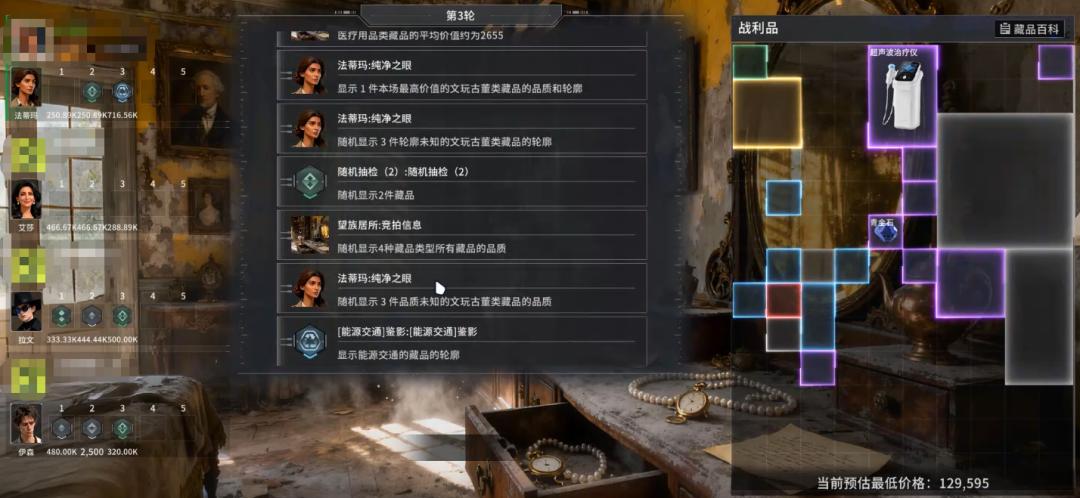
The key point is that you only need to pay a small amount of currency as an entrance fee to get a chance to bid on the blind box and have the thrill of trying to win big with a small investment. Isn't this just like fishing?
Before you catch the fish, you never know what you'll get. But the act of getting a bite is a strong feedback. If the fish is very big or rare, the fisherman would even want to parade around with it to let the whole world know. Can you imagine how happy that would be? Not everyone can catch a big fish, but those who have had a great win in the game should understand.

Seriously, there are too few legal ways to get this kind of happiness in daily life nowadays.
What do most people play games for? Just for relaxation, enjoyment, and stress relief. After expending all their energy at work, people usually don't have the energy to "work a second shift" in the game. However, nowadays, not only in commercial mobile games but also in the prestigious console/PC gaming fields, there are many games with heavy and long - winded content and cumbersome cultivation frameworks.
It's good enough if they don't give players cortisol instead of dopamine.

In this situation, finding a suitable cyber fishing pond is extremely important. It doesn't have to be a search - fight - withdraw game. It can also be Dou Dizhu, Roguelike, or mahjong. As long as it can allow players to win big with a small investment through randomness or provide an unexpected sense of excitement when achieving a successful build, it's a successful fishing pond.
I didn't take these things seriously before, but after watching some streamers play "Auction King" recently, I really felt quite emotional. Many streamers were in a completely different and extremely excited state when playing this game, just like they were on a high. There was even a streamer who had been in a slump but became obviously more energetic after playing for a while, and even his depression seemed to disappear...
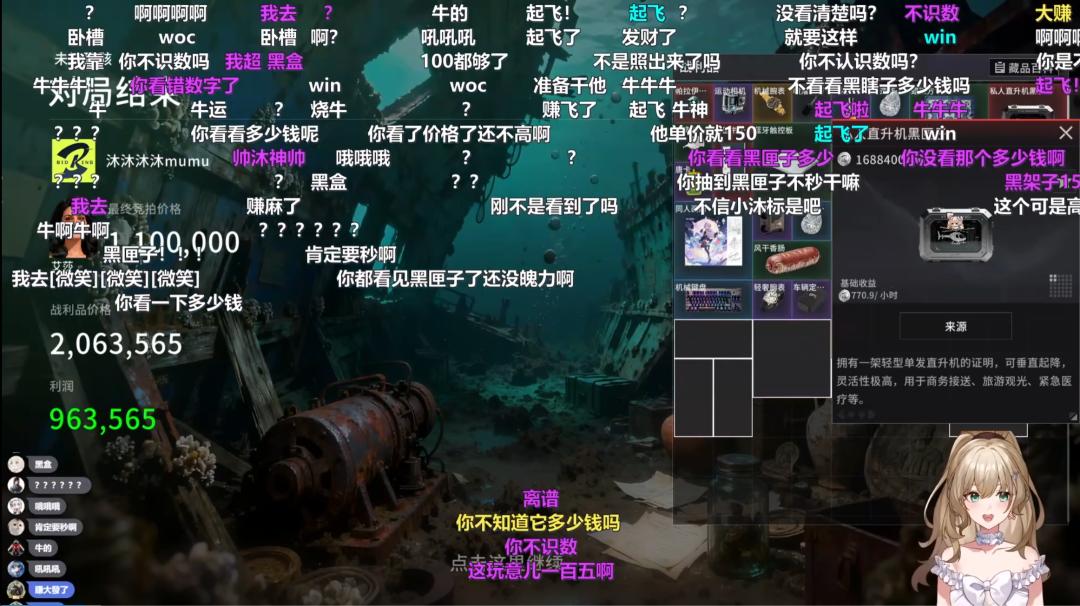
Bilibili @Mumu is MUMU
The power of dopamine is amazing, isn't it?
Creating a low - cost and stable source of happiness for those who are down because of life is the irreplaceable value of the cyber fishing pond.
Different designs, the same thrill
"Auction King" is an extreme example. However, the logic of the cyber fishing pond applies far beyond just this one product. In the past few years, many PC and mobile games have achieved success and popularity by following this path.
The Hextech Mayhem we talked about before is a good example. Based on the single - lane, fast - paced, and high - intensity team - fight deathmatch in ARAM, it allows players to become stronger through card selection and building with random card rewards, achieving an extremely unrestrained peak experience similar to that in Roguelike games.

This gameplay made League of Legends, which had been in operation for 14 years and was showing signs of fatigue, popular overnight again. It is also hailed by many as the most successful entertainment mode in League of Legends over the years. The essence of its success lies in its ability to easily provide a powerful sense of thrill that is difficult to obtain in regular competitive matches, making you eager to "fish" again to see if you can catch a big one.
Although the core gameplay of many mobile games is quite different, they are essentially following the same path.
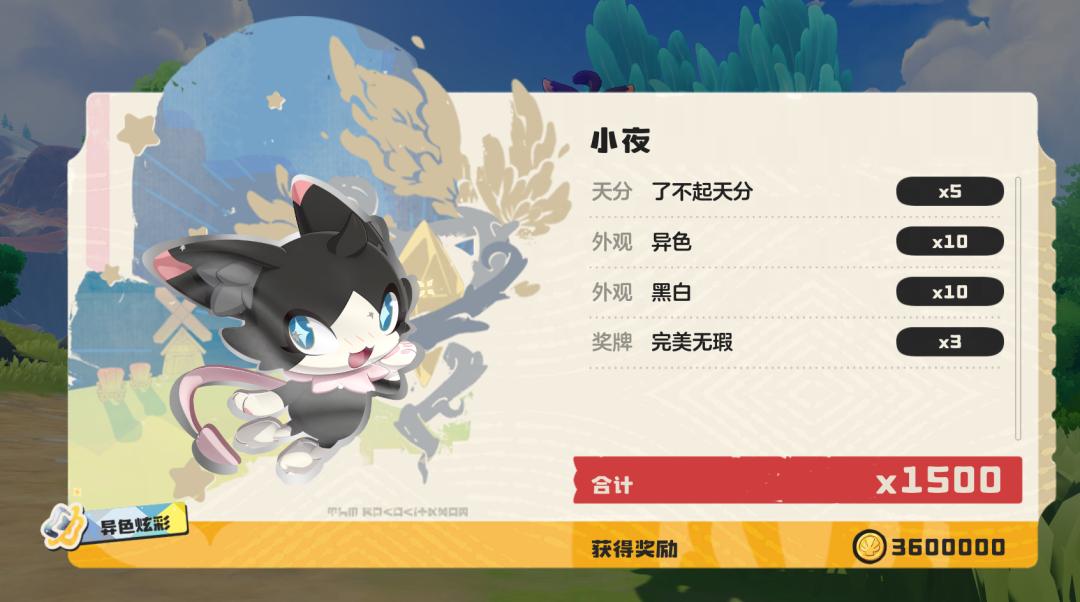
For example, the process of catching shiny Pokémon in "Roco Kingdom: World" is a similar flow experience to fishing. Throwing a large number of balls to catch ordinary Pokémon is like casting the line. After getting a polluted Pokémon or a surprise box and then dealing with it to see if a shiny Pokémon appears is like reeling in the fish. And the peak experience when finally getting a shiny Pokémon is, of course, the moment of harvest.
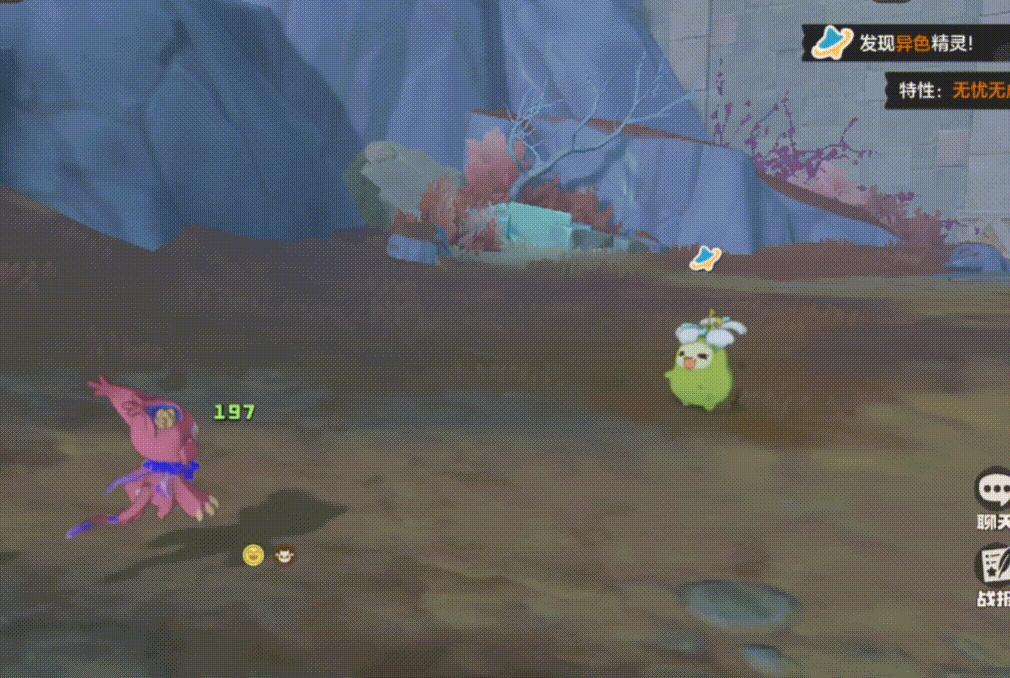
The example of "Roco Kingdom: World" is very interesting because, compared with card games and Roguelike games, you know for sure that you will get a shiny Pokémon, it's just a matter of time. But during the process, there are constant fluctuations in excitement. Getting a polluted Pokémon or a box is an exciting moment, waiting for the result after dealing with it is another, and using a prism ball to bet on a shiny color is yet another. This cycle keeps going, and there is always something to look forward to.
With a stable expectation as a guarantee and small fluctuating feedback to fill the process, the long - term grinding becomes less boring and even a bit addictive.
As for auto - battler games like "Teamfight Tactics" and "TFT: Set Beasts," there's no need to say more. They are probably the most in - depth explored cyber fishing ponds.
Sometimes, you can even see the opposite example of a cyber fishing pond. If you don't make players feel excited, they won't like your game. The lesson of "Slay the Spire 2" is still fresh in our memory. Everyone was having a good time, but the developers insisted on strengthening the bosses and weakening the infinite combos, which greatly reduced the sense of thrill in the game. As a result, players complained a lot and almost unanimously criticized the game...
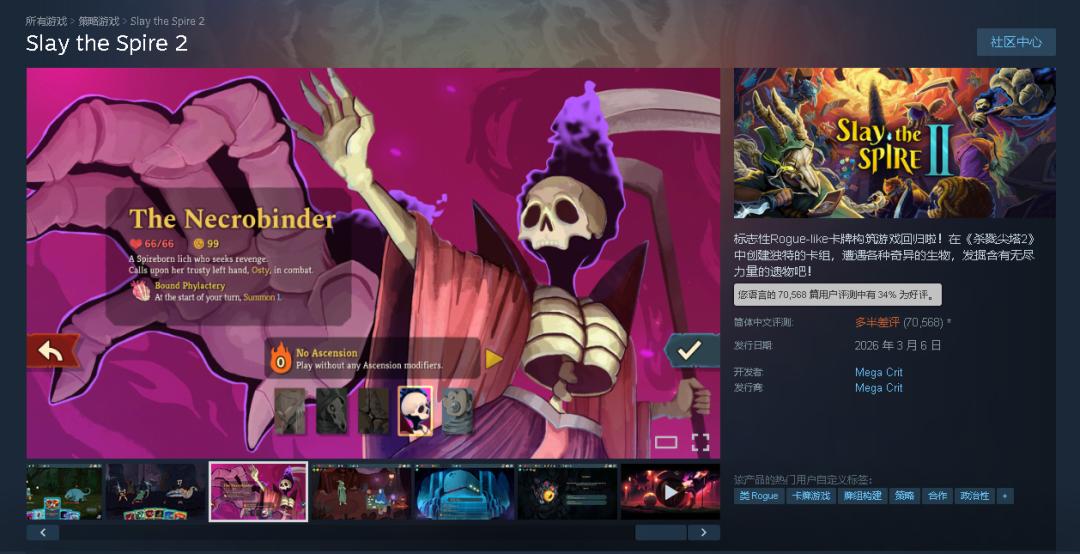
The developers' good intentions are understandable. They want to adjust the balance and increase the strategic depth through data feedback, just like they did in the first game.
However, the result of players voting with their feet shows that when you can provide a sense of thrill and users have a strong desire for it, depriving them of this thrill is like destroying the foundation of your game.

These cases together illustrate one thing: the cyber fishing pond doesn't belong to a specific category. As long as you can master the cycle of small cost + high - frequency feedback + uncertain rewards, whether it's a PC game or a mobile game, a competitive game or a casual game, it may attract a large number of players.
So, the question is: Why is the cyber fishing pond becoming so important right now?
Providing a sense of thrill is the general trend in the entertainment industry
Whether from the perspective of the general environment or the game industry, there is indeed some potential in this.
First, on the user side of the entire entertainment industry, people's demand for a sense of thrill is differentiating, and their stimulation thresholds are also increasing.
This is an era of the attention economy. The stimulation levels of all content media, such as short - videos/short dramas, live - streaming/group - streaming, popular novels, and mini - games, as well as the stimulation thresholds of all Internet users, are rising.

Among these media, the growth of the sense of thrill in games has obviously lagged behind.
Users' consumption time may be the most direct evidence. According to the "China Internet Audio - Visual Development Research Report (2025/2026)," in December 2025, the average daily usage time of domestic short - video apps per person was 156 - 201 minutes (including the usage time of sub - apps such as short dramas). In other game industry statistical reports, the average daily game time of most players is between 30 and 90 minutes, and at most, it doesn't exceed 120 minutes.
Of course, there will always be a group of people who don't prefer to consume short - and - fast content, but these two groups are becoming more and more distinct.
In the past, the game industry was better at creating spiritual homes. However, with the significant increase in the sense of thrill brought by short dramas, short - videos, and live - streaming, a group of "fishing - pond users" have shifted to other media. The cyber fishing pond we are talking about now doesn't need to compete with short dramas in terms of stimulation. The most ideal situation is to bring