Hamburgers enter the era of "Three Kingdoms Kill"
Newcomers with innovative strategies are flocking in, and the established players in the burger industry can no longer sit idle. Where is the way out?
The "free - for - all" in the burger market is intensifying.
On one hand, there are the "cross - border raiders". Wei's Cold Noodles, originally a seller of cold noodles, has become a new "top - stream" in the burger world; M Stand, a coffee seller, is selling handmade burgers for 78 yuan each; and brands from the rice noodle, hot pot, and ice - cream industries are also squeezing into the market... They are like "unconventional players" who don't follow the rules but are attracting traffic and attention.
On the other hand, there is an internal struggle among the "regular army" of burgers. Some high - end burger brands that used to be at the top are losing momentum, either looking for new growth paths or leaving the market dejectedly; while the street - based burger giants with thousands of stores are constantly testing the waters between defense and offense.
When everyone wants a share of the pie, a core question emerges: Is there really still room in this market? Where exactly are the opportunities?
The "cross - border players" are coming on strong
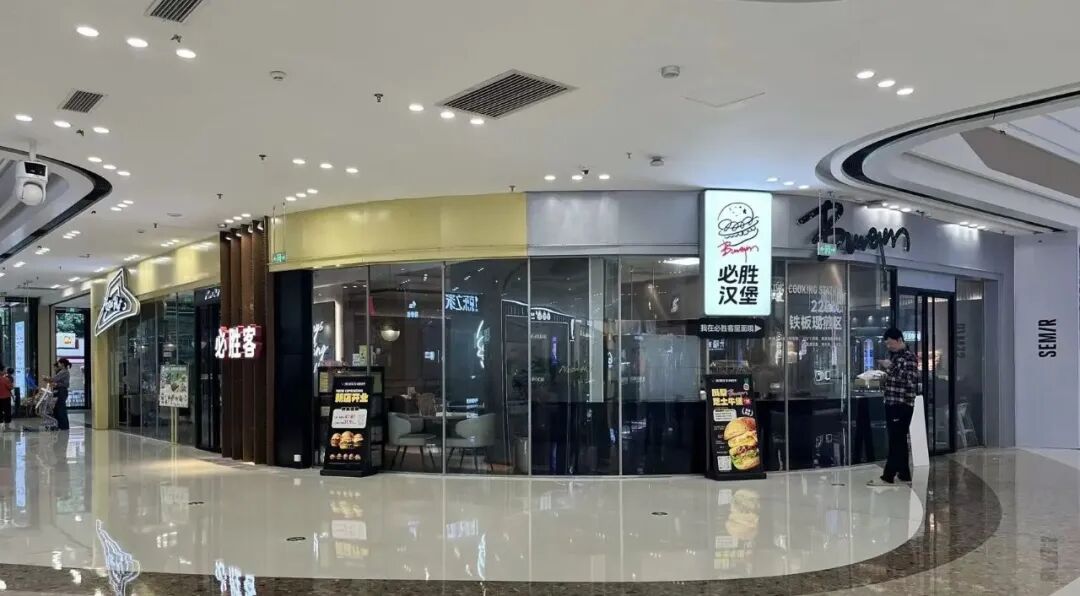
On May 20th, "Pizza Hut Burgers", an independent burger brand under Pizza Hut, announced that it had exceeded 100 stores nationwide. It took less than half a year since the opening of its first two stores on December 27th, 2025.
This means that in the past five and a half months, a new store has opened almost every two days.
Currently, most Pizza Hut Burgers stores adopt the "side - by - side" store - opening model with Pizza Hut, directly setting up a special area in existing stores to make burgers. This model significantly reduces the costs of site selection and decoration.
△Photo source: Taken by Hongcan.com
However, Pizza Hut is far from the only one eyeing the burger business. Coffee sellers, ice - cream sellers, hot - pot restaurants, Chinese fast - food chains, and brands focusing on stewed pots are all squeezing in. Looking closely, there are three distinct business logics behind this cross - border trend.
The first type is to fill the off - peak hours and increase the average customer spend.
This phenomenon is more obvious in boutique coffee shops. For example, in M Stand's regular stores, coffee is the main product, accompanied by cakes and alcoholic beverages, with an average customer spend between 29 - 39 yuan. The consumption hours are concentrated in the morning coffee time and the afternoon leisure time, with an obvious gap during meal times. After adding handmade burgers as a major product in its burger stores, the consumption hours have extended from the morning to the late - night snacks, filling the missing lunch and dinner scenarios and almost covering the "five meals a day" of office workers. The average customer spend has also been raised, generally reaching over 50 yuan.
The second type is to use burgers as a "traffic magnet" to create social topics.
For example, the pink burger launched by "Longge Self - service Hot Pot" has become a hit on social platforms, even driving a trend of "hot pot with burgers" check - ins. In May, Little Sheep Hot Pot also launched "Pink Mini Burgers".
Even Chinese fast - food brands like Axiang Rice Noodles and Rural Base have started adding burgers to their storefronts and menus, trying to attract more customers with the " + burger" combination.
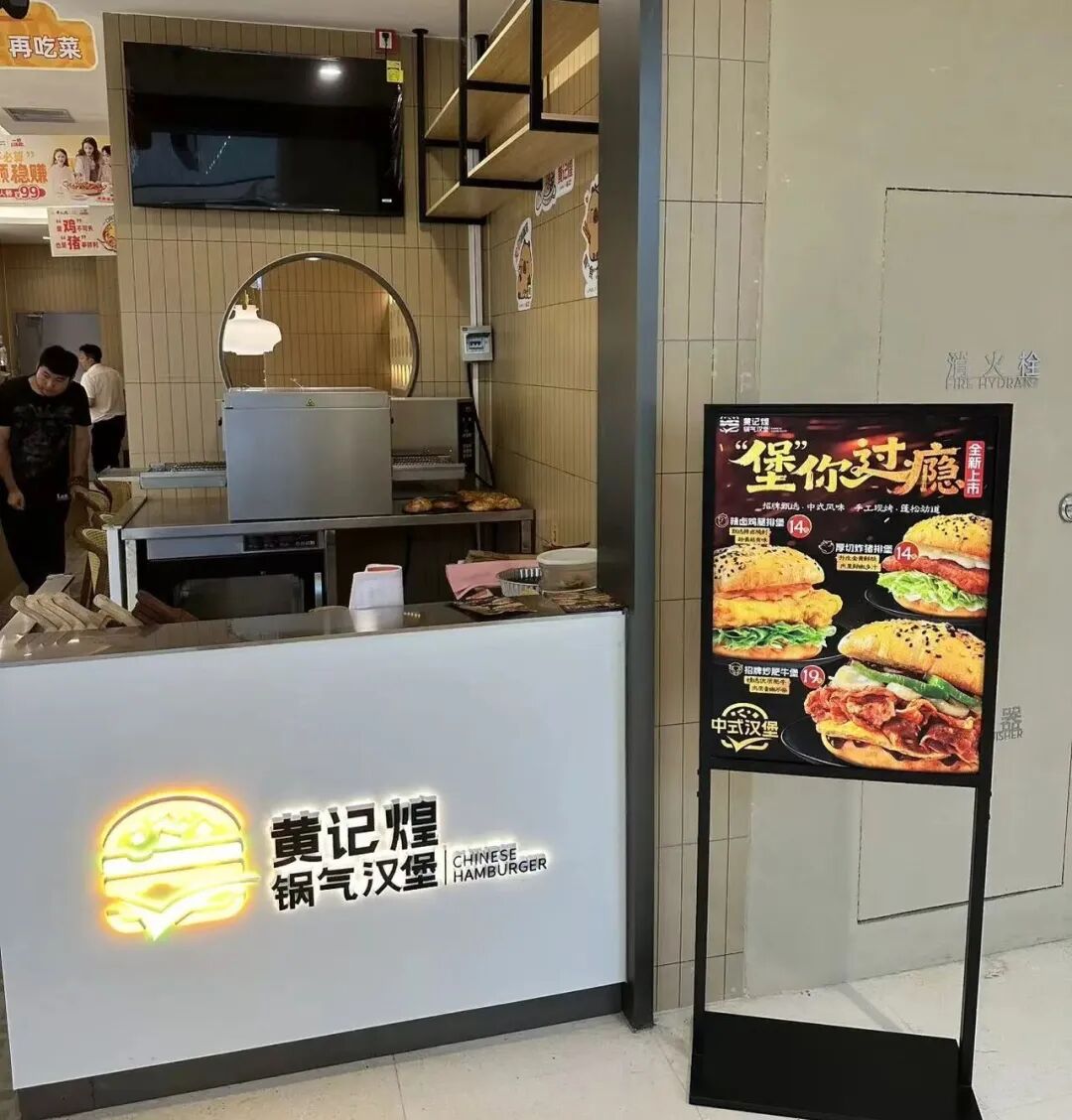
Recently, Huangjihuang, a brand focusing on three - juice stewed pots, has also set up a small stall in its Beijing Longhu Changying Tiantianjie store to sell burgers, named "Huangjihuang Pot - flavored Burgers". Currently, it has launched products such as Spicy Braised Chicken Thigh Burger, Thick - cut Fried Pork Chop Burger, and Signature Stir - fried Beef Burger.
△Photo source: Provided by Zhai Bin, a columnist on Hongcan.com
For this type of players, the value of burgers may not lie in "how many are sold", but in connecting the originally low - frequency consumption scenarios into a more diverse daily choice.
The third type of "players" is investing real money and treating burgers as a "new business".
For example, the ice - cream brand DQ opened its first dedicated burger store "DQ BLIZZARD & BURGERS" in Shanghai as early as 2024. Its products cover burgers, fried chicken, snacks, as well as signature ice - cream and milkshakes. The pricing of its set meals ranges from 49.9 to 59.9 yuan, targeting the mid - to high - end fast - food market.
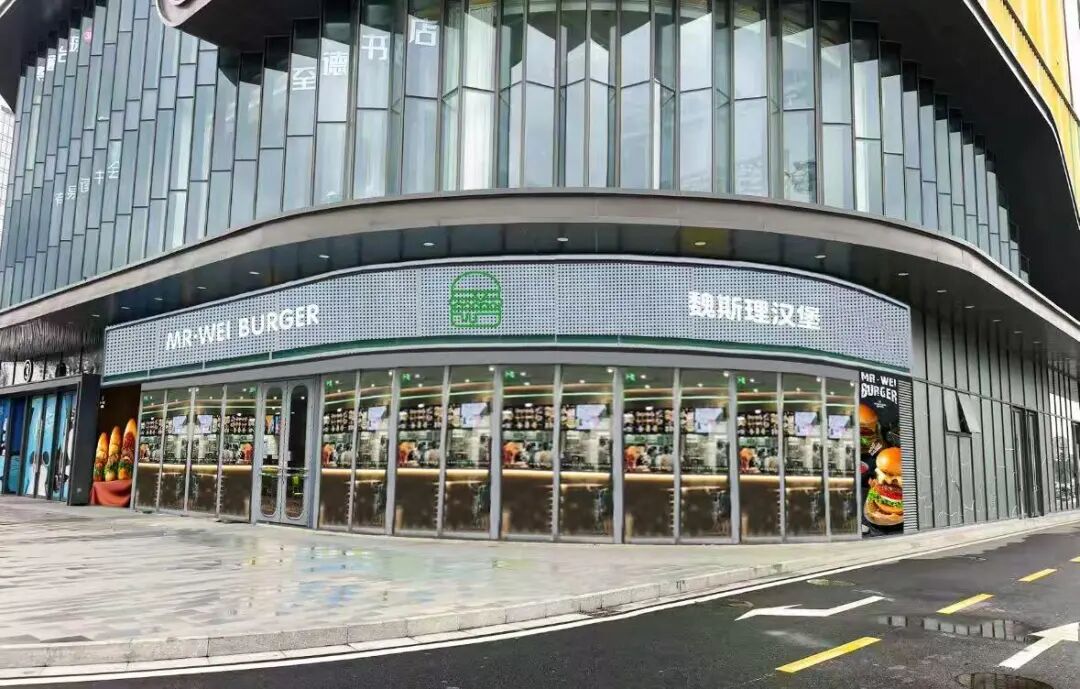
"Weisili Burgers" under Wei's Cold Noodles has chosen another path - focusing on high cost - performance. The price of single items ranges from 17 to 40 yuan, with relatively solid ingredients and affordable prices. This strategy helped it expand rapidly between 2024 and 2025, and currently, it has opened about 70 stores in 14 provinces and municipalities such as Shaanxi and Tianjin.
△Photo source: Official Xiaohongshu account of Weisili Burgers
Haidilao is also testing the burger waters through its sub - brand "Xiaohi Loves Fried Food". The brand originally mainly sold fried chicken with sauce and was renamed "Xiaohi Loves Fried Food · Hiburger" in 2025, gradually adjusting towards the "Chinese - style burger" direction. It has currently opened stores in multiple cities such as Taiyuan, Changsha, and Xianyang, mostly located in shopping malls. Extended reading: 《Is Haidilao opening burger stores to compete with McDonald's and KFC?》
The reason these brands are willing to invest heavily is that the burger category itself has obvious advantages.
For example, the products are relatively easy to replicate and innovate. In the first quarter of 2026, 33 Western fast - food brands monitored by the Hongcan Industry Research Institute launched a total of 225 new products, of which 43 were burger - related.
More importantly, the supply chain is also relatively mature. From meat processing to frozen fries to burger buns, there are ready - made solutions for each link.
Therefore, for brands wanting to enter the market, burgers have become a choice with relatively clear and controllable risks and rewards.
How can the established players break the deadlock in the "three - way battle" situation?
When cross - border players are flocking in, the established players are not sitting idle.
On one hand, the chain giants focusing on "cost - performance" are building moats through "positioning" and "new stories".
Facing market saturation and cross - border competition, the primary defense of the cost - performance giants is to occupy strategic locations through store density and diversified channels.
△Photo source: Taken by Hongcan.com
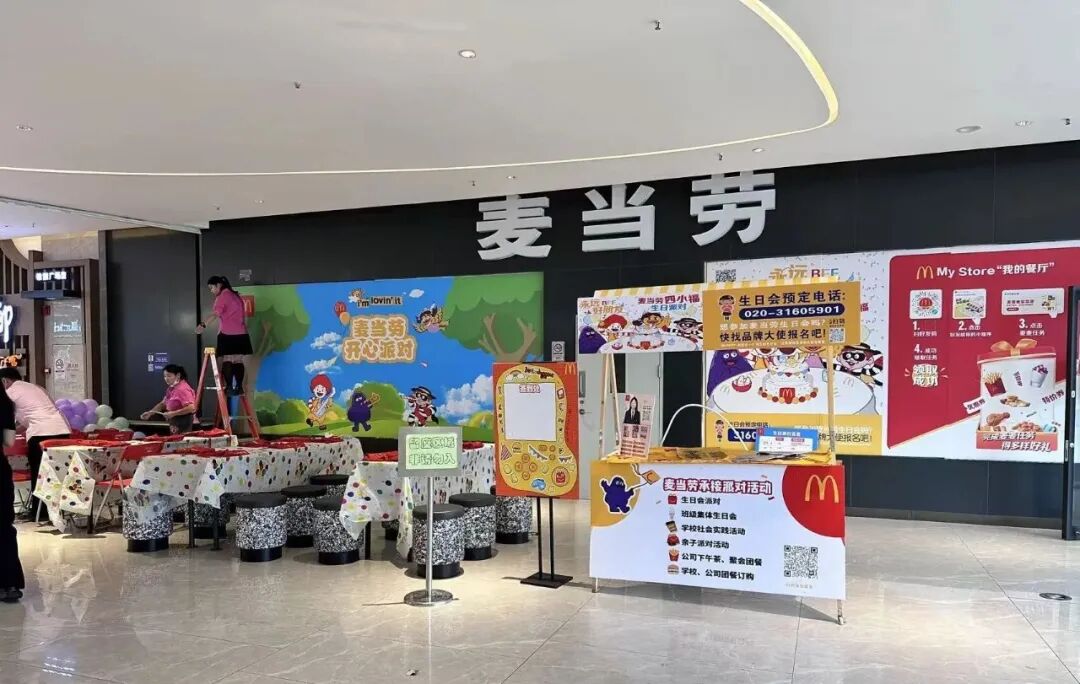
As industry pioneers, KFC and McDonald's are both promoting full - scale coverage. Since KFC launched its "town mini - stores" in 2020, by the end of 2025, it had opened more than 4,400 stores in third - tier and lower - tier cities and was actively deploying in non - traditional scenarios such as hospitals, universities, and highway service areas, trying to reach a wider range of people through diversified locations. McDonald's is also increasing its "density", intensifying its store presence in mature markets like Shenzhen and Guangzhou and achieving full coverage of provincial - level administrative regions across the country.
As international giants accelerate their layout in lower - tier cities, Wallace and Tastin are strengthening market penetration through differentiated strategies while consolidating their basic markets.
Since 2024, Wallace has started brand upgrading, launching stand - alone stores and Chinese - style theme stores. In April 2026, it further launched a new sub - brand "Wallace Lab Burger Laboratory", focusing on handmade and freshly made burgers to adjust its existing brand positioning.
Tastin is also exploring various possibilities to enter first - tier cities. For example, since August 2025, the brand has piloted small stores of 40 to 60 square meters in Shanghai, Beijing and other places, trying to expand into high - tier markets by reducing single - store investment.
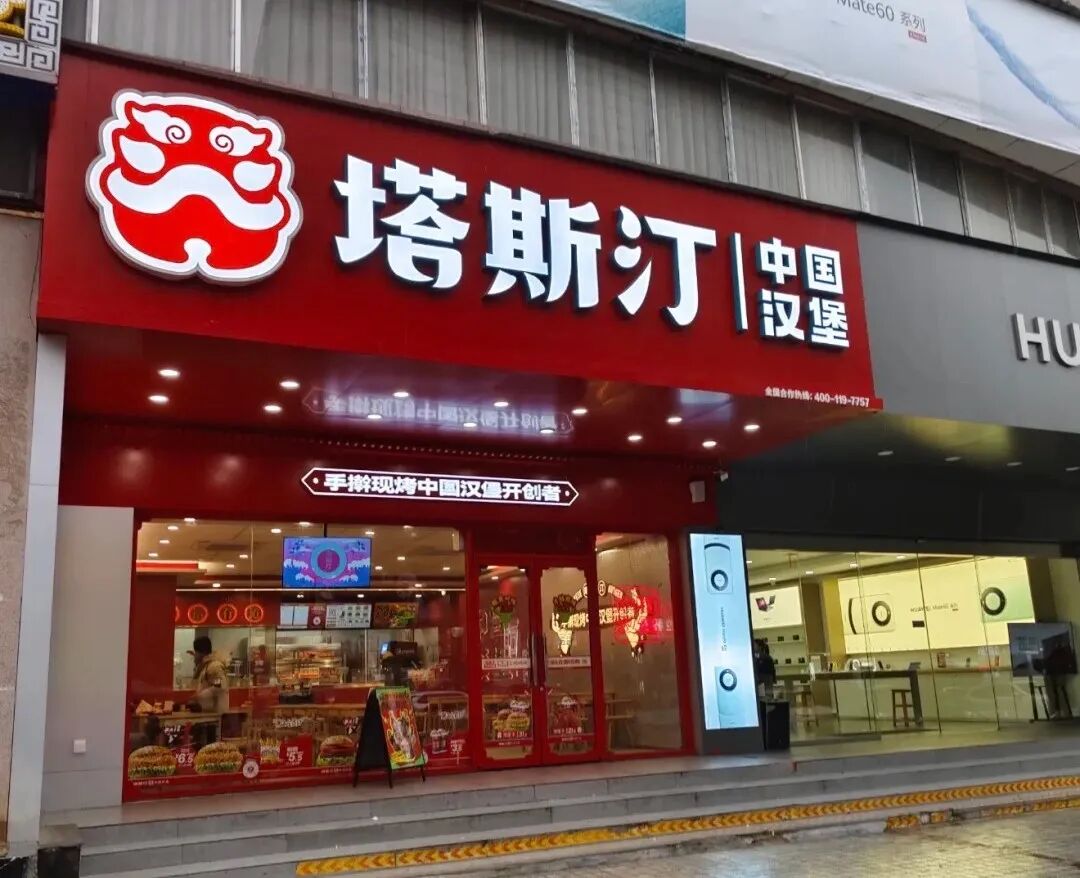
△Photo source: Official Xiaohongshu account of Tastin
The essence of this competition is to compete for "positioning" in the stock market. Whoever can grab more and better locations will have more say in the next stage.
On the other hand, brands in the "high - end and refined" segment are showing a more cautious response. The core of this logic is: use "stability" to maintain brand tonality and use "change" to find growth.
In terms of expansion, they choose to "defend their territory". For example, brands like Shake Shack, Blue Frog, and Five Guys are mainly concentrated in first - tier and new first - tier cities, and their expansion is relatively restrained. This restraint mainly stems from their high dependence on popular business districts and the consumption ability of their customer groups.
In terms of products, they are also maintaining their positions while exploring new possibilities.
"Maintaining" refers to the insistence on quality and differentiation. Shake Shack's burger patties are hand - breaded and fried to order in the store; Five Guys also insists on freshly frying beef and allowing DIY free combinations; Blue Frog emphasizes 100% Australian imported beef.
"Exploring" refers to the exploration of localization. Making products and flavors more suitable for the "Chinese palate". For example, Five Guys has launched a China - exclusive "Spicy Chili Sauce" flavored burger; Blue Frog has incorporated Chinese ingredients such as Sichuan - style green Chinese prickly ash and preserved mustard greens, and oil - splashed chili into burgers and dipping sauces, launching new products such as the Seafood and Mushroom Cheese Beef Burger and the Preserved Mustard Greens and Bacon Beef Burger. The Sanlitun store of Shake Shack has launched "Chinese - style" special drinks such as "Lü Da Gun Soy Milk Latte" and "Searching for the Flavor of Beijing Lemon Americano". Extended reading: 《A 78 - yuan cocktail, the "burger queuing king" is eyeing the bar business》
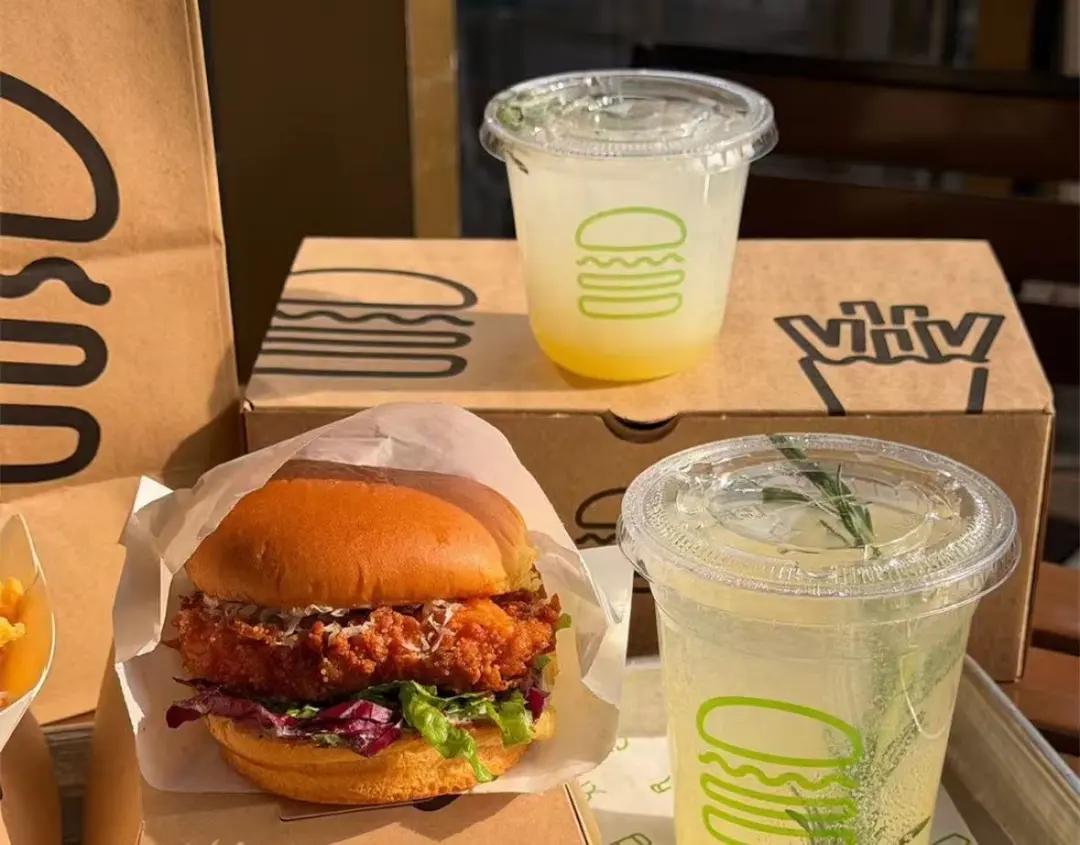
△Photo source: Official Xiaohongshu account of Shake Shack
The goal of high - end brands is not to compete in scale but to make consumers think of them more frequently through subtle innovations in taste and scenarios in their own "territories".
Whether it's expanding aggressively, incubating sub - brands, or adjusting the strategies of high - end brands, it's essentially a fight for territory in the "stock market".
As the competition enters the deep end, what are the remaining imagination spaces for burgers?
When international giants, local brands, and cross - border newcomers are all crowded in one market, consumers have more choices, the cost of customer acquisition is rising, and the profit margin is further compressed. Where can the industry go from here?
Previously, Qing Yong, the founder of Tomato Capital, summarized the current competitive landscape of the Western fast - food market as a "polarized" trend.
Going up, it's about pursuing quality and experience. That is, having fewer SKUs, strong experiences, and on - site fresh production, selling "instant satisfaction with real ingredients"; going down, it's about competing on extreme cost - performance, taking the Chinese - Western fusion route, and using local ingredients and regional flavors for differentiation. The middle layer mainly relies on the supply chain and efficiency to build a moat, using central kitchens and digital systems to reduce costs and improve standards.
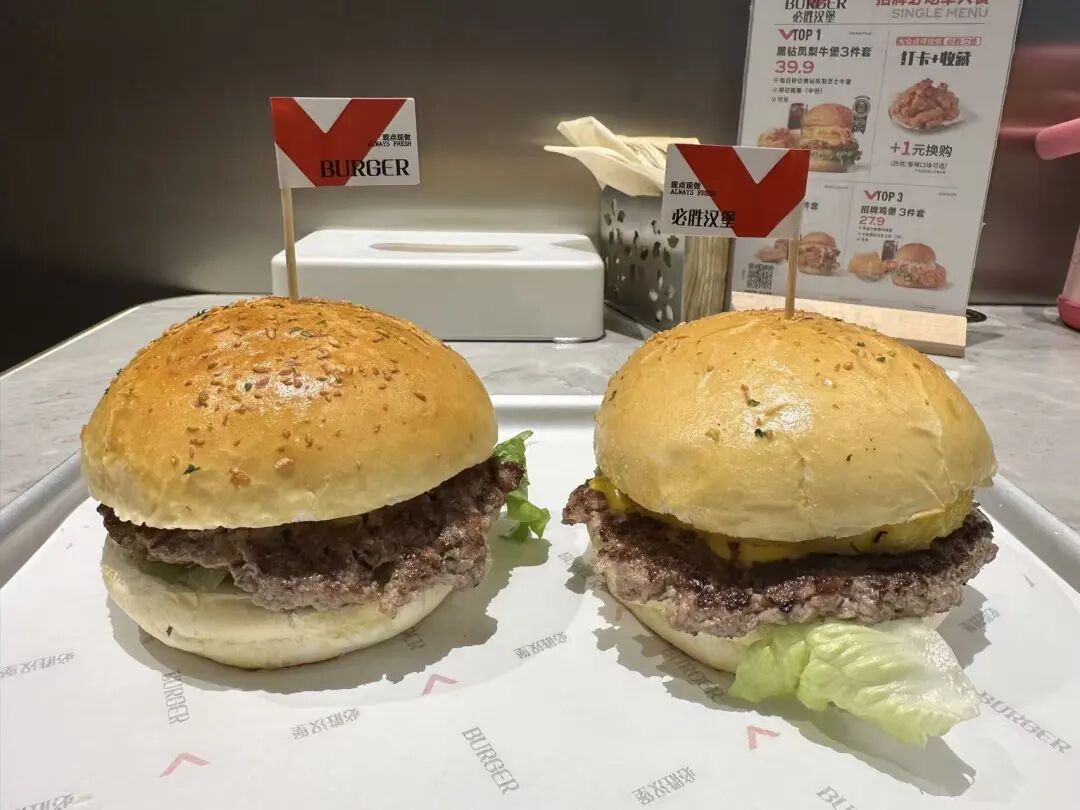
△Photo source: Taken by Hongcan.com
Under this framework, there seem to be three paths, but for most brands, "going up" requires deep brand accumulation, and the "middle layer" requires a strong