The most advanced smart glasses of 2026 have been released, but the "iPhone moment" has not yet arrived.
Many years later, when I put on the latest and trendiest Android XR glasses and get ready to go out, I'll recall that day on June 16, 2026.
On this day, Qualcomm's brand - new XR chip platform, the latest Android XR system ecosystem, and more XR hardware products were all launched.
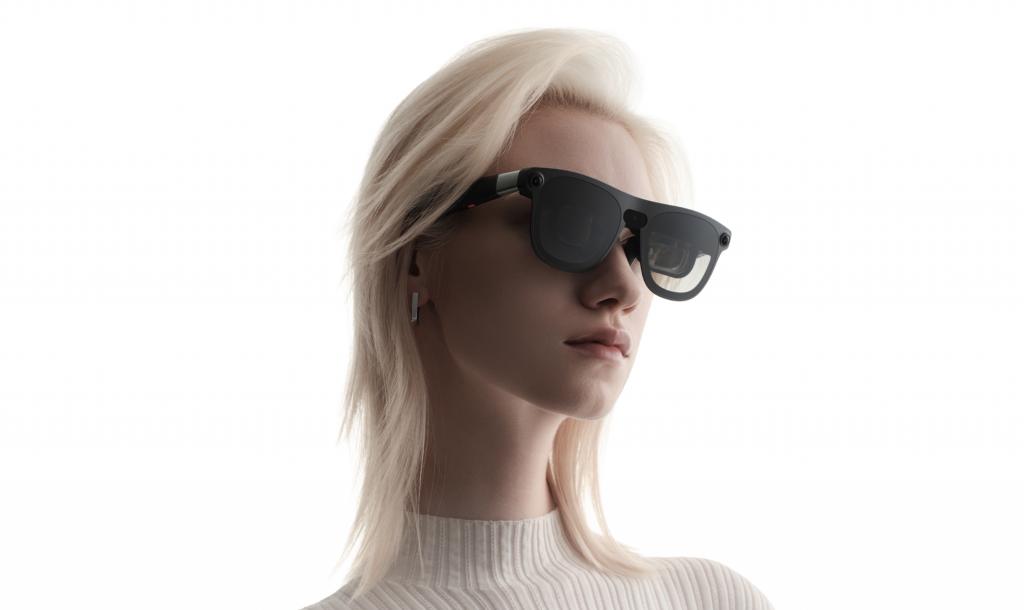
If the XR industry in recent years has been more experimental, with various forms of exploration emerging, then the next phase of the XR industry has finally reached an inflection point for the general public.
Qualcomm Snapdragon + Android, Here Comes Xreal Aura
With the latest Qualcomm Snapdragon chip and the Android system, you might think I'm talking about a new mobile phone.
Actually, what I'm referring to is a pair of glasses -
The XR glasses Xreal Aura, jointly developed by Google and Xreal, were officially released and are now available for pre - order.
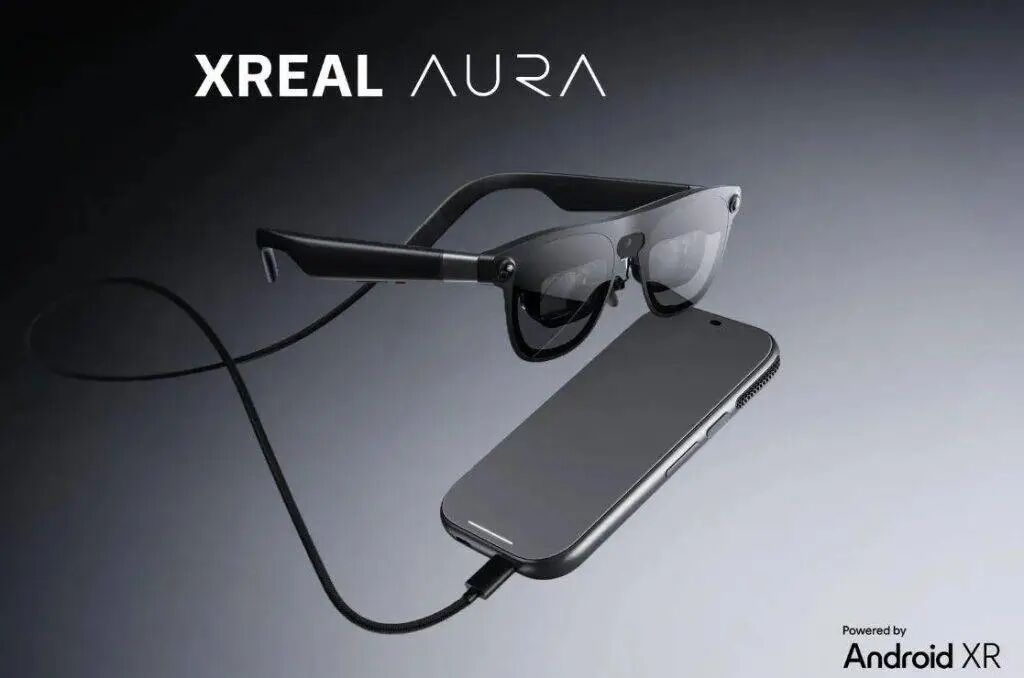
This product is also the world's first XR glasses equipped with the Android XR system platform and Qualcomm's latest XR chip, the Snapdragon Reality Elite.
Project Aura consists of two parts: the glasses themselves for display; a wired computing terminal, about the size of a mobile phone.
Xreal is mainly responsible for the glasses part, which also inherits the high - level display capabilities of Xreal AR glasses. In particular, the 70 - degree large field of view is absolutely leading among AR glasses, providing an almost borderless viewing experience.
The weight of the glasses alone is controlled at 95 grams. It uses OST optical see - through design instead of a camera to capture real - world images, enhancing the mixed - immersion experience of spatial display.

According to Xreal, this product uses a "dual - chip" architecture: the Snapdragon Reality Elite is responsible for Android XR, Gemini, and spatial computing, while Xreal's self - developed X1S chip is responsible for the display experience of spatial display and sensor processing.
ifanr experienced the Xreal Aura prototype at AWE. Even though it was still an early development version, it felt quite mature, and the experience was very close to that of the Meta Quest headset.
The glasses support temple operation and ten - finger gesture input. The experience is relatively natural. You can directly reach out to click buttons, grab some screen elements, and zoom in and out, but there is a slight delay.
The core of Xreal Aura, of course, is the Android XR system.
Thanks to the application ecosystem advantages accumulated by the entire Android system over the past decade, on the day of Xreal Aura's release, millions of Android mobile phone and tablet applications can be downloaded from the app store, and a large number of applications specifically for XR are under development.
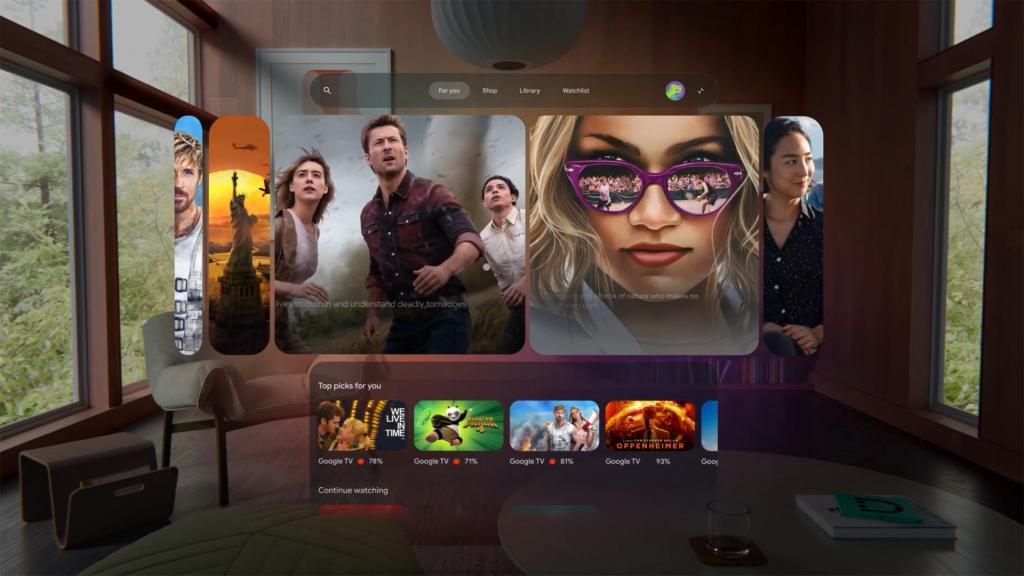
The Android XR experience itself is already quite mature. You can open multiple windows in front of you. For example, Google's first - party applications, such as Google Maps and YouTube, have been adapted for XR. There is also a large amount of panoramic video content on YouTube, which can fully utilize the advantages of the glasses.
To enable users to use Xreal Aura right out of the box, the official has pre - installed the holographic game "Project Hail Mary: Interstellar Journey" developed in cooperation with Andy Weir, the author of the original "Project Hail Mary", and the 3D XR game "Factions" of "Fallout". More immersive videos and games have been announced.

Who wouldn't want to put on Xreal Aura in a hurry and make friends with Rocky?
Another major advantage is the top - level Gemini AI agent and multimodal capabilities.
In ifanr's limited experience, Gemini can find specific videos on YouTube after receiving instructions.
When The Verge experienced the Aura prototype, they were also impressed by Gemini's capabilities: after giving an order to take a photo, it can immediately help remove green plants from the photo; after taking a photo of a recipe, it can add the ingredient list to the Google Keep list; it can immediately add the concert schedule it sees to the Google Calendar; these operations will be immediately synchronized to all devices logged in with a Google account.
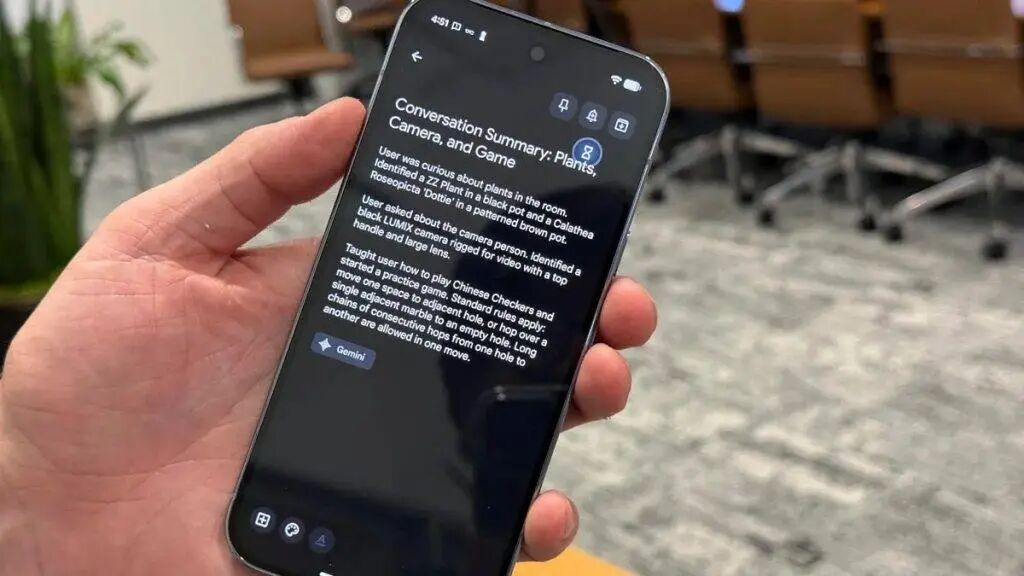
Currently, Xreal Aura has opened pre - orders on Xreal's official website. The price and release date have not been officially announced yet. Only a $99 deposit and a $299 priority pre - order deposit entry have been opened. It will be launched first in countries and regions such as the United States, the United Kingdom, Japan, Canada, and South Korea this fall, and will enter more European markets in the future.
Compared with headsets that can only be used at home, with a weight of less than 100 grams and a relatively simple appearance design, the Xreal Aura glasses have a lower threshold and can adapt to more scenarios.

Project Aura prototype, Image source: CNET
The True Wireless XR Glasses, Snap SPECS
You may have heard of the overseas social media Snapchat, which was once very popular for its funny and rich dynamic filters.

But you may not know that its developer, Snap, has also been deeply involved in the XR glasses field in recent years. On the same day as the release of Xreal Aura, it launched the new AR glasses, SPECS.
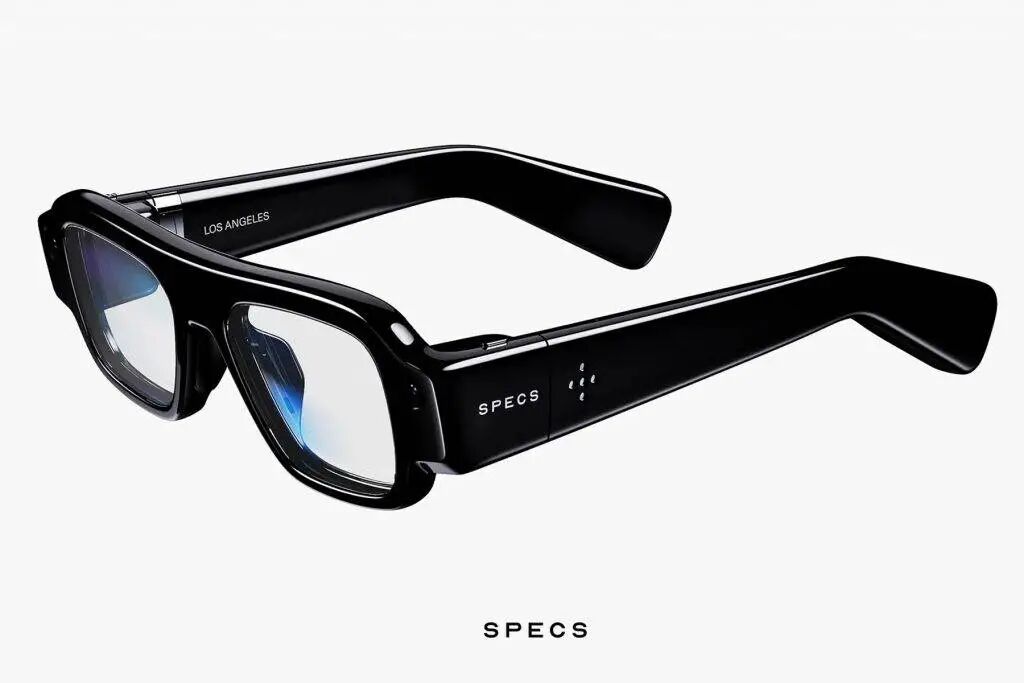
Different from the split - type design of Xreal Aura, SPECS pursues an "integrated" design, with the computing unit directly integrated into the glasses body.
Therefore, in terms of appearance, SPECS is significantly bulkier than Xreal Aura and Meta Orion, and is more like a "goggle". The glasses are available in two lens sizes, 47mm and 52mm, weighing 132 grams and 136 grams respectively.
This weight and appearance are quite different from regular glasses. Wearing them on anyone's head can make the face look smaller, giving an uncoordinated feeling like a child wearing reading glasses.
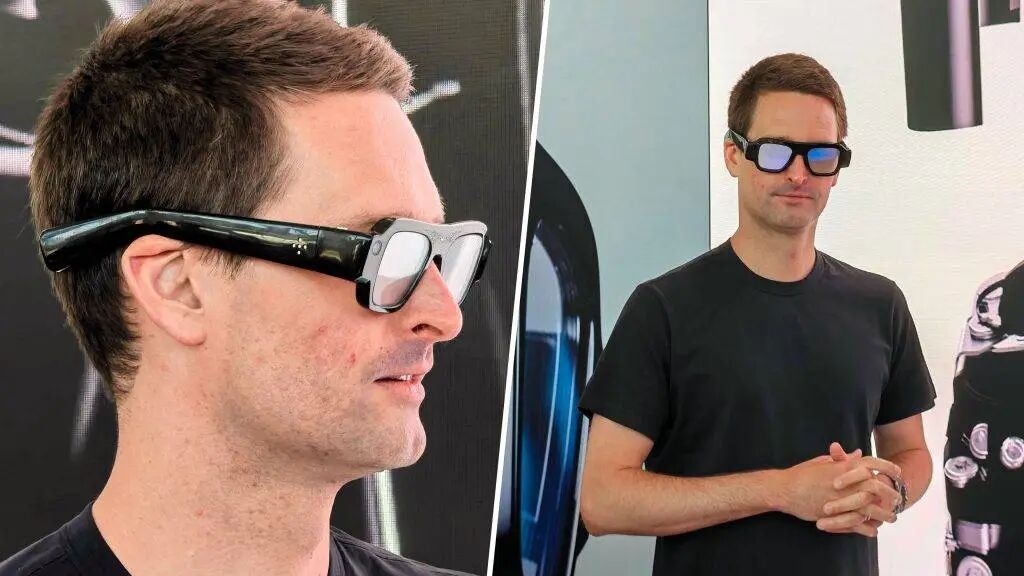
However, compared with Snap's fifth - generation AR glasses, Spectacles, two years ago, it is relatively more low - key and lighter. Snap's official also said that they didn't expect to achieve this level of appearance size in 2026.

Snap Spectacles
The biggest improvement is in battery life. SPECS can be used for 4 hours on a full charge. This is not only a significant improvement compared to Spectacles' 45 - minute battery life but also longer than Meta Orion's 2 - hour battery life. Xreal Aura has not announced its battery life, and the prototype can be used continuously for about 2 - 3 hours.
In terms of parameters, SPECS offers a 51 - degree field of view, supports 16 million colors, and can provide a visual experience similar to a 24 - inch desktop or a 115 - inch home theater screen.
Due to its integrated design, Snap emphasizes the portability of SPECS, which can be used in various scenarios - although the battery life is only 4 hours.

SPECS is equipped with Snap's customized XR operating system, "Snap OS", which has an interface similar to visionOS and Android XR. However, the self - developed system also means that it will face the problem of application shortage similar to Meta Ray - Ban Display.
Snap has released some usage clips of the SPECS glasses. For example, in the classic "navigation" scenario, SPECS can display a virtual window in the real world and provide real - time navigation according to the scenario; you can directly use your fingers to measure the size of furniture needed for your living room; it can also provide real - time translation subtitles.
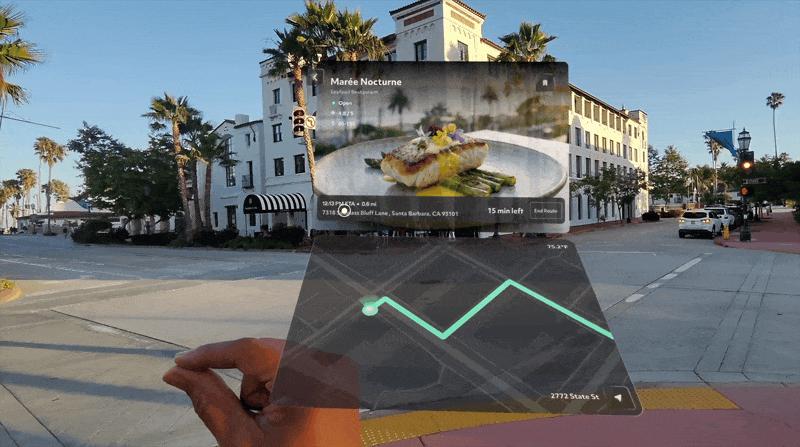
Snap specifically mentioned the "context - aware" AI capabilities of SPECS and the possibility of combining it with AR technology. For example, it can guide users to repair a car and show the positions of relevant parts. However, Snap's official has not announced the underlying technology source of the AI capabilities.
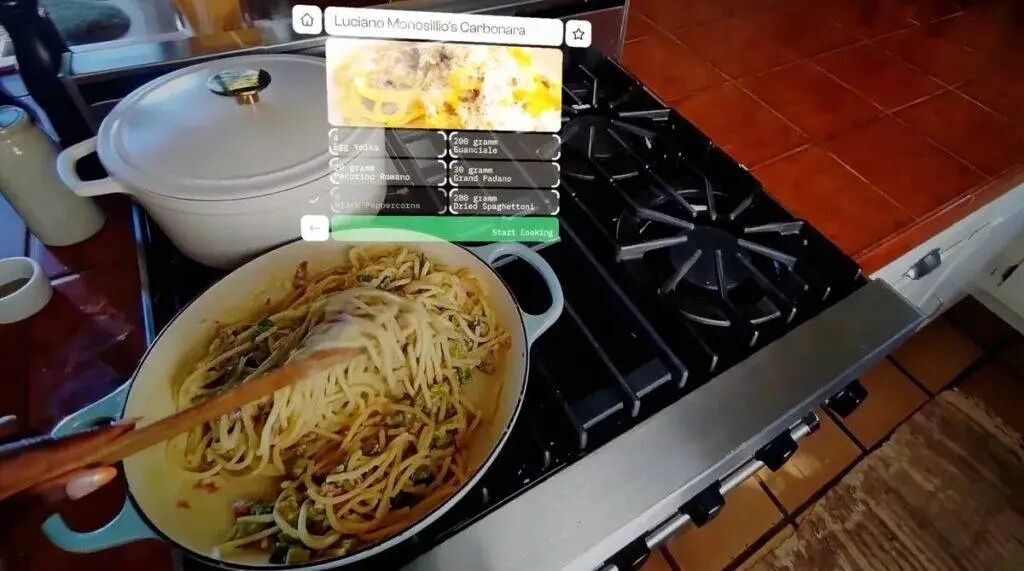
When paired with Snap's AI tools, SPECS can be used in conjunction with Claude Code and OpenAI Codex to handle all creation, testing, and publishing work directly on the glasses.
Compared with the Snap Spectacles that were not sold to the public two years ago, Snap SPECS will be launched for all consumers this time, and the price is quite astonishing: $2195, equivalent to about 14,830 yuan.
This price means that it will only be a niche product. Snap said that their primary target is technology enthusiasts, developers, and studios.
Even though it is the only integrated and independent XR glasses on the market and is very close to the sci - fi vision of "glasses replacing mobile phones", it's hard to see a bright future for it.
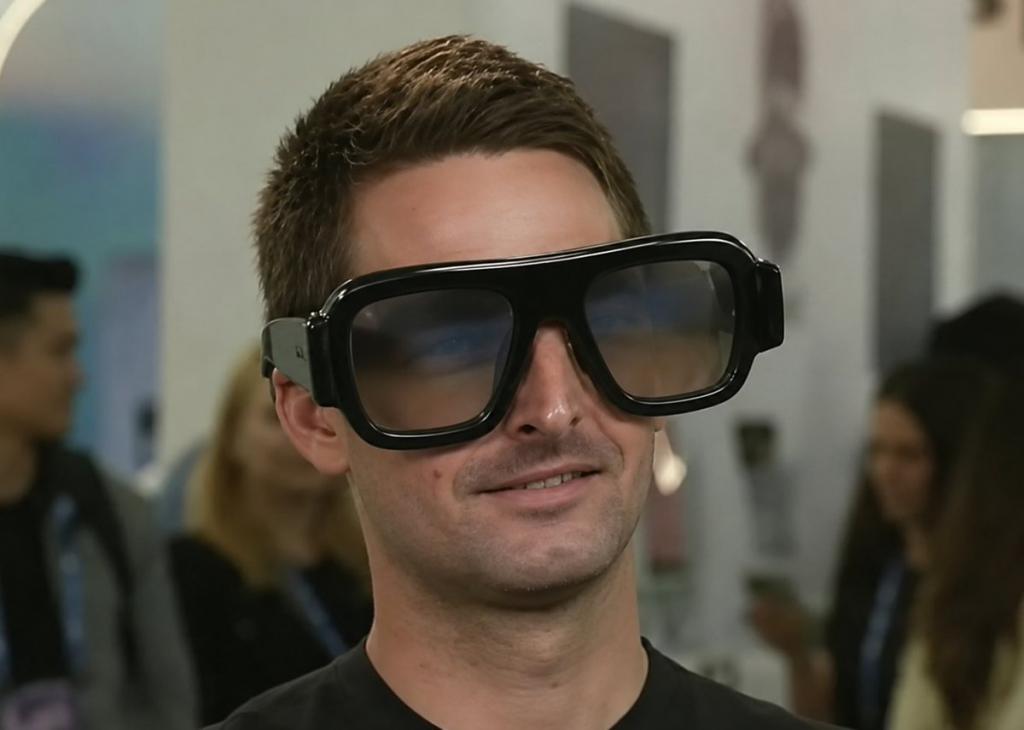
A meme created by netizens overseas
With a flamboyant appearance and a high price, and being weaker than industry leaders like Google, Meta,