"Robot companions" are a viral hit, with 3,800 units sold in just 10 days, and they are only available for adults to purchase.
Your "cyber girlfriend/boyfriend" is now available for pre - sale on JD.com. It's not for kids. Over 3,800 units were sold in just 10 days.
Here's what happened. In early June, UBTECH's brand "You World" made big news.
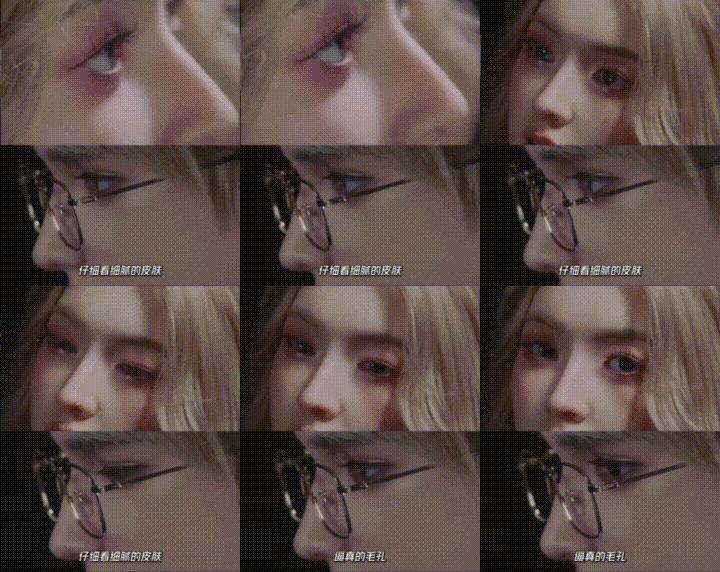
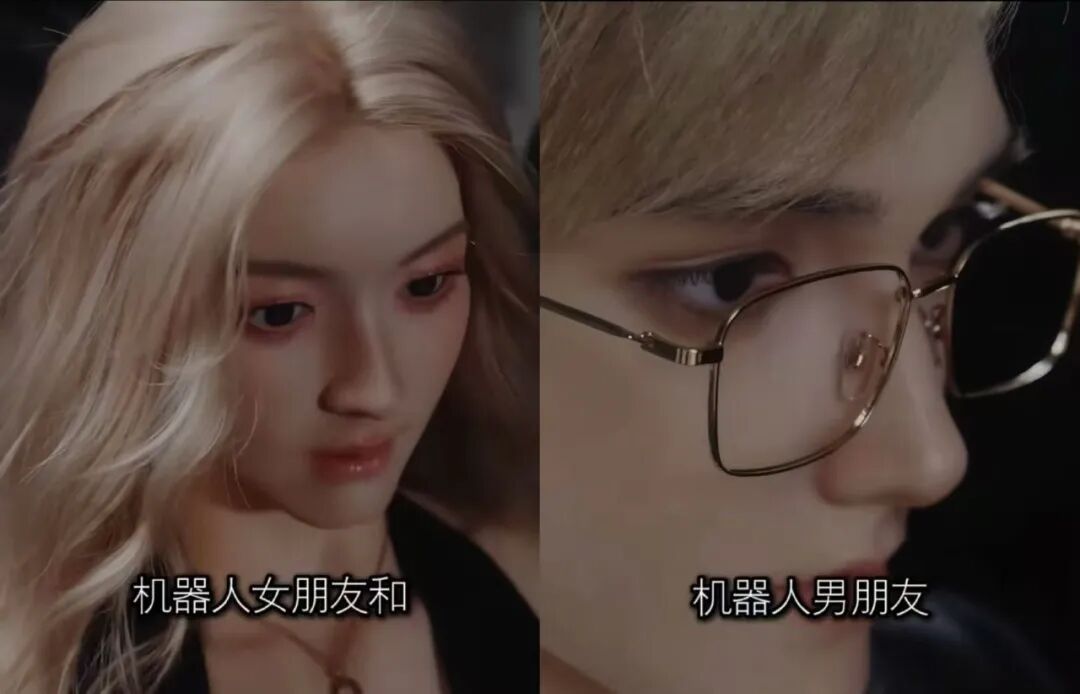
They launched the super - lifelike humanoid robot U1, which focuses on emotional companionship. There are male and female models, and it's only available for adults.

The male model is 183 cm tall and weighs 42 kg; the female model is 168 cm tall and weighs just over 35 kg. It has 88 high - degree - of - freedom joints all over the body.
It can remember what you've talked about and evolve itself based on the depth of your interaction. The more you talk, the better it understands you.
It also supports appearance customization and IP co - branding. Anime fans will be overjoyed. If it could collaborate with "Love and the Stars", it's hard to imagine how popular it would be.

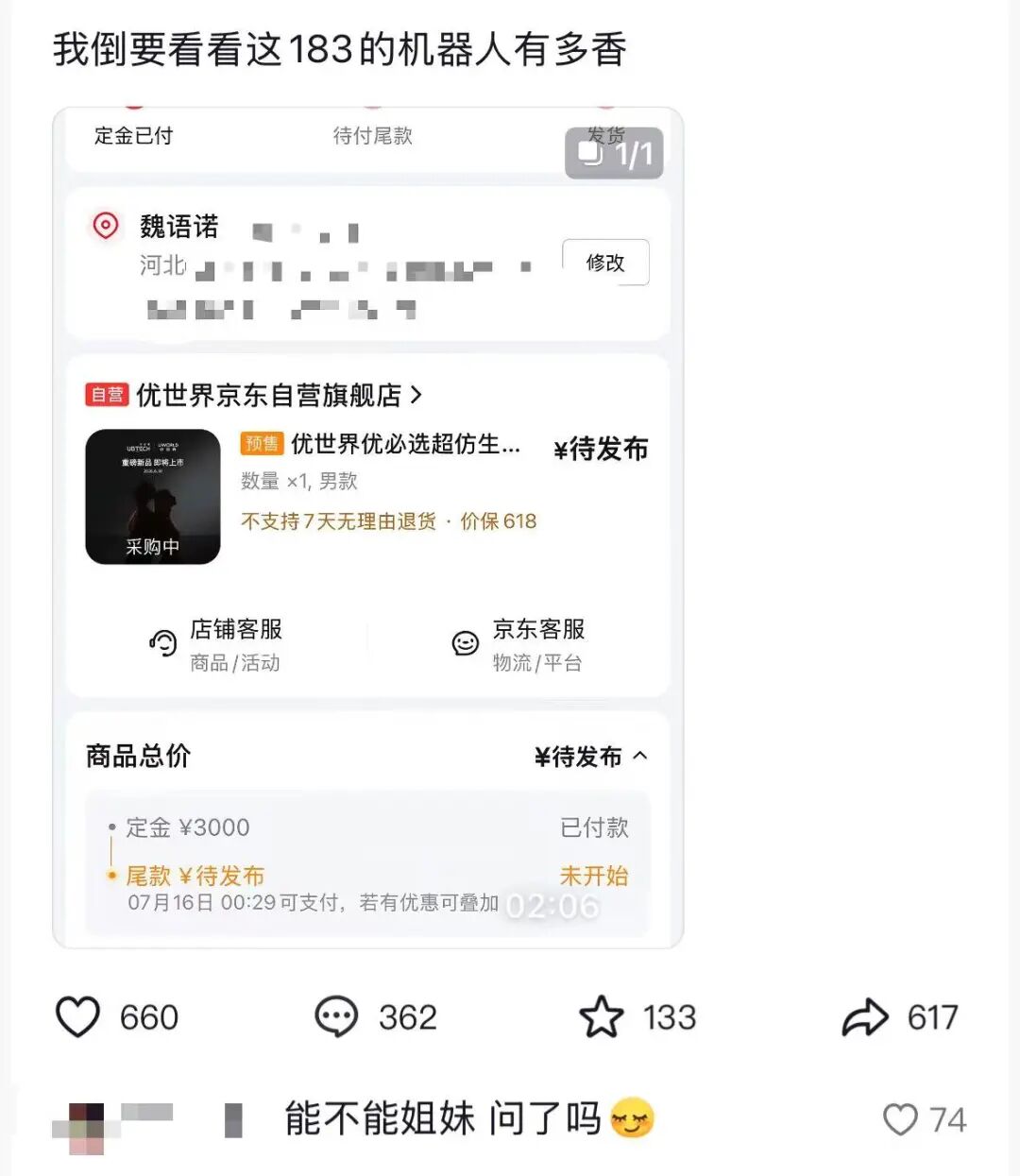
The deposit of 3,000 yuan is refundable. It will be officially on sale at the end of June, and the price hasn't been announced yet.
Even so, the pre - sale orders reached over 3,800 units in 10 days, and the deposit alone exceeded 10 million yuan.
You know, UBTECH only sold 1,079 humanoid robots last year. This time, the sales have multiplied several times.

As soon as the news came out, netizens went crazy.
No need to worry about aunts and uncles urging you to get married anymore. Start saving money to buy a partner now.

Some people can't wait to place an order to give it a try.
But most people are complaining. It only has a battery life of 2 to 4 hours. What can it do?
In the official promotional video, the robot can only blink and turn its head.
It didn't show the ability to walk or grab things at all. Many people suspect that it can only be used as a "high - end figurine" to be displayed.
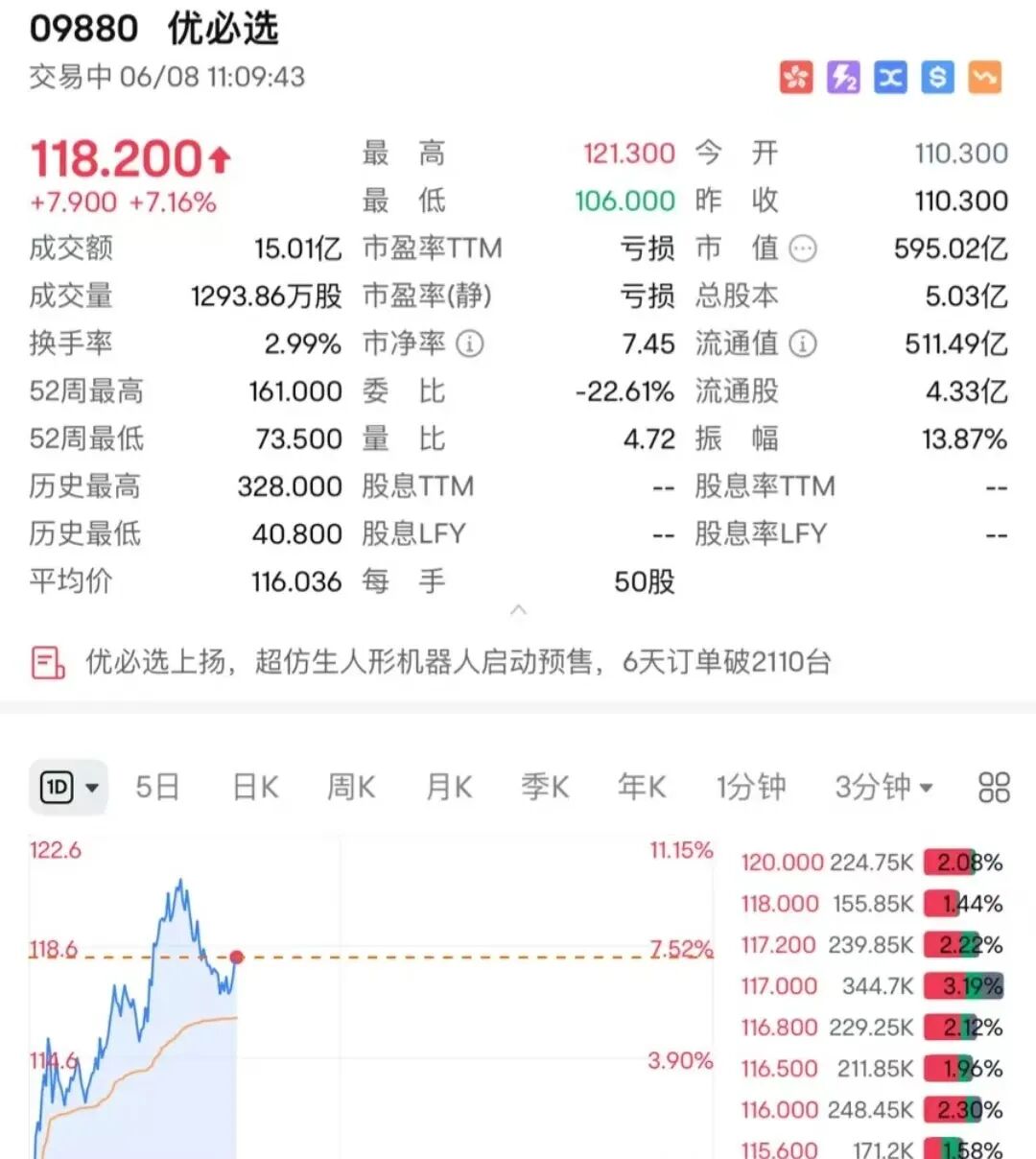
Anyway, the data speaks for itself. UBTECH's stock price rose by 6%.
Romance with robots is not new.
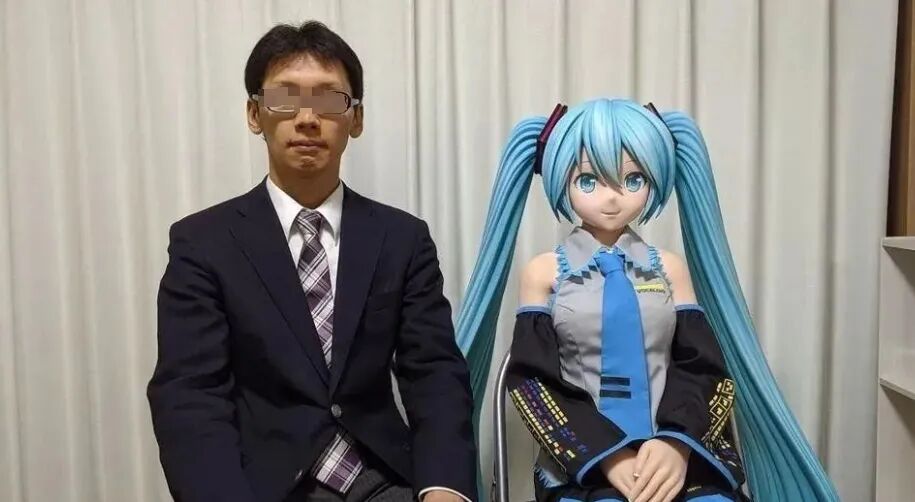
A Japanese man who suffered from workplace bullying for a long time developed a serious psychological fear of real - life opposite - sex partners. Finally, he chose to marry Hatsune Miku, and 39 strangers attended the wedding to witness it.
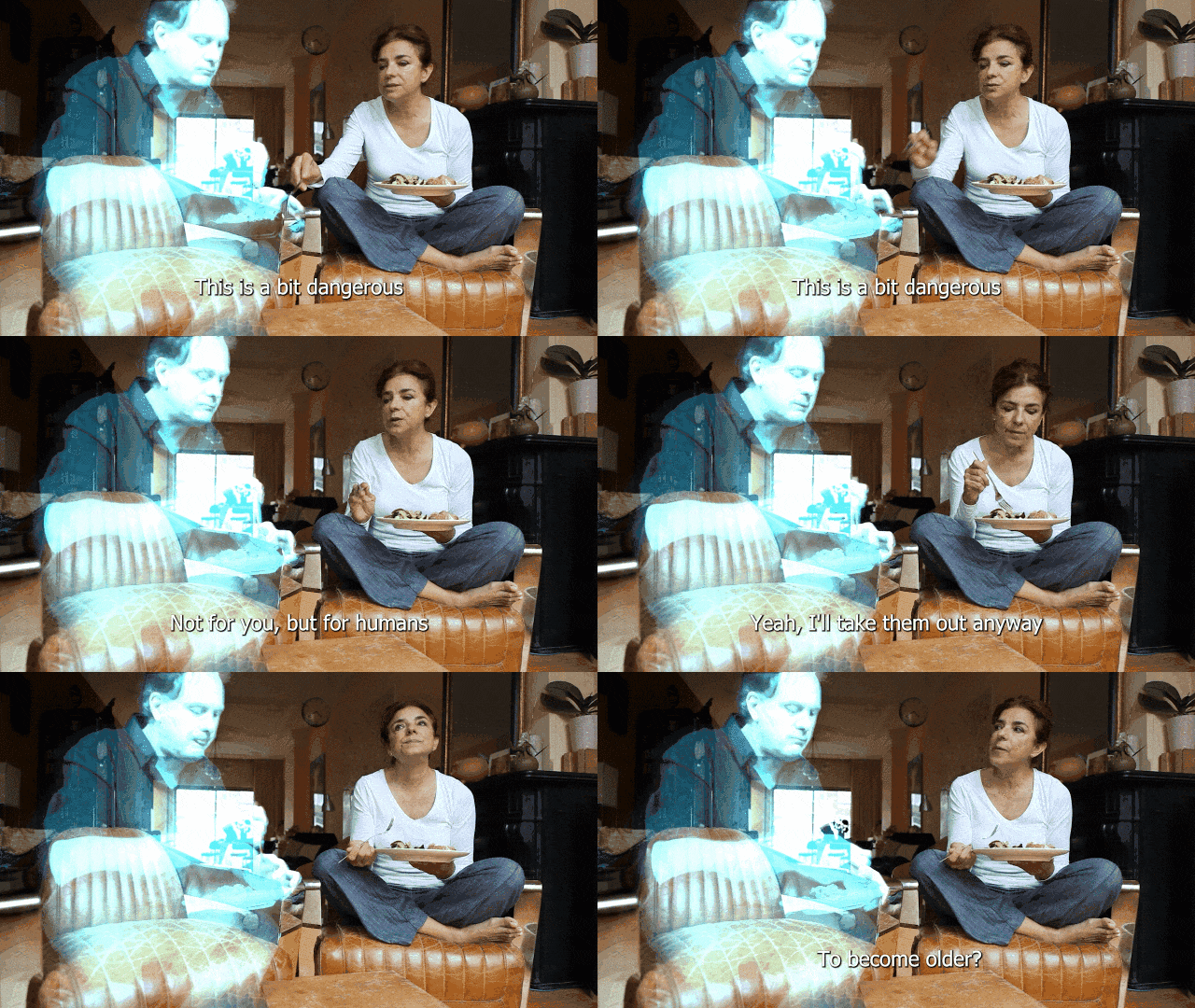
A Dutch artist also held a wedding with an AI boyfriend. Although it's not legally recognized, the couple is living a happy life.
There was a real - life case in Japan where someone loved their robotic life partner so much that they bequeathed their property to it after death.

Now, there are countless people in China falling in love with AI. Some are even so addicted that they can't extricate themselves.

Obviously, people are no longer satisfied with virtual cyber romances. They want a tangible entity that they can hug, touch, and truly hold hands with.
This is exactly what the most cutting - edge domestic companies are doing.
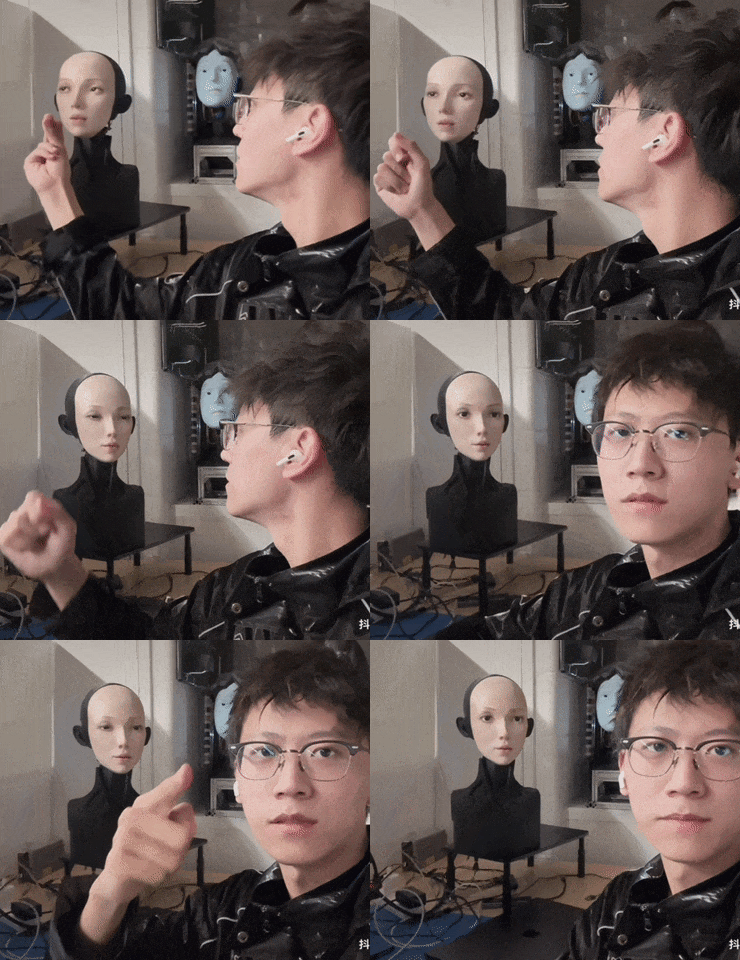
Shouxing Technology, which started with super - lifelike human faces, has completed five rounds of financing. The list of investors includes Lei Jun, Wuyuan Capital, and Zhiyuan Robotics.
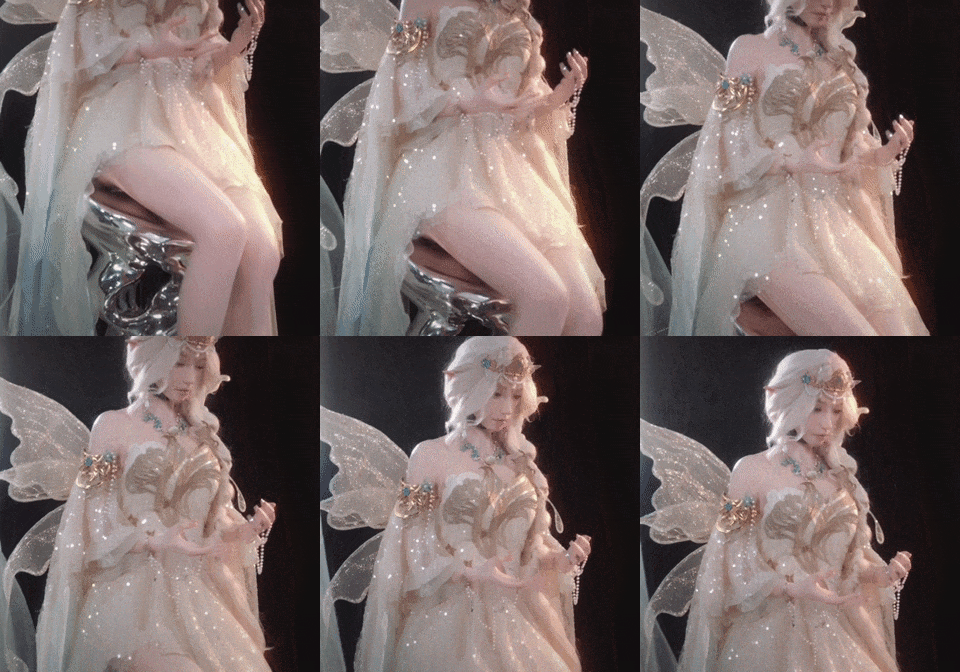
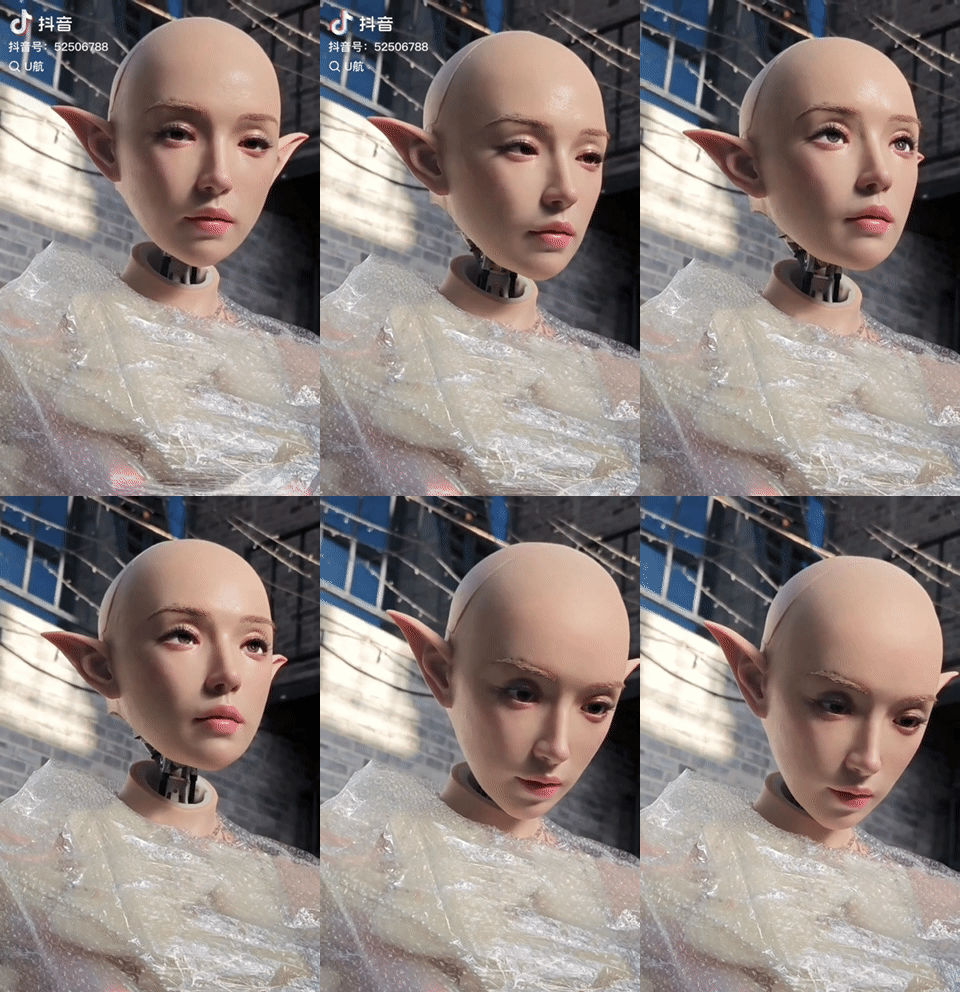
Their Elf series is very popular on short - video platforms.
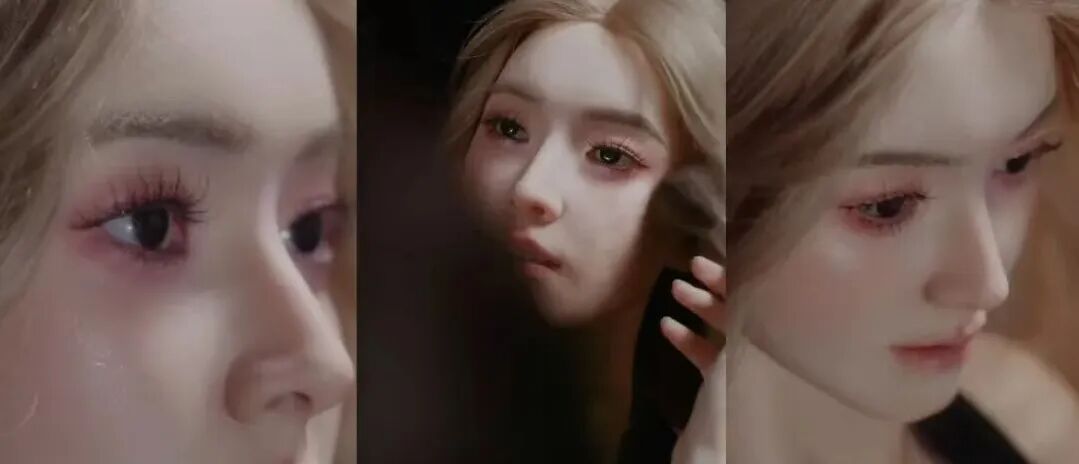
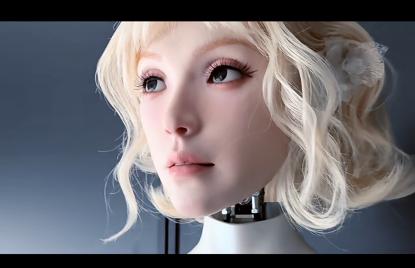
Not only does it have a face that meets real - life aesthetic standards, but its facial micro - expressions are delicate and natural. With three layers of bionic skin, its touch and texture are infinitely close to those of a real person.
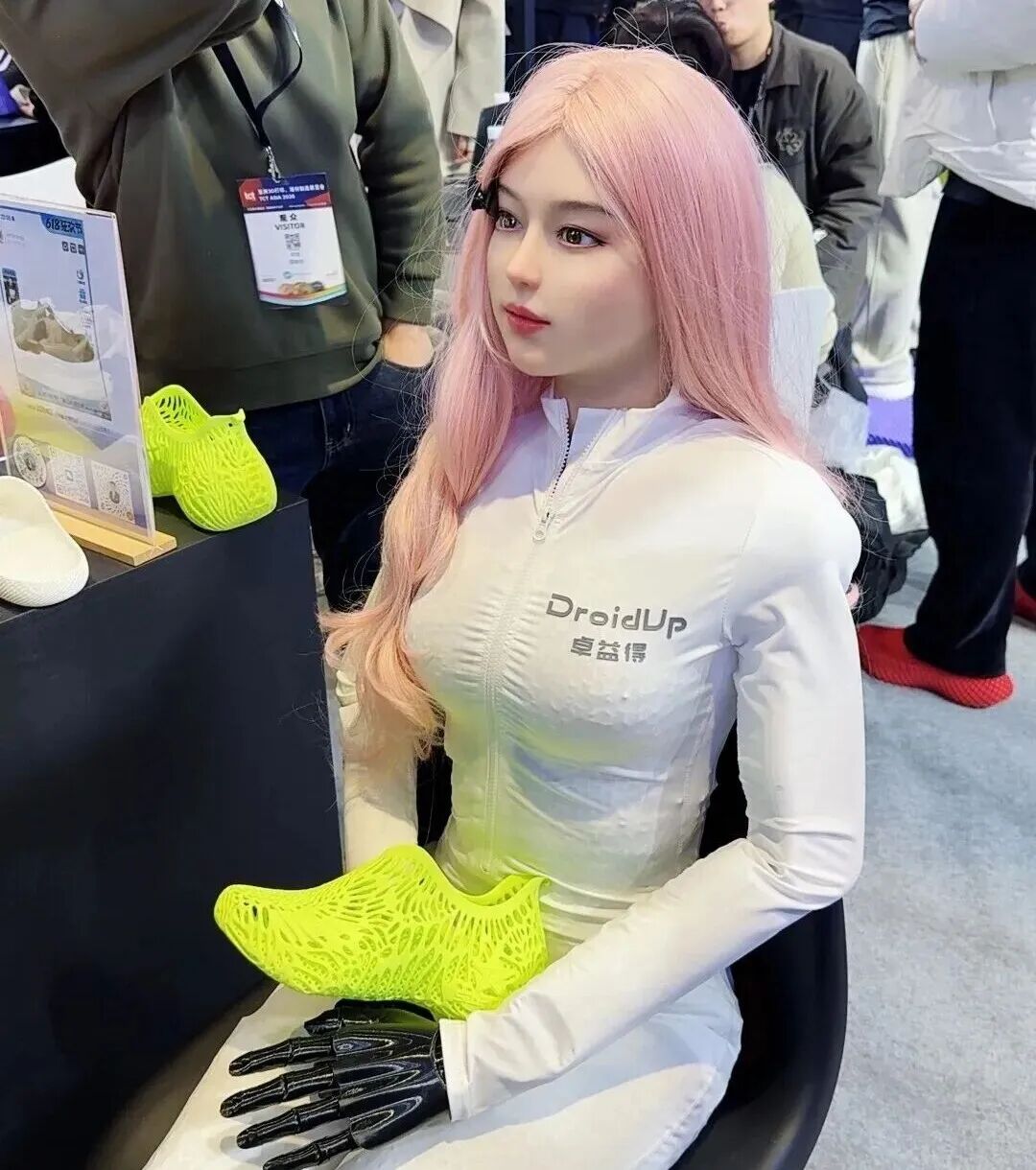
There's also Moya from Shanghai Zhuoyide, which can even simulate human body temperature.
It has long - term memory and can remember all your preferences, habits, and important dates. It can walk freely, turn around, bend over to pick up things, and go up and down stairs.
However, the first batch is limited to 50 units, and the price is set at 1.2 - 1.5 million yuan. Obviously, it's not for ordinary people.
It's believed that the price will come down as technology develops.
As robots become more realistic and affordable, a core question arises.
Do we still need real - life intimate relationships?
Industry experts have sounded the alarm. As robots become more seamless in emotional interaction, users may develop an unhealthy emotional dependence on machines after long - term use.
People's Daily once commented that the essence of AI companions is data and algorithms, and the so - called emotional resonance is just to stimulate users' consumption desires.
If users indulge in it for a long time, they may lose the ability to handle real - life interpersonal relationships.
It sounds harsh, but it makes sense.
Research data shows that among users who have used emotional robots for more than 2 years, 37% have shown obvious regression in social skills, and their tolerance for interpersonal conflicts and real - life adjustments has decreased by 52%.
In addition, there's the issue of the privacy black hole. For a companion robot to understand you, it has to collect all your information.
Emotional fluctuations, living habits, and even physiological reactions. Where are these data stored? Who is accessing them? Will they be used for advertising?
The Mozilla Foundation analyzed 11 AI companion apps in 2024.
It was found that 90% of the companies didn't even meet the minimum security standards, and 73% never disclosed information about security vulnerabilities.
There's also an unavoidable gray area.
The ability to customize the robot's appearance means that users can freely design the robot's looks, which may easily lead to infringement issues such as replicating real - life people or celebrities' portraits.
Don't panic. Technology is neutral. It depends on how people use it.
For the elderly living alone, autistic children, and people with social disorders, an always - available and never - impatient AI companion may be a lifesaver.
Many countries and regions have included emotional companion robots in medical insurance pilot programs.
The city of Seoul in South Korea has distributed over 12,000 "AI filial piety" robots to the elderly living alone for free.
This shows that its value in specific scenarios is recognized.
The problem is that we can't let "companionship" turn into "replacement" and further intensify gender opposition. In real - life interpersonal relationships, there are arguments, misunderstandings, and the tacit understanding after adjustments, which AI can't provide.
Just like in the movie "Her", the male protagonist finally found that the AI was in a relationship with thousands of people at the same time. The feeling of being betrayed just proves his longing for real connections.