13 million Wuhan people, can't we nurture a leading new tea brand?
Jianghan Road Pedestrian Street, the commercial district in Wuhan with the strongest business atmosphere and the highest concentration of young people, is also a must - fight territory for new tea beverage brands. It's common to see multiple brands opening stores next to each other and competing fiercely.
This century - old commercial street is a microcosm of Wuhan's tea beverage consumer market.
With a permanent population of over 13 million and the scale of college students ranking among the top three in the country, the large young group has supported strong consumer demand. This is a natural fertile ground for new tea beverage brands in China.
However, why hasn't Wuhan produced a real leading new tea beverage brand?
A Hot Consumption Spot, but Difficult to Breed a Leader
According to statistics from relevant institutions, there are currently over 2,400 new tea beverage stores in Wuhan, and the store density ranks among the top in the country.
The 13 million permanent residents and over one million college students form the most stable consumer base for new tea beverages. Therefore, Wuhan is also a strategic location for all new tea beverage brands to enter the national market.
The large consumer population also provides a growing soil for local brands.
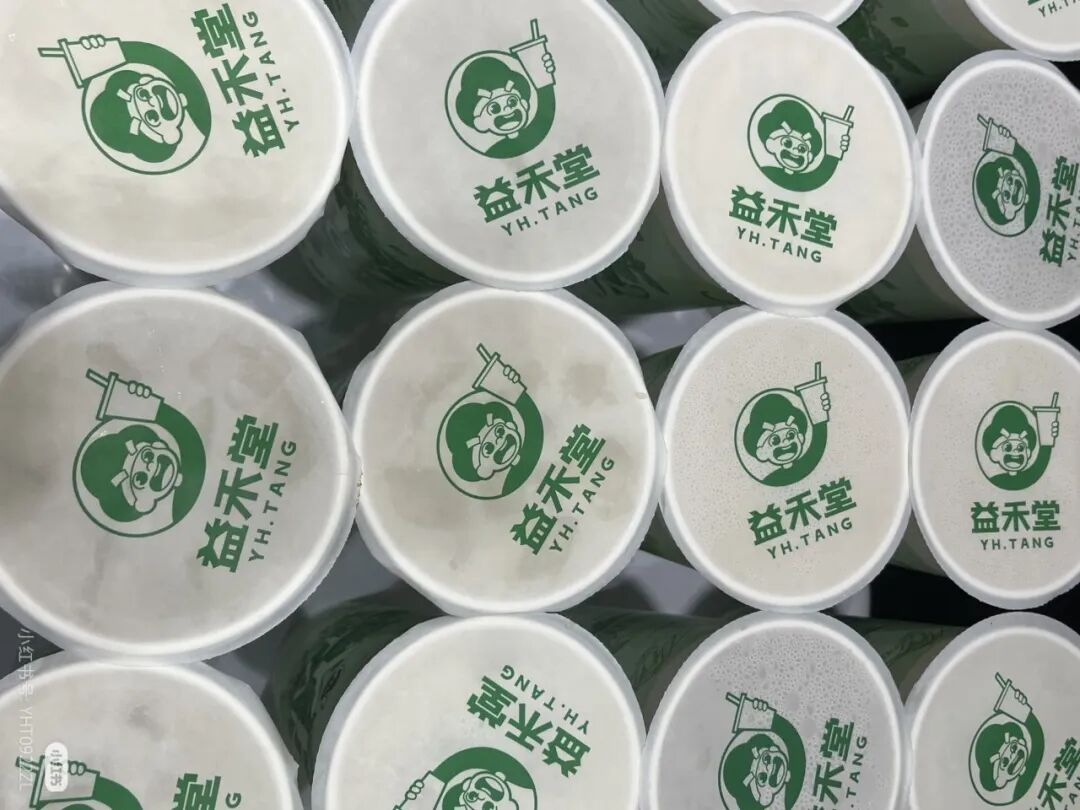
In 2012, Yihetang started from a small campus store in Optics Valley. With a high - cost - performance strategy, it has been deeply involved in the campus and sinking markets. Currently, the brand has over 8,000 stores nationwide, covering more than 300 key cities across the country, and has also set foot in overseas markets such as Vietnam, Thailand, and Malaysia. It is an absolute leading new tea beverage brand in Wuhan.
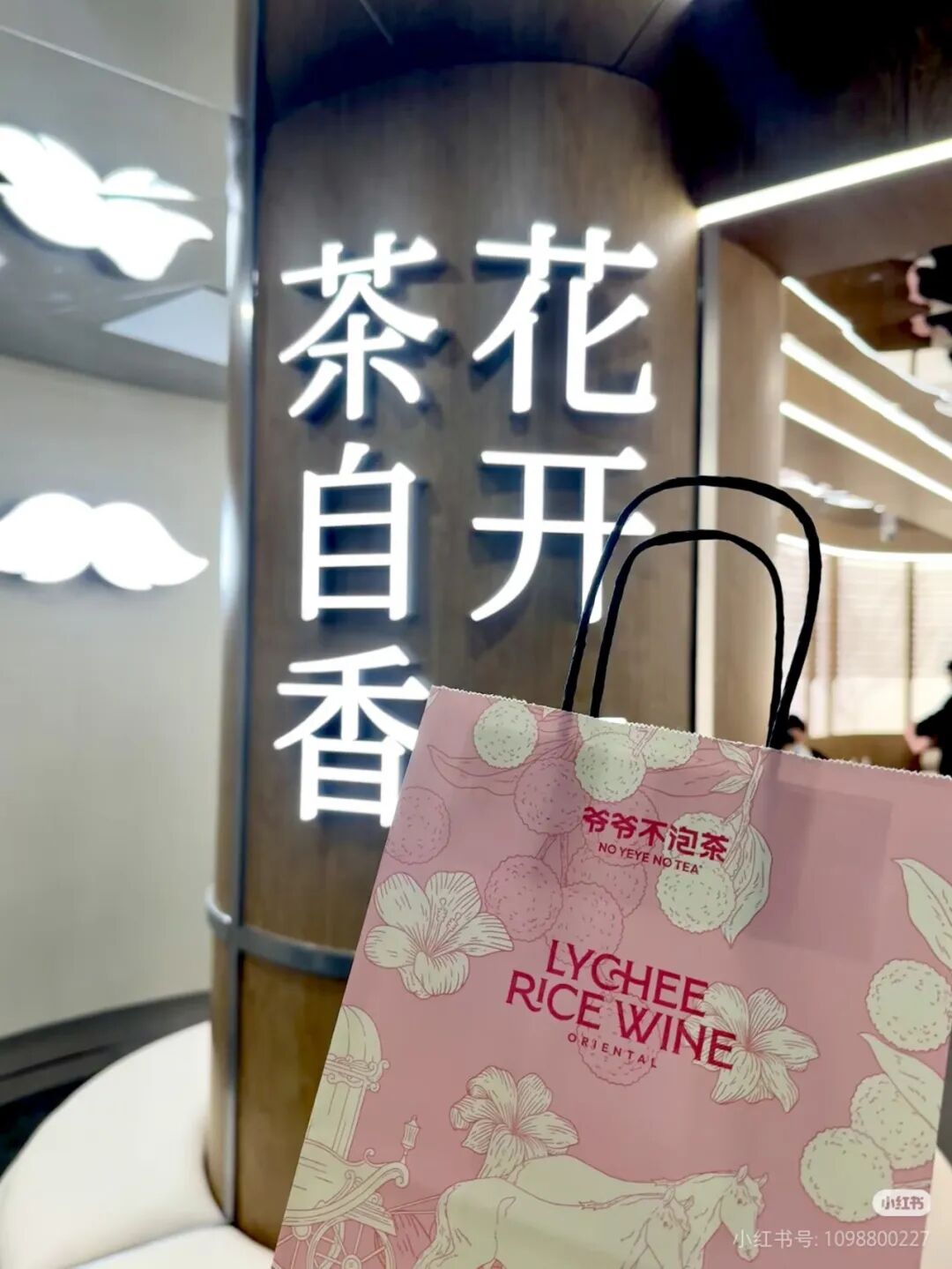
Grandpa Doesn't Make Tea started in Baigang City, Nanhu in 2018. It opened up the market with special drinks like lychee ice brew. In the past two years, the brand has expanded at an amazing speed. Currently, it has nearly 3,000 stores nationwide and was once regarded as a new force for the nationalization of tea beverages in central China.
Wuyin Liangpin, which started earlier, focuses on fruit tea. It currently has about 2,500 stores and has always focused on the sinking market.
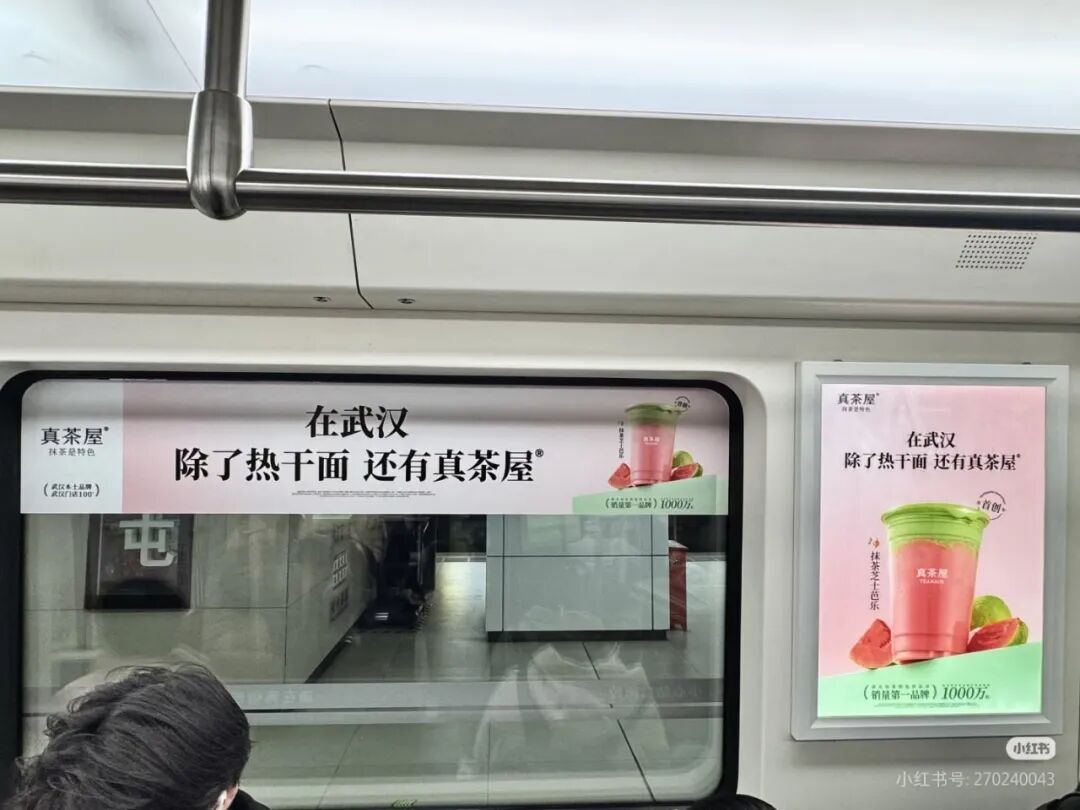
Small and medium - sized brands like Zhenchawu and Shuxia stick to the regional market. Zhenchawu focuses on the concept of zero creamer, and its stores are basically concentrated in Wuhan.
Whether in terms of scale or brand influence, there is a large gap between Wuhan's local new tea beverage brands and the national leading counterparts.
Cha Yan Yue Se, originating from Changsha, deeply cultivates the regional market in a direct - operation mode. Although its scale is not large, it has a very high brand voice. With the densely distributed stores in the local market, Cha Yan Yue Se has been highly integrated with the characteristics of Changsha, forming a high degree of user stickiness.
There was a time when many people took high - speed trains or flights specifically to Changsha just to have a cup of Cha Yan Yue Se. Any tea beverage brand that wants to enter the Changsha market has to consider Cha Yan Yue Se's influence.
In the southwest, Chengdu has formed a complete new tea beverage industry cluster. Chabaidao and Bawangchaoji have both entered the national leading ranks and have successively landed in the capital market. As a high - ground for venture capital in China, Shenzhen has nurtured several high - end tea beverage brands such as Nai Xue's Tea and Heytea, setting the upper limit for industry prices and products.
In contrast, Wuhan's local new tea beverage brands are a bit dim.
Yihetang mainly offers affordable products, with the unit price of mainstream single products less than 10 yuan. It has long relied on classic products for sales volume, with few disruptive innovations, and the brand lacks premium space. Grandpa Doesn't Make Tea quickly gained momentum with popular products and expanded rapidly with low franchise thresholds. In 2024 alone, it opened more than a thousand new stores.
The hidden dangers of rapid expansion have also broken out concentratedly: the product quality and standards of stores across the country vary; franchisees reflect that raw material and channel costs squeeze profits, and long - term low - price promotions compress the profit space of stores.
Multiple Shortcomings, Blocking the Upward Path
In the competition of new tea beverages, the competition for store traffic is just the surface, and the supply chain is the root of the competition.
Wuhan has a top - level consumer market, but there are obvious shortcomings in terms of capital, supply chain, and talent, so it is difficult for local brands to break through upwards.
Wuhan is a transportation hub in central China, but it is a capital depression in the new consumption field.
Institutional data shows that in the past few years, financing in the new tea beverage track has been highly concentrated in the Sichuan - Chongqing, Jiangsu - Zhejiang, and Pearl River Delta regions. After getting the funds, leading brands have mainly invested in the supply chain, store expansion, system R & D, and brand promotion, continuously strengthening the competitive barriers.

Wuhan's mainstream local tea beverage brands have no public records of external financing so far.
According to business information, Hu Jihong, the founder of Wuhan Yihuiyin Technology Co., Ltd., the operating entity of Yihetang, directly and indirectly controls about 95.72% of the equity; Xue Yuanyi, the founder of Hubei Yixiangtiankai Biotechnology Co., Ltd., which owns the brand Grandpa Doesn't Make Tea, and Yu Lina, the co - founder, jointly control more than 80% of the company's equity through affiliated entities.
Without the support of capital, the brand development path is relatively single. In the layout of heavy - asset projects, long - term R & D, and brand promotion investment, they are inevitably timid, resulting in insufficient brand voice and difficulty in establishing brand awareness.
Wuyin Liangpin is an exception. In 2021, the brand received hundreds of millions of yuan in investment from Juele Fund. After getting the funds, the expansion pace of Wuyin Liangpin has not significantly accelerated.
The relatively weak supply chain is an inherent disadvantage of Wuhan's tea beverage brands.
The core tea - producing areas in China are concentrated in South and Southwest China. Although Hubei is also an important tea - producing area in the country, it mainly produces green tea, lacking popular oolong and black tea varieties in new tea beverages. High - frequency fresh fruits such as lemons and mangoes are mainly produced in South and Southwest China. In addition, the Pearl River Delta and Sichuan - Chongqing regions have a large number of packaging and cold - chain supporting factories, with mature industrial supporting facilities.
Wuhan is located in central China, with convenient cargo transfer. However, tea, fresh fruits, and special dairy products all need to be transferred from other regions. The superposition of transportation, warehousing, and cold - chain costs has virtually increased the comprehensive raw material costs of Wuhan's local brands, thus reducing the profit level of stores.
The relatively weak upstream supply chain puts Wuhan's local brands at a relatively disadvantaged position from the start.
Wuhan has a large number of universities, with an abundant supply of basic service personnel, but the core talents in the industry continue to flow out. Most professional talents in various fields flow to new consumption industry gathering places such as Shenzhen, Shanghai, Hangzhou, and Chengdu.
Most local tea beverage enterprises are founded by grass - roots entrepreneurs. The core management team mainly consists of the founder's relatives and friends and early partners, and the proportion of external professional managers is relatively low. After the rapid national store expansion, problems such as insufficient configuration of supervision personnel and low frequency of cross - provincial inspections have been exposed, highlighting the shortcoming of management ability.
The number of Grandpa Doesn't Make Tea stores has increased rapidly in a short period, the management radius has been continuously expanded, and consumer complaints have continued to increase. The lack of professionalism of the grass - roots operation team, insufficient support for franchisees, and inadequate risk control have further dragged down the brand's reputation.
The leading brands in Changsha, Chengdu and other places have achieved a deep integration of urban culture and brand. Cha Yan Yue Se creates a unique label based on the local urban atmosphere, and Bawangchaoji has completed national dissemination by leveraging the national trend, forming cross - regional user recognition. However, Wuhan's local brands have never created a cultural symbol with recognition and cross - regional dissemination ability, with serious product homogenization and insufficient brand memory points.
Industry Shuffle, Is There a Break - through Direction?
After years of wild growth, the domestic new tea beverage market has bid farewell to general growth.
According to data from CIC Consulting, in 2025, the scale of China's ready - to - drink tea market is about 374.9 billion yuan, with a year - on - year growth of about 17%, and the growth rate has significantly slowed down.
In 2025, it is even the first year of "clearing the stock" in the new tea beverage industry. Throughout the year, 118,000 new stores were opened and 157,000 stores were closed, with a net decrease of 39,000 stores.
When the industry as a whole enters the era of stock competition, it will put more tests on the endurance and refined operation ability of enterprises.
In the past few years, Nai Xue's Tea, Chabaidao, Guming, Mixue Group, Bawangchaoji, Hushang Auntie and other brands have successively gone public, and the national leading camp has been established.
With the advantage of the financing platform, leading brands are sinking into the market to improve the network layout, and at the same time strengthening the supply chain and infrastructure construction, and have established strong competitive barriers.
Currently, these national brands have all been deployed in Wuhan, and their stores are densely distributed, continuously squeezing the living space of local players.
The industry pattern is basically set. It is extremely difficult for Wuhan's local brands to replicate the growth path of leading enterprises. The old way of extensive expansion in the past is no longer feasible. Only by finding a suitable path for themselves can they gain a foothold. Perhaps, actively breaking out of the low - price involution, deeply cultivating the central China market, and creating a regional mid - high - end brand is the most practical choice.
The consumption levels in Wuhan and the central urban agglomeration are diverse. Local brands can completely avoid direct competition with national leaders and focus on upgrading raw material quality and drinking experience. By exploring the urban characteristics of Wuhan, creating a differentiated label, first making a success in Hubei and radiating to central China, and then steadily promoting the national layout.
By guarding the existing market, making up for industrial shortcomings, and polishing brand value, Wuhan's local new tea beverage brands have a chance to break through in the industry changes.
This article is from the WeChat official account "Banma Consumption" (ID: banmaxiaofei), author: Chen Xiaojing, published by 36Kr with authorization.