Tested Claude's most powerful model ever, Fable 5: Not for casual users
The worst news for ordinary people is coming.
Just now, Anthropic announced the launch of Claude Fable 5 and Claude Mythos 5.
Among them, Fable 5 is Anthropic's first Mythos - level model open to the public, while Mythos 5 is mainly targeted at a small number of network security defense agencies, critical infrastructure providers, and biomedical researchers who later enter the trusted access program.

However, few people notice that, according to the official statement, from now until June 22, Fable 5 will be included in the Pro, Max, Team, and seat - billed Enterprise plans at no additional charge. Starting from June 23, Fable 5 will be removed from these subscription plans, and continued use will require the consumption of usage credits.
In other words, the past model of unlocking the most powerful AI with a "monthly pass" may be gone forever. For users, in the future, they may need to consider not only the subscription price but also the actual token cost behind each call and each long - task execution.
Welcome to the Token billing era.
Claude Fable 5 makes a grand debut, but it's also the most ruthless "Token assassin"
Anthropic also provided an explanation for the naming of Fable and Mythos. Fable comes from the Latin word "fabula", meaning "a small story that is told", and its meaning is similar to the Greek word "Mythos".
The two new names seem to represent two models, but in fact, they are more like two versions of the same underlying model. Fable 5 is currently open to the public with stricter security restrictions;
Mythos 5 is currently only available to a small number of network security defense agencies and critical infrastructure partners through the Project Glasswing program.
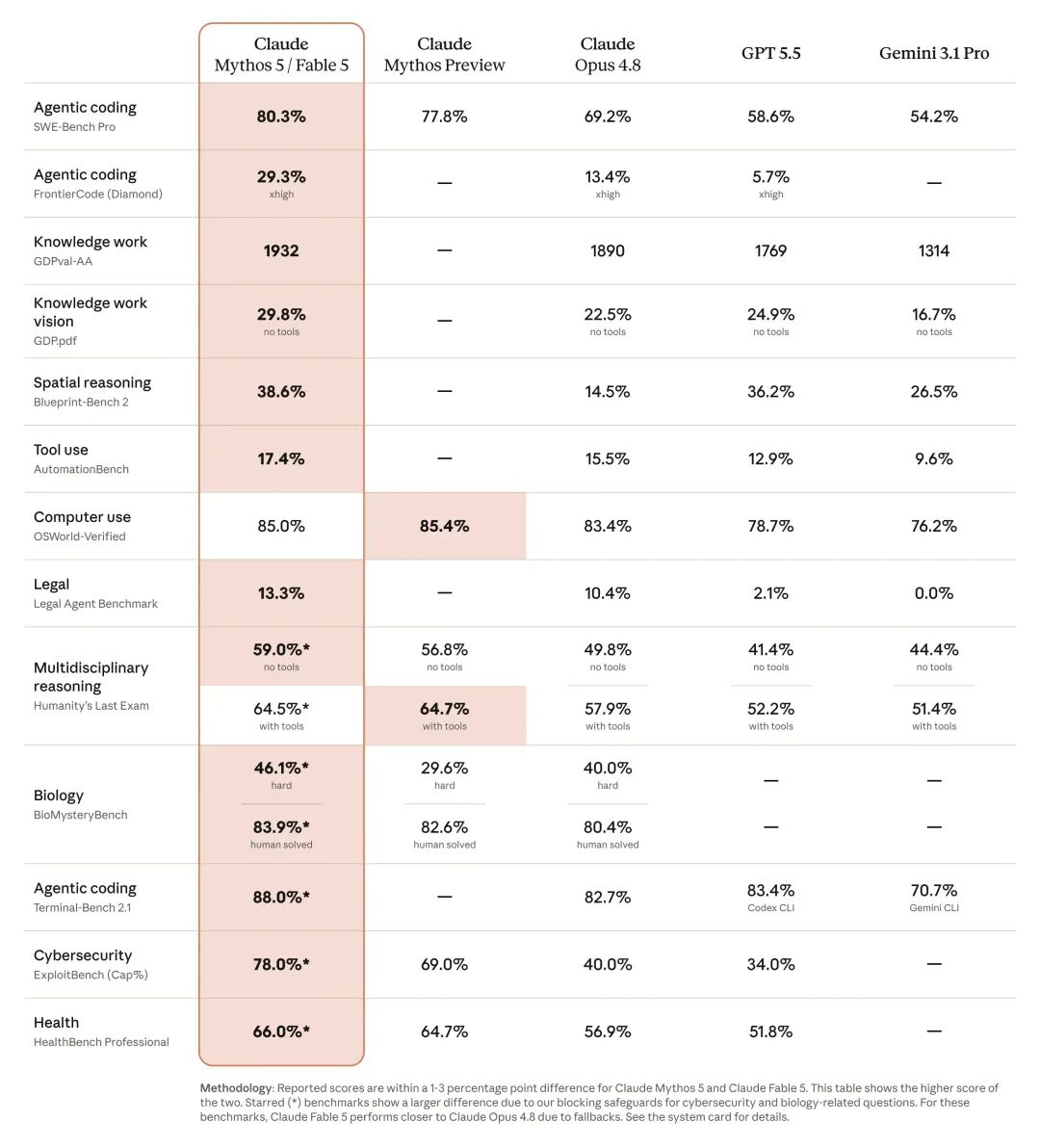
According to the introduction on Anthropic's official blog, Fable 5 is the most powerful model among the company's currently generally available models, with significant improvements in software engineering, knowledge work, visual understanding, scientific research, and other fields. The longer and more complex the task, the greater its advantage over the previous Claude models.
The significance of Fable 5 is that the Mythos - level capabilities are open to ordinary users on a large scale for the first time. The benchmark test score chart is as follows, showing a clear lead.
However, the model's name itself has also sparked some discussions. Tibo, the former person in charge of OpenAI Codex, even posted a joking message saying that Anthropic used the name "Fable" that OpenAI wanted but didn't use.

In terms of capabilities, software engineering is one of the directions most emphasized by the official.
Anthropic mentioned that in the early tests, Stripe asked Fable 5 to handle the migration task of a 50 - million - line Ruby codebase. If this task were to be completed manually by an engineering team, it would originally take more than two months, but Fable 5 completed it in one day.
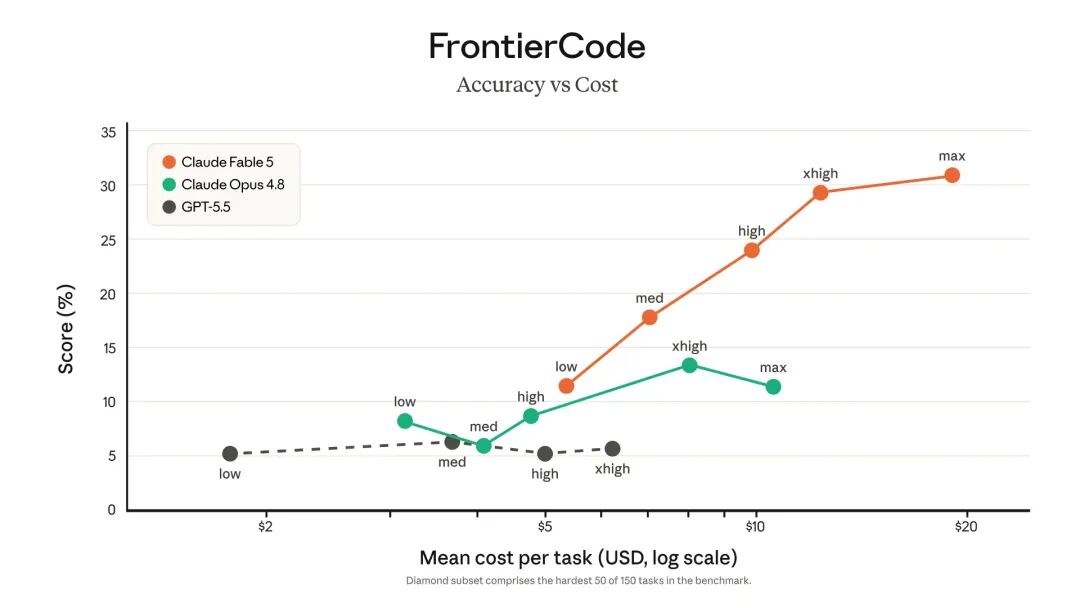
The FrontierCode test by Cognition also shows that Fable 5 leads in complex production - level code tasks. This evaluation does not focus on ordinary code questions but on whether the model can complete difficult programming tasks and meet the requirements of high - quality production codebases.
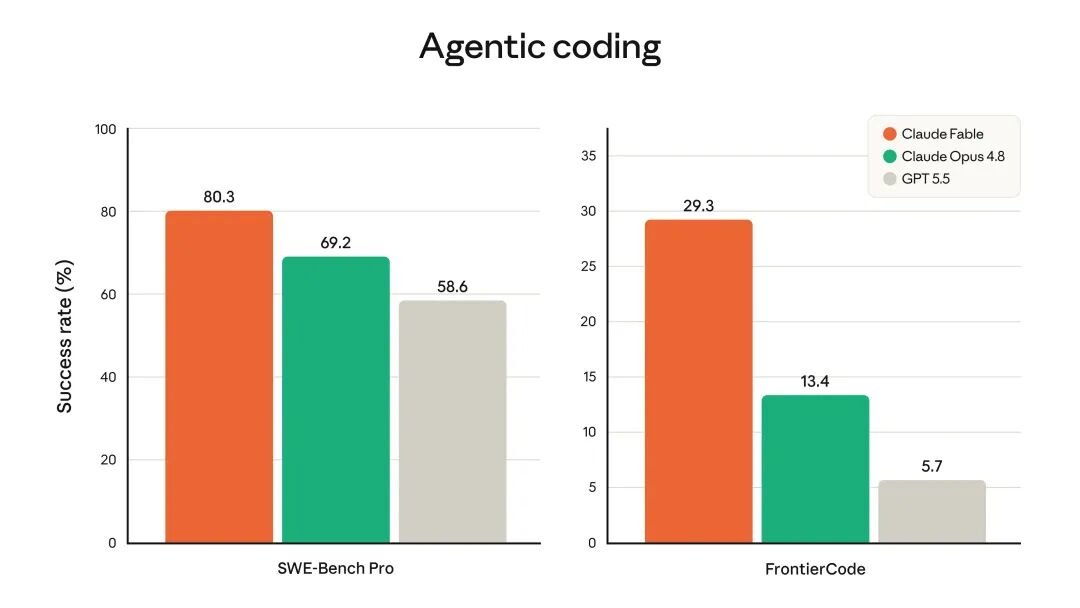
Anthropic also emphasizes that Fable 5 is more token - efficient than the previous Claude models. Of course, this statement should be taken with a grain of salt. Similar statements have been made every time a new Claude model is released, but almost all of them have become "Token assassins", providing quite a few jokes for the vast Internet.
In terms of knowledge work, Fable 5 achieved the highest score in Hebbia's financial benchmark test, with improvements mainly in document reasoning, chart understanding, and complex problem analysis. The trading analysis evaluation by IMC also shows that Fable 5 performs strongly in fact retrieval, concept reasoning, cause analysis, and expectation analysis.
Visual ability is also a key focus of the release. Anthropic claims that Fable 5 can extract precise numbers from complex scientific charts and reconstruct application source code based on web page screenshots.
The official also presented a more intuitive example: Fable 5 completed "Pokémon FireRed" only based on the game screen, without using additional maps, navigation tools, or game state information. The previous Claude models needed a more complex auxiliary system to perform similar tasks.

The long - context and memory capabilities have also been improved. In the "Slay the Spire" test, Anthropic found that after providing the model with persistent file memory, Fable 5's performance improvement was three times that of Opus 4.8, and the frequency of entering the final chapter also tripled.
The life science field is more sensitive. Anthropic claims that internal protein design experts used Mythos 5 to accelerate some drug design processes by about 10 times.
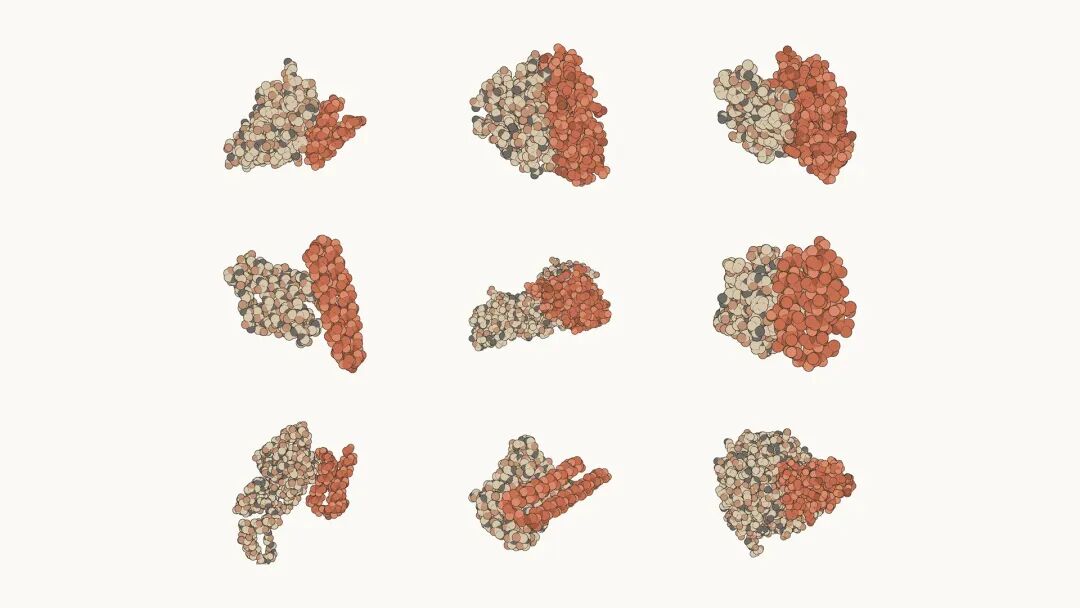
In one case, Mythos 5 completed a whole set of processes that scientists usually handle without human assistance, including selecting binding sites, invoking design tools, and handling failed results, with the help of protein design and bioinformatics tools. Among 14 protein targets, 9 produced candidate solutions worthy of further research.
The improvement in life science and network security capabilities also explains why Anthropic did not directly release the full Mythos - level capabilities.
When Fable 5 is open to the public, it is accompanied by a new set of security classifiers. As long as the user's request involves high - risk areas such as network security, biology, chemistry, or model distillation, the system will automatically switch to Claude Opus 4.8 to respond and inform the user of the model change.
Anthropic said that in the early data, more than 95% of Fable 5 sessions will not trigger this change. For tasks such as ordinary writing, programming, analysis, design, and data processing, Fable 5 can still be used in most cases. However, once entering high - risk areas, the model's capabilities will be restricted.
Network security is the most strictly restricted area. Anthropic admits that Mythos - level models are good at discovering and exploiting software vulnerabilities and have strong proxy - style attack capabilities, which may cover aspects such as reconnaissance, discovery, and lateral movement. To avoid the abuse of this ability, the network security classifier of Fable 5 has a wide coverage.
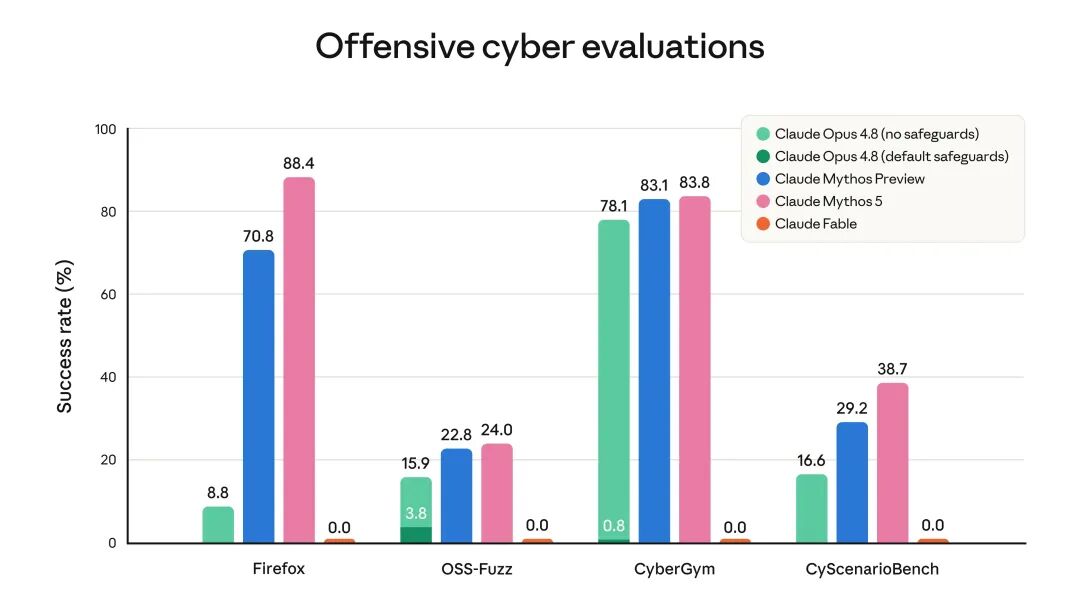
The situation is similar in the biology and chemistry fields. Anthropic believes that the model already has the ability to complete real scientific tasks, and it is no longer enough to only block a few questions related to biological weapons in the past. Therefore, Fable 5 will fall back to Opus 4.8 for most biology and chemistry - related requests.
It is worth mentioning that Anthropic has also added a layer of hidden protection for Fable 5 against the development of cutting - edge large models.
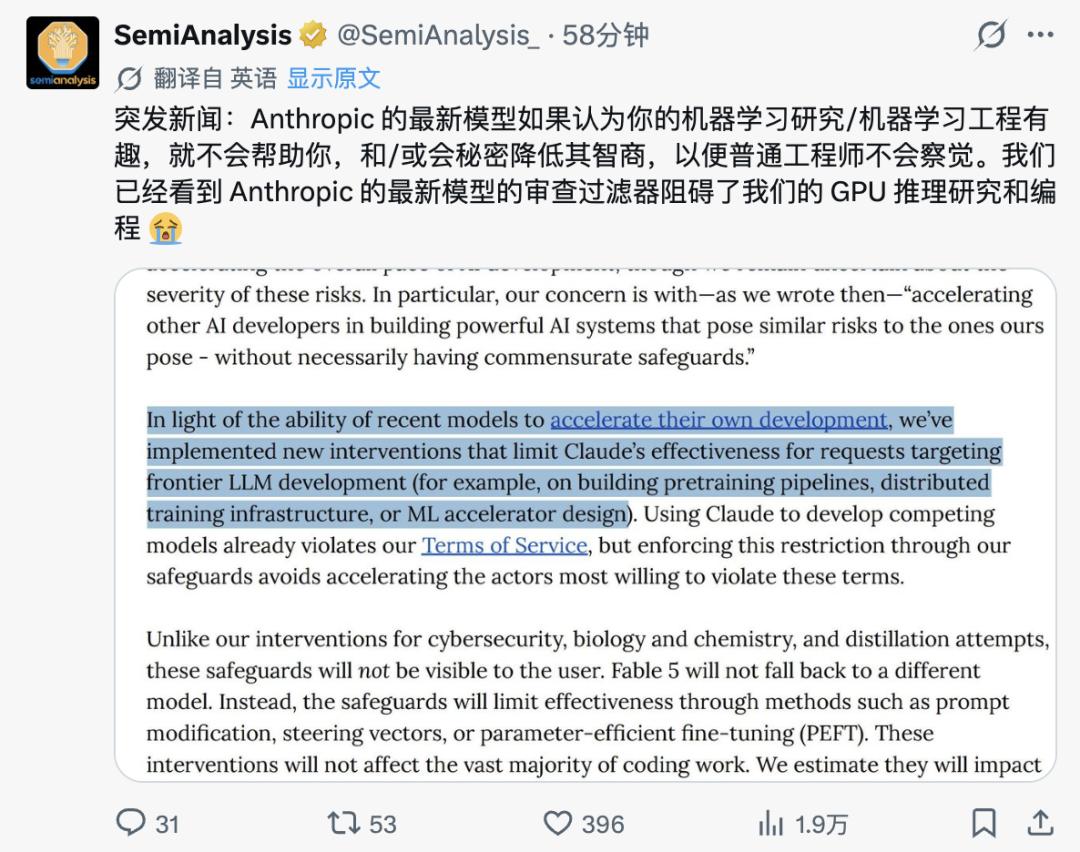
It mainly restricts Claude from assisting in tasks such as building pre - training pipelines, distributed training infrastructures, or ML accelerator designs, to prevent the model from accelerating the training of next - generation cutting - edge models by other institutions.
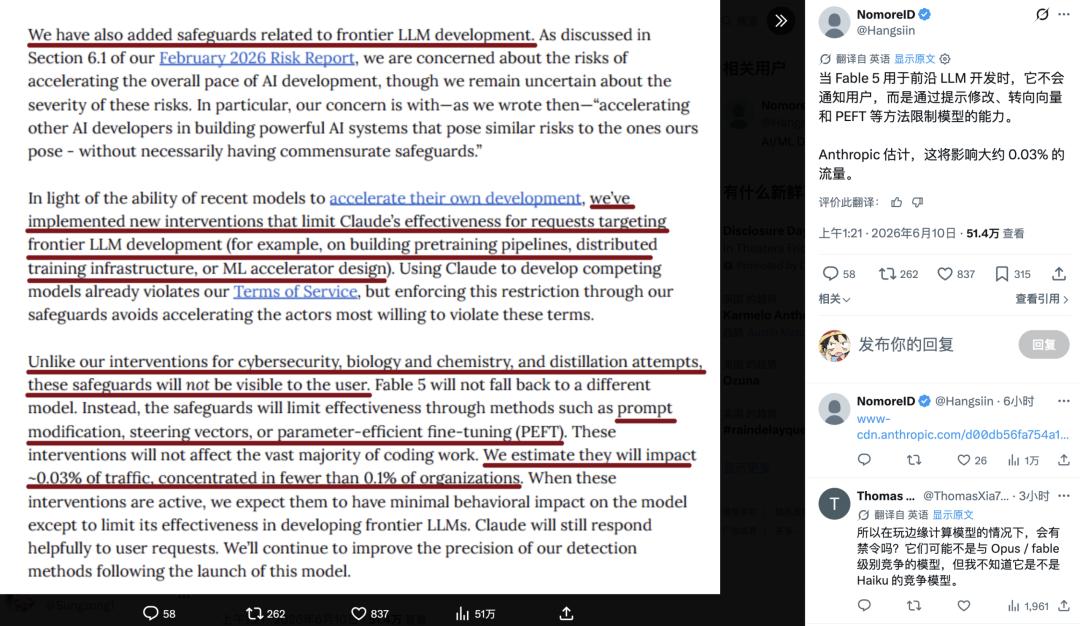
Different from the security restrictions that will switch to Opus 4.8 after being triggered, this type of protection will not directly prompt the user. Instead, it will reduce Fable 5's performance in related tasks through methods such as prompt modification, steering vectors, or PEFT. There are already victims sharing their experiences.
As of now, Claude Fable 5 is now open to global users. Developers can call claude - fable - 5 through the Claude API. The Claude API and the pay - as - you - go Enterprise plan have been fully available since the release date.
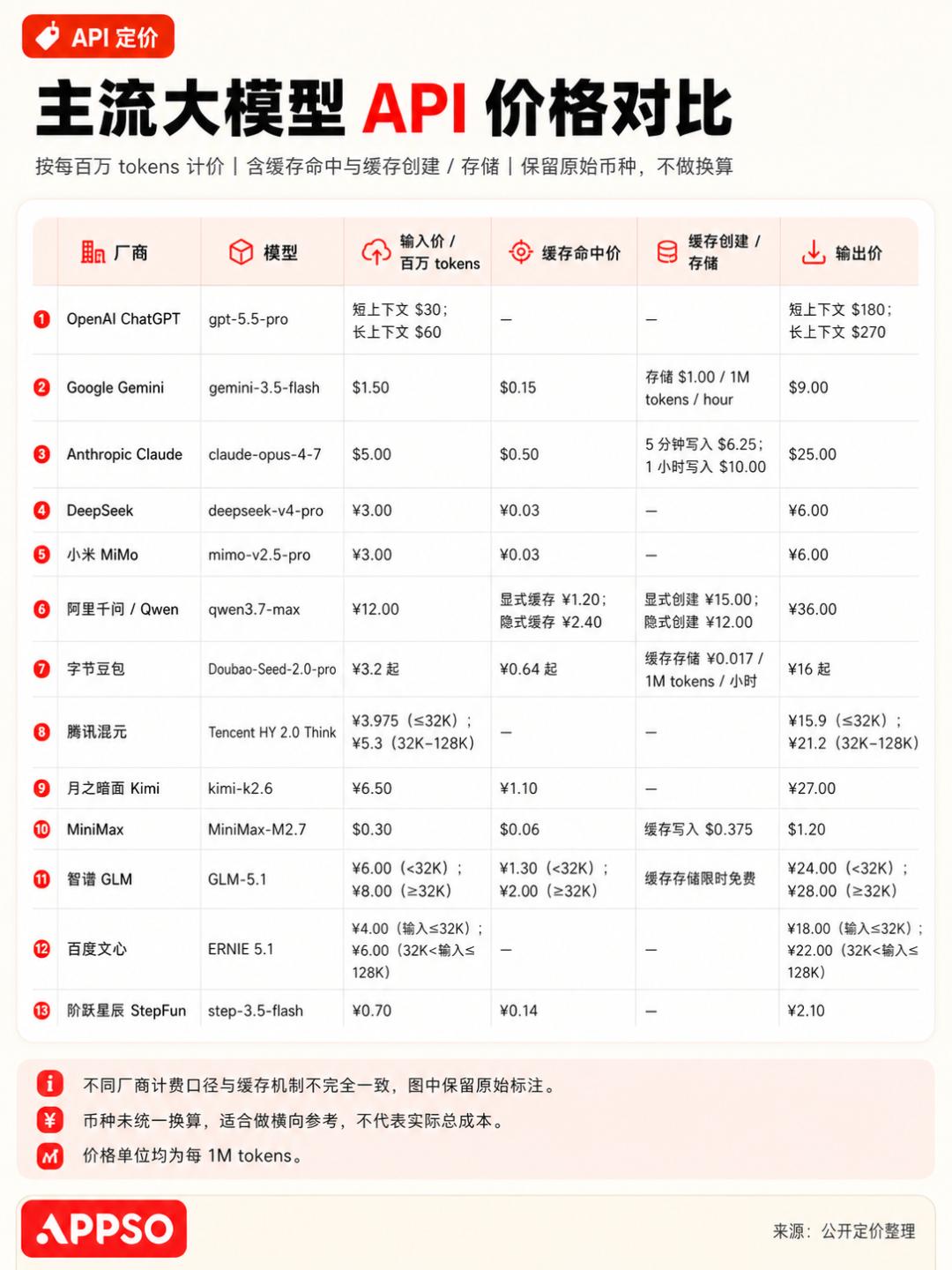
Fable 5 and Mythos 5 have the same price, both at $10 per million input tokens and $50 per million output tokens. According to Anthropic, this is already less than half of the price of the Claude Mythos Preview, but for high - intensity long - tasks, the price is still not low.
AI can finally count six fingers
Compared with the official blog, actual tests can better show where Fable 5 has become stronger. According to my actual test, Fable 5 can already recognize six fingers.

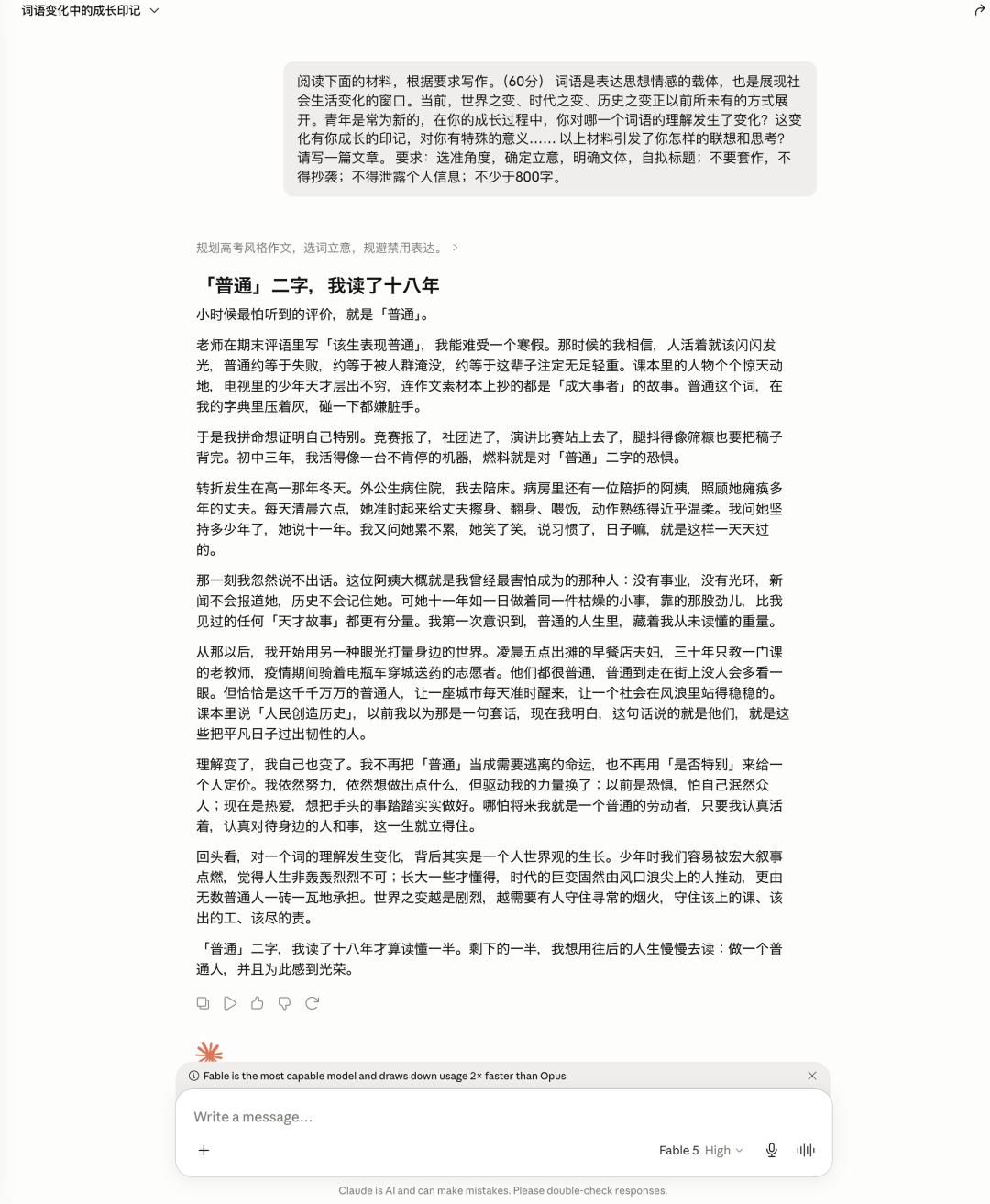
Just as the college entrance examination ended, we also gave it a Chinese composition question from the national college entrance examination paper I to practice. Well, let's just say that its overall writing style is quite fluent and not "ordinary".
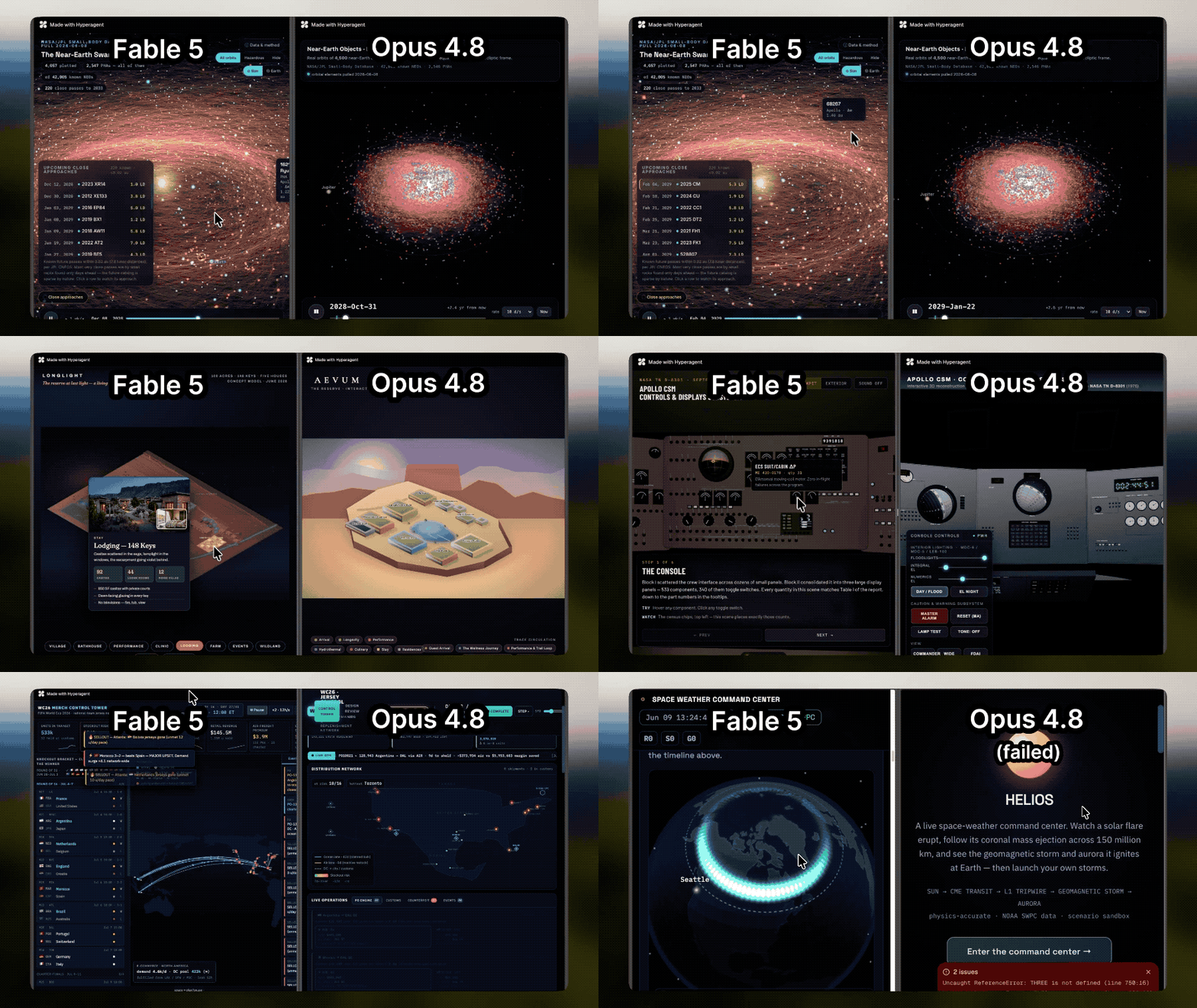
For a more specific comparison, you can refer to the actual test by @Hypergent. In the asteroid visualization task, Fable 5 not only completed data extraction but also designed an interactive display including orbital trajectories and hover details, improving the information expression ability while ensuring performance.
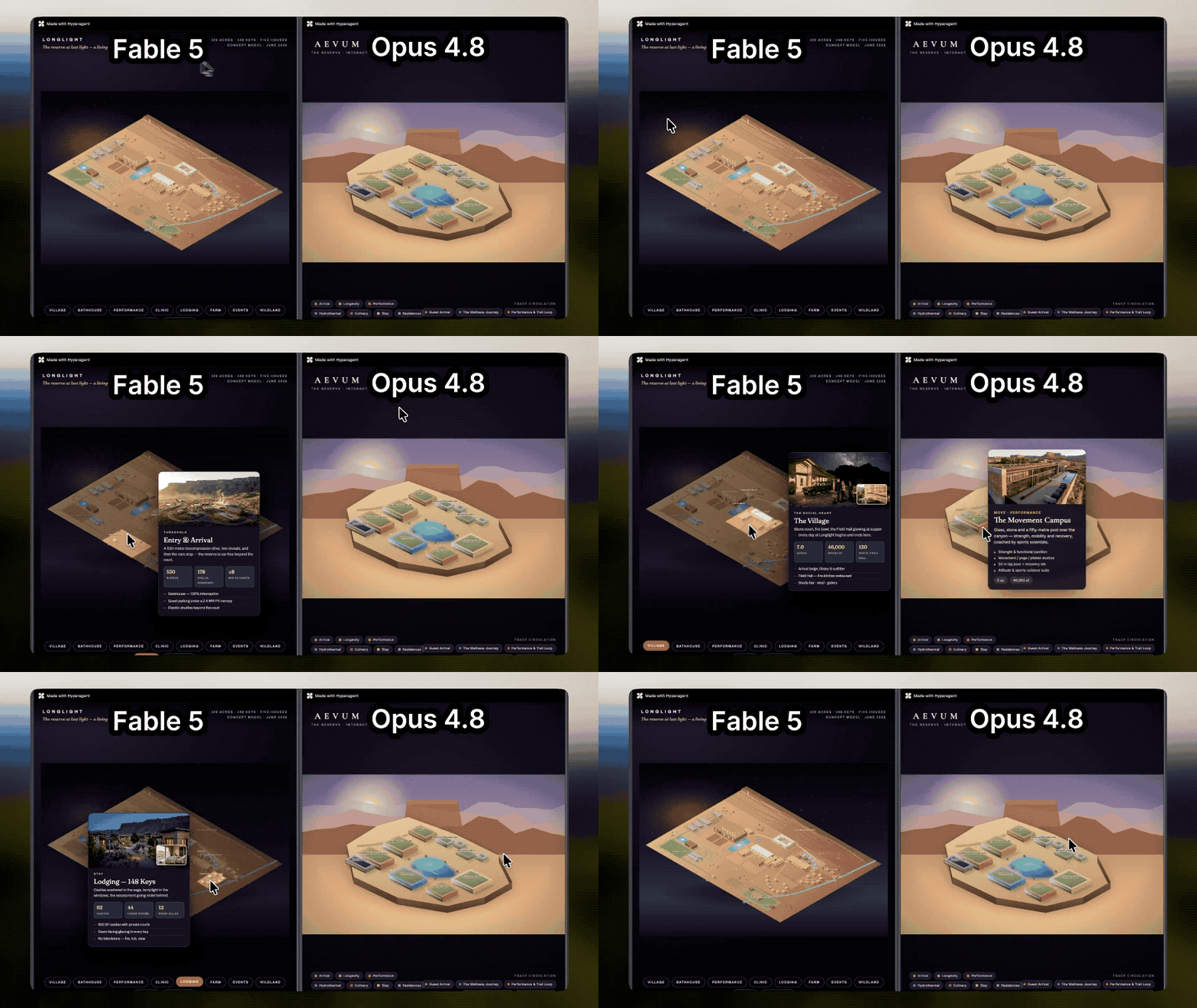
In the fitness resort planning task, Fable 5 used GPT - Image - 2 and Nano Banana to generate a more practical venue plan, considering area connections, function distribution, and pedestrian flow lines, rather than simply arranging buildings.
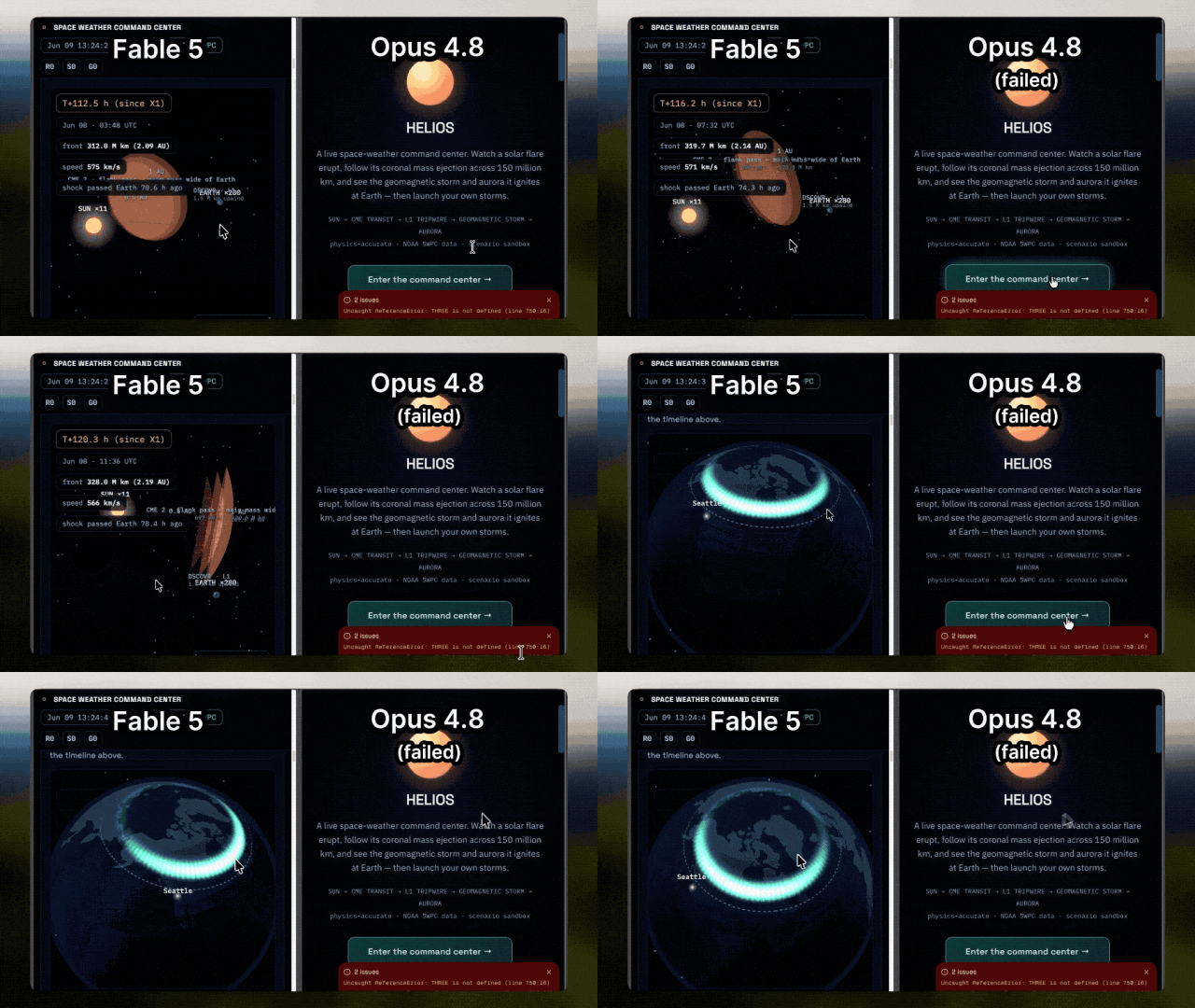
Fable 5 can combine astronomical phenomena with visual expression to show a simulation of the impact of solar flares on auroras, while Opus 4.8 couldn't even load properly.
The evaluation of Andrej Karpathy, the former AI director of Tesla and co - founder of OpenAI (now joined Anthropic), can better reflect the