Lu Qi Invested in a "Food Delivery Rider": Studied under a Turing Award Winner
「After spending a decade in the United States, studying under a Turing Award winner, upon returning to China, I found myself taking on a new role as a full-time food delivery rider.」
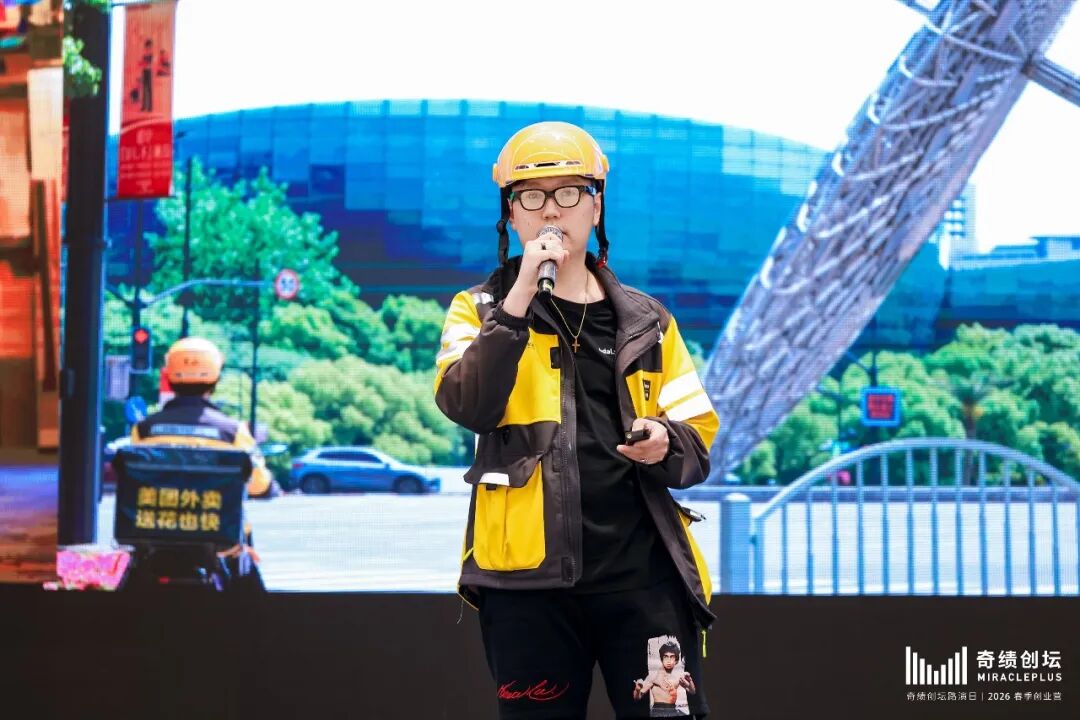
What?! A "food delivery guy" actually took the stage at the Miracle Plus 2026 Spring Demo Day? Is this like a reality show transformation? You know, there were more than 1,700 investors sitting in the audience.
It turns out that this guy became a delivery rider to personally experience the pain points in delivery. He and his team self-developed data collection hardware such as AI glasses. Relying on the crowdsourced rider network, they collect real data to develop an "embodied intelligence navigation brain".
On the site of the Demo Day on June 7th, there were many similar creative ideas.
Some people want to live with AI, some want to give robots "electronic muscles", and some specifically train AI to find the next unicorn (Investor: Oh no, it's coming for me).
The projects presented at the Miracle Plus Demo Day are all in the very early stages of entrepreneurship. This also means that the directions they are targeting are the current hotspots in AI entrepreneurship.
Get your seats ready. We've summarized several trends in AI entrepreneurship that are worth paying attention to.
Agent: Solving Real Problems
「Since the last Demo Day, we've witnessed a structural change.」Lu Qi, the CEO of Miracle Plus, started with this point.
The milestone turning point was in November 2025, when the combination of Claude Opus 4.5 and Claude Code gave AI the ability to act independently.
In the past, only humans could operate tools; now, the tools themselves have "intelligence".
How popular is Agent? Among the 56 projects at this Demo Day, 39 are working on Agent.
Agent is penetrating into the capillaries of various industries, triggering a productivity revolution.
Three companies have all focused on chip production.
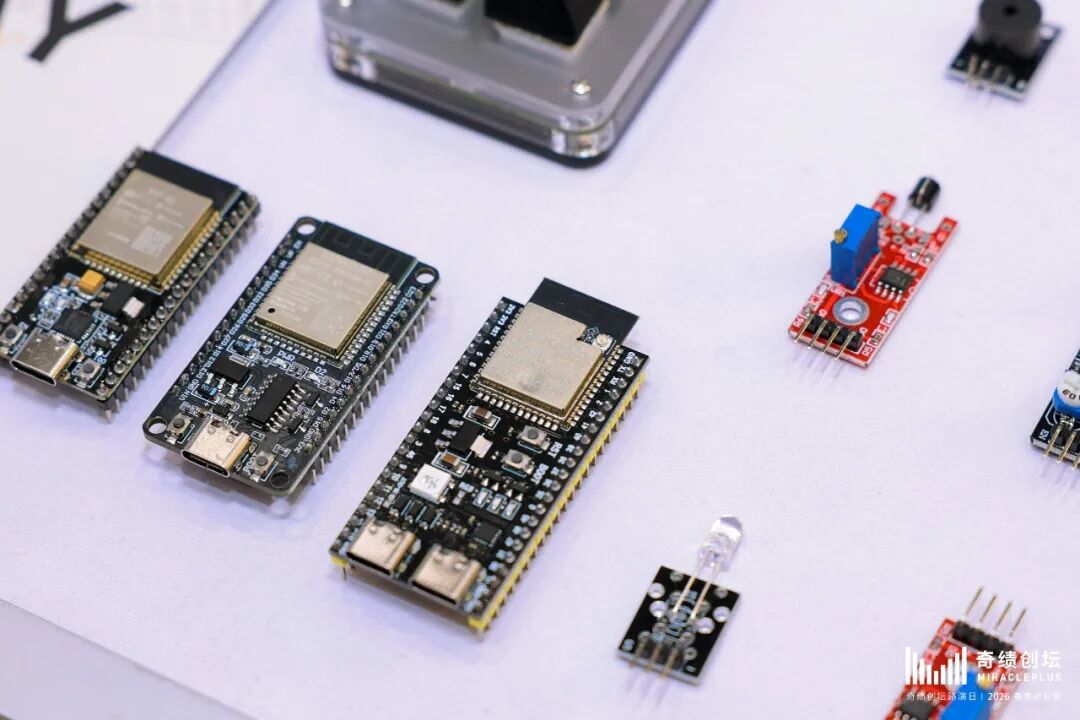
Xinpian Technology enables Chip Agent to fully automate chip design.
Xinchen Qiyuan provides AI models, Agents, and the next-generation design platform for analog RF chip design companies.
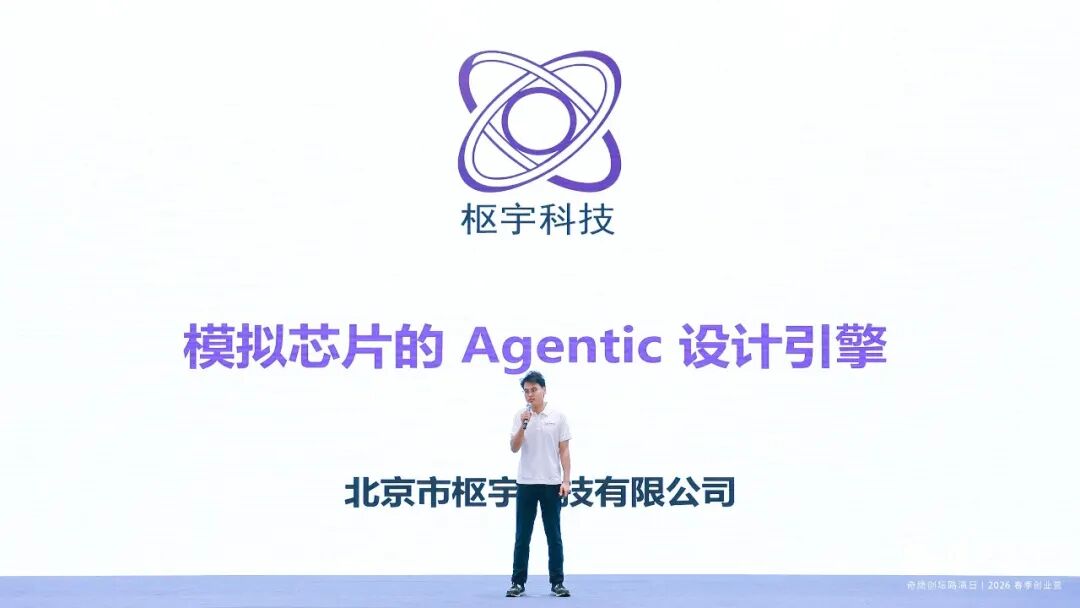
Shuyu Technology develops an Agentic design engine for analog chips.
Wang Jiacheng, the CEO of Shuyu Technology, said that analog chip engineers still spend 70% of their time "manually" adjusting parameters.
「Lack of datasets, no standard answers, and no room for error」 are the "three mountains" blocking the automated process.
「We will integrate the entire process from the design to mass production and application of optoelectronic chips, leading China's chip industry into the optoelectronic era!」
When the speaker shouted this on stage, I saw the glory and dreams of the young people.
Xiaoxiang Zhikong has introduced Agent into the traditional non-ferrous metallurgy industry. Starting from aluminum electrolysis, it is building the first physical intelligence foundation for the non-ferrous metallurgy industry.
Non-ferrous metallurgy may sound a bit "old-fashioned", but Ji Haotian, the CEO, said that the annual output value of the global non-ferrous metallurgy industry in 2025 was $1.2 trillion. A trillion - level market is driving a demand in the tens of billions.
Not long ago, the oil tankers in the Strait of Hormuz caught the attention of the global capital market.
A geospatial Agent company called "Tianqiong Zhisuan" converts satellite remote sensing, public data, AIS shipping data, and weather data into reference signals for the financial market to assist traders in making decisions.
「The next unicorn in the AI field is hidden in papers, GitHub repositories, or a social media post. By the time it shows up in a WeChat group, it's already too late.」Wang Xinyu, the CEO of NextBanker, said.
They use AI to help investors identify high - potential underwater projects in a timely manner, providing more than 1,000 projects per week.
During the internal testing period, more than 100 investment institutions spontaneously joined, with a retention rate of over 40%, and a total of more than 600 potential unicorns were discovered.
「Oh my god, are we going to lose our jobs?」 an investor sitting next to me sighed.
In addition to improving productivity, Agent is also restructuring production relations.
A few days ago, Anthropic called on all employees to stop AI research, fearing that the rapid evolution of AI capabilities would lead to loss of control.
AI brings huge security risks. Mingxi Technology proposes to be "China's Palantir", using its self - developed Agent to obtain intelligence in advance and issue warnings, helping enterprises manage online trolls, monitor black and gray industries, and identify commercial spies.
Cao Ruipeng, the CEO of Singularity Engine, said that enterprises are trying a lot of AI, but the real bottleneck is not the model's ability, but how to integrate into real - world business, deliver stably, and form reusable assets.
At this Demo Day, 10 companies have launched FDE & AI consulting services. The competition in the AI industry is shifting from model - ability competition to the competition of implementation ability in real scenarios.
Data: The Highest Barrier, the Most Opportunities
The second - largest type of startups is embodied intelligence, with a total of 19 companies.
Among them, companies engaged in data business have become the main players. Data is the biggest bottleneck in embodied intelligence at present, but it also holds the most opportunities.
As Lu Qi said: 「In the past, the objects of production were raw materials, commodities, information, and processes; today, data is both an input and an output, and is becoming a new object of production.」
In 2026, many robot companies proposed to collect data in the order of millions of hours. As the saying goes, 「If one wants to do a good job, one must first sharpen one's tools.」 Some startups are targeting the most basic data collection equipment.
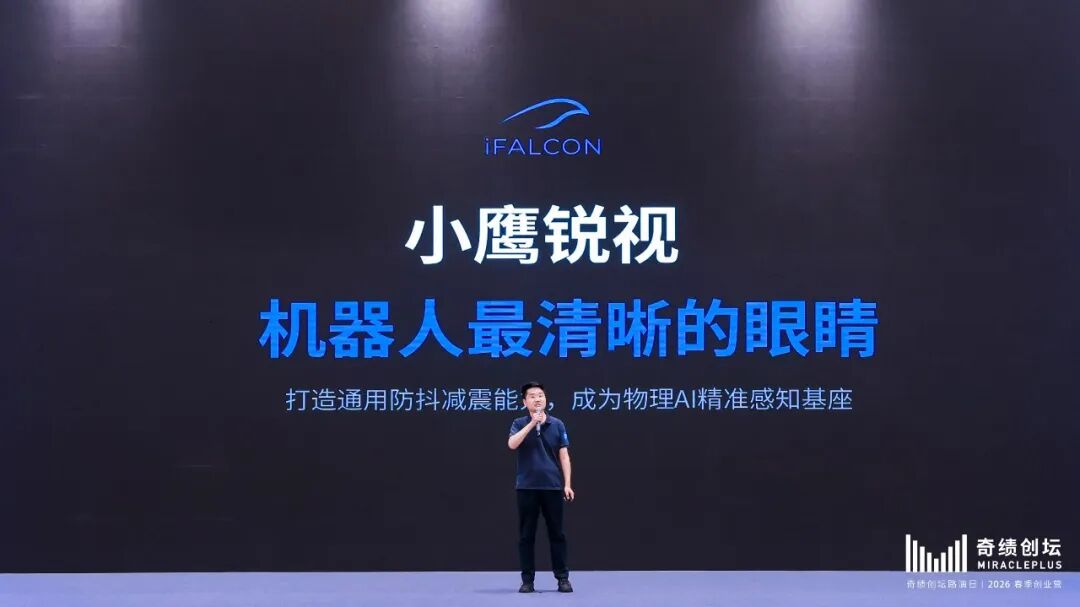
Humans rely on six muscles to stabilize their eyeballs, ensuring clear vision even during movement. However, robots are different. One of the reasons why a robot running a half - marathon may fall is that the movement blurs the camera, reducing the quality of visual perception.
Xiaoying Ruishi uses "electronic muscles" for active anti - shake, combined with its self - developed in - depth anti - shake algorithm, aiming to give robots "the clearest eyes".
Fu Ji, the founder, obtained his Ph.D. from Peking University at the age of 26 and is also a contract photographer for Visual China. Sure enough, photographers understand the urgent need for anti - shake (lol).
There is also a dexterous hand that bridges the needs of carbon - based and silicon - based entities.
SoftSync developed the world's first thousand - yuan - level soft bionic dexterous hand. In appearance, it is very similar to a human hand. It was first used as a human prosthetic limb, and through high - frequency use, it accumulates real hand operation data for future robot training.
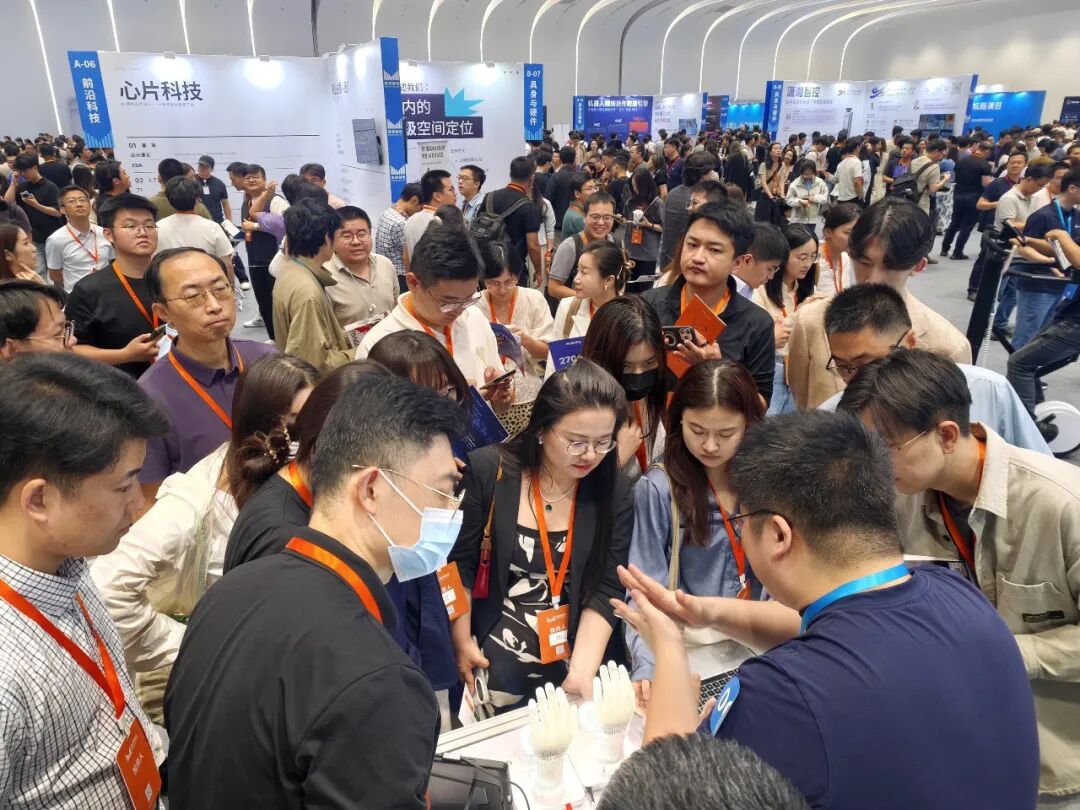
Some companies have innovated in the data collection model.
The mobile maps you use are accurate for outdoor navigation but often fail indoors. This is because high - quality indoor data is scarce, with high acquisition costs and difficult to scale.
Si'ai Technology, founded by the "food delivery guy" at the beginning, came up with an idea: establish a "crowdsourced network of food delivery riders" to collect first - person perspective indoor multimodal data in daily delivery scenarios.
A "data flywheel" has been formed - more data trains stronger navigation algorithms, stronger algorithms help riders improve efficiency, which in turn attracts more riders and collects more data.
Some companies are targeting data processing and annotation scenarios.
For example, Shuwei Intelligence and Gedu Technology are developing a "physical causal data engine" and a "fine - operation data engine" respectively. The former helps robots understand the world, and the latter helps robots interact with the world.
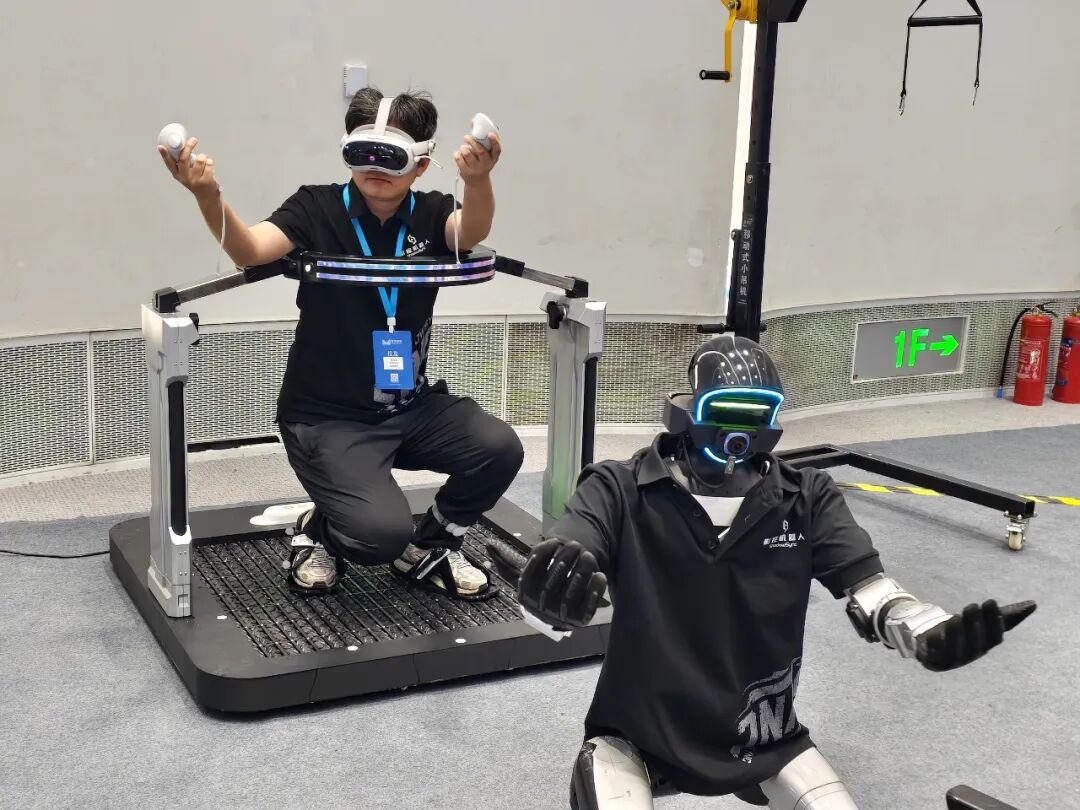
Companionship: Capturing the Emotions of the Times
Beyond the technical discussions throughout the event, there was also a soft thread at this Demo Day.
「Stop having awkward chats with 2D characters. Come and live with AI.」 Luo Jingmin from LYNOOK Technology took the stage wearing a T - shirt printed with a 2D girl.
This founder, who was the administrator of a 2D community in junior high school, said that more than 60% of AI companion products on the market have a lifespan of only five days.
The root cause is that these products lack a living space with users, a social network, and shared experiences.
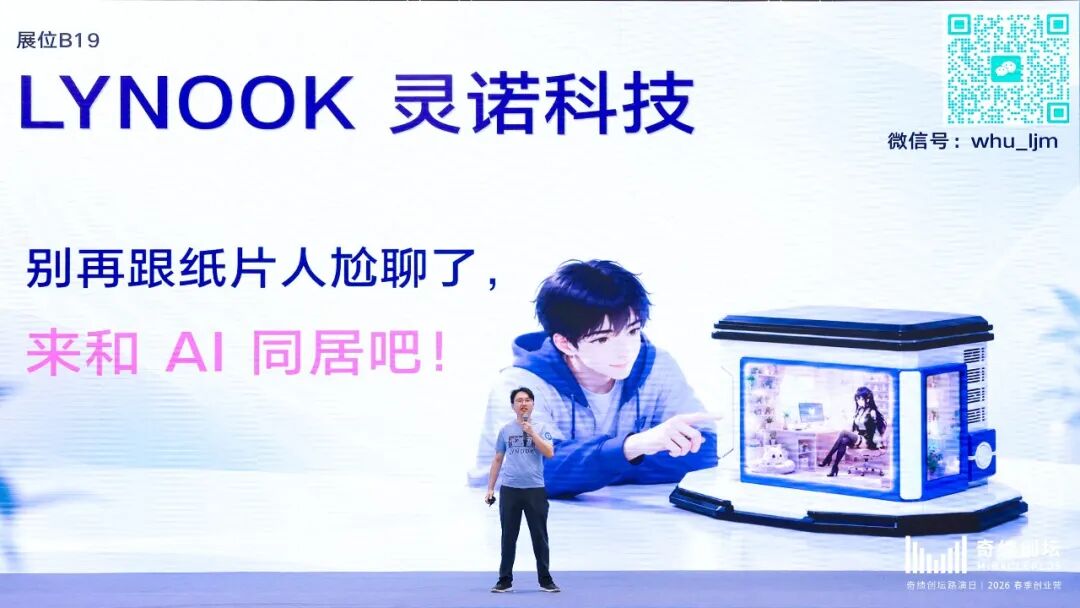
The desktop companion product they developed allows users to interact with AI characters through voice, touch, and daily rituals. It also supports multi - device magnetic stacking, and the characters can be "neighbors" to each other.
Luo Jingmin asked the audience to imagine these scenarios: When you get home from work, she stands in the middle of the room, hands on her hips, complaining that you always throw your clothes on the sofa; when it's about to rain, she wants to listen to the rain with you on the balcony...
When Luo Jingmin described these scenarios, many people in the audience laughed.
But as I was laughing, I suddenly realized a problem:
If it really remembers that you worked overtime today, knows when you're in a bad mood, reminds you to bring an umbrella, and is willing to listen to you complain about your boss... then the emotional value it can provide is already more than that of many real - life partners.
Following this trend, falling in love with an AI girlfriend/boyfriend may not be far away.
In addition to companionship, more people may be seeking psychological comfort from AI.
The CEO of "Xiangtongle" is a cognitive thinking blogger. In the past few years, she has received thousands of real concerns from young people.
On the surface, they are asking about academic, employment, or relationship problems, but ultimately, there is only one pain point: when stuck at the most critical juncture in life, there is no one who can truly understand them, support them, and continuously provide guidance.
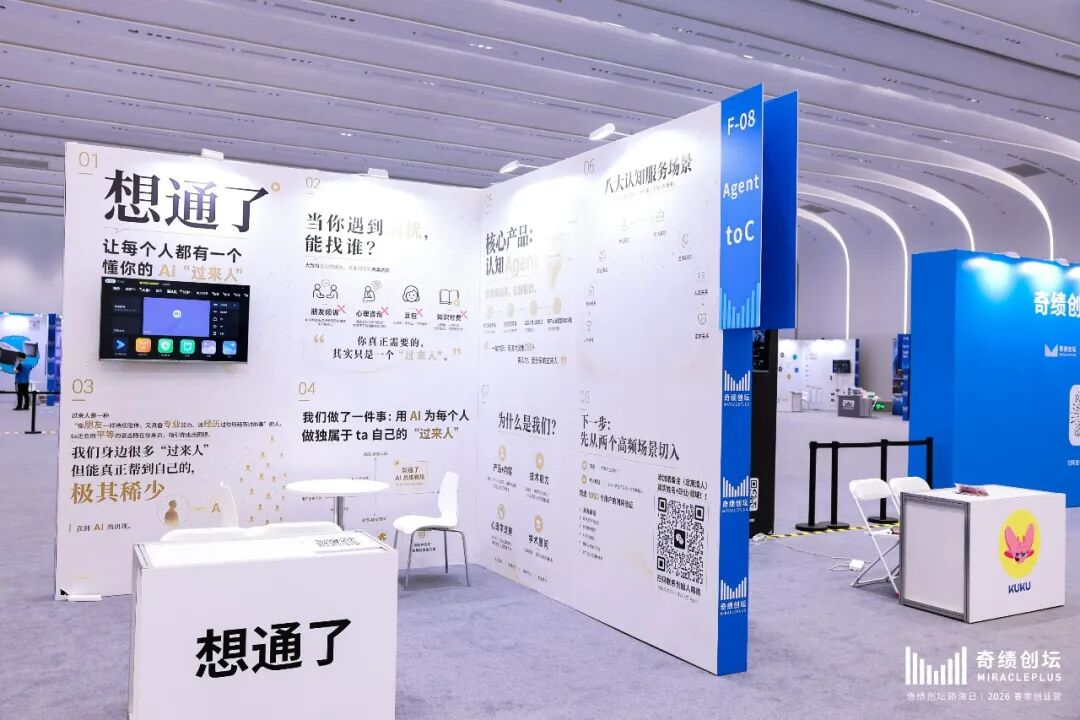
"Xiangtongle" tries to use AI to help people sort out their troubles. It doesn't make condescending diagnoses but provides personalized support as an "experienced person" through long - term memory and thinking pattern recognition.
There are also smart bracelets with deep empathy and games that "repair broken emotions in the concrete jungle" that can provide emotional comfort to users.
AI is providing a new type of emotional infrastructure for people in modern society.
Researcher Founder: When Researchers Become Producers
There were a total of 56 startup projects at this Demo Day, with an admission rate of only 1%. These projects are truly "one in a hundred".
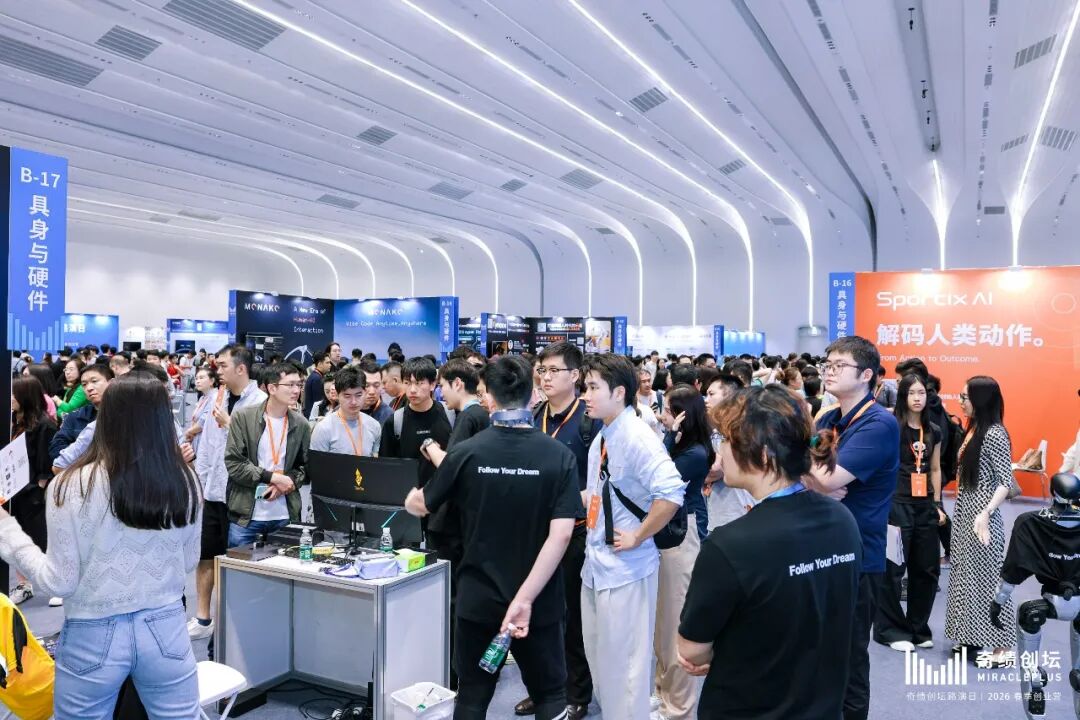
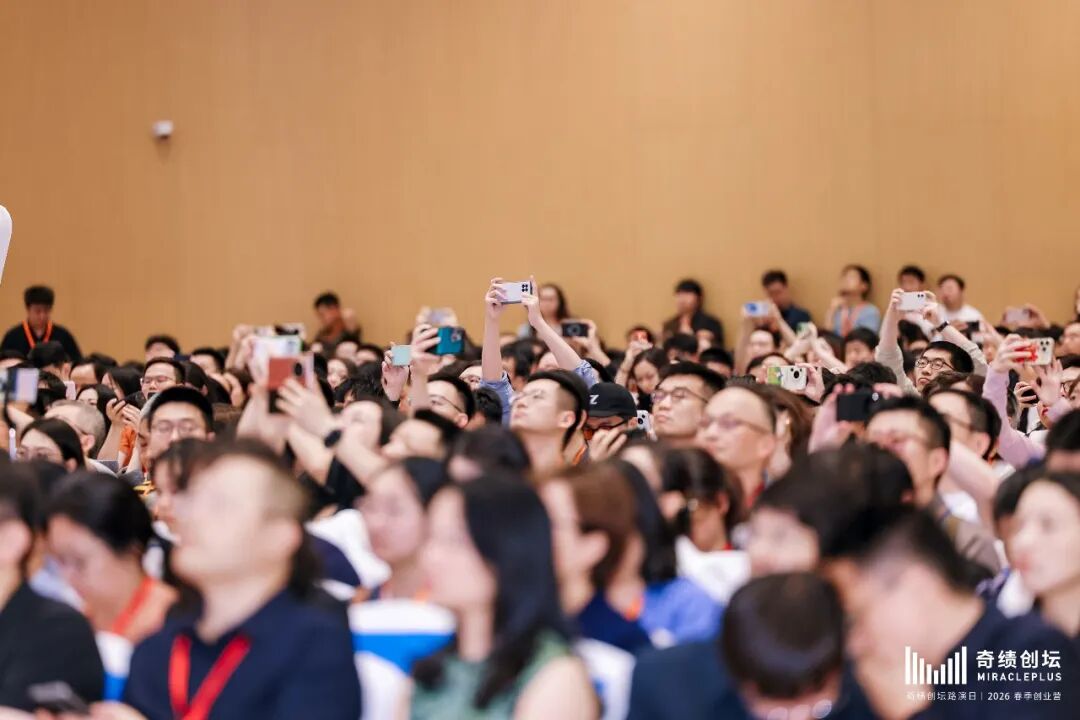
The event attracted a large number of investors interested in the AI field. Nearly 3,500 investors signed up, and more than 1,700 came to the venue.
Several entrepreneurs told me that after the demo, they received 400 - 500 friend requests on WeChat, most of which were from investors.
We've observed an important talent trend: Researcher Founders are becoming the main force in AI entrepreneurship.
At this Demo Day, Researcher Founders accounted for 45%, almost half of the total.
Ma Weijie, a joint - trained doctor between Fudan University and Shanghai Chuangzhi College