Woke up abruptly, someone has "resurrected" the brains of 700 deceased people
Saw open the head of a person who has just died and take out the fresh brain.
Then put it into a container, connect the tubes, and pump in pink artificial blood. Then inject drugs into this resurrected brain and see how it reacts to chemical stimuli.
Don't think I'm talking about a science - fiction idea like "Brain in a Vat", and this is not a novel setting either.
In 2026, this has become a reality.
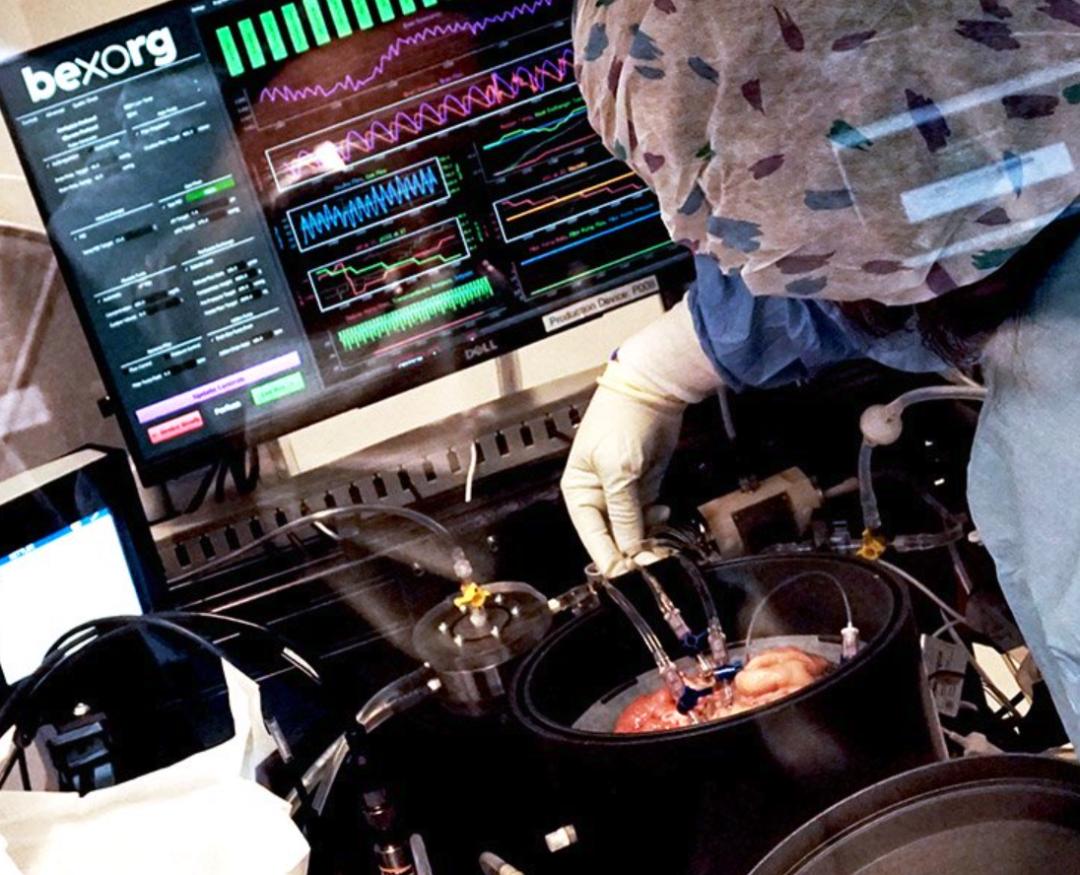
In 2021, Bexorg, a biotech company incubated by Yale University, started conducting such terrifying experiments continuously. So far, they have conducted such experiments on more than 700 human brains.
What's more, their technical papers have been published in Nature and Science consecutively, and they even got the approval of the US Food and Drug Administration (FDA), being recognized by the scientific community!
Damn it! 700 people had their brains taken out for experiments, and it's officially permitted. Anyone who hears this will get goosebumps.
What's even more creepy is that they said they can't be sure if those brains are really dead...
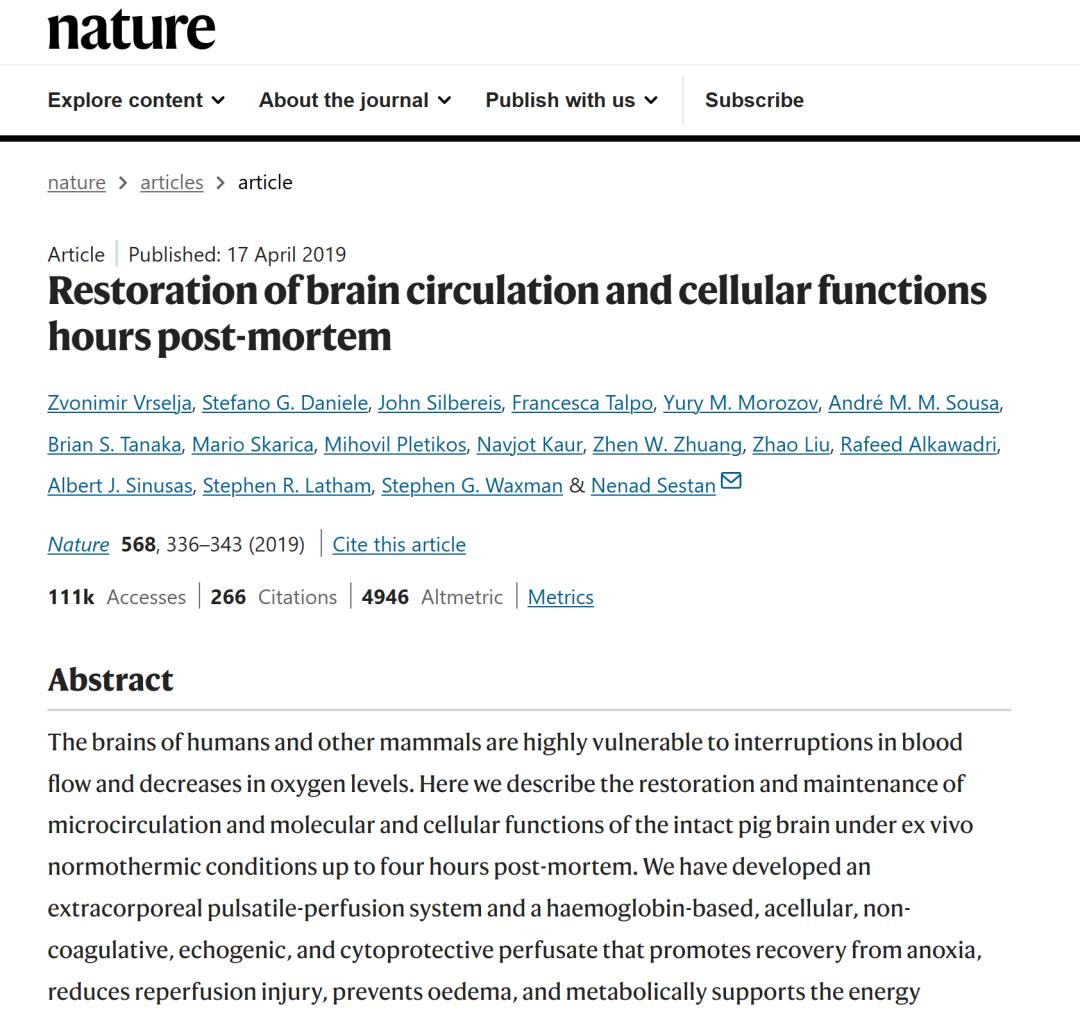
Although it's a bit of a curiosity, in order to figure out what these scientific madmen are doing, I also looked up a lot of information. It turns out that according to official information, they are developing this for pharmaceutical purposes and to delay human aging.
And their theory is that the current drug - development model is fundamentally flawed.
To put it simply, the existing R & D process first tests on cells in a petri dish, then on mice, then on dogs and monkeys, and finally on humans.
But the problem is that the mouse brain is very different from the human brain. It's not uncommon for a drug to work wonders on mice but be completely ineffective in human clinical trials.
In addition, for various reasons, pharmaceutical companies around the world have no solutions for diseases of the central nervous system of the brain such as Alzheimer's disease, Parkinson's disease, and amyotrophic lateral sclerosis, and the drug - development failure rate exceeds 95%.
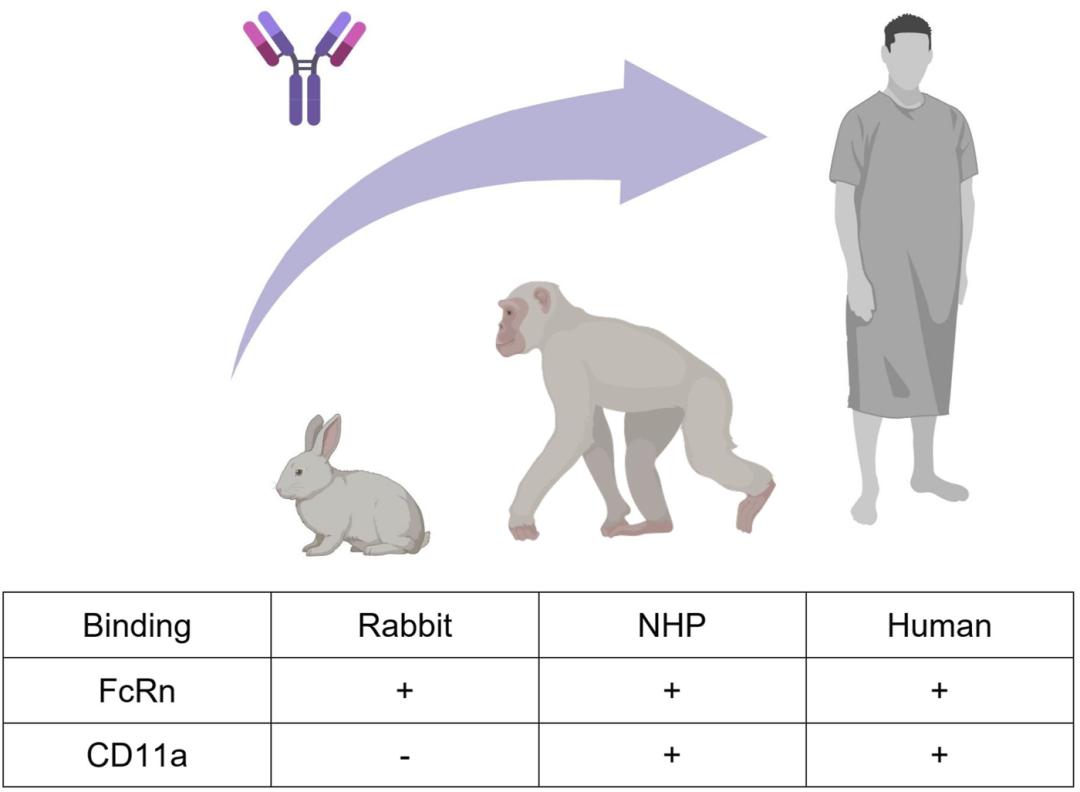
Then someone had a brainstorm and thought, here is a real and complete human brain! Just use a human brain directly.
But you can't touch a living person's brain, and a dead person's brain is useless. In traditional medical understanding, once a person dies and the blood flow stops, brain cells die irreversibly within a few minutes, so it's meaningless to use them for experiments.
Yale neuroscientist Nenad Sestan and his student Zvonimir Vucetic spent more than a decade and finally found that:
This understanding is wrong. A medically dead brain can be resurrected.

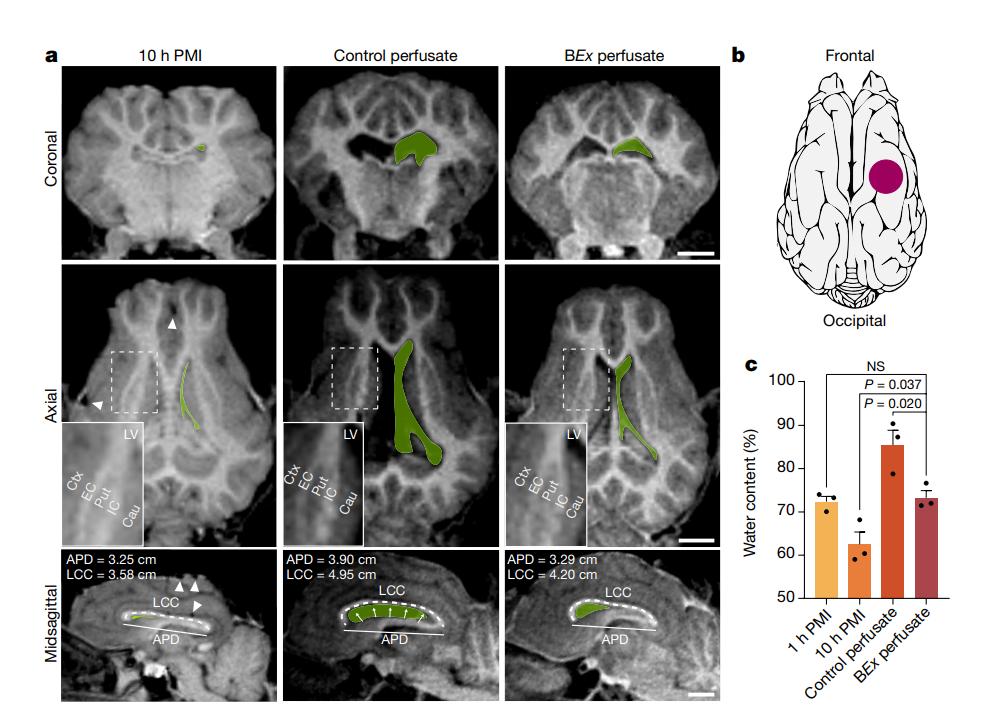
In a Nature paper published by Yale University in 2019, it was written that they got a batch of pig brains from a slaughterhouse, which were taken out four hours after the pigs died. According to traditional medical understanding, these brains should have been completely dead.
But when they connected the pig brains to their self - developed perfusion system and pumped in special artificial blood for six hours, these dead pig brains came back to life.
After injecting a vasodilator, the microvascular system of the brain was re - perfused with blood, and the cerebral blood flow velocity increased significantly, indicating that the blood vessels could still contract and dilate and were still functioning.
Even more incredibly, they detected spontaneous synaptic activity and active glucose metabolism. This means that the structure of brain cells was preserved and they started working again.
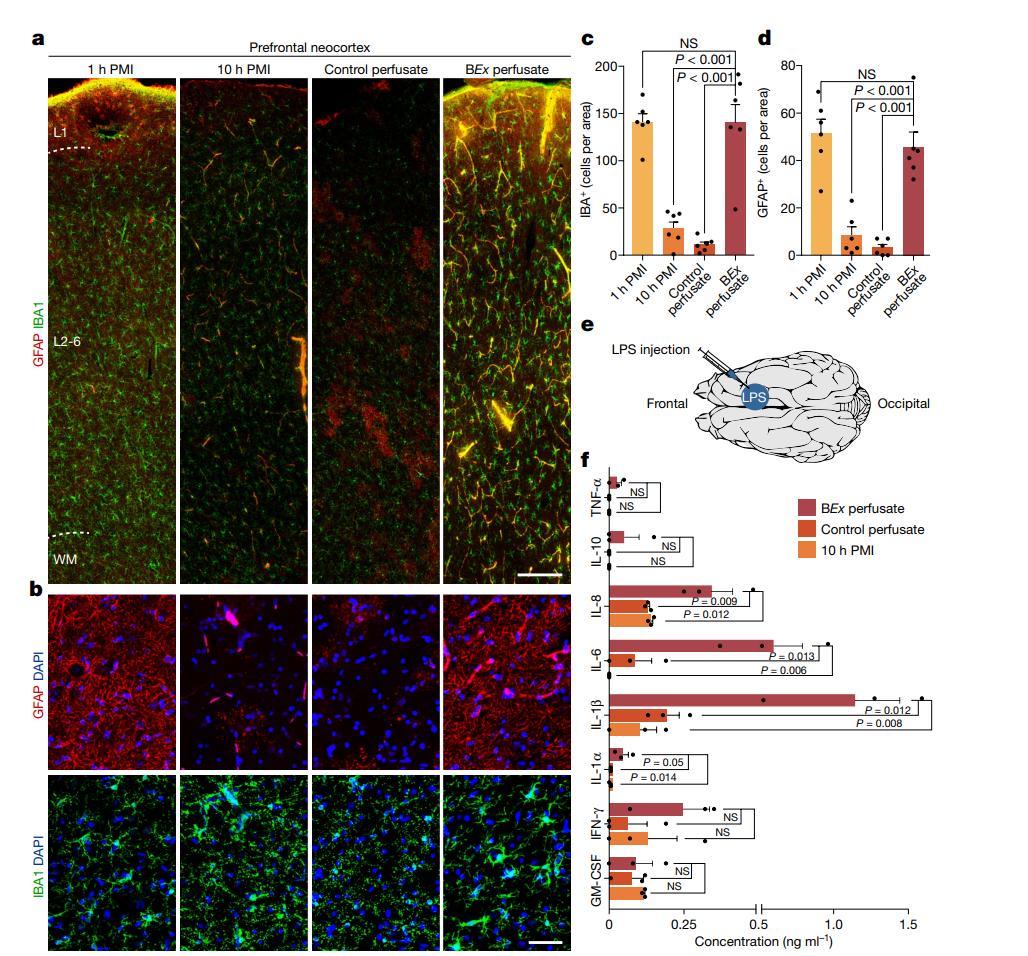
However, they did not detect any EEG signals representing consciousness or high - level cognitive functions. That is to say, the brain was alive at the cellular level, but the pig was not thinking.
After this paper was published, it directly shocked medical experts and neuroscientists around the world.
Because it directly proves that brain death is not like a switch that turns off suddenly, but a gradual process that can even be reversed with appropriate intervention.
But this doesn't mean that just restoring blood supply to the brain can reproduce their experiment.
Because suddenly restoring blood supply to the brain after ischemia will trigger a catastrophic reaction called "ischemia - reperfusion injury". The brain will quickly swell, and cells will die at an accelerated rate. The more you try to save it, the worse it gets.
The key to Bexorg's success is their exclusive artificial brain perfusion fluid, which contains a special combination of drugs developed by Yale University over more than a decade to reduce reperfusion injury and stimulate cell recovery. The specific ingredients are strictly confidential.
With this set of things, they can keep an isolated brain metabolically active outside the body for up to 24 hours or even longer.
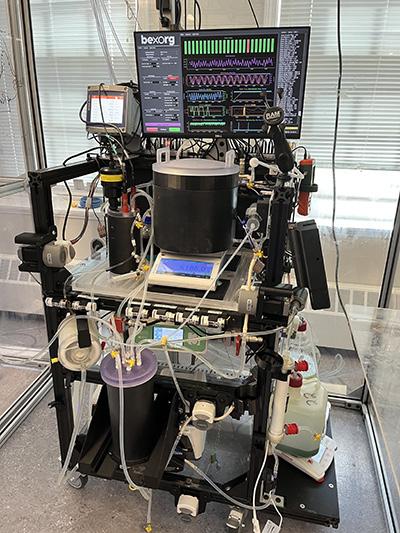
Incredibly, it only took Bexorg two years to transition from the successful pig - brain experiment to human - brain experiments.
Then they started obtaining the brains of newly deceased donors through a "legal organ - donation network", quickly connected them to the perfusion system, and began testing various experimental drugs.
Then you must be wondering: Is this person really dead?
Bexorg's answer is that they can't be completely sure. So they continuously mix high - dose, powerful clinical anesthetic propofol and ion - channel blockers into the perfusion fluid. Then they slice and destroy the brain after the experiment.
CEO Vucetic's exact words in an interview with Science were: We are studying the cellular - level pathologies of Parkinson's disease and Alzheimer's disease - protein misfolding and energy - metabolism collapse - which have nothing to do with macroscopic neural electrical activities.
So blocking consciousness not only doesn't affect the experiment but is also a necessary step to eliminate noise.
But to put it bluntly, it's still about pumping anesthetic into it to ensure that even if it wants to wake up, it can't, and then it will be sliced up after use...
So a lot of netizens on Reddit said directly after reading the news that they were deceived and wanted to withdraw their organ - donation agreements.
After all, old fans of Warhammer 40,000 know that taking out an ordinary person's brain, suppressing possible conscious activities for experiments, isn't this just a wet - ware computer, a classic operation in the Imperium of Man!
It's just that in the game, it's the 40K era, but it has already appeared in the 2K era.
But then again, with such radical means, public panic, and so much ethical controversy, why is this thing still allowed to exist?
Don't jump to conspiracy theories. First of all, the answer is that it may really be saving lives.
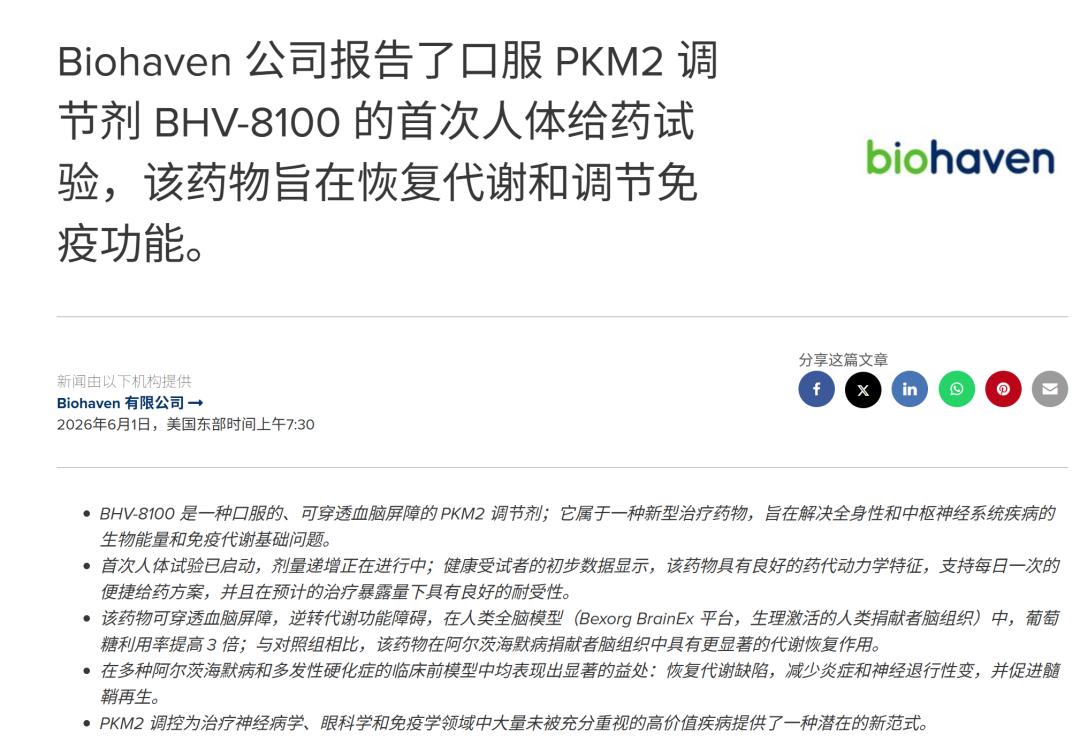
For example, Bexorg and pharmaceutical company Biohaven jointly tested a Parkinson's disease drug, BHV - 8100. This drug failed in mice before, but when they tested the same drug on Bexorg's human - brain platform, they found that it was not only effective, but the dose required to achieve the best effect was 20 times lower than that calculated by the mouse model.
This means that a good drug that was about to be abandoned was saved. And if the drug was directly used in human clinical trials according to the mouse - data dose, a 20 - fold overdose might directly kill the patients.
After getting FDA approval for human experiments, this drug successfully penetrated the blood - brain barrier, increased the neuronal glucose utilization rate of the diseased brain by three times, reduced neuroinflammation, and delayed neurodegeneration.
Moreover, their perfusion technology is not only applicable to the brain. Related derivative experiments show that a similar perfusion system used on other organs can maintain tissue activity at room temperature for up to seven weeks, which is of great value for human organ transplantation.
In addition, in the field of AI, the data generated by Bexorg from processing thousands of brains every year is being used to train a proprietary large - scale model, with the goal of building the world's first "silicon - based brain" based on real human - brain molecular data.
In the future, pharmaceutical companies can directly upload molecular structures to their API and get the prediction result of whether the drug can penetrate the blood - brain barrier within a few minutes.

In short, although it's a bit of a curiosity, to be fair, what Bexorg is doing is not that unprecedented.
Because humans can be quite crazy when trying to understand their own bodies. In the 16th century, Andreas Vesalius, the father of anatomy, went to the gallows at night to steal the bodies of executed criminals in order to obtain human bodies for research. In 1970, American neurosurgeon Robert White transplanted the head of a live monkey onto another monkey's body.
However, Vesalius stole dead bodies, White used live monkeys, and it's difficult to define what Bexorg is doing.
The owners of those brains were declared dead according to current medical standards, but this standard was set in the last century, which stated that a person is dead when their heartbeat and breathing stop irreversibly, or when all brain functions stop irreversibly.
And Bexorg's technology precisely proves that they can reverse - revive the brain... So is this person really dead? It's actually a bit of a loophole.
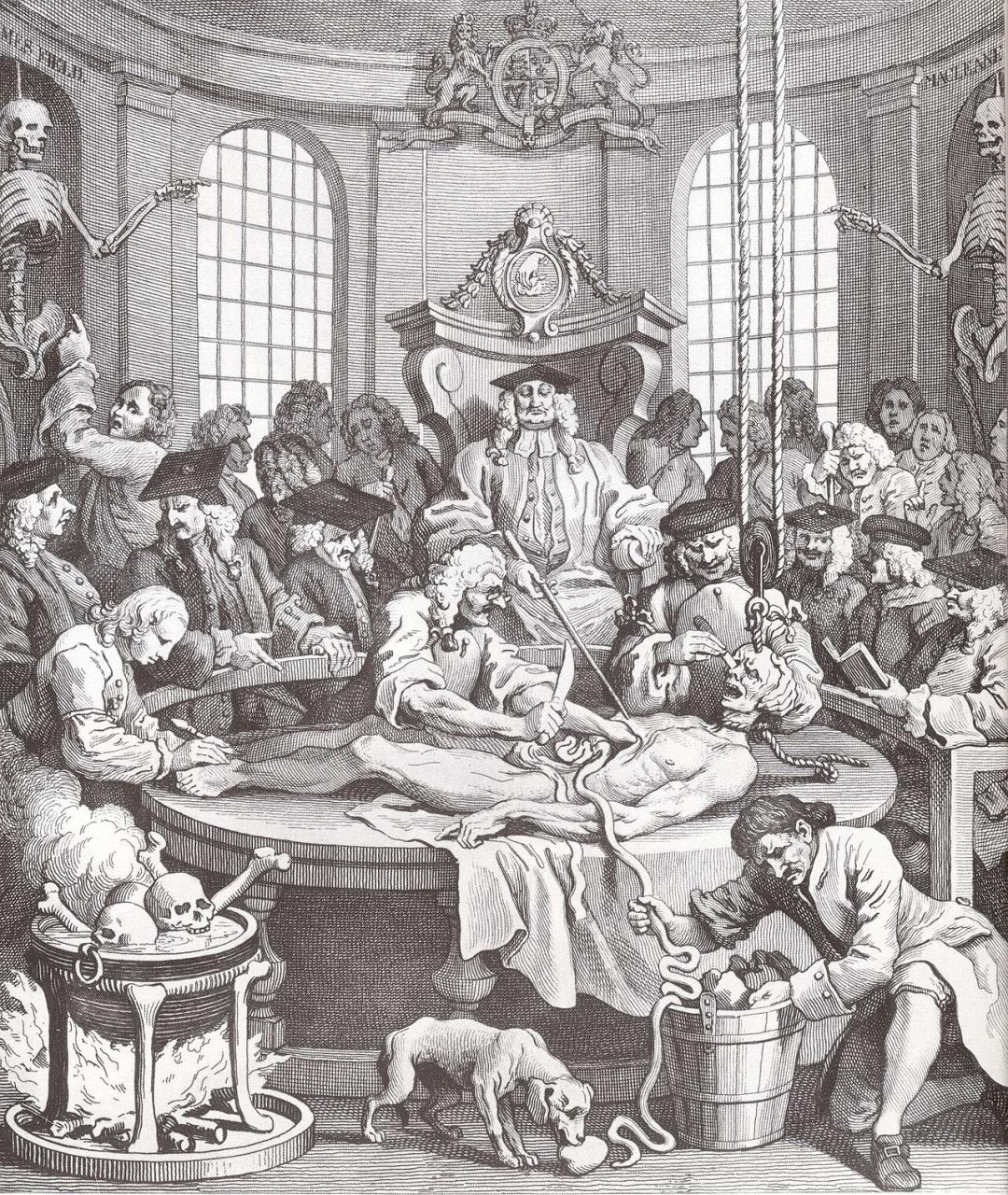
Moreover, even if all 700 brains were legally donated with the informed consent of the families, is what the donors and their families understand really the same as actually re - activating the brain on a machine and then anesthetizing it for experiments?
In short, Bexorg's CEO Vucetic said that his mission is to completely revolutionize the drug - discovery process.
As for what ethical costs and cognitive impacts humans need to pay during this revolutionary process, this may not just be a scientific issue.
Image and data sources:
nature: Restoration of brain circulation and cellular functions hours post - mortem
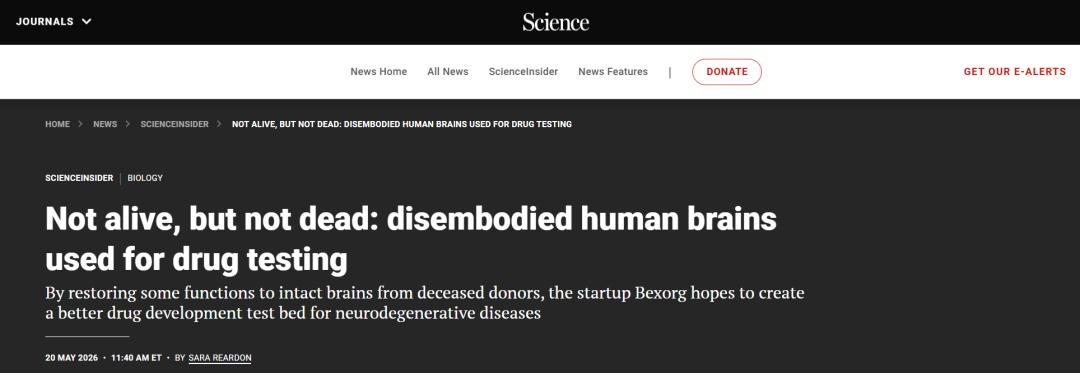
science: Not alive, but not dead: disembodied human brains used for drug testing
Biohaven Reports First - in - Human Dosing of Oral PKM2 Modulator, BHV - 8100, Targeting Metabolic Restoration and Immunomodulation
Bexorg, futurism, etc. Some images are from the Internet
This article is from the WeChat public account "Chaping X.PIN", author: