Wall Street Reassesses Tesla: Robot Valuation Accounts for at Least 20% and Is Worth Trillions. Buying Now Is Like Getting It for Free.
One of the best current investments in embodied intelligence might be to invest in Elon Musk.
You should know that for non-institutional investors in the secondary market, opportunities to invest in embodied intelligence are still extremely rare. But if you buy Tesla stocks now, you'll get a robot (a potential stock) for free.
This isn't my claim. It's the latest conclusion reached by Wall Street investment banks through detailed analysis.
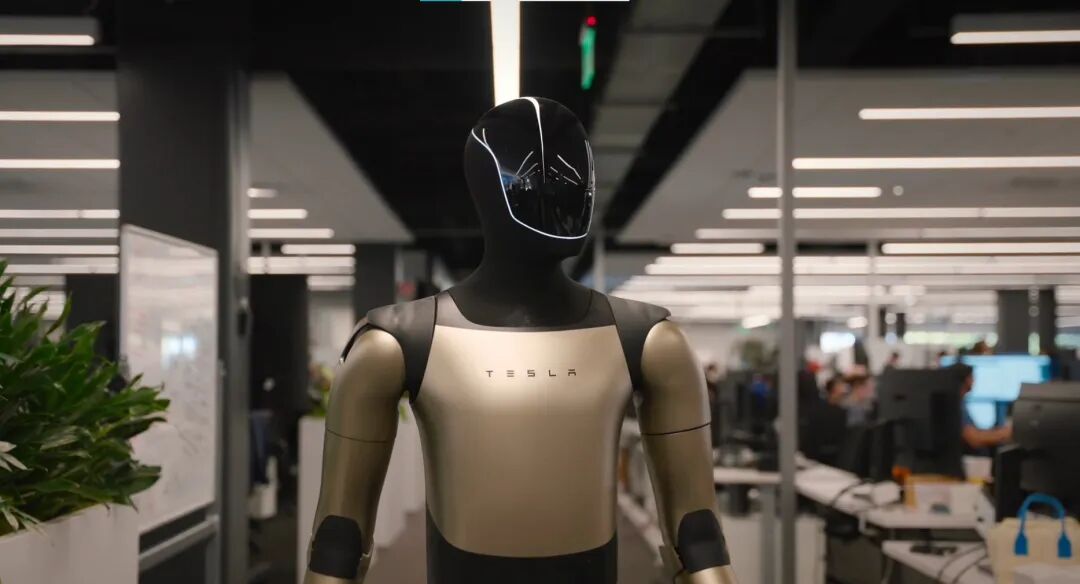
Analysts believe that Tesla's existing businesses, including electric vehicles, energy storage, FSD, Robotaxi, etc., are already sufficient to support the current stock price - around $400, but this figure doesn't include the value of the robot business.
This doesn't mean that Tesla's robot business has no value. On the contrary, they believe that this kind of business, which may change the world, is of immeasurable value.
This institution initially predicts that the valuation of Tesla's embodied intelligence may account for 20% of the company's total valuation in the short term - estimated by market capitalization, it's worth nearly one trillion yuan.
But looking further ahead, it may be more valuable than all of Tesla's other businesses combined in the future.
Wall Street Reassesses Tesla
A Wall Street investment bank named Piper Sandler released a new valuation report on Tesla, and the conclusion is:
If you buy Tesla stocks at around $400 - $420, it's equivalent to getting Tesla's humanoid robot project, Optimus, at zero cost. Because just Tesla's existing businesses are already worth $400 per share.
What does this mean? Let's break it down step by step.
Piper Sandler analyst Alexander Potter constructed a very detailed model.
Its special feature is that Potter considered many factors often overlooked by other analysts, such as a detailed forecast of Tesla's insurance business, revenue from the Supercharger business, and for the first time, considered Tesla's CEO compensation plan for 2025, etc.
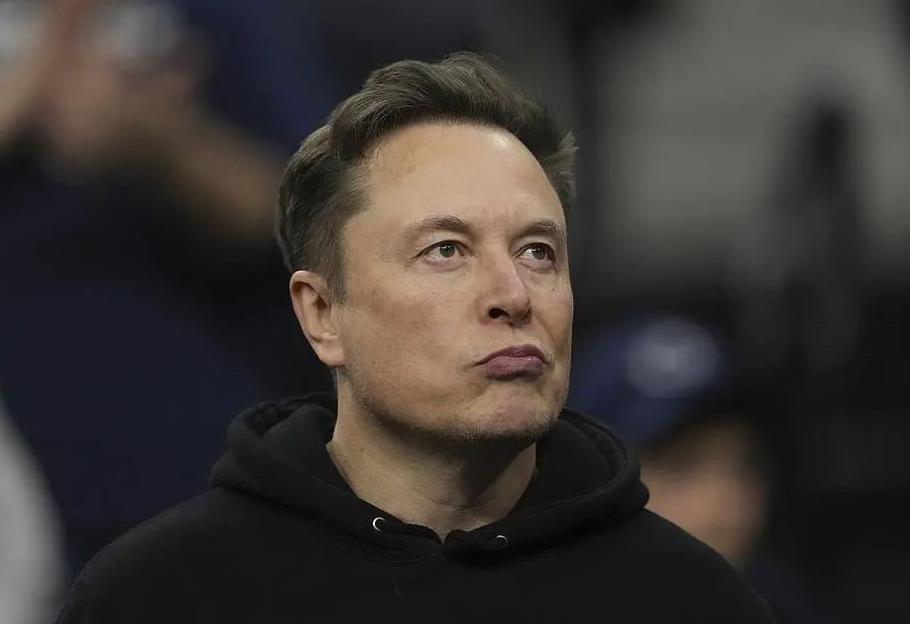
Based on this model, Potter finally split Tesla's business into 17 independent product lines and valued each one using the discounted cash flow model, then summed them up.
The final result is that Tesla's core businesses - including electric vehicles, energy storage, FSD software, insurance, charging network, Robotaxi, etc., have a combined valuation of about $400 per share.
Please note that in this valuation, the humanoid robot Optimus and its corresponding "Inference-as-a-Service" have not been assigned any value at all.
Potter's exact words were, "At $400 per share, we believe investors can 'get Optimus for free'."
Tesla's latest closing price of its US stocks is around $420, slightly higher than $400, which also means that the market's pricing of the existing businesses is basically reasonable.
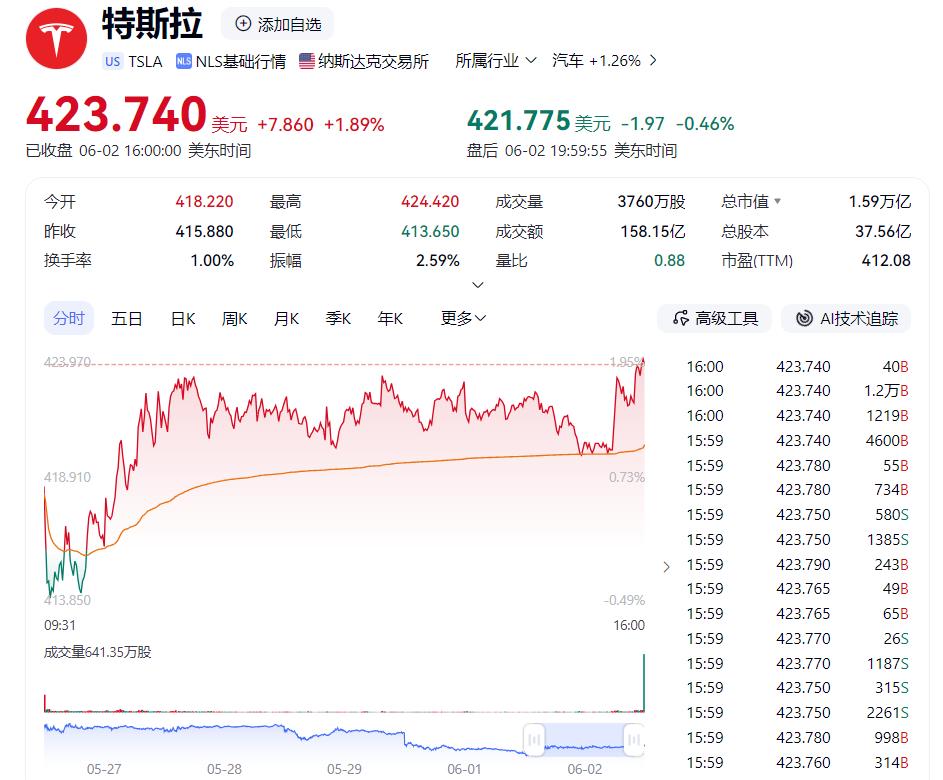
It's like you spend $400 to buy a product, and the product itself is worth $400.
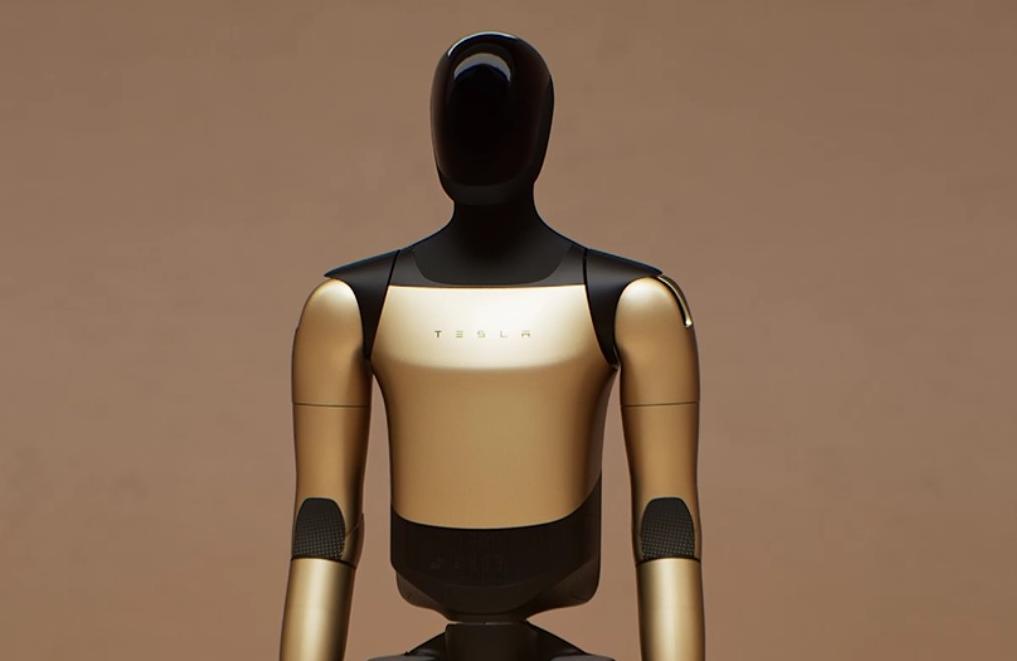
Meanwhile, the seller gives you an extra mysterious gift box that may be of great value in the future but is currently in the R & D stage - that is, the Optimus robot here. It's not yet certain how much this box is worth, but you didn't pay extra for it.
However, this doesn't mean the robot has no value. More accurately, it's that analysts can't give an accurate value for it now.
Potter revealed that this is because embodied intelligence robots are still in the early stage, and it's extremely difficult to evaluate a product that "may reshape the economy and the labor market".
In addition, analysts' forecasts for Tesla's revenue and earnings per share (EPS) from 2026 - 2027 are lower than the market's general expectations. The reason is that the production of Model X/S will stop, Tesla's vehicle delivery volume will decline, and regulatory credit revenue will also decrease.
But Potter believes that this decline isn't important. Even if short - term profits fall short of expectations, it won't have a lasting negative impact on the stock price because investors' focus has shifted -
Tesla's future value will come more from the growth of software or AI - related indicators such as FSD, Robotaxi, Optimus.
However, for reference, the report still gives a preliminary pricing, reserving a future value of $100 for unincluded businesses such as Optimus, which is equivalent to this kind of business accounting for 20% of Tesla's total valuation... Maybe even more.
If calculated by market capitalization, this robot project is worth about $375.6 billion, equivalent to about 2.5544 trillion yuan - over 2 trillion yuan.
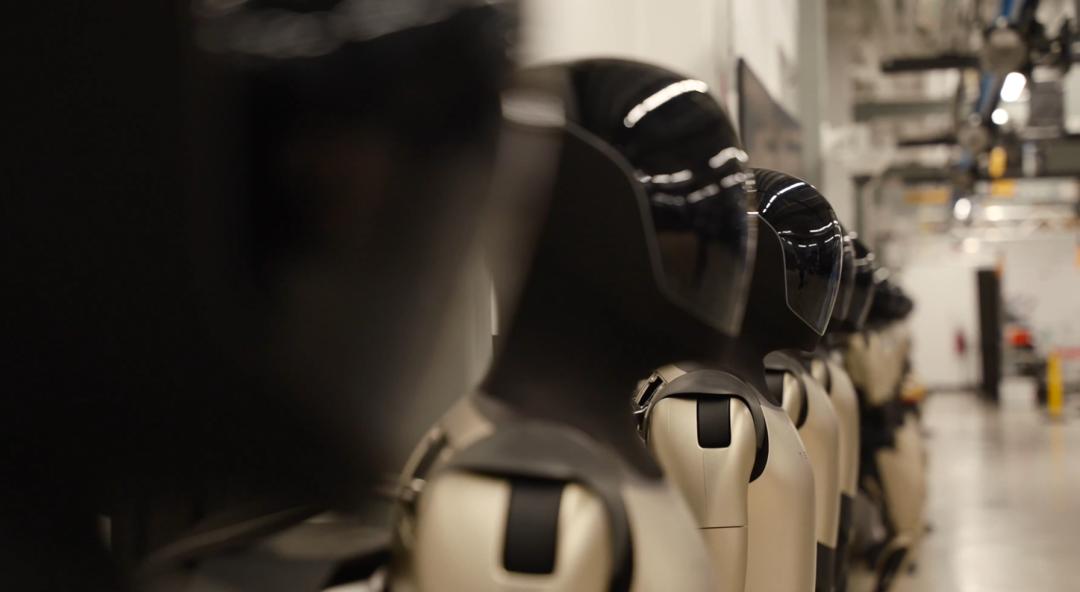
But analysts believe that this allocation is actually quite conservative, and the actual potential of the robot may be even greater.
According to Potter's prediction, Optimus + inference service may be more valuable than the sum of all of Tesla's other businesses in the future.
So, where is this robot project, which is "more valuable than all other businesses", at now?
Where is Tesla's Humanoid Robot Project?
Tesla's humanoid robot project, Optimus, was first unveiled at Tesla's AI Day in 2021.
Maybe no one thought at that time that Musk's expectations for Optimus would far exceed those for cars later.
In Musk's current plan, the number of humanoid robots in the future will exceed that of humans, reaching a scale of tens of billions and becoming a standard in every household.
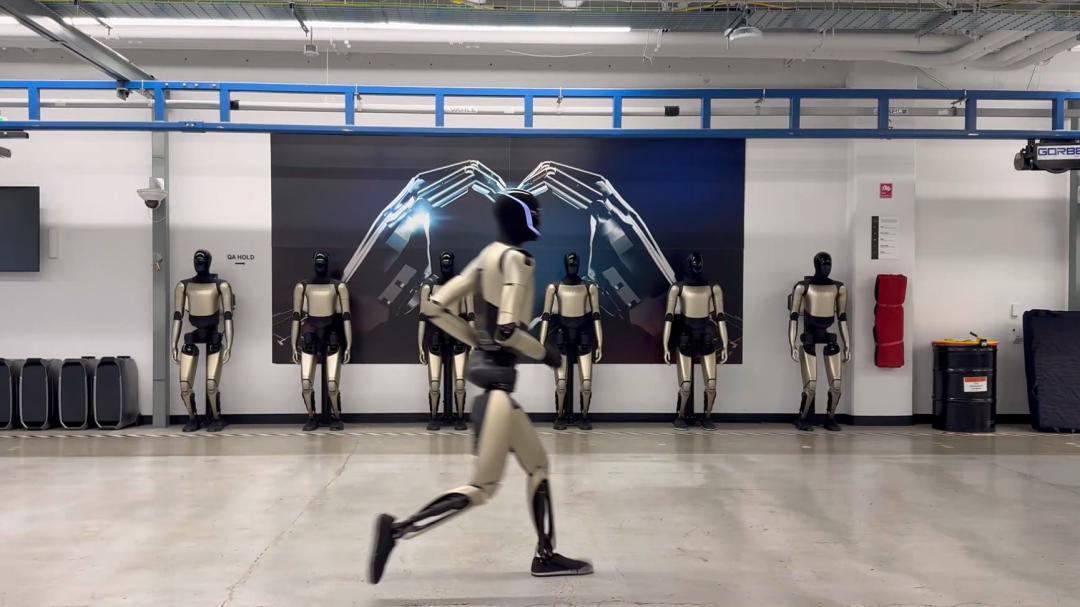
After years of slogans, Optimus has reached its third - generation iteration and is finally on the verge of mass production this year.
Although the V3 version hasn't been publicly unveiled, the previous V2.5 version could stand stably and dance for two hours at the shareholders' meeting. Tesla has also demonstrated scenarios where Optimus performs simple tasks such as sorting batteries in the factory.
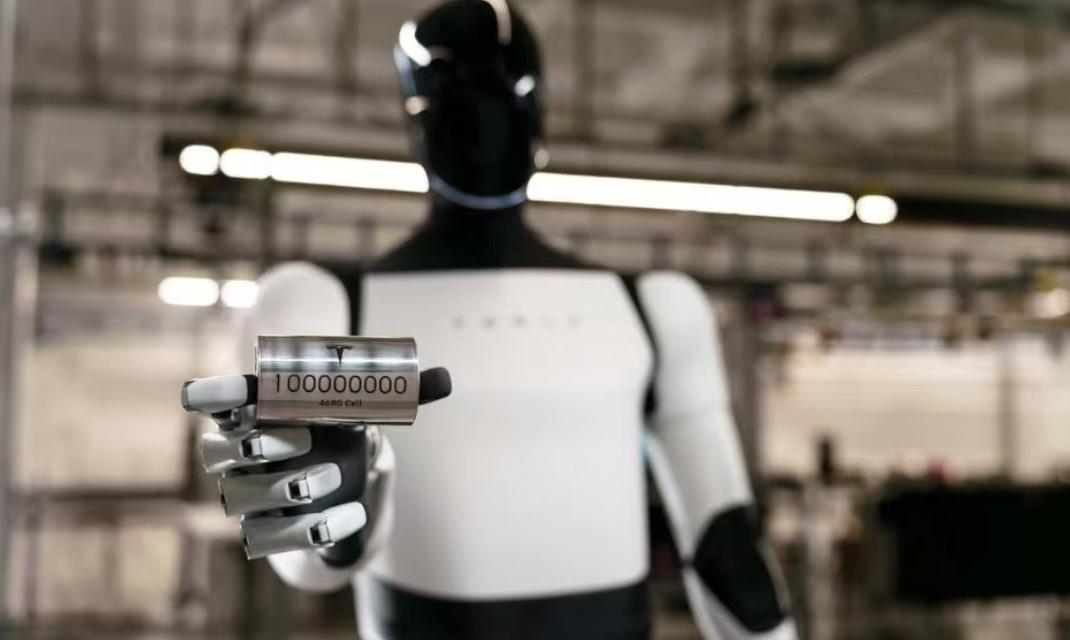
According to what Musk previously disclosed, the mass production of Optimus V3 will officially start in July or August this year.
And this version will adopt the latest hand design and is expected to be put into external application scenarios in 2027.
To ensure the smooth progress of mass production, Tesla even stopped the production of Model S and Model X and transformed its factory in Fremont, California, USA, into an Optimus production line, with a designed annual production capacity of one million units.
Of course, this production capacity is far from enough for Musk's plan. The Gigafactory in Texas, USA, has also reserved a special workshop for Optimus, with a long - term goal of an annual production of 10 million units.
Musk even further envisioned the fourth and fifth generations of Optimus:
The goal of Optimus V4 is tens of millions of units per year, and Optimus V5 aims for 50 million to 100 million units.
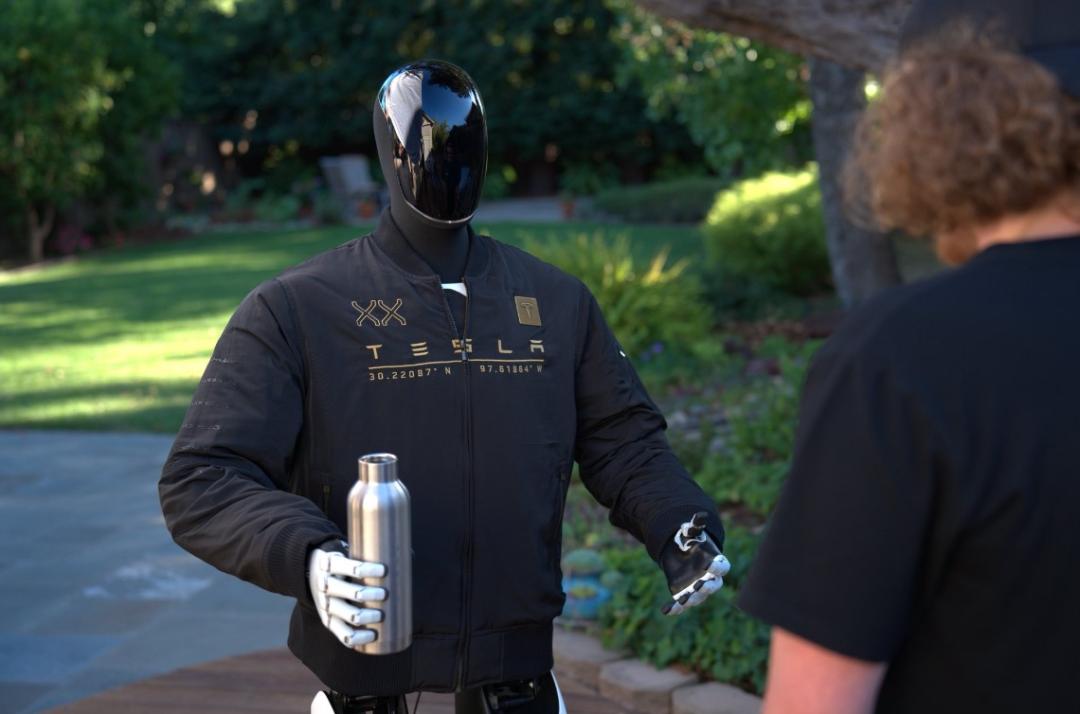
However, before achieving explosive growth, the engineering challenges faced by mass production are by no means easy:
It is reported that an Optimus contains about 10,000 unique parts, and the vast majority of them have never been mass - produced in any industry.
For example, in the core actuator, there is a core component called a "planetary roller screw", which currently has a lifespan of about one year, while the standard for industrial robots is more than five years.
At the beginning of 2026, Musk himself admitted something very significant: There isn't a single useful robot working in Tesla's factory.
Even so, Musk still insists on regarding Optimus as the largest - scale product and even stopped the production of Tesla's high - end models and transformed the production line -
In fact, this is a clear signal that Tesla is completely transforming from a "hardware manufacturer" to a "physical - world AI company".
In Musk's view, if the space used to produce 30,000 cars is used to produce robots, its potential value will be much higher. After the popularization of humanoid robots, the market will be extremely rich in goods and services, leading humanity into an "age of abundance".
He even once predicted that Optimus may outperform the best humans in specific fields (such as surgery) in the future.
However, Musk's strong push for the progress of Optimus may also have a little bit of self - interest - his one - trillion - dollar compensation package is linked to the robot.
Last year, Tesla set up a new compensation plan for Musk, with a potential total value of about one trillion dollars.
This plan requires Musk to complete various demanding tasks in 12 stages, including producing one million humanoid robots.
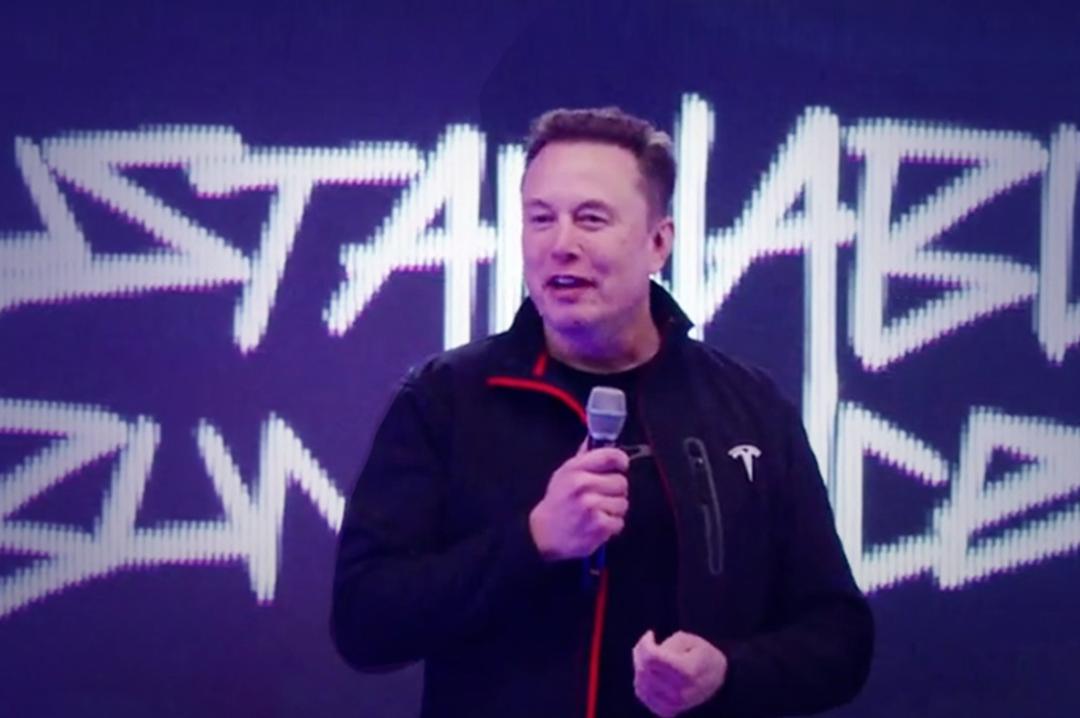
As of now, since neither the market capitalization nor the operating indicators have been achieved, although Musk's compensation on paper in 2025 is as high as $158 billion (valued by market capitalization), he has actually received nothing.
This means that Musk can't "lie back" and receive a salary like a traditional CEO.
He must promote the actual mass production and sales of Optimus and make the "one million units" a reality to unlock his compensation package. The interests of the robot and the founder are completely locked - this is exactly what Tesla's shareholders want to see.
Analysts also emphasize that whether the optimistic prospects for the robot can be realized ultimately depends on Tesla's and Musk's execution ability.
Anyway, this report on Tesla also provides a value reference for companies with a similar route to Tesla.
Domestic players such as XPeng, Li Auto, and Chery are all trying on the route of "using cars as the foundation and robots as the future".
XPeng, which is the most radical in transformation and most similar to Tesla, is also starting to be priced by the capital market using the "sum - of - the - parts valuation method".
In November last year, Morgan Stanley valued XPeng at a total of 368 billion yuan, with more than 80% coming from the automotive business and nearly 90 billion yuan contributed by emerging businesses such as autonomous driving and robots.
The fact that OEMs' valuations are constantly refreshed by the robot story may prove that the capital market has voted with real money and recognized a new trend:
Players who can participate in the next round need to tell the story of physical - world AI first.
This article is from the WeChat official account "Intelligent Vehicle Reference" (ID: AI4Auto), author: Youjuwuche. It is published by 36Kr with authorization.