70% of the people are against AI, and Americans hope the United States loses the artificial intelligence war
"Young man, you shouldn't ask if AI will reshape the world. It definitely will. The question is whether you can participate in and influence the development of AI."
If this speech were delivered at a graduation ceremony for Chinese students, most of them would probably find it quite reasonable. Given the trend of the times, they should indeed embrace AI actively.
However, when American students heard this, they just wanted to beat up the speaker.
I. The Great Unity Against AI
The opening statement was from the speech of Eric Schmidt, the former CEO of Google, at the graduation ceremony of the University of Arizona. After he finished speaking, the students in the audience collectively let out harsh hisses. Every time he mentioned AI later, the students would make a ruckus. The scene was once extremely awkward.
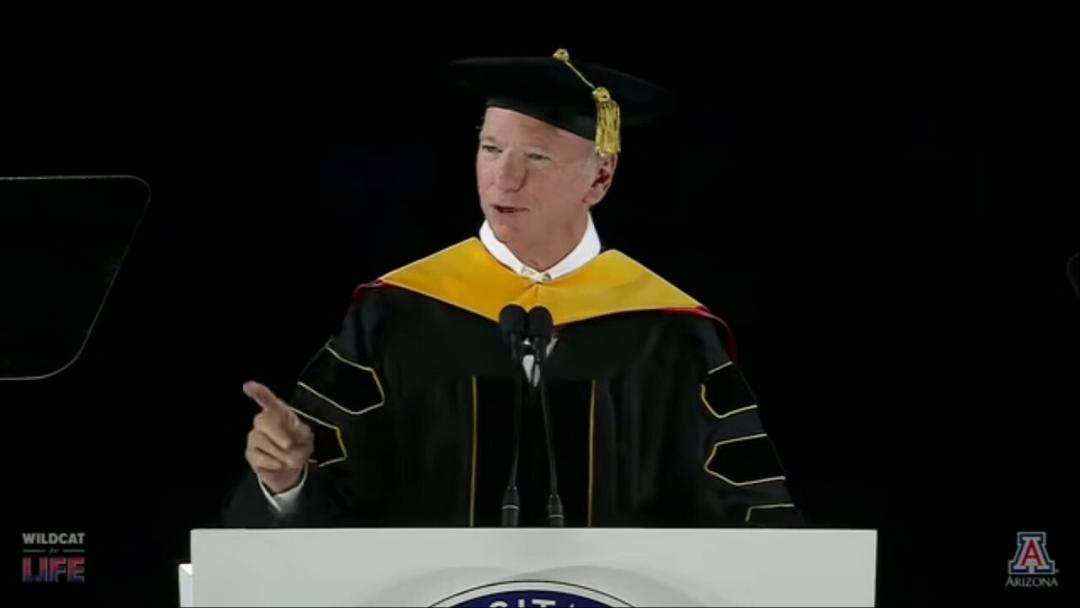
Unsurprisingly, this video was uploaded to the internet. Poor Schmidt suffered secondary harm. On social media platforms like X, a large number of people criticized him, saying that he was extremely evil, that he wanted to be a slave owner, and some even called Schmidt anti - human.
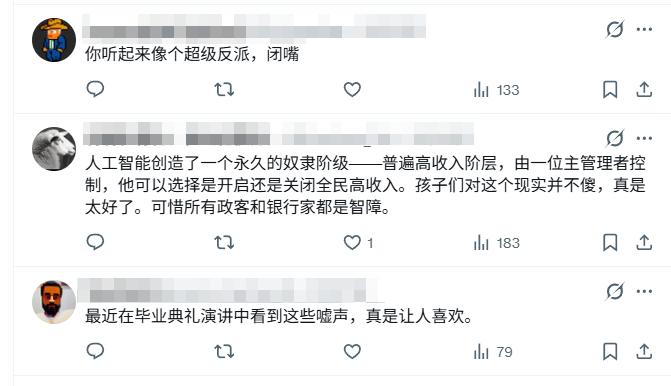
American netizens who like to be sarcastic also posted a lot of mocking pictures, basically implying that as a capitalist, Schmidt wanted to exploit these future workers in the audience.
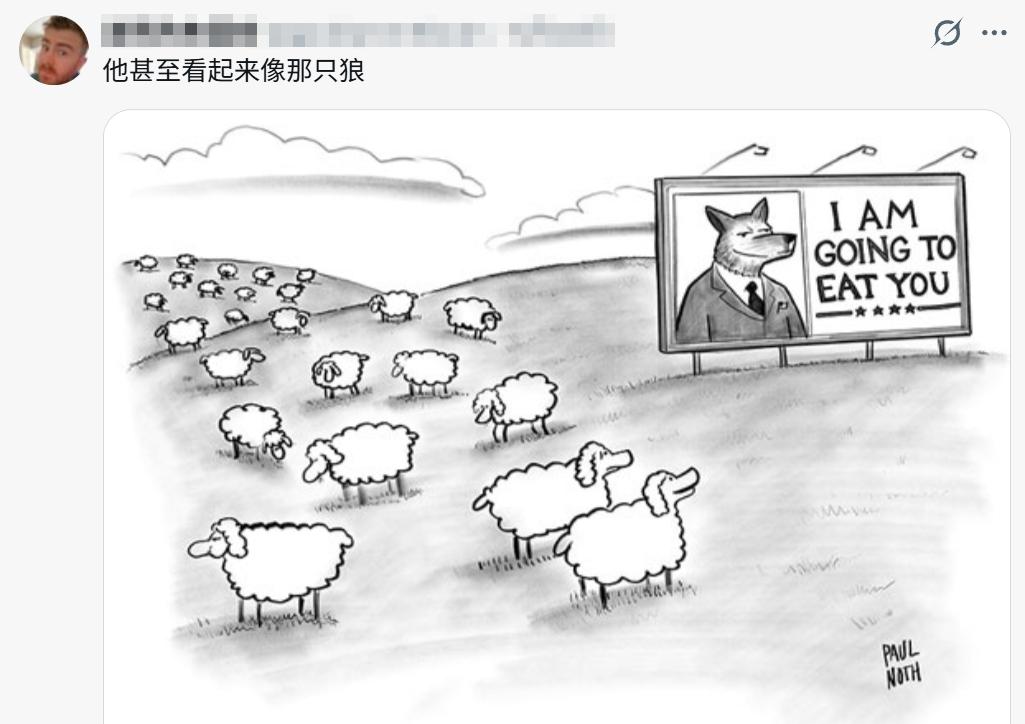
As a tech industry tycoon, talking to young people about the importance of AI, how did it become a heinous crime?
This involves an anti - common - sense thing. Although the United States is one of the countries with the most powerful AI technology, many ordinary people hate this technology from the bottom of their hearts, and the anti - AI sentiment is the strongest in the world.
Yes, you heard it right. A recent large - scale poll by The Economist and YouGov showed that as many as 70% of Americans believe that the current development of AI is "too fast" and that it is necessary to strengthen supervision, carefully analyze projects, and slow down to wait for the people. Moreover, people are becoming more and more pessimistic about the prospects and long - term social impact of AI. The proportion of respondents with a pessimistic attitude is as high as 51%, and 24% are unsure. Only 25% of people are truly optimistic.
Another survey agency, Gallup, revealed a phenomenon that alerted all AI giants in a March poll. Currently, 71% of Americans oppose the construction of AI data centers in their local communities, and 48% strongly oppose it, which is really unpopular. The most humorous thing is that this proportion even exceeds that of those who oppose the construction of nuclear power plants in the local area. Between the risk of a Fukushima - like incident and a data center, people would rather choose the former.

(Gallup)
Americans' aversion and resistance to AI are not just empty talk on the internet. It has now rapidly developed to the real offline stage.
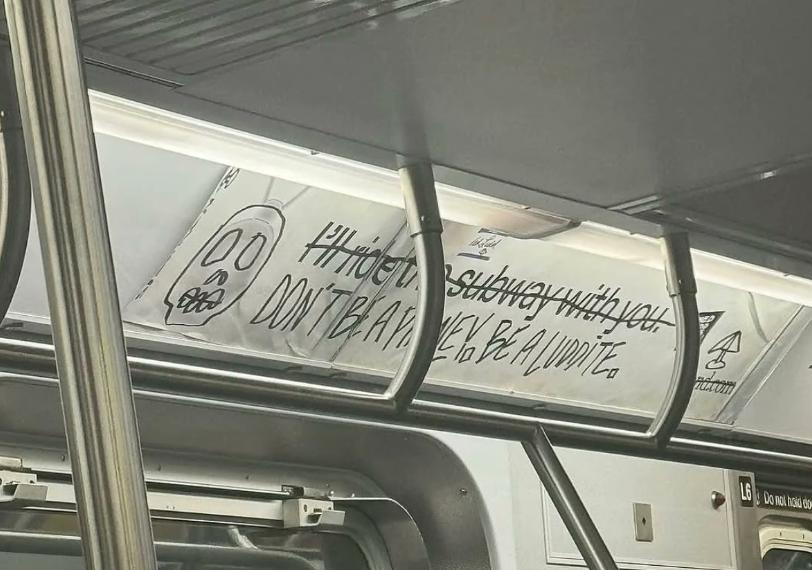
At the end of last year, the American AI startup Friend spent more than one million dollars on large - scale advertisements in the New York subway to promote its wearable AI conversation - companion pendant. However, they soon found that their advertisements were vandalized, with various mocking words written on them. Since the brand is called Friend, opponents simply added a sentence, "AI is not your friend"
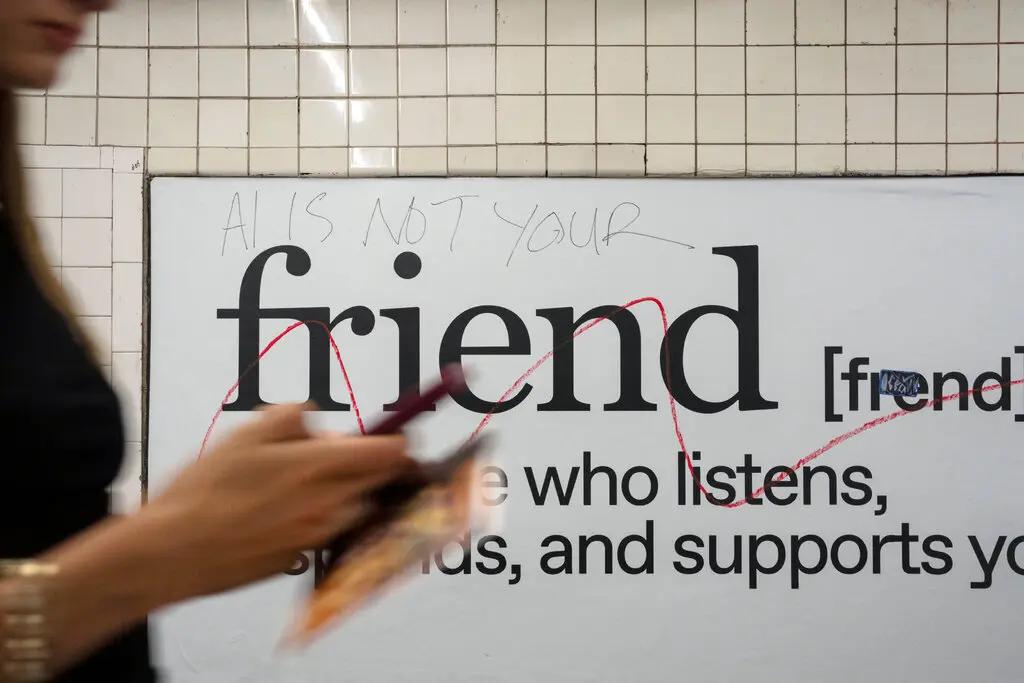
In addition to those who added witty remarks, there were also those who dug out the dark history in a threatening way, writing "AI will advise people to commit suicide" on the ads; some were sarcastic, saying "Your AI friend can't accompany you in the shower. It's not waterproof"; and some just scribbled, directly painting the product pendant into a skull. The very different styles clearly indicate that they were done by different people. The one - million - dollar advertising fee finally turned into an anti - AI message board.
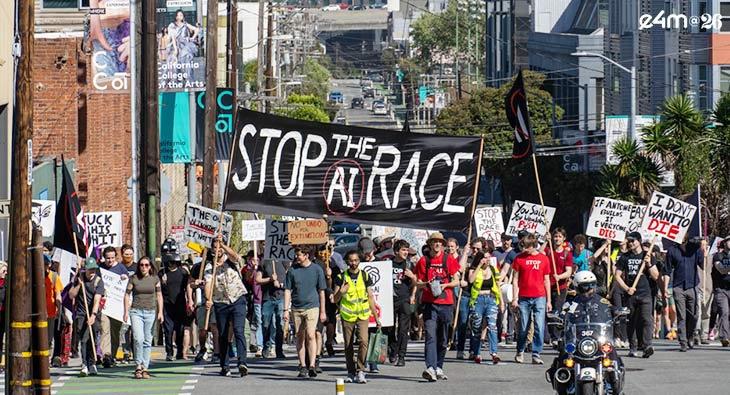
However, Friend is still lucky. At least they weren't severely attacked. Previously, there have been several anti - AI marches and demonstrations in Silicon Valley. Participants held up signs saying "Stop the AI race" and "Put AI on pause" and marched towards the headquarters of these tech companies in a mighty way, causing trouble for them.
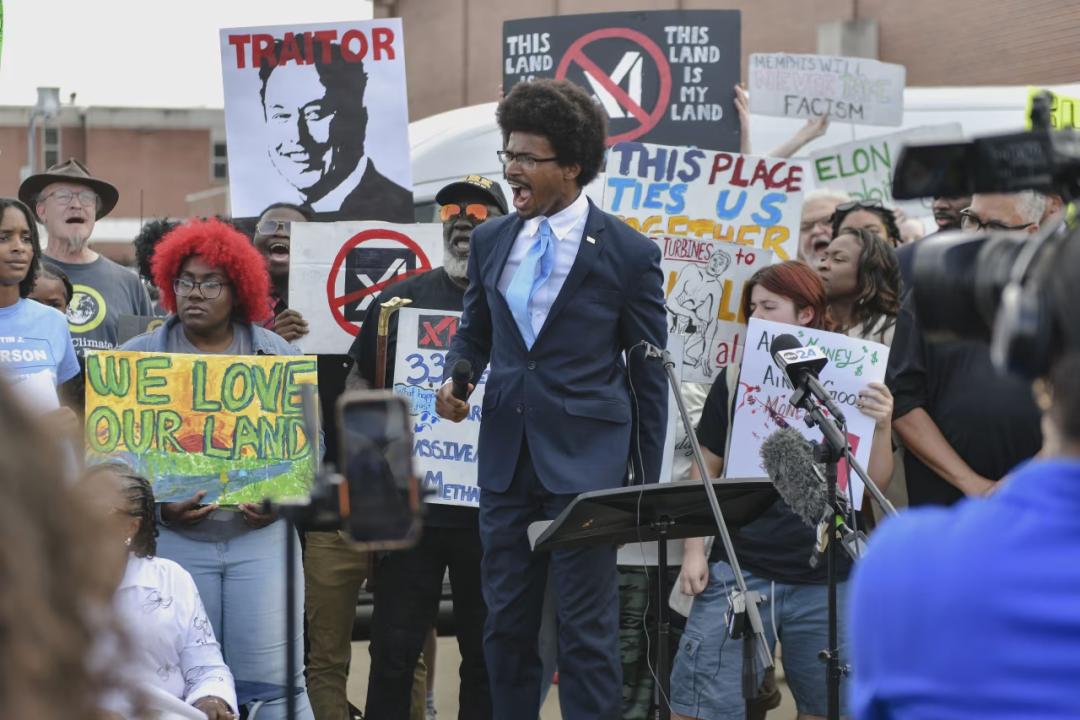
The photos of tycoons like Elon Musk and Sam Altman were also labeled "traitors" and paraded in busy areas, which was very embarrassing.
However, being paraded in public is not the worst thing for these tycoons. In more remote areas, people's resistance to data centers is really a headache.
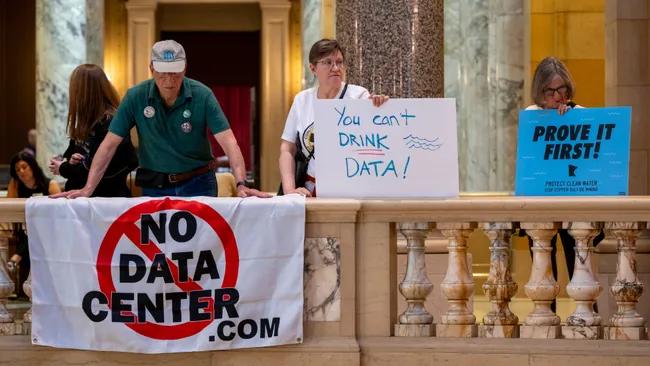
In many states such as Virginia, Pennsylvania, and North Carolina, local residents have obstructed the construction of data centers. They not only held signs in front of local government buildings to put pressure but also continuously harassed the construction sites and workers. Last year, at least 48 data center projects were postponed or cancelled due to local residents' protests, with a total investment of up to 156 billion US dollars. In the first quarter of 2026, a record 20 data center projects were forced to be cancelled for the same reason.
Even if Commissioner Smith in the local area pushed forward the data center project against the pressure, it was not easy. Because the common people would vote him out. In April 2026, in Festus, Missouri, the local people directly voted to remove half of the city council members because the council approved an AI data center project. They are really tough.
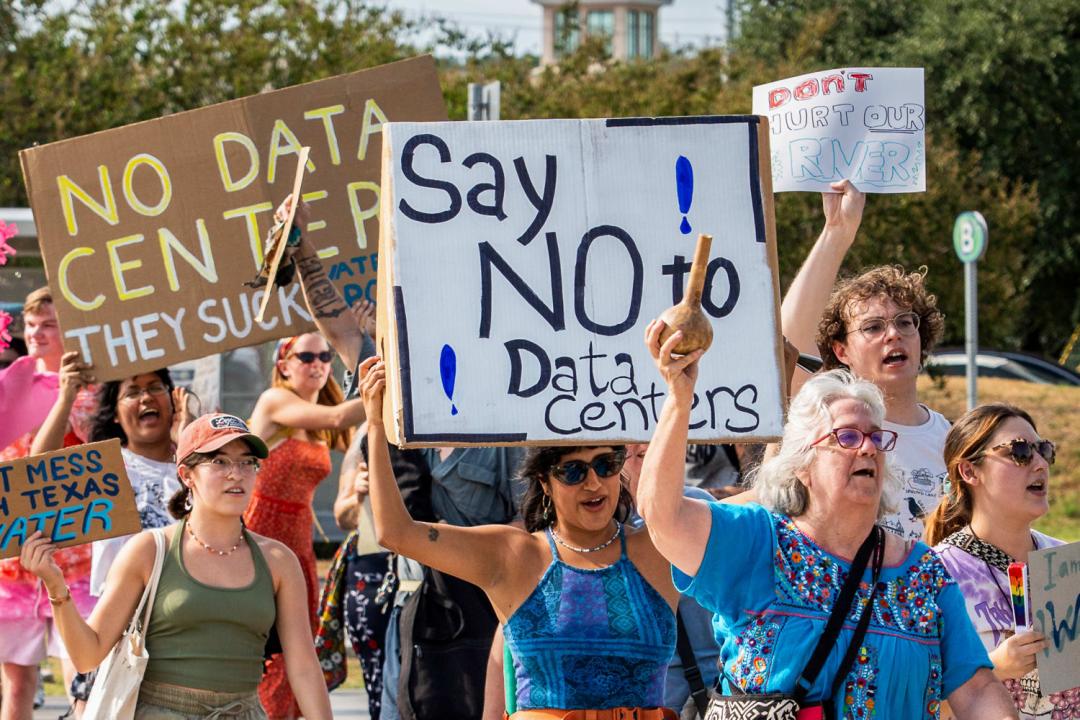
Friends who often use AI should be able to feel that popular large - scale models like Claude and ChatGPT have long faced the problem of insufficient computing power. There are often queues, system crashes, and sometimes users' usage is directly restricted. Even if you pay for a PRO membership, it only increases the limit a little, and you are still far from free output. That's why American tech giants are building data centers everywhere to fill the gap. Now, with the inefficiency of construction parties, shortages of equipment, and residents' resistance, how can they expand computing power?

What worries the American media even more is that the current protests are showing a trend of extremism and are gradually moving towards violence.
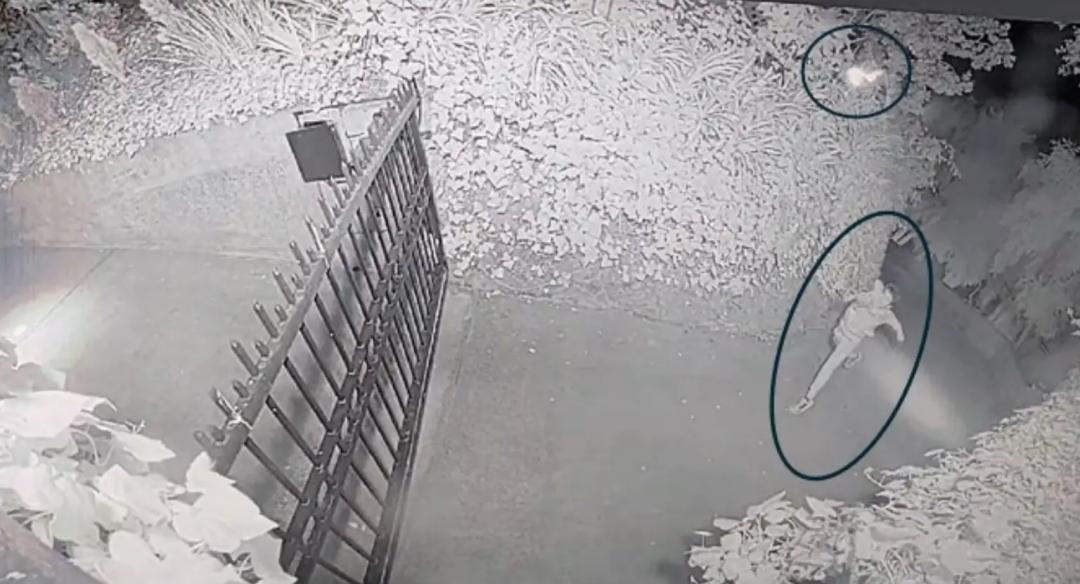
In April this year, there were two security incidents against OpenAI in San Francisco. The private residence of the boss, Sam Altman, was attacked with a Molotov cocktail. Less than an hour later, the attacker appeared outside the OpenAI headquarters and publicly threatened to burn down the building. Fortunately, he was subdued by the police. Altman was really scared and directly showed a photo of his child as a shield, saying, "I don't care what you think of me, but my family is inside!"
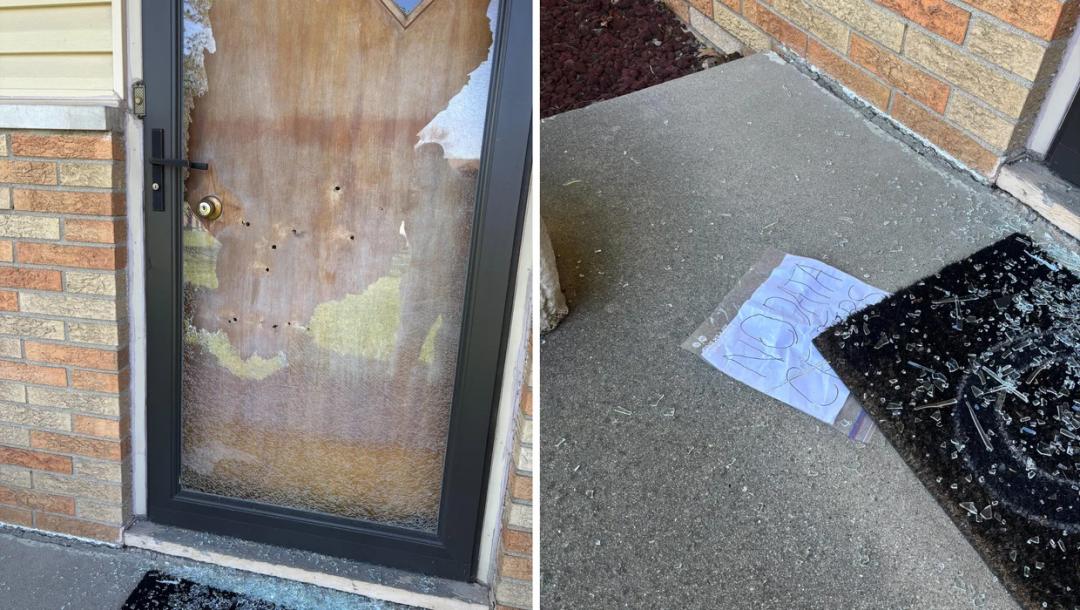
Ron Gibson, a city councilman in Indianapolis, was also targeted. Because he recently approved an AI data center project, he was severely criticized by local residents. His residence was shot at. The suspect fired 13 shots at the front door and left a note under the doormat, which said "No data center".
We usually only pay attention to the development speed of AI in the United States. We never expected that secretly, the hatred for AI has quietly increased and spread rapidly like a wildfire.
II. Ten Thousand Reasons to Hate AI
One of the most important reasons why Americans hate AI is that they are worried that AI will steal their jobs.
Before AI became popular, Americans generally distrusted tech billionaires because they monopolized and manipulated the internet and continuously amassed wealth. Conspiracy theories like Bill Gates using vaccines to control all of humanity and Mark Zuckerberg being a disguise of a lizard person are well - known. Now that these conspiracy theory figures have introduced AI, people instinctively think that they must have ulterior motives. Nearly three - quarters of Americans expect that artificial intelligence will significantly reduce employment opportunities, and about 65% of the public does not believe that the economic benefits created by AI will benefit the whole population. They think it will only make the tycoons richer.
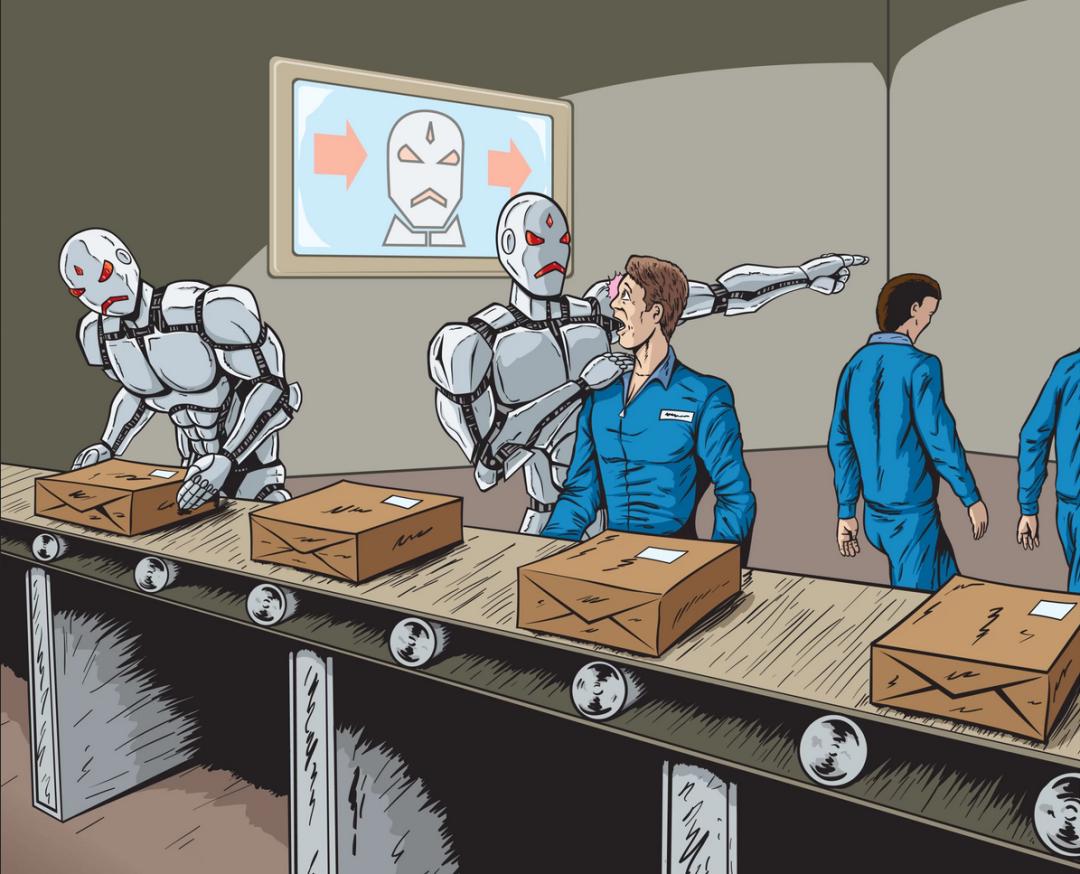
Judging from various layoff news, their speculation is not wrong. For example, after Dell introduced AI, it significantly cut non - technical departments such as sales and laid off 12,500 employees one after another. A business software company, Salesforce, laid off 4,000 customer service employees at once due to AI automation. In 2026, the well - known fintech company Block laid off nearly 40% of its employees. The boss publicly stated that using AI tools can make small teams more efficient, so there is no need to hire so many people.
Hollywood started using AI to write scripts several years ago in an attempt to cut the screenwriters' salaries, which led to a major strike.
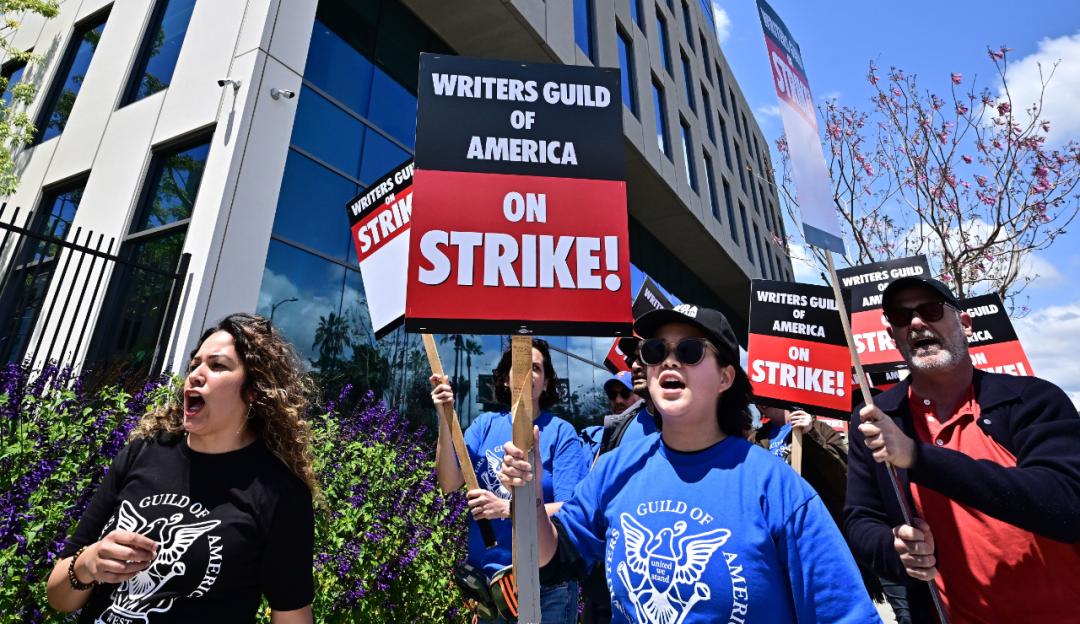
In the eyes of ordinary Americans, the current AI business logic is very cruel. The efficiency improvement it brings reduces job opportunities and achieves so - called cost reduction and efficiency improvement, concentrating wealth in the hands