The protocol that can make iPhone charging more enjoyable has actually made accessory manufacturers happier first.
While Tony was surfing the internet for topics the other day, he found a blogger posting about a charging plug that boasted a so - called "40W AVS protocol fast - charging exclusive to iPhone 17".
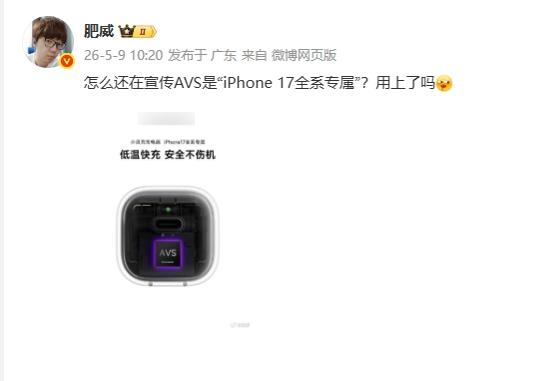
Well... Let's not discuss whether this 40W fast - charging configuration can actually improve the charging speed of the iPhone. What really caught the blogger's and Tony's attention was the big "AVS" logo in the picture.
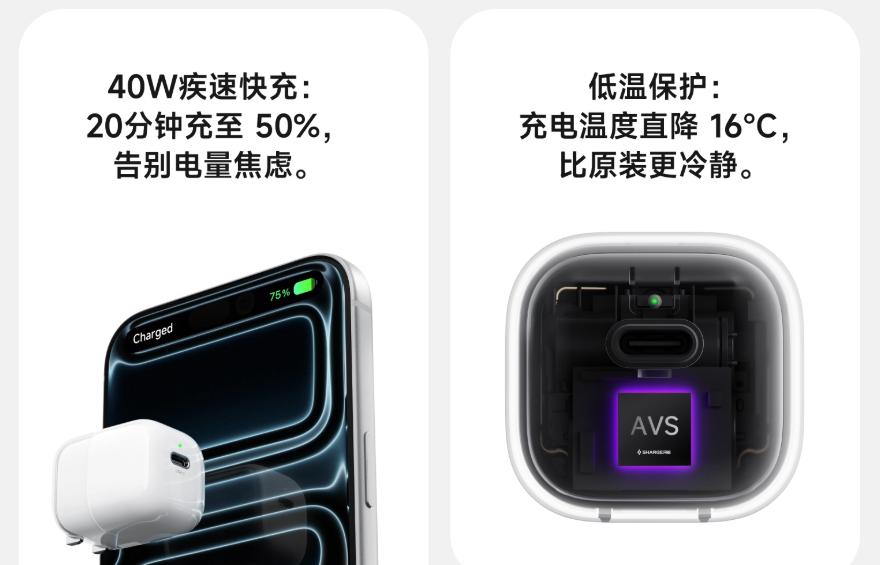
If you're an ordinary consumer, at first glance, you might think, "Is this a new thing that can charge the iPhone 17 better and faster? What a great deal!"
But for someone like Tony, who is well - versed in digital products, the first reaction upon seeing this promotional picture is : Here we go again?
Actually, AVS is just a gimmick used by manufacturers to promote their charging plugs. It won't change the charging performance of your iPhone 17.
It's true that the AVS protocol related to charging is led by Apple, and Apple is also the most active in terms of adaptation. There's nothing wrong with that.
The problem is, the iPhone 17 series doesn't support the AVS protocol at all. It's useless if only the charging plug supports it...
So, there's no connection between a charging plug that supports the AVS protocol and safe, stable, and fast charging for your iPhone. You can use the most common PD charging plug to charge your iPhone without any worries.
Well, this article could end here. Congratulations to everyone for not being scammed. See you next time!
Just kidding. Of course, it won't end like this. We haven't explained what AVS is yet...
If you're still confused about what the AVS protocol is, Tony will take this opportunity to talk about Apple's charging protocols.
Actually, AVS is a fast - charging protocol based on PD. Its full name is Adjustable Voltage Supply. AVS is a new feature introduced in the USB - PD 3.1 specification.
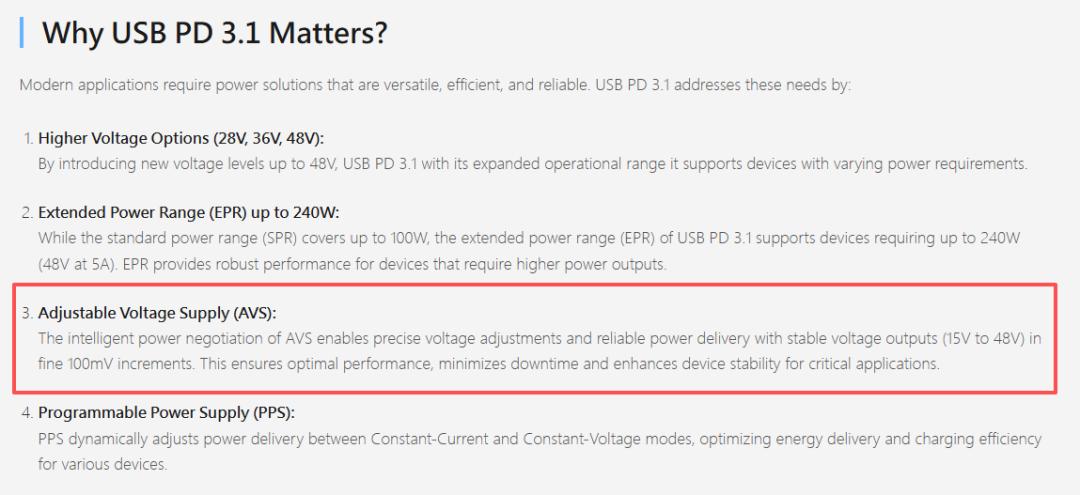
It's a globally - recognized industry standard jointly developed by the USB - IF Association, whose members include tech giants like Apple.

The biggest feature of AVS is that it can alleviate the power loss and heat generation problems caused by voltage mismatch during the charging of electronic products.
For example, when you charge your laptop, in the traditional PD protocol, the supported power levels are limited, such as 10V, 15V, and 20V.
But if the voltage your laptop needs for charging falls between two levels, say 16.5V, then sorry, you'll have to convert the voltage twice for matching.
There's nothing wrong with this, but it will lead to energy loss during the conversion process and heat generation in the device, right?
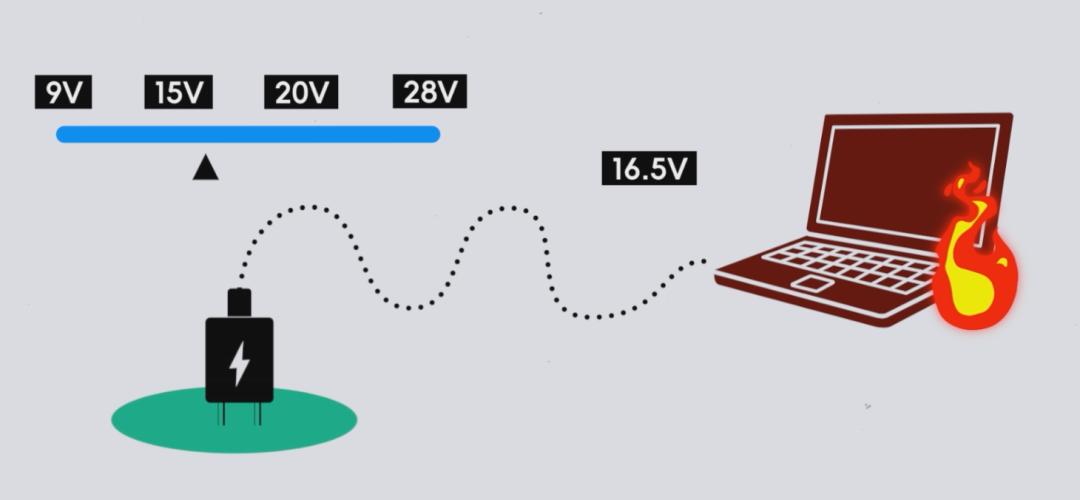
After the emergence of AVS, the voltage can be subdivided into units of 100mV, allowing the charger to output a precise and fixed voltage level.
The charger can adjust the voltage according to the needs of your laptop. This reduces unnecessary voltage conversion and also decreases heat generation.
The first device to use the AVS protocol was Apple's 16 - inch MacBook Pro released in 2021. It was the first to commercially use the USB - PD 3.1 protocol and support 140W fast - charging at 28V 5A.
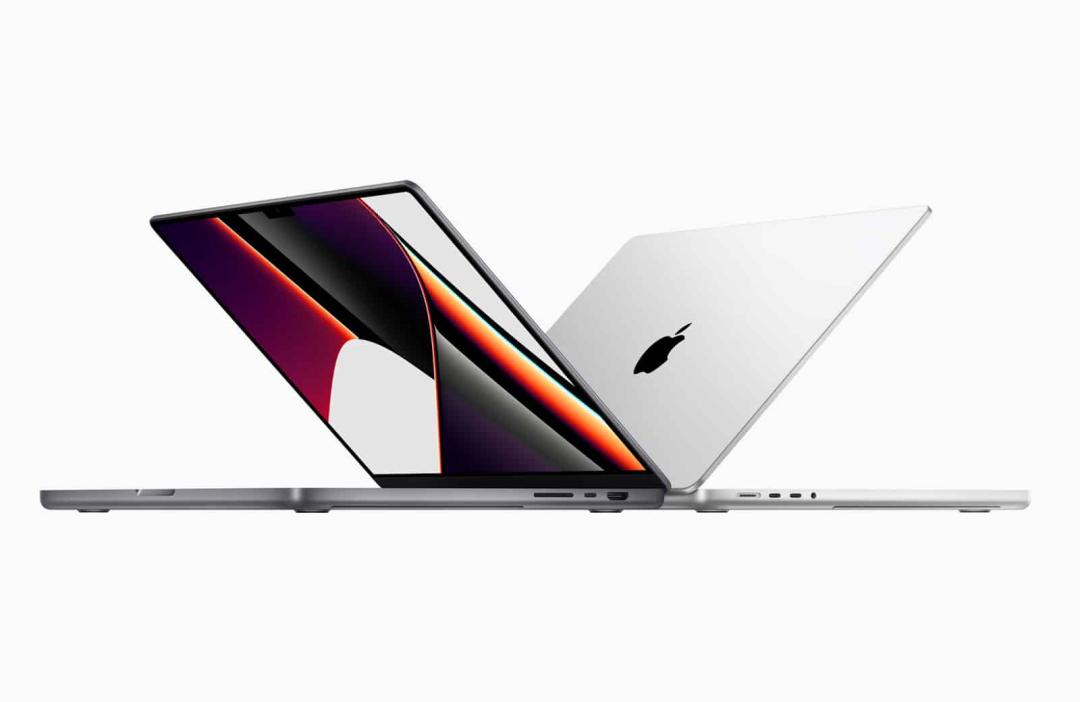
The reason Apple introduced AVS in laptops first is that the AVS adjustment in PD 3.1 is limited to the EPR range, which is from 15V to 48V. It mainly targets the 140W charging scenario above 20V. Phones don't need such high voltage.
In the PD 3.2 protocol, SPR AVS was introduced, which refers to the range from 9V to 20V.
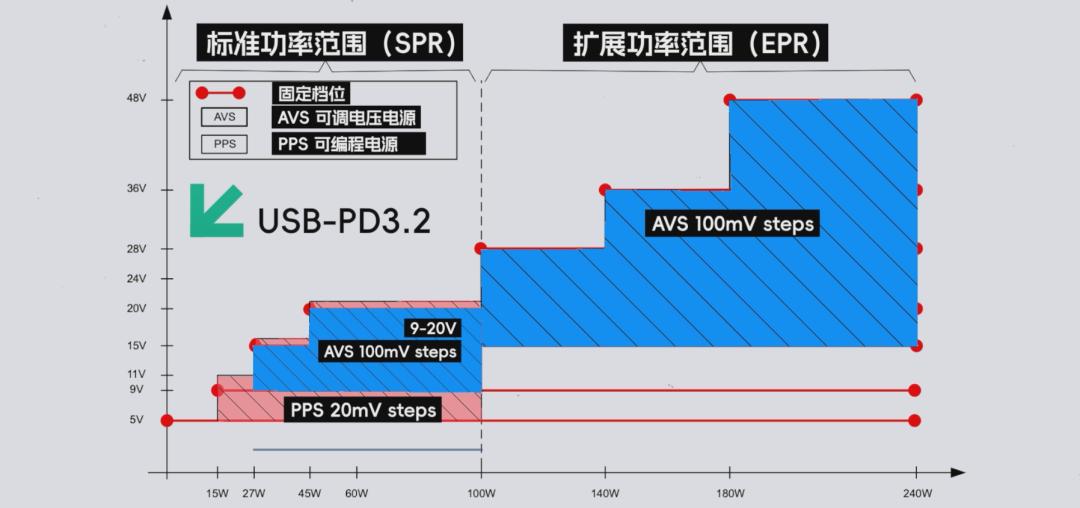
This voltage is much lower than before. It unifies the EPR and SPR protocols, and the charging power falls within the range suitable for phones.
Last year, Apple quietly released a new charging plug on its official website. It has an unprecedented power of 40W and is specifically described as a dynamic power adapter.
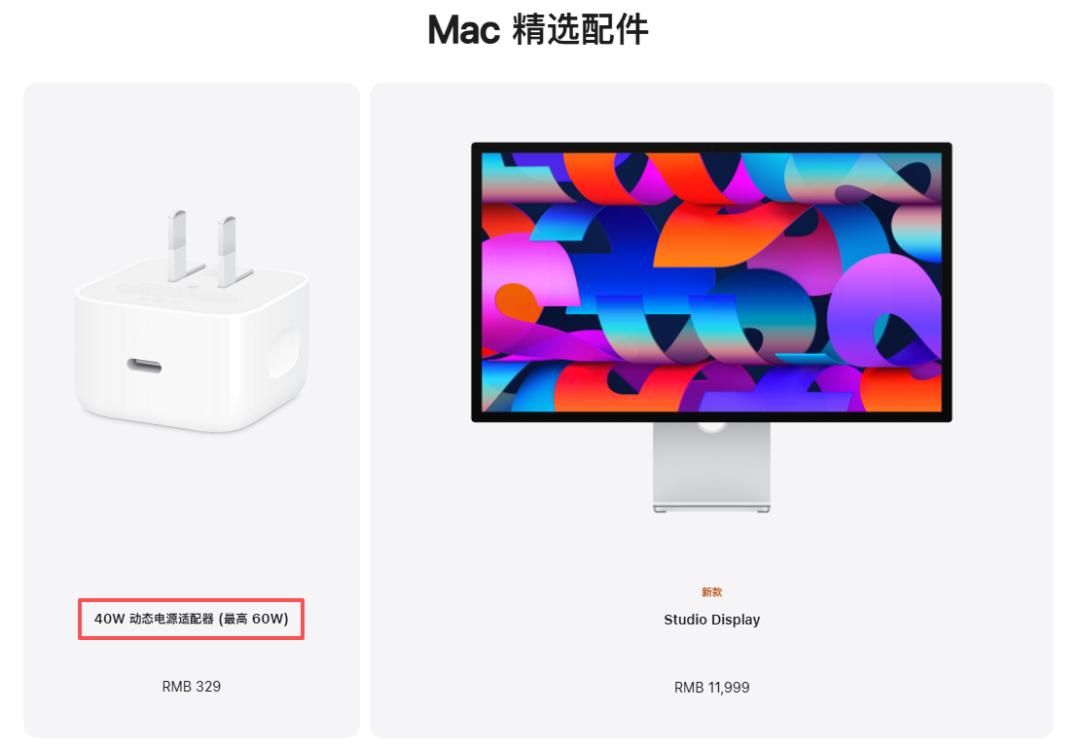
Many people didn't notice it because it was placed in the Mac accessory list instead of the iPhone accessory list.
By now, you should understand. The truth is, Apple has indeed actively promoted the implementation of the AVS protocol and developed a new charging plug. Both iPhones and MacBooks can enjoy faster charging speeds and lower conversion losses. Apple ecosystem users must be thrilled.
But the problem is, although the charging plug supports AVS, the iPhone 17 doesn't support it yet...
Actually, when the iPhone 17 was just released, we published articles and videos specifically about AVS.

At that time, we speculated that AVS might be Apple's long - term strategy. Maybe one day, with an OTA update for the iPhone 17, users could happily share an AVS charging plug with their Macs.
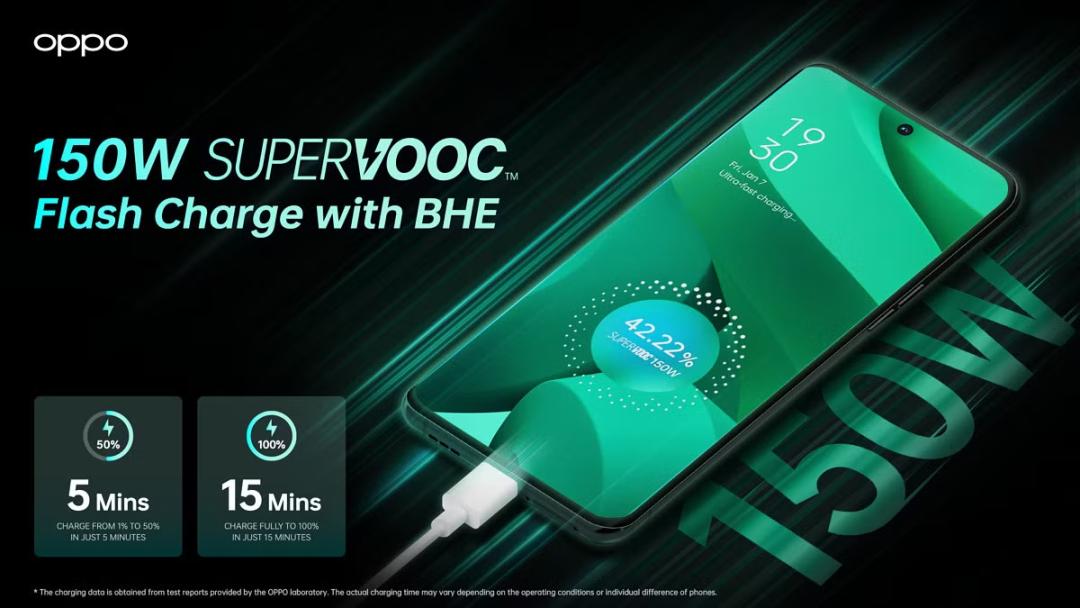
However, the reality proves that we were too naive. So far, phone charging mainly goes in three directions. The first is that domestic brands use their own proprietary protocols, such as OPPO's SuperVOOC and vivo's FlashCharge.
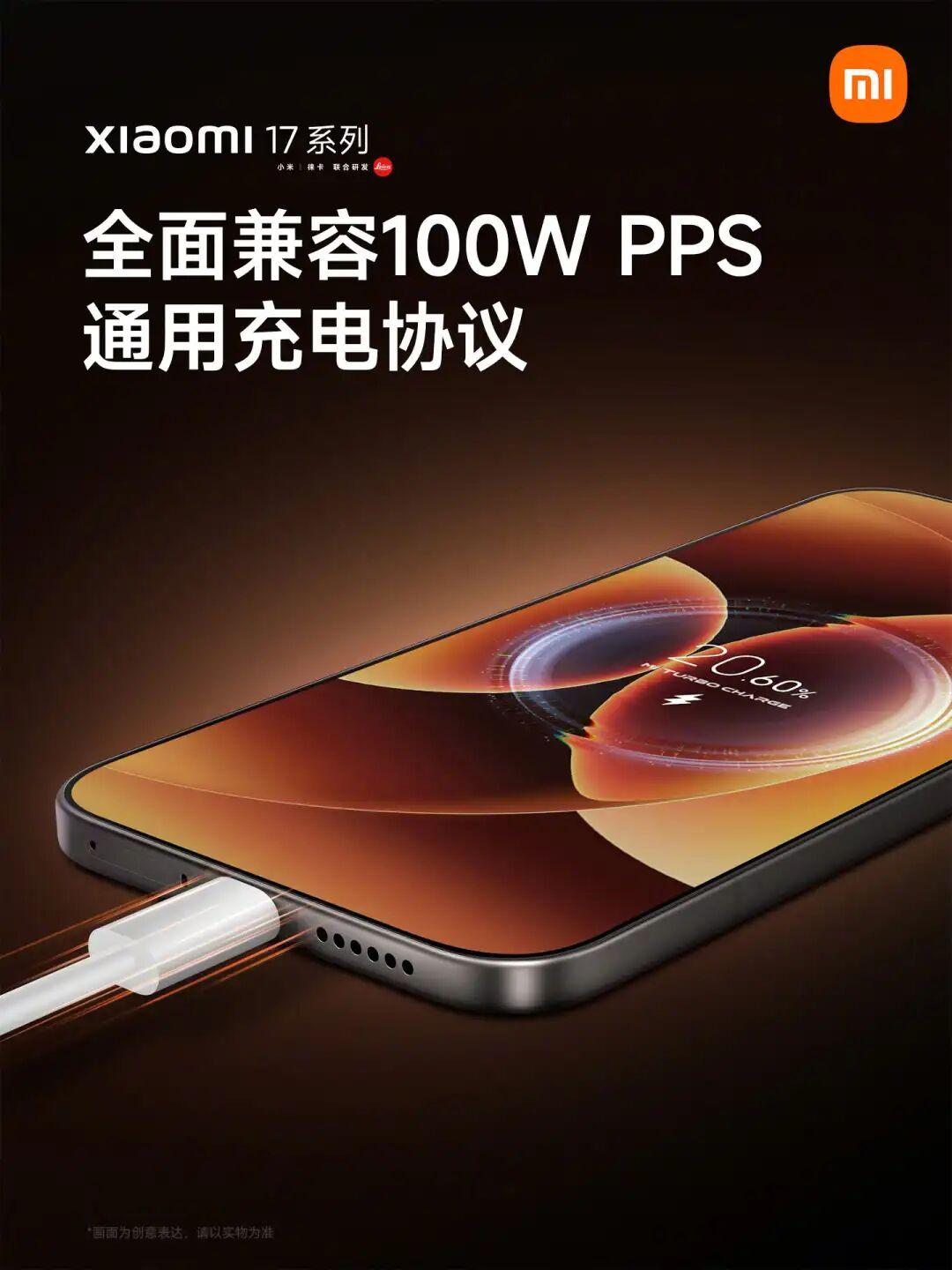
The second is to join the PPS family. Mainstream domestic phone brands have actively adapted to the PPS protocol in recent years. This ensures a power of about 40W even if the phone and the charging plug are not from the same brand.
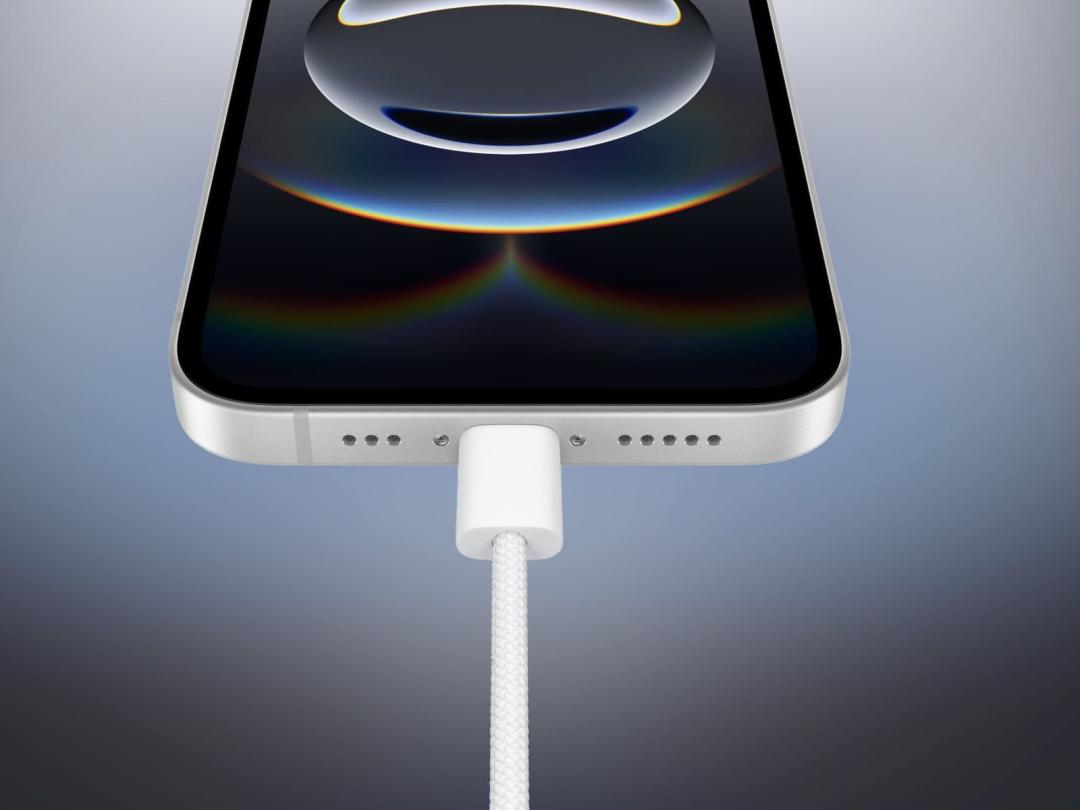
The third is that iPhones still follow the old PD path, with slow charging speed and no fancy features.
So, in the end, AVS is not an exclusive protocol, and there's no real exclusive charging plug for the iPhone 17. It's just a gimmick from manufacturers, and there won't be any change in the charging of your iPhone.
AVS is indeed a charging protocol that Apple currently favors, but they haven't promoted it very actively.
Moreover, if the iPhone 17 were really adapted to AVS, shouldn't we be the first to know?
So, if you're buying a so - called "iPhone 17 exclusive charging plug", it's not necessary. All charging plugs are the same. There won't be any so - called "cyber isolation" just because of a protocol that hasn't been implemented on the phone.
You can just use different charging plugs interchangeably. It's not a big deal...
Source
MacRumors - 'iPhone 17 Air' is Step Towards Slimmer iPhones Without USB - C Ports
FSP - USB PD 3.1: Power Delivery Tailored for Modern Applications
Xiaomi, OPPO, Apple
ChaPingX.PIN
This article is from the WeChat official account “ChaPingX.PIN”. Author: Baiwei, Editor: Miro. Republished by 36Kr with authorization.