The World Cup has changed. How can Xiaohongshu dissolve this big IP?
This week, with half a month to go before the start of the tournament, Xiaohongshu officially announced that it has become the licensed broadcaster for the 2026 FIFA World Cup jointly hosted by the United States, Canada, and Mexico. It has obtained the rights from CCTV for live broadcasts, replays, and secondary creation of short - videos for all 104 matches.
Collaborations between major IPs and social media platforms are not new. The IP holders gain high - value copyright fees and distribution channels, while the platforms acquire exclusive content, traffic, and topic popularity. In the long run, it may also drive the growth of specific content categories and relevant user groups.
One of Xiaohongshu's goals this time, as stated by its community leader Palu, is "an opportunity to further expand the user base and diversify the community users". In simpler terms, Xiaohongshu hopes to attract professional sports enthusiasts and male users, who are relatively scarce on the platform, to take a step towards becoming a more mainstream community and to strive for a new peak of over 200 million daily active users (DAU).
Xiaohongshu's previous community growth has always been closely related to the growth opportunities of several vertical categories. Currently, sports and general sports activities, including rock climbing, marathons, off - road sports, and various new urban sports that were popular before, are also on the rise in terms of user participation and brand investment, which presents an opportunity for Xiaohongshu.

However, whether Xiaohongshu can effectively take on the "World Cup" IP needs to be analyzed within the framework of "the evolution of the World Cup's copyright value" and "how a decentralized content community can integrate top - tier IPs". This is related to the commercial value and developability of the IP itself, and also poses challenges to the platform's comprehensive operational capabilities.
Xiaohongshu has already taken some obvious operational actions, such as inviting Ma Ning, the only Chinese referee for this World Cup, as a KOL, inviting professional and internet - savvy figures like Fan Zhiyi and Xie Hui to provide full - time commentary, and extending cooperation invitations to brands.
Overall, Xiaohongshu's efforts to take on this year's World Cup have both advantages and challenges. The high copyright cost is not the only factor in evaluating the success of the growth effect.
How is the consumption mode of the World Cup IP changing?
The way the 2026 World Cup interacts with Chinese fans is quite different from previous editions.
The time difference is the most direct influencing factor.
Most of this year's matches are scheduled between 3:00 am and 9:00 am Beijing time. This means that a large number of viewers find it difficult to watch the live broadcasts on time and participate in discussions. It is also difficult for businesses to organize offline viewing and marketing activities. As a result, the scene of nationwide discussions and celebrations is hard to reproduce. This is one of the reasons why the World Cup atmosphere is not strongly felt in people's daily lives so far.
The way audiences participate in major sports events has also been changing, and the proportion of people watching matches on social media has increased significantly.
Since the previous World Cup, more audiences have watched matches through social media. In 2022, official data from FIFA showed that in the Chinese market, the total viewing time on streaming digital platforms (121 million hours) had historically exceeded that on traditional linear TV (94 million hours). This is an advantage for social media platforms like Xiaohongshu to take on the World Cup.
Overseas, TikTok has become the first "preferred platform partner" for FIFA 2026. It has been evaluated by overseas media that this decision marks FIFA's "new approach to fan engagement, traffic monetization, and even the future layout of the entire business model". It also confirms a reality that sports industry practitioners, broadcasters, and sponsors have to face: in an environment where audiences' attention is increasingly fragmented and content distribution relies more on algorithmic recommendations, "the commercial value of an IP increasingly depends on user interaction rather than just traditional broadcast time".
However, due to factors such as media changes and the transformation of information dissemination methods, the influence of the World Cup and the football IP itself is being diluted, and its ability to create new attractions is declining.
FIFA President Gianni Infantino said in 2022 that "football must actively compete with video games, short - videos, and streaming media for the attention of young people, otherwise it will risk losing a generation." Around that time, he strongly promoted reforms such as expanding the World Cup to 48 teams, expanding the FIFA Club World Cup, and developing the FIFA+ streaming platform.
This World Cup is jointly hosted by three countries for the first time, and the price negotiation for the broadcasting rights in some regions has been difficult, which are direct manifestations of the changing influence of the IP.
Moreover, since Messi and Ronaldo, there has not been a new global - dominant superstar in the football world - top - tier players are a shortcut to draw casual viewers into World Cup discussions. This year, Messi is 41 and Ronaldo is 39. It is difficult for them to play a full game as starters, and it seems more like a farewell performance for them in the World Cup.
Although there are new - generation representatives like Kylian Mbappé and Erling Haaland, their influence is far from that of Messi and Ronaldo at their peaks. Ronaldo once had the highest number of followers on Instagram (and may still hold that position today), with 660 million followers. The total number of registered Instagram users is about 3 billion. Messi has over 500 million followers, while Mbappé has around 130 million.
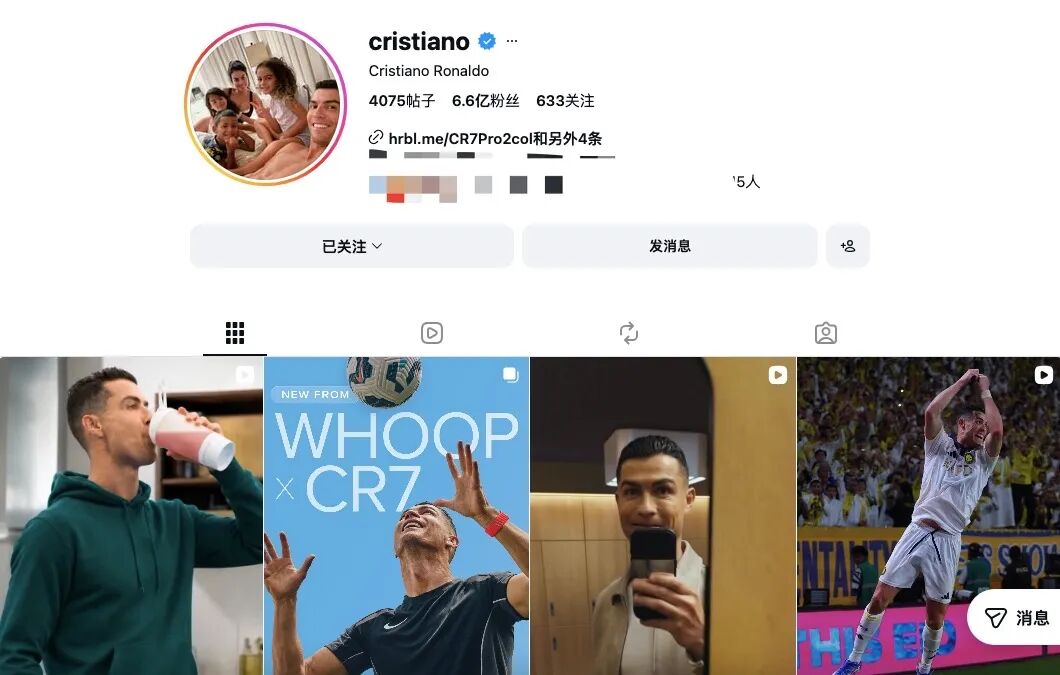
Of course, the absence of superstars is not only a phenomenon in football. In the NBA, there is no longer a Kobe Bryant or LeBron James, and in the tennis world, there is no new Andre Agassi or Roger Federer.
This is related to many factors. One of them is the increasing decentralization of information dissemination due to media changes, which has also led to the fragmentation of audiences' attention. In the era of traditional radio and television, all football fans saw the same group of players. The globalization of Messi and Ronaldo resonated with the globalization of the mobile Internet. However, now, "globalization" is retreating in multiple dimensions.
Nevertheless, the World Cup remains a top - tier international IP, and its influence can be further activated through a series of operations. Formula 1 is a typical example - the vitality of all IPs, especially top - tier ones, is the result of comprehensive operations.
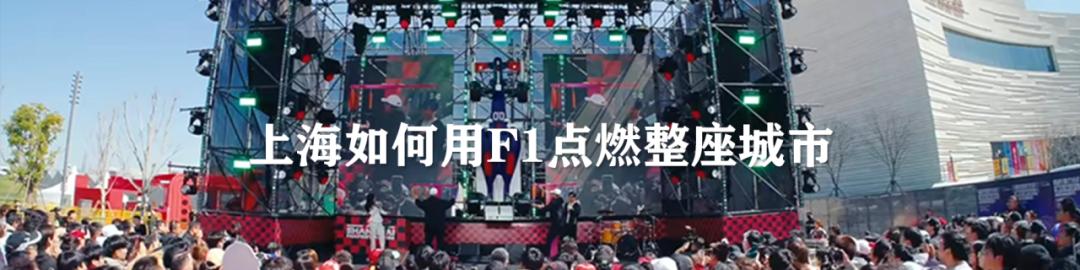
Of course, the World Cup is more difficult to operate than Formula 1. Formula 1 is a highly commercialized sport with more flexible hosting methods, team and driver identities. Most of its sponsors are from the technology and luxury sectors, which are naturally suitable for lifestyle - oriented promotion on platforms like Xiaohongshu.
In contrast, the World Cup has a longer history and more fixed rules. The participating entities are national teams - essentially a "limited - time group" that only appears once every four years. There is less room for flexible operation, and it is difficult to continuously track and accumulate data. For example, it is difficult to persuade the dressing rooms of each national team to open their doors to the documentary teams of a streaming platform to capture and broadcast the most dramatic scenes.
Dissolving a top - tier IP is a major test for the community
Given the above - mentioned comprehensive factors, Xiaohongshu, as the copyright holder, has natural advantages in taking on the World Cup. However, it still needs to pass several tests.
In terms of advantages, the copyright means exclusive access to scarce and certain content. Here, the scarce content not only refers to real - time live broadcasts but also includes the fact that for creators and brands to create live - stream clips and secondary content, only posting on Xiaohongshu will not result in restricted traffic or violation penalties. Other platforms can only participate in the event through methods such as commentary, reactions, and text - accompanied slide shows.
However, the traffic characteristics of large - scale sports IPs have a double - edged nature: they have both "high instantaneous appeal" and "high perishability".
According to data from the social media platform X, during major matches, sports - related content can instantly attract more than 58% of the real - time discussions across the network. However, it is obvious that the traffic drops sharply once the match ends.
This means that if a platform wants to handle this kind of traffic, first, it needs to be able to instantly detonate hot topics during the matches while maintaining a good community atmosphere; second, the content on the community should be rich and deep enough, and the platform should find the integration point between the major IP and the community to convert the event - related traffic into users' long - term loyalty to the platform and increase the daily active users not only during the matches. Essentially, it tests how the community can integrate a major sports IP.
Specifically for taking on this World Cup, Xiaohongshu first needs to ensure the stability of its servers.
The World Cup has higher requirements for live - stream stutter rate, picture quality stability, and the company's overall real - time response ability than most of Xiaohongshu's previous projects. The peak traffic of the Spring Festival Gala is concentrated in one night, and the Olympic Games have multiple events spread out. However, during the World Cup, especially during penalty shoot - outs in the knockout stage, a large amount of concurrent traffic often floods in instantly.
Second, it needs to have a stronger ability to respond to real - time hot topics.
The difficulty here is that Xiaohongshu is good at decentralized traffic distribution, with slow - fermenting and long - tailed content. However, World Cup hot topics need to be instantly detonated. Once there is a highlight moment (such as a wonder goal, a controversial red card, or an upset), users need to quickly see the highlights, secondary creations, and popular comments. The platform needs to do a good job in content distribution and continuously stimulate users' enthusiasm for discussion. Of course, it also needs to pay attention to the fact that real - time discussions around competitive sports often contain a lot of emotional venting content, and Xiaohongshu needs to balance traffic, topic popularity, and the original community atmosphere.
Referring to vertical sports communities and previous Internet communication experiences, the detonation of hot topics highly depends on the concentration and creative enthusiasm of core football fans (commentators, KOLs, etc.). They are the original driving force for topic fermentation and the key nodes in information dissemination.
Migu became well - known for the first time through commentary clips when Wang Meng said "My eyes are the ruler" during the Winter Olympics. Xiaohongshu has already invited Ma Ning, Fan Zhiyi, and some football commentators, but a simple search for "World Cup" on the platform shows that the number of invited people is not large enough and the invitation is not systematic. However, as the matches start, more creators are likely to join the platform due to the copyright and other factors.
What attracts professional football fans to a community is the professional information related to the event. Many football fans visit platforms like Dongqiudi, Hupu, and Tencent Sports frequently during the matches because these platforms have comprehensive and timely data and facts, including the schedule, scores, player and team backgrounds, and exciting details. A large number of discussions on these platforms are carried out directly in the match sections following the timeline.
TikTok has defined its role in this World Cup as a "content discovery engine". To this end, TikTok has launched a dedicated 2026 World Cup comprehensive section, integrating match highlights, original stories by creators, ticketing, and viewing guides. FIFA has also launched a special creator program with TikTok, forming a reporting team of 30 creators from 11 countries around the world, who can access press conferences, team training camps, and other areas to capture first - hand peripheral materials. In terms of commercialization, traditional copyright sales are combined with the social media advertising model - broadcasters can directly monetize through TikTok's advertising system.
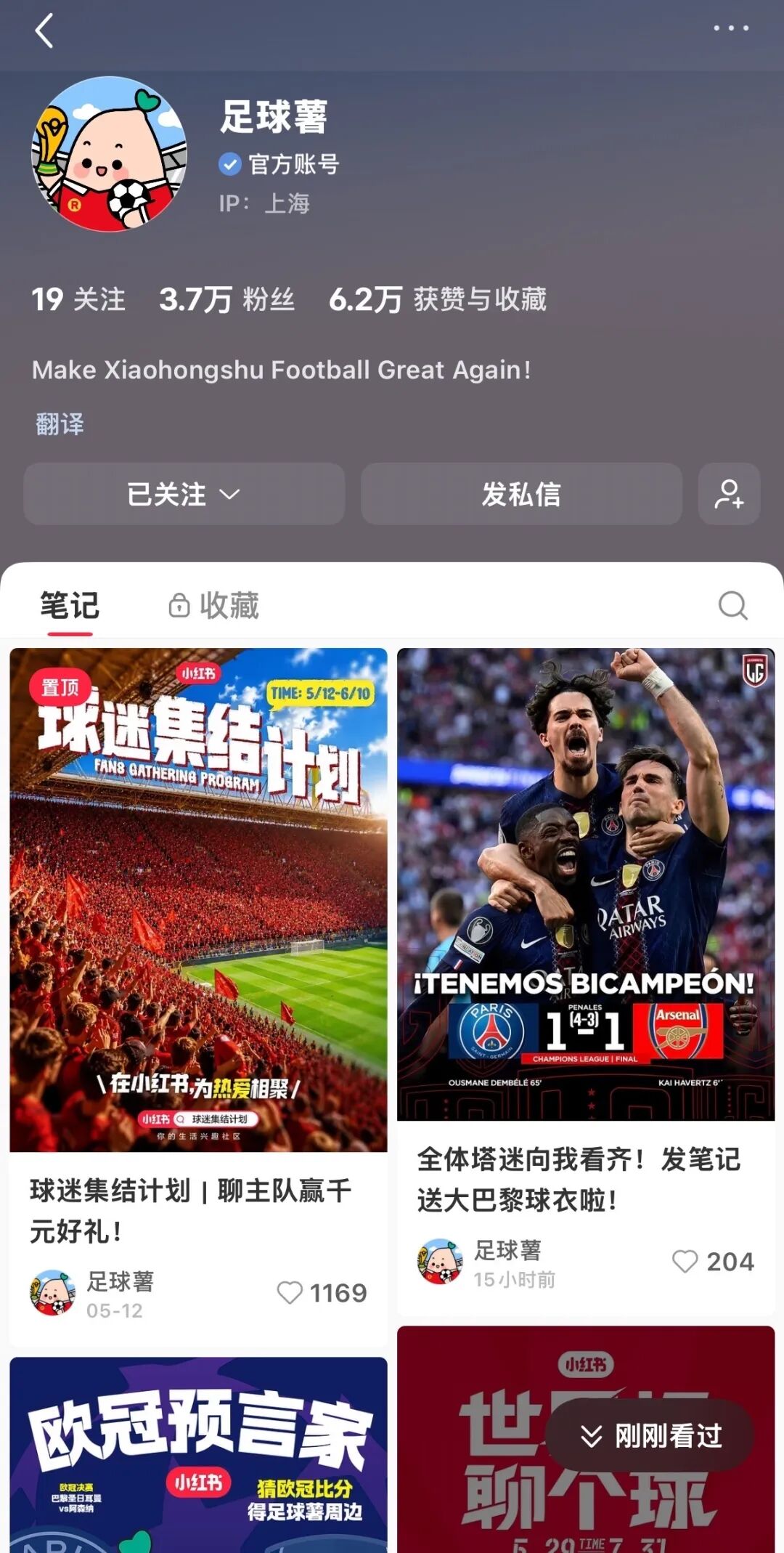
Third, how to continuously develop the advantages of a lifestyle - interest community and find the integration point between the major IP and the general public - this is where Xiaohongshu can truly show its differentiation.
During major sports events, non - professional football fans are often more attracted to various off - field information, including on - site outfits, personal characteristics, coach - player relationships, and cultural and geographical information. This is an area where Xiaohongshu excels - the popularity of the China Open and Formula 1 on Xiaohongshu has proven its ability in this regard. This is also an area that all social media platforms will not miss.
In the traditional viewing context, scarce content usually refers to the matches themselves. However, in the social media context, the content supply outside of live broadcasts is extremely rich. There are various secondary creations around live broadcasts, and content distribution is dominated by algorithms. Both copyright holders and platforms are trying to maximize the advantages of social media in mobilizing PGC and UGC for content production and dissemination.
Ultimately, the core test of Xiaohongshu's ability to take on the World Cup lies in community expansion. It depends on whether Xiaohongshu can absorb vertical sports communities through the World Cup.
After all, the core logic of community expansion is to continuously grow and absorb new vertical communities. Looking at Xiaohongshu's DAU growth history, we can see that growth is sustainable only when external opportunities are truly transformed into a strong category within the community. Xiaohongshu's DAU has steadily exceeded 100 million, and its MAU is steadily approaching 200 million, which is related to the emergence of general lifestyle categories such as home decor and outdoor activities during the special period from 2020 - 2022.
Currently, sports are indeed a new vertical category that Xiaohongshu can target.
First, the appeal of football and basketball to the younger generation is declining. New sports such as e - sports, tennis, off - road sports, Formula 1, and rock climbing, which are popular among young people, have not been well integrated into traditional communities. In addition, the activity of traditional football - and basketball - centered sports vertical communities has been affected. In fact, the domestic sports vertical community is currently lacking a leading platform. After Hupu failed to go public twice, it was acquired by Thunder at a low price, and Dongqiudi sold its live - broadcast copyright business in 2024, with its traffic also shrinking.
On the contrary, because these new sports are more lifestyle - oriented and commercialized, and the public's participation in them is not purely for competitive appreciation, they have more in common with communities like Xiaohongshu.
However, Xiaohongshu is no longer the "niche" community with a DAU of only 40 million before 2020. Its DAU is approaching 170 million, and its MAU is about 400 million. In recent years, it has been actively expanding into vertical categories such as games, anime, entertainment, and sports. However, it is much more difficult to expand and maintain the community atmosphere than before. After the cooperation with the Spring Festival Gala in 2024, the user retention rate did not meet expectations, which also affected people's expectations for Xiaohongshu's popularization.
From a data perspective, the growth challenges for Xiaohongshu in the future are: whether its MAU (which reflects the degree of popularization) can be further increased through category expansion; how to increase the growth rate of DAU to break through the 200 - million mark;