Do driverless cars break down when encountering water? Waymo conducts a large-scale recall and suspends Robotaxi services in multiple cities
It's already 2026, yet the self-driving car Waymo still can't handle flooded roads?!
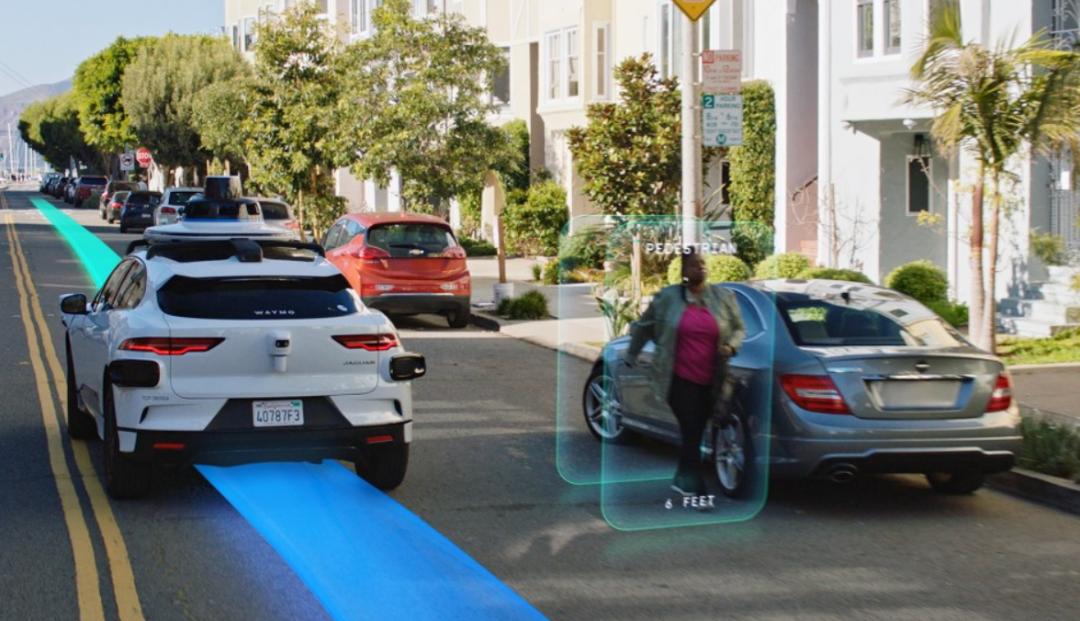
Recently, there have been frequent heavy rains, and Waymo has had another new accident. A self-driving car drove into a severely flooded road that was impassable, causing the vehicle to get stuck and come to a halt.
Moreover, within just one month, this is already the second operational accident caused by waterlogging for Waymo:
In April this year, Waymo was reported to have driven into a flooded lane. Since the water flow was much stronger than what the system had judged, the vehicle was eventually washed away by the stream.
After the incident, Waymo admitted that there were defects in its software and carried out a large-scale recall. It restricted the vehicle's driving in specific time periods and areas through geofencing.
However, judging from the current situation, this temporary measure only treats the symptoms, not the root cause. The waterlogging problem remains a "chronic illness" for this self-driving car company.
Waymo Encounters Trouble in Water and Suspends Operations in Multiple Cities
The incident happened recently when a heavy rain suddenly hit Atlanta, USA.
An unoccupied Waymo self-driving car drove into a severely flooded and impassable road section that day. It was stuck for about an hour before being towed away.
Waymo officially explained afterwards that the storm came suddenly. Before the local meteorological bureau officially issued a flash flood warning, some roads had already started to accumulate water.
That is to say, the Waymo fleet still currently relies on official weather alerts to decide whether to avoid deep water areas.
This explanation actually reveals a key dependence in Waymo's system design: external information input.
What's even more worrying is that this is already the second operational accident caused by waterlogging for Waymo recently.
On April 20th this year, in San Antonio, USA, another Waymo self-driving car was trapped in extreme weather. Fortunately, there were no passengers in the car at that time.
Investigation documents show that although the system had detected water on the road, the vehicle still continued to move forward at a low speed and was eventually washed into the stream.
At that time, this accident quickly caught the attention of the traffic department.
In mid-May, Waymo submitted a voluntary recall application to the National Highway Traffic Safety Administration (NHTSA) in the United States, involving 3,791 vehicles equipped with the fifth - and sixth - generation autonomous driving systems.
The reason given for the recall was software defects, which might cause the vehicle to drive into an impassable section at a low speed even after detecting waterlogging.
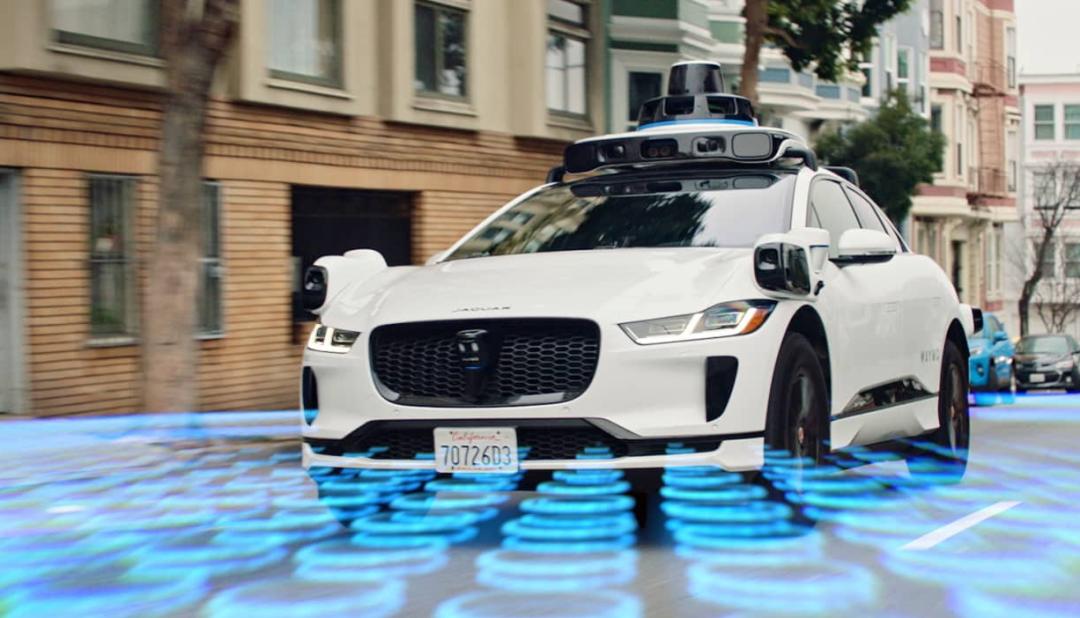
At the same time, the company also admitted that it has not fully developed a final solution to identify and avoid flooded areas.
Therefore, Waymo can only temporarily push a temporary software update through OTA, restricting the vehicle's driving in specific time periods and areas through geofencing.
However, it now seems that this temporary measure is more like a stop - gap solution that only treats the symptoms, not the root cause.
So after the new accident, Waymo decided to suspend operations in cities such as Atlanta, Austin, Dallas, and Houston, and at the same time suspend highway services in four cities: San Francisco, Los Angeles, Phoenix, and Miami.
The company explained externally that this was to update the software to improve the vehicle's performance around construction areas and flooded roads, and services would be gradually restored after the update was completed.
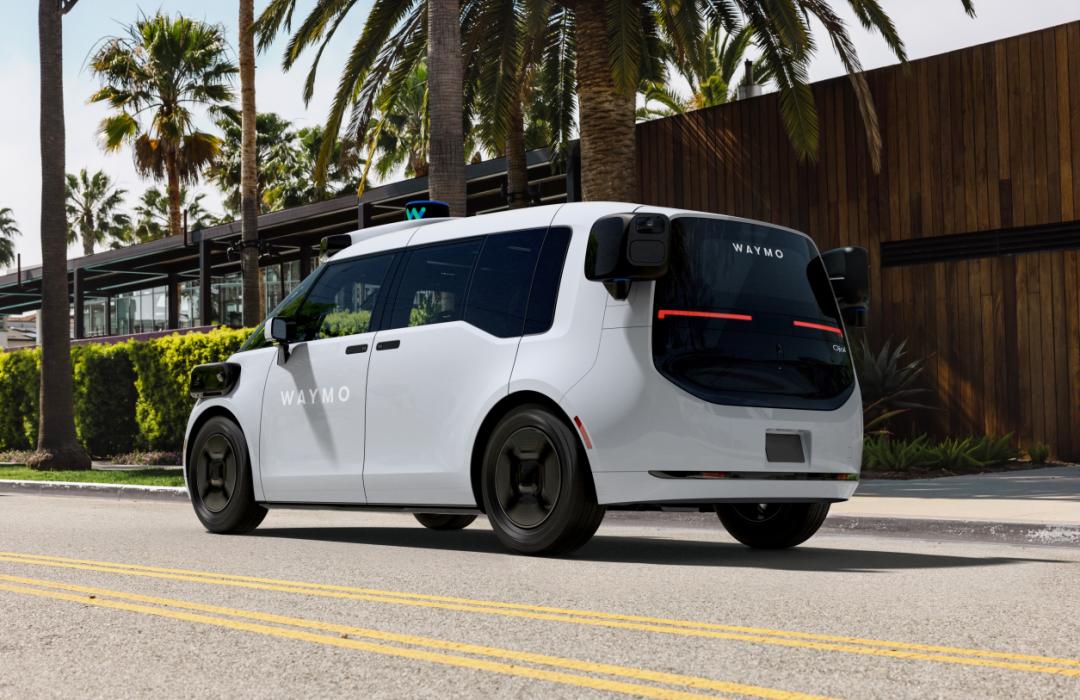
It is not common in Waymo's history to actively stop the paid services that have already been launched. Although this suspension only affects some cities and some road sections, it has a real impact on the order volume and user experience.
This may, to some extent, indicate that the waterlogging problem cannot be quickly solved through remote patches, and all vehicles must be stopped for an upgrade.
So, why does Waymo keep stumbling in puddles? From a technical perspective, there may be two core reasons:
Firstly, there are challenges at the perception level.
Water surfaces have unique physical properties. When the pulses emitted by lidar encounter water surfaces, some are absorbed and some are specularly reflected, resulting in sparse or distorted point - cloud data.
In heavy rain, cameras not only have limited visibility, but the reflection from the water surface can also cause overexposure or identification confusion.
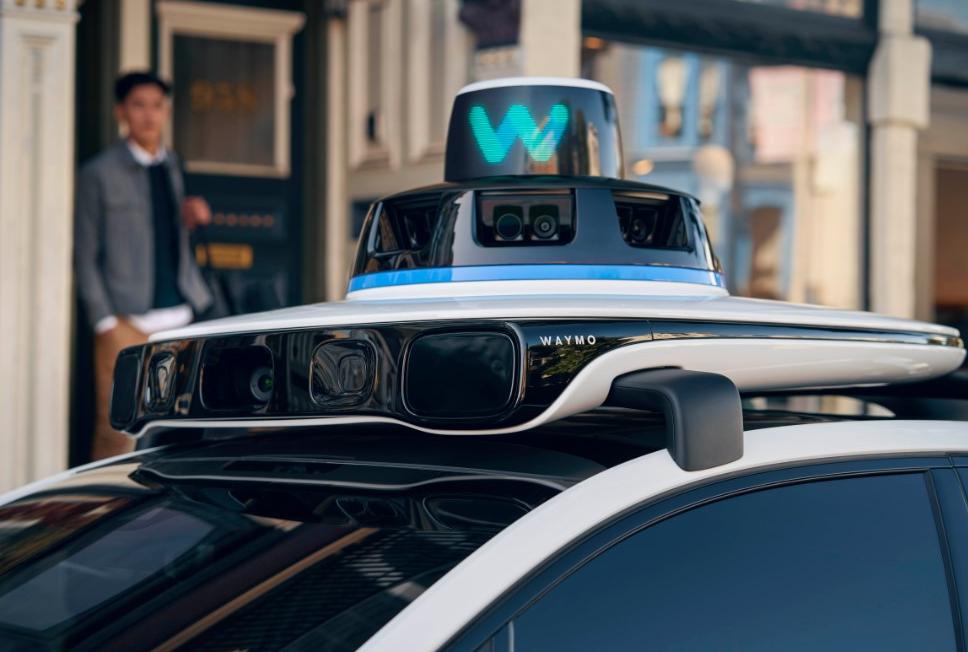
The multi - sensor fusion algorithm used by Waymo needs to combine multi - dimensional information such as real - time water depth, water flow speed, and vehicle passability, which places extremely high requirements on the system's perception ability.
Secondly, Waymo's system is overly dependent on pre - settings.
Waymo's self - driving system is essentially a rule - driven system, trained based on a large amount of driving data.
Engineers will first write tens of thousands of rules - such as "drive within the speed limit" or "brake when there is an obstacle ahead" - and then the vehicle matches these rules on the road.
This method works well in 90% of scenarios, but the remaining 10% - the so - called "long - tail scenarios" - are often where things are most likely to go wrong.
Flooded roads are a typical example. At least for now, there is no single rule that can cover all wading situations:
How deep does the water need to be to be considered dangerous? How fast does the water flow need to be to be considered dangerous? Is the road surface flat or pitted? These variables cannot be exhaustively covered by fixed rules.
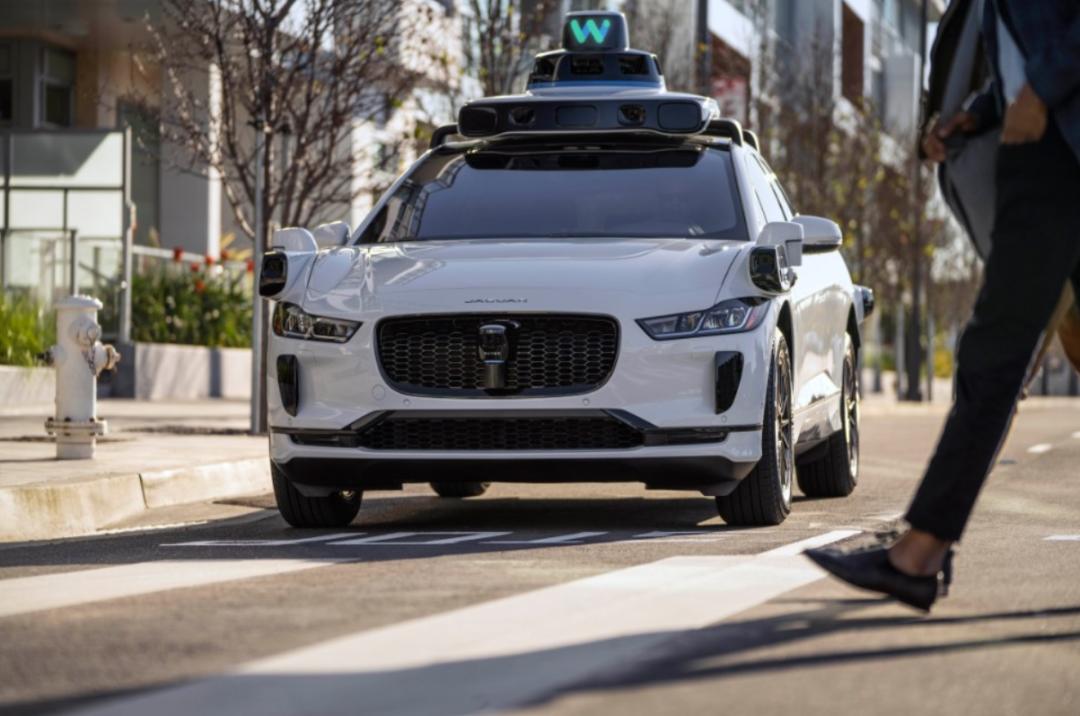
When relying on preset rules and high - precision maps on a daily basis, in known high - risk flooded areas, self - driving cars can avoid risks by updating map data and setting operational restrictions.
However, when extreme weather suddenly occurs - such as the accident in Atlanta - this defense mechanism based on rules and external information may fail.
So, how to enable the system to have "common - sense judgment" similar to that of a human driver is the real challenge currently faced by Waymo engineers.
Meanwhile, on the other hand, Tesla, which is also promoting Robotaxi operations, has been found to be getting smarter quietly.
"Veteran Driver" Tesla Learns to Slow Down When Detecting Police Cars
Regarding imitating the subtle and unwritten rules in human driving, Tesla's FSD is getting better and better at it.
Recently, some car owners have found that when FSD detects a police car on the median strip of the highway, it will actively adjust its driving behavior:
The car was originally speeding at 77 miles per hour (the speed limit is 70 miles per hour).
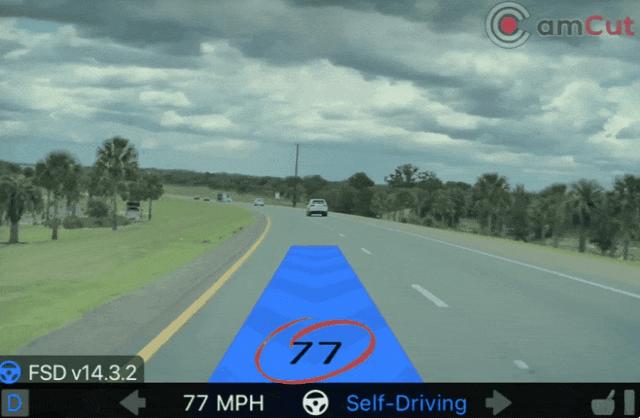
But after detecting the police car, the system actively slowed down and changed lanes, and seamlessly merged into the surrounding slower traffic, successfully avoiding attracting the attention of the police officer.
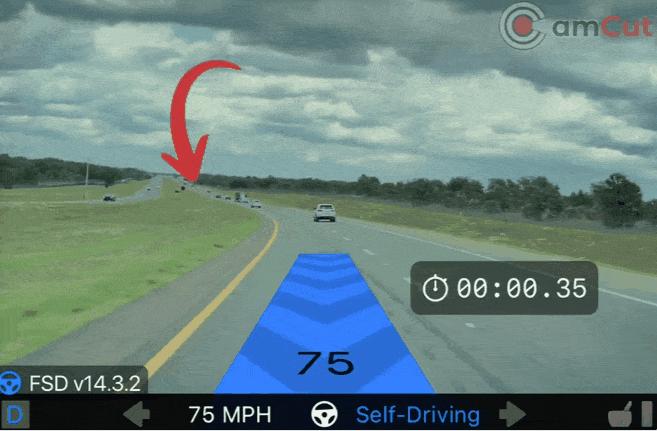
Well, this driving technique... it looks so much like that of a human "veteran driver".
This function for dealing with emergency vehicles has been mentioned many times by Tesla in previous software updates.
In October 2025, Tesla clearly stated in the FSD version update that it had added the ability to handle emergency vehicles (such as police cars, fire trucks, and ambulances) by pulling over or yielding.
In the recently pushed FSD V14.3.3 version, Tesla added a special recognition module for special vehicles such as ambulances and school buses.
According to feedback from some test car owners, when the system detects such vehicles, it will activate an avoidance strategy about 300 meters ahead -
Calculated at a speed of 50 kilometers per hour on urban roads, 300 meters takes about 20 seconds, which gives the vehicle enough time to change lanes, slow down, or pull over.
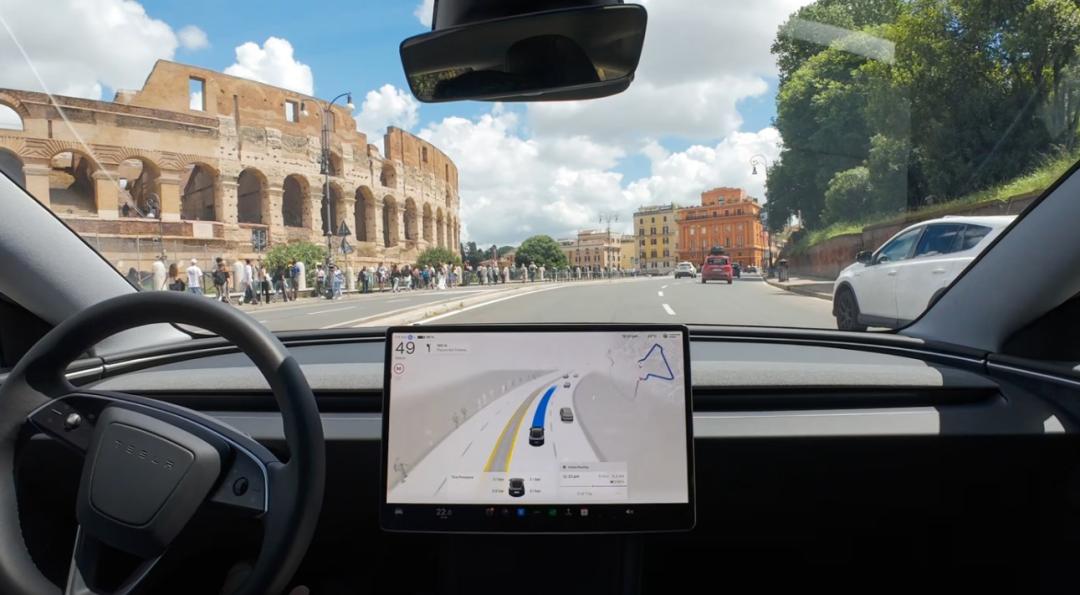
Comparing the two, it actually brings us back to the debate between the two technical routes represented by Waymo and Tesla, which is essentially a divergence between two engineering philosophies.
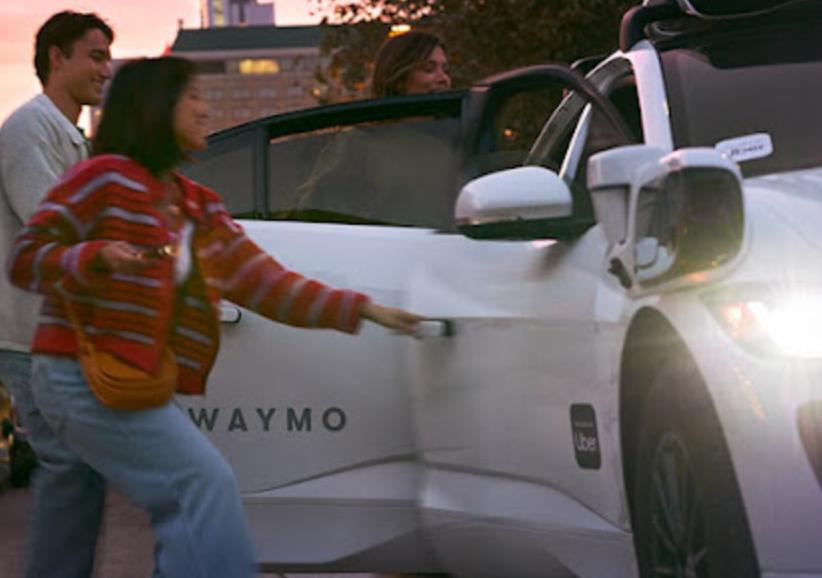
Waymo represents the "top - down design" approach. This approach believes that autonomous driving is a systematic project that can be decomposed, designed, and verified, and directly aims for L4/L5 - level full - self - driving.
Engineers will define each module of the system, including perception, positioning, prediction, planning, and control. Each module has a clear functional definition and performance indicators, and through careful design and strict testing, it is finally integrated into a reliable system.
This route relies on high - precision maps and multiple sensors. Simply put, it scans the road in advance, uses multiple sensors to ensure no omissions, and then confines the vehicle with a large number of rules.
Its advantage lies in controllability. The system's behavior is predictable and explainable. In areas covered by the map, the vehicle's positioning is extremely accurate, and safety is guaranteed.
When an accident occurs, engineers can trace the problem to a specific module and carry out targeted repairs.
However, the cost of the "top - down design" is complexity. The driving scenarios in the real world are almost infinite. When the system encounters an un - designed scenario, it may behave rigidly or even fail.
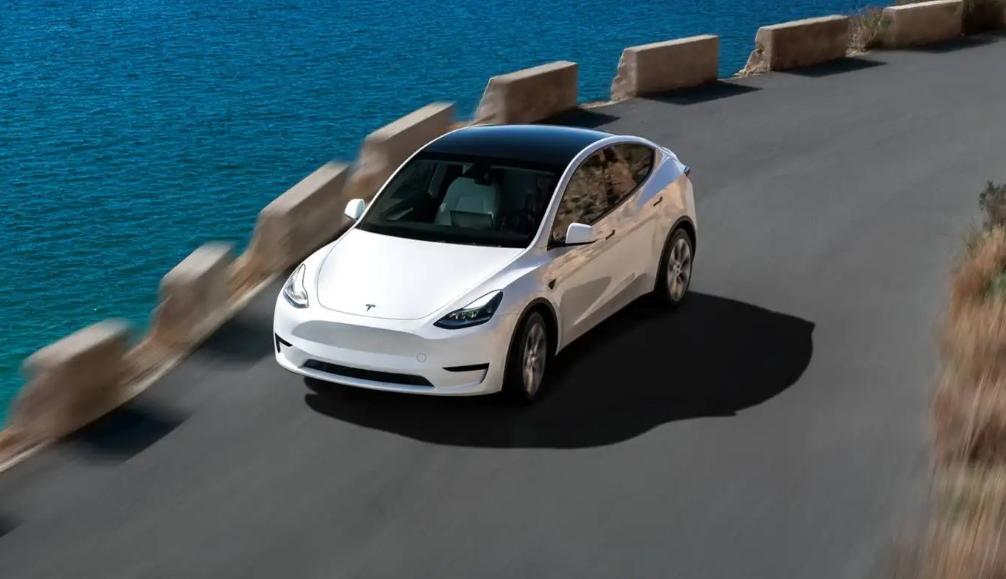
Tesla takes a gradual approach, starting from L2. It collects data through a large number of user vehicles and continuously iterates using an end - to - end neural network to ultimately achieve L4/L5 - level autonomous driving.
Its core is to rely on cameras to capture the surrounding environment, process this visual information through a neural network, and finally make driving decisions.
The advantage of this method lies in adaptability and scalability. The system does not rely on pre - defined rules, so it can handle scenarios it has never seen before. As data accumulates, the system's capabilities will naturally grow.
At the same time, during the training process, the system has seen countless driving scenarios involving emergency vehicles and the reactions of human drivers in these scenarios, so its response methods are more "human - like".
However, the pure - vision system has physical limitations at the perception level. The performance of cameras will decline under conditions such as heavy rain, heavy fog, and strong backlight.
More importantly, the neural network is a "black box" - engineers may find it difficult to fully understand the reason for the system to make a specific decision, and it is also difficult to ensure that it can operate safely in all edge cases.
So Tesla's choice is to allow the system to continuously learn from new driving data through OTA updates.
The two routes each have their own advantages and disadvantages. Interestingly, both routes are quietly moving closer to each other.
In the promotional slogan for the sixth - generation Driver, Waymo mentioned a "lightweight, powerful machine - learning model", which means they are introducing more learning - based methods and starting to reduce their dependence on high - precision maps instead of sticking to rules.
Tesla has begun to pay more attention to safety redundancy. In the FSD V14 version, more cross - verification mechanisms have been added, and it no longer completely relies on a single neural network.
This sounds a bit like Waymo's multi - sensor fusion idea - although the sensors are still purely visual.
The ultimate autonomous driving solution may not be a pure single route, but a combination of the two: using maps to provide prior information, using neural networks to handle real - time judgments, and using rules to ensure basic safety.
By then, the side with a greater cost advantage may take the initiative earlier.
One More Thing
The most recent news that has attracted more attention about Tesla is the latest progress of the FSD supervised version disclosed by the company - it is open for use in 10 countries and regions,