Claude's "Permanent Brain" has truly arrived.
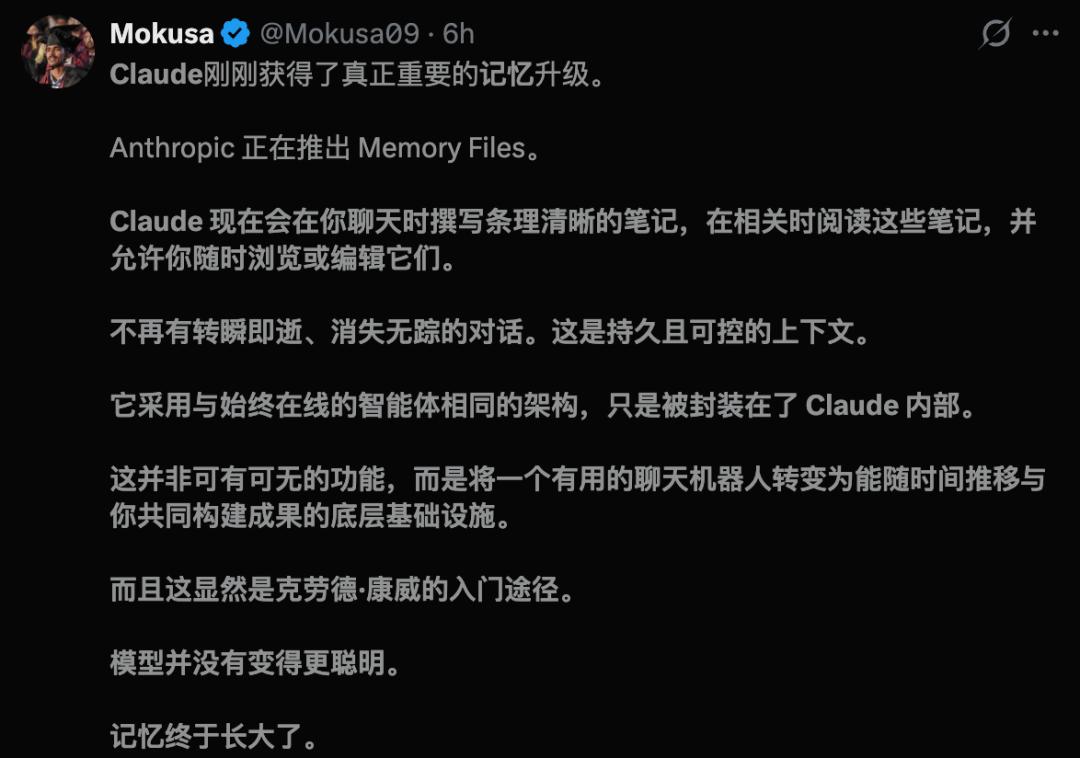
Claude has developed "permanent memory"!
Just today, the well - known AI tracking platform TestingCatalog broke a big news:
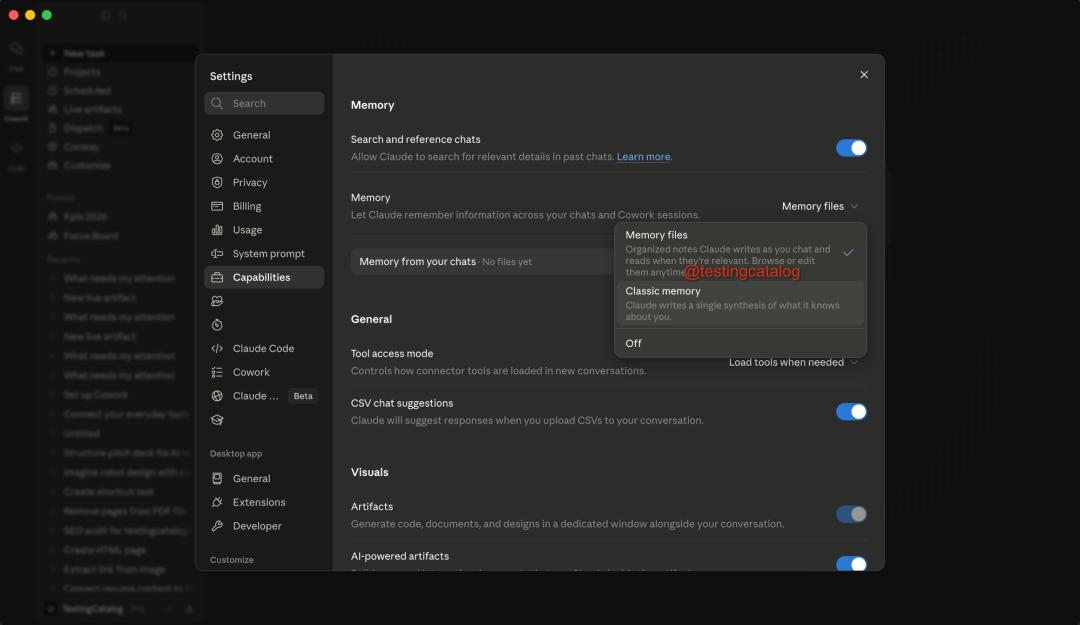
Anthropic is testing a brand - new "dual - mode memory system" for Claude —
On one side is the "classic memory" that has been used until now, and on the other side is the new "Memory Files".

After the official launch, people can freely switch between the two.
This marks that since its launch, Claude's memory ability will undergo the largest - scale and most thorough renovation of its memory architecture!
Even more astonishing is that with the comprehensive upgrade of the memory function, the preview version of "Dreams" finally made a stunning appearance.
Along with it, there is also an ultimate Agent platform: Claude Conway, which operates 24/7 without downtime.
Memory Files provide persistent structured memory, while Dreams ensure that these memories remain fresh and well - organized —
The integration of these two core capabilities builds the most solid foundation for Conway.
This reconstruction of the memory mechanism allows Claude to reach a new height in the ecological competition of "persistent memory".

Claude's "permanent brain" has really arrived
Currently, Claude's "classic memory" mode is essentially a continuously scrolling sticky note —
Claude compresses all the user information it has learned into a single summary.
The problem is obvious: when the amount of information is large, this summary starts to "overflow".
The old information is covered by the new, and the important information is submerged by the trivial.
Claude remembers the flavor of the coffee you ordered yesterday but forgets the product architecture you spent three hours discussing with it last month.
The upcoming "Memory Files" represent a complete paradigm shift!
Simply put, Anthropic has created a built - in "personal Wiki" for Claude.
During the conversation with you, Claude will automatically write and organize structured documents according to different topics, projects, or contexts.
When future conversations involve relevant topics, it will not stuff all the memories into the context window at once, but selectively read the corresponding files.

This architecture brings subversive advantages:
First, the capacity ceiling is completely broken.
Memory management based on the file system can theoretically be infinitely expanded, no longer limited by the length bottleneck of a single summary.
Second, the accuracy is exponentially improved.
When talking about code, it only retrieves technical documents; when talking about travel, it only retrieves travel preferences — no longer a brute - force injection of "full - scale memory", but an accurate supply of "retrieval on demand".
Third, users regain control.
You can browse, modify, or delete any of Claude's memory files at any time, just like editing a Wiki entry.
Don't want it to remember something? Just delete that file.
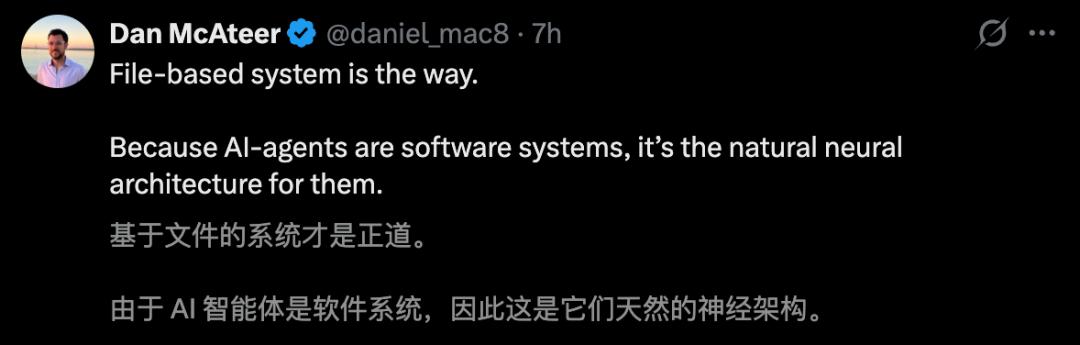
This memory management method based on the "file system" is not actually an original idea of Anthropic.
Long - running AI agents like OpenClaw and Hermes have long used similar architectures.
But the remarkable thing about Anthropic is that it has made it a native function of consumer - grade products.
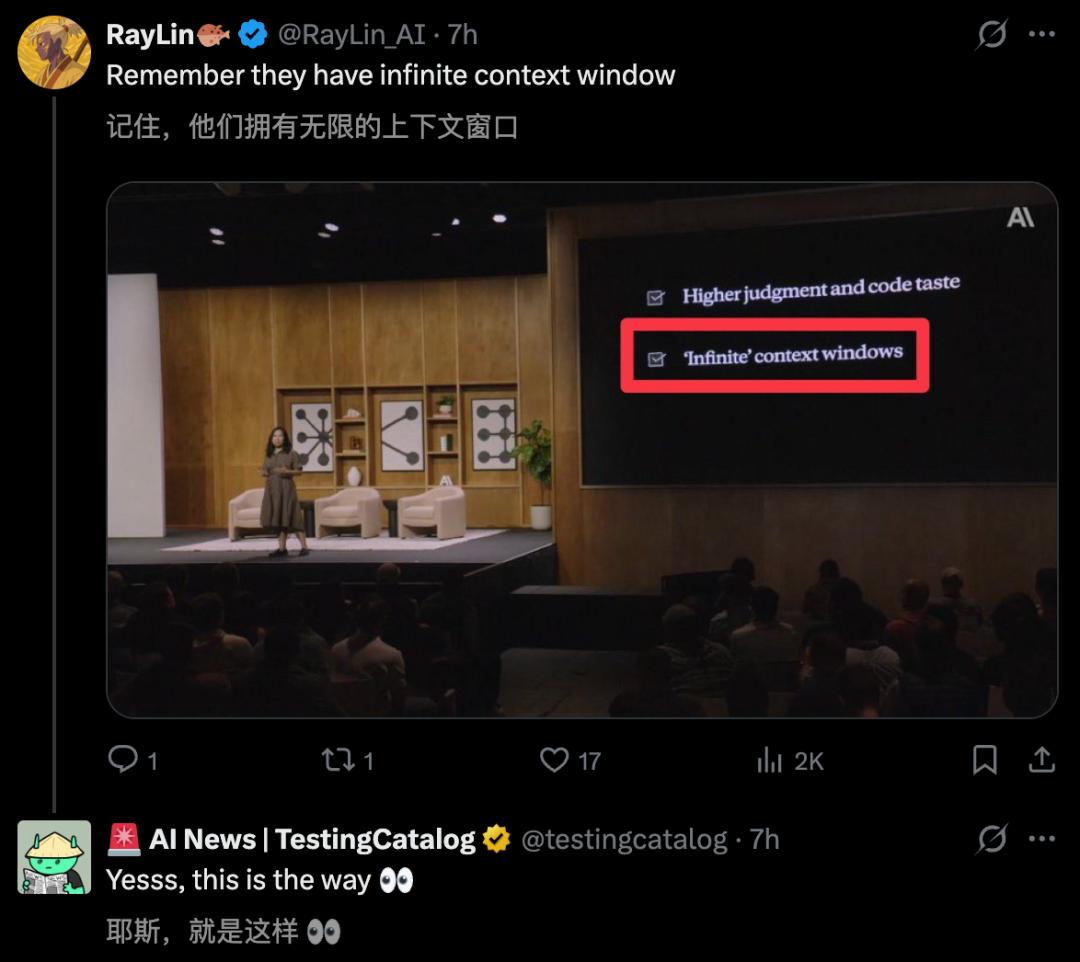
"Dreams" are also available
Let Claude "organize memories" while sleeping
If file memory is Claude's "hippocampus", then the following function is its REM sleep.
As early as the beginning of the month, at the Code with Claude San Francisco Developer Conference, Anthropic launched a function that shocked all the developers present —
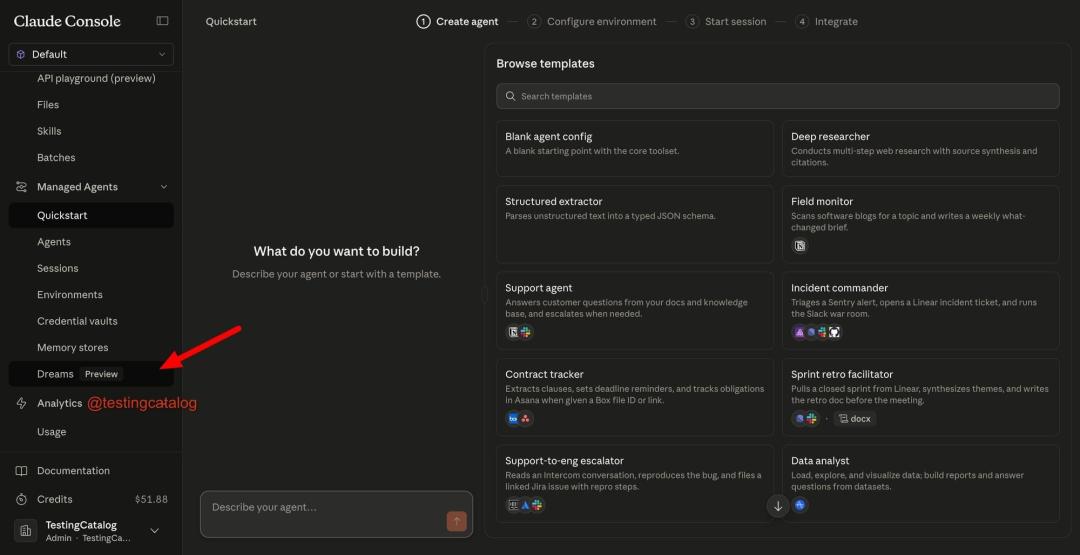
Dreams, which means "dreaming", is an asynchronous background memory integration mechanism.
Its inspiration comes directly from REM sleep in human neuroscience.
This time, during the gray - scale test synchronized with the memory system, Dreams finally appeared in the sidebar of the Claude interface.
During the rapid eye movement sleep stage, the human brain is not idle.
It replays the day's experiences, strengthens important memory connections, discards useless noise information, and integrates short - term memories into long - term memories.
People who do not experience REM sleep will have a significant decline in memory.
Anthropic has applied the same logic to Claude.
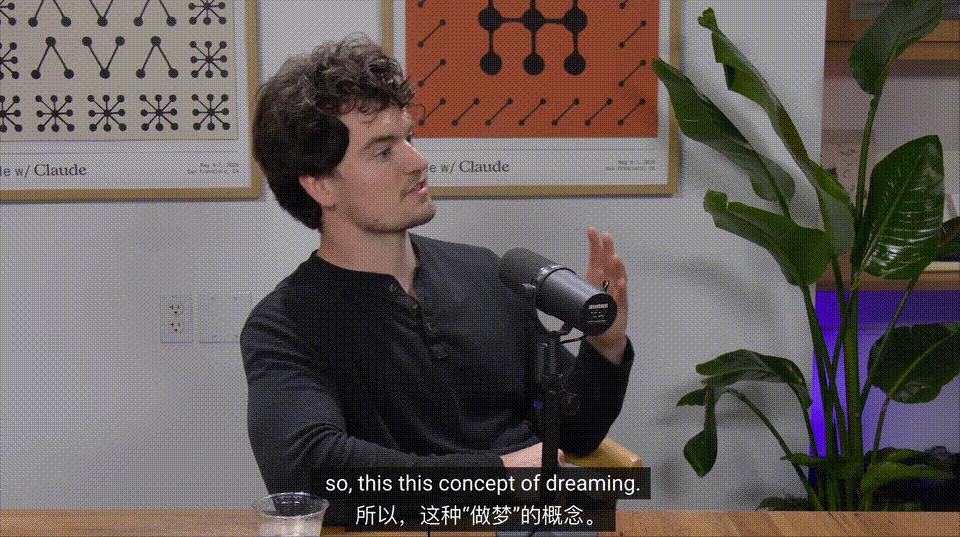
When a Claude agent "has free time" between two work sessions, the Dreams function will automatically start and conduct a deep integration of the accumulated memory files —
Merge duplicates: Gather information on the same topic scattered in different files together
Replace outdated entries: "We decided to use Redis yesterday" will be automatically converted to "We decided to use Redis on May 15, 2026"
Resolve logical contradictions: If two memories conflict with each other, the system will keep the newer and more reliable one
Discover hidden patterns: Find patterns that neither humans nor AI noticed in real - time conversations
To put it simply, Claude works during the day, dreams and reviews at night, and wakes up the next day with an "epiphany".
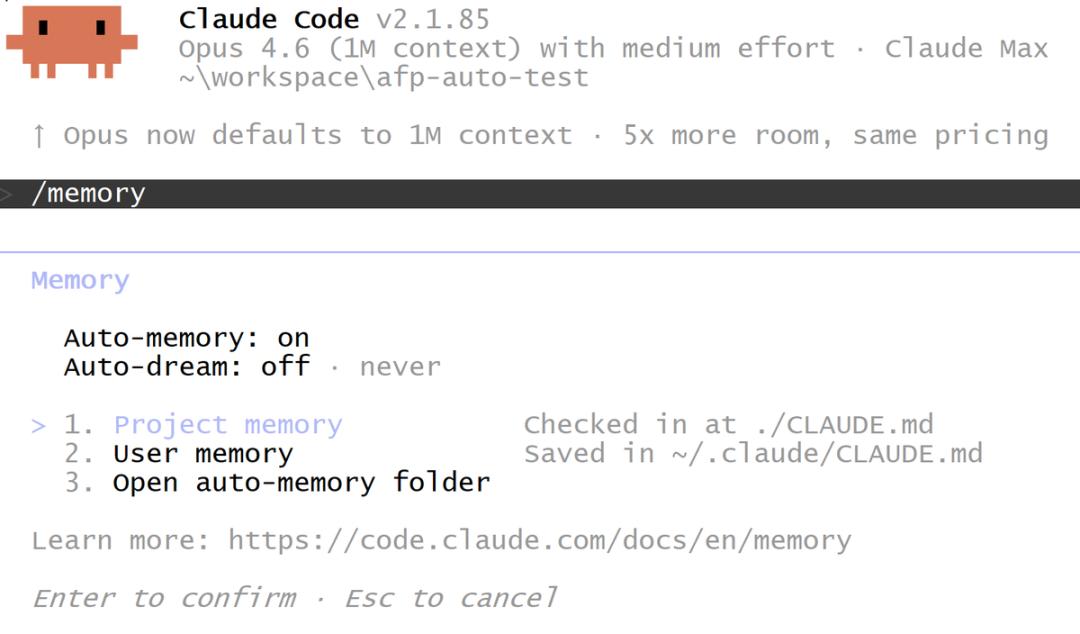
Currently, the Dreams function has been implemented in Claude Code in the form of "Auto Dream" first.
Its trigger conditions are quite interesting: at least 5 conversations must be accumulated, or more than 24 hours have passed since the last integration, or you can manually input /dream to trigger it.
As for the actual combat effect, the first - batch enterprises such as Netflix, Rakuten, and Wisedocs that have accessed it have already presented an extremely impressive report:
The error rate in the first - time processing has dropped by 97%, and the document verification speed has increased by 30%.
The biggest new product, Conway: "Never shut down" 24/7
The launch of file memory and Dreams almost confirms —
It is paving the way for Anthropic's upcoming next - generation killer product, Conway.
At the end of March, 512,000 lines of Claude Code source code accidentally leaked by Anthropic first revealed the veil of Conway.
Subsequently, TestingCatalog confirmed the existence of Conway, an AI agent platform that never goes offline.
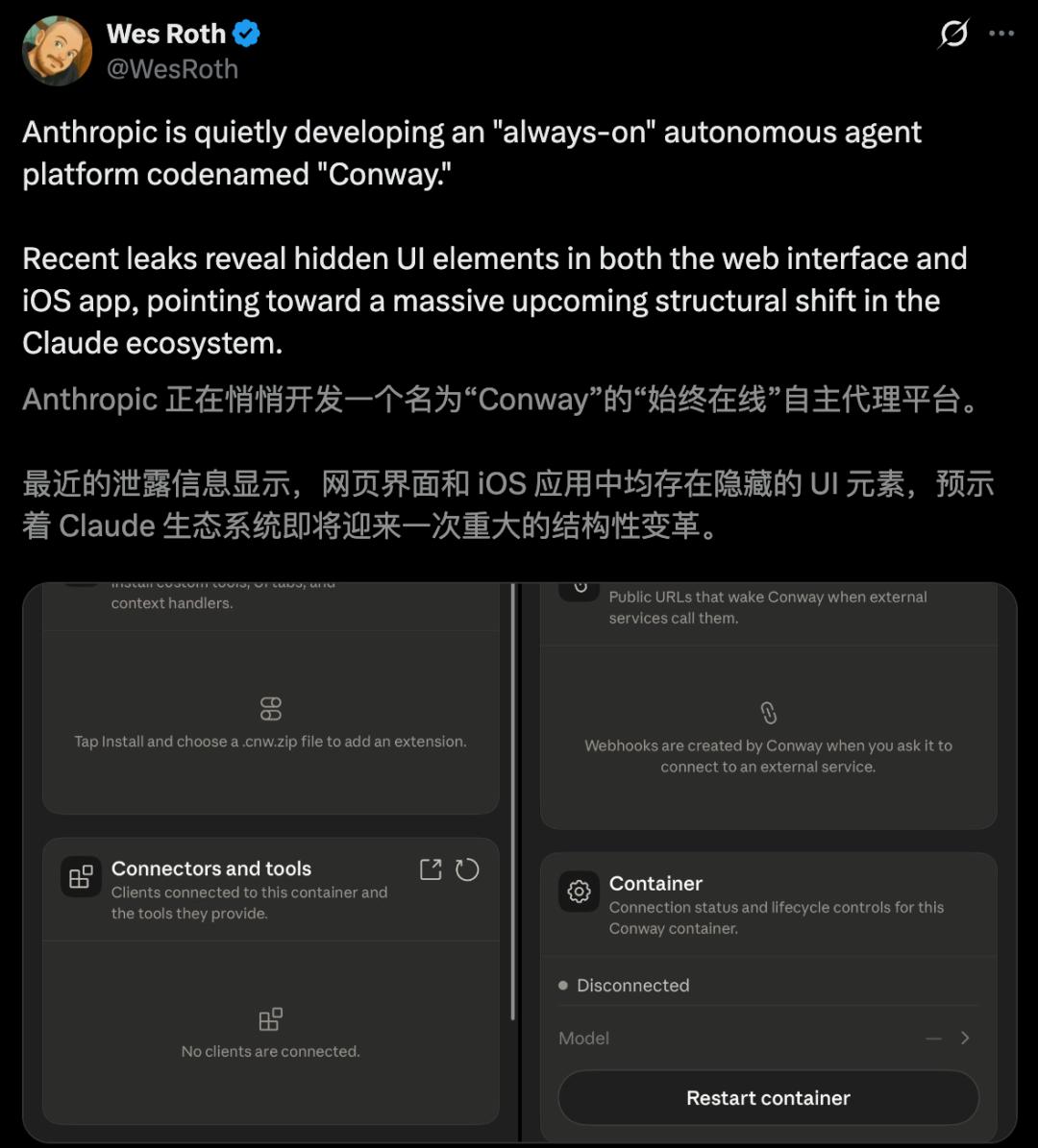
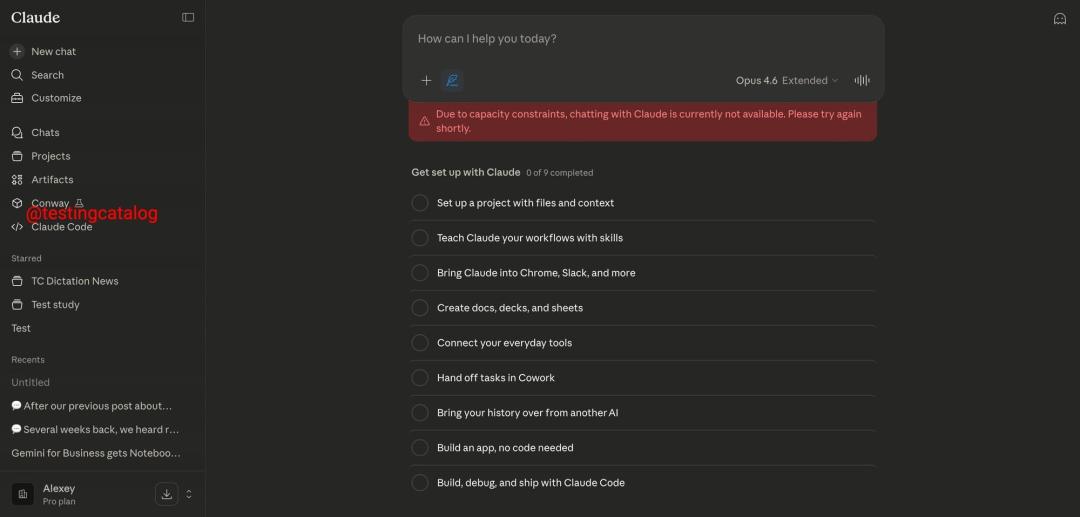
It appears as an independent entry in the sidebar of Claude's existing interface.
But it is certain that Conway is not a more intelligent chat window, but a completely different type of product.
All current AI assistants, including Claude, ChatGPT, and Gemini, are "passive": you input a prompt, it replies, and the conversation ends.
The birth of Conway is to completely subvert this paradigm!
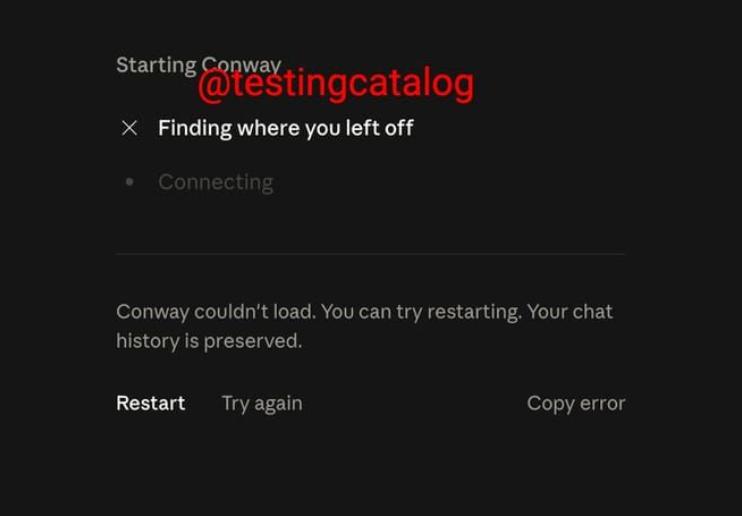
It has an independent operating environment, including three core functional areas: Search, Chat, and System.
It is designed to "run in the background permanently", capable of monitoring external events, actively triggering tasks, receiving signals through Webhook, controlling the browser, and running Claude Code.
It even supports a custom extension package format called "CNW ZIP".
Conway is there when you're not around.
This is directly comparable to OpenClaw, but Conway is native to Anthropic and runs directly on Claude, with a completely different level of security and integration.
It should be noted that at least 9 CVE vulnerabilities were discovered in OpenClaw in the first two months, and more than 42,000 exposed instances were running naked on the public network.
Conway runs on Anthropic's managed cloud infrastructure. Extensions must be explicitly installed, Webhook can be switched on a per - service basis, and browser integration follows Claude's permission model.
Although both are "never offline", the security baselines are completely different.
Anthropic is playing a long - term game
Think about it, what does a never - offline AI agent need the most?
That's right, it's memory!
Not a scrolling summary that can be easily overwritten, but a persistent memory system that can be infinitely expanded, retrieved on demand, and automatically maintained.
"File memory" provides the storage architecture, and "Dreams" provides the maintenance mechanism —
These two pieces of the puzzle fit together perfectly to form the infrastructure required for Conway to run.
This also explains why Anthropic chose to launch Memory Files at this time.
Memory, the "last piece of the puzzle" to ASI
In 2026, AI memory has become the core battlefield for competition among the three major giants —
ChatGPT takes the "personal assistant" route.
On the day of the release of GPT - 5.5 Instant, OpenAI updated the "Memory Sources" function.
It splits the "memory sources" into saved memories, chat histories, custom instructions, file libraries, and even Gmail emails.
Gemini takes the "Google ecosystem" route.
Thanks to its deep integration with Gmail, Drive, and Calendar, Gemini's memory comes not from conversations but from personal real - life data.
Claude takes the "file system + autonomous evolution" route.
Memory Files provide structured storage, Dreams provide automatic integration, and Conway provides a runtime that never stops working —
The combination of the three forms a complete closed - loop from memory to reflection and then to action.
On the way to ASI, persistent memory may not be a sufficient condition, but it is almost certainly a necessary condition.
Dario Amodei has expressed a core judgment in many public speeches: ASI will not be the product of a single breakthrough but the result of the gradual combination of a series of ability modules.
Reasoning ability, tool use, code execution, multi - modal perception...