India has changed its stance again, tightening import quotas for compressors. Chinese companies can't sell in India without setting up factories there.
India has changed its stance on compressor imports again. India has tightened the import quota for compressors, stating that Chinese enterprises cannot purchase unless they build factories in India.
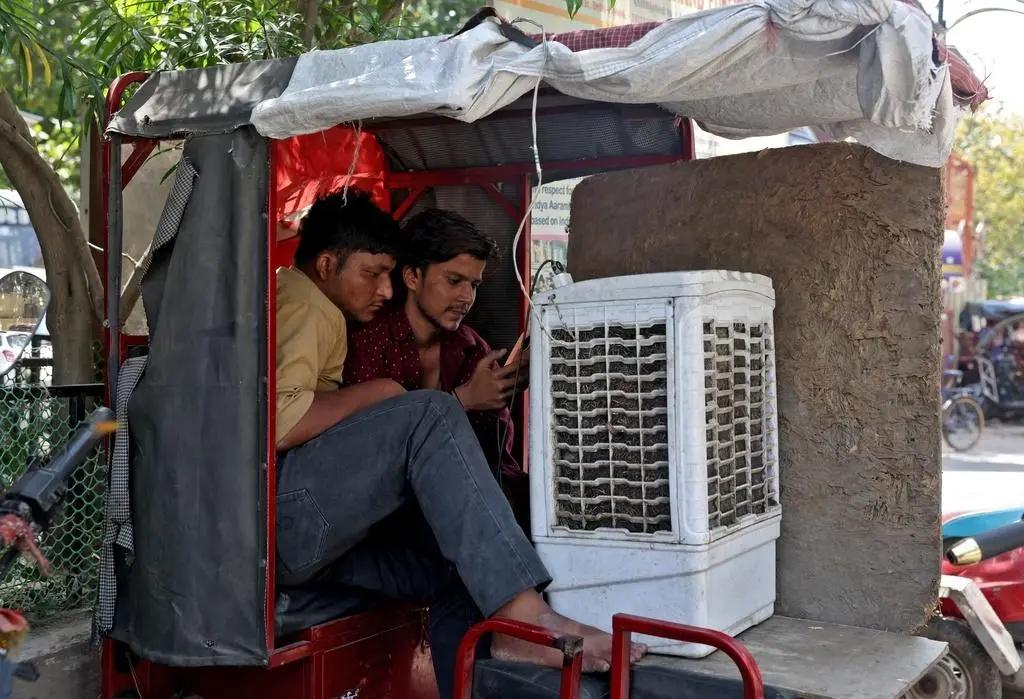
Recently, a heatwave has been raging in India. The temperature in Banda, India, has reached as high as 47.6 degrees Celsius, and the temperature in New Delhi has also exceeded 40 degrees Celsius. Meanwhile, the peak electricity consumption across India has reached 270.82 gigawatts.

When India is in urgent need of producing more cooling and refrigeration equipment such as air conditioners and refrigerators to improve people's livelihoods, India has taken a major step. On May 8, 2026, it directly introduced a new policy on compressor import quotas (QCO) —
For reciprocating hermetic compressors below 2TR (a unit of refrigeration capacity, approximately 7kW of refrigeration) used in refrigerators and similar equipment, the import volume in the fiscal year 2027 (from April 2026 to March 2027) shall not exceed 40% of that in the fiscal year 2025. For rotary hermetic compressors below 2TR used in air conditioners and heat pumps, the import ceiling is 30%.

That is to say, if 1 million air - conditioning compressors were imported in 2025, only 300,000 units can be imported this year at most.
This change in the import quota system aims to change the long - standing situation of India importing compressors from China, support the local compressor manufacturing industry, force Chinese - funded manufacturers to build factories in India, and eliminate Chinese compressors.
In short, on the surface, it claims to promote "Make in India", but in fact, it intends to restrict the import of Chinese compressors and force foreign investors to build factories locally. After all, this means that 70% of the compressor demand will have to come from local and joint - venture factories in India.
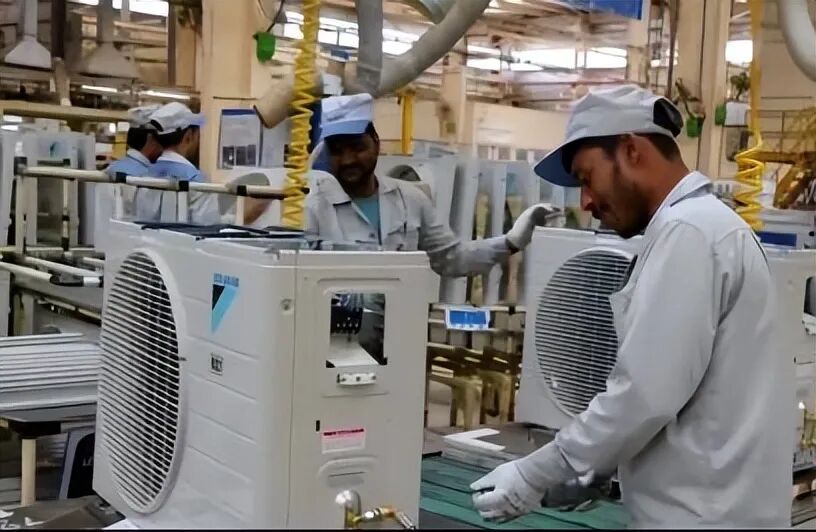
It can be said that India has laid the groundwork for this tightening of import quotas as early as a year ago.
In March last year, the Indian Ministry of Industry launched the "Cold Chain Revolution 2030" plan, planning to invest tens of billions of dollars in the next five years to support the research and development of core technologies for local compressors, aiming to get rid of import dependence.
Just one year ago, on April 26, 2025, India made a decision. Facing the nationwide high - temperature weather, the Indian government relaxed the import restrictions on Chinese air - conditioning compressors:
Within the next year, air - conditioning compressors with a refrigeration capacity of no more than 2 refrigeration tons produced in China are allowed to be imported directly without the certification of the Bureau of Indian Standards (BIS).
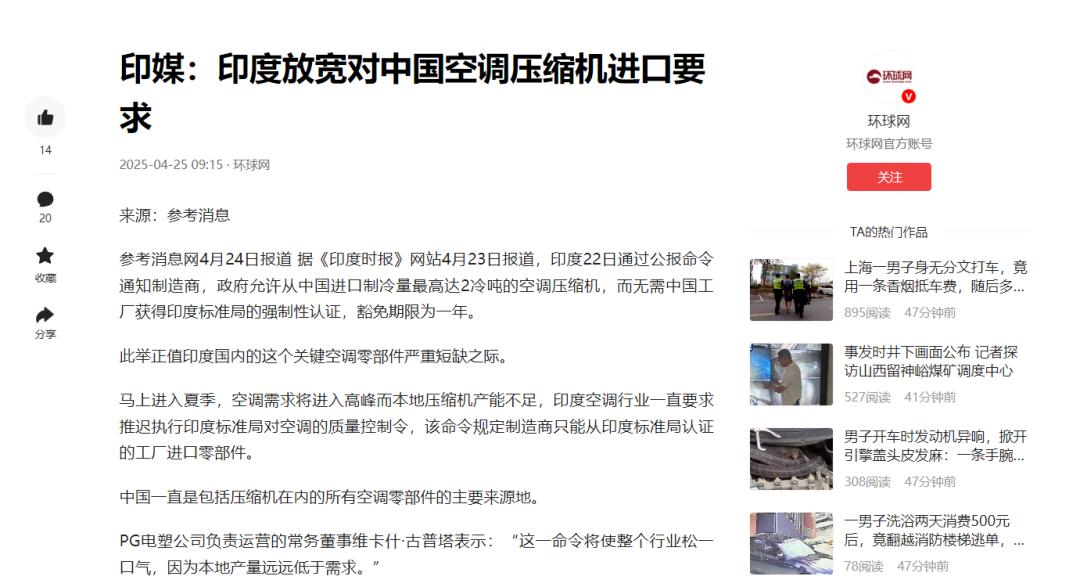
Actually, this exemption in India last year set an implicit threshold: only models with a refrigeration capacity of no more than 2 refrigeration tons are allowed.
This specification corresponds exactly to the small - scale household air - conditioning market, rather than the high - end central air - conditioning or commercial cold - chain fields. This precise demarcation reveals India's careful calculation in maintaining market control. It can meet short - term civilian needs while preventing Chinese products from entering the high - profit market on a large scale.
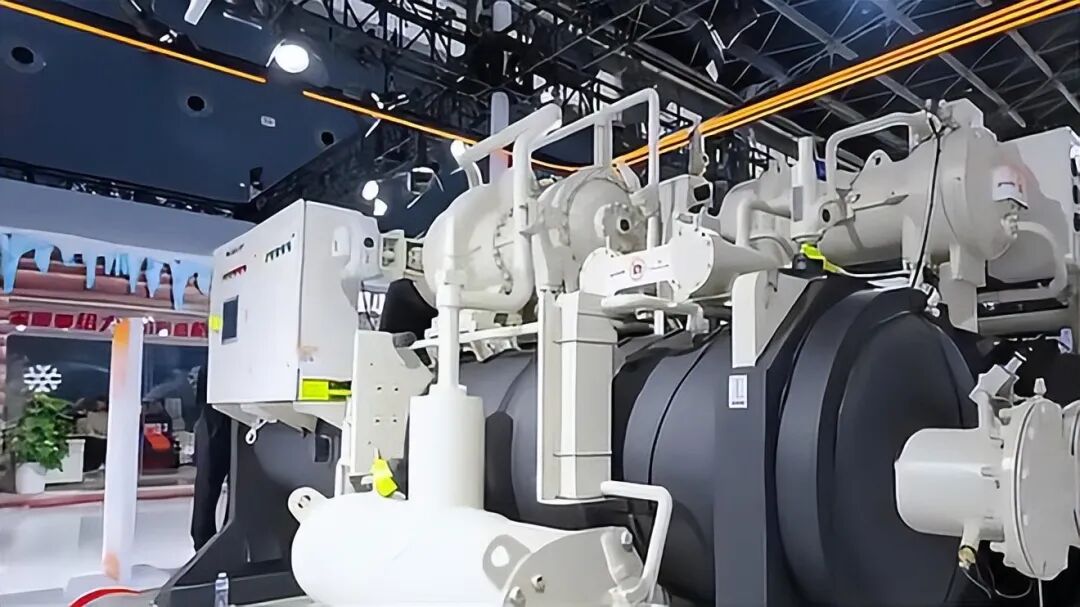
Moreover, this exemption is only valid for one year and is not a permanent opening. This setting means that even if Chinese manufacturers enter the market in the short term, they are still at risk of policy tightening and the resumption of certification at any time.
Sure enough, one year later, India has tightened the import quota.
As we know, the compressor, as the heart component of an air - conditioner, involves multiple core technology aspects such as high - precision manufacturing, material durability testing, and energy - efficiency control.
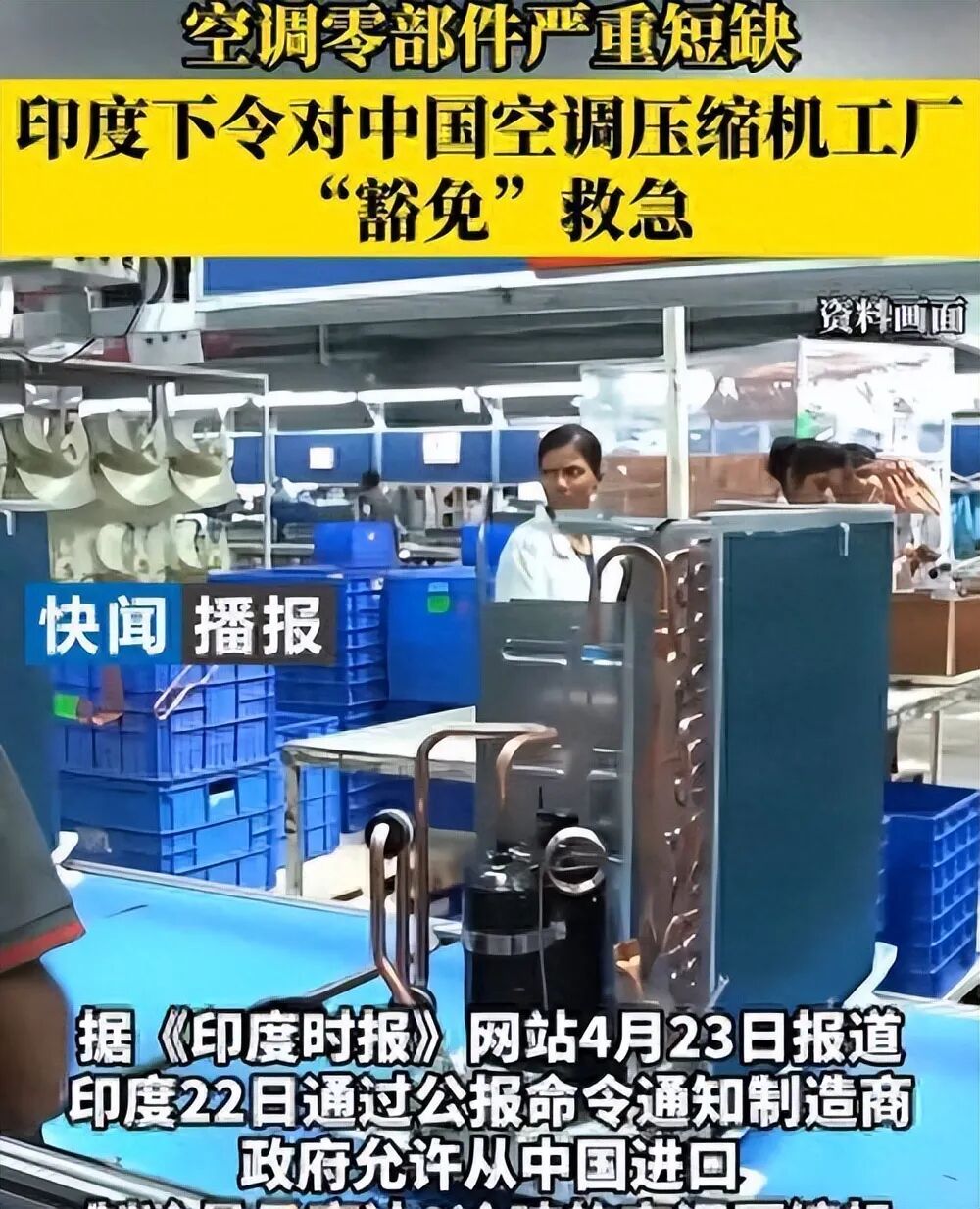
Currently, most local air - conditioning brands in India, such as Voltas and BlueStar, actually rely on imported compressors for complete machine assembly. Even if India expands its assembly lines, the situation of relying on external procurement for core components cannot be reversed in a short period.
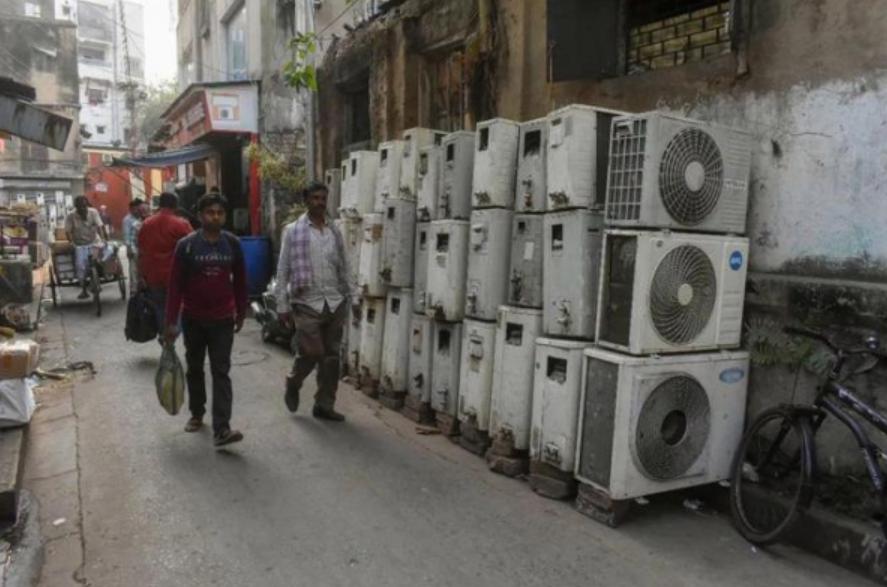
India's compressor industry is hollow throughout the entire chain, and it has long craved Chinese technology
The compressor is to an air - conditioner what a chip is to a mobile phone and an engine is to a car.
The compressors used in domestic air - conditioners are both domestic and imported. Domestic compressors are generally produced in places like Zhuhai and Foshan. Most of the imported high - end compressors come from Japanese companies such as Panasonic, Toshiba, Hitachi, and Mitsubishi, or from joint - venture production. China is still one of the most important external sources of compressors for India.
The Economic Times of India previously reported that China has long occupied a key position in India's air - conditioning supply chain. Among them, GMCC (Guangdong Meizhi Refrigeration Equipment Co., Ltd.) has a relatively high share in the household compressor field. Enterprises such as Hairi Co., Ltd., Changhong Huayi, Ruichi Precision, and Dongbei Group have also been supplying goods to India for a long time.
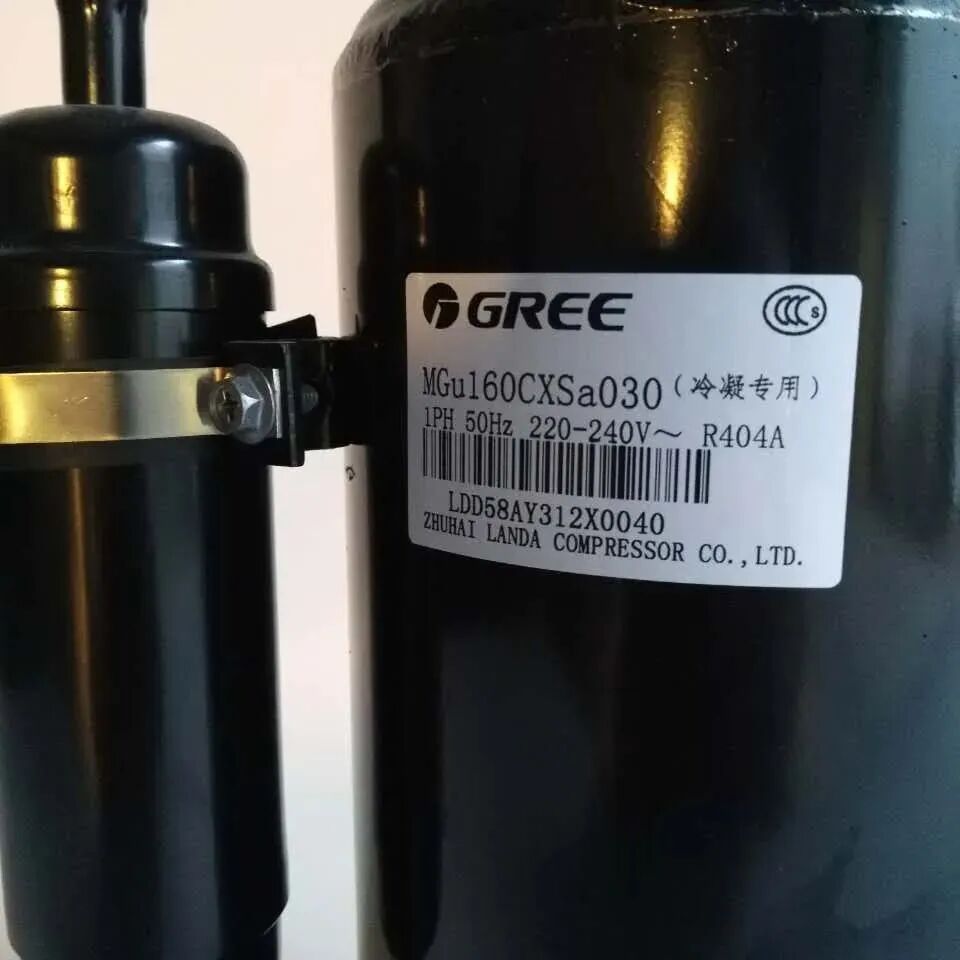
According to data, India's total annual demand for compressors is about 15 million units, but its local production capacity is only 5.5 million units. The remaining 63% depends entirely on imports. Among the import sources, China accounts for 70% - 90%, an absolute dominant position.
China accounts for 90% of India's imports of household air - conditioning compressors and 70% of India's imports of refrigerator compressors. The remaining 10% - 30% is divided among South Korea (LG, Samsung), Thailand (Daikin, Mitsubishi), and a small number of high - end Japanese models.
Why does India highly depend on Chinese manufacturers for compressor procurement? Firstly, Chinese compressors have comprehensive technology and high cost - performance. In contrast, India's precision manufacturing ability is almost zero. India cannot produce core components such as scroll copper tubes, sealed bearings, and motor cores at all and depends 100% on imports.
Secondly, India has almost no core inverter technology for air - conditioners: 90% of India's inverter compressors are imported, of which 58% come from China. Local enterprises do not even have rare - earth purification and high - efficiency motor technologies.
Secondly, India also has to face poor infrastructure and high logistics costs. As a result, for products of the same specification, those made in India are 30% more expensive than those made in China, with 15% - 33% lower energy efficiency. Logistics costs account for 28% of the selling price (only 15% in China), factories often experience power outages, and the qualification rate of skilled workers is also low.
In this market environment, if Chinese enterprises want to build factories in India, they basically have to move the entire production line and even the upstream and downstream supply chains of the industrial chain there, and also send engineers to teach the technology on - site. Otherwise, given India's current industrial situation with almost zero core technology, it is imaginable how difficult it is to achieve local production.
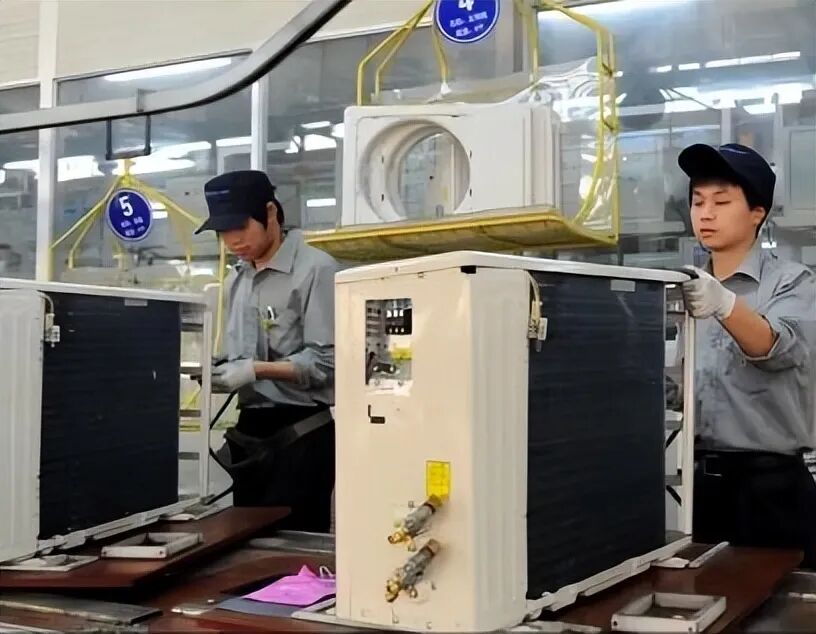
Despite the difficulties, India has long set the stage to obtain Chinese compressor technology.
That is, India's strategy is to give Chinese compressor manufacturers a "carrot" for one year. Then, it tells them that if they want to continue getting the "carrot", they must build factories in India, move the production line and technology there. Otherwise, the "carrot" will be gone.
Previously, Chinese manufacturers increased their compressor production capacity to export to the Indian market. India has not completely closed the import channel, but it is continuously reducing the external supply space through the quota mechanism. If Chinese manufacturers do not build factories in India now, they may face a situation of over - capacity.
India's plan is very clear. Only when Chinese manufacturers establish factories in India and introduce core technologies such as compressors can India master the core technologies in the compressor field and prevent a flood of Chinese products from entering India. Once India masters the precision manufacturing technology for the entire compressor chain, Chinese enterprises will have completed their mission and it will be time for them to leave.
Chinese enterprises cannot sell unless they build factories in India, and India's people's livelihood cannot wait
In short, India is still playing the same old trick of "closing the door to beat the dog", but obviously, China has become immune to India's methods of exploiting foreign investment.
India still wants to use this trick to lure Chinese air - conditioning and refrigerator compressor enterprises to India one by one. After the industrial chain is established, it will deal with them one by one, deceive them of their technology, fine them, or directly acquire their companies to rise quickly by taking shortcuts.
However, China is now strictly examining technology exports and setting up defenses for key technologies in the supply chain to protect the technologies independently developed by our country.
India is now in a very awkward situation. On the one hand, it wants to force Chinese products out through quotas. Chinese enterprises cannot make purchases unless they build factories in India, so as to achieve the local production of compressors in India. On the other hand, the high - temperature weather continues, the demand for air - conditioners has skyrocketed, and the local production capacity cannot keep up. Without Chinese compressors, production will have to stop.
Now, high temperature, high humidity, power shortages, and water shortages are severely tearing apart India's social livelihood. When Indian people cannot even guarantee basic drinking water and cooling, India is still setting up so - called "pig - killing traps" and targeting China's core technologies. This will only backfire on itself in the end.
The gap in the manufacturing industry cannot be bridged by policy barriers and "pig - killing traps". It depends on decades of technological accumulation, a complete industrial chain, mature industrial workers, and stable infrastructure support. This cannot be achieved overnight.
China's "refrigeration heart" cannot be taken away by a single Indian policy. India can only rely on its own independent research and development to overcome the key technologies of compressors.
Judging from India's exemption order last year, in the face of temperatures above 50 degrees Celsius in India, no one cares whether the air - conditioners are made in India. What they care about is whether there are enough cooling and refrigeration equipment to meet the demand. India has time to play the "pig - killing trap" game, but the Indians who are eager for cooling cannot wait.
This article is from the WeChat official account "Hotspot Micro - Review" (ID: redianweiping), author: Wang Xinxi. It is published by 36Kr with authorization.