Dissatisfied with AI, "Anti-AI" and "Retro" have become new traffic-driven businesses.
01: Two Sides of the Same Coin
Some are making huge profits, while others are losing their jobs. It's a mixed bag of joys and sorrows.
The so - called AI bubble that everyone talks about not only hasn't burst but seems to be getting bigger...
From the previous GPU to the recent memory, the soaring stock prices have made the global market even hotter.

The joys and sorrows of AI and humans are not the same.
Hynix employees have become popular in blind dates in South Korea. Investors are showing off their SanDisk receipts on the platform. Taiwanese families are going all - in on investing in TSMC...
However, outside the AI - driven wealth - creation frenzy, a series of anti - AI and retro movements are emerging and gradually becoming a new source of traffic and business.
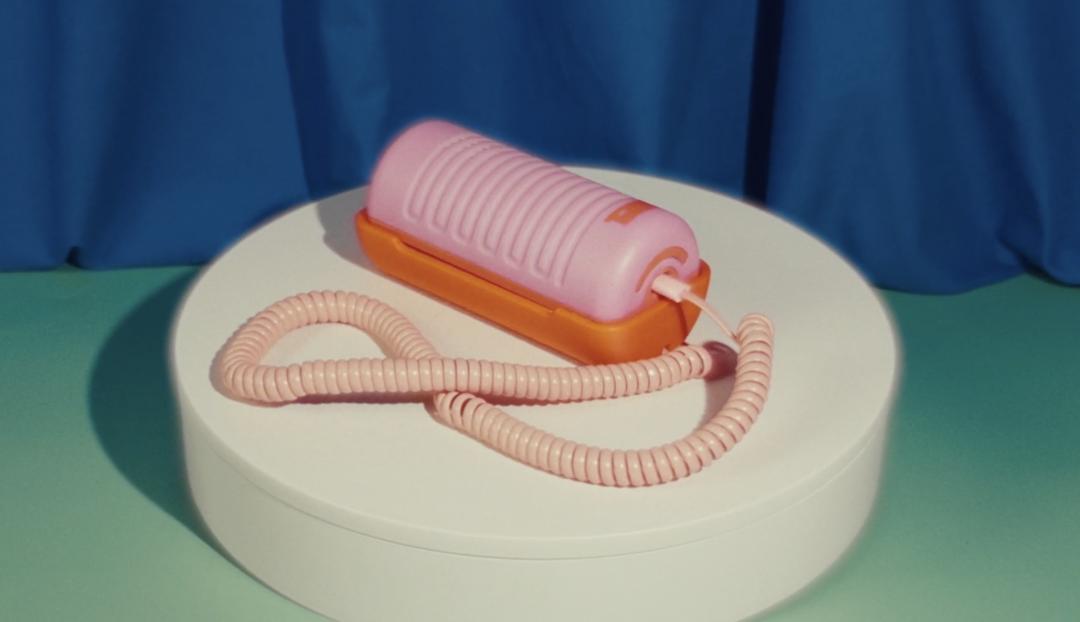
A new product called the "Tin Can Phone", which replicates the "tin can telephone" from the last century, has quietly become popular overseas.
Without a camera or an app, it brings the phone back to its original function. Compared with the common senior phones we use, it truly represents the old - school style.
The usage method is simple. Just plug it in and connect to Wi - Fi. Calls between Tin Can users are free. If you want to make external calls, you need to pay an additional $10 per month for a subscription, which is about 68 yuan in RMB. By the way, this product is priced at $100, as high as 680 yuan in RMB, much more expensive than senior phones.
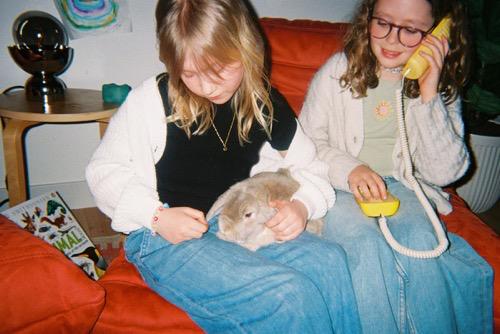
Retro dialing, retro holding
Don't think this is just a conceptual product with no real sales. In fact, this phone has sold like hotcakes in North America. It has sold nearly 100,000 units in less than a year and has received a total of $15.5 million in financing, showing a development trend like a "North American little genius".
In the past two years, European and American countries have legislated to restrict minors' access to social media and intelligent technologies, which has undoubtedly created a huge "technology - isolated market".
In addition, many adults, such as the parents of these children, have been immersed in the world of AI information overload for too long and are looking for a way to take a short break. Finally, this product, which can provide isolation and at the same time awaken childhood memories of the telephone, has attracted both parents and children.
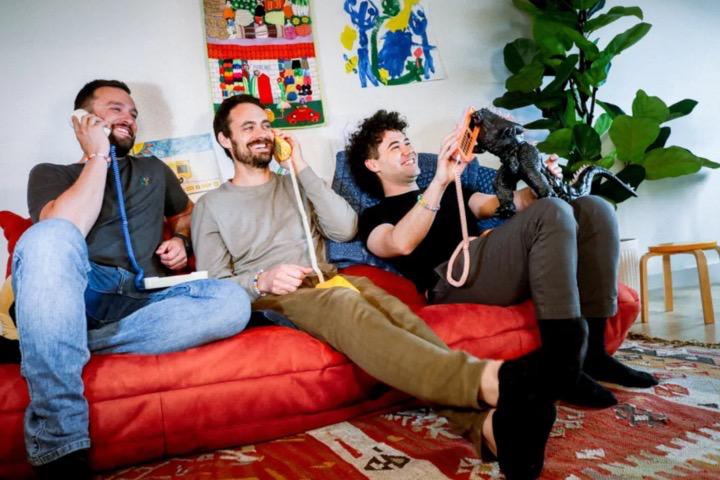
Counter - intuitive but in line with demand
Actually, before the appearance of the tin can phone, anti - technology products like the "Boring Phone" and the "Dumb Phone" have been selling better and better globally...
These products have removed all the functions of a smart phone and directly promote themselves with the selling point of "not being able to access social media"!
In terms of design, they fully replicate the old - fashioned flip phones and hammer phones, but their operating fluency is still comparable to that of current smart phones.
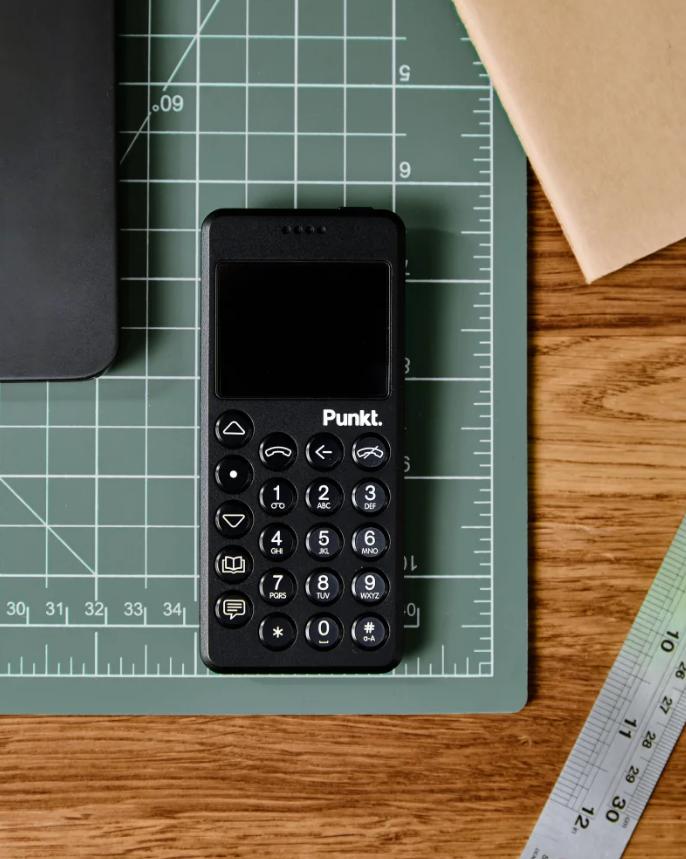
Don't even think about AI
Don't think this is just a high - priced product with cut - down features and a pure IQ tax. Many manufacturers are specializing in this field, and there is even a trend towards high - end products.
The interface is all in black and white. The founder thinks it's better to be boring. Even basic functions like maps are self - built by the manufacturer, refusing any third - party data collection.
It focuses on "lowering technology and enhancing experience", much like a space opera like "Dune", with a coexistence of old - fashioned charm and a sense of the future.
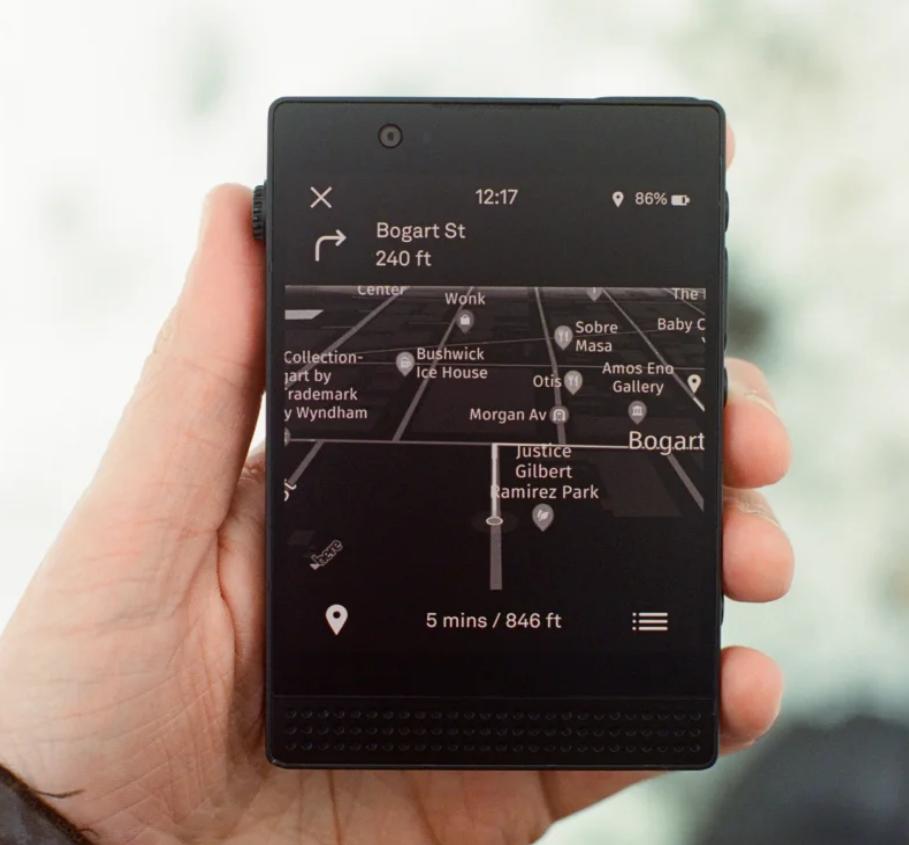
Currently, the global feature phone market is worth about $10.6 billion, and the main users are gradually getting younger, focusing on Generation Z and Millennials.
A Deloitte survey in 2024 showed that 28% of adults aged 18 to 34 have switched or plan to switch to feature phones, and this trend has also spread to China.
On one hand, middle - aged and elderly people are learning to use smart phones. On the other hand, young people are starting to use senior phones, all for the sake of "not being disturbed by technology".
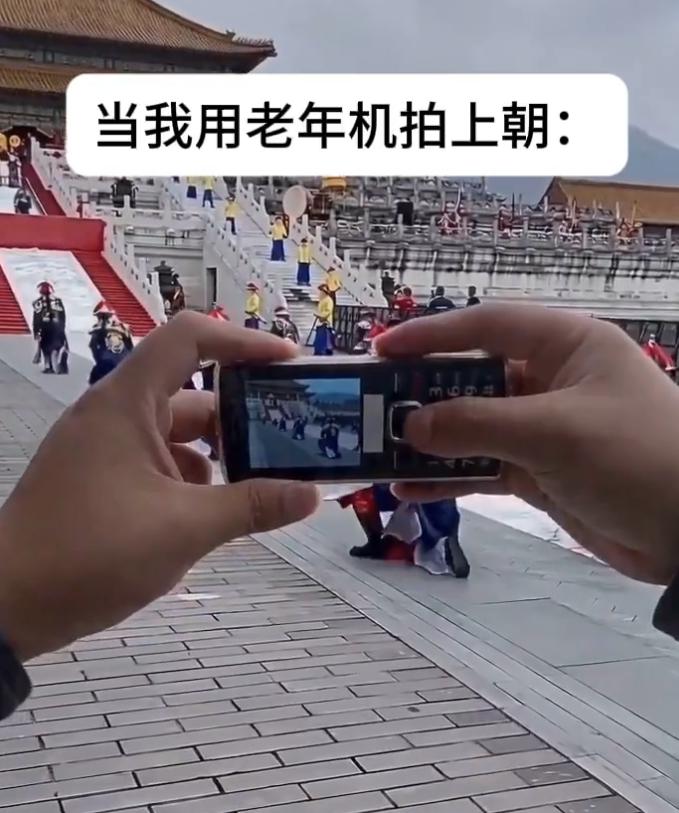
There has even emerged a photography track for senior phones
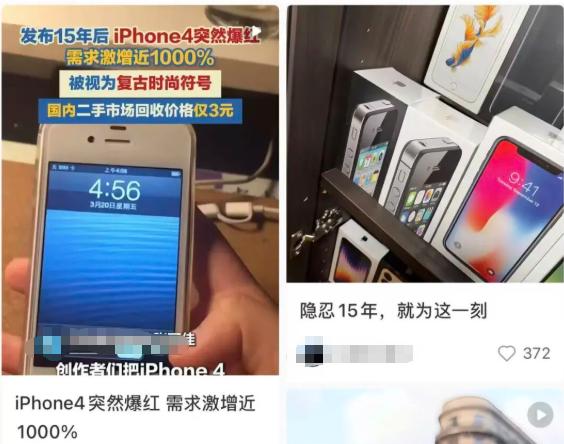
Under this consumption wave, wired earphones and the iPhone 4 have become popular again this year.
After five consecutive years of declining sales, the sales of wired earphones increased by 10% in the second half of 2025. The momentum has further accelerated since 2026, with the industry's revenue surging by 20% year - on - year, and the product search volume soaring by 88% compared to 2025. A white earphone cable has become a fashion symbol of anti - technology.
People are no longer blindly chasing technology, adding wireless features and AI functions to everything. Now, the playback is more stable, and they can also be used as accessories.
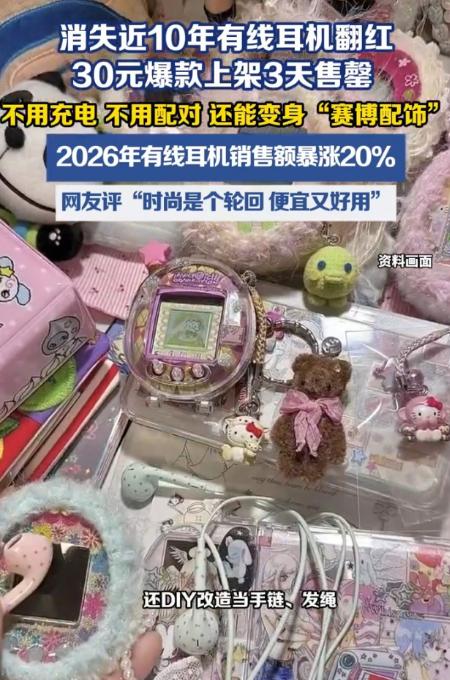
Classical technology is better. What was once considered a nuisance has now become a fashionable accessory.
The resurgence of the iPhone 4 is due to its unique imaging qualities such as graininess, overexposure, and corner halos. What was once considered "backward imaging" has now become a "time - anchor point".
In addition to having new choices in consumer products, people are also actively filtering AI - generated content in the content field.
Nowadays, all products, whether they need it or not, are adding a bunch of AI concepts. Without considering the users' feelings, they are also generating a large amount of AI - based advertising content, polluting people's minds.
In the current situation of being surrounded by a lot of AI waste (AI Slop) content, anti - AI and pure human - made content are becoming a new "content guarantee and selling point".
For example, the "fake game advertisement" that went viral during this year's Super Bowl could have been achieved with modeling and AI assistance, but real people were used instead to achieve the effect.
Although many people think this is a waste of effort, the market loves it, and the traffic generated by revealing the shooting process is quite high.
It is the human creativity, value, and the entire creative process that fascinate and make brand consumers pay.
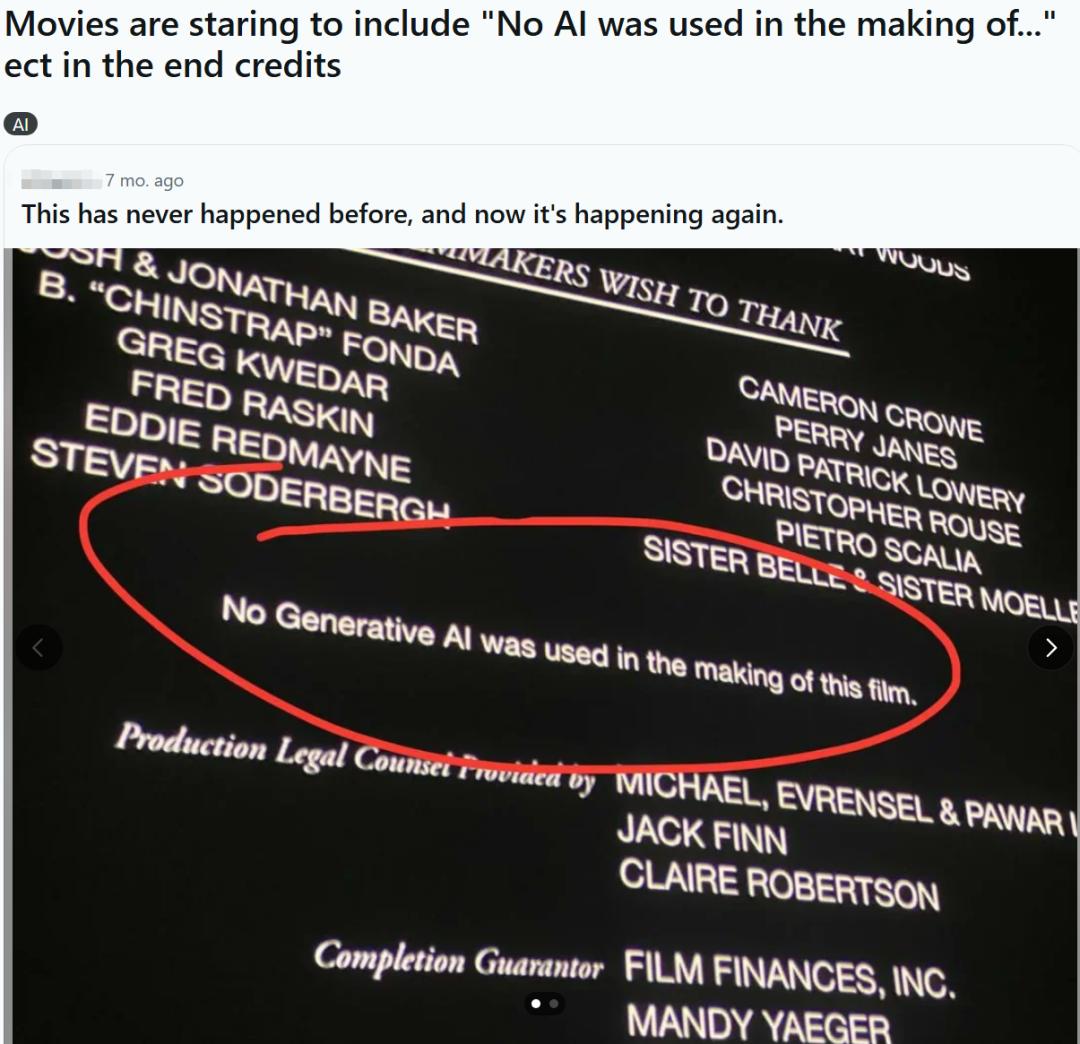
In addition to well - known figures jointly signing a proposal against AI, the publishing and film industries are starting to implement content certifications similar to "organic food".
You can see "Human Written" printed on book covers, and even movie posters specifically state "No AI was used in this production".
The more the spirit of old - school craftsmen, the more popular it is among the audience. After all, one of the main reasons is scarcity.
Just like the hand - drawn animations from the Showa bubble economy era are still popular today. Although AI can perfectly replicate them, the "perception of scarcity" behind the large - scale investment is eternal.
After all, although AI has released efficiency, it has also destroyed a lot of the human touch that should have existed.
If the above seems like a forced response to the impact of AI, then there are more "active attacks" on AI.
02: Grasp the Past
We may not be able to keep up with the future, but we can grasp the past.
Nostalgia is an innate human emotion. However, as AI has set off a huge wave, this emotion has gradually evolved from the mind into real life.
The "Analog Trend" has emerged globally. "Analog" corresponds to "Digital" in the technical field, referring to analog signals and physical media.
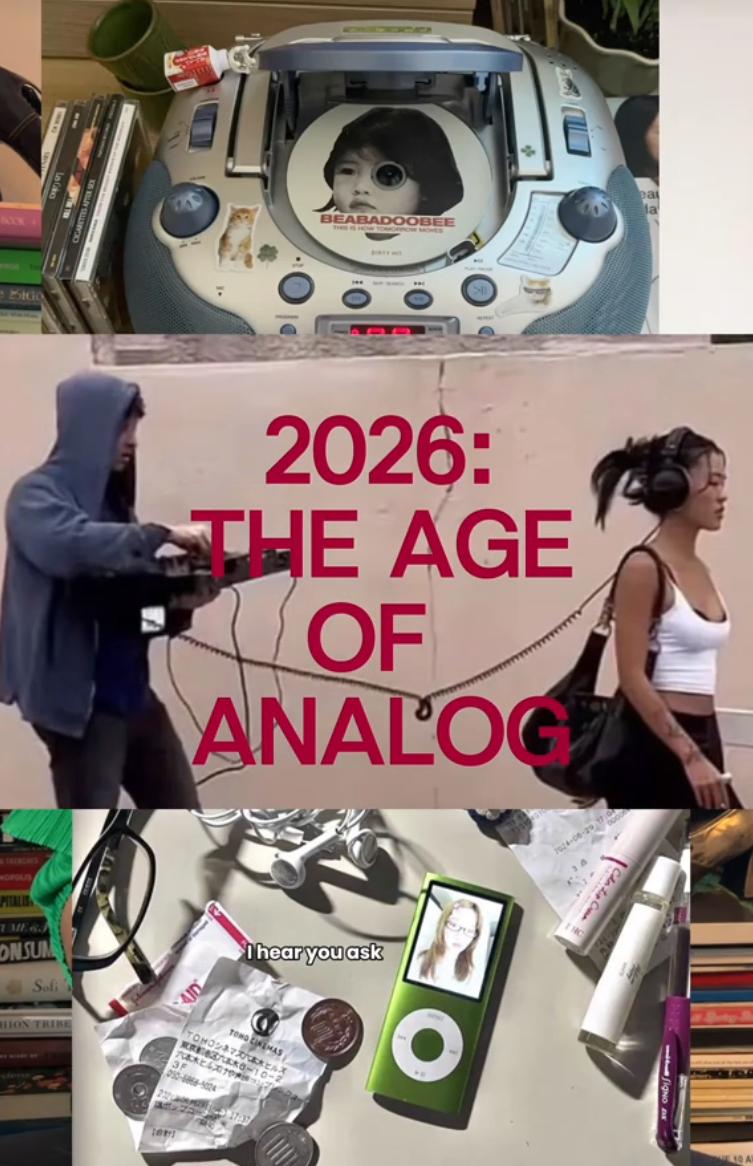
In 2026, a new etiquette has become popular in some social situations: "Don't show me your AI". That is, showing AI - generated content at a gathering is considered an "impolite" behavior, similar to playing with a mobile phone at the dinner table.
In places like London and New York, "smart - isolation" cafes have emerged. People must store all their smart devices when entering. There, people write hand - written letters, play board games, or listen to tapes, as if they have entered a time capsule storing the past.
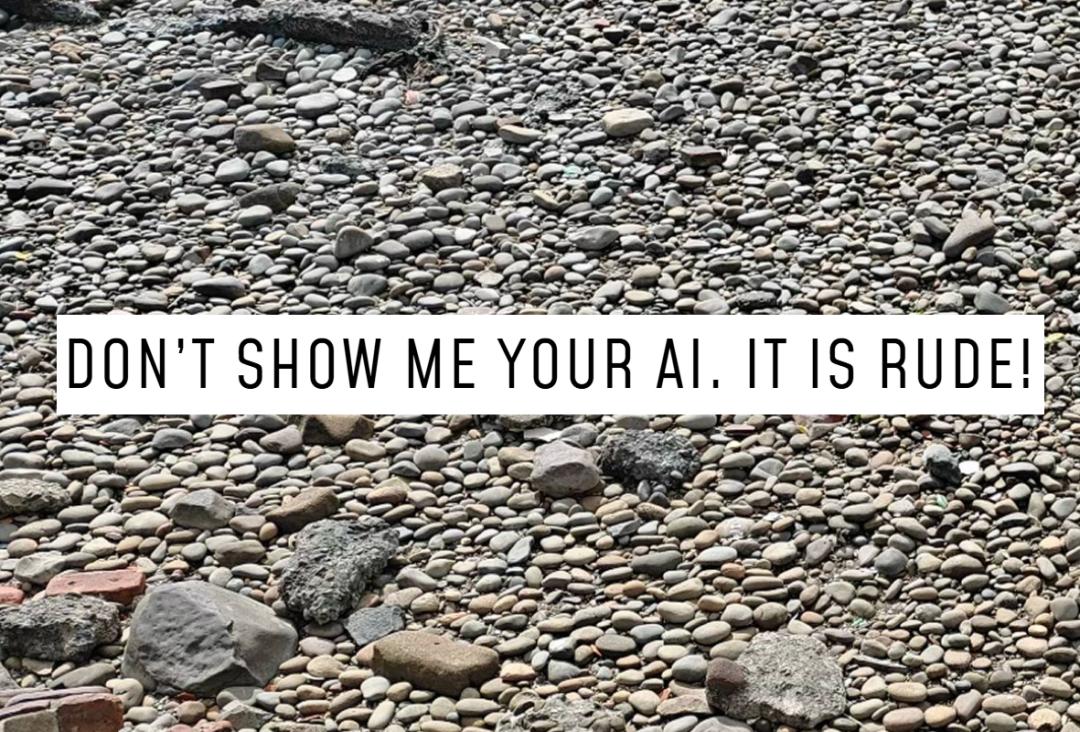
Showing me AI is rude
Even in some anti - AI Internet communities, young people are starting to discuss and learn to use paper maps again, refusing to use navigation software with AI - predicted routes, believing that it is "depriving humans of the right to get lost", and everything is becoming more old - fashioned.
In the broader field of content creation, a large number of retro - lifestyle self - media accounts have also emerged.
They show a retro lifestyle without any Internet technology products. Many seemingly trivial and cumbersome daily tasks have actually become a "sense of life".
Showing how people used to set alarms to watch non - replayable TV shows and record songs next to the radio. In an era in 2026 when the screen is filled with "waste content" automatically generated by AI, people have an almost paranoid desire for "realness".
"Convenience" does not completely equal "happiness". AI can generate pictures and write poems in an instant, but this process lacking "friction" makes people feel that life is becoming pale.
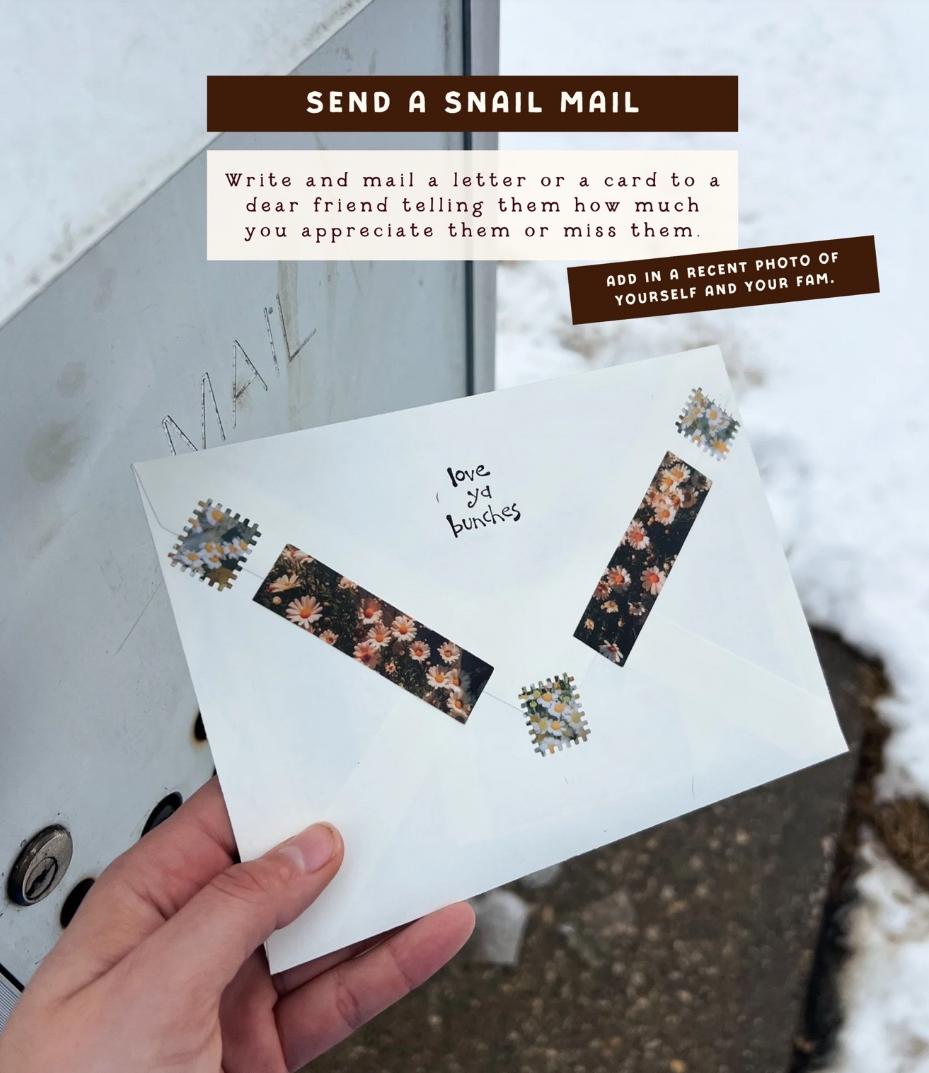
Low - cost Analog lifestyle
Naturally, this has led to a real resurgence of many old technologies.
In the past, nostalgia was a niche hobby or simply for collection. Now, it has become a new business hotspot.
The global Nostalgia Economy has exceeded $350 billion and is expected to approach $500 billion by 2030. In 2025, the market size of China's retro economy reached 355.2 billion yuan, a year - on - year increase of 11.7%.
