The combination of Codex and ChatGPT fills in the last piece of the puzzle for 24/7 work.
Just now, the mobile phone has been connected to Codex!
OpenAI announced the start of the internal test preview of "Codex in the ChatGPT Mobile APP".
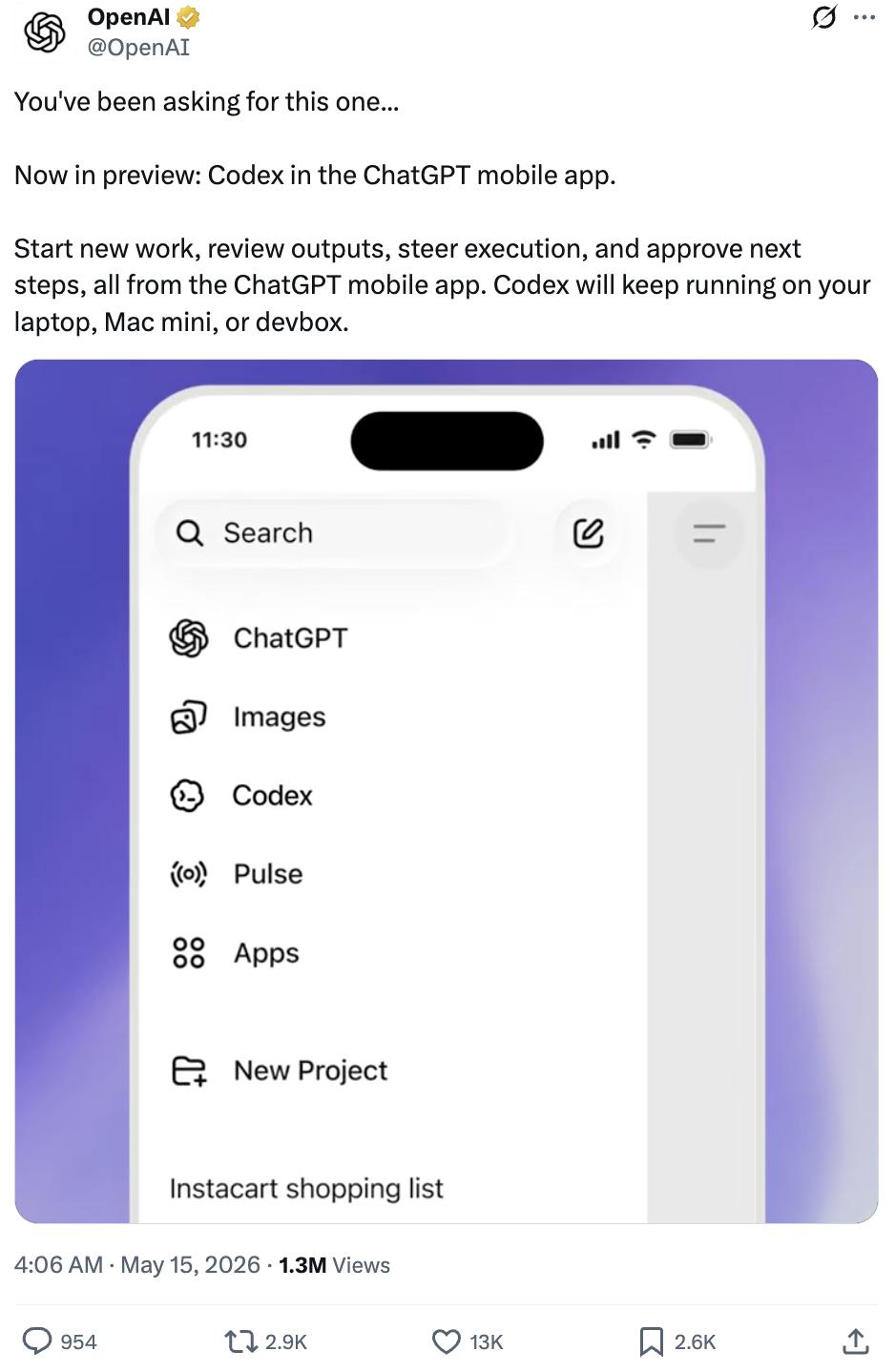
Now, by opening the ChatGPT APP on your mobile phone or iPad, you can directly assign new tasks to Codex, view the generated results, control the execution process, and confirm the next steps.
However, the main body of Codex, which actually runs the code and executes tasks, still runs in the background of your computer and other devices.
The mobile phone is equivalent to a portable remote control.
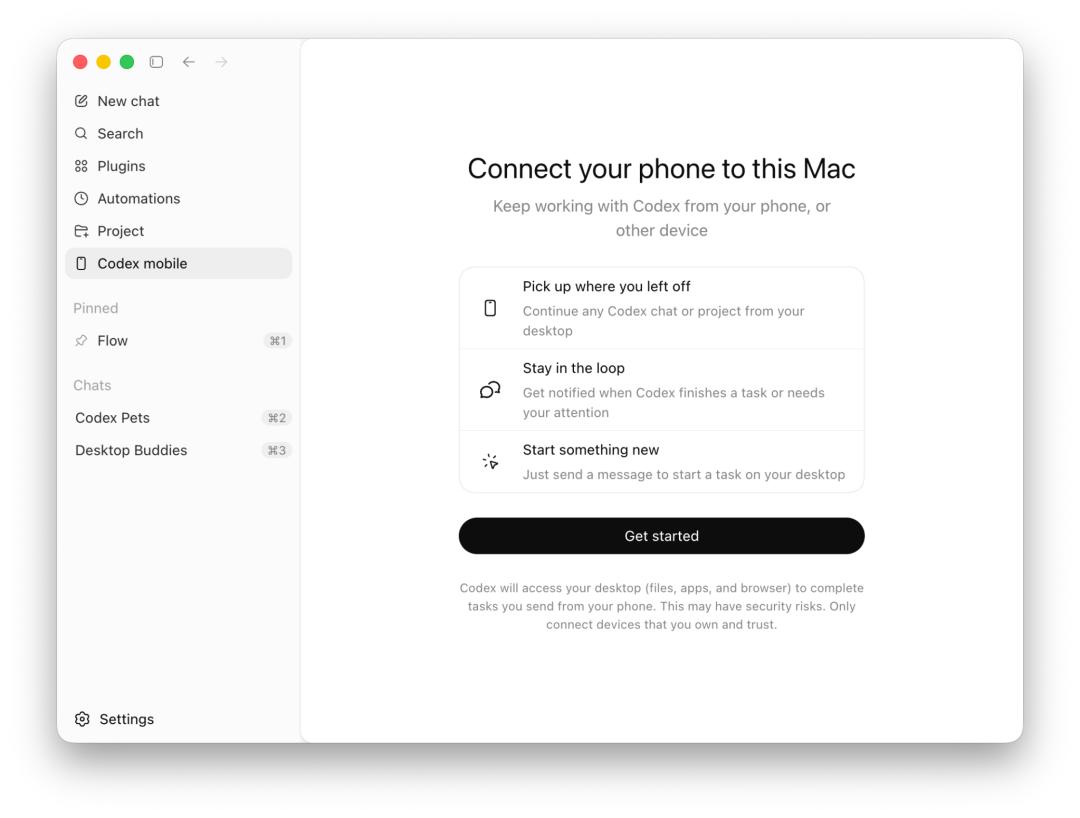
OpenAI officially stated that this feature has started phased roll - out, and both iOS and Android phones are supported. All users on all packages (including the free version) in supported regions can experience it.
In addition, the connection between the mobile phone and the Windows version of Codex is coming soon.
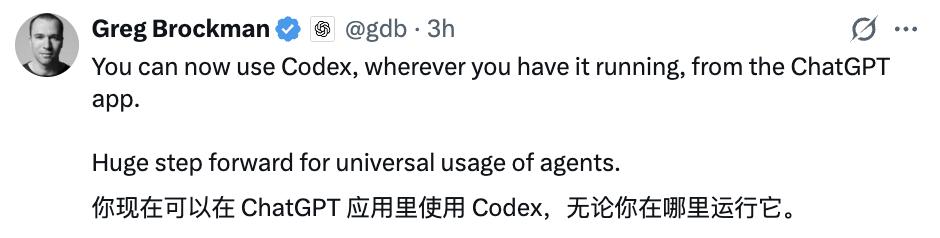
Altman and President Greg both tweeted to promote it immediately:

Netizens have been looking forward to this feature for a long time:

Some students even want to abandon Claude Code:

You can command Codex from your mobile phone
Now let's look at the official demonstration.
In the ChatGPT mobile app, issue task instructions to Codex, asking it to modify the video copy in the video production tool Remotion, export the file in MP4 format, and then synchronously send it to the Slack group on the team collaboration platform:
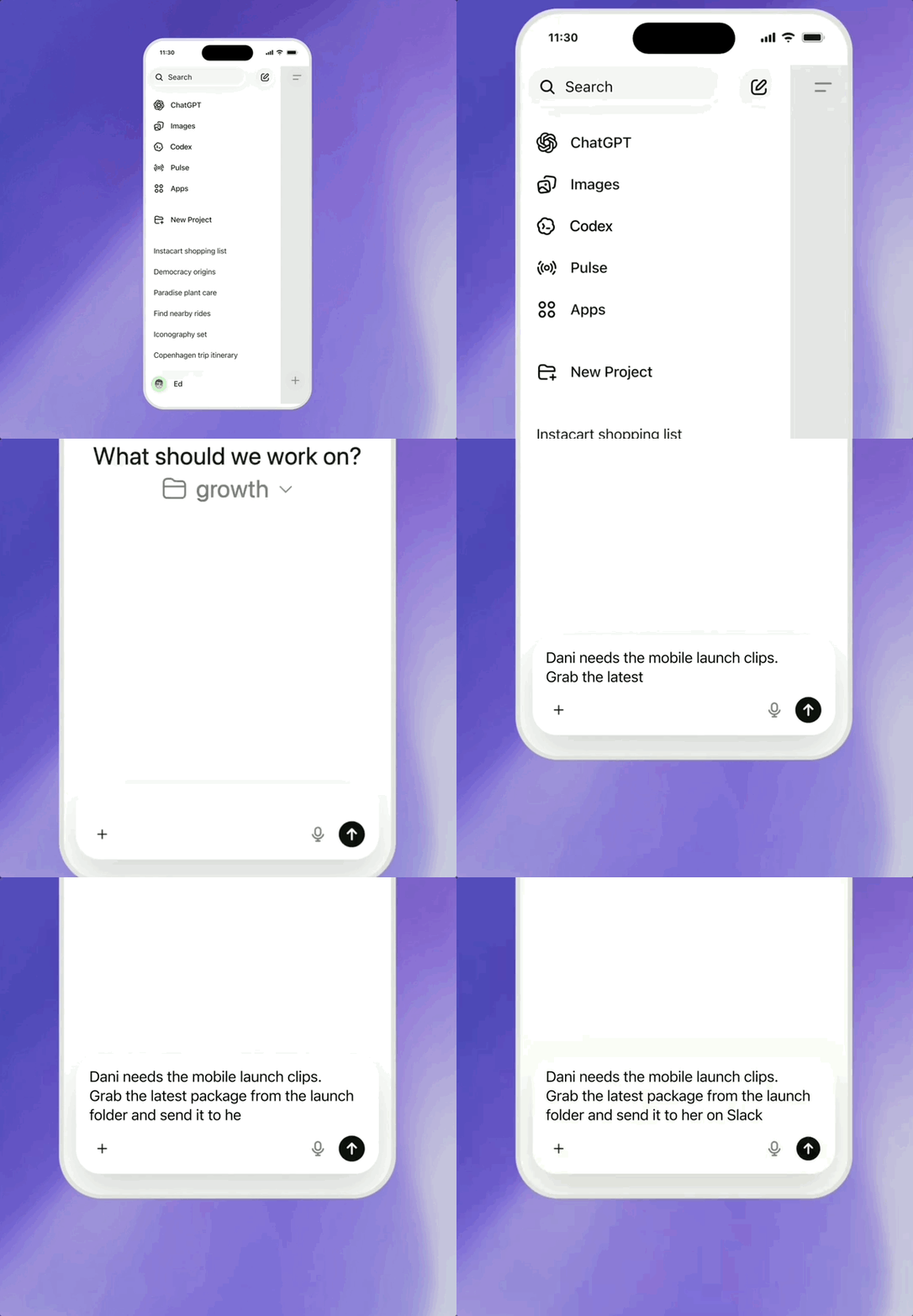
After receiving the instructions, Codex immediately automatically executes the entire set of operations on the computer:
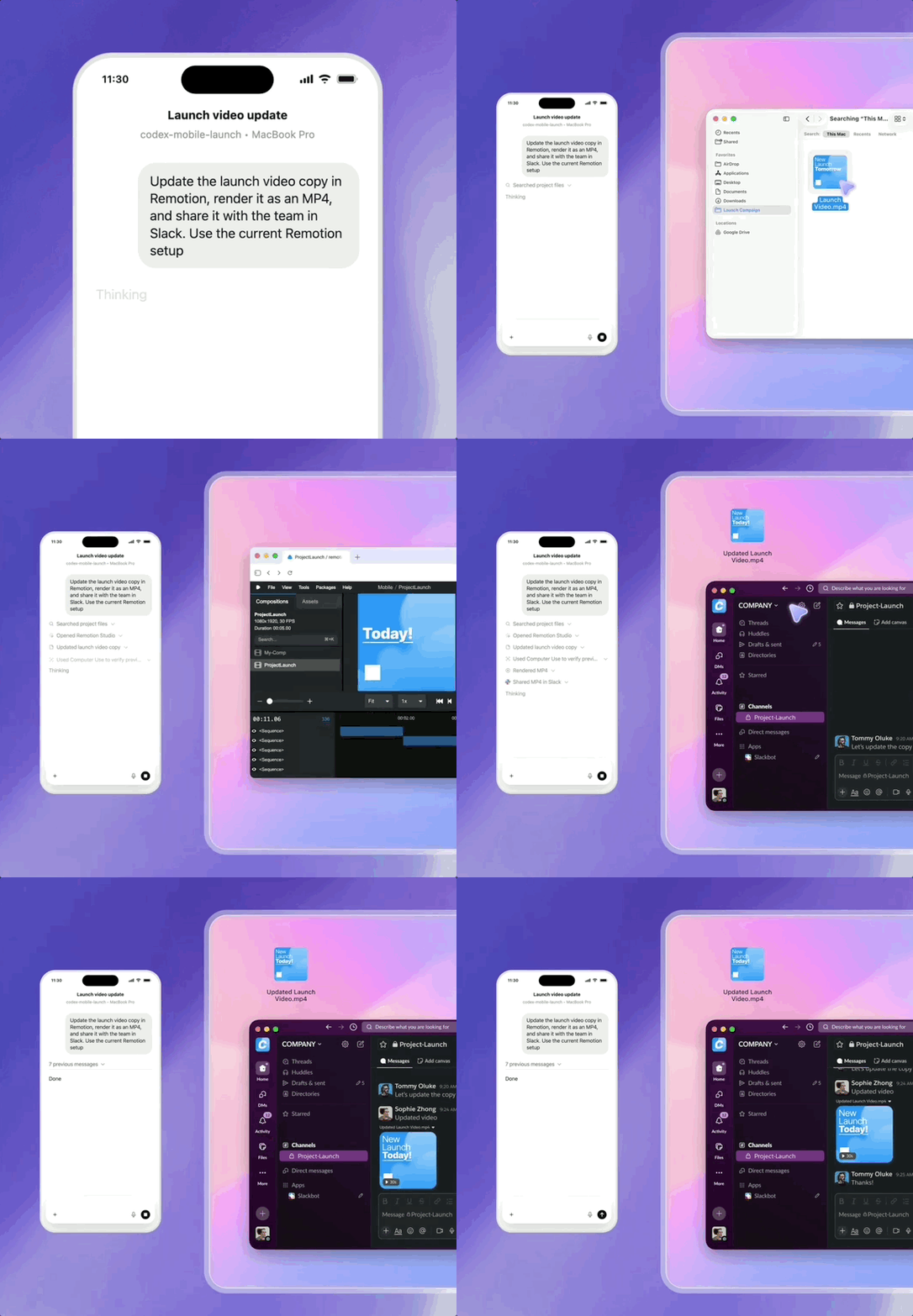
After completing the entire process, Codex will reply "Done" in the conversation interface on the mobile phone to tell you that the task is completed.
OpenAI said that Codex integrated in the ChatGPT mobile app has full practical capabilities, enabling you to efficiently collaborate on various tasks on the mobile device.
As long as you connect to any device running Codex (MacBook, Mac mini, or a hosted remote environment is okay), the mobile app will synchronize the real - time status of that device, allowing you to smoothly manage ongoing tasks, approval items, plugin functions, and full - project information.
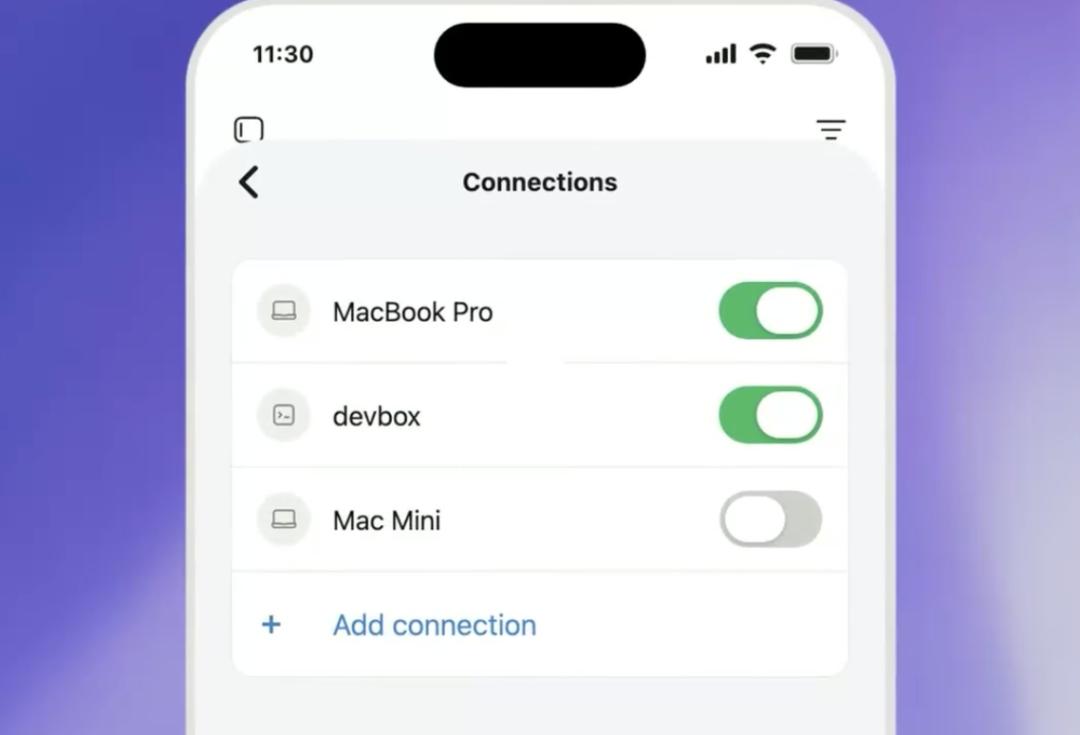
Moreover, it is not just a simple single - task remote control.
You can coordinate all task processes, view output results, confirm execution instructions, switch AI models, and create new work content on your mobile phone.
Local files, account credentials, permission settings, and environment configurations are all stored on the device running Codex; information such as screenshots, terminal running logs, code difference files, test results, and approval progress are synchronously sent to the mobile phone in real - time.
You don't have to stay on the conversation interface all the time. You can minimize it to the background. When Codex encounters a critical node that requires user permission, it will automatically pause the task until you open your phone to view and authorize it, and then continue to execute.
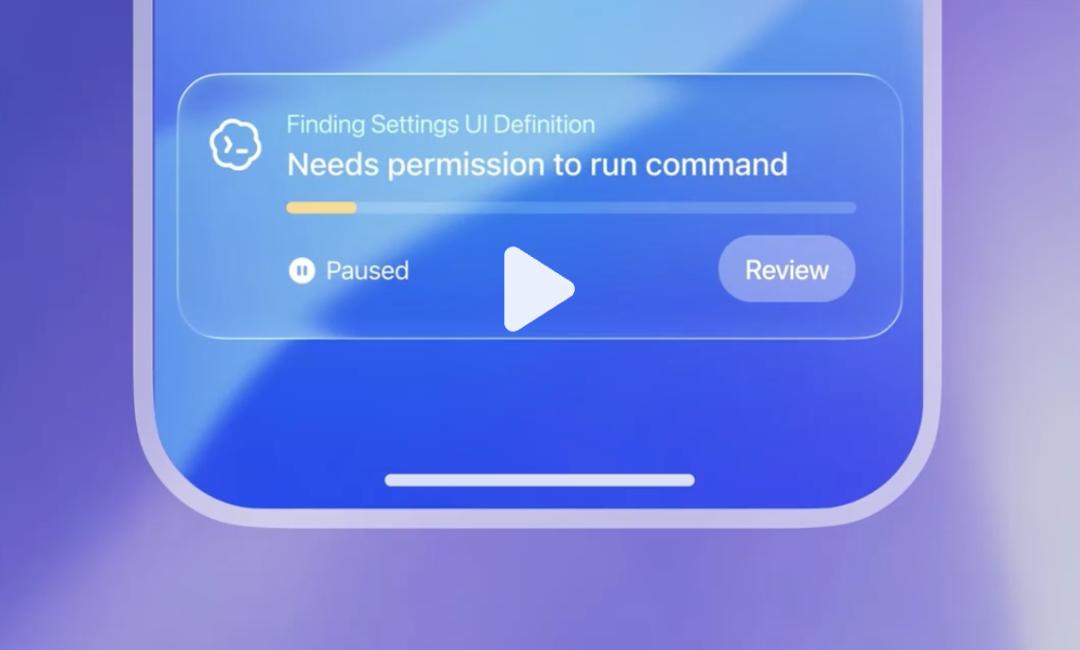
Even complex development tasks that take several hours to run are no problem at all.
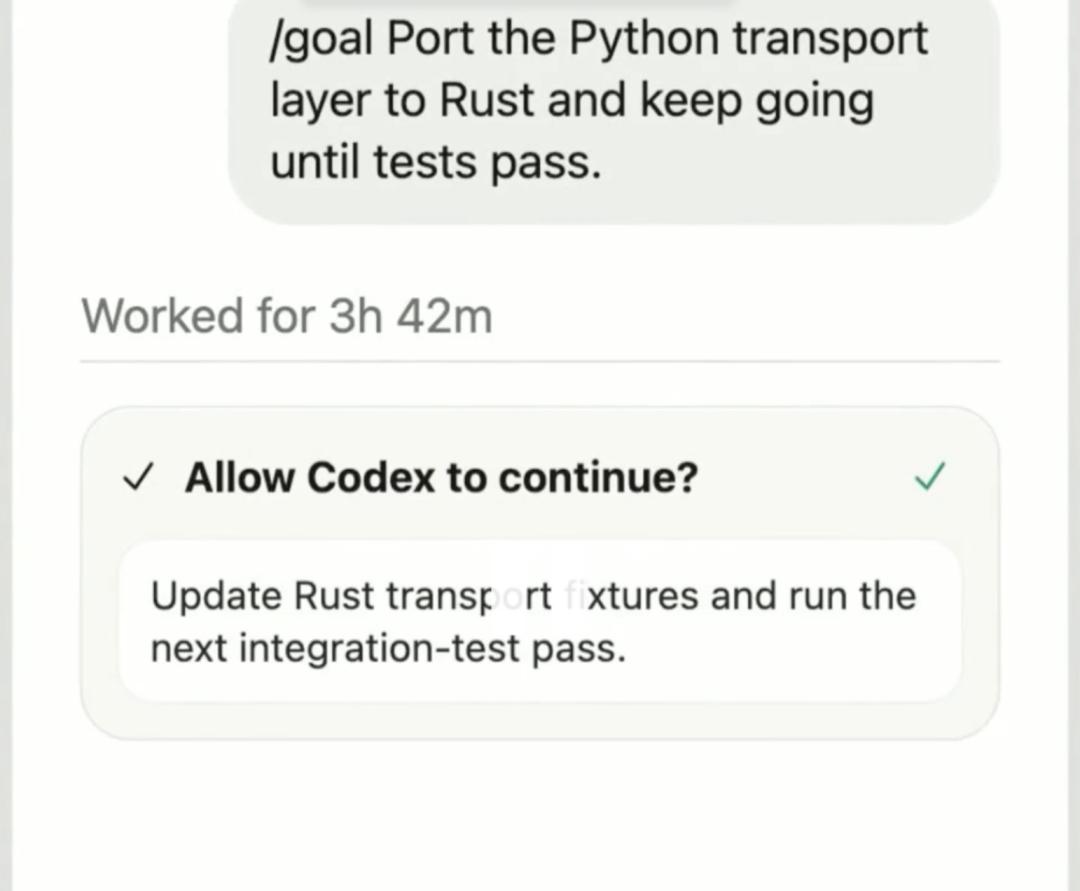
You can also let it be your "exclusive project manager" and tell it:
As my project progress manager, keep an eye on the data related to releases, user growth, and schedules. Only notify me when something changes the original plan.
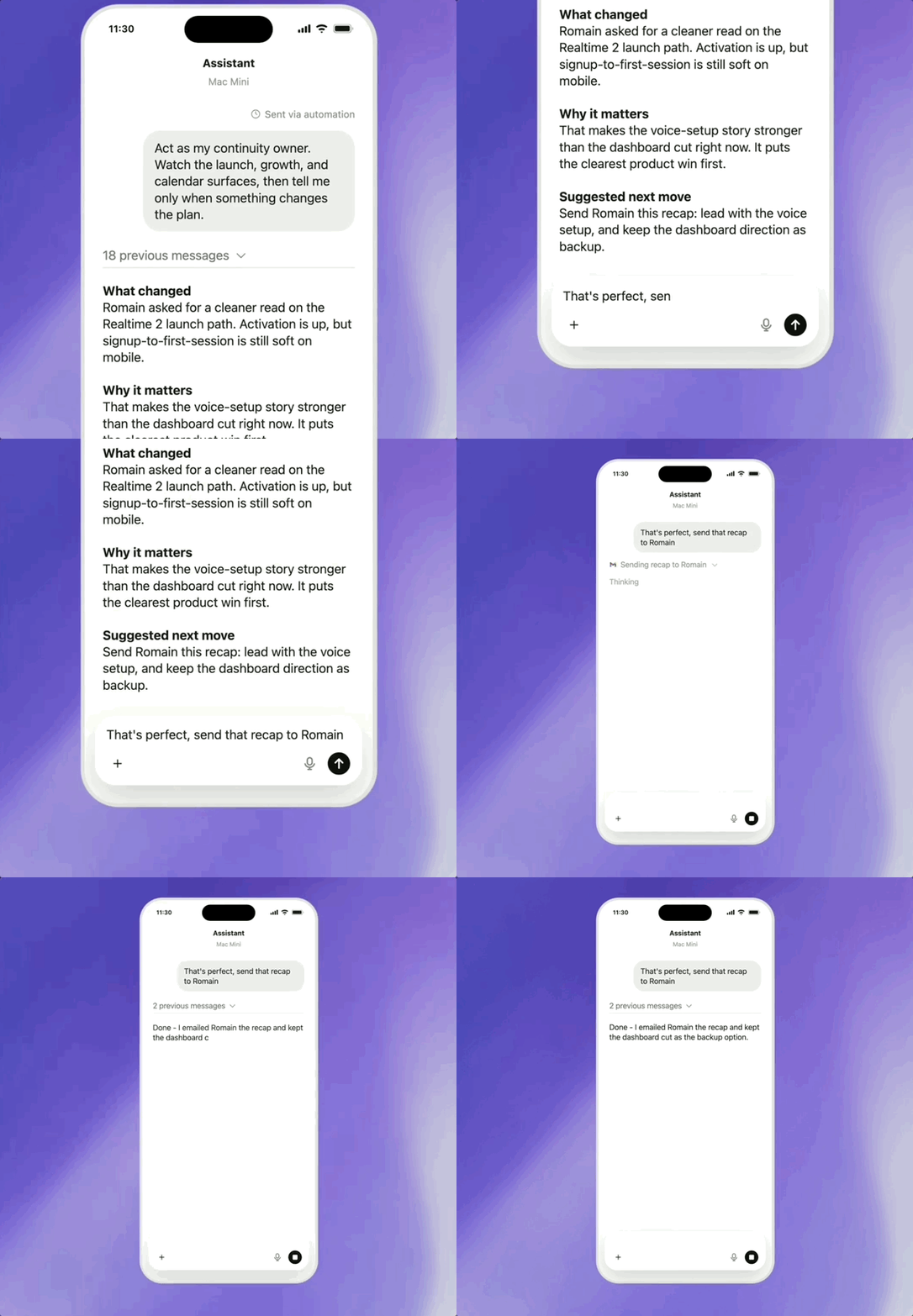
To ensure security, OpenAI also said that at the underlying architecture level, Codex uses a secure transit transmission mechanism, which can connect trusted devices among multiple devices without directly exposing the devices to the public network. This transit service can also synchronize real - time session status and project - related information among all devices where you log in to ChatGPT.
For enterprise users, OpenAI has also launched several updates to meet the needs of team development and compliance:
- Full launch of remote SSH connection: Codex can access the enterprise - standardized remote development environment. The desktop will automatically read your SSH configuration host information. You can create projects and run tasks on remote devices just like local operations. All authorized devices can access through a secure channel. You can start the process on your computer and follow up on your mobile phone, so you don't have to stay at your desk for long - term tasks.
- Programmatic access keys: Enterprise and business - version users can generate directional permission credentials on the ChatGPT workbench, which are suitable for CI pipelines, version release processes, and internal automation scenarios, allowing the system to safely call Codex.
- Formal opening of Hooks tools: Users can use it to detect private information in instructions, perform compliance checks, retain conversation records, build project memory, and customize Codex running rules for different code repositories and folders.
- Support the ChatGPT Enterprise Edition workspace to use Codex in a HIPAA (U.S. Health Insurance Portability and Accountability Act) - compliant manner in local environments (CLI, IDE, applications), helping medical institutions efficiently carry out diagnosis and treatment support work and daily operation processes.
Reference links:
[1]https://x.com/OpenAI/status/2055016850849993072
[2]https://openai.com/index/work-with-codex-from-anywhere/
This article is from the WeChat official account "QbitAI", author: Xifeng. It is published by 36Kr with authorization.