375kg Red Line Exposed: Your New Energy Vehicle May Be "Overloaded" by Nature
Have you ever wondered if that seemingly "sturdy" new energy vehicle in your family might be "overloaded" by nature?
New energy vehicles have become the mainstream choice for family car purchases. However, Dianchetong (ID: dianchetong233) is certain that when choosing a car, people tend to focus on selling points such as range, space, configuration, and depreciation rate, but rarely pay attention to two key parameters: the curb weight and the rated load of the vehicle.
Let's start with a very intuitive phenomenon.
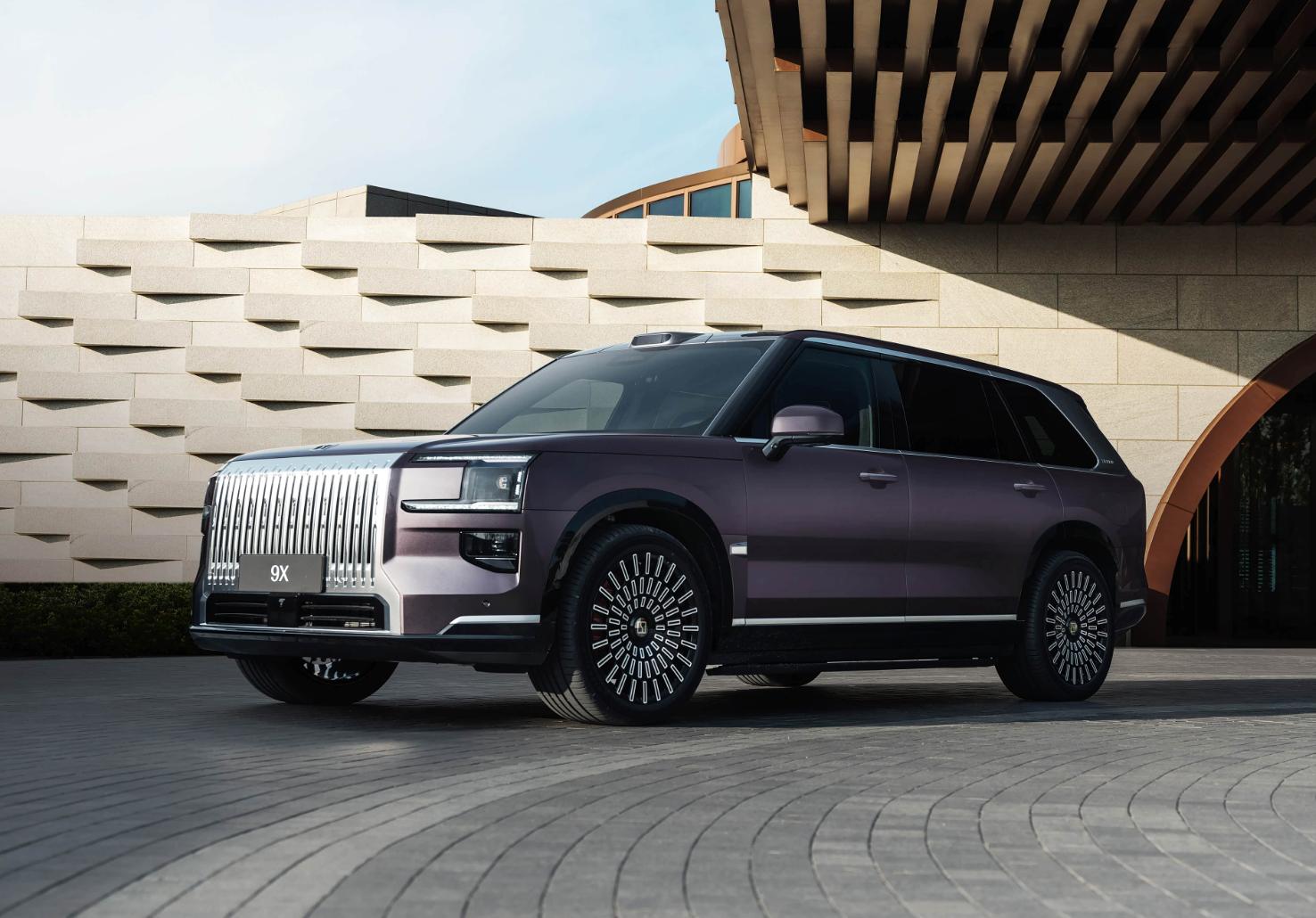
Currently, the total weight of ordinary household pure - electric and hybrid models has generally exceeded 2 tons. Popular large - scale new energy vehicles such as the Li Auto i6 four - wheel drive version, Fangchengbao Titanium 7, and Voyah Dreamer have even crossed the 2.5 - ton threshold, and a few models like the Zeekr 9X have exceeded 3 tons.
Source: Zeekr official
You can imagine that the weight of a household new energy vehicle is almost catching up with the unloaded weight of a light truck. Moreover, compared with fuel vehicles of the same class, the weight increase of new energy vehicles is very obvious. In other words, for vehicles of the same size, the new energy version often weighs dozens or even hundreds of kilograms more than the fuel version, which is equivalent to having four or five more adults sitting in the car all year round.
If you often travel with a full load, considering the heavy weight of the vehicle itself, the combination of the two creates a double safety hazard.
This problem has been deliberately downplayed by car manufacturers, and most car owners rarely notice it. Most people assume that the heavier the vehicle, the sturdier it is, and the larger the space, the more it can carry. They are completely unaware that there are a series of troubles hidden behind over - weight and over - load, such as driving safety, vehicle usage costs, and insurance claim disputes. This is also a current situation in the new energy vehicle usage field that urgently needs to be addressed.
Why are electric cars so "heavy"?
The continuous increase in the weight of new energy vehicles has long been a common phenomenon in the industry. This inherent weight redundancy has laid multiple safety risks since the vehicle design stage. To understand this problem, we first need to figure out why current electric cars are generally so heavy.
Ultimately, there are three layers of reasons, and they are cumulative.
Firstly, the issue of range anxiety has forced the expansion of battery capacity. Currently, it is difficult to significantly increase the battery capacity density. For pure - electric vehicles to truly meet long - distance travel needs, the only way is to continuously increase the battery pack capacity, which directly increases the basic weight of the vehicle. It is not uncommon to see models equipped with a 100kWh battery pack.
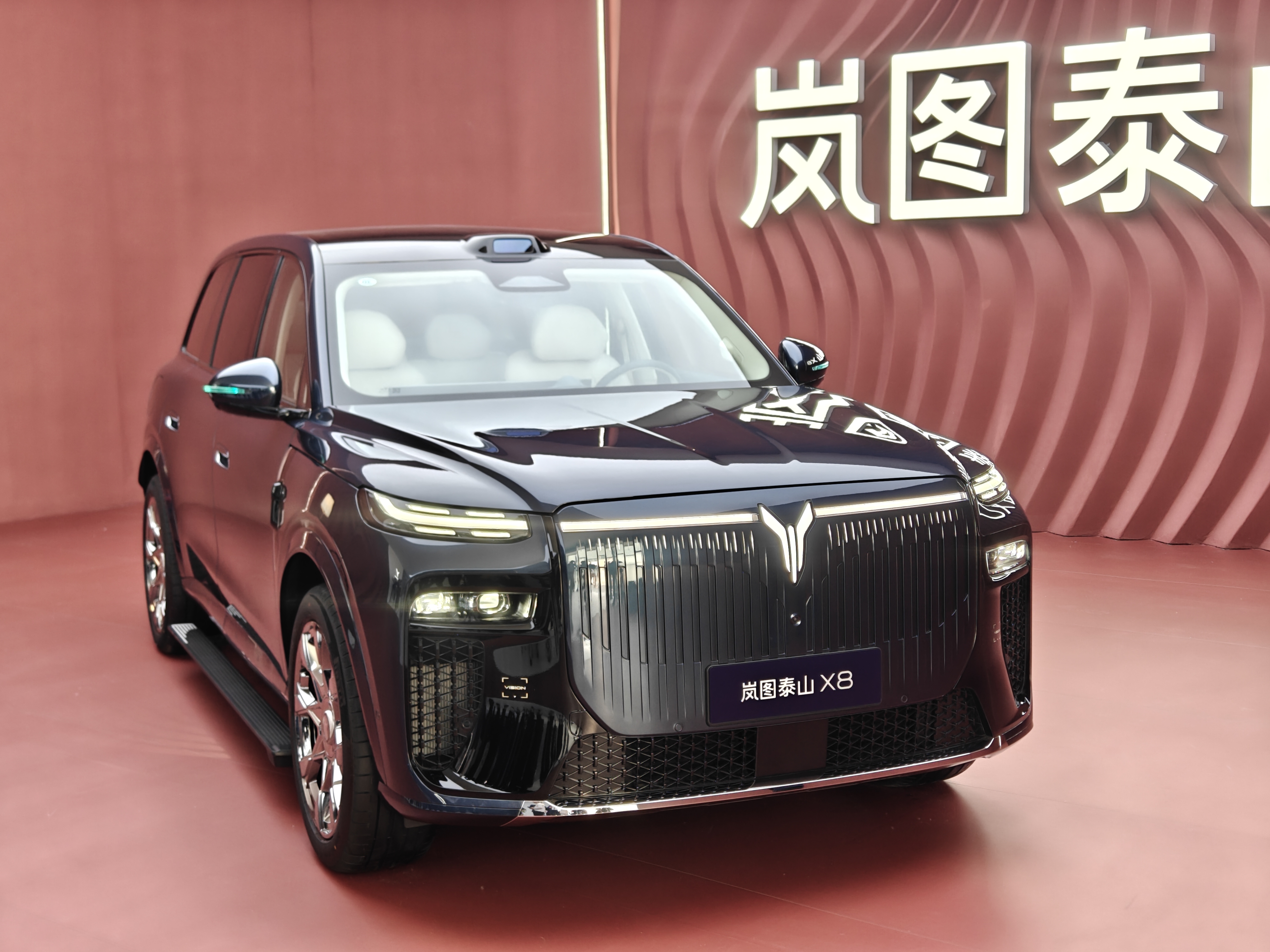
In addition, current hybrid vehicles need to attract the market with a longer pure - electric range, so they also need to be equipped with a larger - capacity battery pack. On top of the original fuel power system, the additional battery weight further increases the curb weight of the vehicle. The PHEV version of the Voyah Taishan is equipped with a 65kWh battery pack, and the Leapmotor D19 extended - range version is even equipped with an 80.3kWh battery pack, which is on par with mainstream pure - electric vehicles.
Source: Filmed by Dianchetong
The second layer is the superposition of materials due to safety design. To ensure the collision safety of the battery pack and the rigidity of the vehicle body, car manufacturers generally use high - strength steel and thickened body structural parts. Coupled with the entire set of hardware configurations such as the engine, transmission, and electronic control system in hybrid models, the vehicle body weight remains high.
In addition, car manufacturers are keen on piling up luxury configurations, such as large central control screens, panoramic sunroofs, air suspensions, seat ventilation and heating, multi - speaker audio systems... These additional configurations also invisibly add a lot of weight to the vehicle body. Individually, each item is not very heavy, but when dozens of items are added together, dozens or even hundreds of kilograms are added.
Once a car is too heavy, the driving experience will be significantly different, and there are also many hidden dangers.
The first to be affected are handling and braking.
The heavier the vehicle body, the more sluggish the steering response. When changing lanes at high speed or making an emergency avoidance, the vehicle body shows obvious drag, and its flexibility is far inferior to that of lightweight fuel vehicles. More importantly, the self - weight will significantly increase the braking distance. Under the same speed and road conditions, a new energy vehicle weighing over 2 tons takes several more meters to stop than a 1.5 - ton fuel vehicle. On the highway, this could be the difference between a collision and avoidance. On wet and slippery roads in rain or snow, it is easier to exceed the tire grip limit, increasing the risk of skidding or even losing control.
The second problem caused by the heavy vehicle weight is that the wear and tear of core components will be significantly accelerated.
The suspension, shock absorbers, tires, and braking system are under greater pressure for a long time. Shock absorbers are prone to oil leakage, the tire wear rate doubles, and the consumption of brake pads and brake discs also increases significantly.
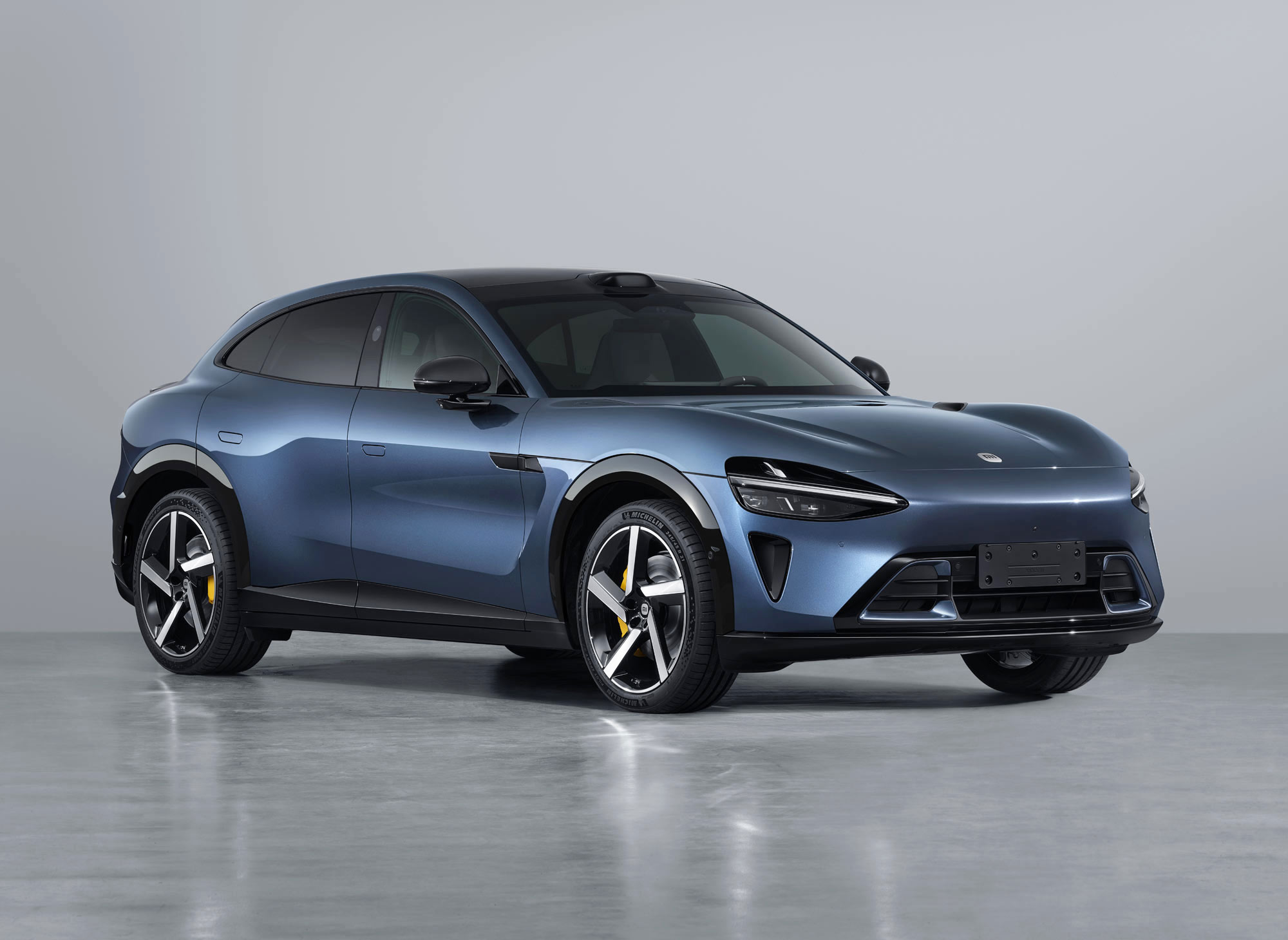
Let's take a few models that have attracted a lot of attention in the market for comparison. The Tesla Model Y has a curb weight of about 1.9 to 2 tons, and the official recommends a basic maintenance every 20,000 kilometers. The Xiaomi YU7 also has a curb weight of over 2 tons, and its official maintenance cycle is 10,000 kilometers or 12 months. The first maintenance must be completed on time; otherwise, it will affect the lifetime warranty of the three - electric systems.
Source: Ministry of Industry and Information Technology
The Li L6 has a curb weight of over 2.3 tons, and its maintenance cycle is 1 year or 10,000 kilometers of the range extender's operation. For the Fangchengbao Titanium 7 four - wheel drive version, the first maintenance is at 3,500 kilometers or 6 months, and the regular maintenance interval is 1 year or 10,000 kilometers of HEV mileage.
It is not difficult to find that these large vehicles with a self - weight generally exceeding 2 tons and even approaching 2.5 tons have a much shorter maintenance interval than fuel vehicles in the same price range. The chassis, suspension, and braking system are under greater load every day. Car manufacturers are well aware of this, so they dare not extend the maintenance cycle.
There is also a problem that many people don't expect: high self - weight will conversely increase energy consumption. The power consumption increases significantly during high - speed driving, and the actual range is severely reduced.
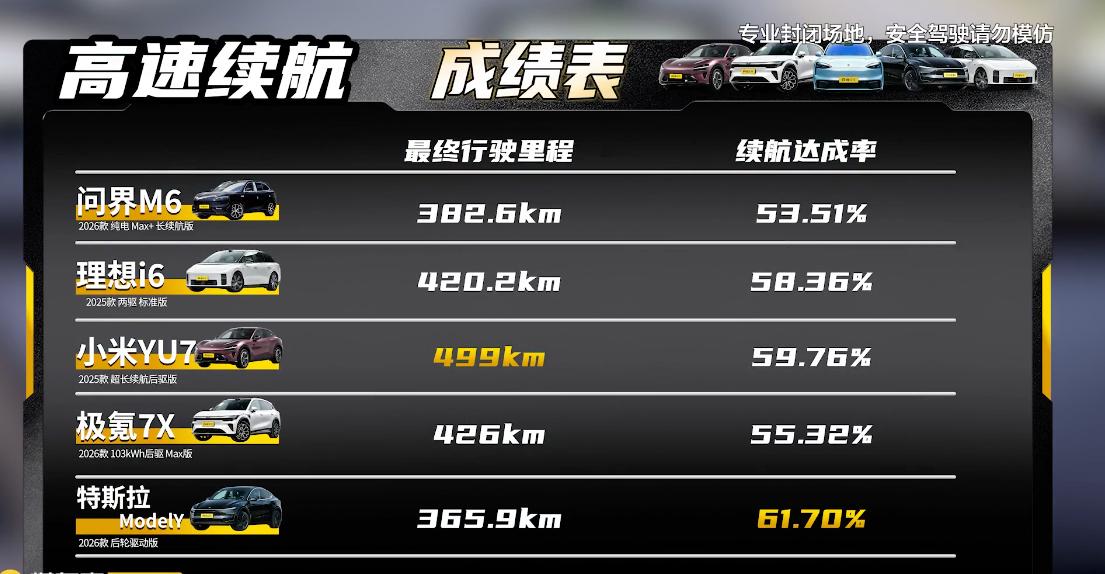
Recently, Dongchedi conducted a high - speed range test on 250,000 - level pure - electric SUVs. The Tesla Model Y rear - wheel drive version ranked first among the five tested models with a range achievement rate of 61.70%. Its curb weight is also the lightest among the five tested vehicles, only 1921kg.
In contrast, the AITO M6 pure - electric Max+ long - range version is equipped with a 100kWh battery pack, and its CLTC pure - electric range is as high as 760km. However, its curb weight of 2395kg results in a range achievement rate of 53.51%, slightly inferior to other competitors.
Screenshot: Dongchedi
In addition to the safety hazards, consumers also have to bear many hidden costs. Due to the more frequent replacement of vulnerable parts such as tires, brakes, and suspensions, the maintenance and repair expenses increase year by year. Moreover, the heavy vehicle body has a large inertia, and the damage is more severe in case of collisions or scratches.
The "invisible red line" of 375kg
After discussing the vehicle weight, let's look at another parameter that is easily overlooked but equally important: the load - carrying standard.
Many people, when buying a car, especially like to pursue a large wheelbase and a spacious interior space. When sitting in the back row, there is still a few - fist distance between the knees and the front seat, and the trunk is extremely deep when opened. Naturally, people think that the larger the space, the more people and things it can carry, and the higher the practicality.
This idea itself is not wrong, but it ignores a premise: the load - carrying standard of new energy vehicles is actually much lower than many people think.
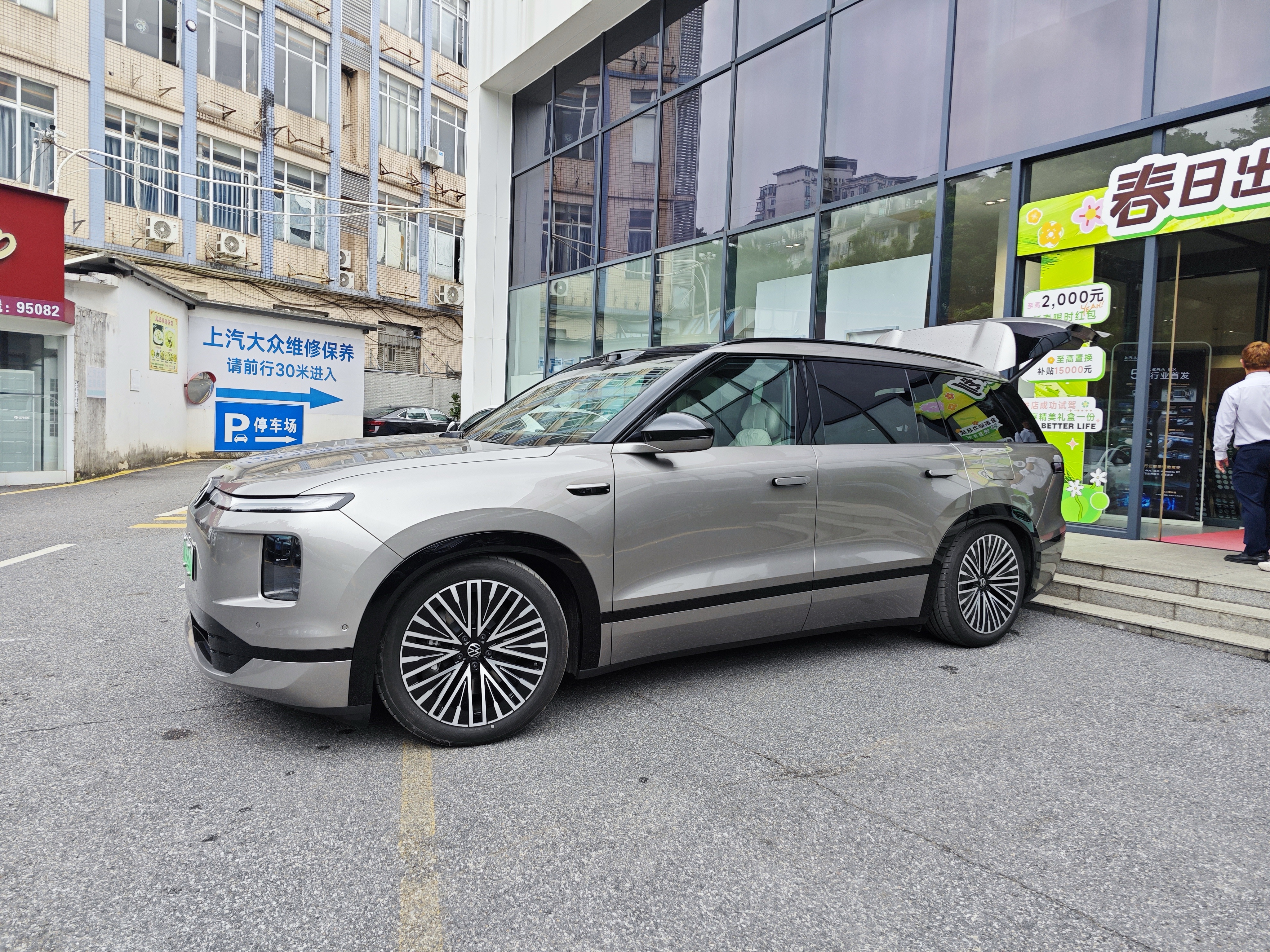
If you open the manuals of most five - seat household new energy vehicles on the market, you will find an amazing coincidence: the maximum approved load is basically around 375kg.
375kg is not a coincidence among car manufacturers. According to GB/T 5910 - 1998 "Automobile Mass Distribution", the minimum design load - carrying capacity of a five - seat passenger vehicle should meet the requirements of a 68 - kilogram - weight passenger plus 7 kilograms of carry - on luggage, multiplied by 5, which exactly results in a minimum standard of 375kg.
Therefore, many car manufacturers basically design according to this minimum standard line, just meeting the standard without any redundancy, which is a typical case of skirting the rules.
Source: Filmed by Dianchetong
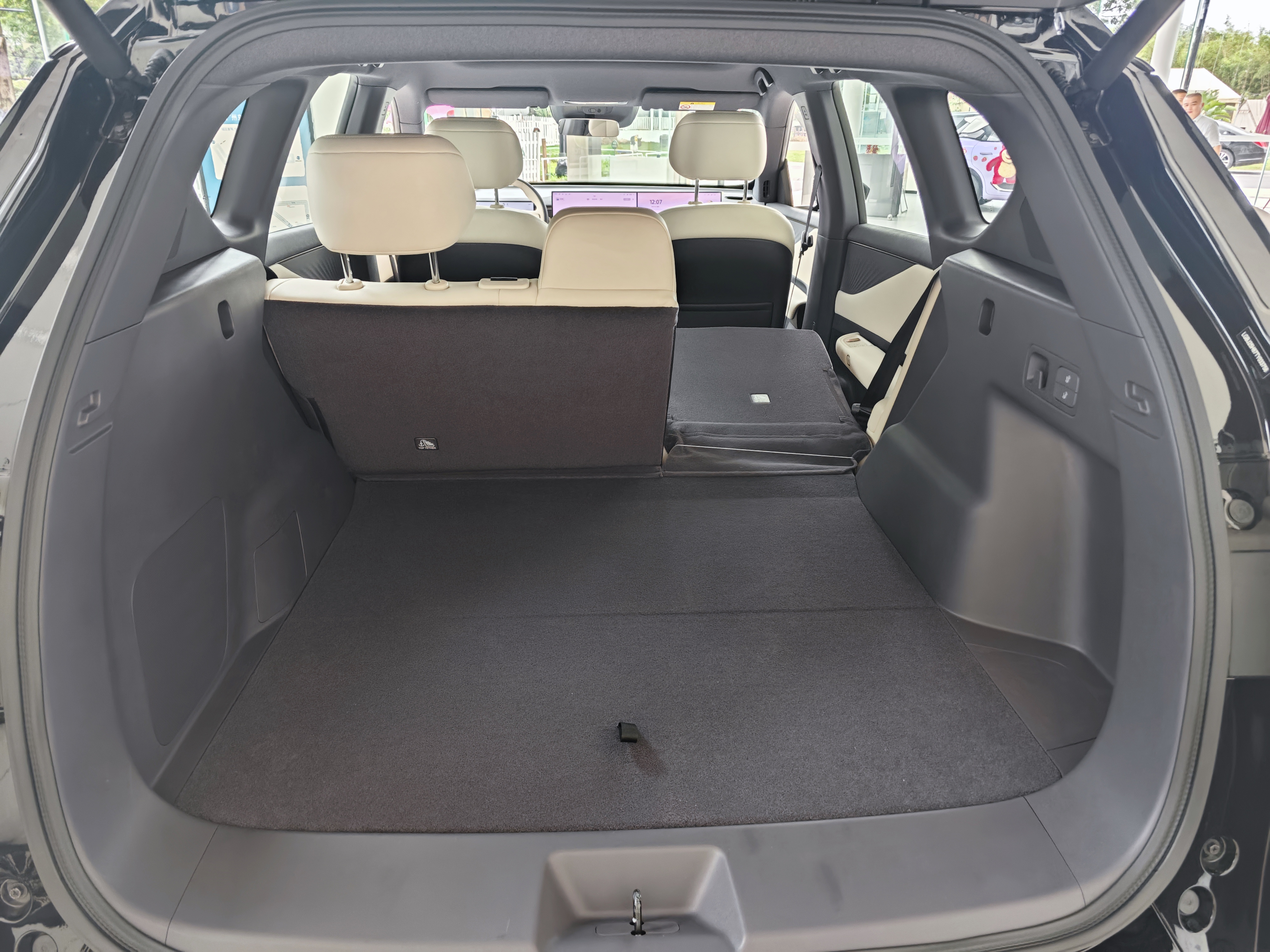
Many car owners feel happy when they buy a car, seeing the spacious back row and the huge trunk. But when they go home and read the manual, they find that when the car is full of people and luggage, it easily exceeds the standard. The sense of disappointment of "wasting such a large space" can probably only be felt by those who have experienced it.
You may think that the vehicle itself weighs two or three tons, with solid materials and a stable chassis. So, having a few more people in the car and stuffing more luggage in the trunk won't be a problem. Since the car can move, there is no issue, and people load the vehicle based on their subjective feelings.
This idea is actually very dangerous. The troubles caused by over - loading are far more than just "unsafe driving".
Firstly, it is an illegal act. According to traffic regulations, over - loading of household motor vehicles is an illegal act. Once caught by the traffic management department, fines and points deductions are inevitable.
Secondly, and most importantly, the insurance company is likely to refuse to pay.
Source: Filmed by Dianchetong
Think about it. In case of a traffic accident when the vehicle is over - loaded, the traffic police will find out the over - loading situation at the scene. It will be clearly stated in the accident determination report. Then, the insurance company will intervene for verification, confirm the over - loading, and refuse to pay the claim.
The insurance company's actions are based on valid reasons. Commercial insurance does not cover the accident losses caused by illegal vehicle usage, and that's that.
At that time, you will not only face the vehicle repair costs. If there are casualties or property losses to third - parties in the accident, you will have to bear all these costs yourself. Originally, you just wanted to make your travel more convenient by carrying a few more people and some extra luggage, but it may result in huge economic losses or even an irreparable safety tragedy.
Heavier no longer means safer
The problems of over - weight and limited load - carrying capacity of new energy vehicles have become common in the industry.
The inherent weight redundancy of the vehicle body is, in fact, the price that manufacturers have to pay for range and safety. The result is poor handling, soft braking, and higher maintenance costs. On the consumer side, either they don't know about the load - carrying standard at all, or they think that "a heavy vehicle can carry more". As a result, they often over - load the vehicle in daily use. When the vehicle weight and over - loading are combined, problems arise.
So, is it possible to reduce the weight of new energy vehicles in the future? Dianchetong (ID: dianchetong233) believes that the answer is yes, and the dual promotion of policies and technologies is accelerating this process.
From a policy perspective, the new national standard "Limit Values of Energy Consumption for Electric Vehicles" has been implemented since January 2026. It directly links the power consumption per 100 kilometers with the vehicle weight: the heavier the vehicle, the stricter the power consumption limit. The overall standard is about 11% stricter than the previous version.
In other words, if manufacturers continue to rely on adding batteries and thickening the body to support range and safety, it will ultimately be a dead end. They must find ways to reduce the weight.
From the perspective of technological breakthroughs, car manufacturers are also trying to reduce the vehicle weight.
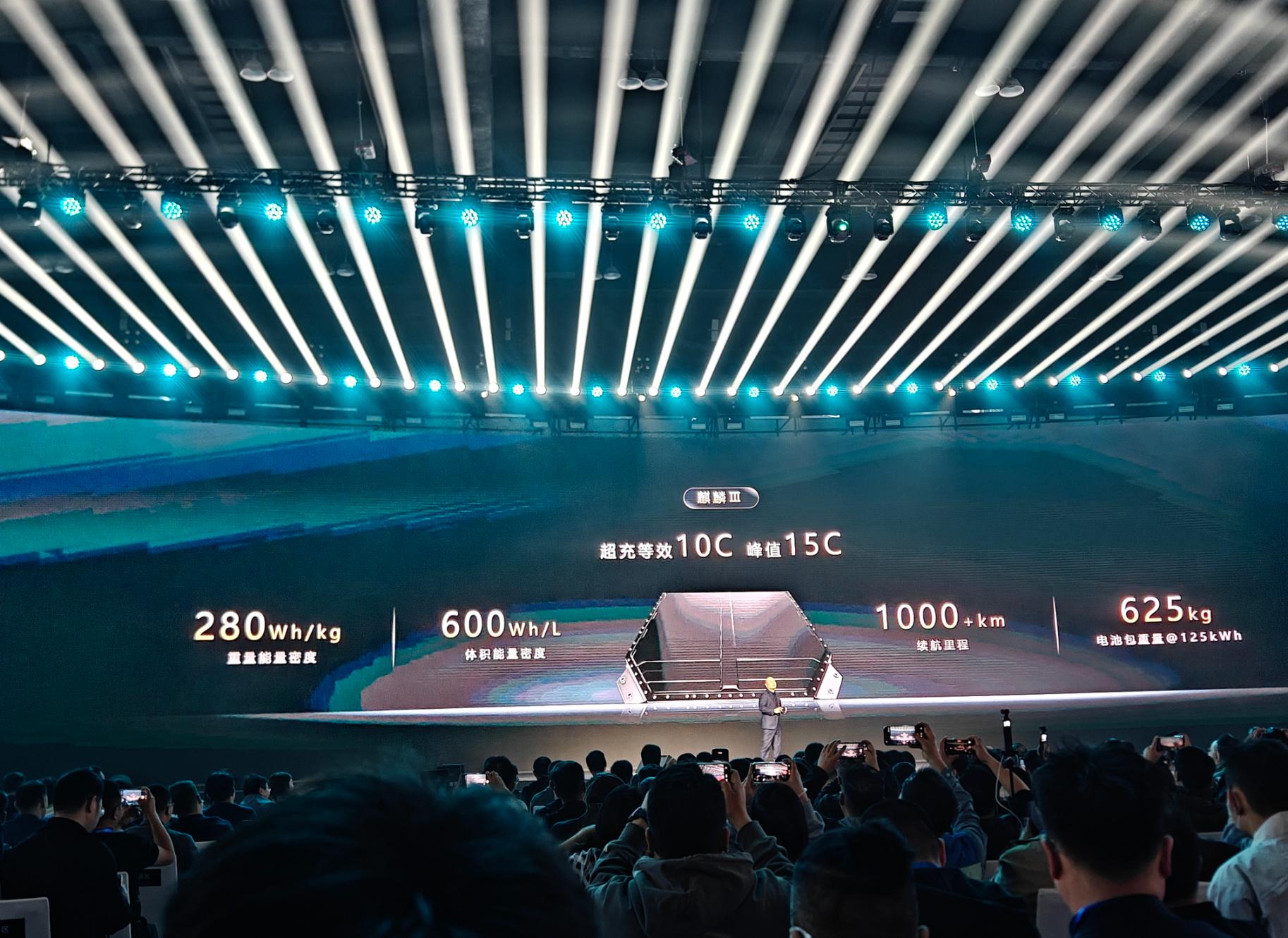
In terms of batteries, the energy density of current mainstream battery packs is around 200Wh/kg, while CATL's condensed - state battery can reach 350Wh/kg, setting a new record for mass - produced batteries. With this alone, the battery pack can be more than 200 kilograms lighter under the same range.
Source: Filmed by Dian