An "AI ring" worth $11 billion has conquered the most high - end US Open.
In October 2025, OURA completed a financing round of over $900 million led by Fidelity Investments. Since then, the brand's valuation has exceeded $11 billion (approximately RMB 74.75 billion).
Recently, OURA, a manufacturer of smart AI rings, has reached a five - year cooperation agreement with the United States Tennis Association (USTA). The brand OURA has officially become the first official wearable fitness equipment partner of the US Open (hereinafter referred to as the US Open), the United States Tennis Association, and its coaching system.
Sports Business believes that the greatest significance of this cooperation is to send a major signal to the market. From the Australian Open's ban on players wearing smart tracking devices at the beginning of the year, to the French Open and Wimbledon allowing players to wear them, and then to the US Open, the world's "most profitable" Grand Slam event, directly cooperating vigorously with smart wearable fitness equipment, it indicates that the future sports industry will embrace smart technology products such as wearable fitness equipment. The cooperation between OURA and the US Open is the "opening shot".
01
Three Major Initiatives
Make OURA Shine at the US Open
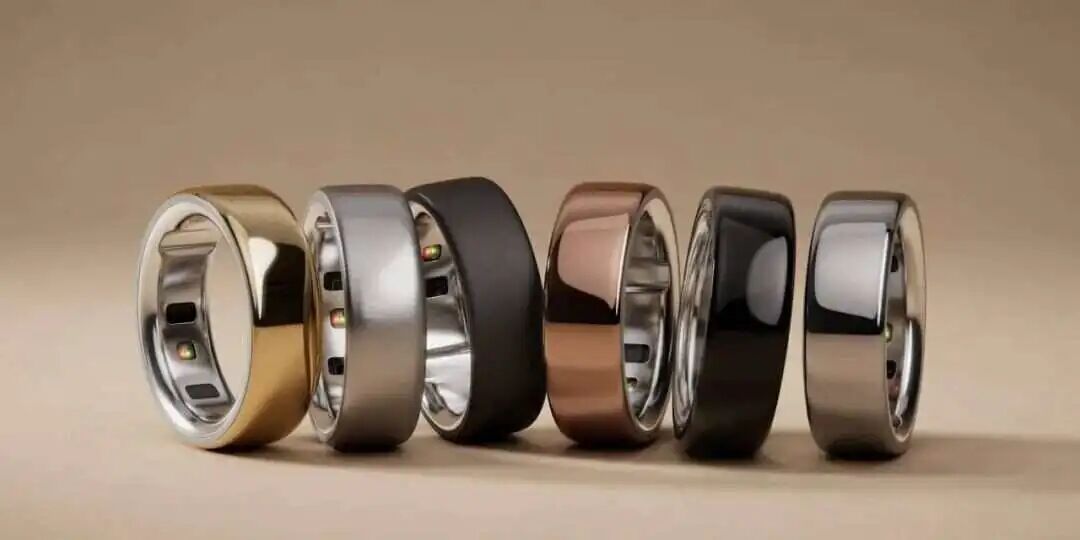
OURA was founded in Finland in 2013. Its three co - founders, Petteri Lahtela, Kari Kivelä, and Markku Koskela, have work experience in well - known technology companies such as Nokia and Polar. Since its establishment, the brand has targeted small and delicate smart wearable products. In 2015, OURA released its first - generation AI ring. Subsequently, it has gone through four product iterations. The latest generation, Oura Ring 4, covers functions such as blood oxygen, heart rate, respiratory rate, and body temperature. The starting price is $349, and the ceramic version costs $499. There is also a monthly subscription service fee of $5.99.
Since its first release in 2015, the cumulative sales of Oura Ring have exceeded 5.5 million pieces. Among them, 3 million pieces were sold in the past year alone. The company's revenue in 2025 exceeded $1 billion. CEO Tom Hale expects the revenue to exceed the $1.5 billion mark in 2026. In October 2025, OURA completed a financing round of over $900 million led by Fidelity Investments. Since then, the brand's valuation has exceeded $11 billion (approximately RMB 74.75 billion).
Sports Business has summarized that there are three major initiatives in this cooperation between OURA and the US Open, which will further enhance the brand's influence in the sports circle. The first initiative is definitely to increase exposure through the direct wearing by top athletes and the display of logos on the sidelines of the court.
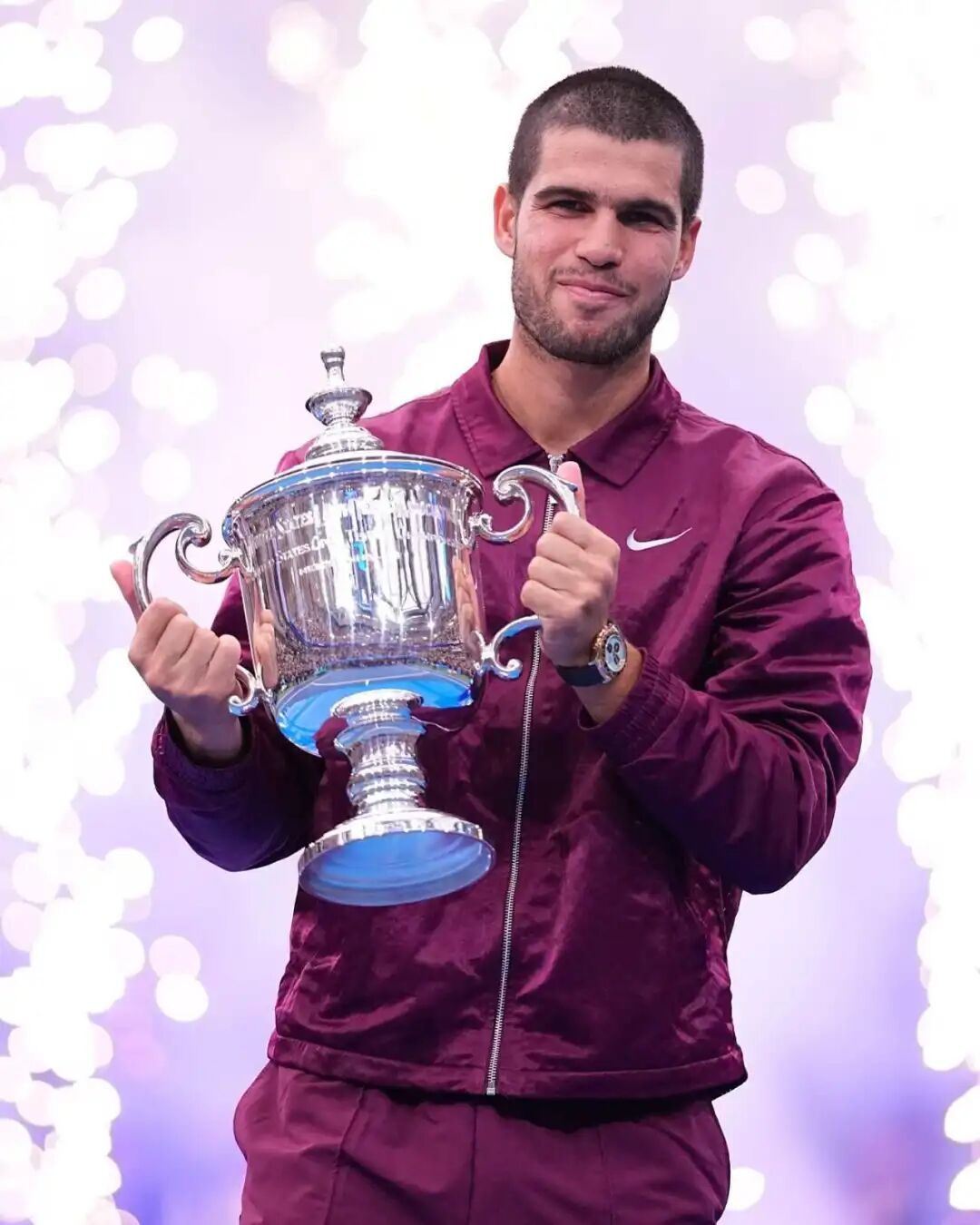
Each player participating in the main draw of the US Open will receive an Oura Ring through the player concierge kit. Players can not only wear it during the game, but also when they hold up the trophy after winning the championship, this kind of jewelry product may get a chance to be displayed, thus gaining huge exposure.
On the sidelines of the court, OURA will get the display of sidelines logos in Arthur Ashe Stadium and Louis Armstrong Stadium, as well as brand exposure in the global broadcast pictures and on - site audience experience activities. According to official statistics, in 2025, the US Open welcomed 1.14 million on - site audiences, setting a new record. The global broadcast covered 200 million audiences in more than 200 countries and regions. For a consumer goods brand, the value of this level of exposure is immeasurable.
The second initiative is that OURA wants to not only tap the resources of top players but also penetrate into the grass - roots level of American tennis. This cooperation extends to the USTA's coach certification system. A "recovery and readiness" section has been added to the coach certification course, and OURA will provide exclusive discounts and free use in designated activities for coach members. The brand will also provide sponsorship for coaches, leagues, and member platforms.
The third initiative is to name the new player performance center of the US Open. In 2027, a new player performance center will be completed after the renovation of the Arthur Ashe Stadium and the event park, which costs $800 million. OURA will become the founding partner of this center and will get the naming right of a health and recovery space in it.
It is worth noting that the timing of this cooperation is quite dramatic. At the Australian Open in early 2026, many top players such as Carlos Alcaraz and Aryna Sabalenka were required to remove their wearable devices. Just a few months later, the US Open not only allows wearable devices but also actively equips all players with AI rings.
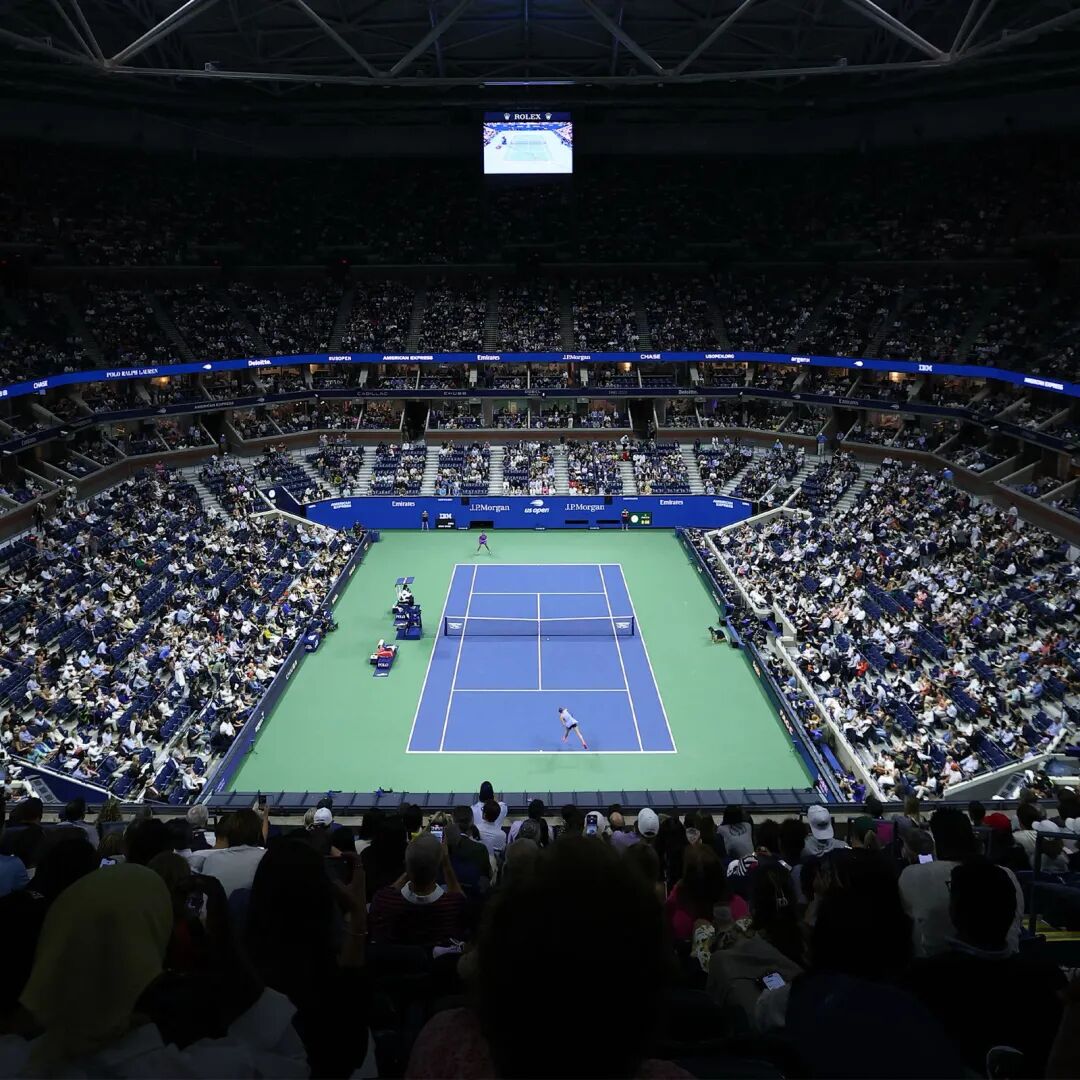
US Open on - site. Source: US Open social media
As Tom Hale, CEO of OURA, said: "Sleep and recovery are invisible advantages. This cooperation brings our belief that 'health should be a daily practice' to one of the biggest stages in the sports world, and at the same time helps millions of fans around the world see the connection between recovery and performance."
02
From Prince Harry to Eileen Gu
Oura Ring Is a Hit in All Fields
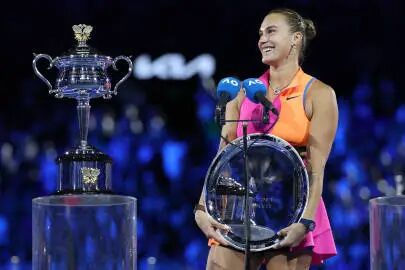
According to the rules, the ATP and WTA Tours have allowed players to wear wearable devices during matches since 2024 and 2021 respectively. The International Tennis Federation (ITF) also approved some devices in December 2024. However, the Australian Open, one of the four Grand Slam events, chose to say "no".
Source: Official Australian Open social media
The official explanation of the Australian Open is rather vague: "Currently, Grand Slam events do not allow the wearing of wearable devices. The Australian Open is participating in ongoing discussions on how to change this situation." In fact, players are not completely unable to obtain real - time data at the Australian Open. Since 2025, the event organizers have introduced a professional system, from which players can obtain data such as running distance, number of direction changes, acceleration, hitting speed, and rotation speed. However, the physiological indicators such as heart rate, breathing, and stress level provided by wearable devices cannot be replaced by external sensors.
After training, athletes can immediately see the stress brought to their bodies by this training through these devices, and whether their bodies can continue to withstand high - intensity training the next day. With the development of technology, the role of such wearable devices has far exceeded "fitness tracking".
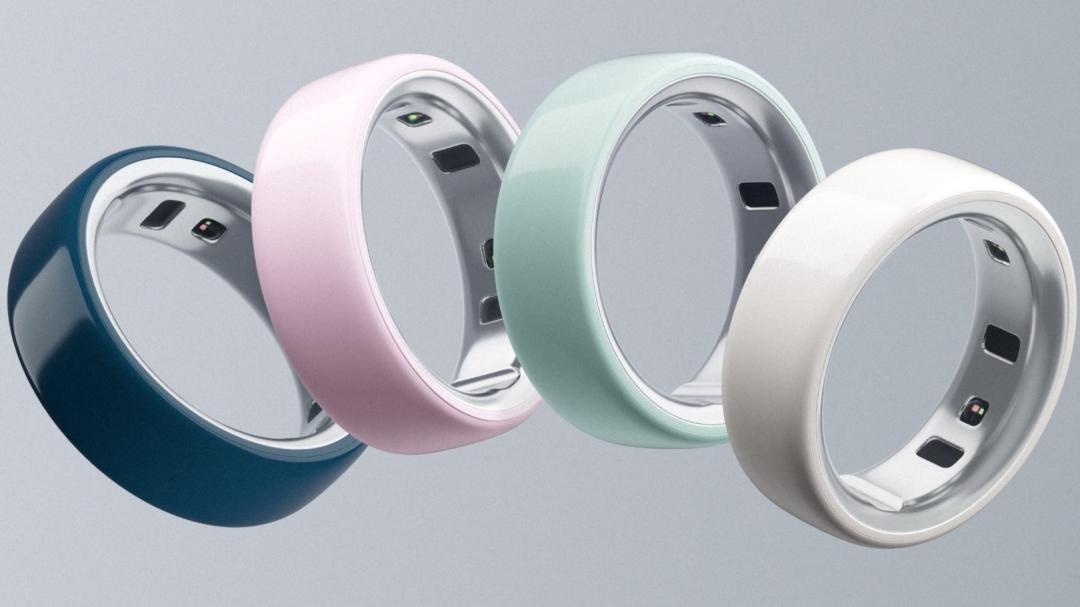
Taking the Oura Ring 4 as an example, the device can track heart rate, record steps, sleep cycles, respiratory rate, blood oxygen saturation and other physiological indicators 24 hours a day. Even the turning over situation during sleep at night and the slight fluctuations in body surface temperature will be recorded. With the support of these data, it can issue an alarm before the user realizes discomfort.
Oura Ring 4. Source: OURA official website
Since its birth in 2013, OURA has been continuously expanding its sports sponsorship map. During the COVID - 19 pandemic in 2020, OURA became a "health warning" tool for NBA players. To protect players and ensure the smooth progress of the season, the NBA purchased more than 2,000 Oura Rings at one time and distributed them to players and staff. Since then, the brand has completely become the "star" in the professional sports circle. In February 2026, OURA became the official wearable device sponsor of the 2028 Los Angeles Olympics, Paralympics, and the US team. In March of the same year, it also reached a cooperation agreement with the US Soccer Federation. From the NBA to the Olympics, from football to tennis, OURA is methodically bringing itself into global high - end sports events.
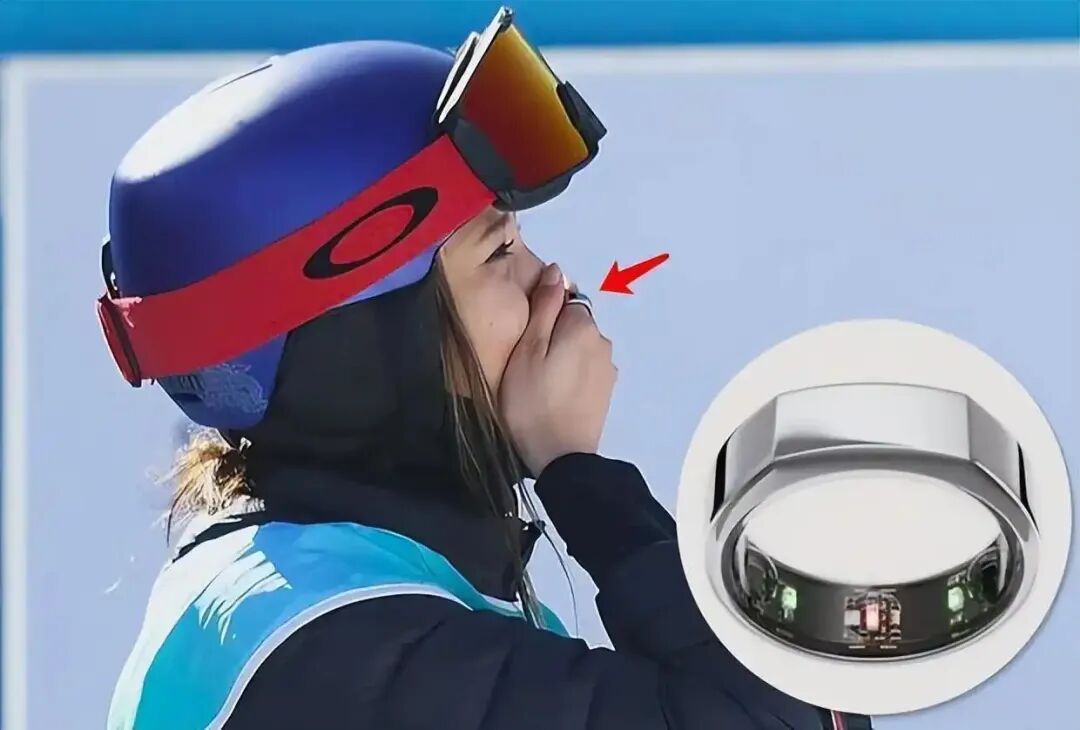
In addition to formal cooperation, a large number of top athletes are willing to be its "unofficial spokespersons", including Eileen Gu, Cristiano Ronaldo, Fan Zhendong and other top athletes. Celebrities in various fields such as Prince Harry of the UK, Mark Zuckerberg, and Kim Kardashian have also been photographed wearing it. For global consumers, this is the most persuasive brand endorsement.
Eileen Gu wearing Oura Ring 3 at the Beijing Winter Olympics
As loyal users of wearable devices, Carlos Alcaraz and Jannik Sinner both said in interviews that the data collected during the game is not for "real - time" reference, but for post - game review to better understand their own bodies.
03
The Market Size Will Reach $7.46 Billion in 2026
Chinese AI Rings Are "Making Steady Progress"
Currently, the global AI smart ring market is in a stage of explosive growth. According to the statistics of the third - party data institution ElectroIQ, the global AI smart ring market is expected to reach a scale of $7.46 billion in 2026. According to a report from Omdia, the global shipment volume of AI smart rings is expected to exceed 4 million pieces for the first time in 2025, becoming one of the fastest - growing segments in the smart wearable device field.
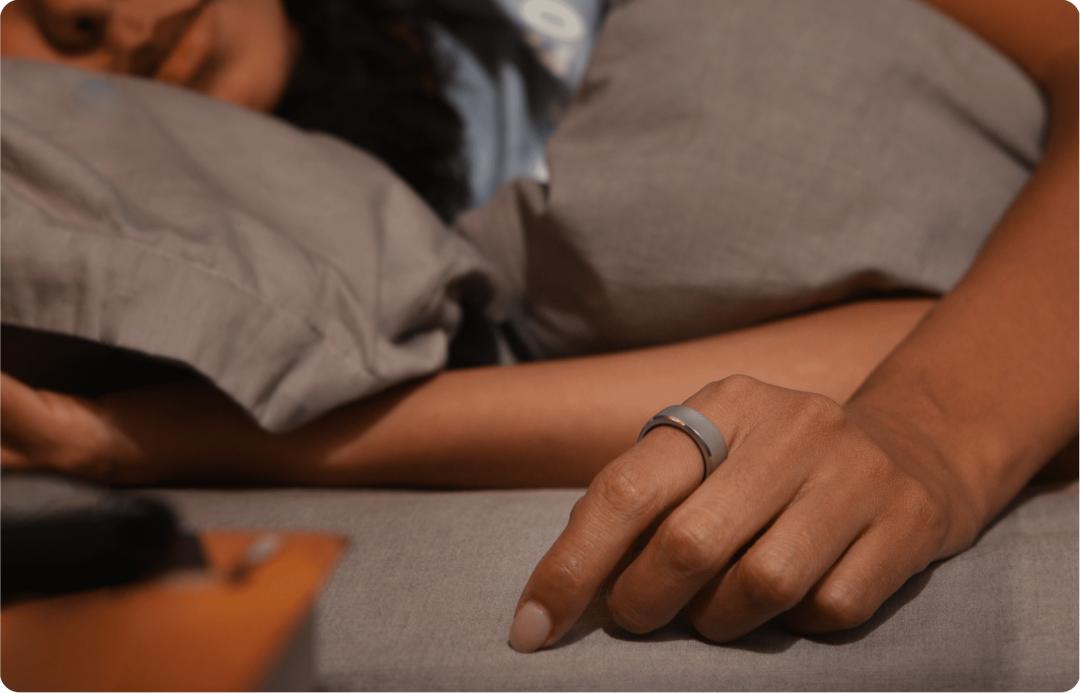
The market pattern shows a significant situation of "one dominant and many strong". OURA occupies an absolute dominant position with a market share of 74%. Followed by the Indian brand Ultrahuman with 9%, South Korea's Samsung with 9%, and the Chinese brand RingConn with 5%.
Chinese brand RingConn. Image source: Jiuzhi Technology official website
In the field of sports AI smart rings, Samsung's Galaxy Ring already supports heart rate tracking and sleep monitoring in sports scenarios. At the same time, its NFC near - field payment covers 30 million merchants globally. In the Chinese market, the Galaxy Ring drove a year - on - year growth of 689.1% in the Chinese AI smart ring market in the first quarter of 2025, occupying 32.6% of the Chinese market share.
Back in the Chinese market, the AI smart ring industry is currently in a stage of "explosive demand" but "insufficient supply". On the one hand, international brands such as Samsung are strongly entering the market. On the other hand, domestic manufacturers are collectively absent. Omdia data shows that in the global AI smart ring market in the first half of 2025, there are only two Chinese brands, RingConn and Zepp, among the "big brands". Most other domestic wearable device manufacturers are still in the stage of waiting and seeing or initial layout.
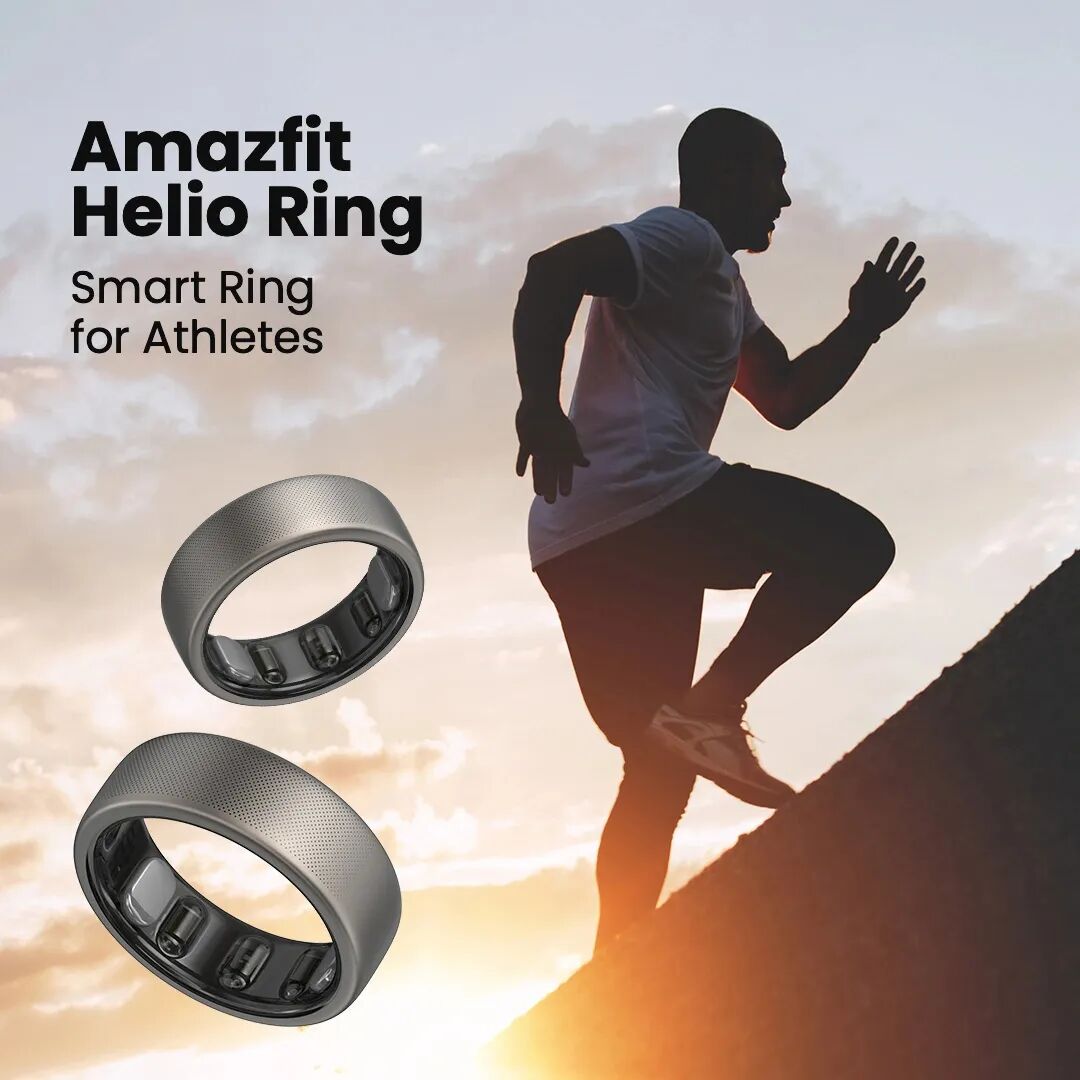
Zepp. Source: Zepp official website
The market gap also reflects the huge potential of the Chinese market. The distribution of consumer usage scenarios is very clear. Sleep monitoring leads with a mention rate of 63.4%, and sports tracking ranks second with 19.3%. This means that the core pain points of Chinese AI smart ring consumers are "improving sleep" and "quantifying sports", which are highly consistent with the product capabilities of current global leading brands.
In fact, Chinese manufacturers have actually started to take action. Xiaomi applied for a utility model patent for an AI smart ring in October 2024. The product can automatically adjust the size according to the user's finger size and supports health monitoring functions such as heart rate and blood oxygen. Dreame Technology launched its first AI smart ring at the full - scenario new product launch event in September 2025. In the CCTV program "Next Stop, Spring Festival Gala" this year, the actor Hu Xianxu personally experienced the Dreame AI smart ring, which instantly detonated the attention of the public and became a hot - topic technology focus.
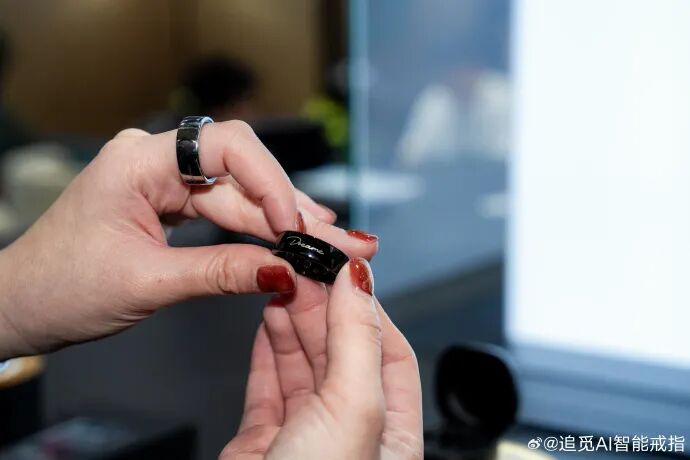
Dreame AI smart ring. Source: Dreame social media
Looking forward to the future, the application depth of AI smart rings in the sports field will continue to expand. With the rapid development of AI, personalized health training programs will be more comprehensive and accurate. They can not only inform athletes of their current state but also arrange training goals and programs for tomorrow or even next week.
In the global market, the situation of "one dominant and many strong" will probably continue for many years. However, the continuous "evolution" of Samsung, Ultrahuman, and Chinese manufacturers will make the market competition white - hot. The advantage of Chinese brands lies in having hundreds of millions of users of smart technology products and an extremely mature industrial chain, which constitute a unique advantage for expanding the AI smart ring market.