The lumbar relief device alleviates lower back pain caused by prolonged sitting. Seeking seed round financing.
Structural Lumbar Burden Issues for Sedentary People
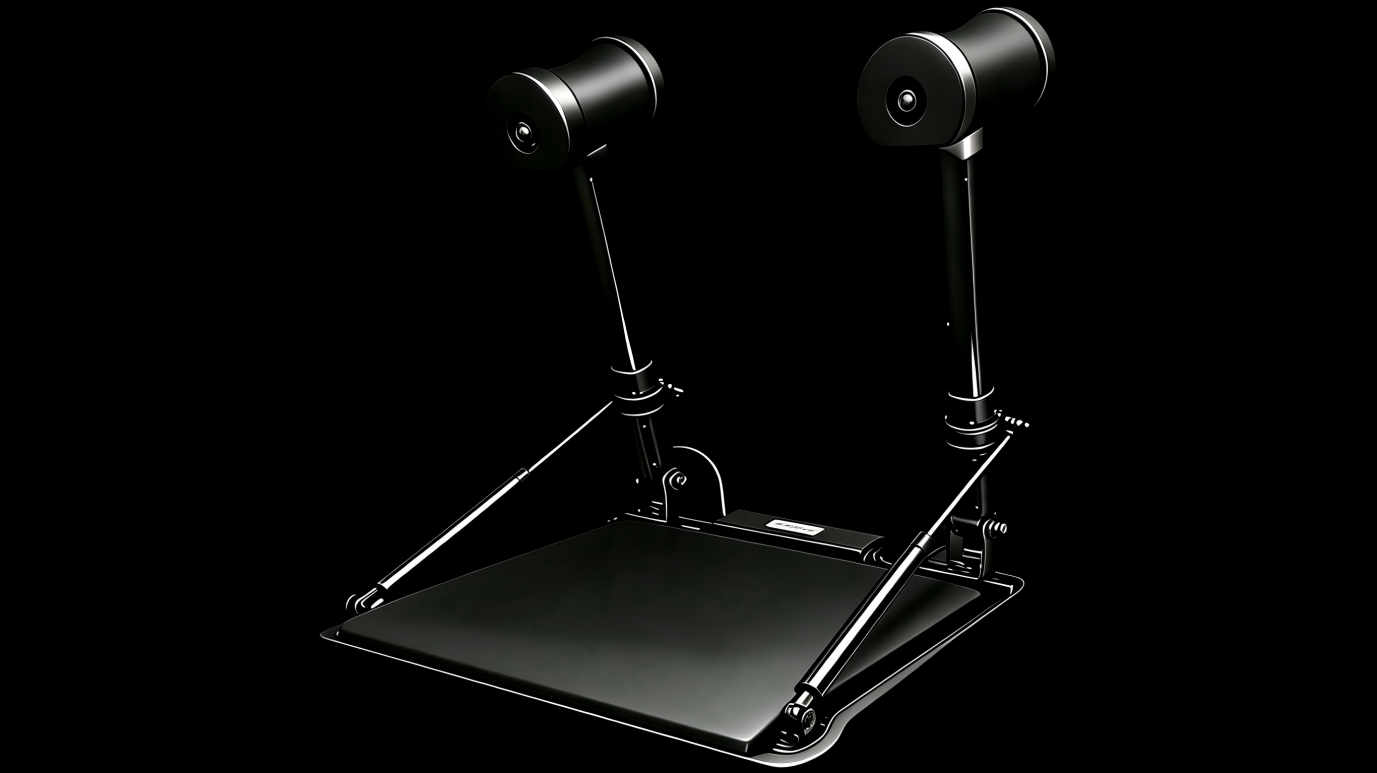
With the popularization of remote work, fixed - station jobs, long - distance commuting, and sedentary lifestyles, sitting for long periods has become a normal state of life for contemporary people. The resulting lumbar strain and discomfort caused by pressure on the lumbar spine are evolving from individual health problems into common occupational health pain points. White - collar workers, long - distance drivers, students, and middle - aged and elderly people at home who maintain a fixed sitting position for a long time, the lumbar spine continuously bears the weight of the upper body. Over time, it is easy to cause lumbar soreness, strain, and even lumbar - related health problems, which also directly affect daily work efficiency and quality of life.
Most traditional lumbar support solutions on the market focus on lumbar belts, static cushions, offline physiotherapy and rehabilitation, and sports correction guidance. However, they generally have obvious shortcomings. Most traditional products only stay at the level of passive static support and cannot disperse the concentrated pressure on the lumbar spine in a sitting position from a mechanical structure perspective. The time and economic costs of offline physiotherapy and rehabilitation services are relatively high, making it difficult to adapt to daily high - frequency sitting scenarios. At the same time, most users are used to intervening after pain occurs, lacking lightweight, portable pre - preventive auxiliary tools for daily use.
In this industry background, the Lumbar Relief Device aims at the pain point of lumbar pressure under long - term fixed sitting positions. Starting from the perspective of reducing the mechanical burden of sitting postures, relying on structural design and the idea of gravity dispersion, it specifically solves the problem of continuous pressure on the lumbar caused by long - term sitting, and creates a lightweight sitting - posture burden - reducing hardware product suitable for multiple scenarios.
Product Solution Centered on the "Dynamic Burden - Reducing Structure"
The core R & D logic of the Lumbar Relief Device is to reconstruct the force distribution of the human sitting posture through a dedicated external support structure without changing the user's original sitting habits, effectively sharing the weight of the upper body, reducing the concentrated pressure on the local lumbar spine, and achieving active pressure reduction rather than the passive support of traditional products.
Different from the static limit support of conventional lumbar support and backrest products, the Lumbar Relief Device features a dynamic force adjustment design. Relying on a multi - point mechanical support framework, it diverts part of the weight of the human upper body to the product support structure, significantly reducing the vertical pressure on the lumbar spine for a long time, forming a professional sitting - posture burden - reducing auxiliary system rather than a single fixed support device.
In terms of craftsmanship, the product uses a lightweight and high - strength support frame with a flexible and skin - friendly contact surface, taking into account both the structural support strength and the comfort of long - term wearing and leaning. At the same time, it also considers body adaptability and can be compatible with various types of seats such as office chairs, household chairs, and transportation seats, meeting the needs of all scenarios such as home, office, travel, and study.
Currently, the Lumbar Relief Device has completed multiple rounds of structural iteration and prototype optimization and has been tested in real - user scenarios. According to market feedback, the product can significantly relieve the lumbar fatigue and muscle tension after long - term sitting. The project party also clearly positions the product as a health - assisting hardware, which is only used to share the burden on the lumbar spine in a sitting position and does not have the functions of medical diagnosis and treatment or replacement of rehabilitation therapy, adhering to the product's functional boundaries.
In terms of business model, the Lumbar Relief Device takes consumer - grade health hardware as the core. First, it verifies user needs and conducts market education through C - end retail. Subsequently, it gradually expands B - end enterprise health benefits, overall solutions for sedentary people in the workplace and other government - enterprise cooperation scenarios, and simultaneously cooperates with rehabilitation institutions and health management platforms to explore the implementation of professional scenarios, constructing a diversified commercial path of product + scenario.
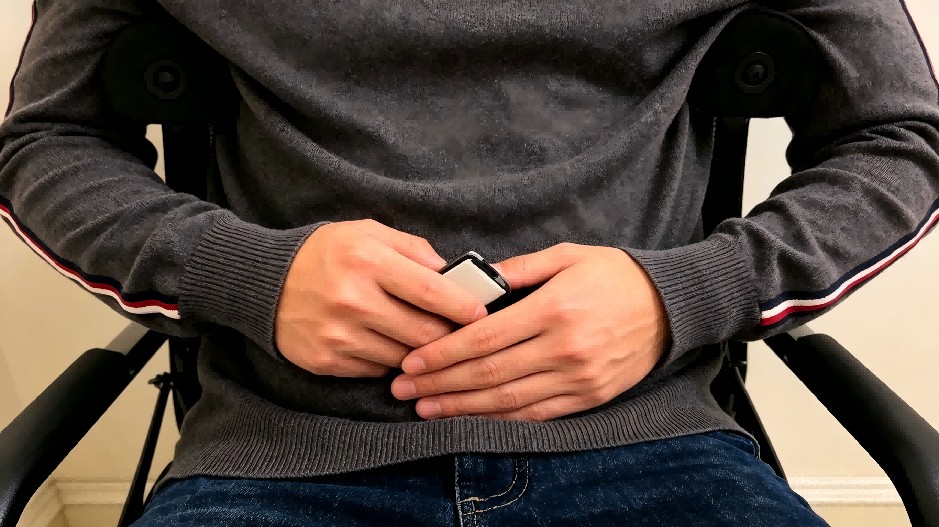
From Single - Product Verification to a Solution for a Healthy Office Scene
At present, the Lumbar Relief Device is in the stage of product finalization iteration and early commercialization verification, focusing on three core tasks: polishing real - user needs, optimizing product structure adaptation, and conducting multi - channel market tests.
The core target users of the project cover office workers, design and R & D practitioners, students, long - distance drivers, and middle - aged and elderly sedentary people at home. This group of people sit for a long time every day, have a strong demand for relieving lumbar fatigue, reject complex medical interventions, and prefer lightweight health - assisting products with low thresholds that can be used intermittently on a daily basis, which is highly consistent with the product positioning of the project.
From the perspective of the track attributes, sitting - posture health management for sedentary people belongs to the cross - hot track of consumer health and smart hardware, featuring high - frequency use, low decision - making costs, and strong repurchase potential. Most current products in the industry only focus on optimizing the softness of seat cushions and the comfort of backrests. Products that truly start from the dimensions of mechanical structure pressure distribution and active load - bearing and burden reduction are still a scarce category, and there are obvious differential opportunities in the track.
The project is independently led by the core founder, covering the entire process of product structure R & D, appearance design, sample proofing, and early market implementation. Under the premise of limited start - up resources, relying on a rapid prototype iteration mechanism, combined with real - user experience feedback, the product details are continuously optimized, and the real market demand is quickly verified through low - cost trial - and - error methods, steadily improving the product implementation ability.
In the future development plan, the Lumbar Relief Device will focus on three major directions: continuously iterating the product structure to improve the general adaptability to different body shapes and different seats; improving the supply chain and mass - production process to optimize production cost control; cooperating with professional rehabilitation institutions to conduct scenario tests, establishing a sitting - posture burden - reducing data model, and strengthening the professional endorsement of the product.
Currently, the Lumbar Relief Device officially launches the seed - round financing plan. The funds raised will be mainly used for product structure upgrading, mold - opening and mass - production preparation, brand content dissemination, and early - stage channel establishment, accelerating the project's upgrade from single - hardware product verification to a full - scenario solution for sedentary health.