The uninstallation of ChatGPT has skyrocketed by 413%, and the downloads of Claude have surged by 100%. The empire of Sam Altman is starting to leak.
A bombshell in the AI world!
On April 29th, it was reported that Anthropic is in talks for a new round of financing, and its valuation could exceed $900 billion.
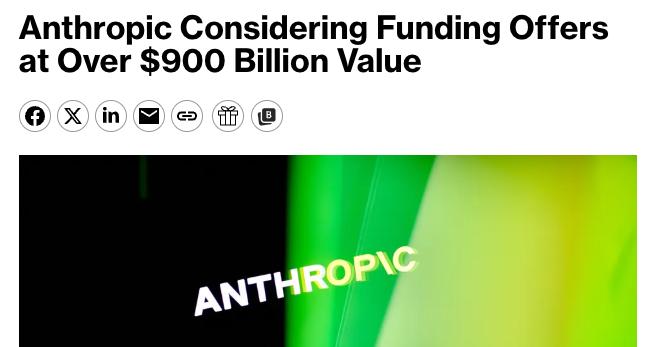
If the deal is completed, this company, which has been established for less than four years, will surpass OpenAI at one stroke and become the most valuable AI unicorn on the planet.
$900 billion.
What does this figure mean?
In the A-share market, it is higher than the market value of Kweichow Moutai. In Silicon Valley, it kicks over the valuation throne that OpenAI has painstakingly built for a decade.
What's even more thought-provoking is the timeline. Just a few months ago, Anthropic's valuation was only $60 billion.
Google and Amazon have successively invested in it at a valuation of $350 billion, with a total committed investment of up to $65 billion. From $60 billion to $900 billion, in less than a year, 15 times.
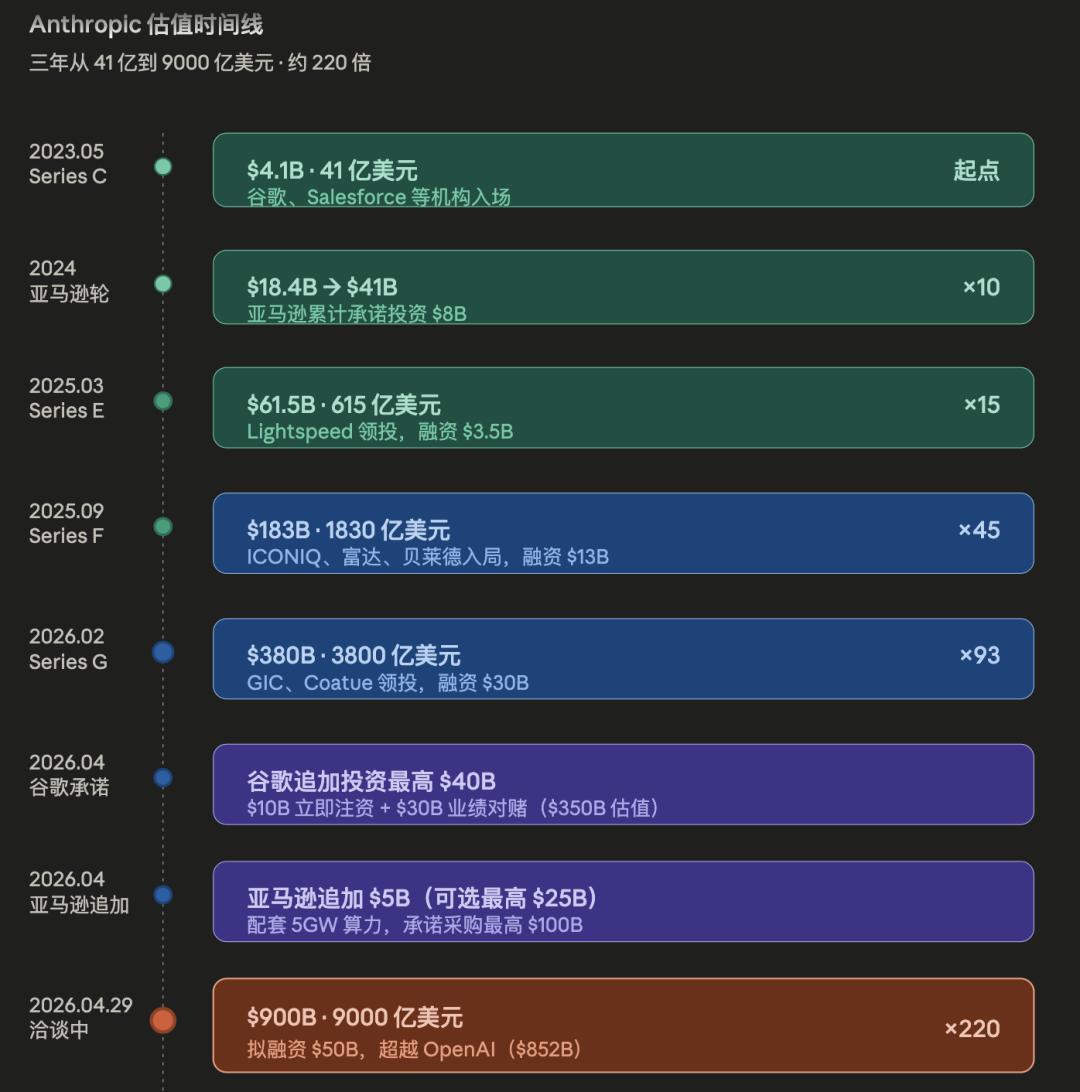
The valuation timeline of Anthropic generated by Claude
Capital doesn't lie. When the smartest money in the world rushes in the same direction, something must have changed.
What has changed?
The answer is shocking —
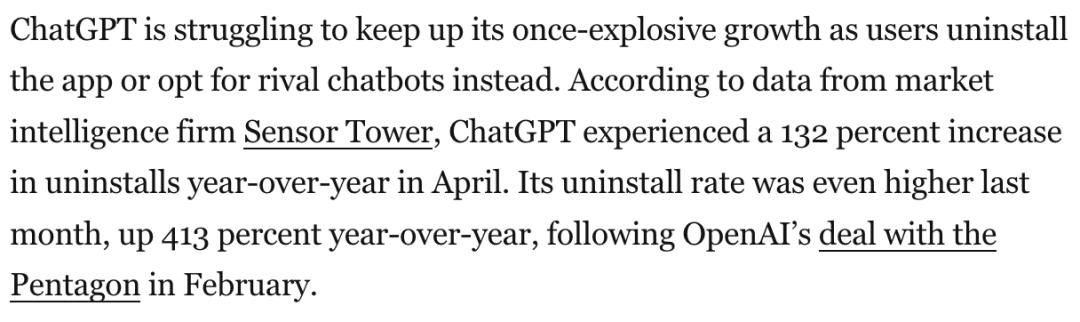
According to data from market intelligence firm Sensor Tower, the uninstall rate of ChatGPT in April this year increased by 132% year-on-year. And last month, its uninstall rate was even higher, up 413% year-on-year.
The uninstall rate of ChatGPT soared by 563% at one point. During the same period, the download volume of Claude increased by 199% in a week.
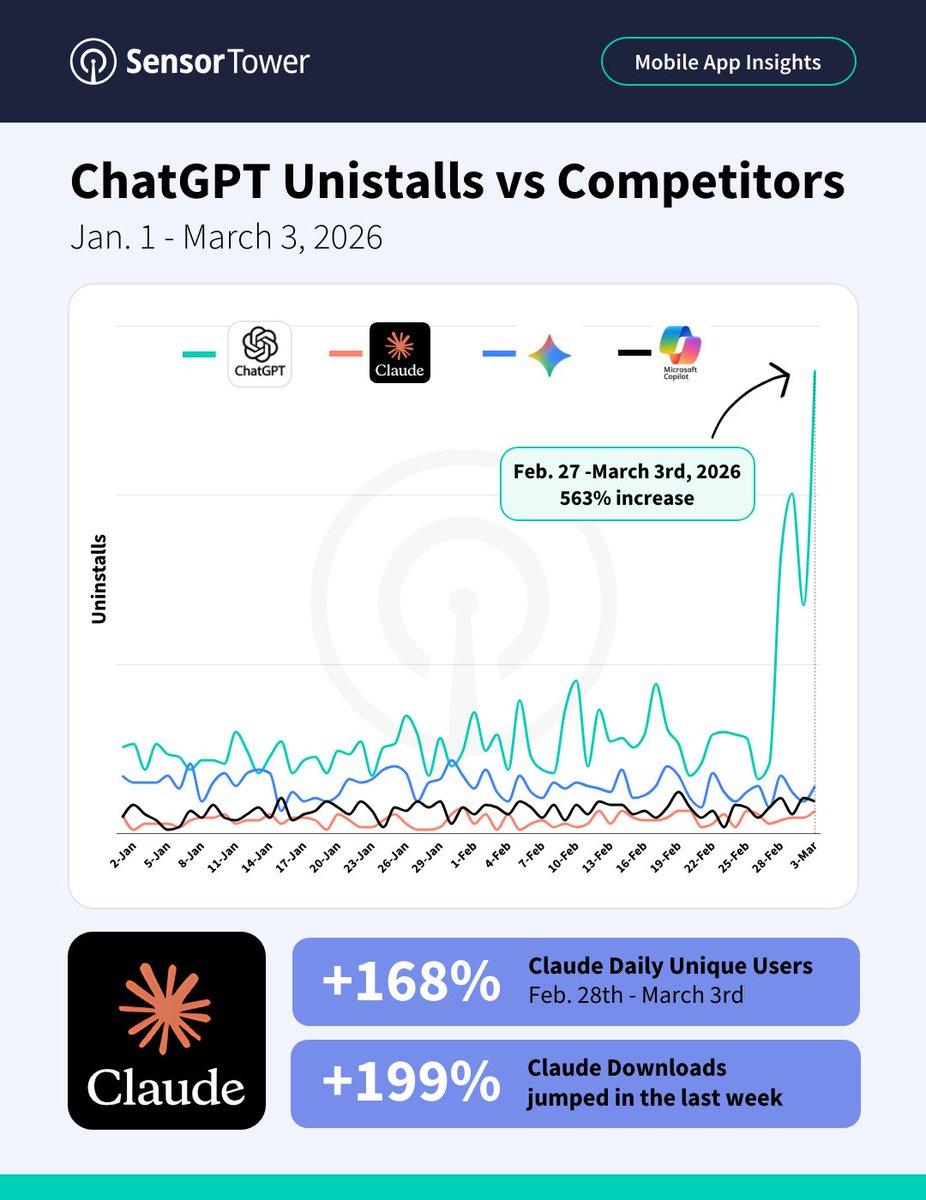
In many countries, Claude once topped the free iPhone app rankings.
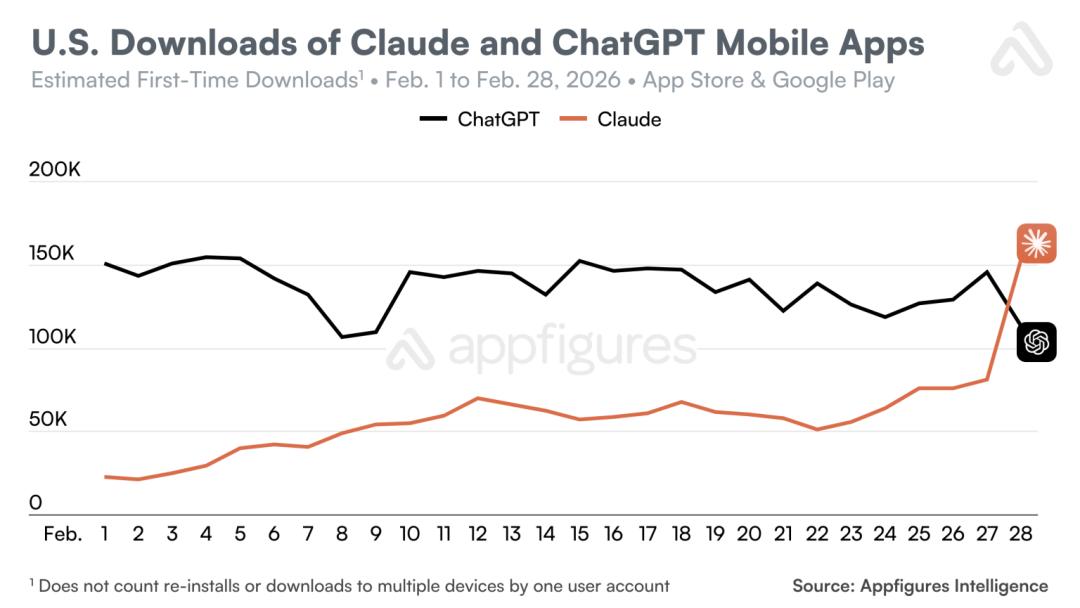
Claude's single-day downloads in the United States exceeded ChatGPT for the first time. On February 28th, the app reached the top of the free app list on the US App Store and remained there until March 2nd, jumping more than 20 places in just one week. Claude also topped the free iPhone app rankings in Belgium, Canada, Germany, Luxembourg, Norway, and Switzerland
Users are voting with their feet. And they're stepping on the gas.
OpenAI: The cracks in the empire start from within
On the surface, OpenAI still seems huge.
The GPT series has hundreds of millions of users. Codex has just sparked a new wave of enthusiasm, and the Stargate project claims to invest $500 billion in building computing infrastructure.
But the cracks in an empire often start from within.
If user loss is a minor pain, then the shrinkage of the "Stargate" project is a bone-breaking injury for OpenAI.
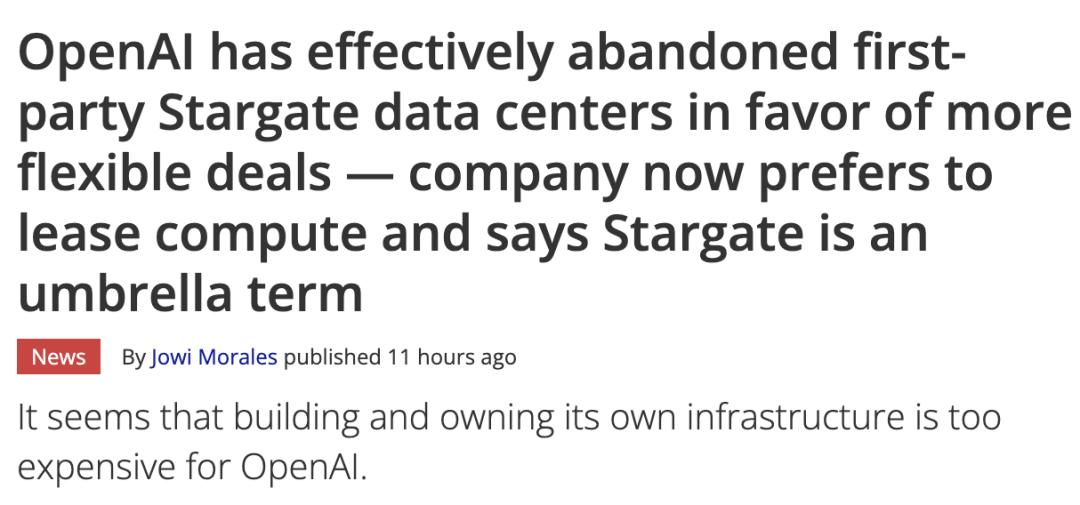
According to media investigations, the actual progress of the Stargate project is far less impressive than what was shown in the PPT.
$500 billion. Ten nuclear power plants. The only passage for humanity to the future. Now, it has become a shrunken rental contract.
The project in the UK has stopped. The project in Norway has been cut. The flagship base in Texas has been abandoned.
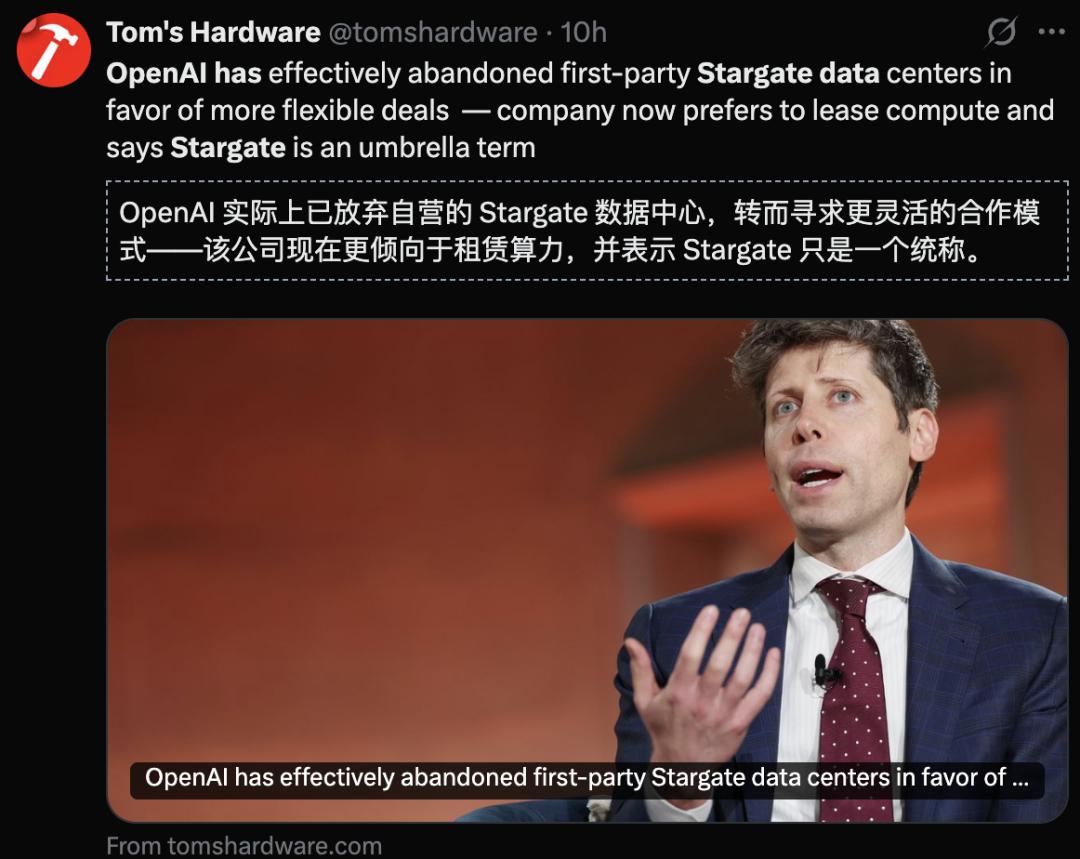
Altman says this is a "flexible mindset." Partners say this is "kicking away the ladder after crossing the river." SoftBank is angry, Oracle is calculating, and Microsoft is quietly picking up the pieces at the ruins.
The subtext behind this is clear: When OpenAI starts to shirk its infrastructure responsibilities, it loses control of the physical world.
The rhythm of fund arrival, the location of computing centers, and the coordination of partners — every link is a struggle.
"The progress is much slower than expected."
Meanwhile, OpenAI is experiencing a silent brain drain.
Dario Amodei — the founder and CEO of Anthropic — was formerly the vice president of research at OpenAI.
He didn't just take himself away; he also took a group of OpenAI's most core security researchers.
When talking about leaving OpenAI, he said bluntly, "Rather than staying to argue about others' visions, it's better to take the people you trust and make your own vision a reality."
This kind of departure has never stopped. In the past two years, key members of OpenAI's alignment and security teams have continuously flowed to Anthropic.
What is the most valuable asset of a company? It's not the number of users, nor the valuation. It's the people who can define the next-generation models.
When these people choose to leave, the direction itself is the answer.
Anthropic: From a "security lab" to the "most valuable unicorn"
Anthropic's rise path is completely different from the conventional Silicon Valley narrative.
It didn't start by burning money to grab users.
It started with a paper on AI security, and its selling point is "Constitutional AI" — using the constitution to constrain model behavior. For a long time, the mainstream view in Silicon Valley was that these people were too idealistic and couldn't grow big.
Then, Claude 3.5 Sonnet was released.
Its programming ability crushes GPT-4, its long-context understanding is far ahead, and its hallucination rate is significantly reduced.
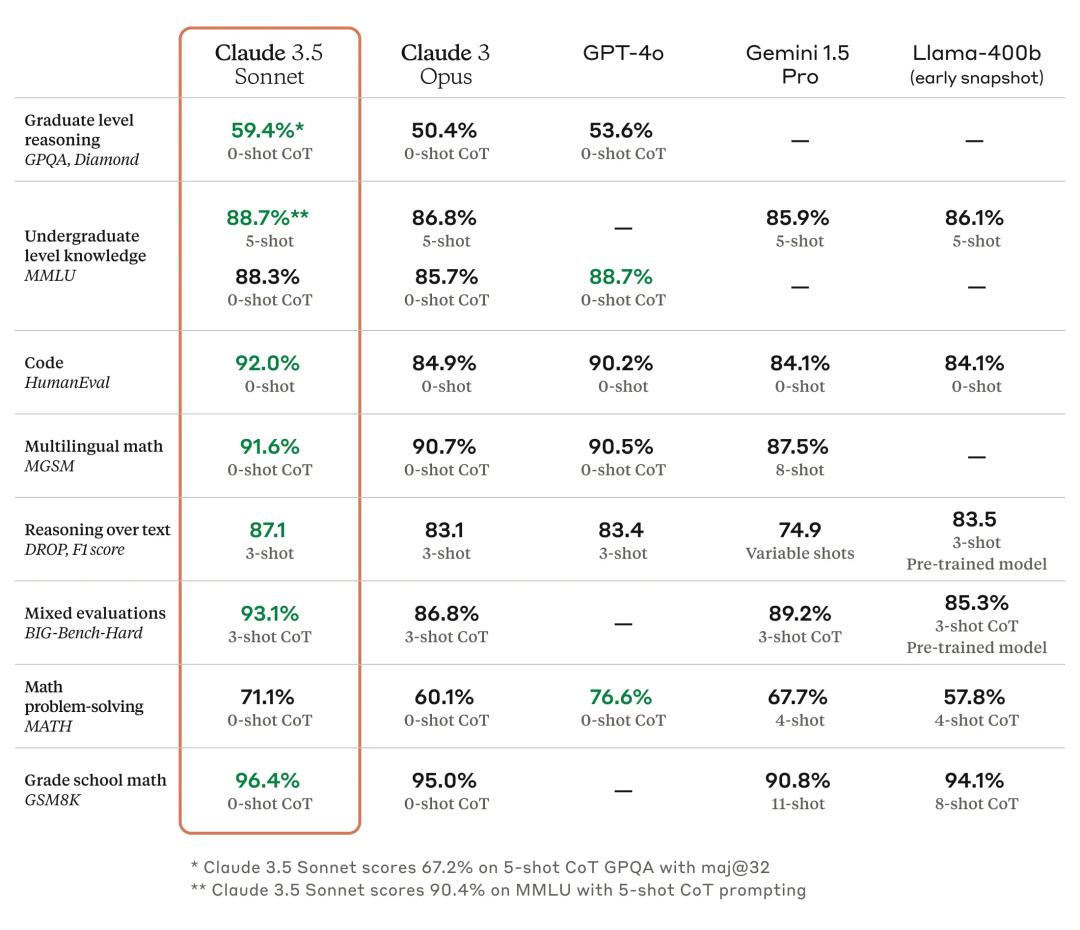
The wind in the developer community changed overnight. On Reddit, Hacker News, and X, the same sentence was everywhere: "I canceled my ChatGPT Plus subscription and switched to Claude."
It wasn't just one person saying this; it was thousands of people.
What's more crucial is the enterprise side. The API call volume of Claude on AWS has more than doubled in the past six months.
More and more enterprise customers are starting to migrate their core business from GPT to Claude — not because it's cheap, but because it's good.
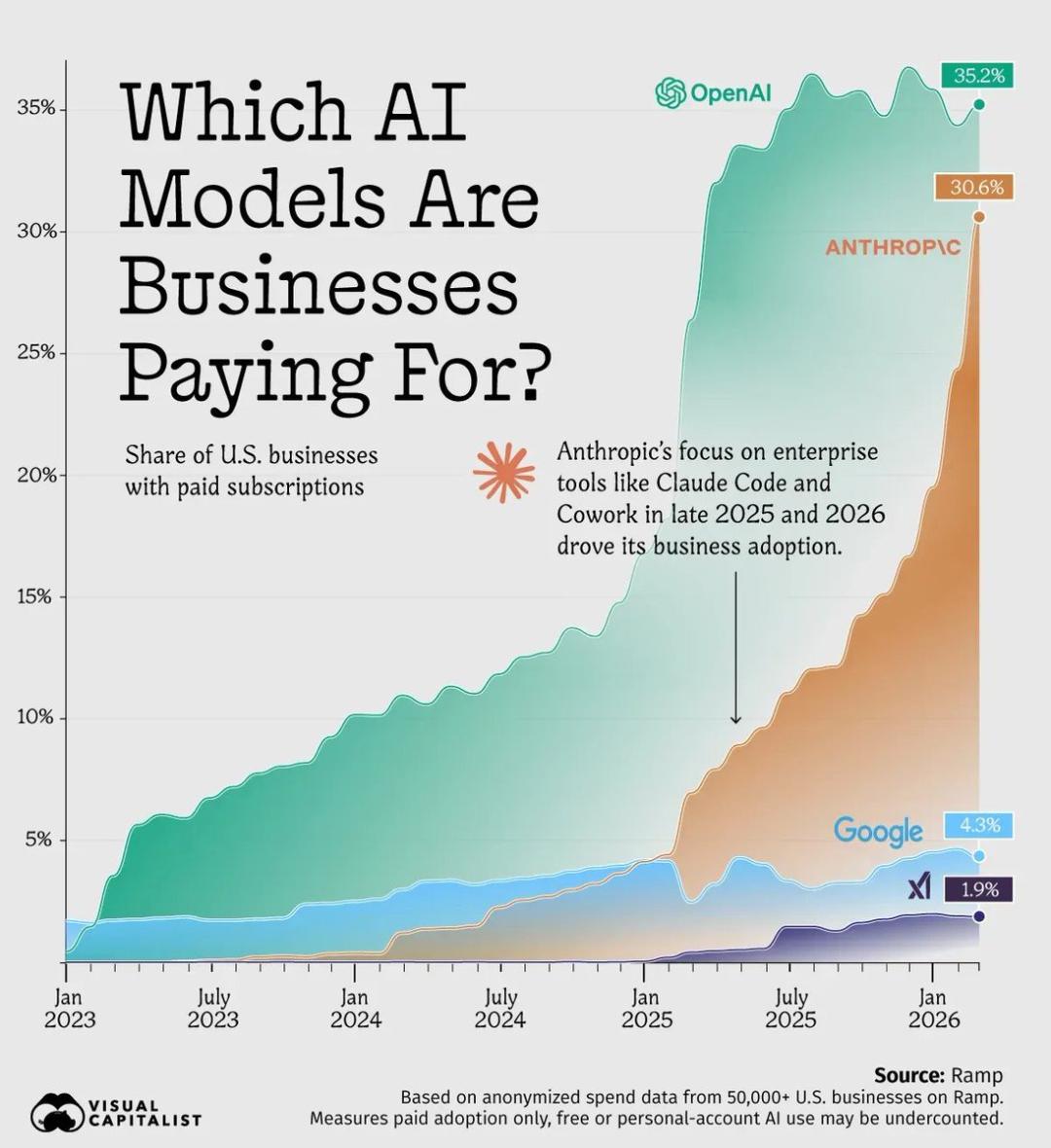
Google saw this, so it invested. Amazon saw this, so it also invested. The two giants have committed a total of $65 billion, betting not on Anthropic's present, but on its ability to define the next-generation AI.
But has OpenAI really lost?
Don't rush to write OpenAI's obituary.
The iteration speed of the GPT-5 series is still amazing. Just after GPT-5.5 was launched, there are already signs of GPT-5.6 in the backend logs.
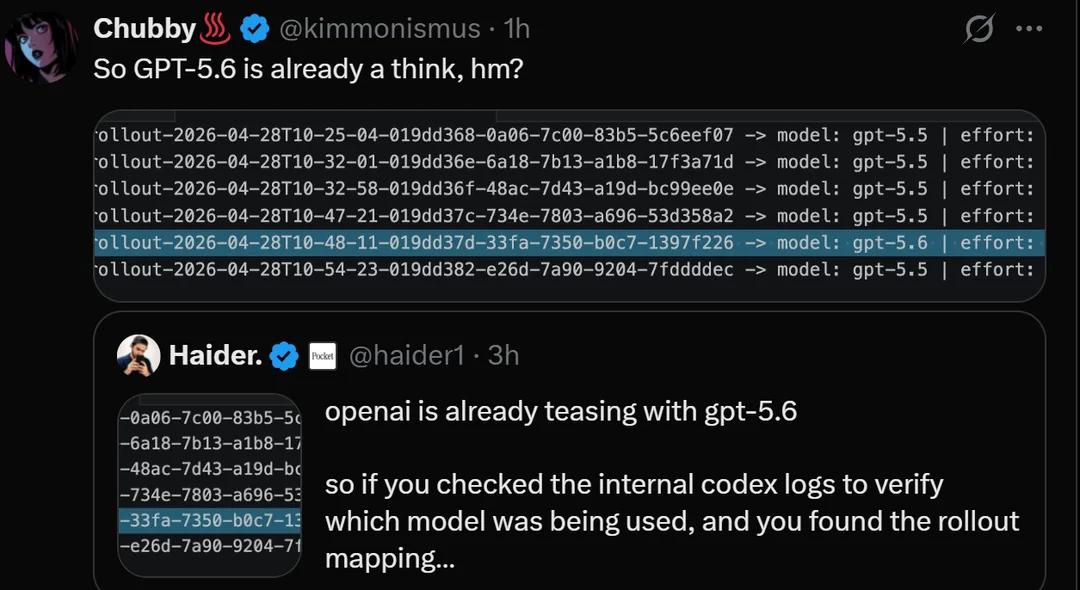
Codex, as an intelligent agent tool, is taking off comprehensively. The moat of the developer ecosystem can't be breached overnight.
Another trump card of OpenAI is scale. Hundreds of millions of monthly active users, a deep partnership with Microsoft, and enterprise customers all over the world — these existing advantages won't evaporate because of a single financing news.
Historically, surpassing in valuation doesn't mean the outcome is settled.
When Facebook went public in 2012, many people thought Google's social dream was shattered. Looking back ten years later, Google's search empire has never been truly threatened.
The cruelty of the AI competition lies in: The throne today may not count after the next round of model releases.
The wind rises from the grass: Big things are happening
Taking a broader view, this is not a story of "who wins and who loses."
This is a story of "the power structure of the AI industry is being rewritten."
Two years ago, OpenAI was the only superstar.
One year ago, Google's Gemini started to catch up.
Today, Anthropic has reached the top in terms of valuation.
Meanwhile, xAI is burning money, Meta is causing disruptions, and open-source AI is catching up.
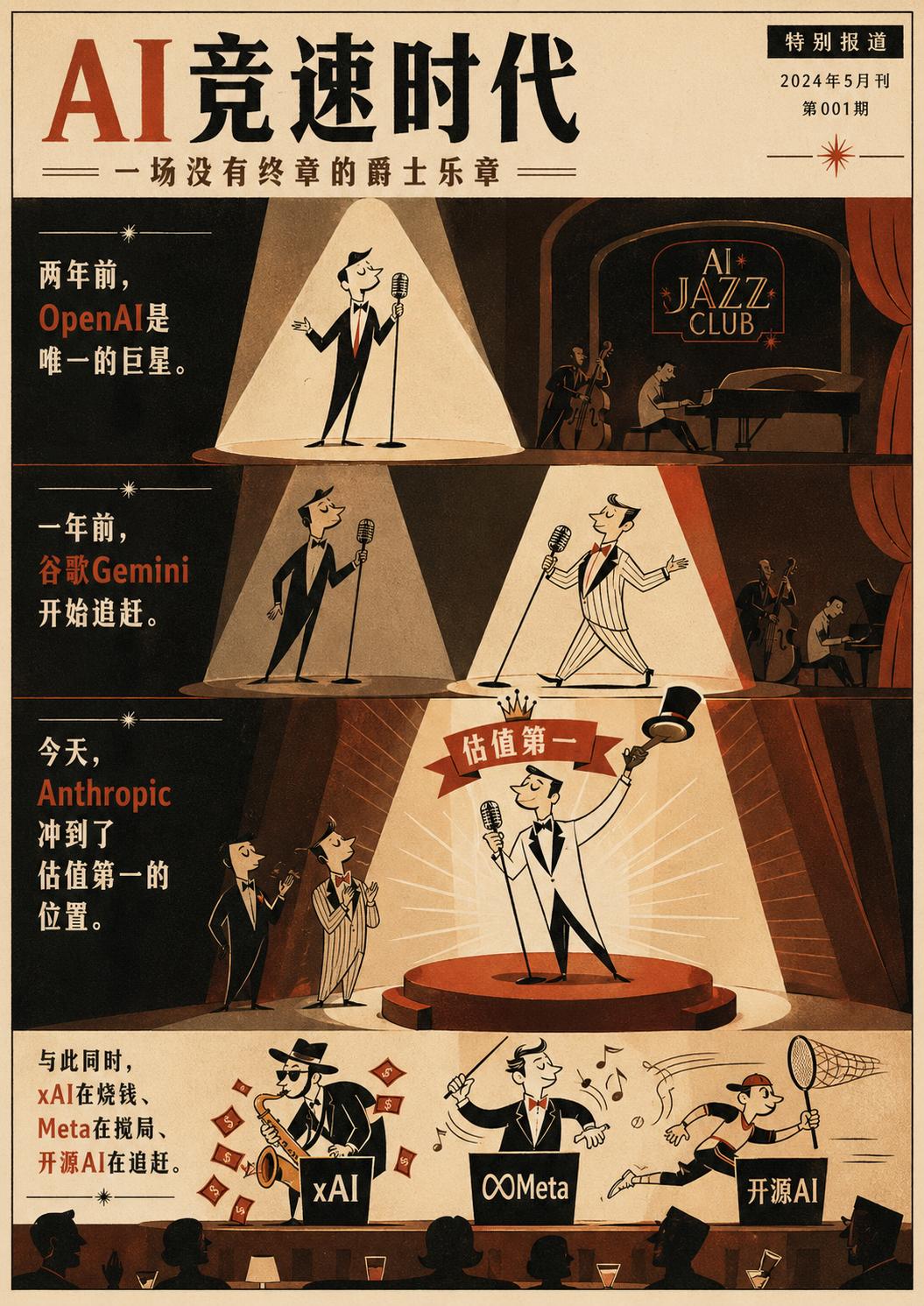
There is no longer just one winner. AI is moving from "one superpower dominating" to "a situation of multiple forces competing."
In this melee, there is only one variable that truly determines the outcome — who can develop the next-generation model first.
It's not about whose PPT is better, nor about who has more financing.
AI is not magic; it's heavy industry. It requires an astronomical amount of electricity, absolute credibility, and strict financial discipline.
Anthropic's $900 billion valuation is essentially the market betting that the next "iPhone moment" may not be in OpenAI's hands.
Reference materials:
https://futurism.com/artificial-intelligence/downloads-chatgpt-slowing-worst-time-openai
https://www.bloomberg.com/news/articles/2026-04-29/anthropic-considering-funding-offers-at-over-900-billion-value?srnd=phx-technology
https://www.ft.com/content/664a57e2-dffa-401e-81ad-55129ffb0e89?syn-25a6b1a6=1
This article is from the WeChat official account “New Intelligence Yuan”, edited by KingHZ. It is published by 36Kr with authorization.