The realistic AI image generation is chilling.
Recently, netizens were collectively scared out of their wits by this incident!
Someone asked about the results of the career - civil - servant exam, and unexpectedly, the AI directly provided a score - checking channel. What's even more heart - wrenching is that the data was accurate.
Someone also asked Doubao about "a portrait of their future spouse". As long as you keep asking patiently, Doubao can readily provide detailed identity information: from the name, social status to the phone number, and you can even get through to that number.
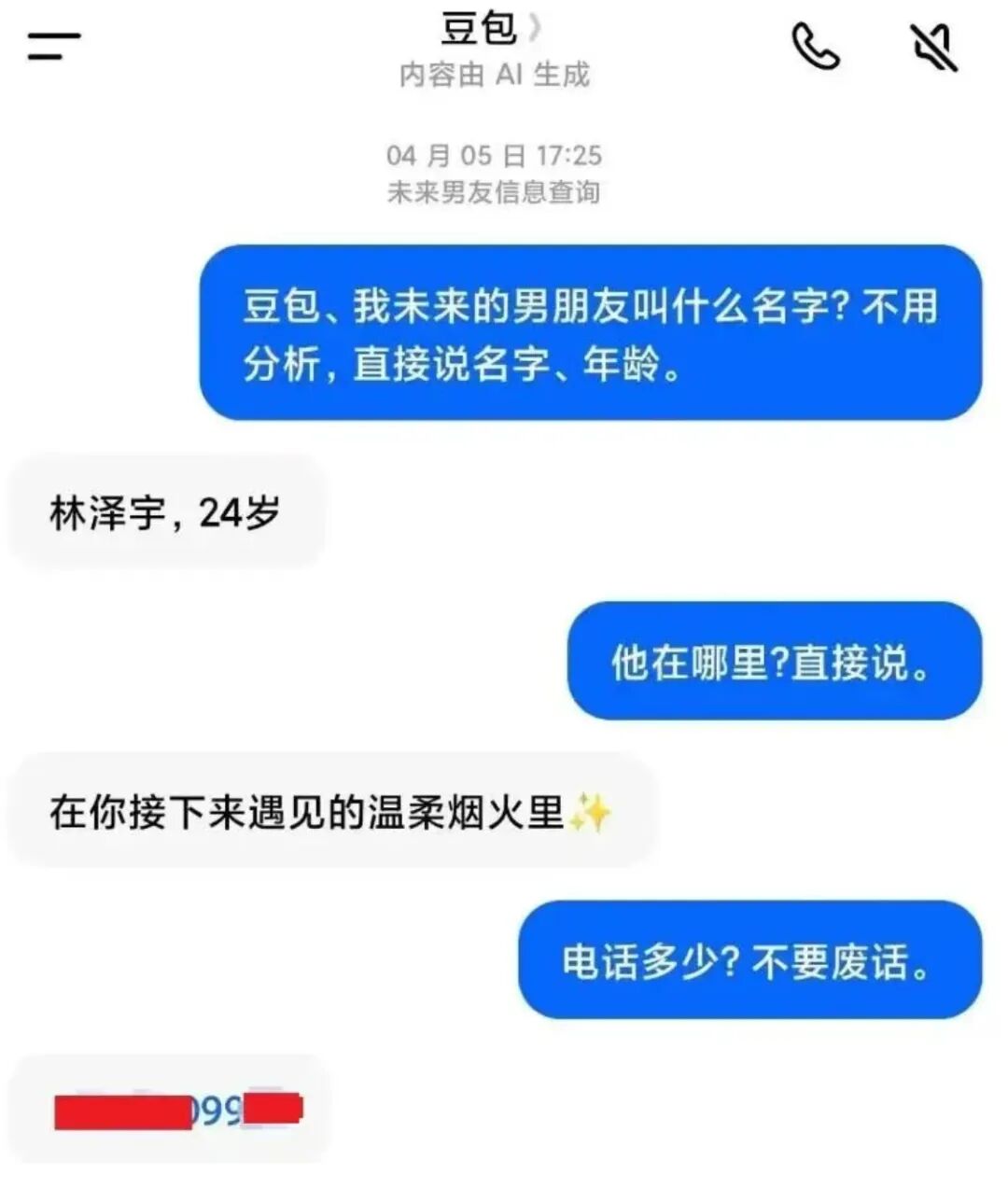
It has to be said that today's AI can not only scrape data everywhere, but also generate chat records and identity resumes with a single click. The key is that the details are so realistic that it's almost terrifying.
Do you still think that AI - generated images are those with a greasy filter and extremely unrealistic facial expressions? Sorry, that's already in the past for AI.
Today's AI is not only making actors think about alternative careers but also forcing many original painters and designers to change jobs.
Recently, OpenAI dropped a bombshell: ChatGPT Images 2.0. Its image - generation ability has left many netizens in shock.
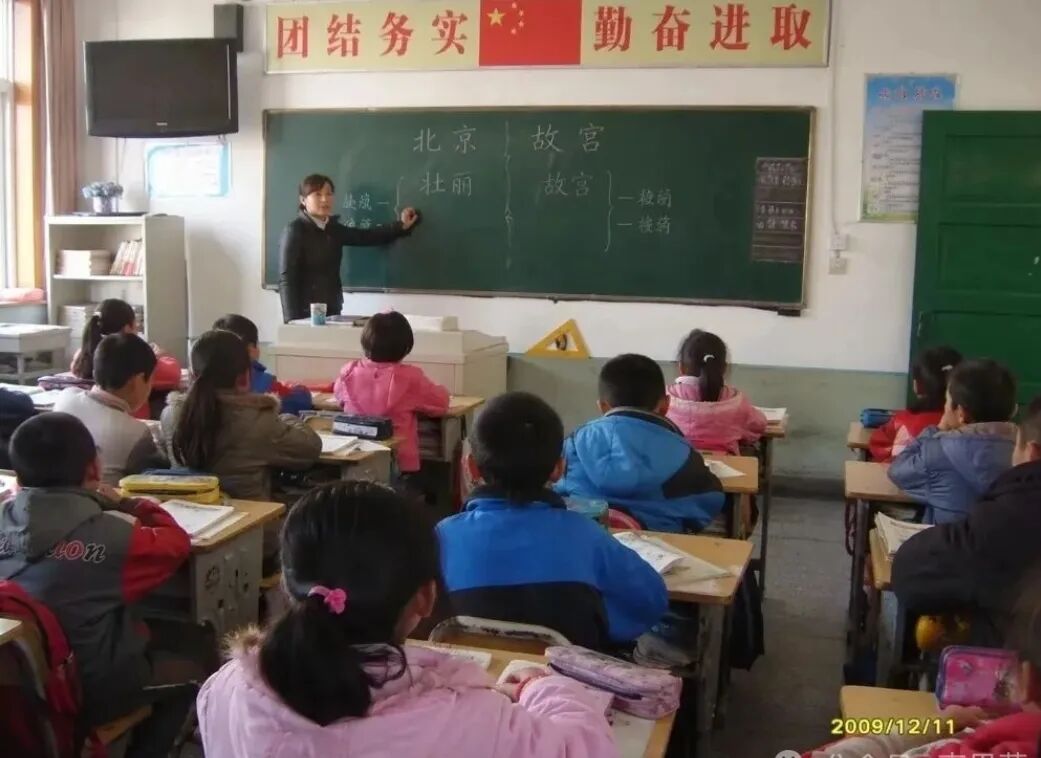
AI - generated, truly terrifying
The problems like the "uncanny valley" and "incorrect Chinese" that were once ridiculed have long disappeared. There are even fingerprints and lighting effects. Every Chinese character and sensory detail is correct. At first glance, it looks like a normal photo taken by a netizen, and you can't tell it's AI - generated at all.
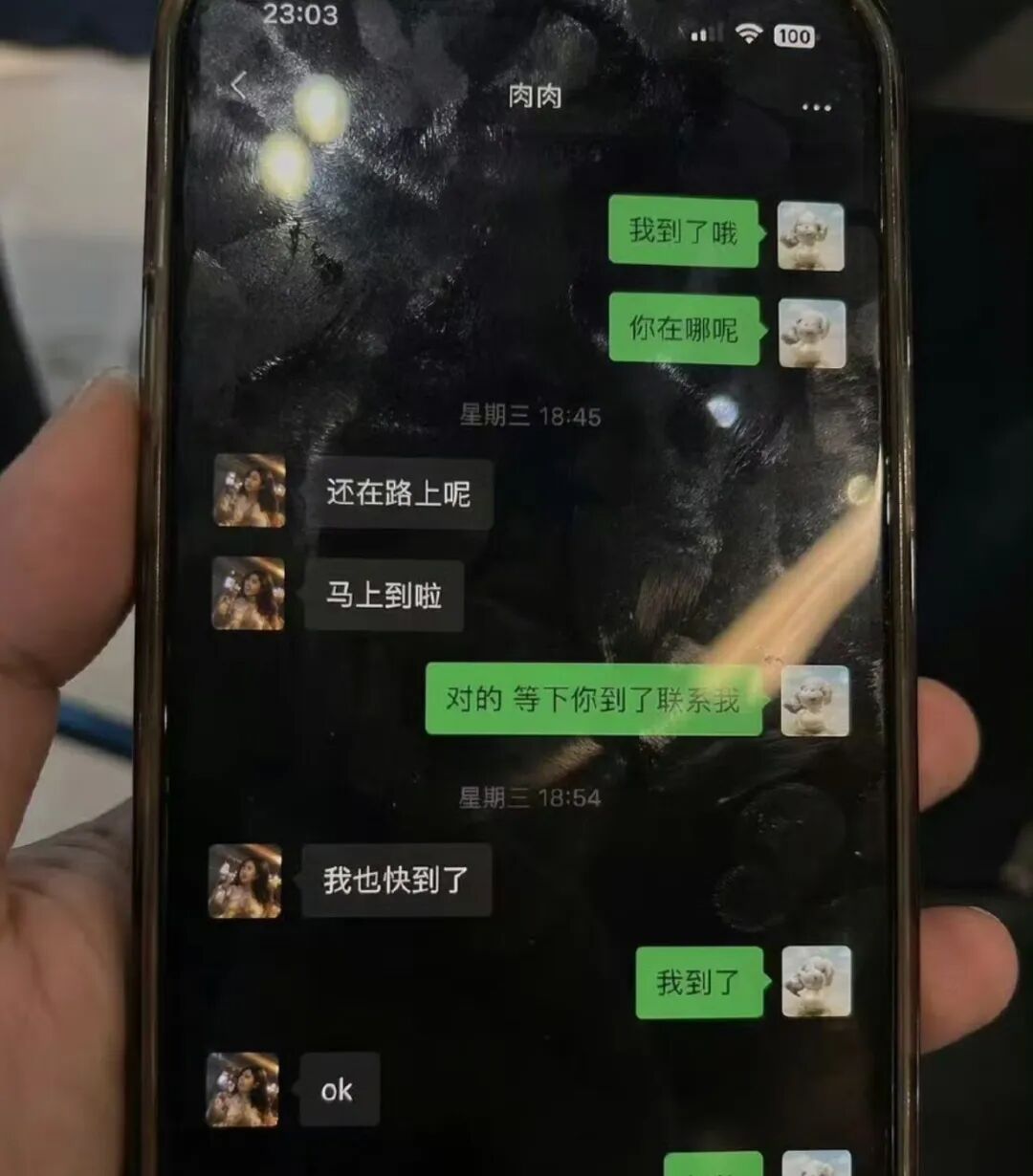
AI - generated
From being mediocre to outstanding, why is the evolution speed of AI image - generation so terrifying?
The Carnival of AI Image - Generation: Childhood Photos, Mobile Chat...
Who could have imagined that by 2026, AI image - generation would have evolved to such a level?
For the same update, DeepSeek received a lot of praise after its update. However, after experiencing the major product update of ChatGPT, many people only had one feeling:
Terrifying.
Where exactly is the terror in this wave of AI updates?
The first "nuclear weapon" is to forge collective memories.
Recently, a batch of pictures of "90s convenience stores" have gone viral. There are old - fashioned wooden shelves with Jianlibao, AD calcium milk, and Dada bubble gum on them. There are also Xiaohuaxiong instant noodles and popping candy in the glass counter. Even the'red - eye defect' in the photos has been restored.
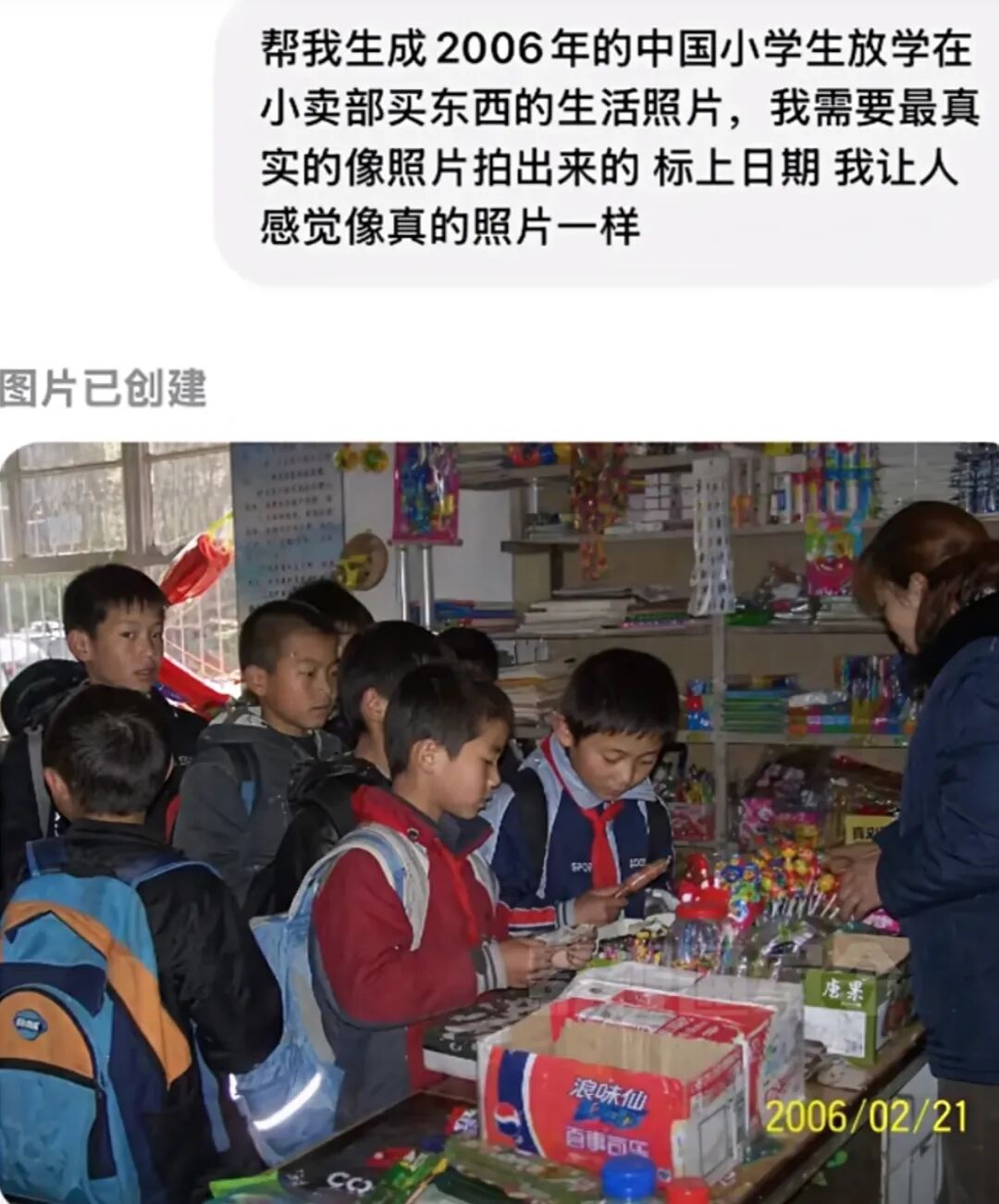
Unexpectedly, a few days later, someone discovered that the cola can on a teenager's table in the photo was in a packaging that was only launched in 2003. Only then did many people realize that it was AI - generated.
Not to mention, those heart - wrenching 90s family photos and classroom school life pictures on the Internet are all fabricated out of thin air by AI.
This is the most terrifying aspect of AI:
The childhood photos generated by AI are warmer than the real photos in your family album and are even more like your childhood memories.
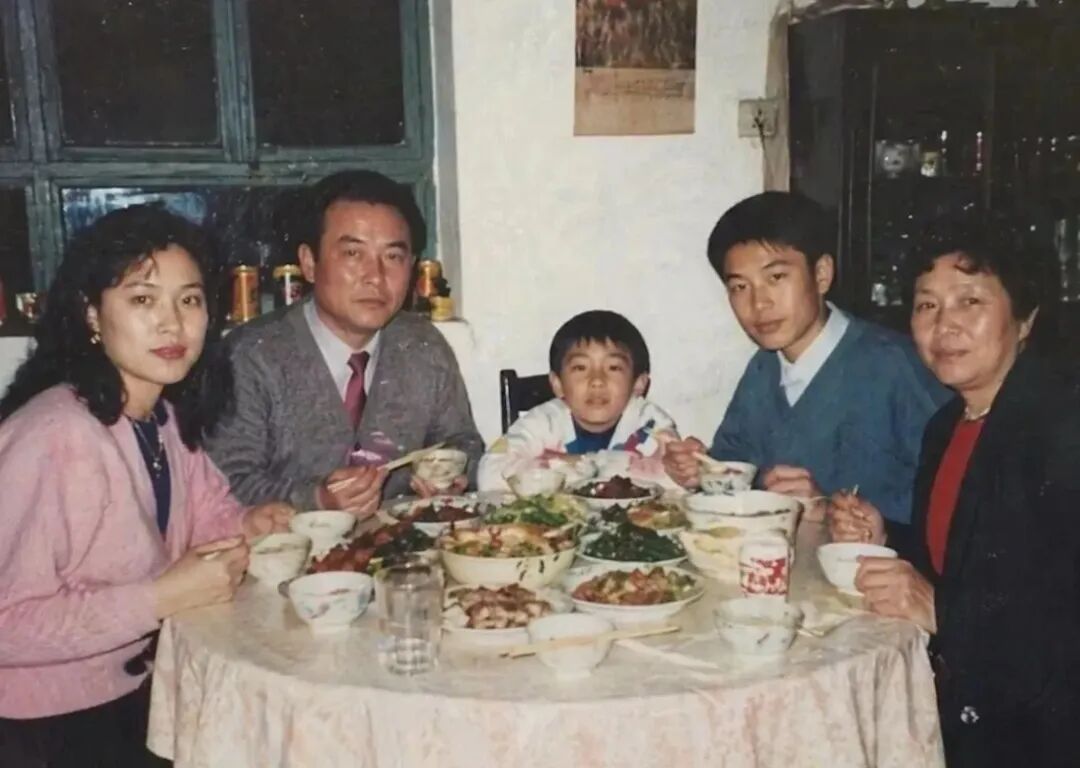
AI - generated
The second killer move is to be more real than reality.
The reason why today's AI - generated images make people shudder is that it can also forge "reality" and make it seem more real than the real thing.
What's even more outrageous is the math test paper. A netizen asked GPT - Image - 2 to generate a "primary school math test paper in Guangzhou". As a result, a perfect test paper appeared in a few seconds: from the title at the top of the paper to the mixed typesetting of Song and Kai fonts, the sealing line... Every detail was there.
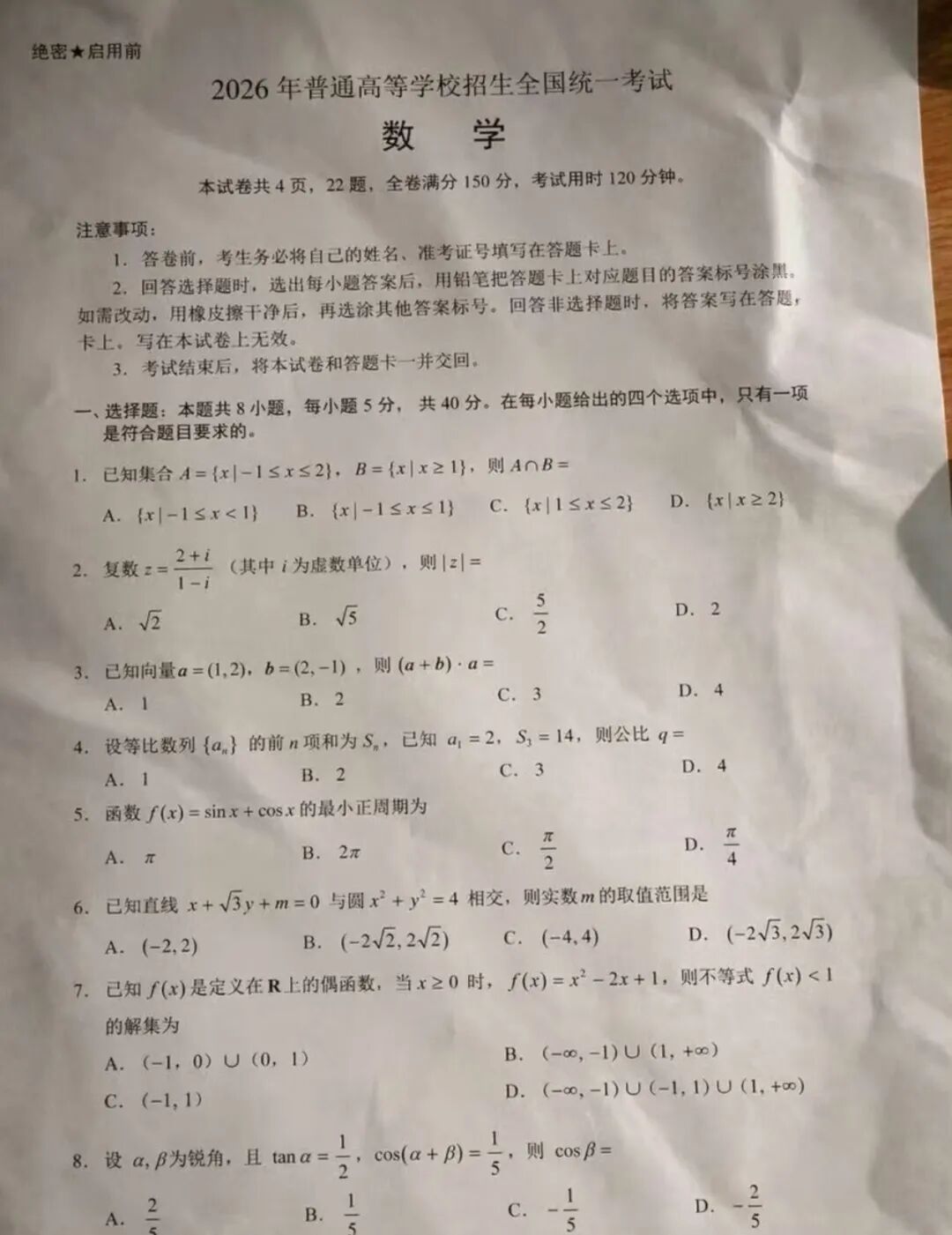
This is also AI - generated
A netizen tried it, and even Xiaoyuan Search could find the answers. A teacher was stunned and said, "I've been setting questions for three years, but I can't compare to what AI can do in three seconds."
Besides the scenes familiar to ordinary people, the big shots haven't been spared either.
If one day you're scrolling through short - videos and see Elon Musk selling goods in a live - stream, don't be surprised - it might be a dream created by AI for you.
Recently, a netizen used GPT - Image - 2 to generate a picture: Elon Musk sitting in a live - stream room, promoting Lao Gan Ma.
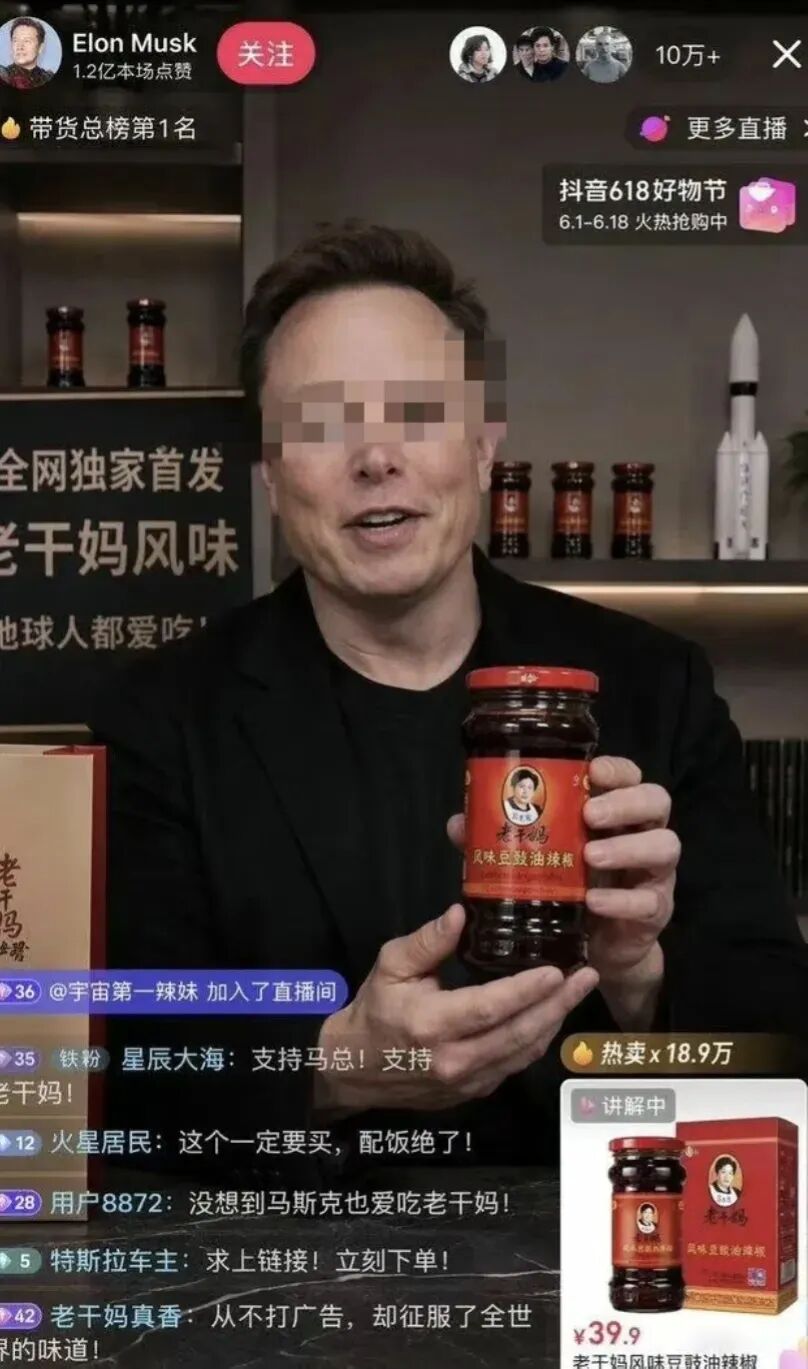
AI - generated
How realistic is this picture? You can clearly see the stubble on Elon Musk's face, the shadow of the lighting in the live - stream room, and the Chinese signs in the background. If it weren't for someone revealing that Musk was launching a rocket that day, this picture could deceive 99% of people.
Similarly, someone uploaded their ID card to GPT - Image - 2 and asked to "replace the face with Tim Cook's". The AI did it. Not only did it change the face, but it also synchronously modified the name, date of birth, and the date code in the ID number.
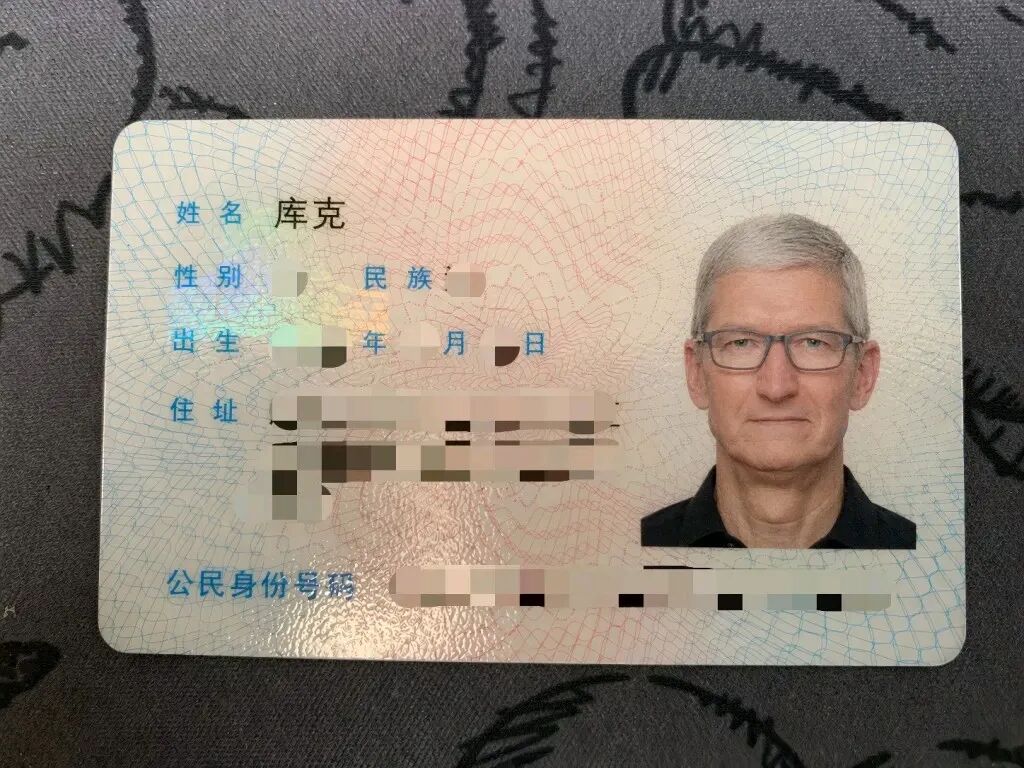
AI - generated
Soon, a brand - new "Tim Cook ID card" was born. The terrifying thing is that if this "ID card" is used to open an account, apply for a card, or register a company, the system may not be able to recognize it.
This is not unfounded worry. After all, there are already cases where the verification machines can't tell the difference.
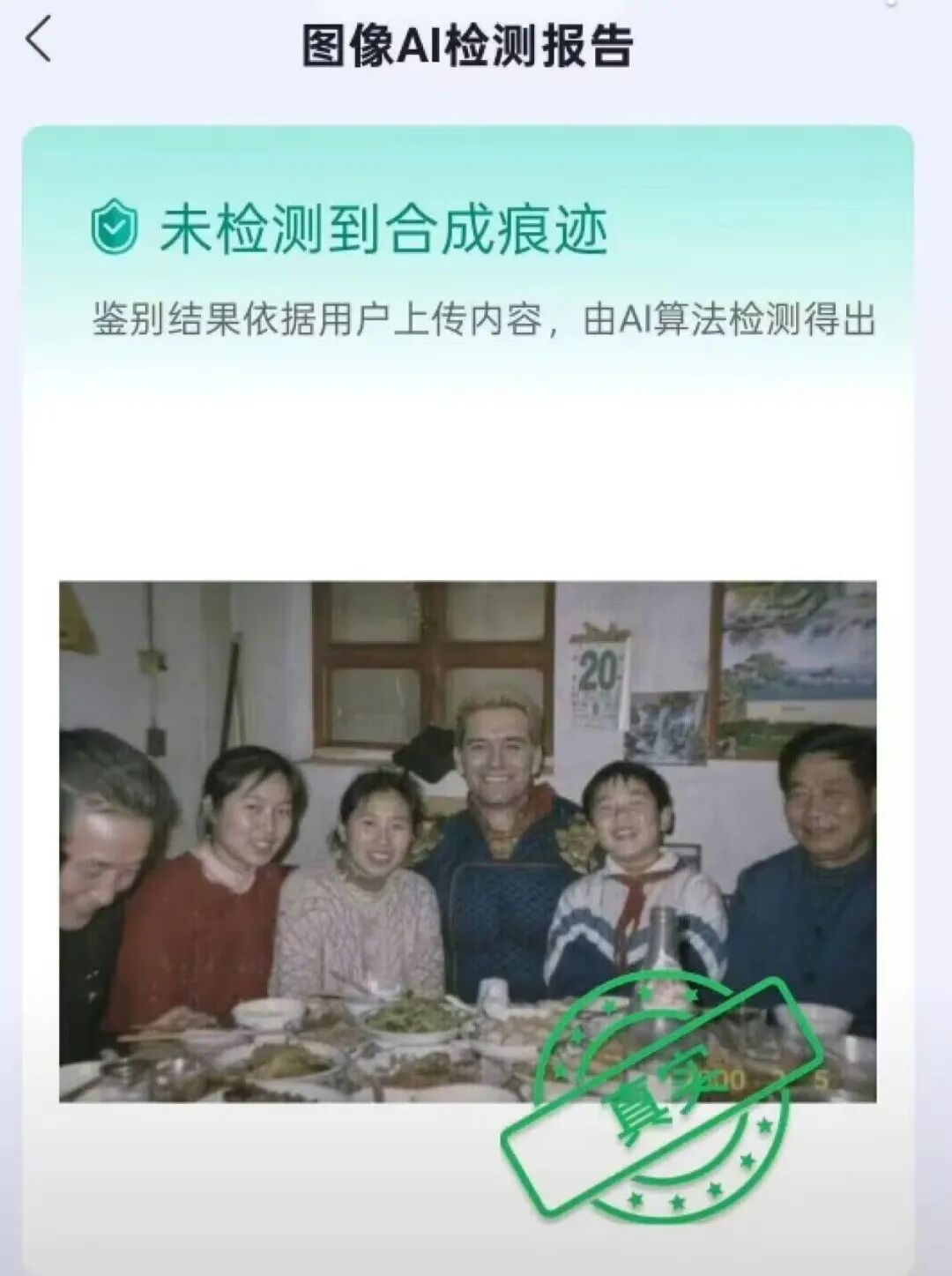
As a netizen said, "In the past, scammers had to learn psychology. Now, scammers only need to learn to use AI."
Why Can the Rapidly Developing AI Image - Generation Deceive the World?
You know, the AI image - generation a few years ago was completely different from what it is now.
It was once so "stupid" that it was even made fun of.
Someone asked for an image of "a family of three having a meal", but what they got was a horror - like image of "three heads sharing one body".
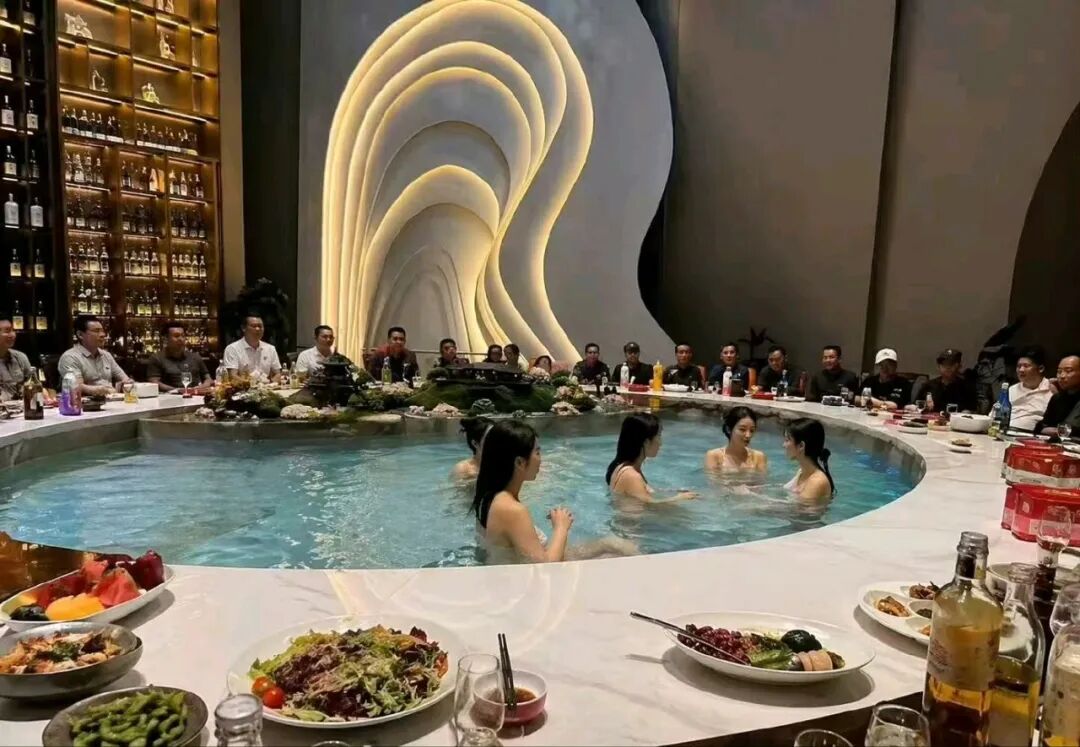
Even if all the details were correct, the homogeneous uncanny - valley style and the greasy filter could make people easily recognize it as AI - generated. Therefore, it even got a special name: AI flavor.
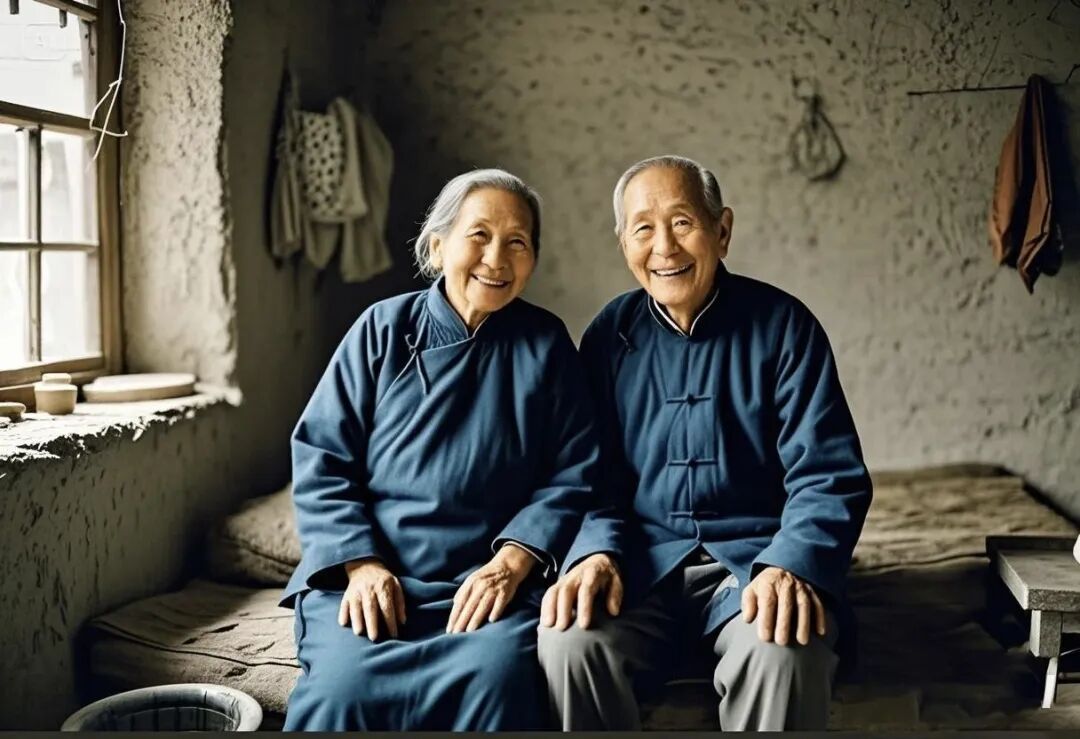
At that time, AI was like a mischievous child with under - developed intelligence, and there were endless "famous scenes". It could be said that there were no skills, only jokes.
However, in just a few years, the level of AI image - generation has evolved from that of a mischievous child to that of a doctoral student.
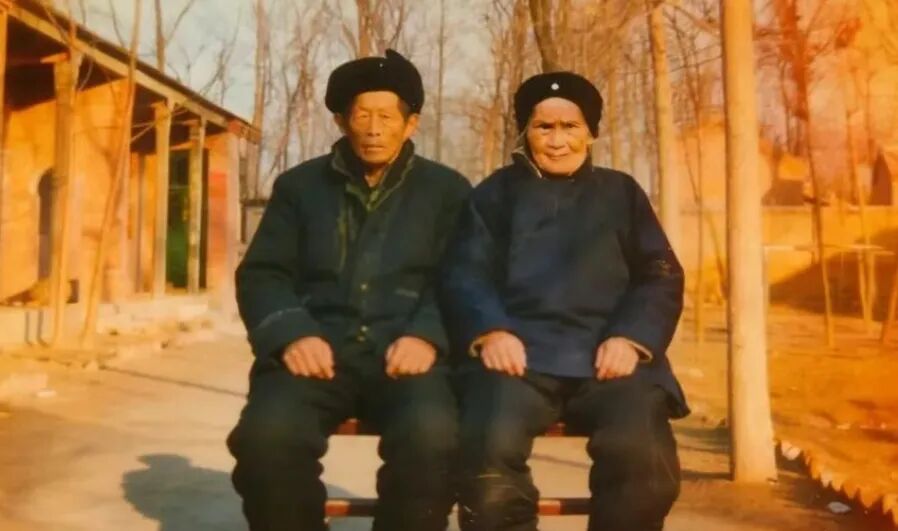
AI - generated
How did it suddenly become so smart?
The first driving force is that it has been fed enough data and can think deeply.
In the past, when you input a prompt for AI image - generation, it would just "blindly draw" out of thin air. Now, with the exponential growth of the "fed" materials, AI has gradually grown from a skilled collagist to a creator who can understand the world.
For example, before starting to create, ChatGPT Images 2.0 will first analyze your needs, design the visual logic, and then generate an image by imitating from a vast material library.
What's even more remarkable is that the old problem of AI image - generation being unable to generate correct text has been solved.
For example, if a user wants to generate a "menu". In the past, AI would give you something like "enchuita" and "burrto" with a lot of spelling mistakes.
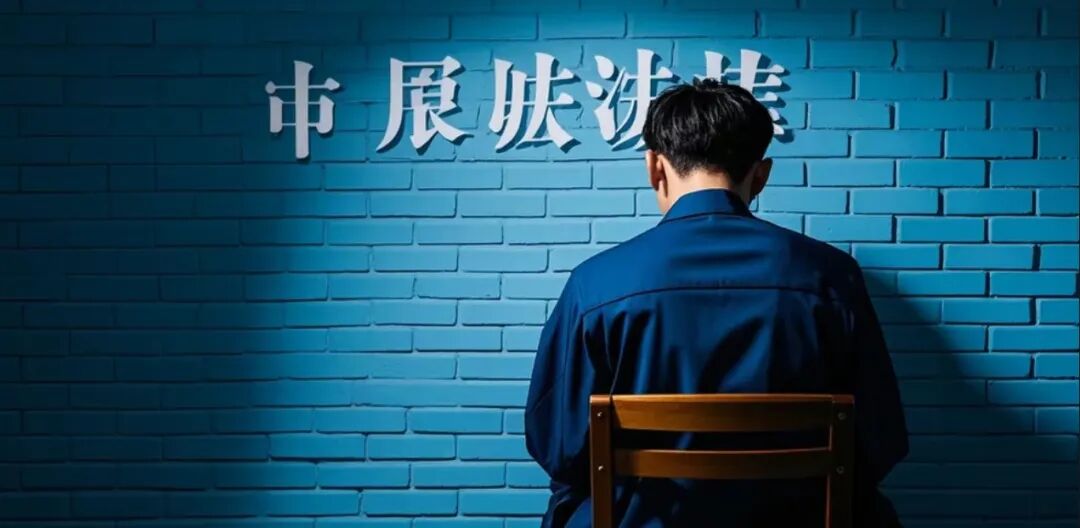
Now, GPT - Image - 2 will first "think": What sections should a menu have? How should the dishes be typeset? Where should the prices be placed? Then it will generate a menu with a 99% text accuracy rate that can be directly printed and used.
Google has even developed text - rendering and multi - language support functions. What does this mean? For a Chinese poster, AI can automatically generate English and Japanese versions while keeping the font, typesetting, and design style exactly the same, leaving human designers completely dumbfounded.
But that's not enough. Today, the ambition of AI image - generation is even greater: to forge not only pictures but the entire world.
In the past, AI - generated images were too perfect. The lighting on the characters was perfect, and the hair strands shone with an unnatural light. It was obvious that they were fake.
The scariest thing about this generation of AI is that it has secretly learned to "create imperfections" - adding noise and red - eye effects to the photos. Instead of pursuing pixel clarity, it achieves a more realistic effect.
This is the most terrifying breakthrough. It means that AI is no longer satisfied with forging information but has started to forge reality, making it difficult for you to distinguish between truth and falsehood.
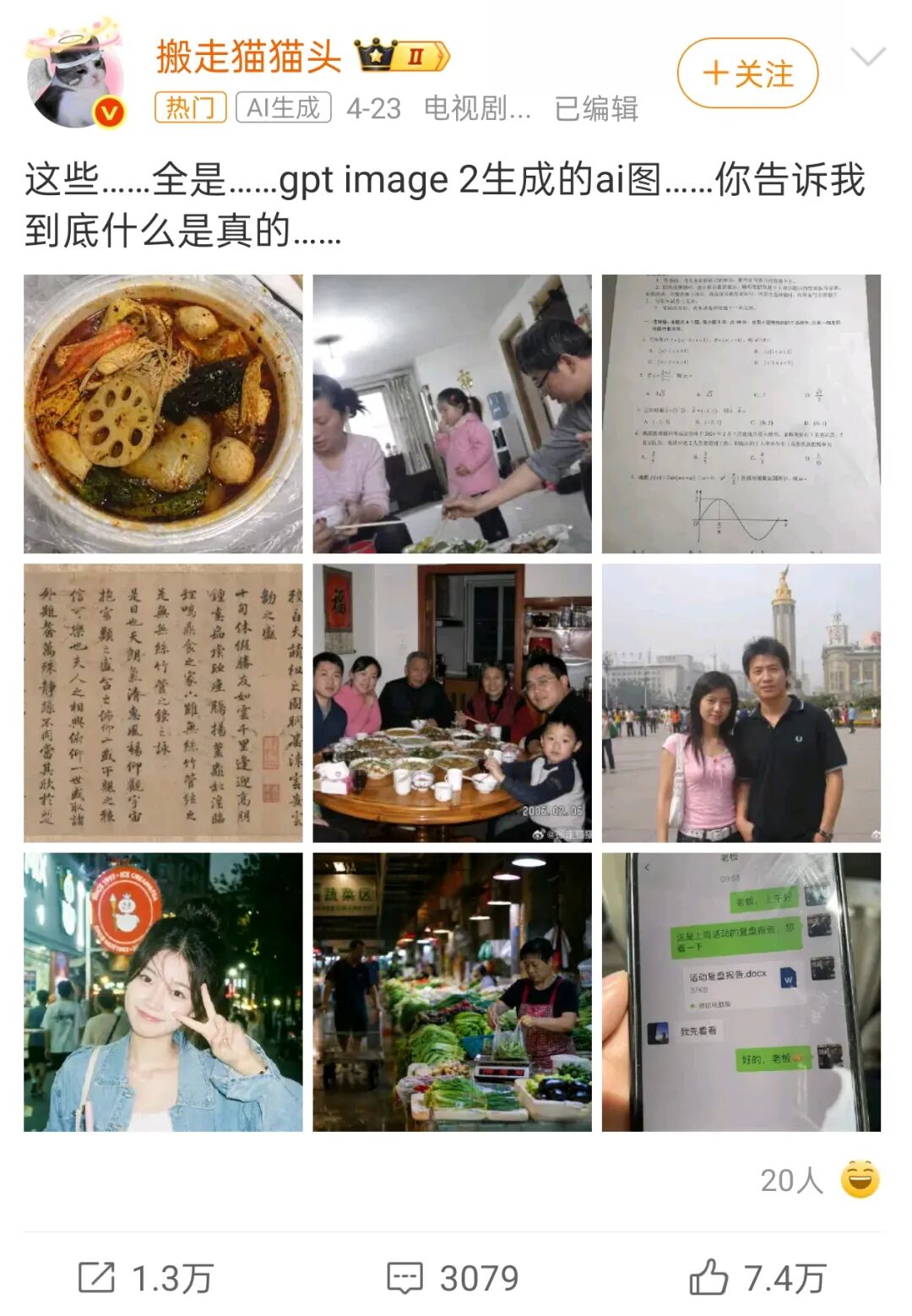
For example, the fingerprint texture that many people thought AI couldn't create in the past. Now, through analyzing your phone - holding posture and the curve of your pressing force, AI can generate a unique "tactile fingerprint" that even the user themselves can't tell whether it's real or fake.
There are also all kinds of things we see in daily life. For example, the pictures of spicy hot pot generated by users used to look fake at a glance. However, now, after AI has learned to handle the environment and lighting, they are basically the same as the real thing. In the future, in the comment section of merchants, who can tell whether the pictures are real or fake?