From glued batteries to removable ones, the EU poses a tough challenge to Apple.
On April 21st, Tim Cook, who had led Apple for 15 years, announced his resignation as CEO. John Ternus, the head of the hardware business, will take over as Apple's CEO starting from September 1st. When the CEO of Apple changes from a supply - chain master to a tech - savvy engineer, the doubts that Cook faced when he succeeded Steve Jobs may resurface for Ternus after he takes over.
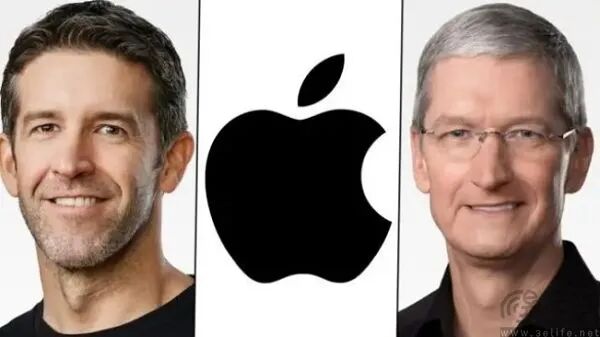
Just as Apple is about to "shift gears", the European Union steps in. The first challenge for Ternus after taking over as CEO may be the EU's "Battery Regulation" (EU2023/1542). It clearly stipulates that starting from February 18, 2027, consumer electronics sold in the EU must be equipped with user - replaceable batteries, covering products such as smartphones, smartwatches, wireless earphones, game consoles, and toys.
As a global multinational company, it is an inevitable choice for Apple to comply with the laws and regulations of major markets. After all, they can't afford to abandon a gold mine where 30 million iPhones are sold annually. Previously, EU regulations have forced Apple to abandon the Lightning interface, and the App Store has also been forced to open up locally. So, it's not impossible that they will be compelled to replace the batteries of iPhones and iPads with removable ones in the future.
So, the question arises: Why is the EU forcing mobile phone manufacturers represented by Apple to embrace a seemingly outdated design? In an era when globalization is gradually receding and the concept of digital frontiers is becoming more prominent, seeking digital sovereignty has become an unspoken operation among countries. Marked by the "2030 Digital Compass: Europe's Path for the Digital Decade" released by the European Commission in March 2021, Apple has been forced to become a "victim" of the EU's construction of the European Digital Single Market (DSM).
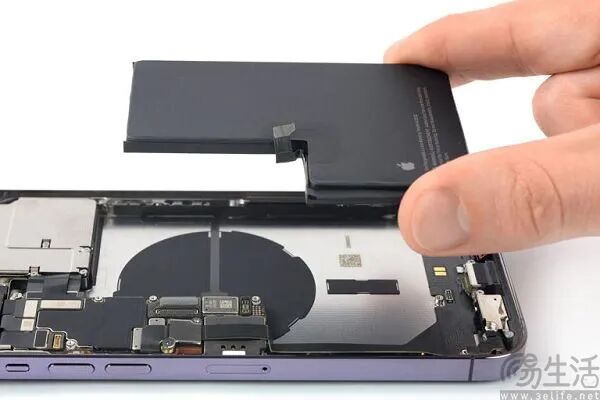
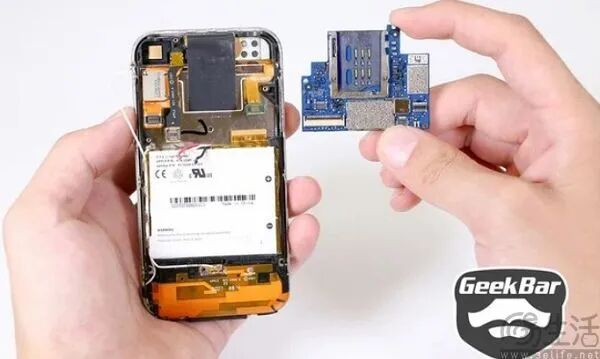
In the public's perception, removable batteries are often closely associated with feature phones. This is because the iPhone, which defined smartphones, has used an integrated design from the very beginning, with its battery directly fixed to the body. In addition to following the trend set by the iPhone, the widespread use of non - removable batteries by mobile phone manufacturers today is also related to the high - performance and high - power - consumption nature of smartphones.
As the performance of the SoC soars, it brings higher heat - dissipation requirements. Coupled with the need for more components to support 5G communication, the internal space of mobile phones has become extremely limited. If a mobile phone uses a removable battery, it will not only fail to be thin and light but will instead be labeled as "bulky". Mobile phones with this label often have poor sales. A typical example is the Xperia XZ2 Premium, known as the "Half - Jin Sony".
Another reason that mobile phone manufacturers are reluctant to mention is that using glue to stick the battery is a way to achieve planned obsolescence. What is the most easily worn - out component in a mobile phone? Excluding accidental situations, the battery almost always reaches the end of its service life first. After all, the aging of the battery during the continuous charging and discharging process is an irreversible law. The high - frequency use by users and the lack of battery maintenance awareness will significantly accelerate the depletion of the charging cycle.
In the current situation, when the battery life of a mobile phone reaches the end, the cost of replacing the battery is not very cost - effective compared to the residual value of the phone. At the same time, the glued battery also greatly increases the difficulty of self - repair for users. So, at this time, replacing the battery to extend the phone's service life is less cost - effective than directly replacing the phone.
I believe that friends who have had the experience of disassembling a phone should have encountered a similar situation. After opening the back cover of the phone, if you want to remove the battery, you often find that it is firmly fixed. For this reason, quite a few friends may use a heat gun or a hair dryer to heat the glue, but this method is actually extremely dangerous. Once the operation is improper, it is easy to cause the battery to bulge or even explode.
Even if the EU is willing to become a "digital colony" of American tech giants, environmental protection is a "political correctness" that Apple can't ignore. After all, the use of removable batteries means that users only need to replace the battery instead of the entire device, thus reducing the generation of electronic waste. An undeniable fact is that the popularity of glued batteries has led to a large number of mobile phones being left idle by users, who choose to directly replace the phone after the battery performance significantly declines.
You should know that assuming the user base remains stable, if the average service life of a mobile phone is extended from 30 months to 42 months, the annual sales volume of mobile phone manufacturers will significantly decline by about 28.6%. And the design of glued batteries has indeed, as mobile phone manufacturers expected, greatly increased consumers' enthusiasm for replacing phones. The roller - coaster plot of the recycling price of used phones, which soared and then crashed not long ago, is the best evidence.
At that time, due to the increase in memory prices, second - hand recyclers targeted the idle old phones of users, and the recycling price jumped from the usual forty or fifty yuan to several hundred yuan. After the news that used phones were valuable was amplified on social media, a large number of users dug out their "old phones" to cash in, which instantly caused an oversupply and led to a sharp drop in the recycling price. In this round of the market from crazy rise to sharp decline, the key factor is that everyone has several old phones lying in the drawer "collecting dust".
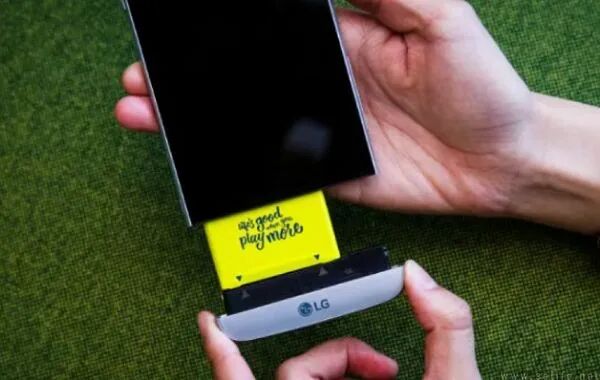
Although glued batteries do not conform to the EU's environmental protection theory, they have objectively promoted the generation of a large amount of electronic waste that could have been avoided. Coincidentally, the product philosophy of John Ternus, Apple's upcoming new CEO, is "the best repair is the one you never have to do". In order to make the iPhone more delicate and durable, he wants to seal every gap with strong glue.
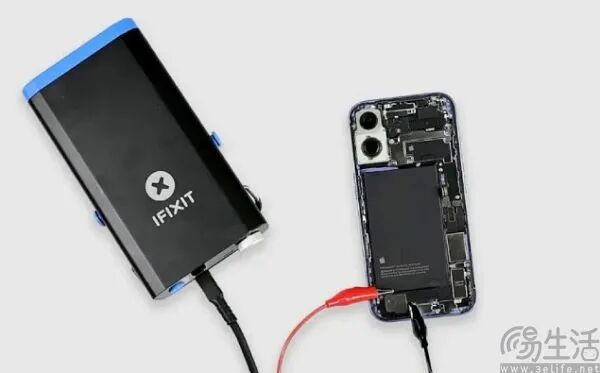
Apple is not indifferent to the EU's intention to discipline it in the name of environmental protection. As early as the iPhone 16 series, they introduced "electrically - induced adhesive debonding". The core of this technology is to make the glue ineffective through an electric current, so that the iPhone can "spit out" the battery from the battery compartment.
Of course, according to the EU's previous "tactics" against Apple, "electrically - induced adhesive debonding" is obviously not enough to satisfy the Brussels authorities. But if mobile phones really return to the removable design, it's not entirely good news for consumers. Even if we don't mention the inevitable decline in dust - and water - proof capabilities, the proliferation of counterfeit batteries alone is enough to be a headache.
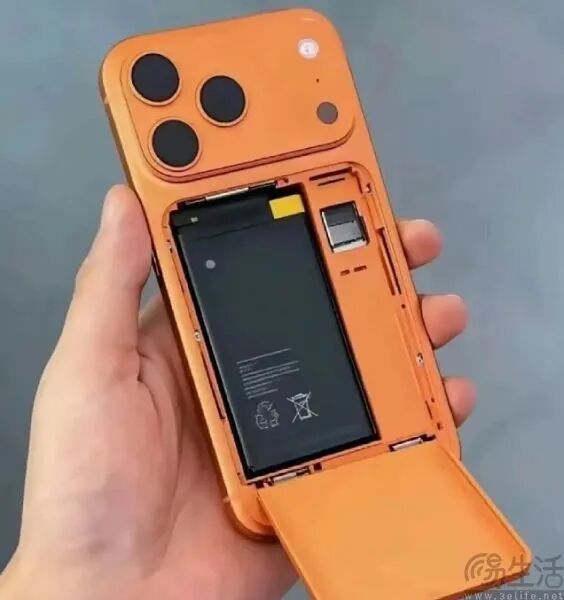
Instead of forcing mobile phone manufacturers to revive abandoned technologies, the EU should focus on improving battery quality and set higher standards for the number of charging cycles.
[The pictures in this article are from the Internet]
This article is from the WeChat official account "3eLife" (ID: IT - 3eLife), written by 3eLife. It is published by 36Kr with authorization.