With an ARR of over 300 million, this Silicon Valley unicorn has become a popular player in the global 3D generative AI field.
In the wave of AI reshaping various industries, 3D content generation has always been one of the tracks with the highest technical difficulty and the slowest commercialization. A startup from Silicon Valley founded by Tsinghua University alumni is rewriting this situation with continuously updated data.
In March 2026, at the GDC conference, Hu Yuanming, the founder and CEO of Meshy AI, announced that the company's Annual Recurring Revenue (ARR) had doubled to $30 million, the global user base had exceeded 10 million, and the cumulative number of generated 3D models had exceeded 100 million. Just three months ago, its ARR was only $15 million.
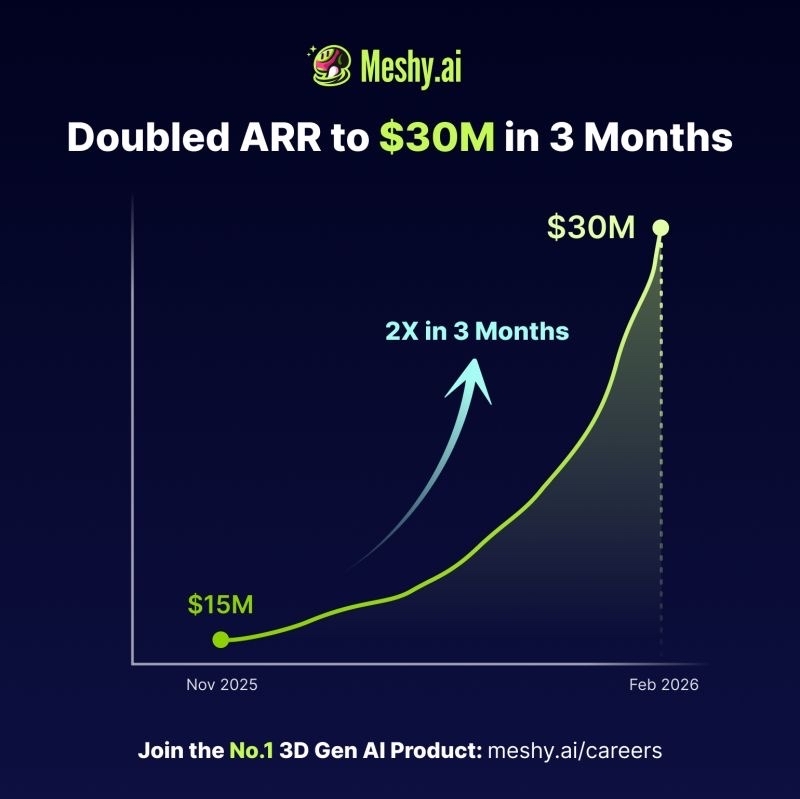
Data from February 2026
The soaring data indicators have quickly made Meshy AI a popular player in the global 3D generation AI track.
"Meshy has generated over 100 million 3D models with AI in three years. In contrast, the total number of 3D models manually created by humans throughout history is only about 150 million," Hu Yuanming said at GDC.
Behind these two surprising sets of data is the fact that AI is catching up with the production achievements accumulated by human civilization over decades with astonishing efficiency.
As a startup, how did Meshy AI achieve this?
Driven by technology, Meshy leads by a wide margin
As early as November 2025, Meshy was ranked among the top 2% of the fastest-growing AI companies in Silicon Valley, with a monthly compound revenue growth rate of 30% and a gross profit margin as high as 85%.
36Kr has learned that in April 2026, Meshy's ARR has exceeded $40 million, equivalent to about 300 million RMB. In addition, Meshy's revenue increased by 14 times in 2025, and the monthly compound growth rate has long been maintained between 20% and 30%.
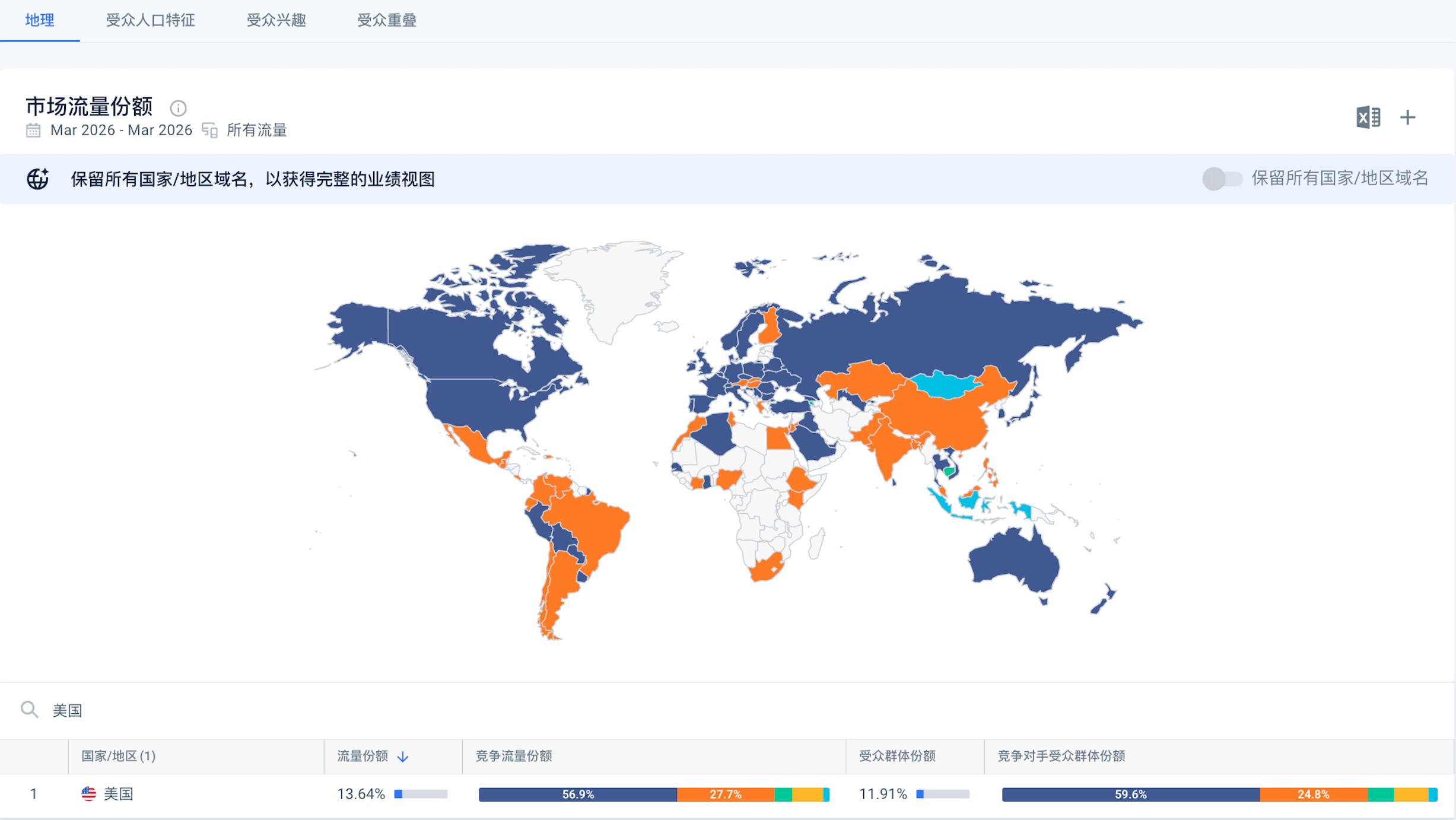
In terms of market structure, Meshy shows typical globalization characteristics. In the 3D generation market in developed countries in Europe and the United States, Meshy's market share is nearly 60%, higher than the sum of its second, third, and fourth - place competitors. As shown in the following figure, the blue part represents Meshy, and its coverage mainly includes developed countries or regions such as the United States, Europe, and Australia. In contrast, most of the competing products are distributed in Asia, South America, etc.
In the SaaS software field, such a growth rate is rare, not to mention in a vertical AI track with extremely high technical thresholds.
However, in fact, Meshy's revenue growth myth is based on strong technical barriers.
In October 2025, Meshy released the preview version of Meshy 6, which was regarded as a generational upgrade in the 3D generation field. The new version has significantly improved in mesh quality, geometric accuracy, and surface details. Especially in the generation of biological characters and organic models, the stretching and relaxation of human muscles are more natural, and the anatomical structure is more accurate.
Another aspect is efficiency. After the new version was launched, it only takes 20 - 30 seconds to generate a detailed 3D model with Meshy 6, and the texturing process takes about 1 minute. This means that the traditional modeling workflow that takes two weeks and costs $1000 has been compressed to two minutes and costs about $1. In other words, the speed has increased by a thousand times, while the cost has been reduced to one - thousandth.
In a previous case sharing, 37 Interactive Entertainment imported the original painting into Meshy to generate an initial model and then handed it over to the artists for refinement. The overall efficiency was improved by 50%, and the time was saved by 30% to 40%.
The strong product performance has naturally brought a large number of word - of - mouth recommendations. In 2026, Meshy was selected as the "Best Software in 2026" by G2. It ranks highest and is the most popular in the 3D modeling field, even outperforming traditional industry giants such as Blender and Maya.
On G2, Meshy has an extremely high user rating of 4.7 out of 5, with as many as 2399 reviews, far exceeding other competitors. For example, Blender only has more than 300 reviews.
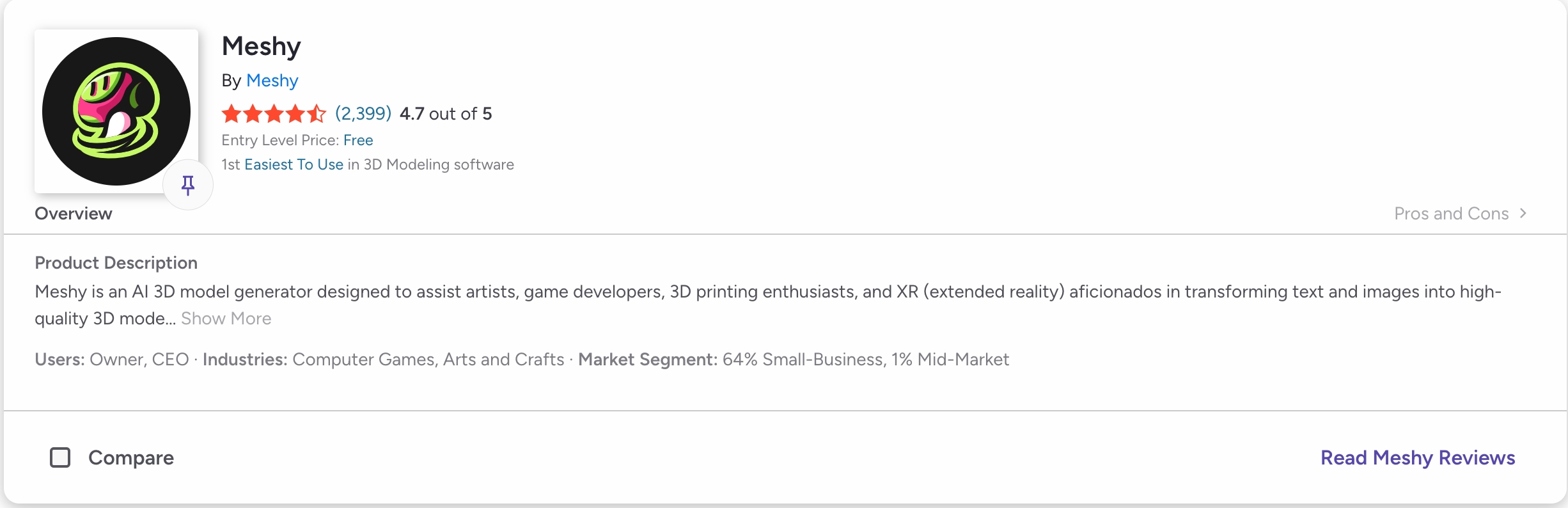
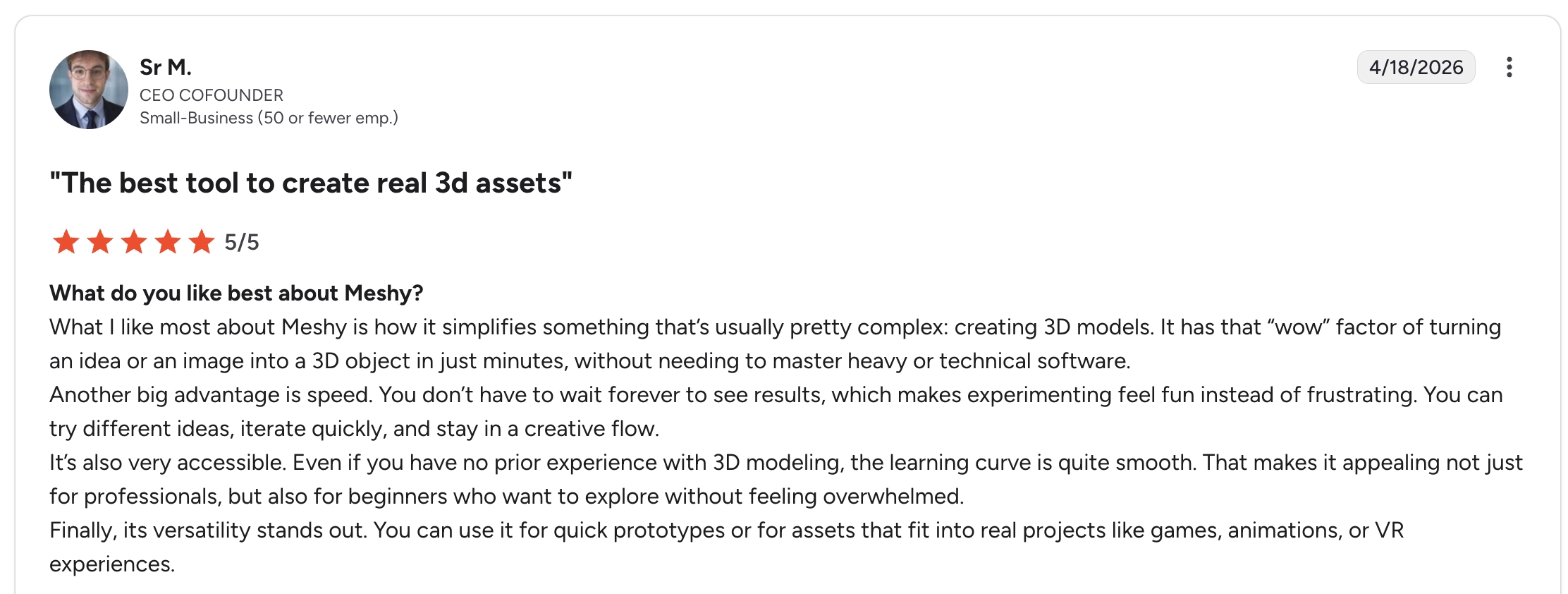
Many users have written heartfelt reviews.
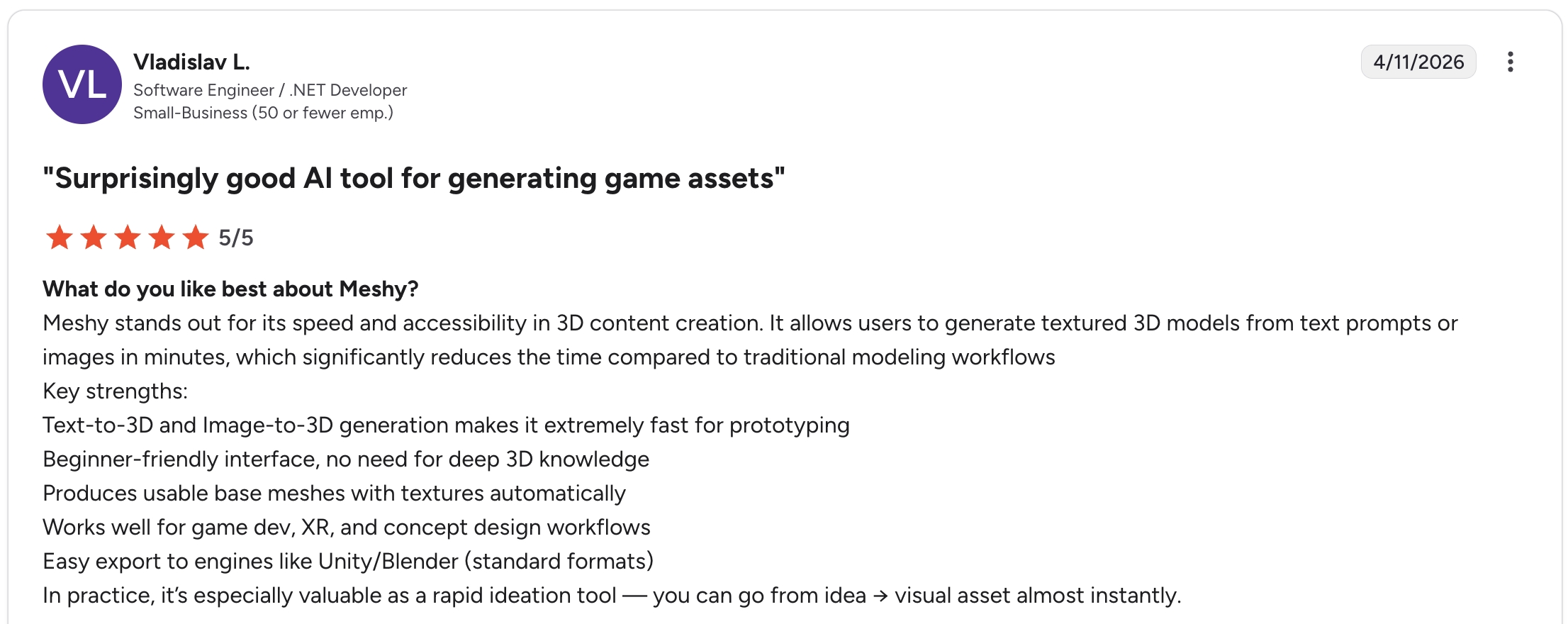
Andrew Price, the creator of the well - known Blender tutorial "Donut" series, directly promoted Meshy on the X platform. He posted multiple statuses related to Meshy and wrote many posts explaining the value of AI in 3D creation, using Meshy as an example.
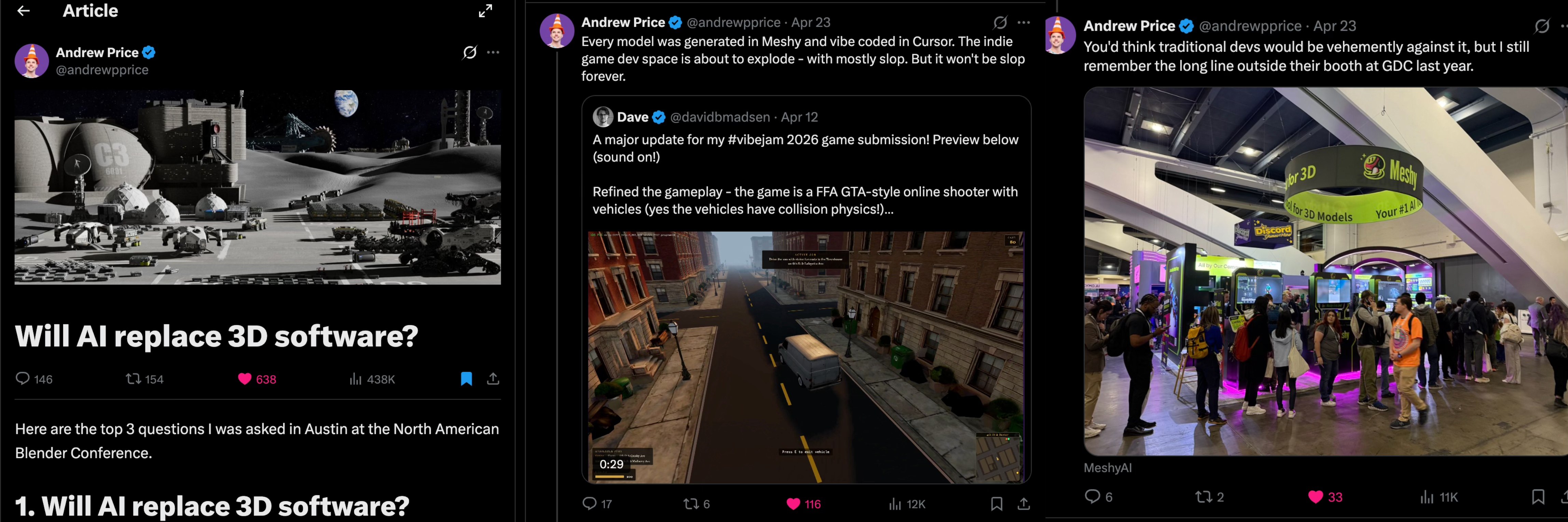
There is no doubt that Meshy has already established a wide - ranging influence overseas. In addition, they have also cooperated with world - renowned universities such as Stanford, MIT, Harvard, and UC Berkeley to carry out educational projects, connecting with the next generation of 3D creators in advance.

According to Hu Yuanming's previous disclosure, Meshy's LTV/CAC (the ratio of customer lifetime value to customer acquisition cost) exceeds 4, and more than half of the growth comes from natural channels. This means that the product's spread and user word - of - mouth have formed a positive flywheel. As shown in the following figure, the blue part represents Meshy. While other companies tend to increase the weight of paid advertising, Meshy relies more on natural traffic, and the proportion of paid advertising is very low.
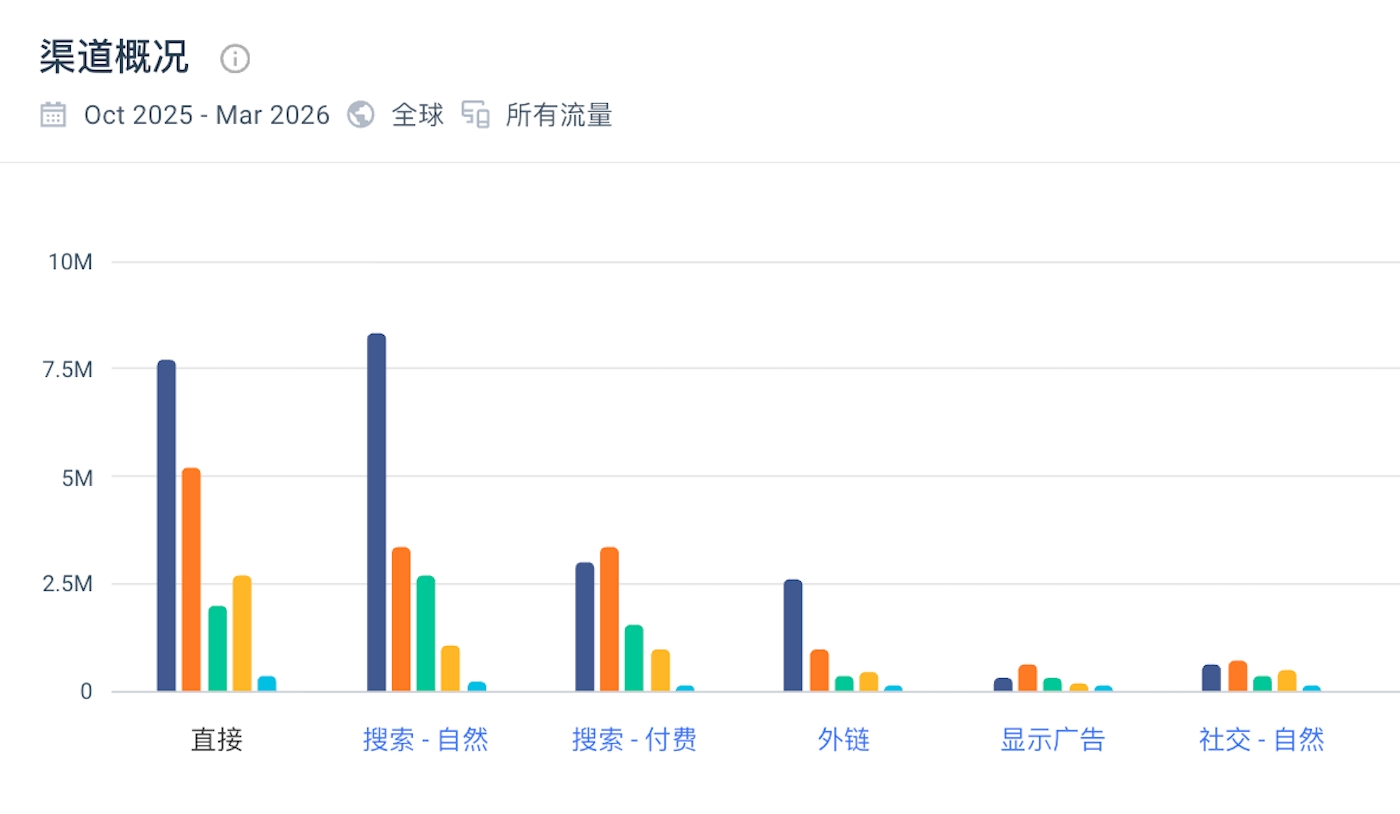
Note: The blue part is Meshy
It is also reported that currently, companies such as DNEG, Snap, FunPlus, Tencent, NetEase, and 37 Interactive Entertainment have integrated Meshy into their workflows.
Evolution from technical idealism to an AI - Native organization
When it comes to the team behind Meshy, the story is much more complicated.
In the geek circle, Hu Yuanming's resume is a standard template for a technical genius and is full of technical idealism. He graduated from the Yao Class at Tsinghua University and obtained a doctorate in computer graphics and AI from MIT. During his doctoral studies, he independently developed the high - performance computer graphics programming language "Taichi", breaking the simulation limit of one billion particles on a single GPU. Taichi has over 27,000 stars on GitHub and has been adopted by more than 300 institutions worldwide. After graduating in 2021, he founded Taichi Graphics and raised $50 million in financing.
However, this technical success did not translate into commercial success. Taichi then went into obscurity, but Meshy soon emerged.
Since its birth, Meshy has only done one seemingly simple thing: converting text and images into 3D models that can be used in the game and film industries, and iterating and upgrading rapidly. It has directly updated five generations in two years.
At the 2026 GDC, Hu Yuanming was invited to share Meshy with the community at the main forum. The 280 - seat venue was full, and many audiences stood at the back to listen. Some industry insiders commented that it was the most - queued - for speech they had ever seen at the GDC conference.
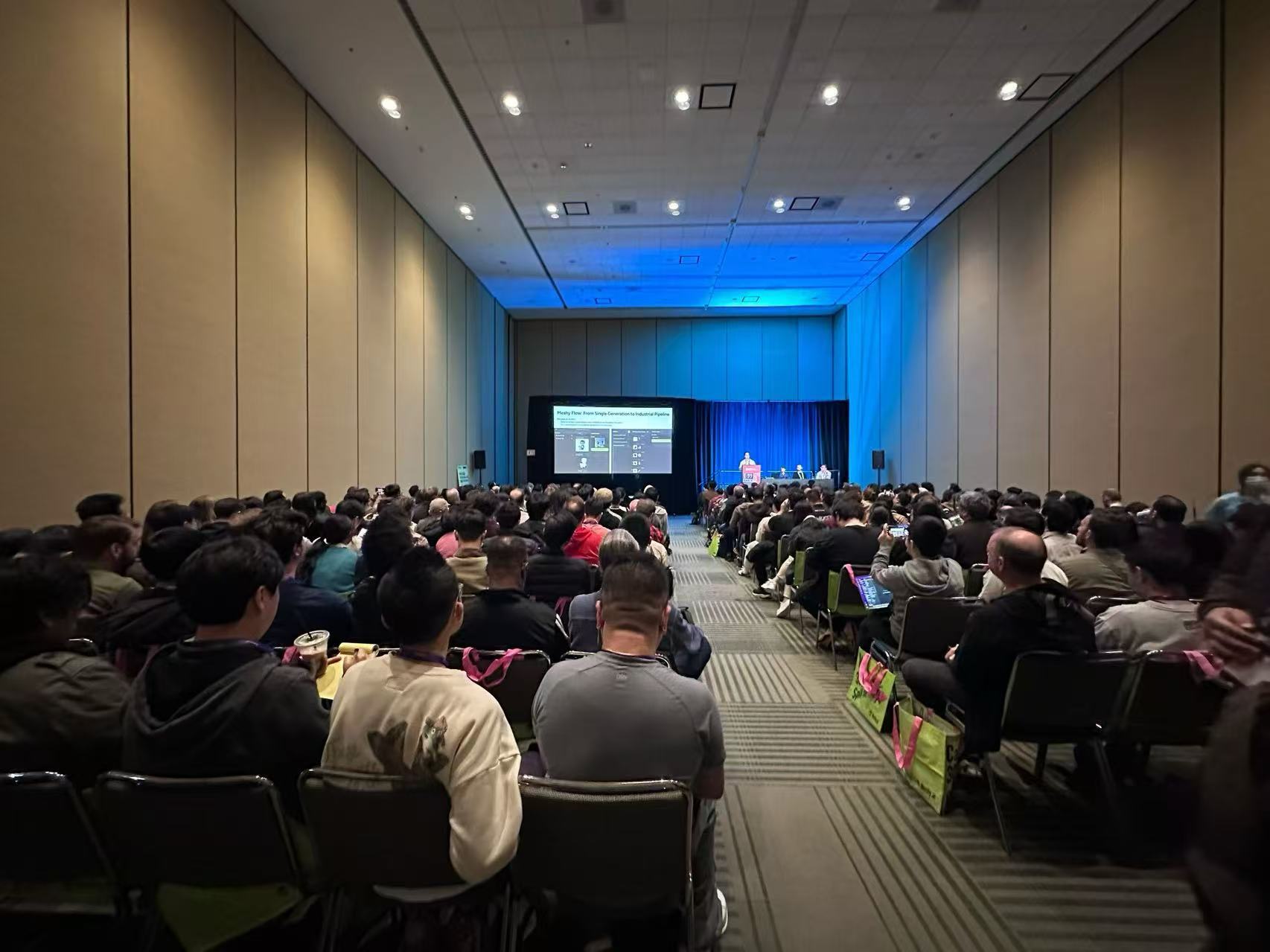
So far, Meshy has become the AI 3D product with the largest number of real users.
Behind this transformation, many people have seen the change in Hu Yuanming's entrepreneurial thinking, which is now more directly reflected in Meshy's commercialization strategy.
In the AI era, most technology - idealistic companies are groping in the fog, trying to find the most suitable PMF (Product Market Fit) through a large amount of technical exploration. Meshy has obviously crossed the exploration stage and is moving towards the stage of large - scale commercialization.
Behind the new development stage, a brand - new organizational form has emerged at Meshy.
Most AI companies face the same dilemma at the large - scale stage: they will lose if they don't recruit, but they will be stuck in management if they do. Meshy has chosen a third way - to become an AI - native company.
Hu Yuanming once wrote in an internal letter: "If we can be a 150 - person company that delivers the output of a 1500 - person team with AI, we'll be happier — and we'll win." He himself completed a project that originally took three weeks in three hours with Cursor Agent, achieving a 100 - fold increase in efficiency.
A sales colleague with no engineering or design background independently built a customized demo for a leading automotive brand using Vibe Coding and Claude and won a B2B cooperation on the spot. This is unthinkable in a traditional company, where sales need to submit requirements, wait for scheduling, and wait for engineers and designers. At Meshy, one person can complete the whole process.
Meshy has also built a complete AI - native infrastructure: the internal knowledge base Agent MERLIN, the code Agent Sandrone, the LLM Gateway, the Agent self - building platform, and even provided Cursor for all employees. Engineers usually run 4 - 8 Agents simultaneously, and more than 90% of the code is generated by Agents. All employees have a $1000 annual quota for AI tool exploration and unlimited AI access.
The company also held a global Vibe Coding competition for non - technical departments: a $10,000 prize pool, 15 cross - departmental teams, and building a complete product from scratch with AI tools within three hours. Many projects were later iterated and finally launched.
From tool to platform, Meshy's long - term battle
Currently, Meshy has served 10 million users globally, and its monthly visits have exceeded 5 million.
Meshy not only helps overseas game giants reduce costs and improve efficiency but also helps many independent game developers achieve industrial - level creation. An independent developer once sighed: "Thanks to Meshy, small teams can now achieve the quantity and quality of 3D assets that were unimaginable in the past."
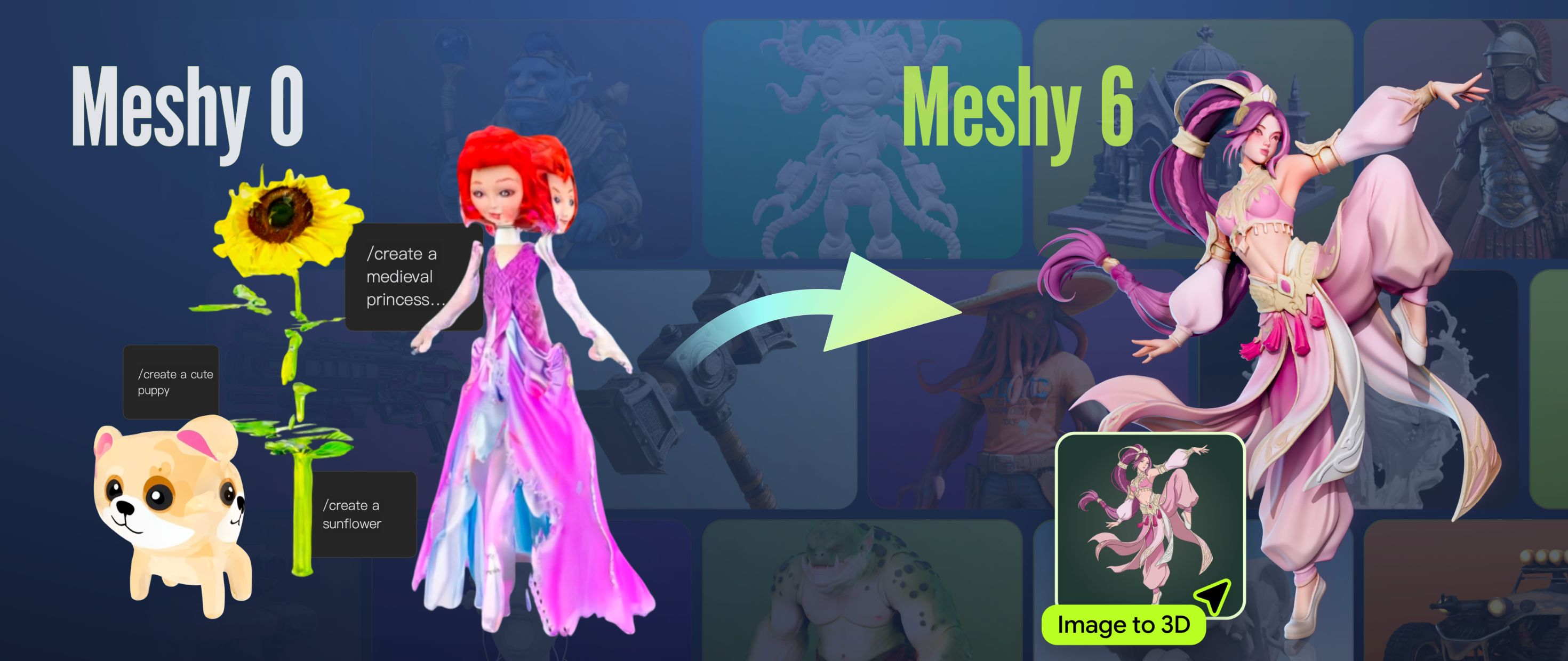
As the technical provider, Meshy has a more ambitious vision.
When AI truly solves the problem of "what to do every day after humans don't need to work", games, as the core carrier of human self - expression and entertainment, may be part of the answer.
In fact, in addition to the continuous evolution of Meshy 1 to 6 at the tool level, "Meshy Labs" released at the 2026 GDC shows signs of a leap from "AI for 3D" to "AI for Fun".
Meshy Labs can be regarded as an experimental AI incubator. Its first product, "Black Box: Infinite Arsenal", is an AI - native game. Players can generate weapons in real - time through natural language, not by selecting from a preset library, but by creating a completely customized combat experience through text prompts.
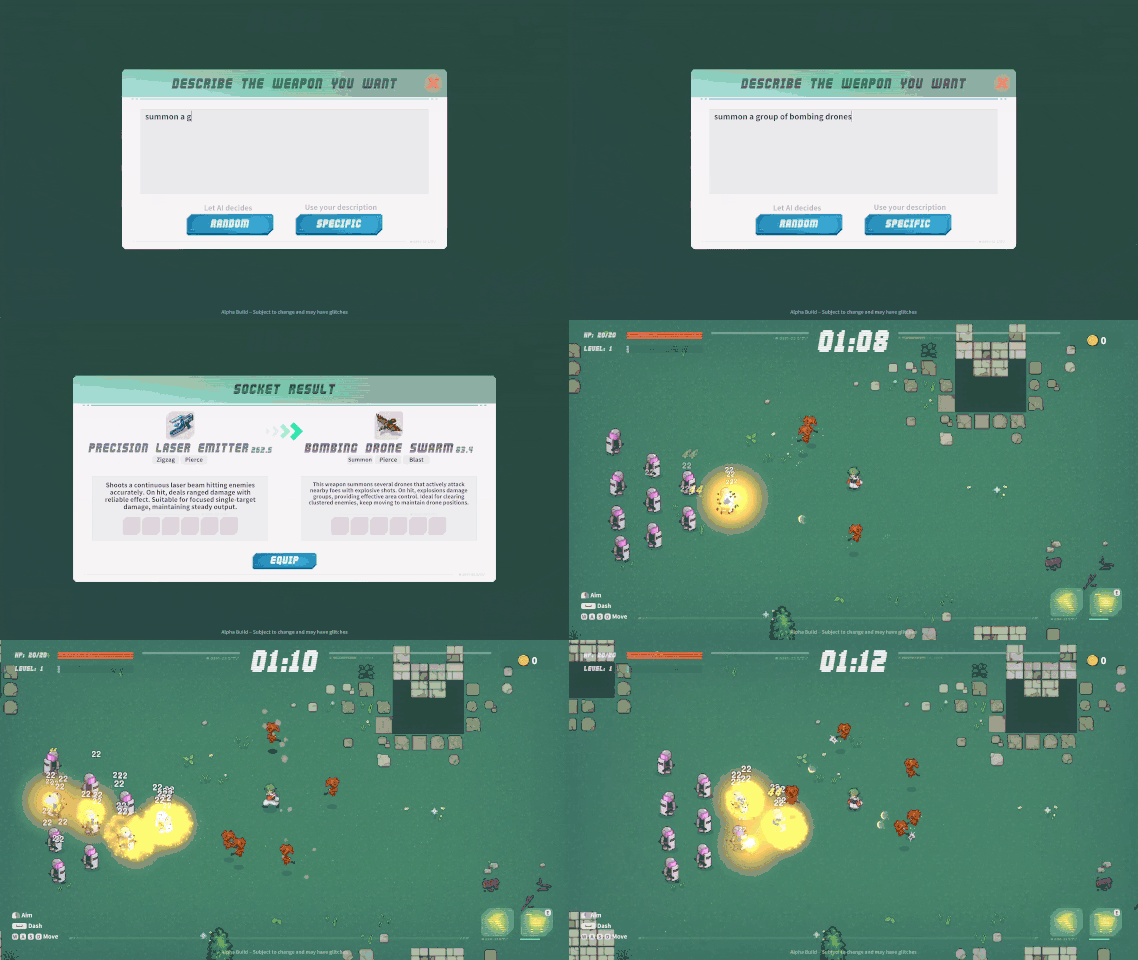
"We started with AI for 3D, enabling people of any skill level to build rich worlds by bypassing traditional bottlenecks. But if AI for 3D is changing how we 'produce', then AI for Fun is the next frontier - it not only changes how games are made but also how they are experienced," Hu Yuanming explained.
The logic is that Meshy has established technical and user barriers in the 3D asset generation field. The next step